Our verdict
One of Quebec's most enduring sugar shack traditions, Sucrerie de la Montagne in Rigaud operates as a working maple farm and inn that draws visitors through the sugar season each spring. The experience centres on wood-fired cooking, maple-forward menus, and a rustic property that makes the provenance of every dish visible before you sit down. For travellers willing to leave Montreal's orbit, it offers a direct encounter with one of Canada's most place-specific food cultures.

Pearl is the En Primeur Club membership app — saves, bookings, and concierge access live there. Same editors, same standards.
- Address
- 300 Ch. Saint-Georges, Rigaud, QC J0P 1P0, Canada
- Phone
- (450) 451-0831
- Hours
- Daily 11 AM–2 PM, 5–7 PM
- Website
- sucreriedelamontagne.com
- Directions
- Get directions
The menu
What to order
- Oreilles de crisse
- Maple ham
- Baked beans
- Tourtière
- Tire sur la neige
Where the Ingredient Is the Address
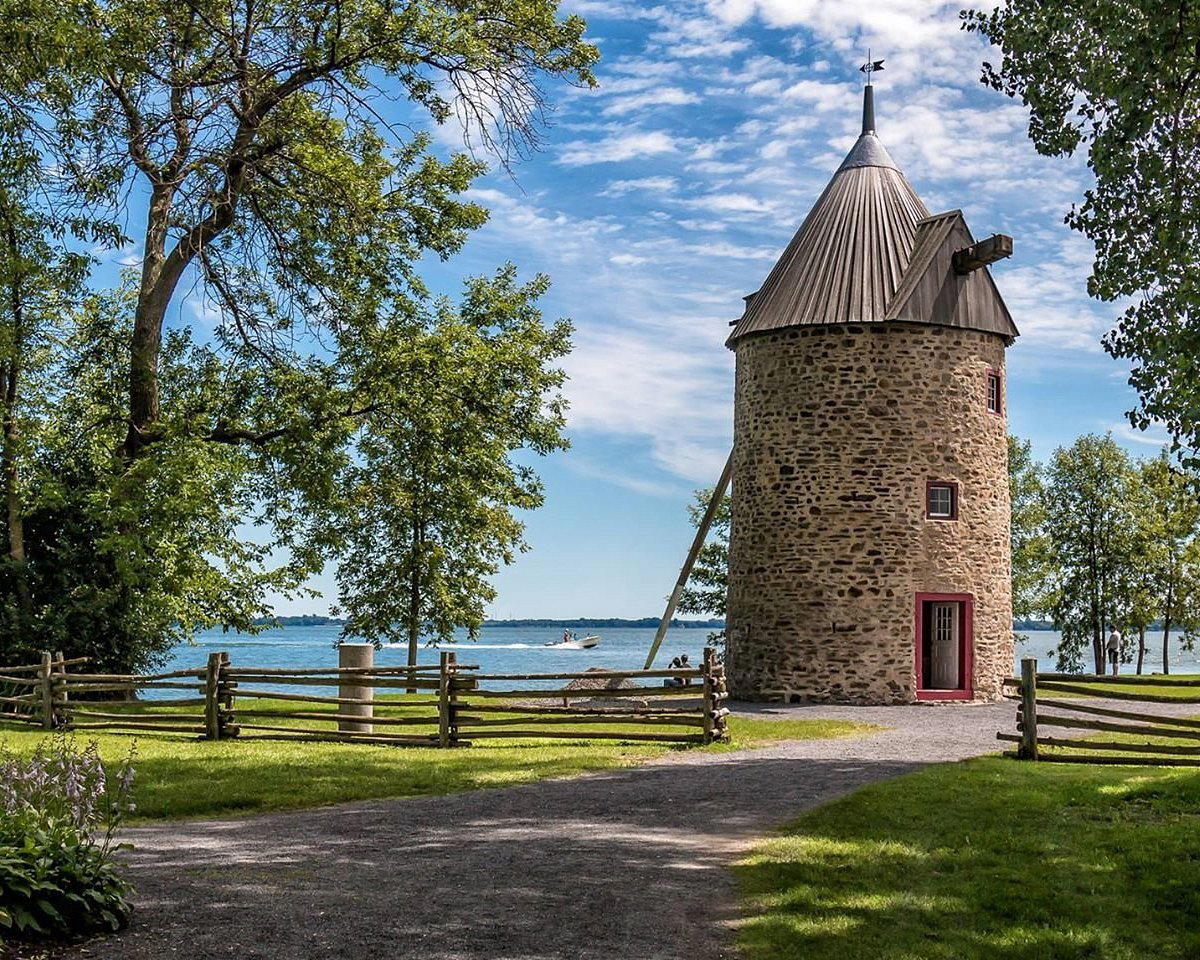
In most dining contexts, provenance is a story told on a menu card. At Sucrerie de la Montagne in Rigaud, about an hour west of Montreal, it is the building itself. The property sits on wooded land where maple trees are tapped each year, the sap boiled in an evaporator house on-site, and the resulting syrup folded into nearly every dish that reaches the table. The sourcing chain runs from the forest to the kitchen without leaving the property. That compression of origin and plate is rare in any country, and in Canada it remains one of the defining qualities of the authentic sugar shack tradition, as opposed to the theme-park versions that have proliferated closer to urban centres.
Quebec's cabane à sucre culture is tied to a specific agricultural window: late February through April, when overnight freezes and daytime thaws create the pressure differential that draws sap through the xylem of sugar maples. Outside that window, the ritual changes character. Sucrerie de la Montagne extends its operation beyond the core season, operating as a country inn and event venue through the year, but the sugar season remains the primary reason most visitors make the drive on the two-lane roads that cut through the Laurentian foothills toward Rigaud.
Maple as Culinary Architecture, Not Garnish
The broader Quebec tradition uses maple not as a finishing note but as a structural ingredient: in the brine, in the glaze, in the tire sur la neige pulled directly from hot syrup poured onto packed snow and rolled onto a stick. This last ritual, simple as it sounds, has survived generations as an unreplicable sensory event, the kind that depends entirely on the temperature of outdoor air, the timing of the pour, and the proximity of the evaporator house releasing steam into cold air nearby. No restaurant kitchen in a city can reproduce it, which is precisely why properties like Sucrerie de la Montagne retain their pull even as Montreal's dining scene has grown dramatically more sophisticated. Venues like Jérôme Ferrer - Europea in Montreal offer refined Quebec ingredients in urban formats, but the sugar shack asks for something different: a trip out of the city to meet the ingredient on its own terms.
The wood-fired cooking methods common to this tradition, including whole pigs, tourtière, baked beans slow-cooked overnight in cast iron, and pea soup from dried legumes rather than canned stock, represent a pre-industrial culinary logic that has more in common with farm-to-table philosophy than most trend-driven restaurants would acknowledge. The key difference is that here the farm is not a marketing relationship with a distant supplier but the literal ground underfoot.
Where Sucrerie de la Montagne Sits in the Broader Category
Canada's most compelling rural dining experiences tend to cluster into two types: those that bring urban technique and sourcing discipline to remote settings, and those that document an existing food culture in place without trying to refine it. Eigensinn Farm in Singhampton and Fogo Island Inn Dining Room in Joe Batt's Arm represent the former, with tightly controlled menus and strong critical positioning. Sucrerie de la Montagne belongs to the latter category: its value is documentary and experiential, not gastronomic in the Michelin sense. That is not a qualification. It is a precise description of what the property offers and why it occupies a different competitive space than, say, Tanière³ in Quebec City or Restaurant Pearl Morissette in Lincoln.
Within the sugar shack category specifically, the distinction that matters most is between operations that source their maple from the land they occupy and those that import syrup and simulate the aesthetic. Sucrerie de la Montagne is among the former. The evaporator, the taps, and the trees are all on the property, and that vertical integration of source and service is what separates it from event venues that have borrowed the vocabulary without the agriculture.
For comparison, the rural dining tradition in other parts of Canada takes different forms. The Pine in Creemore works within a different regional food identity, and Narval in Rimouski draws on St. Lawrence seafood rather than land-based ingredients. The point of comparison is not quality but source logic: in each case, the menu is a direct expression of what the surrounding geography produces. Sucrerie de la Montagne fits that pattern as tightly as any property in Canada.
Planning the Visit
The drive from Montreal takes roughly an hour via the A-40 highway west toward the Ontario border, with Rigaud positioned just before the provincial line. The sugar season runs from late February through April, and that window represents the period when the full experience, including outdoor maple activities, tire sur la neige, and the working evaporator, is active. Visiting outside that window means encountering a quieter, inn-focused operation. For first-time visitors, the spring season is the correct frame. The property operates both a dining room and overnight accommodation, which makes it possible to arrive the evening before peak weekend service and stay through the morning, when the forest is quietest and the evaporator may still be running. Booking well ahead of the sugar season is advisable; weekend reservations during peak maple weeks tend to fill early, and the property draws from both the Montreal and Ottawa catchment areas simultaneously.
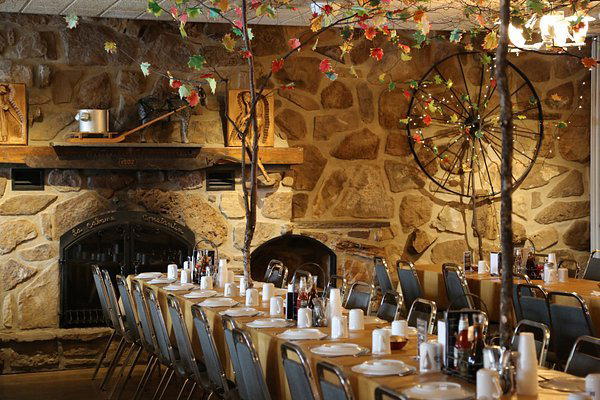
Dress code is emphatically casual. The format is communal and table-d'hôte rather than à la carte, and the setting is deliberately rustic in ways that signal authenticity rather than design restraint. Families with children are well accommodated; the outdoor elements of the visit, particularly the snow activities and tire pulling, are a substantial part of the offering rather than an afterthought. For urban visitors accustomed to fine dining formats, the shift in register is deliberate and worth preparing for. This is not Alo in Toronto or AnnaLena in Vancouver. It is something older and, in its own context, harder to replicate.
Frequently asked questions
Is Sucrerie de la Montagne a family-friendly restaurant?
The cabane à sucre format at Sucrerie de la Montagne is built around communal tables and shared Quebec maple traditions, which typically makes it well-suited to multigenerational groups. Located at 300 Chemin Saint-Georges in Rigaud, the property sits within a working sugar bush, giving children direct contact with the production environment. That said, confirm current programming and group arrangements directly before visiting.
Is Sucrerie de la Montagne formal or casual?
Sugar shack dining in Quebec is a distinctly informal tradition, and Sucrerie de la Montagne follows that convention. Expect communal seating, folkloric music, and a meal structured around maple-forward Quebec fare rather than à la carte service. The Rigaud setting reinforces the rural, unpretentious character of the experience.
How far is Sucrerie de la Montagne from Montreal and is it worth the drive?
Rigaud sits approximately 70 kilometres west of Montreal via the A-40, placing Sucrerie de la Montagne about one hour from the city centre under normal traffic conditions. Few sugar shacks operating at this proximity to Montreal combine a working maple forest setting with the full cabane à sucre format in the same way. For visitors wanting to connect directly with Quebec's maple heritage rather than a staged urban version of it, the distance is the point.
What should I order at Sucrerie de la Montagne?
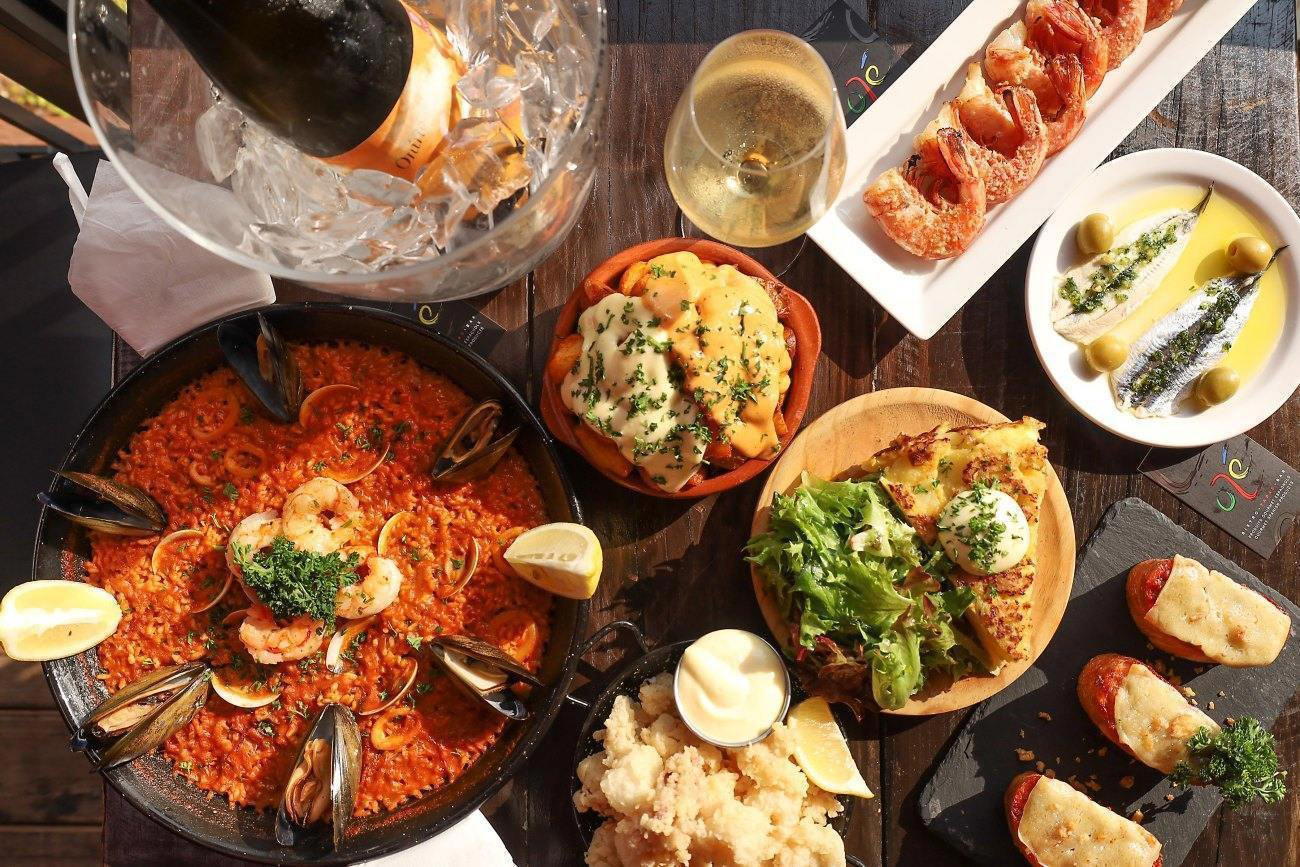
Traditional cabane à sucre menus in Quebec are built around dishes where maple is a structural ingredient: ham glazed with maple syrup, baked beans, cretons, and tire sur la neige — maple taffy poured over snow. Sucrerie de la Montagne operates within this tradition, so those are the categories to expect. Confirm specific current menu items directly with the venue before visiting.
Where exactly is Sucrerie de la Montagne?
Sucrerie de la Montagne is located at 300 Ch. Saint-Georges, Rigaud, QC J0P 1P0, Canada, Rigaud.
Can I walk in to Sucrerie de la Montagne?
Sugar shack operations in Quebec, particularly those with a defined sugar season running late February through April, tend to fill quickly and often require advance reservations. Sucrerie de la Montagne is located in Rigaud, roughly an hour from Montreal, making it a popular day-trip destination. check the venue's official channels to confirm current reservation requirements before making the drive.
At-a-Glance Comparison
Comparable venues nearby, for context on price, style, and recognition.
| Venue | Cuisine | Price | Awards | Notes |
|---|---|---|---|---|
| Sucrerie de la MontagneThis venue — the venue you are viewing | Traditional Québec Sugar Shack | $30–50 | Not listed | Not listed |
| Bivouac | Modern Quebecois Bistro | $50–100 | Not listed | Quartier des Spectacles |
| Hélicoptère | Seasonal Market Cuisine | $50–100 | Michelin Plate · Star Wine List | Maisonneuve |
| Gezellig | Modern Canadian | $50–100 | Not listed | Westboro |
| 156 Cumberland | Modern Korean Fusion | $50–100 | Michelin Plate | Queen West |
| Régine Café | Creative Canadian Brunch | $20–30 | Not listed | Louis-Hebert |
Continue exploring
More in Rigaud
Restaurants in Rigaud
Browse all →
Sucrerie de la Montagne
The wine
- Wine program
- Curated wine list
- Beer program
Details
- Rustic
- Cozy
- Scenic
- Classic
- Family
- Celebration
- Group Dining
- Historic Building
- Beer Program
- Local Sourcing
- Mountain
- A La Carte
Current opening hours
- Monday
- 11 AM–2 PM, 5–7 PM
- Tuesday
- 11 AM–2 PM, 5–7 PM
- Wednesday
- 11 AM–2 PM, 5–7 PM
- Thursday
- 11 AM–2 PM, 5–7 PM
- Friday
- 11 AM–2 PM, 5–7 PM
- Saturday
- 11 AM–2 PM, 5–7 PM
- Sunday
- 11 AM–2 PM, 5–7 PM
Hours can change for holidays and private events. Last verified .
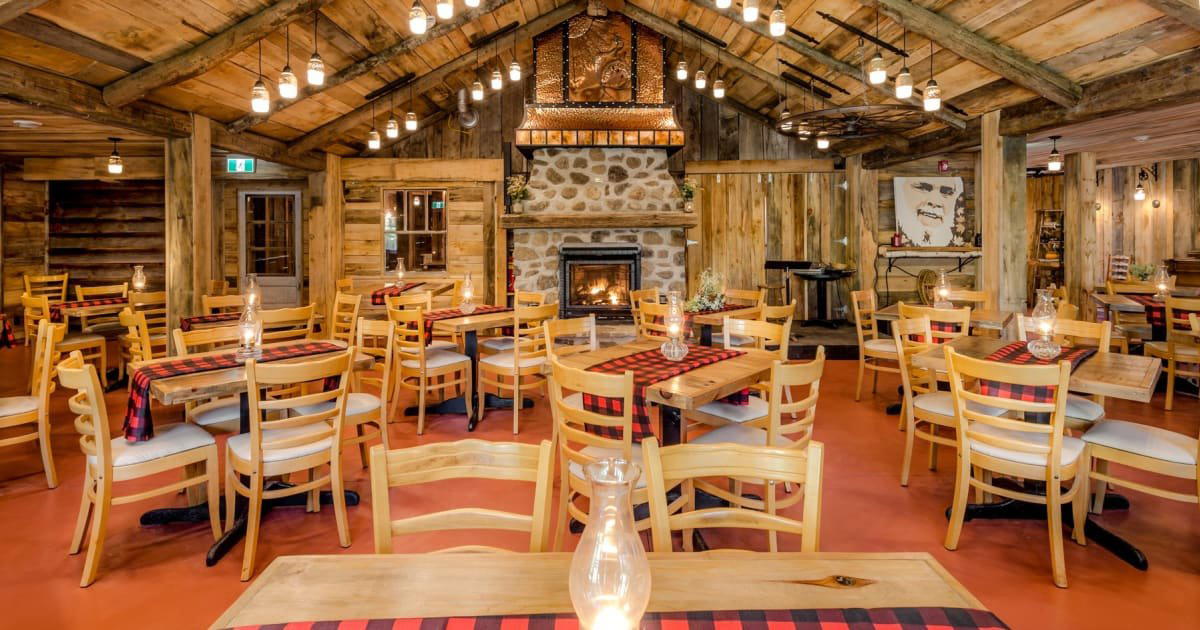
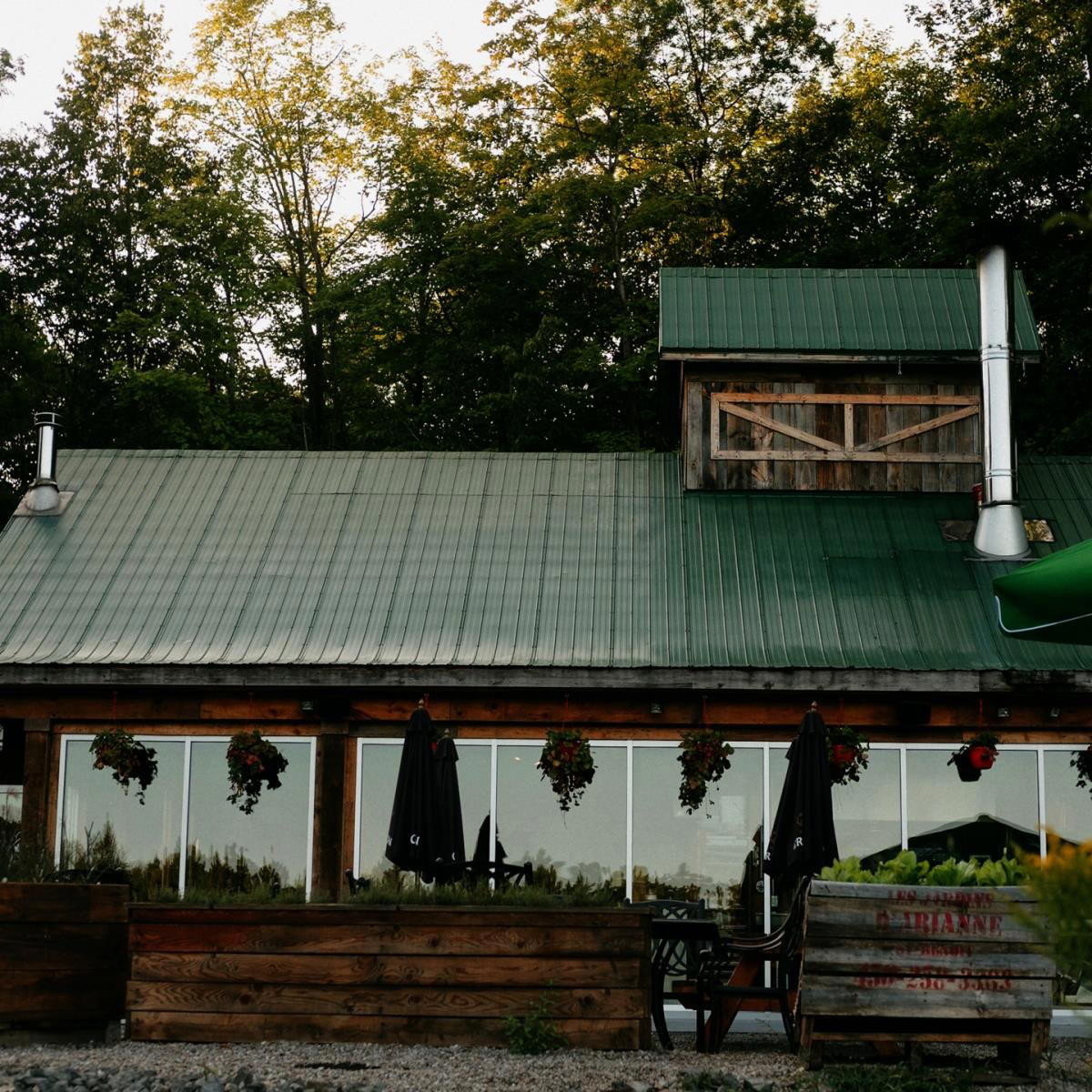
Vintage rustic atmosphere in century-old maple forest cabins with folkloric music and warm, traditional pioneer-era setting.