
Canada's 100 Best Restaurants #38
Our verdict
On 165 acres of sugar bush outside Mirabel, La Cabane d'À Côté operates as a serious argument for Quebec terroir in one of Canada's most specific dining formats. Groups of eight or sixteen gather around a wood-fired syrup-evaporation table for 15- to 20-course feasts anchored by local oysters, foie gras crêpes, and maple-laced finishes. Seasonal, reservation-only, and genuinely rooted in place.

Pearl is the En Primeur Club membership app, where members save venues, book tables and use the concierge.
Where the Ingredient Is the Premise
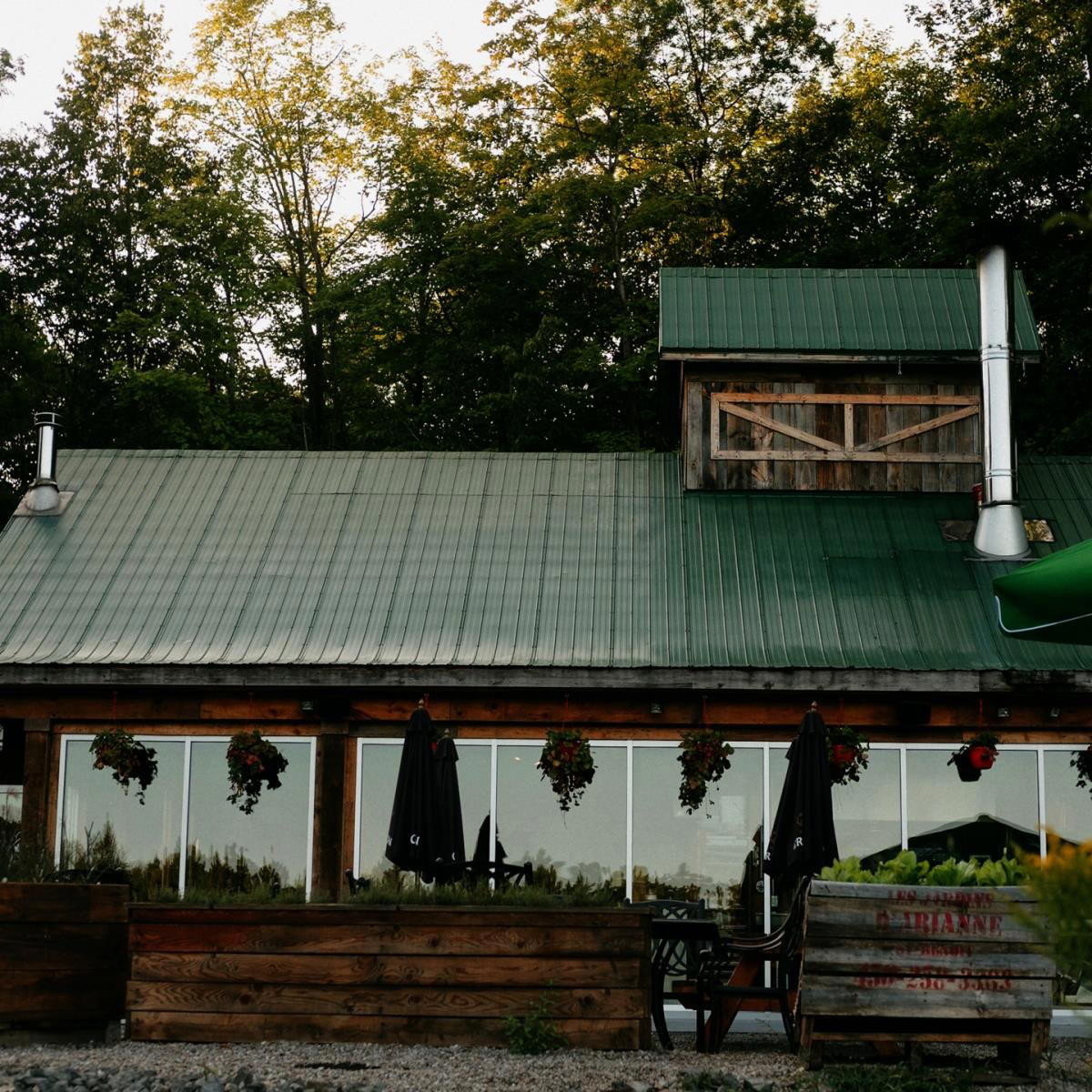
The road to 3595 Montée Robillard does not telegraph what waits at the end of it. Mirabel's agricultural hinterland stretches flat and quiet north of Montreal, and the approach to La Cabane d'À Côté follows that register: a gravel path, a tree line, the gradual materialization of a sugar bush holding 2,000 taps across 165 acres. Before a single dish arrives, the setting has already made a statement about sourcing philosophy. This is a property where the ingredient supply and the physical environment are the same thing.
That alignment between land and table is the defining logic of Quebec's cabane à sucre tradition, and La Cabane d'À Côté occupies its most serious contemporary expression. Sugar shacks as dining destinations exist across the province, but most operate as broad-audience seasonal affairs, heavy on nostalgia and light on culinary ambition. The format here strips away the mass-market version and replaces it with something more exacting: fixed-group seatings, long menus, and cooking that treats the sugar bush not as a backdrop but as a larder.
The Seasonal Pantry: Late Winter Through Summer
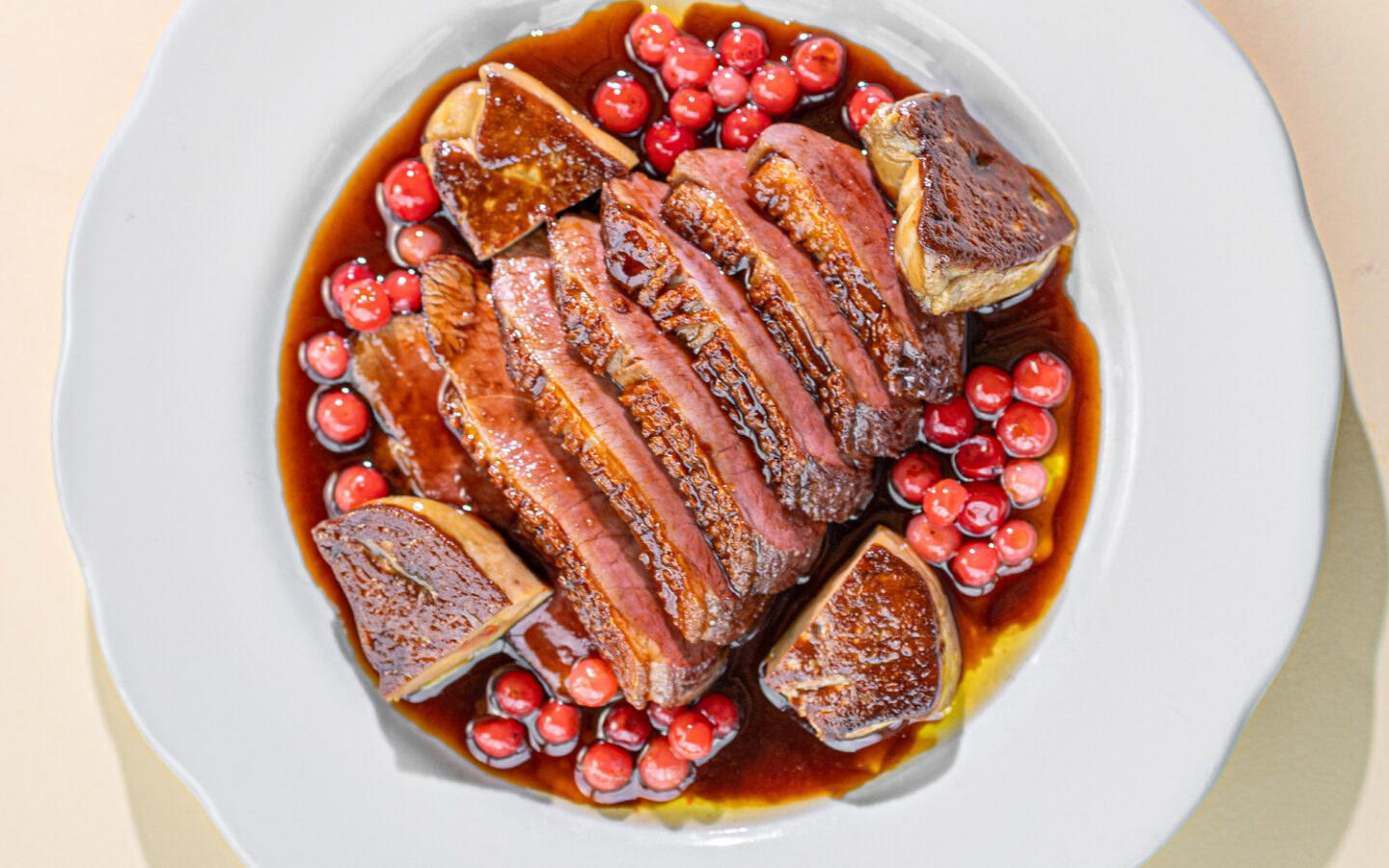
Quebec's culinary calendar divides itself along the sap run, and La Cabane d'À Côté's menu is structured accordingly. When the temperatures swing between freezing nights and mild days in late February and March, the sap begins moving, and the kitchen responds with the province's cold-water harvest: Quebec oysters, scallops, and snow crab. The cooking moves through confit trout with pastis, duck with blackcurrant sauce and beets, and crêpes au calvados finished with foie gras, all of it executed on a wood-fired syrup-evaporation table that functions simultaneously as heat source, cooking surface, and defining symbol of the season. The meal ends with Quebec cheeses and a pavlova built around maple syrup and citrus.
This approach to ingredient sourcing, pulling the marine bounty of the Gulf of St. Lawrence into a landlocked sugar bush setting, reflects a broader instinct in Quebec's most attentive kitchens. The province has unusually strong regional ingredient identity, from Îles-de-la-Madeleine scallops to Eastern Townships foie gras, and the most interesting cooking in Quebec treats those ingredients as a system rather than a shopping list. Comparisons can be drawn to the work being done at Narval in Rimouski, where the Gulf's produce anchors a similarly place-rooted menu, or to Tanière³ in Québec City, which applies its own archival logic to provincial sourcing.
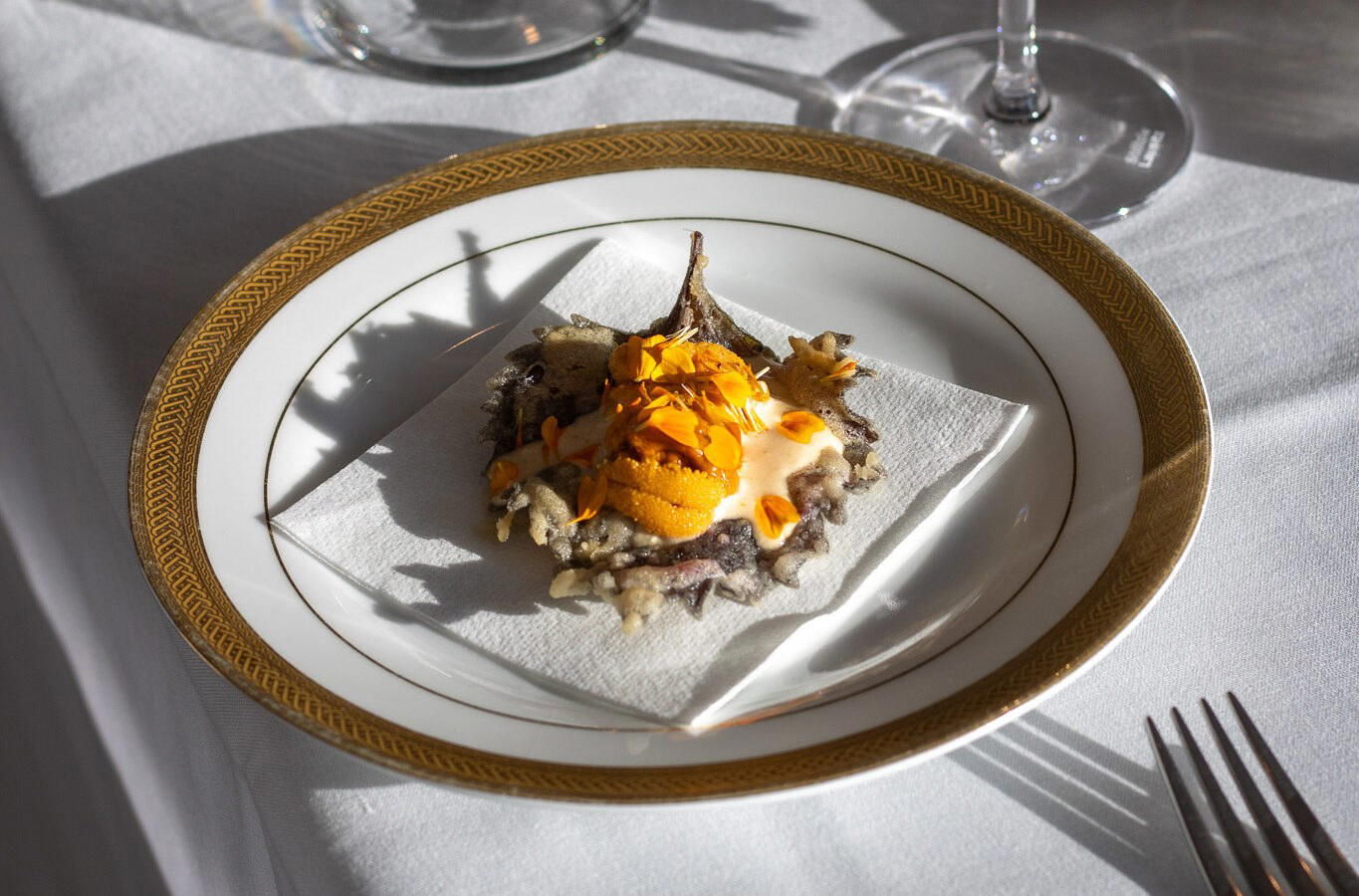
As the season shifts to summer, the menu lightens considerably. Picnic-format dishes replace the wood-fire courses: tomato and Quebec sea urchin, little gem BLTs, grilled chicken, fruit tarts. Groups of up to 18 can reserve canvas chapiteaux tents for seated feasts. The wine list turns toward Quebec whites, rosés, and reds, alongside the property's own portfolio of 15 ciders, available to purchase or to taste at the annual fall open house. The format change across seasons is deliberate and honest: the property does not try to serve the same experience year-round, because the land does not offer the same ingredients year-round.
The Format: Fixed Groups, Long Courses, Full Attention
The dining format at La Cabane d'À Côté is more architecturally specific than most restaurant experiences. Seatings are available for groups of eight or sixteen, and the menu runs between 15 and 20 courses. That structure places it in a category closer to farm-table destination dining than to conventional restaurant service, a category that includes places like Eigensinn Farm in Singhampton, where the format similarly privileges the group experience over individual-table service, and Restaurant Pearl Morissette in Lincoln, which pairs agricultural land ownership with long-form tasting menus.
What this format produces, practically, is a dining experience calibrated to duration and immersion rather than throughput. Guests are invited to wander the orchard, gardens, and paths through the sugar bush between courses or before the meal begins. The 165-acre property is sized to absorb a small group entirely, which is precisely the point. The cooking is executed by Vincent Dion Lavallée and Matthew Babin, with Martin Picard serving as partner and creative anchor, his reputation built over decades at Au Pied de Cochon in Montreal.
Within Canada's broader fine-dining tier, La Cabane d'À Côté occupies a specific niche: destination experiences outside major urban centres that draw travelers specifically because of their remove from city dining. The Pine in Creemore and ÄNKÔR in Canmore occupy adjacent positions in their respective regions. The urban counterparts, Alo in Toronto, AnnaLena in Vancouver, Jérôme Ferrer - Europea in Montréal, serve tasting menus in a metropolitan context where the dining room itself carries the narrative. Here, the land carries it instead.
Planning a Visit
La Cabane d'À Côté operates on a strict reservation model, with seatings structured around fixed group sizes. Anyone arriving without a confirmed booking will not be accommodated: this is not a venue that takes walk-ins, and the group-size requirements mean individual couples or small parties will need to either fill a table collaboratively or join an existing group booking. The sugar shack season runs through late winter into early spring, while picnic-season programming occupies the summer months. The fall open house is the one occasion on which the property functions as a more accessible, public-facing event, with ciders available to taste and purchase. For accommodation options while visiting the Mirabel area, see our full Mirabel hotels guide. For context on the broader dining scene in the region, our full Mirabel restaurants guide covers the category in detail, and our full Mirabel experiences guide, bars guide, and wineries guide round out the picture for anyone building a multi-day itinerary.
The property's address is 3595 Montée Robillard, Mirabel, QC J7N 2S3. Driving from Montreal takes roughly 45 minutes north via Autoroute 15. There is no practical public transit option, making a car or hired vehicle the standard approach.
Frequently asked questions
What awards or recognition does LA CABANE D’À CÔTÉ have?
LA CABANE D’À CÔTÉ has received recognition including: Unhurried guests here are invited to freely wander the paths around the sugar shack, orchard and gardens, located in a small sugar bush with 2,000 taps, an idyllic 165-acre oasis. Partners Martin Picard and Vincent Dion Lavallée have creat….
Where is LA CABANE D’À CÔTÉ located?
LA CABANE D’À CÔTÉ is located at 3595 Mnt Robillard, Mirabel, QC J7N 2S3, Canada, Mirabel.
Is LA CABANE D’À CÔTÉ reservation-only?
Reservations are recommended for LA CABANE D’À CÔTÉ in Mirabel. Confirm current policy via the venue's official channels.
Is LA CABANE D'À CÔTÉ suitable for children?
The 165-acre property with walking paths, an orchard, and gardens gives children space to roam, and the sugar bush setting is genuinely engaging. That said, the core dining format runs to 15–20 courses served over several hours in groups of 8 or 16, which is a commitment for younger guests. Families with older children who can sustain that pace should find it workable; the format rewards curiosity rather than patience alone.
Quick Comparison
| Venue | Cuisine | Price | Awards | Notes |
|---|---|---|---|---|
| LA CABANE D’À CÔTÉThis venue (the venue you are viewing) | Quebecois Sugar Shack | $50–100 | Canada's 100 Best Restaurants #38 | Not listed |
| Alo | Modern French Fine Dining with Asian Influences | $200–300 | 1 Michelin Star · La Liste Top Restaurants | Contemporary |
| Sushi Masaki Saito | Edomae-Style Omakase | $500+ | 1 Michelin Star · La Liste Top Restaurants | Sushi, Japanese |
| Aburi Hana | Modern Japanese Kyō-Kaiseki | $300–500 | 1 Michelin Star · The Best Chef One Knife | Kaiseki, Japanese |
| AnnaLena | Modern Canadian Tasting Menu | $100–150 | 1 Michelin Star · World's 50 Best #35 | Contemporary |
| Don Alfonso 1890 | Contemporary Italian, Italian | Not listed | Michelin 1 Star | Not listed |
Recognition history
Dated appearances from independent guides and award organizations, with the underlying list record or original source where available.
Canada's 100 Best Restaurants #38
Canada's 100 Best
Continue exploring
More in Mirabel
Restaurants in Mirabel
All restaurants in Mirabel →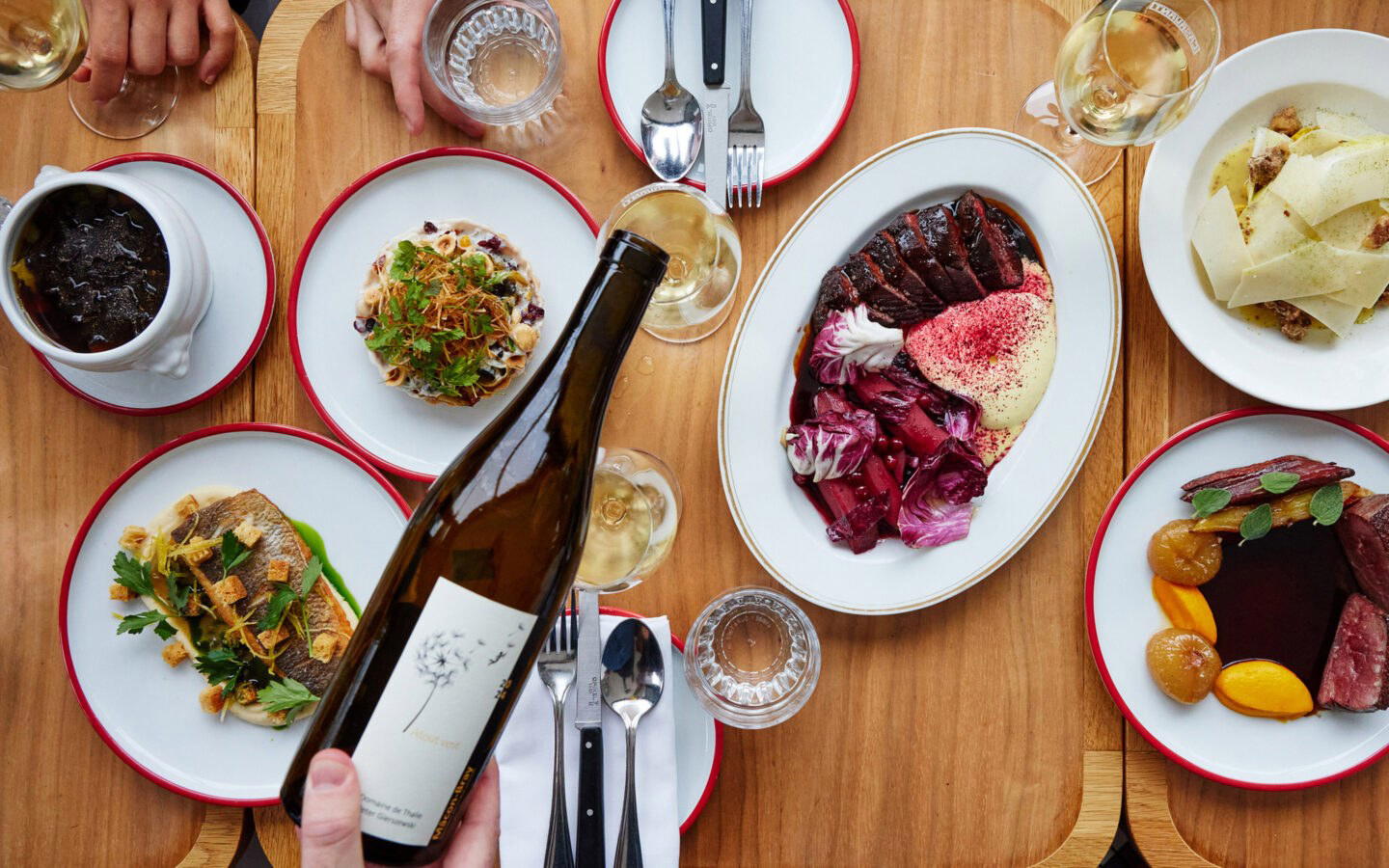
Bars in Mirabel
Browse all →
Details
- Rustic
- Cozy
- Intimate
- Scenic
- Special Occasion
- Group Dining
- Family
- Open Kitchen
- Garden
- Extensive Wine List
- Farm To Table
- Local Sourcing
- Garden
- Prix Fixe
- Small Plates
Current opening hours
- Monday
- Closed
- Tuesday
- Closed
- Wednesday
- Closed
- Thursday
- 6–10 PM
- Friday
- 12–10 PM
- Saturday
- 12–10 PM
- Sunday
- 12–10 PM
Hours can change for holidays and private events. Last verified .
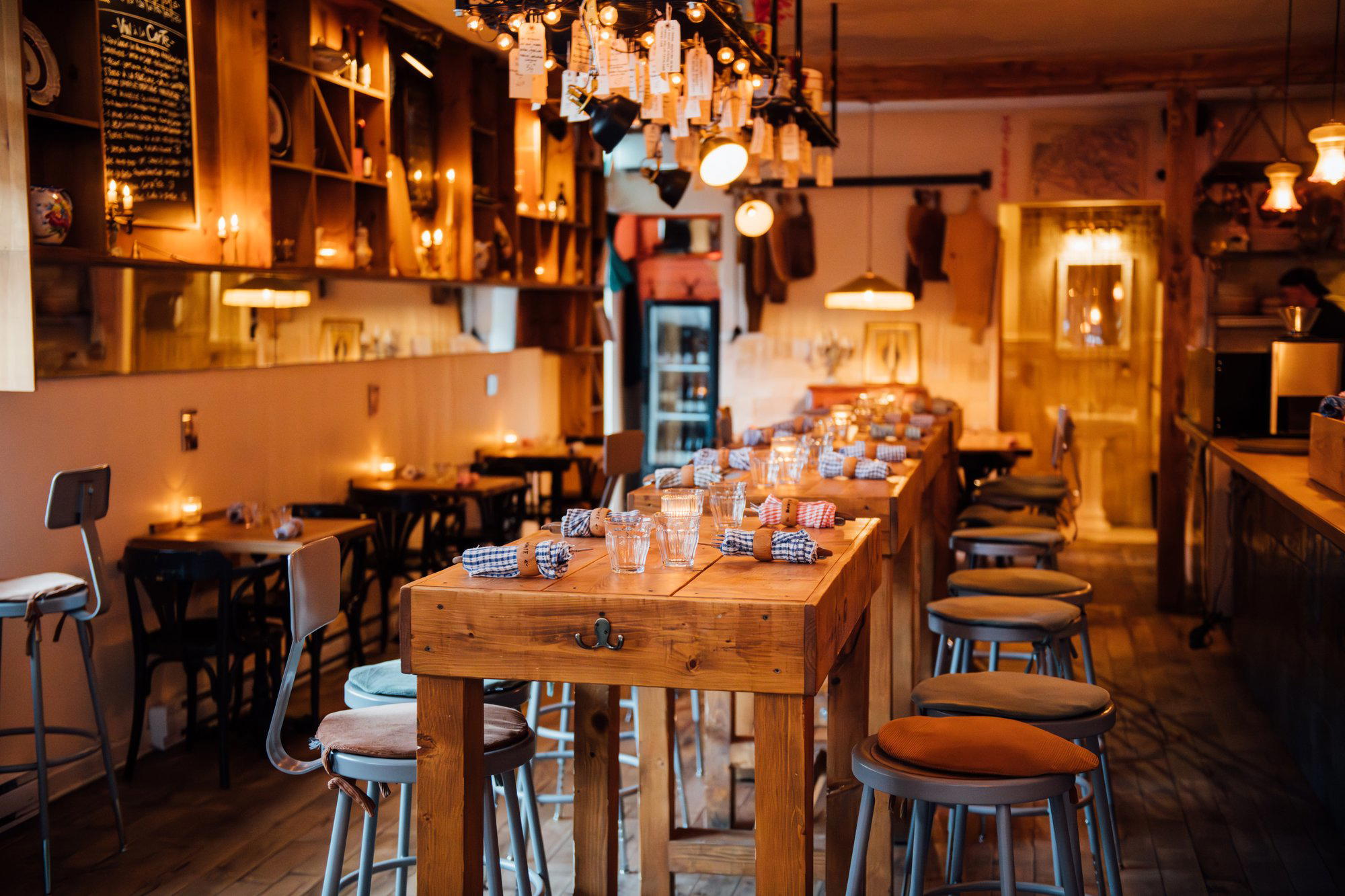
Bucolic countryside setting with open kitchen, communal tables, and a warm, nostalgic farm-to-table atmosphere.