CABANE À SUCRE AU PIED DE COCHON

Quebec's sugar shack tradition reaches a particular intensity at Cabane à Sucre Au Pied de Cochon, the seasonal operation from the Montreal restaurant group that has become a reference point for farm-driven, excess-forward Québécois cooking. Ranked #417 on Opinionated About Dining's Casual North America list in 2025 and holding,700 reviews, it operates outside the city in Mirabel, and books out weeks in advance.
Pearl is the En Primeur Club membership app — saves, bookings, and concierge access live there. Same editors, same standards.
- Address
- 11382 Rang de la Fresnière, Mirabel, QC J7N 2R9, Canada
- Website
- aupieddecochon.ca
- Directions
- Get directions
 Saves & bookings on Pearl
Where the Snow Still Matters
Drive north from Montreal on Autoroute 15 toward Mirabel and the suburbs thin out faster than expected. By the time you reach Rang de la Fresnière, the road is flanked by fields and tree lines, and the built environment has receded almost entirely. The cabane sits in this agricultural corridor, and arriving in late winter or early spring, the only seasons it operates, means pulling into a farmyard with snow still banked against the fence posts. That physical context is not incidental. The sugar shack format in Quebec is inseparable from the land it occupies and the season that makes it possible. What happens at this address is a heightened version of a tradition that predates professional kitchens by centuries.
The Sugar Shack as a Culinary Format
Quebec's cabanes à sucre occupy a specific cultural register: they are not restaurants in the conventional sense. They run during maple season, typically from late February through April, and their menus are organized around the products of the sugar bush, maple syrup, maple taffy pulled on snow, oreilles de crisse, baked beans slow-cooked with lard and syrup, and slabs of cured pork. The format is communal, abundant, and unapologetically rich. At the Au Pied de Cochon cabane in Mirabel, that tradition is taken at its word and then pressed further. The kitchen applies the same philosophical commitment to Québécois excess that built the Montreal restaurant's reputation, but the seasonal and geographic constraints of the cabane format give it a focus that the city operation cannot replicate.
This is worth understanding before visiting: the cabane is not a satellite of a Montreal restaurant. It is a distinct format, with its own logic, its own rhythm, and its own rules about what belongs on the table. Comparison venues operating in urban fine-dining, places like Jérôme Ferrer - Europea in Montreal or Tanière³ in Québec City, work within a different set of assumptions about pacing, restraint, and service architecture. The cabane operates outside all of that. Volume, density, and a sense of agricultural directness are the point.
Chef Philippe Picard-Labelle and the Weight of a Kitchen Lineage
At a kitchen with a lineage like Au Pied de Cochon's, the focus is the cooking philosophy passed down and tested over time. Chef Philippe Picard-Labelle leads the cabane kitchen, and his role sits inside a tradition of Québécois cooking that has been developed, argued over, and refined across more than two decades at the Montreal flagship. That tradition prizes primary products, aggressive seasoning, pork in its many forms, and a refusal to apologize for fat or sweetness. At a cabane, those commitments are not diluted for a broader audience; they are amplified by the seasonal specificity of maple production.
Alo in Toronto, AnnaLena in Vancouver, or destination-format rural operations like Eigensinn Farm in Singhampton. The cabane in Mirabel sits in a different part of that map, not concerned with international legibility, but with the opposite: a format so rooted in a specific provincial tradition that it resists translation. That positioning is its credential.
Recognition and Where It Sits
Opinionated About Dining ranked the cabane at #417 on its Casual North America list in 2025. OAD rankings in the casual category tend to reward places with strong local identity, consistent execution, and a loyal repeat-visitor base rather than formal tasting-menu architecture or international press coverage. The movement up the list over a single year, alongside,700 reviews, suggests a kitchen that has found its footing. For context, other destination-format rural Canadian operations that have achieved comparable recognition include Restaurant Pearl Morissette in Lincoln and The Pine in Creemore, though their formats differ substantially from the communal, feast-oriented cabane model.
Within Quebec specifically, the regional dining conversation also includes destinations like Narval in Rimouski and Auberge Saint-Mathieu in Saint-Mathieu-du-Parc, each pursuing a version of terroir-driven Québécois cooking in non-urban settings. The cabane in Mirabel is distinct from all of them in its relationship to a single seasonal product and a single cultural ritual.
Knowing What You Are Booking
The cabane operates seasonally, and that constraint is structural, not incidental. Maple season in Quebec runs roughly from late February through April, depending on temperature patterns, and the cabane's calendar follows it. Outside of that window, there is nothing here, no off-season menu, no alternative format. This makes early booking a practical necessity rather than a preference. Visitors traveling from Montreal should plan for the drive north on Autoroute 15 toward Mirabel, roughly 45 to 50 kilometres from the city centre.
The address, 11382 Rang de la Fresnière, Mirabel, QC, is rural enough that GPS is advisable. The experience is a full afternoon or evening commitment; this is not a two-course lunch format. Arriving prepared for abundance, for communal seating, and for a menu that reflects the agricultural calendar rather than a chef's daily inspiration is the right frame of mind.
- Foie gras poêlé au sirop d'érable
- Soupe aux pois
- Jambon à l'érable
- Tourtière au foie gras
- Cannelloni au canard
- Crèmes caramel à l'érable
At-a-Glance Comparison
Comparable venues nearby, for context on price, style, and recognition.
| Venue | Cuisine | Price | Notes |
|---|---|---|---|
| CABANE À SUCRE AU PIED DE COCHON | Gourmet Quebec Seasonal Cuisine | $$$$ | St-Benoit de Mirabel |
| CABANE À SUCRE AU PIED DE COCHON | Quebec Sugar Shack / Seasonal Canadian | $$$ | St-Benoît de Mirabel |
| StoneHaven Le Manoir | French Fine Dining | $$$$ | Sainte-Agathe-des-Monts |
| L'Autre Saison | Classic French Bistro | $$$$ | Golden Square Mile |
| Le Mitoyen | French Fine Dining | $$$$ | Place Publique |
| Chez Victoire | French-Canadian Bistro | $$$ | Parc-Laurier |
Recognition history
Dated appearances from independent guides and award organizations, with the underlying list record or original source where available.
Opinionated About Dining Casual in North America Recommended
Opinionated About Dining
Opinionated About Dining Casual in North America Ranked #417
Opinionated About Dining
Opinionated About Dining Casual in North America Ranked #686
Opinionated About Dining
Continue exploring
More in St-Benoit de Mirabel
Restaurants in St-Benoit de Mirabel
Browse all →
Bars in St-Benoit de Mirabel
Browse all →
At a Glance
- Rustic
- Well Known
- Lively
- Cozy
- Elegant
- Celebration
- Group Dining
- Special Occasion
- Family
- Private Dining
- Garden
- Standalone
- Extensive Wine List
- Craft Cocktails
- Farm To Table
- Local Sourcing
- Garden
Current opening hours
- Monday
- Closed
- Tuesday
- Closed
- Wednesday
- Closed
- Thursday
- 6–10 PM
- Friday
- 6–10 PM
- Saturday
- 12–10 PM
- Sunday
- 12–10 PM
Hours can change for holidays and private events. Last verified .
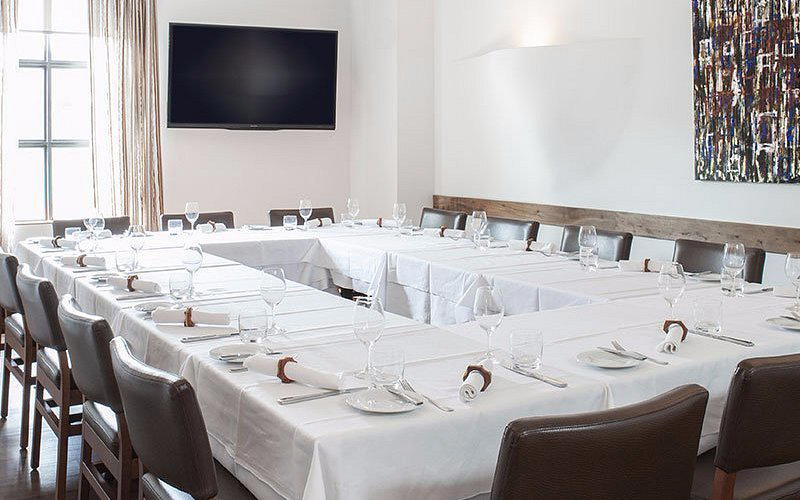
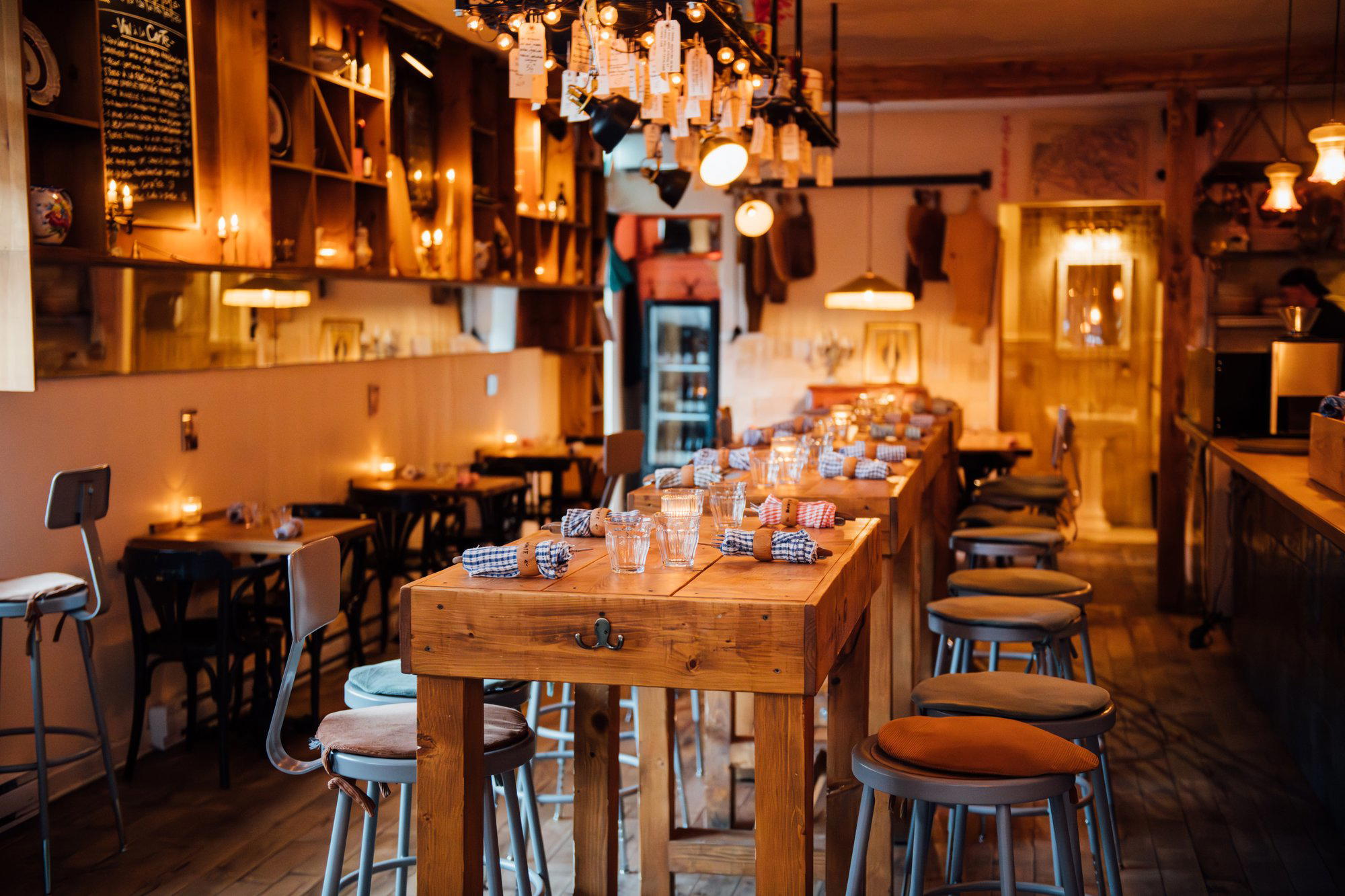
Festive and warm with a rustic charm; the dining room features a traditional cabane à sucre setting with views of the orchard and gardens, creating an intimate yet celebratory atmosphere despite the abundance of food and service.