Restaurant Don Quichotte
Situated on the western shore of Île Perrot in the Montreal metropolitan region, Restaurant Don Quichotte occupies a setting where the St. Lawrence river system frames the dining context as much as the kitchen does. The address places it within Notre-Dame-de-l'Île-Perrot, a community where Quebec's agricultural and waterway traditions converge, making ingredient sourcing the natural editorial thread for any serious assessment of what the kitchen can offer.
Pearl is the En Primeur Club membership app — saves, bookings, and concierge access live there. Same editors, same standards.
- Address
- 2201 Bd Don-Quichotte, Notre-Dame-de-l'Île-Perrot, QC J7W 1E9, Canada
- Website
- golfatlantide.com
- Directions
- Get directions
 Saves & bookings on Pearl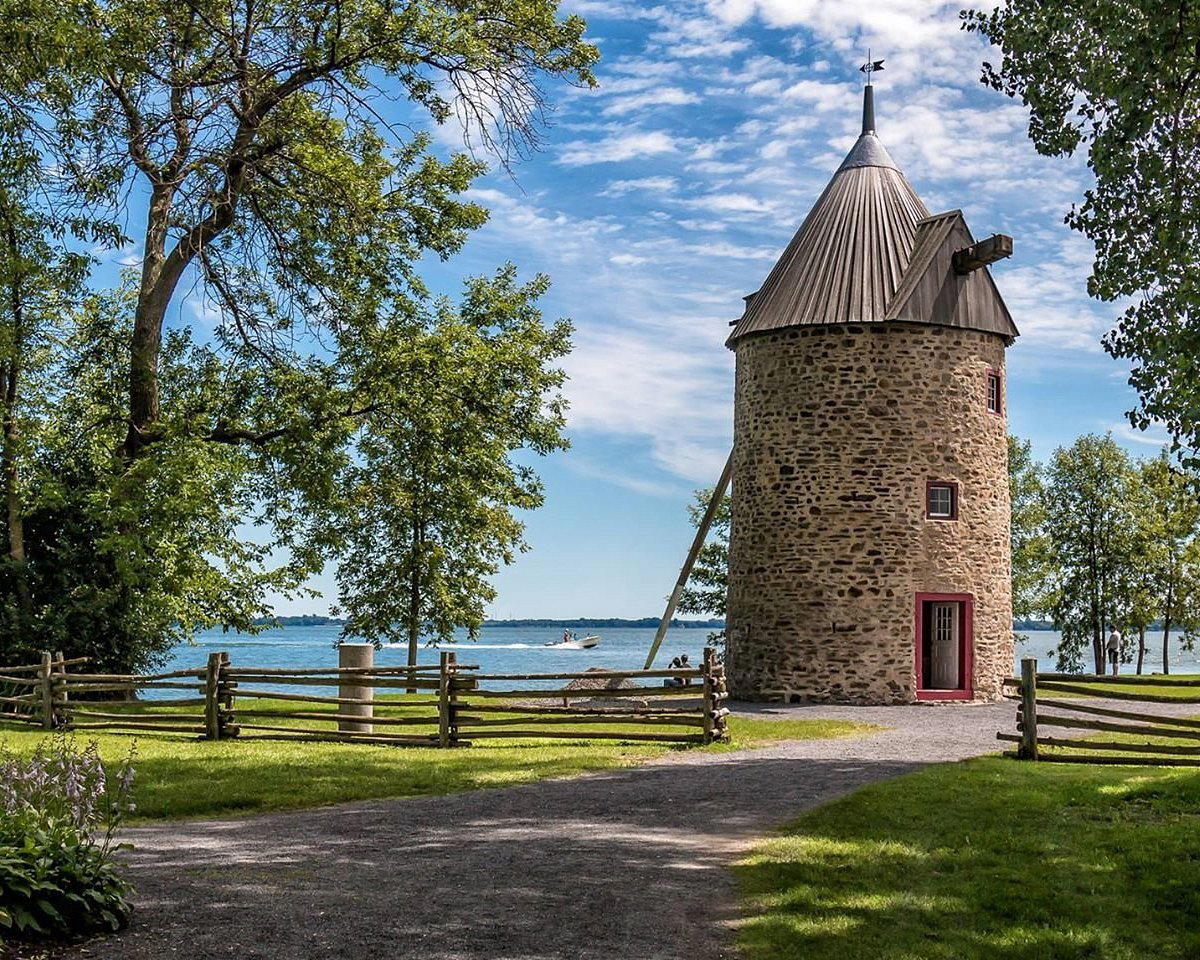
Where the River Shapes the Table
Île Perrot sits at the confluence of the St. Lawrence and Lake Saint-Louis, a position that has historically defined what cooks in this part of Quebec reach for when they build a menu. The island is not a dining destination in the way that Old Montreal or the Plateau commands attention, but that geographic remove is precisely what gives a restaurant like Restaurant Don Quichotte its character. Addresses on Boulevard Don-Quichotte face westward toward the waterway, and the surrounding municipality of Notre-Dame-de-l'Île-Perrot carries an agricultural and residential identity that sits apart from the density of the city, about 35 kilometres to the east. For readers planning a visit, that distance is meaningful: this is a deliberate trip, not an impulse stop, and the restaurants that hold their ground in this kind of location tend to do so by building loyalty through the table rather than through foot traffic.
The Sourcing Logic of the St. Lawrence Corridor
Quebec's culinary identity has always been grounded in what the river system and the agricultural belt along its shores can produce. The lower St. Lawrence corridor, from the Montérégie farmlands through the island communities, offers produce, dairy, and protein supply chains that Montreal's better kitchens have drawn on for decades. A restaurant positioned on Île Perrot operates within that same geography, with the added proximity to market gardens in Vaudreuil-Soulanges and the freshwater fisheries that the lake system sustains. That context matters when assessing what any kitchen in this location can credibly put on a plate. Restaurants rooted in this part of the province that take sourcing seriously tend to anchor their menus in seasonal cycles tied to the St. Lawrence watershed, a different rhythm from the year-round import model that urban restaurants often default to.
The broader Quebec dining conversation has shifted decisively toward terroir-led cooking over the past fifteen years. Tanière³ in Quebec City has made indigenous and hyper-local sourcing a structural commitment, not just a menu footnote. In Montreal, Jérôme Ferrer's Europea operates at the formal end of Quebec-inflected contemporary cooking. The island communities between those two cities, including Île Perrot, represent a quieter register of the same instinct: cooking that takes its cues from what the immediate region can provide rather than from global supply logistics.
Off-Island Comparisons and What They Reveal
Understanding where a regional Quebec restaurant sits in its competitive set requires looking at what the broader Canadian dining scene has built around the destination-restaurant model. Eigensinn Farm in Singhampton and The Pine in Creemore are Ontario examples of restaurants that have made geographic distance from urban centres a feature rather than a liability, building reputations on proximity to agricultural supply and an atmosphere that urban rooms cannot replicate. Restaurant Pearl Morissette in Lincoln operates on similar logic within the Niagara wine corridor. The pattern holds across Canadian dining: the restaurants that work hardest to justify a drive tend to be those where the sourcing story and the setting are coherent with each other.
In the urban tier, Alo in Toronto and AnnaLena in Vancouver represent the contemporary fine dining poles in their respective cities. Those rooms compete on technique, wine program depth, and the density of a metropolitan dining culture. A restaurant on Île Perrot is operating in a different register entirely, where atmosphere is shaped by the waterway rather than by urban energy, and where the argument for the meal is built differently. That distinction is not a hierarchy, it is a difference in what the dining experience is organised around.
Atmosphere and Setting
Approaching Restaurant Don Quichotte along Boulevard Don-Quichotte, the built environment shifts from suburban arterial to something more settled and waterside. The address sits within a municipality where the St. Lawrence lake system is a constant visual reference, and restaurants in this kind of setting tend to use that relationship to the water as an ambient element, a backdrop that changes with the season and the light rather than a static design feature. Quebec's shoulder seasons, particularly late spring and early autumn, are the periods when this kind of lakeside setting operates at its most compelling, with the St. Lawrence light at its most particular and the regional produce calendar at its most productive. Late November through March brings a different texture entirely, when the drive across the island takes on the stark quality of Quebec winters and the interior of any serious restaurant becomes its own argument for staying.
Restaurants in communities like Notre-Dame-de-l'Île-Perrot tend to serve a mixed clientele: local regulars for whom the address is a neighbourhood institution, and Montreal-based diners making a considered trip. That dual function shapes atmosphere in ways that differ from purely destination-focused rooms. The energy is less performative, the rhythm less driven by the anxiety of a metropolitan reservation queue. For context on how other Quebec and regional Canadian addresses handle the neighbourhood-institution dynamic, Aux Anciens Canadiens in Quebec City offers a useful reference point: a restaurant whose relationship to its community is as central to the experience as the food itself.
Planning a Visit
The address at 2201 Boulevard Don-Quichotte, Notre-Dame-de-l'Île-Perrot, is accessible by car from Montreal in under an hour under normal traffic conditions, with the A-20 motorway being the primary route west. Île Perrot is connected to the mainland by bridge, making the approach direct by car. Reservations are recommended, and hours are Thursday to Saturday from 5 to 9 PM, with Sunday service from 10 AM to 3 PM.
Comparison Snapshot
Comparable venues nearby, for context on price, style, and recognition.
| Venue | Cuisine | Price | Notes |
|---|---|---|---|
| Restaurant Don QuichotteThis venue — the venue you are viewing | Italian, Modern Canadian | $$ | Not listed |
| Wienstein & Gavino's | Classic Italian Pasta House | $$ | Golden Square Mile |
| Brama | Authentic Italian Trattoria | $$ | Nicolas-Viel |
| Pl. Jacques-Cartier | Italian Trattoria | $$ | Vieux Montréal |
| Danny Pan Pizza Notre Dame | Detroit-Style Pan Pizza | $$ | Saint-Henri |
| Trattoria Bellamore | Southern Italian Trattoria | $$$ | Laval |
Continue exploring
More in Pointe Du Moulin
Restaurants in Pointe Du Moulin
Browse all →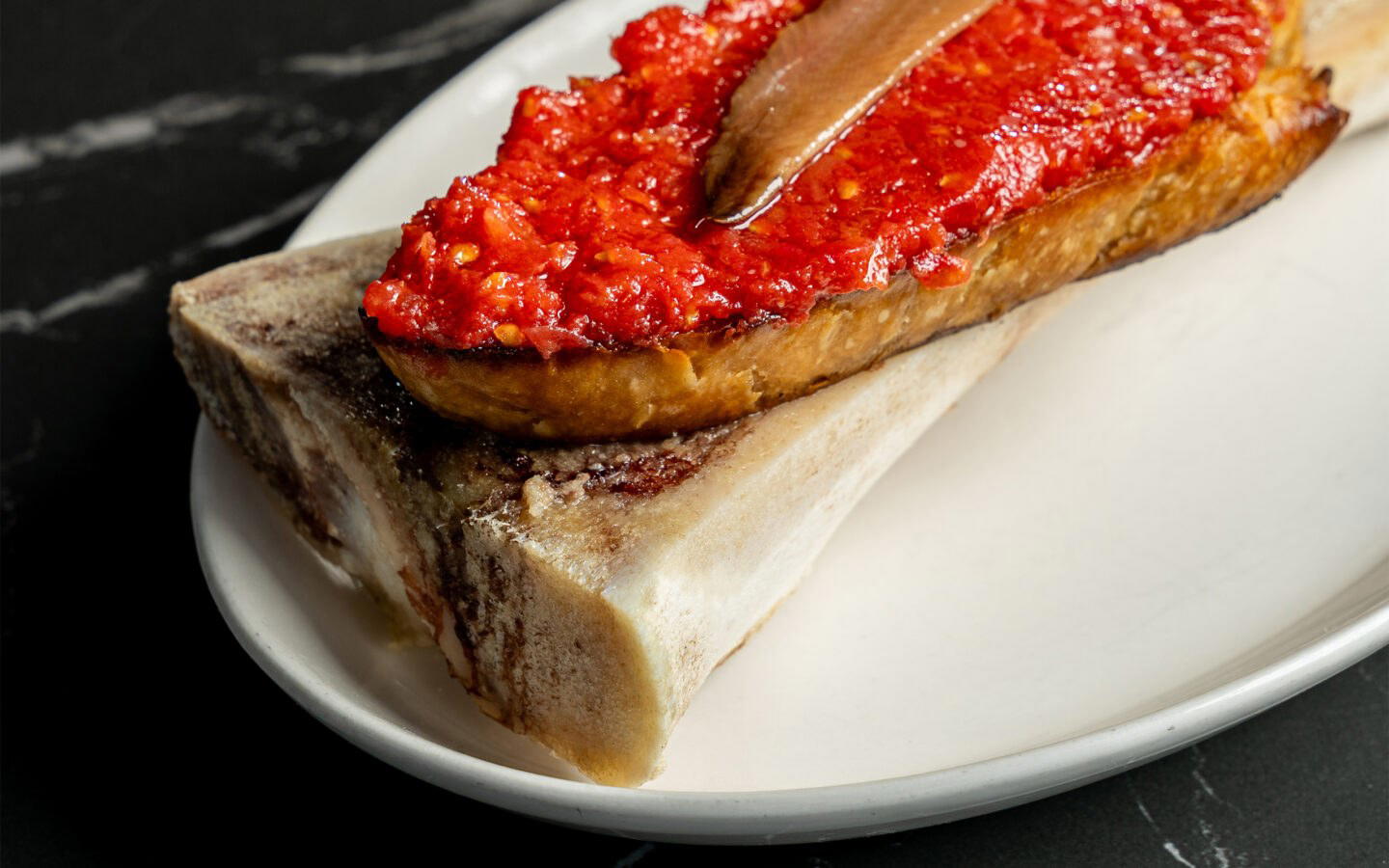
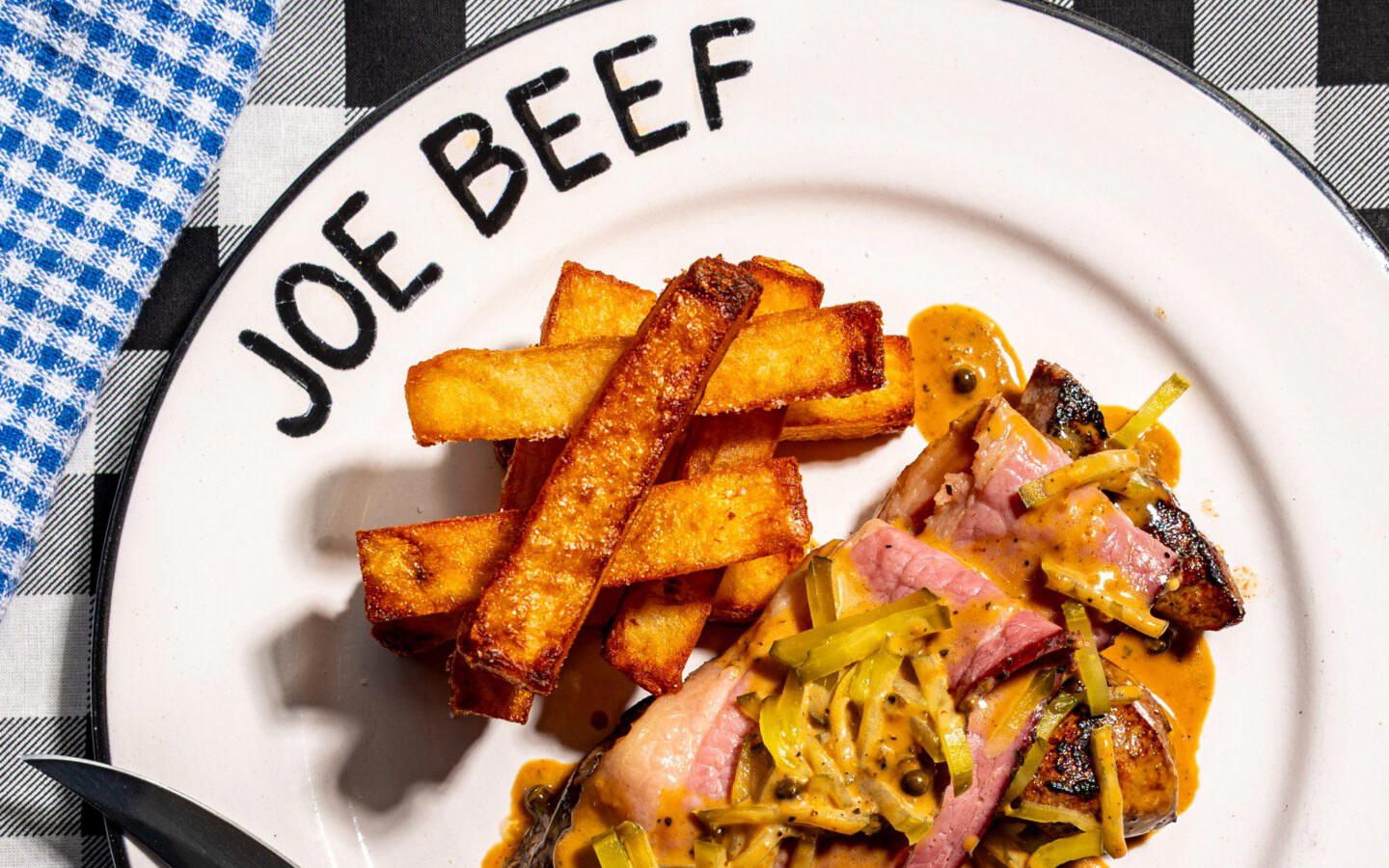
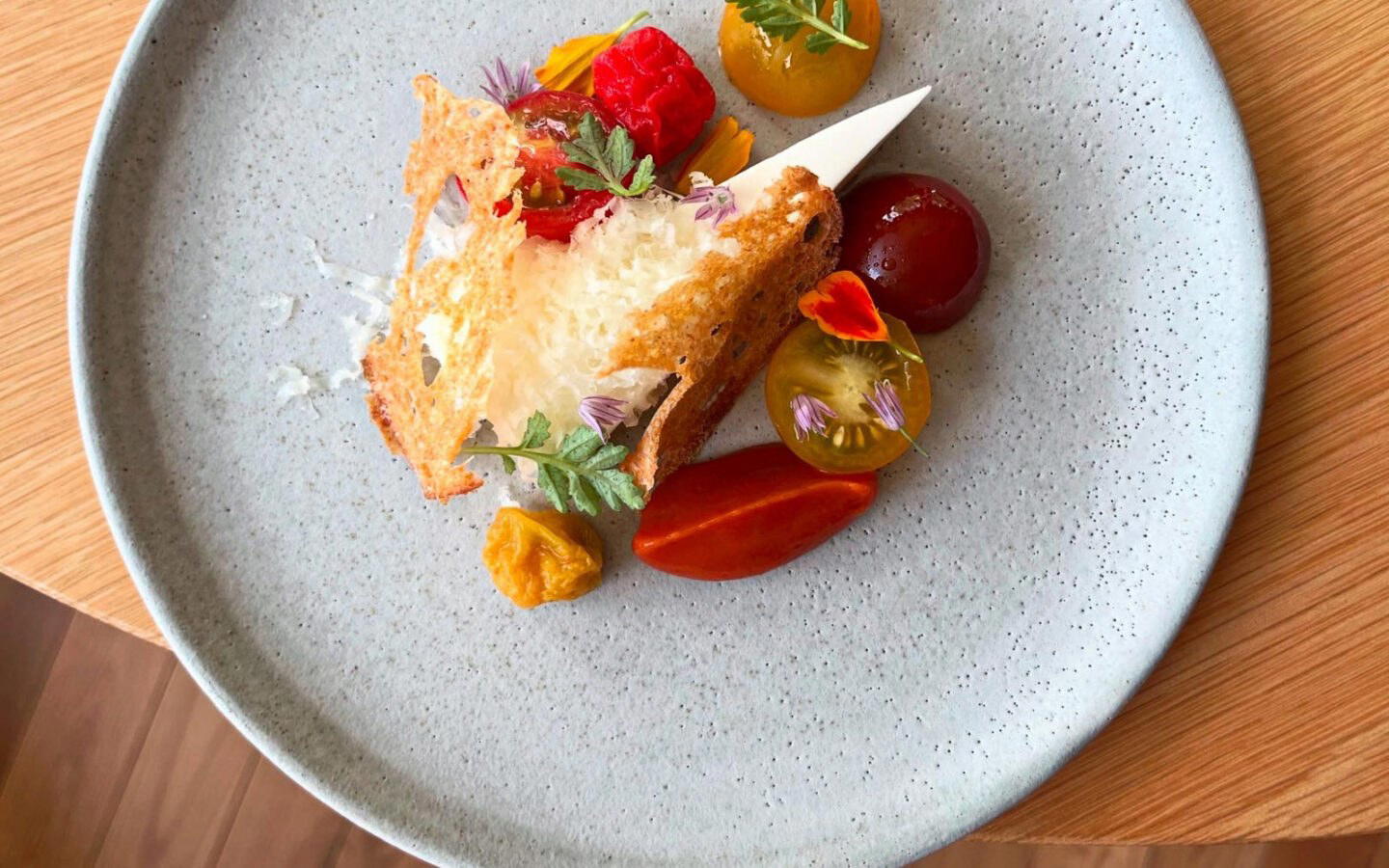
Bars in Pointe Du Moulin
Browse all →
At a Glance
- Cozy
- Date Night
- Waterfront
- Local Sourcing
- Waterfront
Current opening hours
- Monday
- Closed
- Tuesday
- Closed
- Wednesday
- Closed
- Thursday
- 5–9 PM
- Friday
- 5–9 PM
- Saturday
- 5–9 PM
- Sunday
- 10 AM–3 PM
Hours can change for holidays and private events. Last verified .
Cozy atmosphere for sharing delicious meals and precious moments.