QQ Asian Kitchen


A Michelin Plate-recognised Asian kitchen in Nové Město where an Asian-born chef-owner duo brings street food and soul food traditions to Prague with honesty and precision. The atmosphere is lively and the service relaxed, making it one of the more considered Asian dining options in the city at an accessible price point. The cocktail programme adds an unexpected dimension worth exploring.
Pearl is the En Primeur Club membership app — saves, bookings, and concierge access live there. Same editors, same standards.
- Address
- Odborů 278/4, 120 00 Nové Město, Czechia
- Phone
- +420 776 337 878
- Website
- qqasiankitchen.com
- Directions
- Get directions
 Saves & bookings on Pearl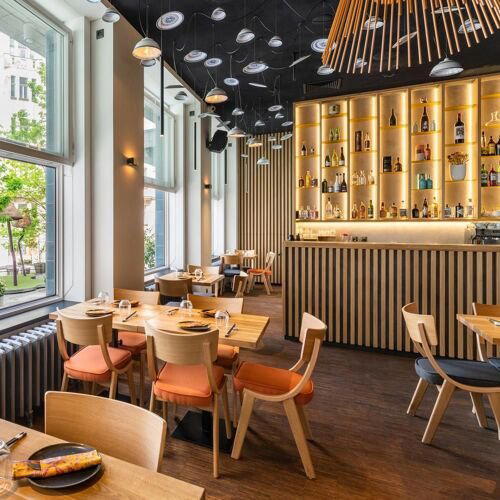
Where Prague's Asian Street Food Tradition Finds Serious Expression
Nové Město's dining scene has broadened considerably over the past decade, moving well beyond the Czech pub staples and tourist-facing hotel restaurants that once dominated the neighbourhood. Prague's Asian dining tier has historically been thin at the serious end, with most options either pointing toward approximation or serving price-sensitive volume. QQ Asian Kitchen occupies a different position: the kind of room where the sourcing is thought through, the technique is grounded in actual culinary tradition, and the atmosphere does the thing a room is supposed to do, which is make you want to stay longer than planned.
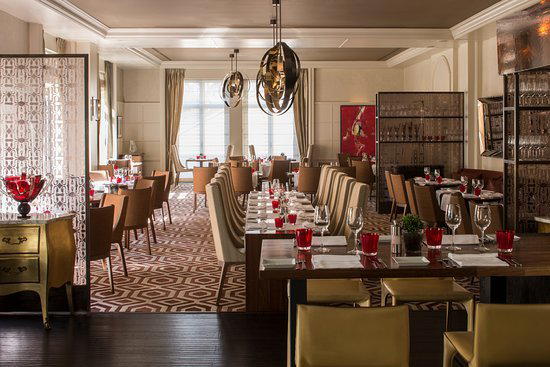
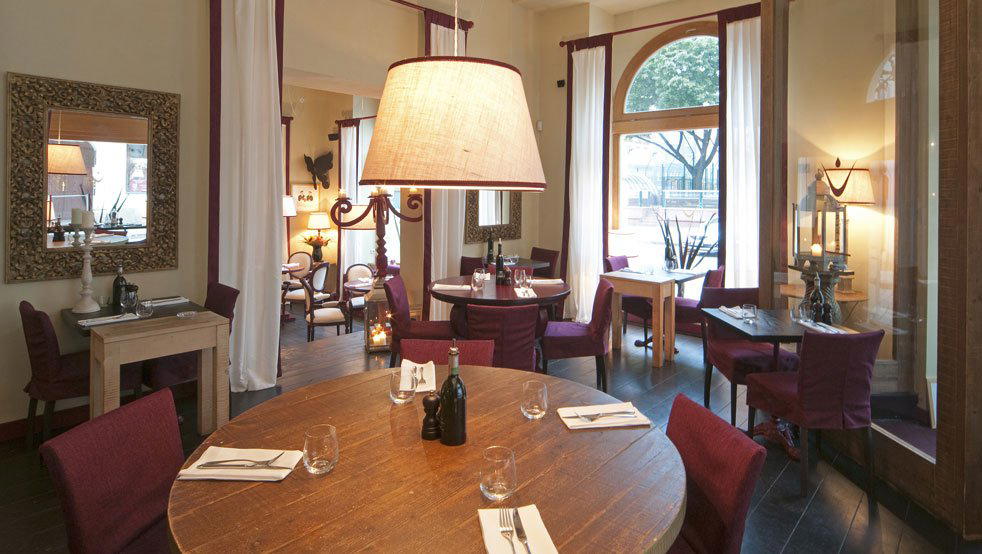
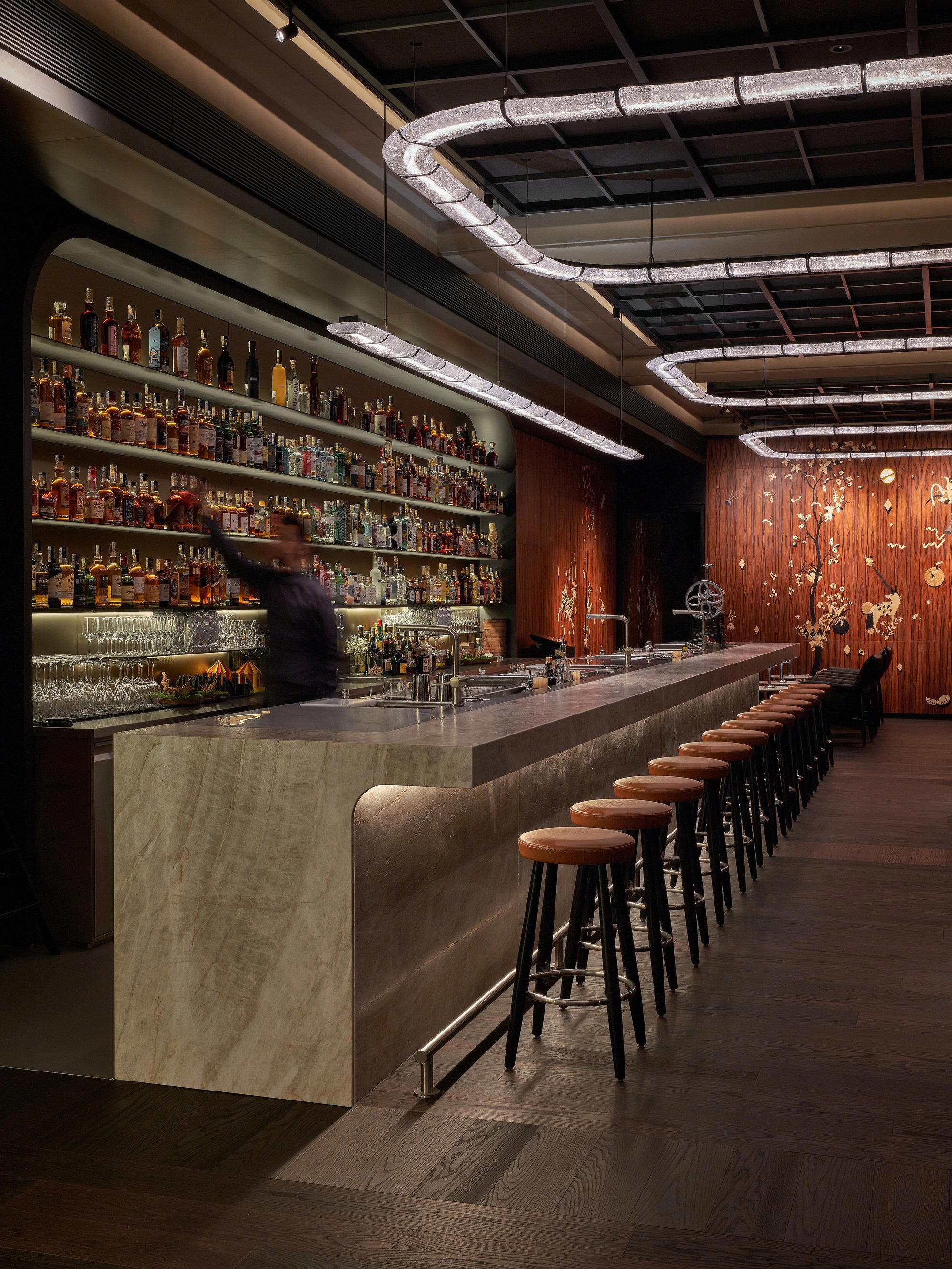
The address on Odborů in Nové Město puts it slightly off the main tourist corridors, which is precisely why it maintains a crowd that skews toward regulars rather than one-night visitors. The room reads stylish without being precious, and the front-of-house team carries the service with a low-key confidence that suits the format. There is nothing performative about the experience here. The room has energy, the kind generated by people actually enjoying themselves rather than by design intervention, and the two register as the same thing only until you have been in a restaurant where one is absent and the other manufactured.
The Editorial Case for Asian Street Food Done Seriously
Across European capitals, particularly convincing Asian restaurants tend to share a structural characteristic: they are operated by people with direct, generational connection to the cuisines they are cooking, and they treat street food and soul food as legitimate reference points rather than as simplified fallbacks. In Paris, London, and Copenhagen, this model has produced particularly interesting rooms of the past decade. Prague is later to this curve, which makes venues like QQ Asian Kitchen more significant in the local context than the price point or informal format might suggest.
The kitchen's point of view carries weight here as a signal about the provenance of technique. Asian street food and soul food traditions are built on precision of a different register than European fine dining, the balance of acid, heat, and umami in a bowl of noodle soup, for instance, reflects a discipline that takes years to calibrate and cannot be learned from a recipe sheet. The Michelin commentary treats the cooking as tasty and honest, an apt description of a kitchen that cooks with conviction.
For a broader comparison of how this format plays out across cities, the approach shares structural logic with taku in Cologne and Jun's in Dubai, both of which demonstrate how Asian cooking rooted in specific culinary traditions can hold serious ground in non-Asian cities without either softening its edges or overcomplicating its ambitions.
Menu Logic: Sharing, Variety, and the Street Food Framework
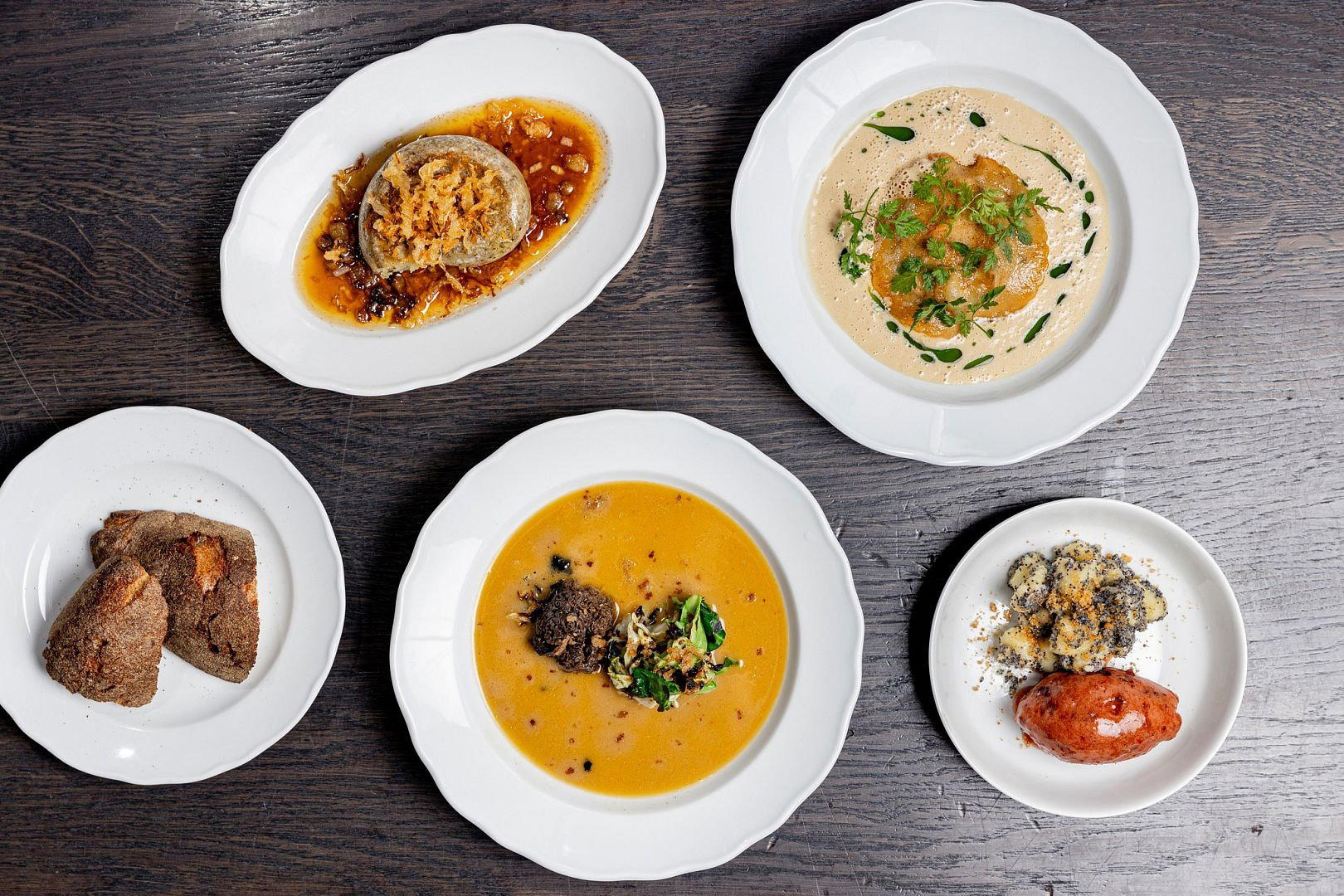
The menu at QQ Asian Kitchen is built around abundance rather than restraint, which places it in a different category than the tasting-menu-led Asian restaurants that have emerged in European fine dining. Street food and soul food traditions are, at their core, democratic formats: dishes are designed to be ordered in multiples, shared across the table, and eaten in a sequence that follows appetite rather than a prescribed arc. Choosing is not easy, and sharing is an option for those who want range.
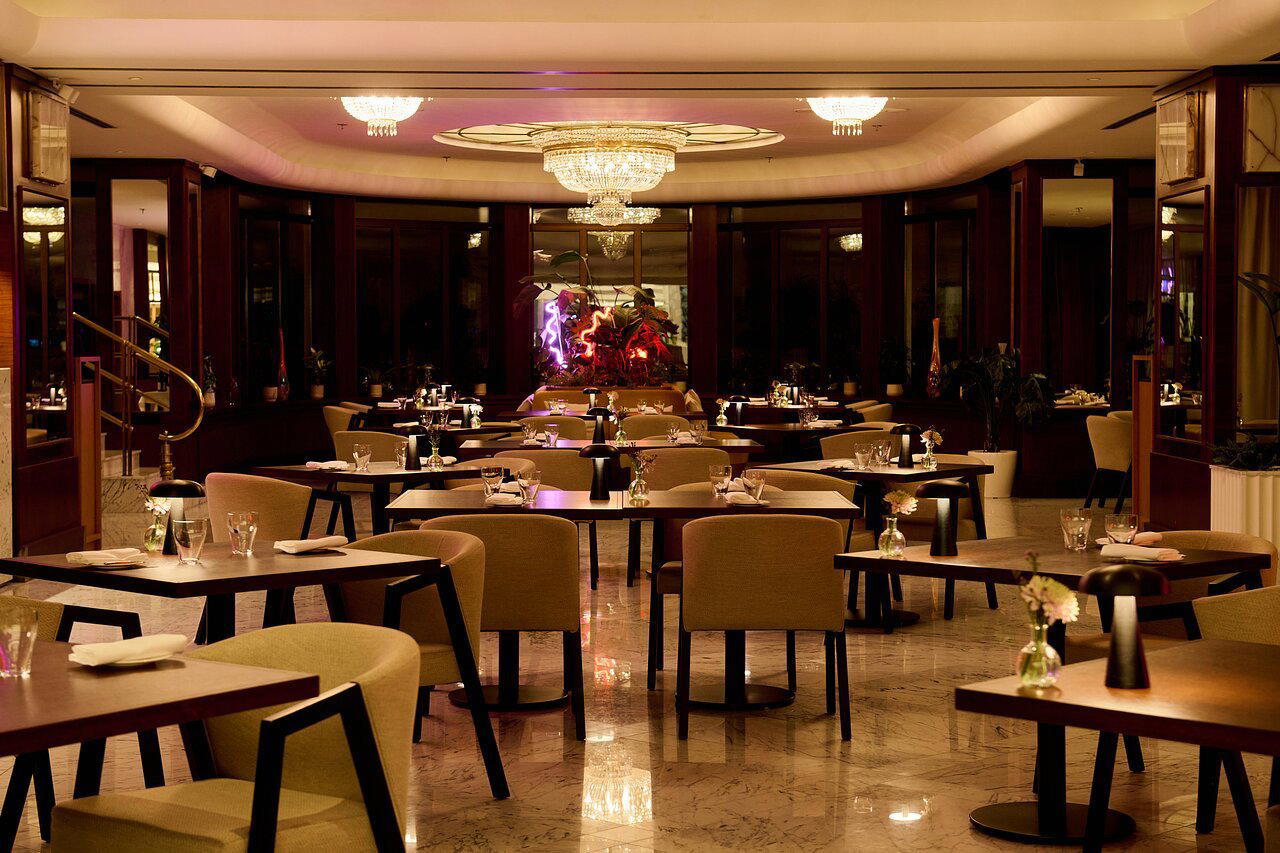
This eating style contrasts with the approach at Prague's higher-end European-influenced restaurants. La Degustation Bohême Bourgeoise, operating at the €€€€ tier with a French-Czech tasting format, and Alcron, with its Modern European positioning, represent the choreographed end of Prague's dining spectrum. The restaurant sits at the opposite end of that formal axis, at the single-euro price tier, which makes it an accessible Michelin-recognised option in the city. Comparable mid-range options in Prague, Amano and Alma among them, suggest that the €€ bracket is where the city's more interesting casual dining currently clusters, though QQ's single-euro designation places it at an even more democratic entry point.
The Cocktail Programme as a Separate Consideration
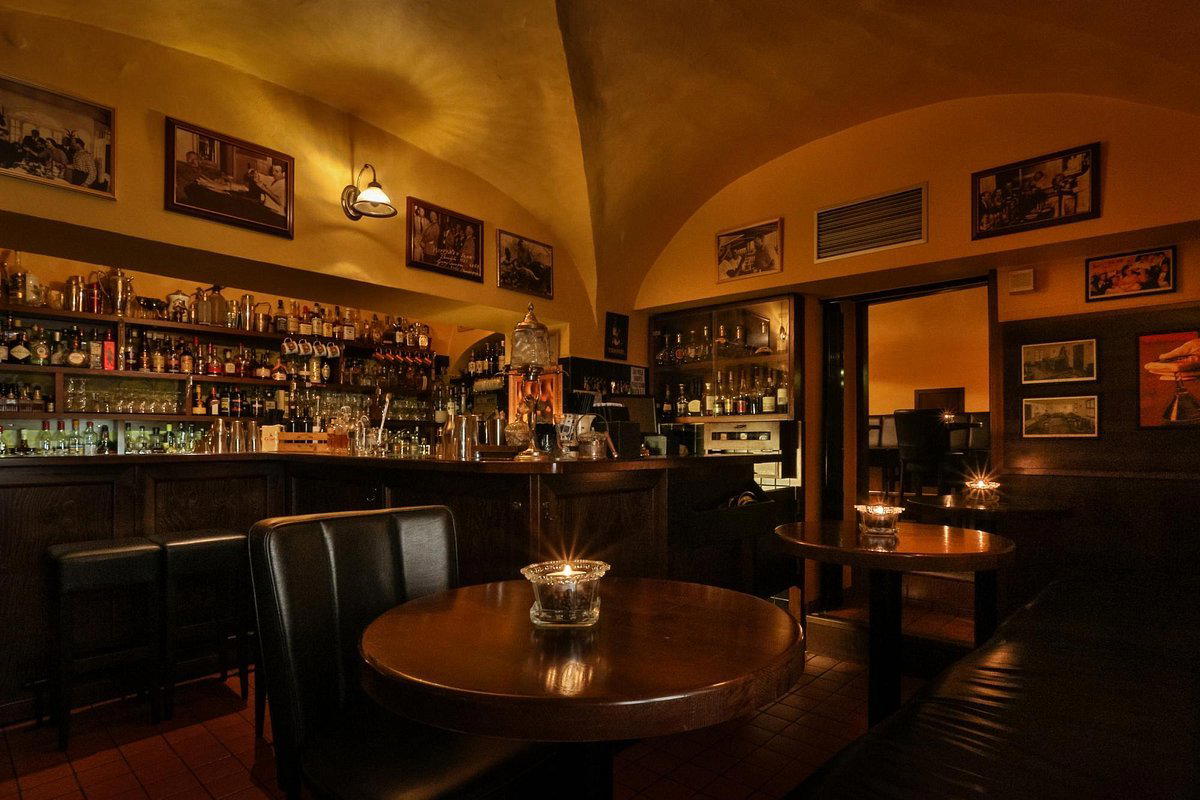
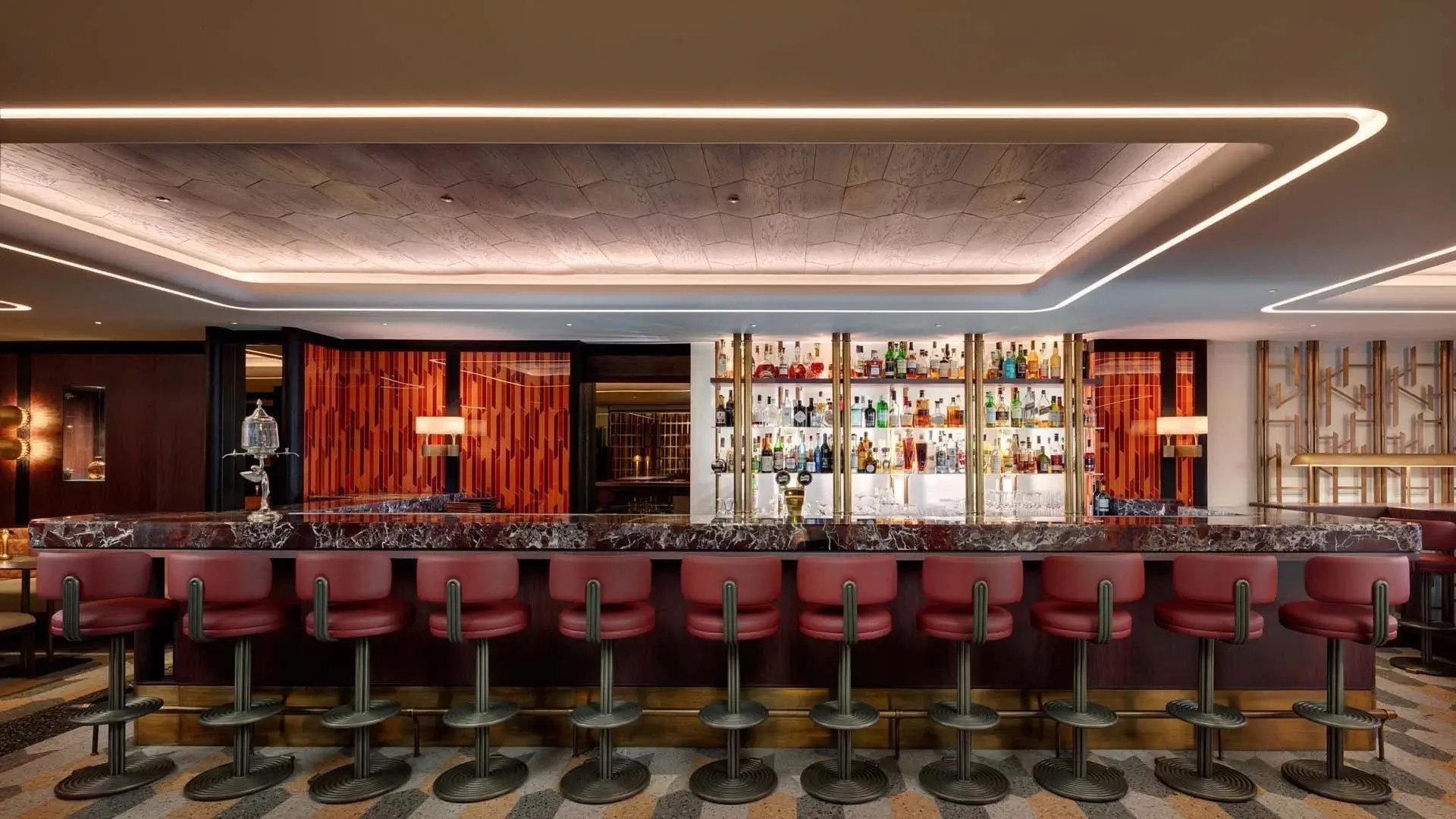
The Michelin commentary explicitly flags the cocktails as worth attention, which is not a throwaway note. For a Michelin inspector to mention drinks in a restaurant context suggests that the cocktail programme is coherent enough to function as a separate reason to visit, rather than simply being an extension of the food offer. In Prague, a city with a developing cocktail culture documented across the bar scene, a kitchen that builds a drinks programme worthy of separate mention is making a considered investment in the full experience rather than treating the bar as an afterthought. It also changes the practical calculation for how to use the venue: an early evening cocktail alongside the more shareable dishes is a different engagement than a late dinner ordered front to back.
Placing QQ Asian Kitchen in Prague's Wider Dining Picture
Prague's Michelin-recognised restaurants span a wide range of formats and price points, from multi-course tasting experiences to single-euro operations like this one. That width is characteristic of a city whose dining scene has matured quickly in a short window, accumulating credentialled addresses across different categories before establishing deep concentration in any single one. 420 Restaurant and Alma illustrate the breadth of what the city's recognition now covers. Beyond Prague itself, Czech dining has developed credentialled addresses across the country, from ARRIGŌ in Děčín to Cattaleya in Čeladná, Chapelle in Písek, Bohém in Litomyšl, ATELIER bar & bistro in Brno, and Babiččina zahrada in Průhonice, a distribution that reflects a national dining culture at an interesting moment of development.
For visitors planning around the broader city, the practical context is direct: the restaurant is in Nové Město, accessible from the centre, and operates at a price point where the risk calculation for a first visit is low relative to the potential return.7 across 879 reviews aligns with what the Michelin Plate suggests about consistency. The combination of a high-volume public rating and formal recognition is unusual at this price tier and worth taking seriously.
Cuisine-First Comparison
Comparable venues nearby, for context on price, style, and recognition.
| Venue | Cuisine | Price | Awards | Notes |
|---|---|---|---|---|
| QQ Asian KitchenThis venue — the venue you are viewing | Modern Asian Fusion | $$$ | Michelin Plate | Not listed |
| CottoCrudo | Modern Italian | $$$ | Michelin Plate | Josefov |
| STŮL | International Seasonal Fine Dining | $$$ | Michelin Plate | Lysolaje |
| Kampa Park | Modern French Fine Dining | $$$$ | Michelin Plate | Mala Strana |
| Next Door by Imperial | Modern Czech Bistro | $$$ | Michelin Plate | Pelc Tyrolka |
| Brasileiro Restaurant | Brazilian Churrascaria | $$$ | Not listed | Stare Mesto |
Recognition history
Dated appearances from independent guides and award organizations, with the underlying list record or original source where available.
Falstaff Restaurant - 94 Falstaff Points
Falstaff
Michelin Plate
Michelin
Michelin Plate
Michelin


At a Glance
- Lively
- Cozy
- Intimate
- Trendy
- Modern
- Date Night
- Group Dining
- Celebration
- Casual Hangout
- Open Kitchen
- Craft Cocktails
Current opening hours
- Monday
- 5–11 PM
- Tuesday
- 5–11 PM
- Wednesday
- 5–11 PM
- Thursday
- 5–11 PM
- Friday
- 5–11:30 PM
- Saturday
- 5–11:30 PM
- Sunday
- Closed
Hours can change for holidays and private events. Last verified .
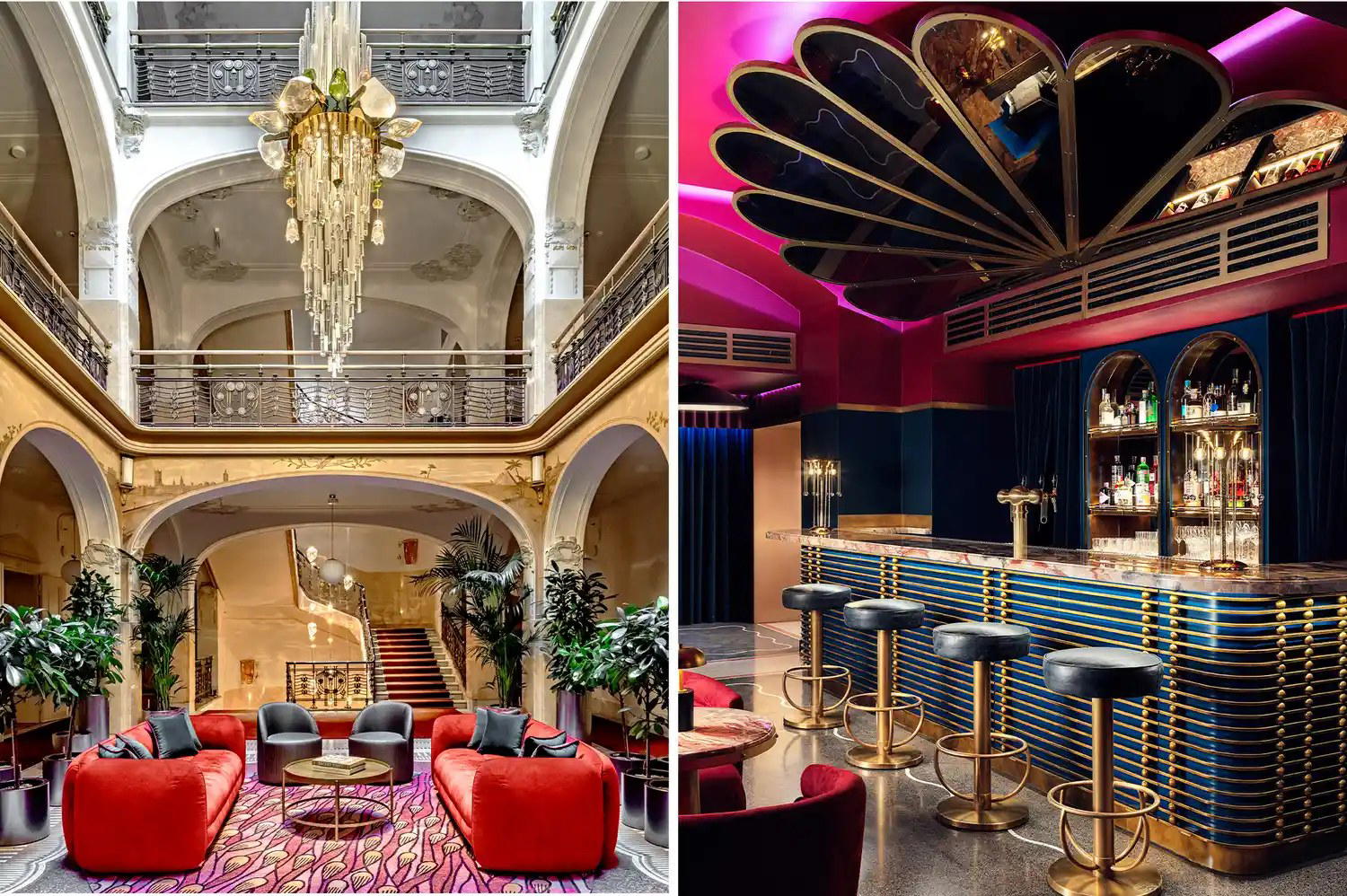
Stylish, cozy intimate setting with Bali-inspired décor, open kitchen, and laid-back yet attentive service creating a fun and lively atmosphere.