Apelace21

A quietly serious restaurant in Vinohrady, Apelace21 assembles technically accomplished plates that draw on global ingredients without losing their own coherence. The room is minimalist and considered, service is attentive without ceremony, and the wine recommendations are notably astute. It occupies a confident middle register in Prague's modern dining scene, well above neighbourhood bistro territory without the formality of the city's Michelin tier.
Pearl is the En Primeur Club membership app — saves, bookings, and concierge access live there. Same editors, same standards.
- Address
- Záhřebská 21, 120 00 Praha 2-Vinohrady, Czechia
- Phone
- +420 702 211 646
- Website
- apelace21.cz
- Directions
- Get directions
 Saves & bookings on Pearl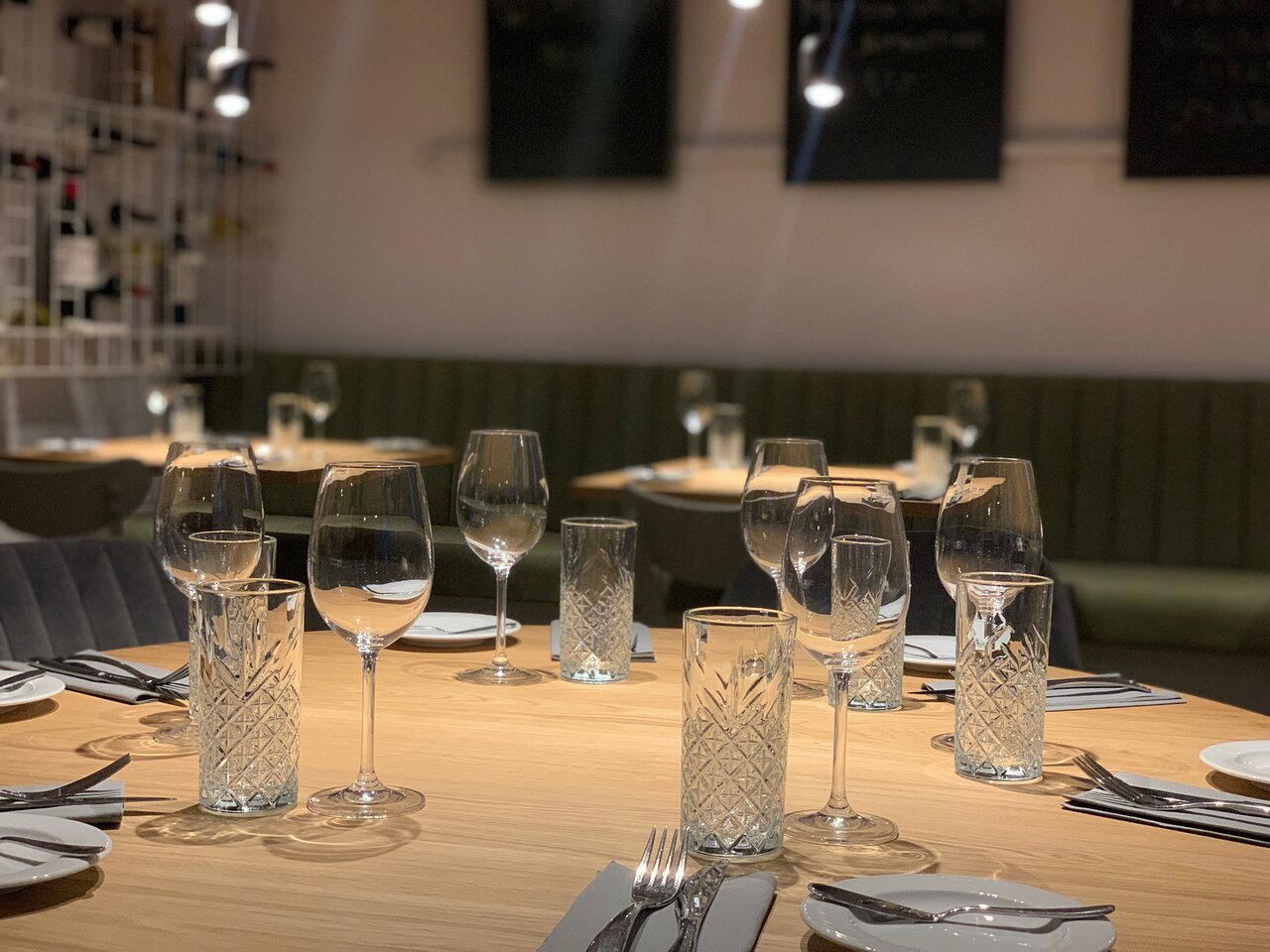
Vinohrady's Residential Register
Prague's most interesting modern restaurants increasingly sit outside the tourist circuit of Staré Město and Malá Strana. Vinohrady, a residential district of Belle Époque apartment blocks and tram-laced streets, has become one of the more consistent addresses for cooking that takes technique seriously without requiring a special-occasion pretext. Apelace21, on Záhřebská, fits that pattern: a neighbourhood address with the ambition and execution of a city-centre destination.
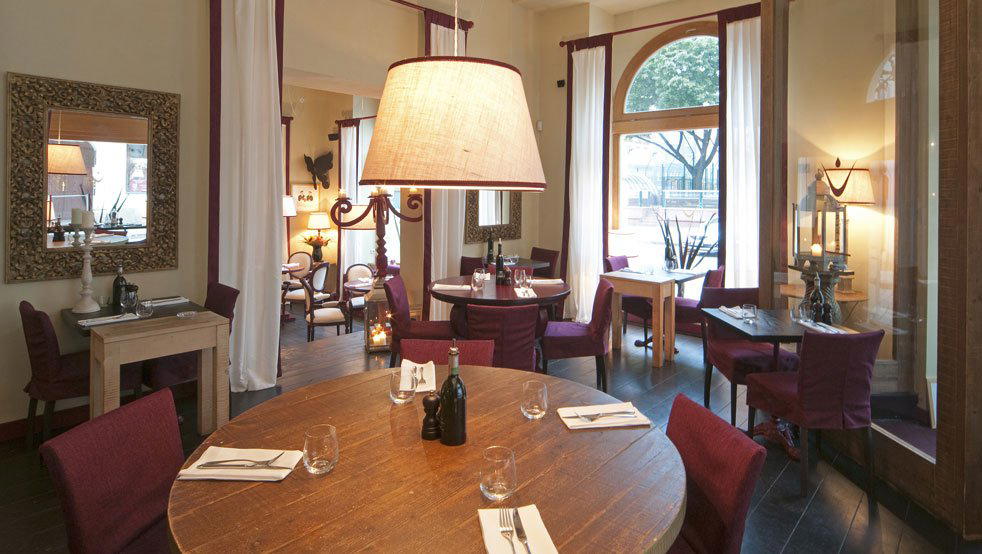
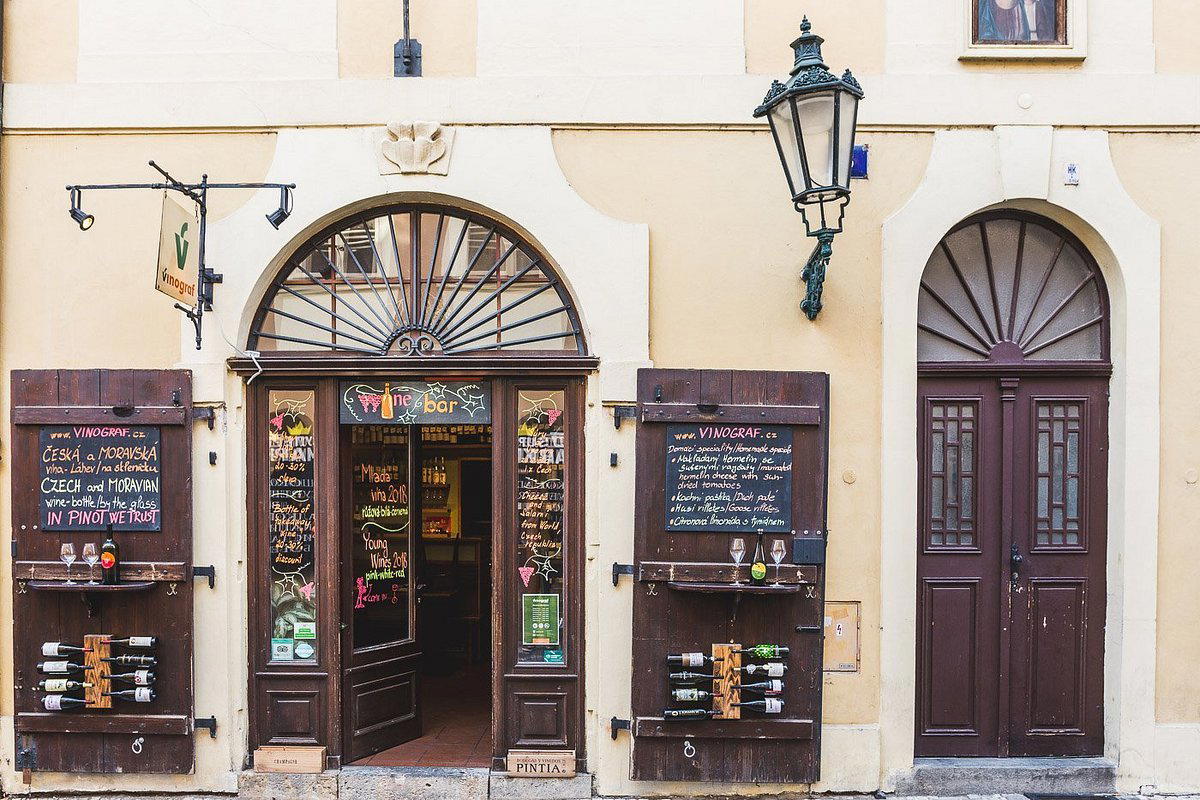
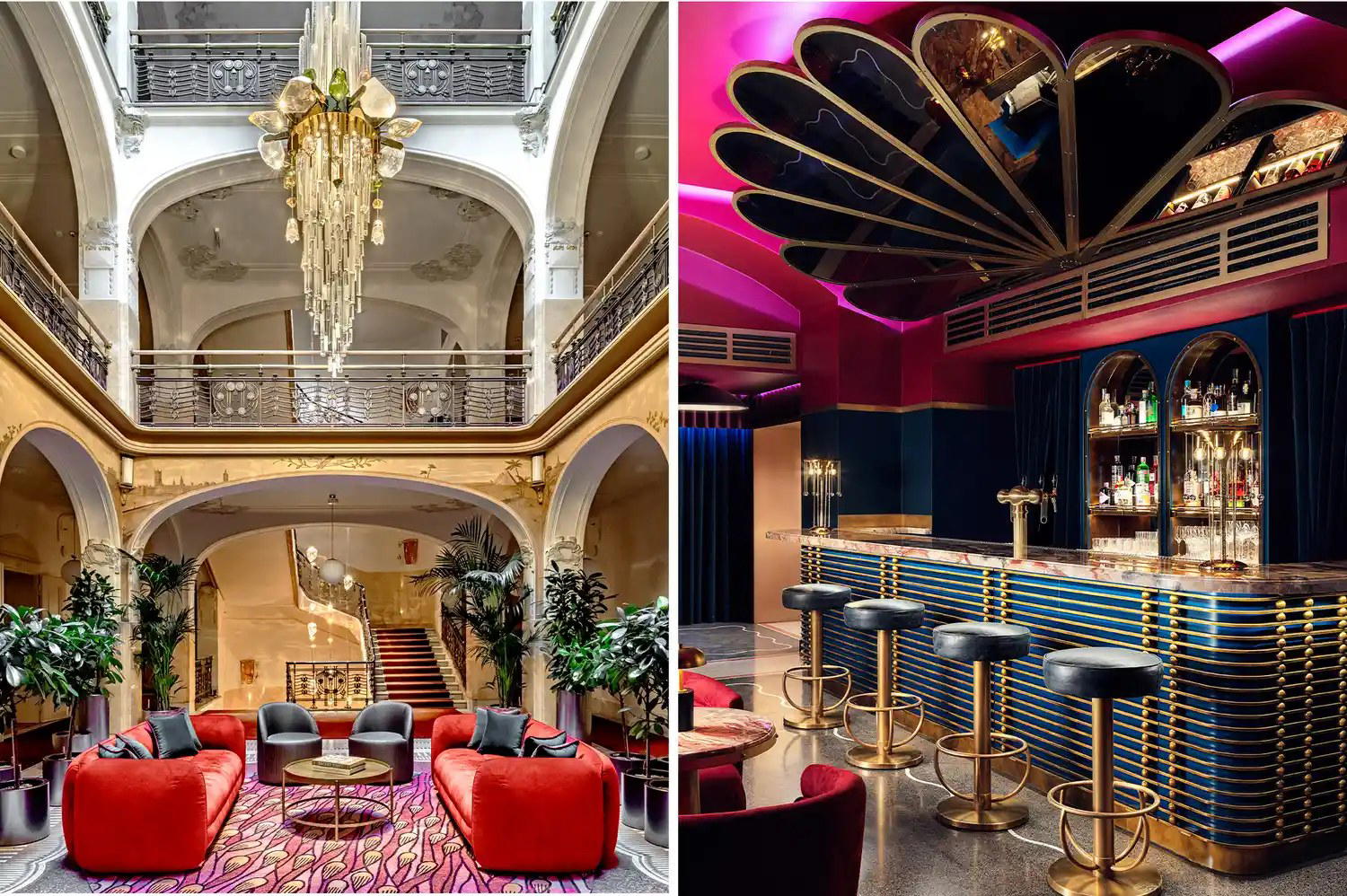
The room is minimalist in the way that rewards attention over time. Decorative details accumulate without cluttering: a distinctive wine rack anchors one wall, artworks break the geometry, and modern pendant lamps calibrate the light without making a statement of it. There is nothing here that competes with the plates. For a city whose dining interiors have historically divided between Habsburg-era grandeur and stripped-back pop-up aesthetic, that kind of considered restraint occupies its own register.
How the Menu Is Built
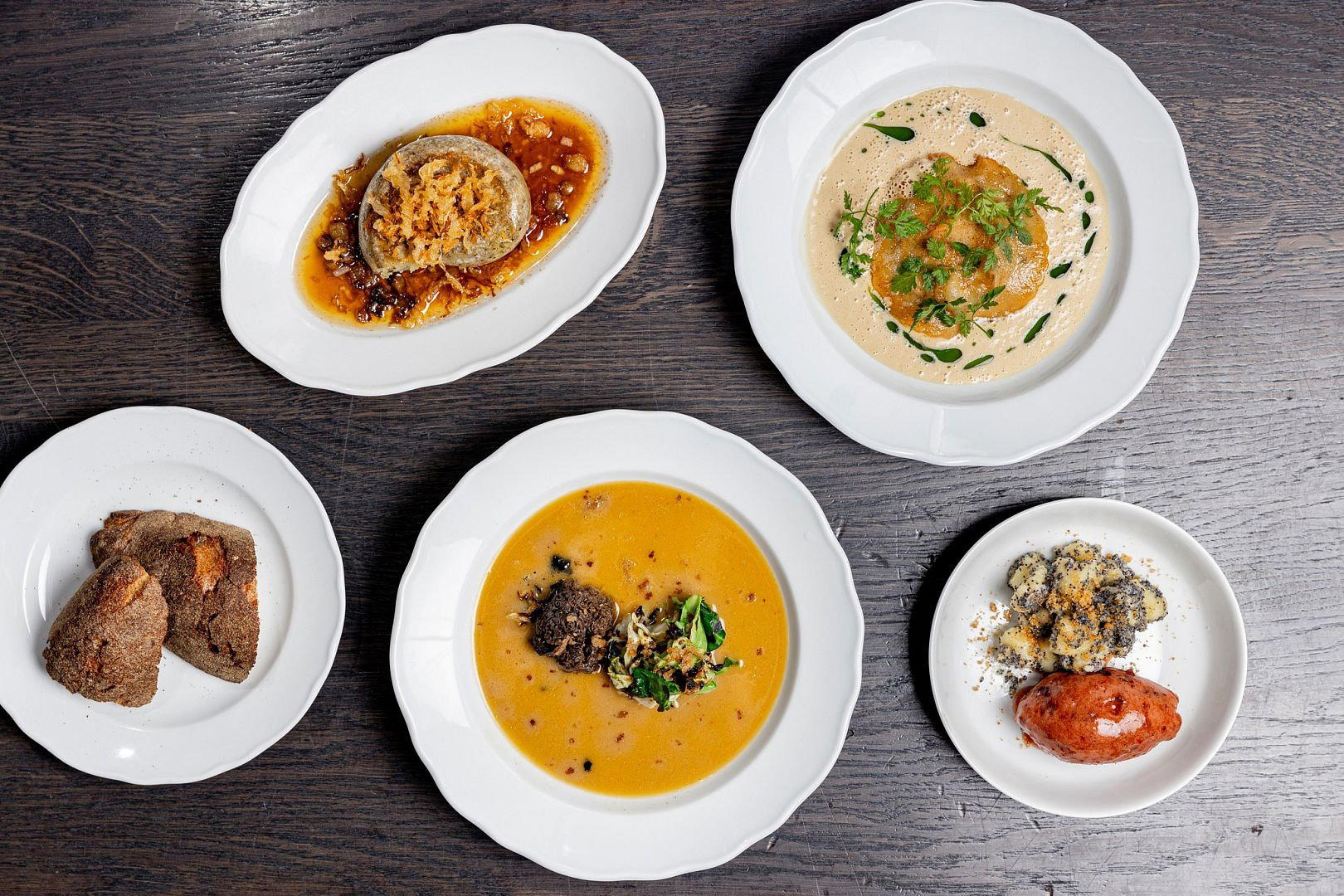
The menu at Apelace21 reads as a deliberate exercise in contrast and composition. Each dish pairs a protein or primary ingredient with components from noticeably different flavor traditions, and the cooking appears designed to hold those tensions in balance rather than resolve them into a single dominant note.
St. Jacob's mussels preparation illustrates this precisely: blood orange and yuzu provide separate layers of citrus acidity, the crispy wafer adds structural contrast, and miso mayonnaise introduces fermented depth without pushing the dish toward any single national idiom. The effect is less fusion in the casual sense than it is architectural thinking applied to a plate. The lamb shoulder dish follows a similar logic: Brussels sprouts and pumpkin croquette offer contrasting textures, almonds bring fat and crunch, and pickled shallots introduce the sharp note that prevents richness from flattening. These are not complicated for complexity's sake. They are built to be eaten.
That kind of menu architecture places Apelace21 in a specific and relatively small cohort of Prague restaurants. At the summit of the city's modern dining tier, places like La Degustation Bohême Bourgeoise operate within long tasting-menu formats where the progression is the argument. Apelace21 appears to make its case differently: through the internal logic of individual dishes rather than the arc of a full sequence. That approach suits the room and the neighbourhood, where the clientele seems more likely to be mid-week regulars than anniversary-dinner tourists.
Elsewhere in the city, Alcron and Alma both work in the modern European register, each with their own approach to sourcing and format. 420 Restaurant and Amano offer further reference points across different price and formality bands.
Technique as the Argument
The critical recognition attached to Apelace21 centres on skill of preparation and the emphasis on flavor rather than decorative complexity. That is a meaningful distinction. In a city where some kitchens have adopted the visual language of contemporary fine dining without the underlying technical depth, cooking described as skilfully prepared with a clear flavour emphasis signals a different set of priorities.
It also implies a kitchen comfortable with global pantry access. Yuzu, miso, blood orange, and pickled shallots are not ingredients that appear together in Czech culinary tradition. Their presence in the same menu, handled with evident competence, positions the kitchen as one that works from technique outward to ingredient rather than from tradition outward to embellishment. For comparison, internationally recognised kitchens operating at similar ambition levels in other cities, such as Le Bernardin in New York City or Atomix, demonstrate that globally fluent ingredient vocabulary handled with technical rigour is one of the defining signatures of serious contemporary cooking regardless of geography. Apelace21 operates at a different scale, but the underlying logic is consistent.
The broader Czech restaurant scene supports this reading. Beyond Prague, serious modern kitchens have emerged in Brno at places like ATELIER bar & bistro, in smaller cities like Litomyšl at Bohém, and in regional destinations including Cattaleya in Čeladná, Chapelle in Písek, ARRIGŌ in Děčín, and Babiččina zahrada in Průhonice. Prague, as the country's largest dining market, contains a range that those cities compress: from traditional Czech taverns to tasting-menu restaurants competing for Michelin attention. Apelace21 occupies a band below the formal tasting-menu tier but well above casual dining, where the cooking discipline and service standards justify a dedicated visit rather than a convenient drop-in.
Service and Wine
The service model described for Apelace21 is easygoing but highly competent, which in practice means the kind of attentiveness that does not require the room to be run with visible effort. That balance is harder to sustain than either formal precision or deliberate informality, and it represents a specific hospitality philosophy that suits the menu's character.
Wine recommendations described as astute suggest a program with actual depth and a front-of-house team with genuine knowledge rather than a list selected for margin. In Prague's mid-to-upper dining tier, wine service quality varies considerably. A kitchen that builds plates around citrus, fermentation, and fat requires thoughtful pairing, and service that can navigate that without over-explaining it is part of what places Apelace21 in its competitive position.
Planning a Visit
Apelace21 is on Záhřebská 21 in Praha 2-Vinohrady, reachable by tram from most central Prague locations without requiring a taxi or pre-arranged transfer. The residential setting means the surrounding area is quiet in the evenings, which suits the room's atmosphere. Reservations are essential, and the restaurant's price tier sits at about $65 per person.
Credentials Lens
Comparable venues nearby, for context on price, style, and recognition.
| Venue | Cuisine | Price | Awards | Notes |
|---|---|---|---|---|
| Apelace21This venue — the venue you are viewing | Contemporary Czech Fine Dining | $$$ | Michelin Plate | Not listed |
| Mlýnec | Modern Czech Fine Dining | $$$ | Michelin Plate | Josefov |
| Dergi Praha | Authentic Georgian | $$ | Michelin Plate | Pelc Tyrolka |
| U Kalendů | Modern Czech | $$ | Bib Gourmand | Nove Mesto |
| Pot au Feu | Traditional French Bistro | $$$ | Michelin Plate | Josefov |
| Next Door by Imperial | Modern Czech Bistro | $$$ | Michelin Plate | Pelc Tyrolka |
Recognition history
Dated appearances from independent guides and award organizations, with the underlying list record or original source where available.
Michelin Plate
Michelin
At a Glance
- Elegant
- Intimate
- Modern
- Cozy
- Sophisticated
- Date Night
- Business Dinner
- Special Occasion
- Open Kitchen
- Standalone
- Design Destination
- Extensive Wine List
- Sommelier Led
- Local Sourcing
Current opening hours
- Monday
- Closed
- Tuesday
- 11:30 AM–3 PM, 6–10:30 PM
- Wednesday
- 11:30 AM–3 PM, 6–10:30 PM
- Thursday
- 11:30 AM–3 PM, 6–10:30 PM
- Friday
- 11:30 AM–3 PM, 6–10:30 PM
- Saturday
- 11:30 AM–10:30 PM
- Sunday
- Closed
Hours can change for holidays and private events. Last verified .
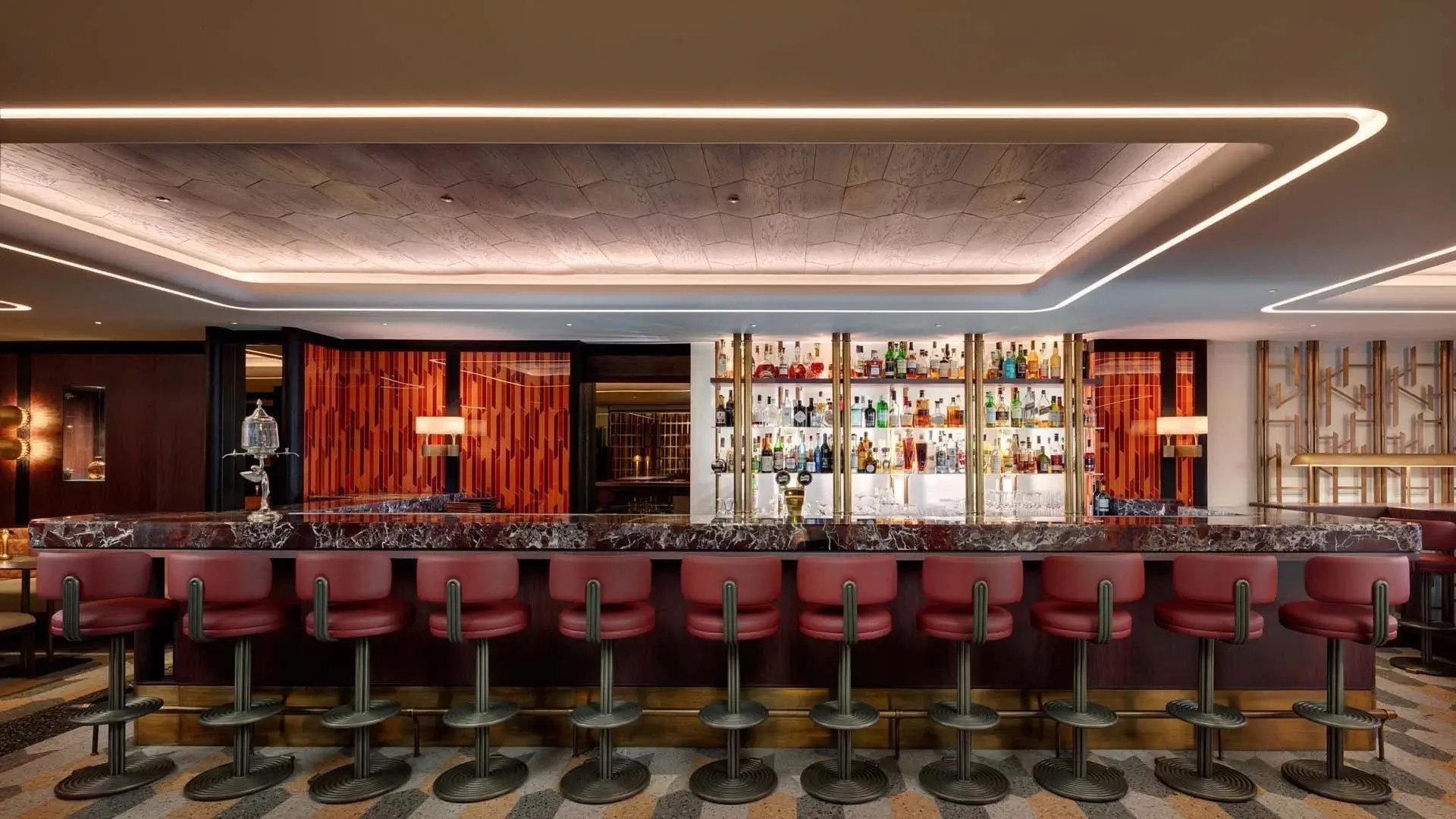
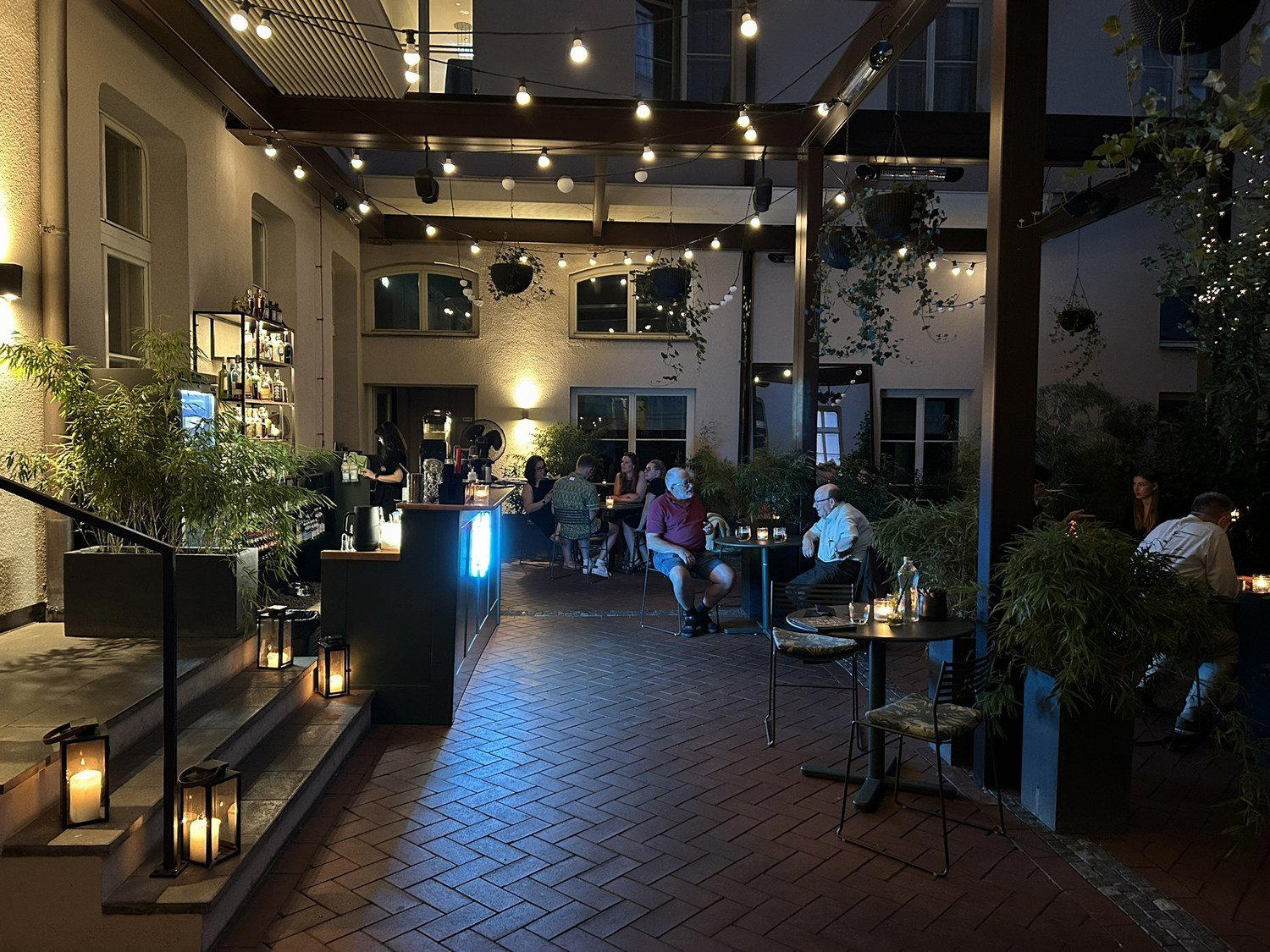
Minimalist interior with clean lines, muted palette, distinctive wall-mounted wine rack, modern pendant lamps, and curated artworks; warm, residential, and relaxed yet refined.