
Michelin Plate
Our verdict
Stube Gourmet occupies a distinct tier among Asiago's dining options, holding consecutive Michelin Plate recognition in 2024 and 2025 with a creative menu that reflects the Altopiano's alpine character. At the €€€€ price point, it competes with La Tana Gourmet as one of the plateau's two serious creative kitchens, and draws visitors from the Veneto who make the drive specifically for the cooking.

Pearl is the En Primeur Club membership app, where members save venues, book tables and use the concierge.
The menu
What to order
- Fusilloni felicetti with arugula pesto and mozzarella di bufala
- Spaghetto tiepido with shrimp and basil
- Risotto with grana padano and quail
Asiago's Alpine Plateau and What It Does to a Kitchen
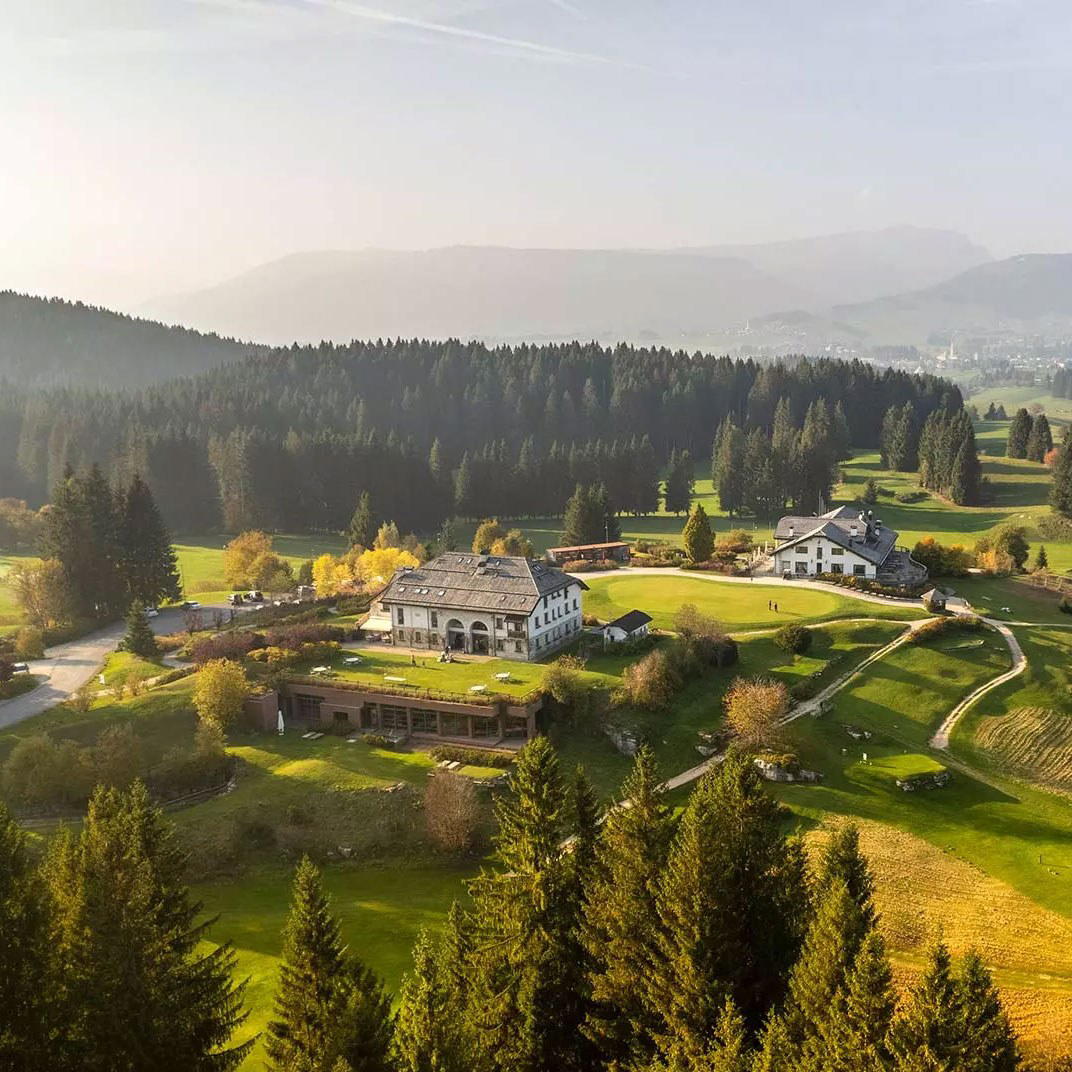
The Altopiano di Asiago sits roughly 1,000 metres above the Veneto plain, reachable by a winding road that peels away from Bassano del Grappa and climbs through beech forest before the plateau opens out. By the time you arrive, the air is noticeably cooler, the light different, and the sense of place already doing work on your expectations. It is this specific geography, high pasture, mountain herbs, aged cheeses, game, and the traditions of a community that has been here since the Cimbrian migrations, that frames what serious cooking on the plateau looks like. Restaurants that acknowledge that context and work with it, rather than defaulting to generic Italian fine dining, are the ones worth driving up for. Stube Gourmet, on Via Kaberlaba, falls into that category.
The address itself signals something. Via Kaberlaba runs through a quieter residential edge of Asiago town, away from the main piazza and the ski-season crowds that fill the central trattorie. That positioning is common in Alpine fine dining: the room is not a walk-in trade operation but a destination that requires a degree of intention. Guests arrive by choice, not by chance, which sets the dynamic for what follows.
Where Stube Gourmet Sits in the Asiago Dining Picture
Asiago's restaurant scene is built around two distinct registers. The lower end is dominated by Venetian trattorie and alpine staple houses, where Osteria della Tana and Osteria Europa represent solid, accessible Venetian cooking at the €€€ and €€ tiers respectively. Those rooms serve the plateau's year-round population and weekend visitors who want honest regional food without formality. The upper register is considerably smaller. La Tana Gourmet occupies one position in the creative fine-dining category at €€€€; Stube Gourmet occupies the other. Between them, they represent Asiago's case for being taken seriously as a creative dining destination, not simply a ski resort with acceptable food.
That case has Michelin's attention. Stube Gourmet has held the Michelin Plate in both 2024 and 2025, a recognition that signals cooking of quality without yet carrying star status. The Plate designation in the current Michelin framework indicates that inspectors found food worth the visit but not yet operating at one-star consistency or distinction. For a plateau town of Asiago's size and seasonal character, two consecutive years of Plate recognition represents a meaningful position within the regional hierarchy.
For comparison, the broader Veneto and northern Italian creative dining tier includes considerably heavier hitters: Le Calandre in Rubano holds three Michelin stars and represents the ceiling of the region's ambition. On the Italian national stage, Osteria Francescana in Modena, Enoteca Pinchiorri in Florence, and Uliassi in Senigallia define what the best of the creative Italian category looks like. Stube Gourmet is not competing with those rooms, and does not need to. Its competitive set is defined by geography and by what a Michelin Plate creative kitchen in an alpine town can reasonably achieve.
The Creative Format in an Alpine Setting
Creative cuisine as a category in Italy has evolved significantly over the past decade. Where it once meant primarily deconstructionist gestures or direct Italian-Japanese fusion, the more considered version now tends to mean kitchens that use local product and regional technique as starting points and then apply contemporary methods and presentation thinking to that foundation. The result, at its finest, reads as both modern and rooted: a dish that makes sense in the place where you are eating it, but would not exist unchanged in a trattoria thirty years ago.
The alpine context gives that approach particular material to work with. Asiago cheese in its various aged forms, local mushrooms and herbs from the surrounding plateau, game from the forests below the escarpment, and the dairy traditions of the Altopiano all form a larder that rewards a kitchen willing to engage seriously with it. Creative cooking in this setting has the advantage of a defined territory, and the discipline of that territory tends to produce more interesting food than menus that treat the whole of Italy as an undifferentiated source.
For guests arriving from beyond the Veneto, the plateau-specific character of the cooking is part of the reason to make the trip. This is not food you can replicate in Milan or Verona, even at significantly higher price points. The alpine frame gives the €€€€ format a justification that goes beyond simple price signalling.
Placing Stube Gourmet Against the Wider Creative Category
Within Italy's creative restaurant tier, the pattern has been for alpine and mountain-based kitchens to develop strong regional identities that distinguish them from urban competitors. Atelier Moessmer Norbert Niederkofler in Brunico is perhaps the most prominent example of alpine creative cooking operating at the highest level, with its strict focus on mountain product. Quattro Passi in Marina del Cantone demonstrates how coastal Italian creative kitchens build a comparable identity from maritime terroir.
Beyond Italy, creative format restaurants occupy a similar structural position in cities across Europe. Alléno Paris au Pavillon Ledoyen and JAN in Munich represent how the creative category operates at the top of major metropolitan markets. Enrico Bartolini in Milan and Dal Pescatore in Runate show how Italian fine dining ranges across urban and rural formats without losing its identity. Stube Gourmet's position is more modest than any of those rooms, but the structural logic is the same: a kitchen using a defined territory as the engine of a creative menu.
Planning a Visit to Stube Gourmet
Asiago is most accessible from Bassano del Grappa, around 30 kilometres south on the Veneto plain, which connects to the wider rail and motorway network. Driving is the practical choice for most visitors, as the plateau's public transport connections are limited and the road itself is part of arriving properly. The town has a range of accommodation at various price points; for a full overview of where to stay before or after dinner, the Asiago hotels guide covers the current options. Those wanting to fill a day around the meal can consult the Asiago experiences guide, the bars guide, and the wineries guide for the surrounding area. A broader view of the plateau's restaurant options, from trattorie to creative fine dining, is in our full Asiago restaurants guide.
At the €€€€ price tier, Stube Gourmet is positioned for guests treating the meal as the centrepiece of a trip rather than a casual dinner.
Frequently asked questions
Does Stube Gourmet have a Michelin star or similar recognition?
Stube Gourmet has received recognition including: Michelin Plate (2025); Michelin Plate (2024).
What do people recommend at Stube Gourmet?
The kitchen works under a creative format at the €€€€ price tier, which means the menu shifts with season and available product rather than locking around signature dishes. Two consecutive Michelin Plate awards (2024 and 2025) point to consistent execution across whatever the current menu holds. Arriving with flexibility rather than a fixed request is the practical approach here.
How much does it cost to eat at Stube Gourmet?
Pricing at Stube Gourmet is listed as €€€€.
Where do I go for Stube Gourmet?
Stube Gourmet is located at Via Kaberlaba, 19, 36012 Asiago VI, Italy, Asiago.
Can I walk in to Stube Gourmet?
At the €€€€ tier with back-to-back Michelin Plate recognition, Stube Gourmet functions as a destination kitchen drawing visitors to the Altopiano di Asiago rather than a neighbourhood room with spare covers. Advance booking is the working assumption for any creative restaurant in this category, particularly during summer and winter peak periods on the plateau. Contacting the venue directly before travelling is advisable.
A Tight Comparison
| Venue | Cuisine | Price | Awards | Notes |
|---|---|---|---|---|
| Stube GourmetThis venue (the venue you are viewing) | Modern Italian Fine Dining | $100–150 | Michelin Plate | Not listed |
| La Tana Gourmet | Modern Italian Creative Tasting | Not listed | 1 Michelin Star · La Liste Top Restaurants | Modern Italian, Creative |
| Osteria della Tana | Traditional Veneto Trattoria | $100–150 | Michelin Plate | Venetian |
| Osteria Europa | Traditional Venetian Osteria | $30–50 | Michelin Plate | Venetian |
Recognition history
Dated appearances from independent guides and award organizations, with the underlying list record or original source where available.
Michelin Plate
Michelin
Full recognition history (2 entries)
Michelin Plate
Michelin
Continue exploring
More in Asiago
Restaurants in Asiago
All restaurants in Asiago →
Bars in Asiago
Browse all →
Details
- Elegant
- Intimate
- Cozy
- Sophisticated
- Classic
- Date Night
- Special Occasion
- Celebration
- Hotel Restaurant
- Private Dining
- Extensive Wine List
- Sommelier Led
- Local Sourcing
- Farm To Table
- Tasting Menu
- Prix Fixe
- Wine
- Vegetarian Friendly
- Gluten Free Options
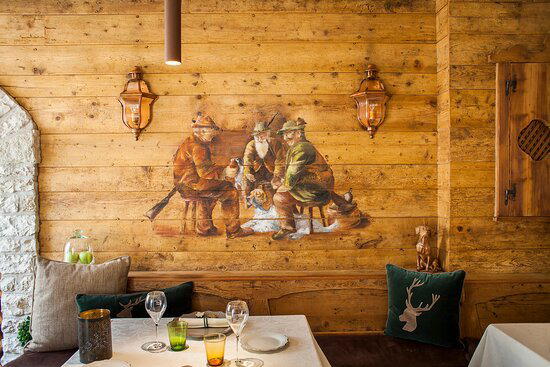
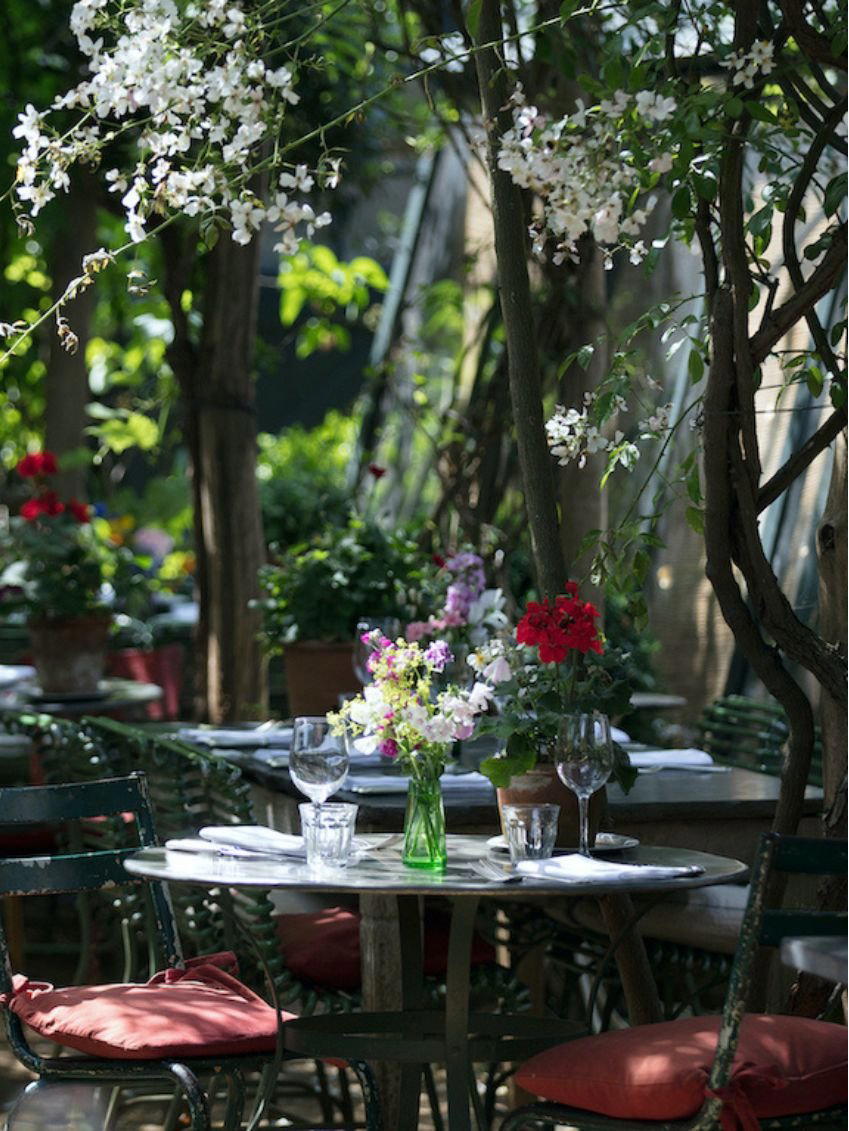
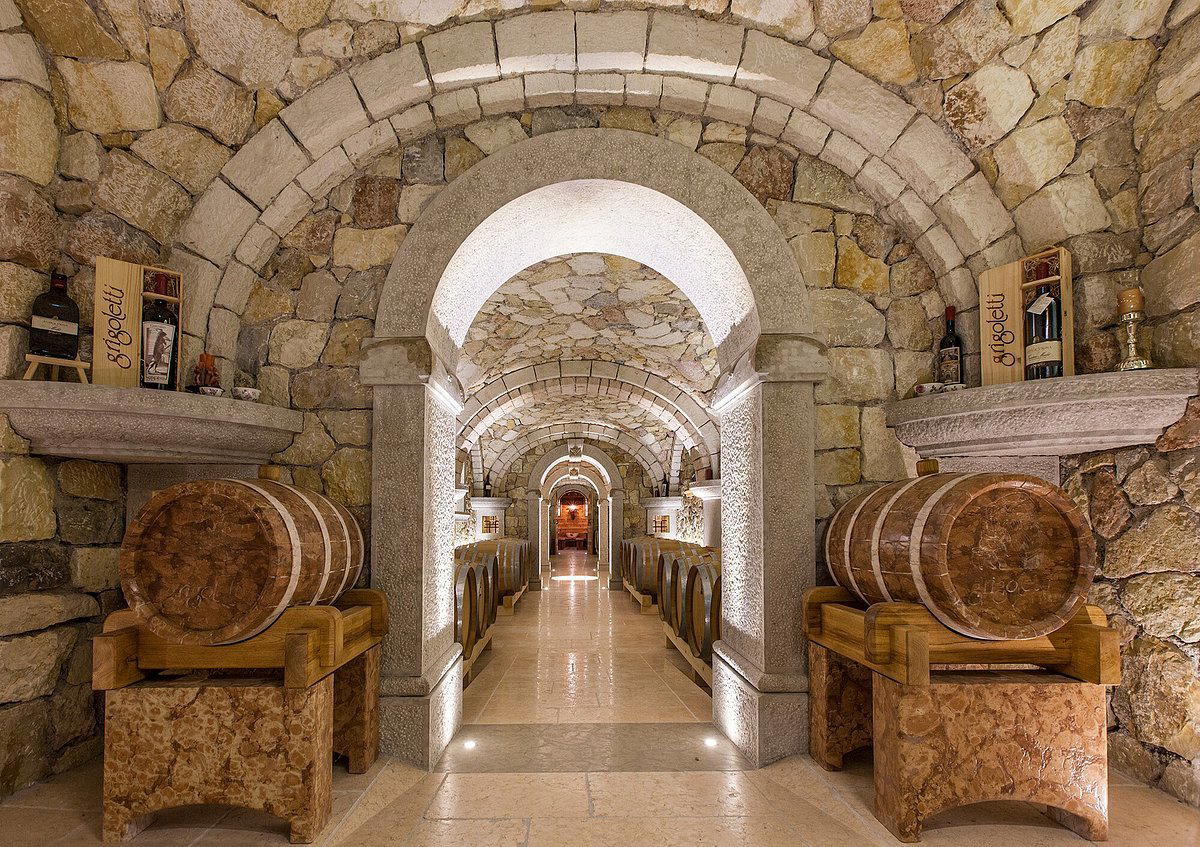
Elegant ambience with subtle lighting, decorated with wood from old roofs and hunter imagery on walls, creating a refined yet warm and peaceful atmosphere.