
"If you’re missing Toronto’s Momofuku Shoto or can’t get to Ko in Manhattan, Vancouver’s Street Auntie Aperitivo House is the next best thing. This tiny, sleek Chinese restaurant set around an open kitchen has arrived on the West Coast by way of Beijing, where owner Yuyina Zhang ran BMK at The Courtyard with the English Michelin-starred chef Brian McKenna."
- Address
- 1039 Granville St, Vancouver, BC V6Z 1L4, Canada
- Directions
- Get directions
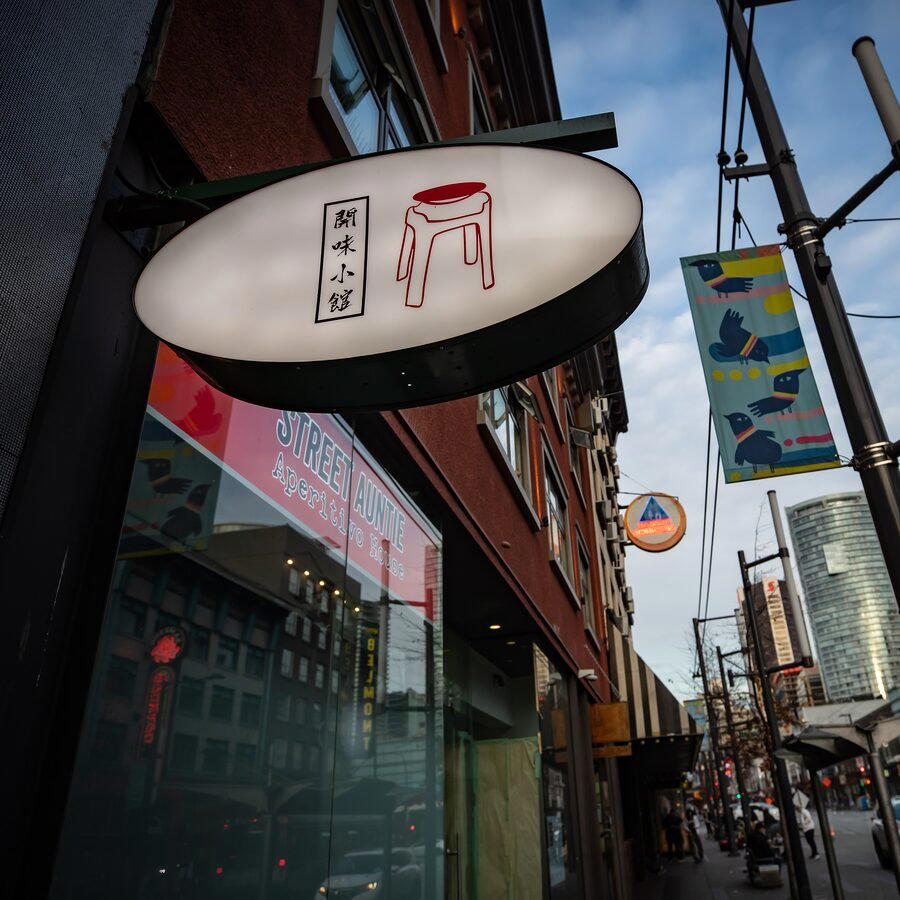
Where Granville Street Meets the Aperitivo Hour
On a stretch of Granville Street that has cycled through nightclubs, dive bars, and half-finished redevelopments for decades, Street Auntie Aperitivo House occupies a position that reads as deliberate counterpoint. The aperitivo format, borrowed from northern Italy's pre-dinner ritual of low-alcohol drinks and small plates, has found particular traction in cities where the line between bar and restaurant is already blurry. Vancouver qualifies: a dining culture shaped by izakaya tradition, Pacific Rim informality, and a population that has largely abandoned the idea of a strictly demarcated drinking hour. Street Auntie lands in that gap, translating a European social form through a distinctly West Coast lens.
The Aperitivo Format in a Vancouver Context
The aperitivo model differs structurally from both the cocktail bar and the casual restaurant. Its logic depends on calibration between three moving parts: what's poured, what's plated, and how those two things are paced by the floor. In Milan or Turin, that calibration is cultural muscle memory built over generations. In Vancouver, it has to be constructed deliberately, which is why the dynamic between kitchen, bar, and service becomes the real test of whether a venue in this format succeeds or simply coasts on the concept's aesthetic appeal.
Vancouver's upper tier of restaurants, including Kissa Tanto (which operates its own genre-bending fusion across Japanese and Italian references) and AnnaLena (contemporary, $$$$ tier), have demonstrated that the city's dining public responds to formats that don't fit neatly into category. Street Auntie reads as part of that same appetite for the structurally unconventional, but pitched at a different entry point: more informal, more social, less focused on the theatrical tasting arc.
Team Dynamic as the Operative Variable
The aperitivo format is, more than most dining categories, a team sport. A kitchen producing small plates at pace needs a bar program that doesn't outrun it, and a floor that reads the room well enough to know when to push the next round and when to let a table breathe. The Italian model handles this through deeply ingrained hospitality codes; the Vancouver version has to develop its own equivalent through practice and coordination.
What distinguishes aperitivo venues that work from those that feel like themed bars with food is precisely this triangulation. The bar side needs vermouth literacy, amaro range, and the confidence to build a low-ABV program that doesn't read as compromise. The kitchen side needs to produce plates that function as complements rather than protagonists, food designed to extend the drinking occasion rather than anchor it. And the floor needs the social intelligence to manage a format where the pace is driven by guests rather than a set tasting menu sequence.
This kind of collaboration is visible at other high-functioning Canadian tables. Alo in Toronto and Tanière³ in Quebec City have built reputations in part on front-of-house precision that amplifies rather than merely delivers the kitchen's output. The aperitivo format demands the same precision, just applied to a looser, more guest-directed timeline.
Granville Street as Context
The address on Granville Street positions Street Auntie in a corridor that Vancouver has perpetually tried to reimagine. The street's entertainment district designation has historically attracted volume-driven operations, which makes a format predicated on slower consumption and smaller batches a deliberate act of friction with the surrounding environment. That friction can work commercially if the venue attracts a clientele willing to opt out of the block's dominant tempo.
The comparison set in Vancouver's $$$ to $$$$ range includes restaurants like Barbara (contemporary, $$$$), Masayoshi (Japanese, $$$$), and iDen & QuanJuDe Beijing Duck House (Chinese, $$$$), all of which operate with a defined format clarity and a specific audience. Street Auntie's aperitivo positioning places it in a different competitive lane from any of those, less about destination dining and more about the kind of recurring neighbourhood ritual that builds a loyal midweek following rather than a weekend-only reservation queue.
For broader context on where this fits in Vancouver's dining progression, our full Vancouver restaurants guide maps the city's current moment across cuisines and price tiers.
What the Format Signals About the Current Moment
The aperitivo wave in North American cities reflects a broader shift in how premium hospitality is being consumed. The generation of diners who came of age with multi-course tasting menus as the benchmark of serious eating has, in some proportion, moved toward formats that prioritize sociability over ceremony. This trend is visible across the continent: at Lazy Bear in San Francisco, the communal dining format long preceded the current fashion for it; at Le Bernardin in New York City, formality remains the signal of intent. The aperitivo model sits between those poles, retaining quality cues while stripping the ceremony.
Canadian dining has developed its own version of this tension. Eigensinn Farm in Singhampton and Fogo Island Inn Dining Room in Joe Batt's Arm represent destination dining where the journey and the format are inseparable from the meal. Restaurant Pearl Morissette in Lincoln and Jérôme Ferrer - Europea in Montréal each occupy distinct registers of the formal. The aperitivo house, by contrast, is a daily-use format, closer in social function to Cafe Brio in Victoria's neighbourhood-anchor role than to the destination tier.
Other Canadian venues working in less-obvious formats include Narval in Rimouski, The Pine in Creemore, and Busters Barbeque in Kenora, each of which operates in a regional or format niche that rewards repeat visitors rather than first-timers in search of a benchmark meal.
Planning Your Visit
Street Auntie Aperitivo House is located at 1039 Granville Street in Vancouver. The aperitivo format typically suits early evening visits, when the format functions as it was designed to: a bridge between the end of the working day and the dinner hour, rather than a replacement for either. Given the Granville Street location and the format's inherent flexibility, walk-ins may be more viable than at destination-tier restaurants, though this is venue-dependent.
Similar Picks
| Venue | Cuisine | Price |
|---|---|---|
| Street Auntie Aperitivo HouseThis venue — the venue you are viewing | This venue | Not listed |
| AnnaLena | Contemporary | $$$$ |
| iDen & QuanJuDe Beijing Duck House | Chinese | $$$$ |
| Kissa Tanto | Fusion | $$$$ |
| Masayoshi | Japanese | $$$$ |
| Published on Main | Contemporary | $$$ |
Recognition history
Dated appearances from independent guides and award organizations, with the underlying list record or original source where available.
Chinese Restaurant Awards — Critics’ Choice Signature Dish: Yunnan Ghost Chicken Salad
Chinese Restaurant Awards
Continue exploring
More in Vancouver
Restaurants in Vancouver
Browse all →
Bars in Vancouver
Browse all →

At a Glance
- Modern
- Minimalist
- Elegant
- Trendy
- Special Occasion
- Date Night
- Open Kitchen
- Design Destination
- Standalone
- Zero Proof
- Local Sourcing
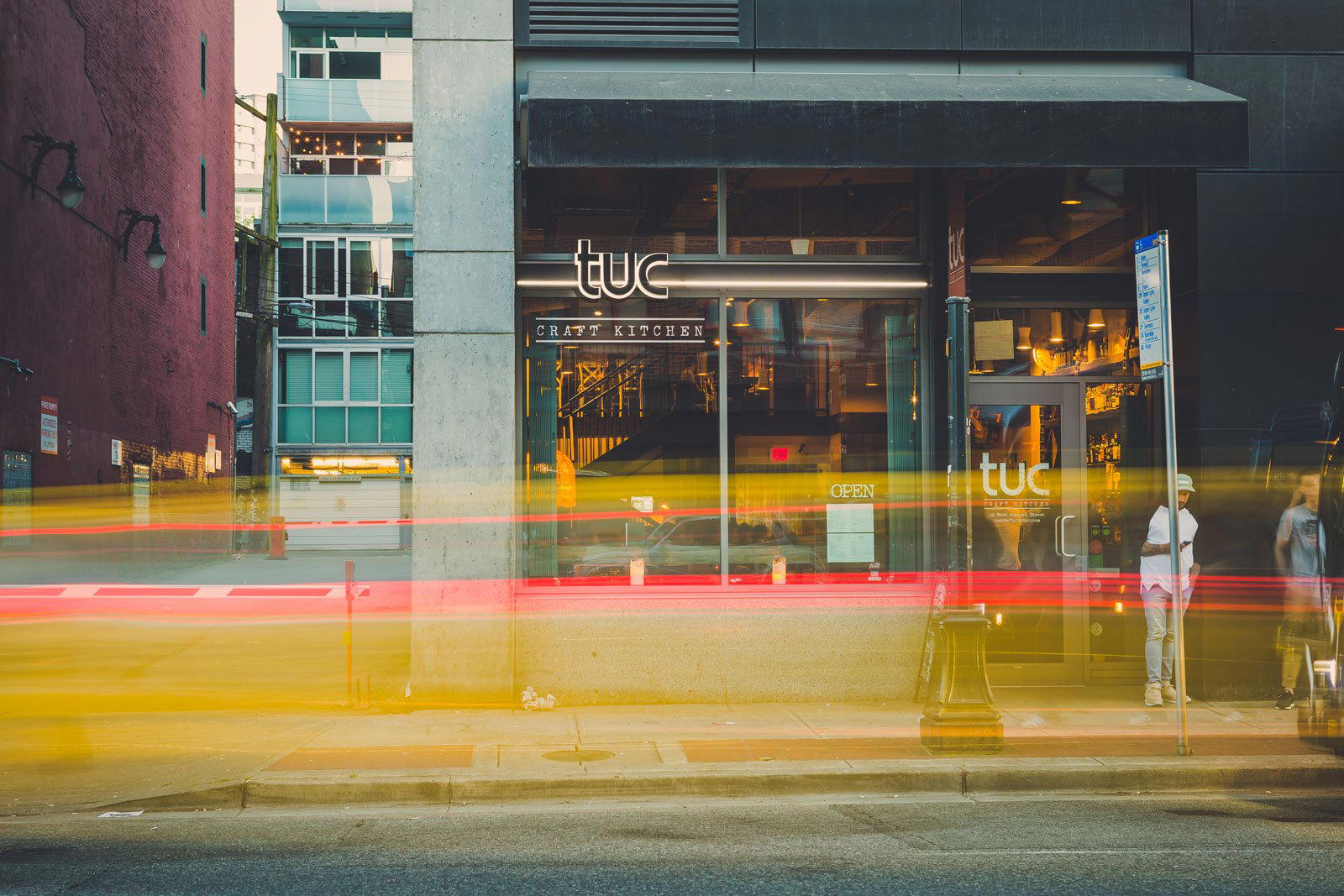
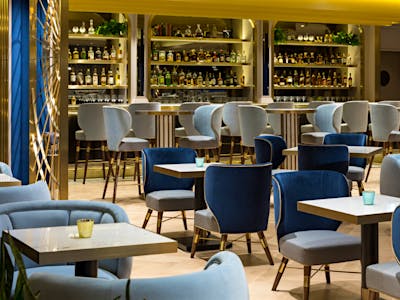
Sleek, minimalist dining space with an open kitchen, stylish and contemporary atmosphere reflecting modern Chinese fine dining aesthetics.
Know Before You Go
- Getting there
- 1039 Granville St, Vancouver, BC V6Z 1L4, Canada