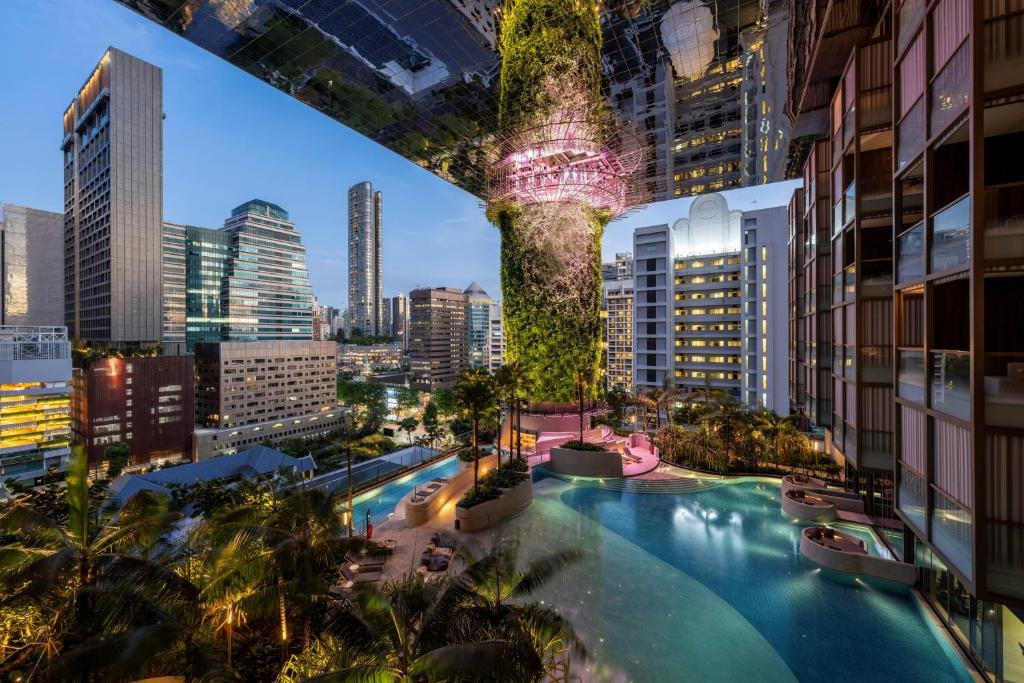
StraitsKitchen at Grand Hyatt Singapore brings together the hawker traditions of Chinese, Malay, Indian, and Peranakan cooking under one roof in Orchard. The open-kitchen format turns the meal into a live demonstration of Singapore's multicultural food culture, where the ritual of selection and grazing is as central as what ends up on the plate. It sits in a distinct category among Orchard's hotel restaurants, offering breadth of tradition rather than depth of a single cuisine.
Pearl is the En Primeur Club membership app — saves, bookings, and concierge access live there. Same editors, same standards.
- Address
- 10 Scotts Rd, Grand Hyatt, Singapore 228211
- Phone
- +6567321234
- Website
- hyatt.com
- Directions
- Get directions
 Saves & bookings on Pearl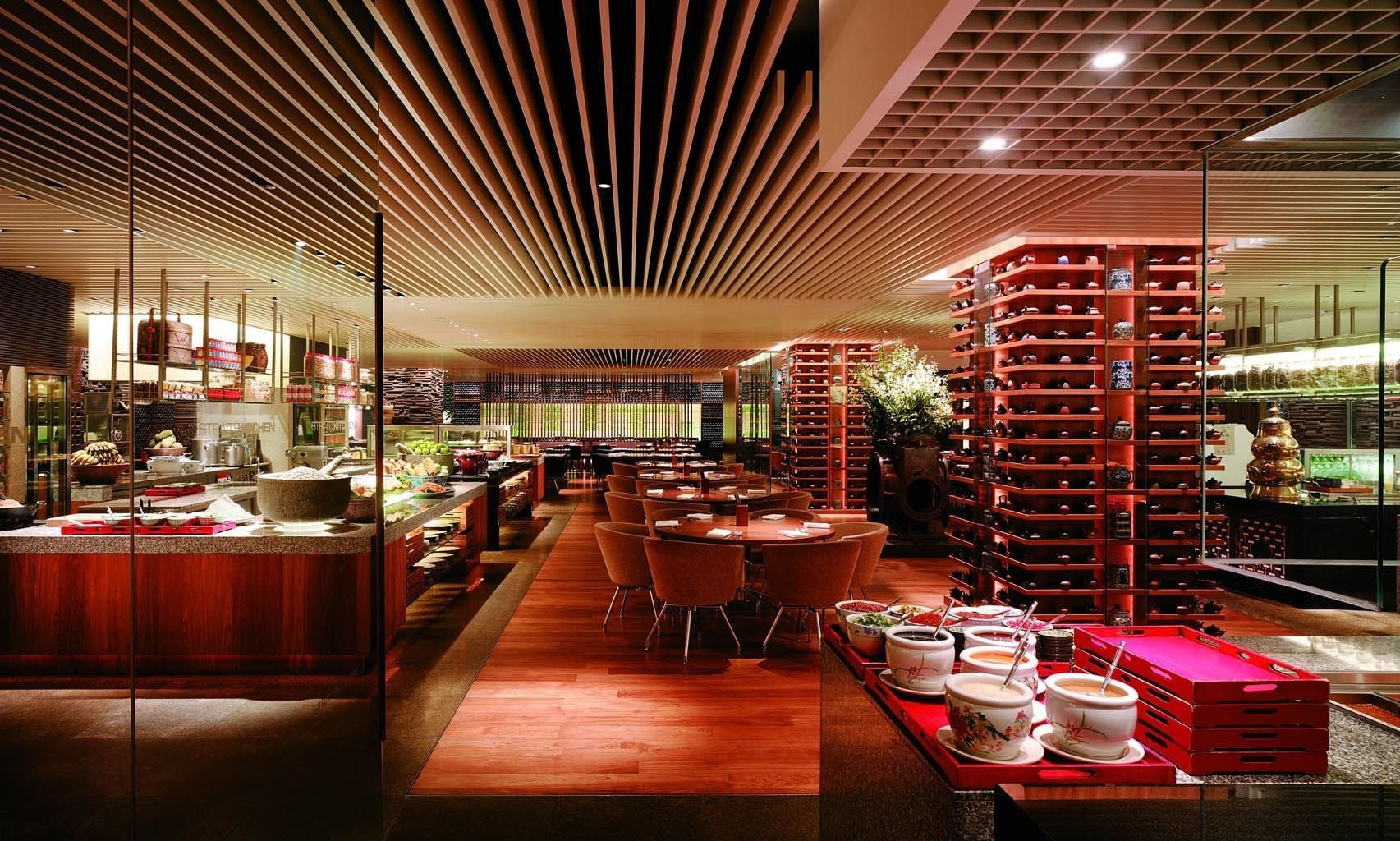
Where the Meal Is the Method
StraitsKitchen is a Singaporean halal buffet restaurant at Grand Hyatt Singapore in Orchard. There is a particular rhythm to eating at StraitsKitchen, and it is not the rhythm of a tasting menu or an à la carte sequence. The Grand Hyatt Singapore address on Scotts Road places it in Orchard's hotel dining corridor, a stretch that includes fine-dining rooms like Béni and il Cielo operating on precise, chef-driven formats. StraitsKitchen runs on a different logic entirely: the meal is structured by the diner, not the kitchen, and that structural difference is the point.
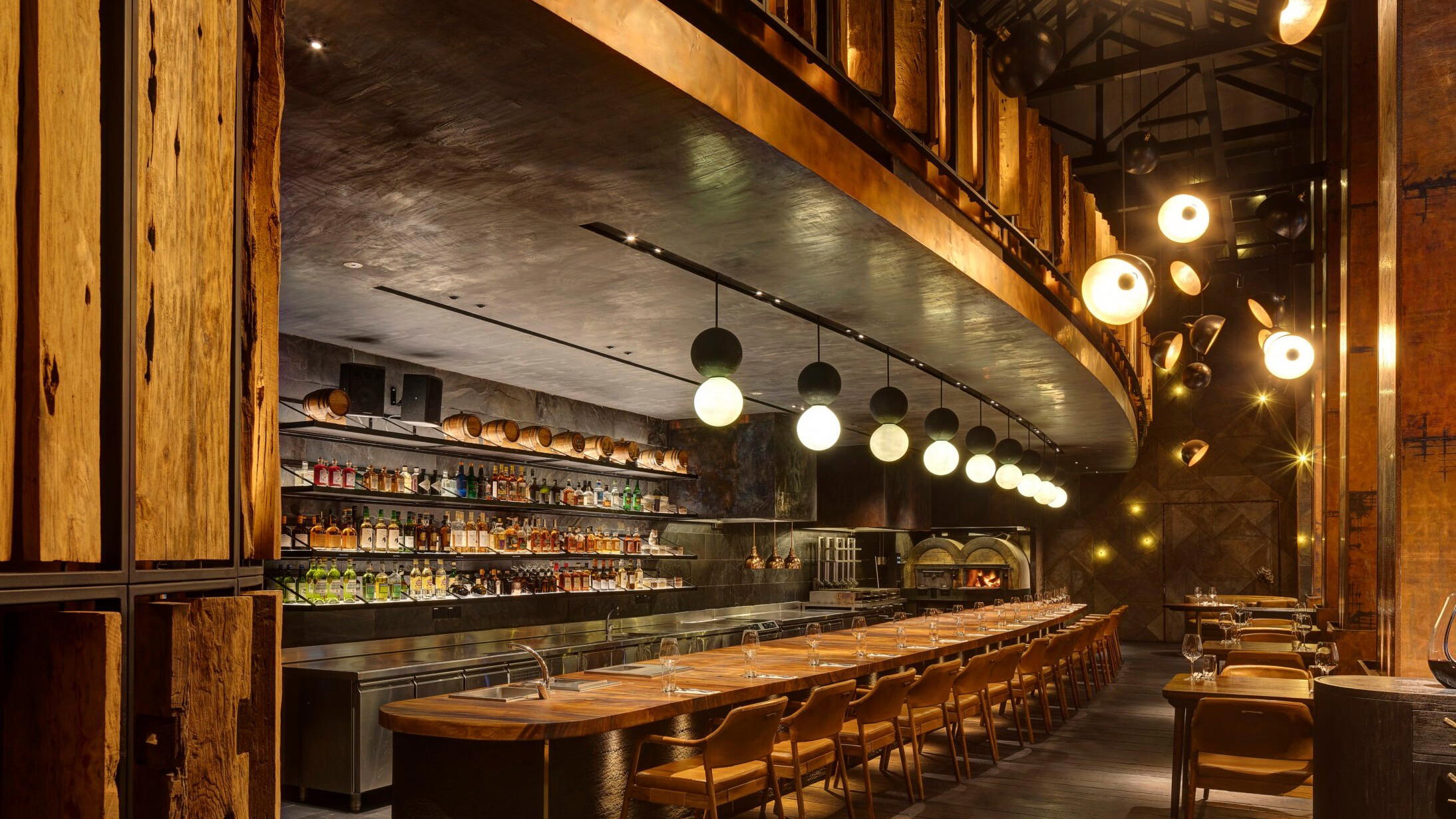
The open-show kitchen concept, which defines the room, is a format that has become genuinely rare in hotel dining at this address level. Singapore's hawker culture has always been theatrical, with cooking performed in full view at individual stalls, and StraitsKitchen brings that principle indoors. The result is a dining room where you hear the wok before you see the dish, where the sequence of your meal depends on which station you approach first, and where the etiquette of eating is closer to a kopitiam circuit than a Western service format.
The Logic of the Spread
Singapore's multicultural food identity is not a single cuisine, it is four distinct culinary traditions operating in close proximity and occasional fusion. Chinese, Malay, Indian, and Peranakan cooking each carry their own ingredient logic, cooking techniques, and ritual contexts. A hotel buffet that treats these as interchangeable categories misses the point; one that keeps the distinctions legible does something more editorially useful.
StraitsKitchen's format organises around that distinction. The open kitchens are differentiated by tradition, not just by protein or heat level, which means the ritual of moving through the room carries some of the same discovery logic as walking through a hawker centre across multiple stalls. That comparison matters for understanding the experience: a useful approach here is not to fill a plate at one station and sit down, but to treat the meal as a series of small decisions made over time, the way a practised hawker centre visitor does.
For visitors trying to map Singapore's food culture before venturing further afield, this format offers a compressed version of what you find across the island, from neighbourhood staples in Bedok (where KTMW chicken rice tea-cafe holds local loyalty) to Rochor's community eating at places like Fu He Delights. The Orchard hotel setting strips away some of the ambient energy of those neighbourhood spots, but it adds consistency and accessibility that suits first-time arrivals or business travellers with limited time to range across districts.
Peranakan Cooking as the Distinguishing Register
Of Singapore's four major traditions, Peranakan cooking is the one least understood by visitors arriving without context. It is the cuisine of Straits Chinese communities, a synthesis of Hokkien Chinese and Malay techniques developed over generations, producing dishes with layered spice profiles that bear no direct equivalent in either parent tradition. Laksa, ayam buah keluak, and kueh lapis each require technique and ingredient sourcing that distinguish them from generic pan-Asian hotel food.
In a hotel restaurant that claims multicultural breadth, Peranakan representation is the sharpest test of seriousness. It is also the tradition most at risk of being reduced to a decorative gesture in large-format dining rooms. Among Orchard's hotel restaurants, the commitment to this register at StraitsKitchen is one of the features that places it in a different category from venues that offer a more generic Southeast Asian spread. For context on what dedicated Chinese cooking looks like within Singapore's Orchard corridor, Min Jiang operates a more focused, single-tradition format that sits at the other end of the breadth-versus-depth axis.
The Hotel Address and What It Means for Booking
The Grand Hyatt Singapore location means StraitsKitchen benefits from hotel concierge routing and corporate account traffic that smaller standalone restaurants do not have. Practically, this tends to mean the restaurant operates at higher volume than a single-cuisine fine-dining room, and that booking through the hotel directly or via front desk is often a reliable channel for non-guests. The Scotts Road location sits within walking distance of Orchard MRT, making access direct without a taxi for those already in the area.
Dinner service carries more atmosphere than lunch, as the open kitchens read differently when the room is full. The buffet format rewards a slower pace than a quick stop. Singapore's dining culture generally expects a deliberate pace at hotels of this calibre, and the format rewards patience.
Visitors with a longer Singapore itinerary who want to contrast this multicultural format with single-cuisine depth will find useful reference points across the island. Imperial Treasure Fine Chinese Cuisine in Downtown Core operates in a more formal register for Cantonese cooking, while OCEAN Restaurant on Southern Islands offers a striking contrast in setting and format.
The city's food scene has a habit of producing serious cooking in unlikely formats and addresses, from the Kallang end of things at 大巴窑93茶粿 to the Sembawang service theatre of Haidilao Hot Pot at Sun Plaza. Internationally, the interactive, multi-station format StraitsKitchen uses finds loose parallels at opposite ends of the formality spectrum: the tableside precision of Le Bernardin in New York City and the course-by-course narrative discipline of Atomix both place the dining ritual at the centre of the experience, just through entirely different means.
Planning Your Visit
StraitsKitchen is located at Grand Hyatt Singapore, 10 Scotts Road, Orchard. Non-hotel guests are welcome and reservations are advisable for dinner service, particularly on weekends when hotel occupancy drives higher demand. The open-kitchen buffet format suits groups with varied dietary preferences, given the range of traditions represented. For independent Singapore restaurant exploration beyond the Orchard hotel corridor, including Outram's Etna Restaurant, Queenstown's Asian Twist by 365 Food, Jurong West's Du Du Shou Shi, or Marine Parade's Little Italy Katong and the airport's own Bugis Street Ah Huat Hainanese Chicken Rice, Singapore's neighbourhood dining is worth the MRT time.
Cuisine Lens
Comparable venues nearby, for context on price, style, and recognition.
| Venue | Cuisine | Price | Notes |
|---|---|---|---|
| StraitsKitchenThis venue — the venue you are viewing | Singaporean Halal Buffet | $$$$ | Not listed |
| Béni | French-Japanese Fusion | $$$$ | Orchard |
| Min Jiang | Cantonese and Sichuan | $$$$ | Orchard |
| il Cielo | Modern Italian Rooftop | $$$$ | Orchard |
| TWG TEA | Luxury Tea Salon | $$$ | Downtown Core |
| ASIN | Progressive Asian Fine Dining | $$$$ | Clarke Quay |
At a Glance
- Elegant
- Lively
- Sophisticated
- Family
- Group Dining
- Celebration
- Live Music
- Hotel Restaurant
- Open Kitchen
Current opening hours
- Monday
- 6:30 AM–9:30 PM
- Tuesday
- 6:30 AM–9:30 PM
- Wednesday
- 6:30 AM–9:30 PM
- Thursday
- 6:30 AM–9:30 PM
- Friday
- 6:30 AM–9:30 PM
- Saturday
- 6:30 AM–9:30 PM
- Sunday
- 6:30 AM–9:30 PM
Hours can change for holidays and private events. Last verified .
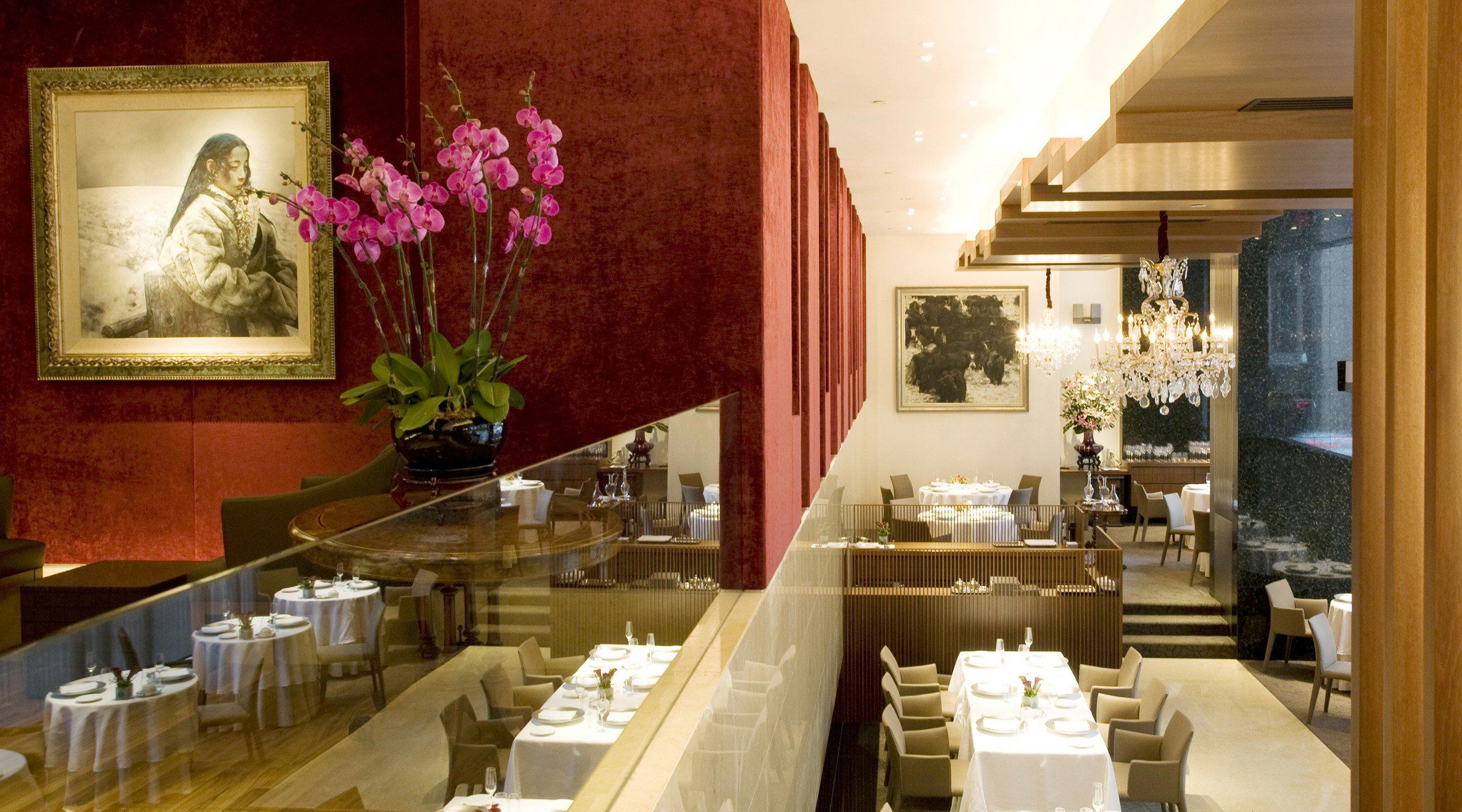
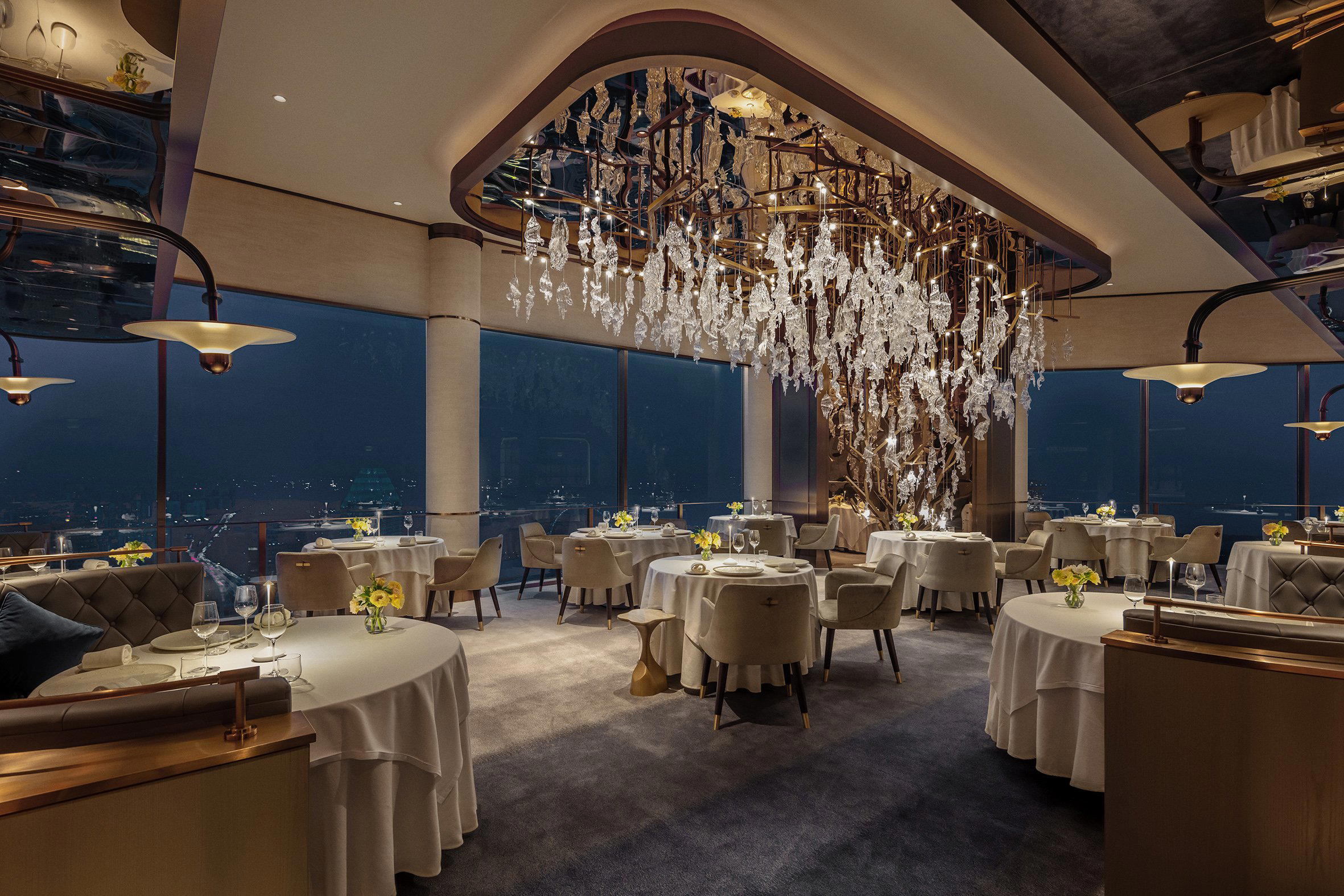
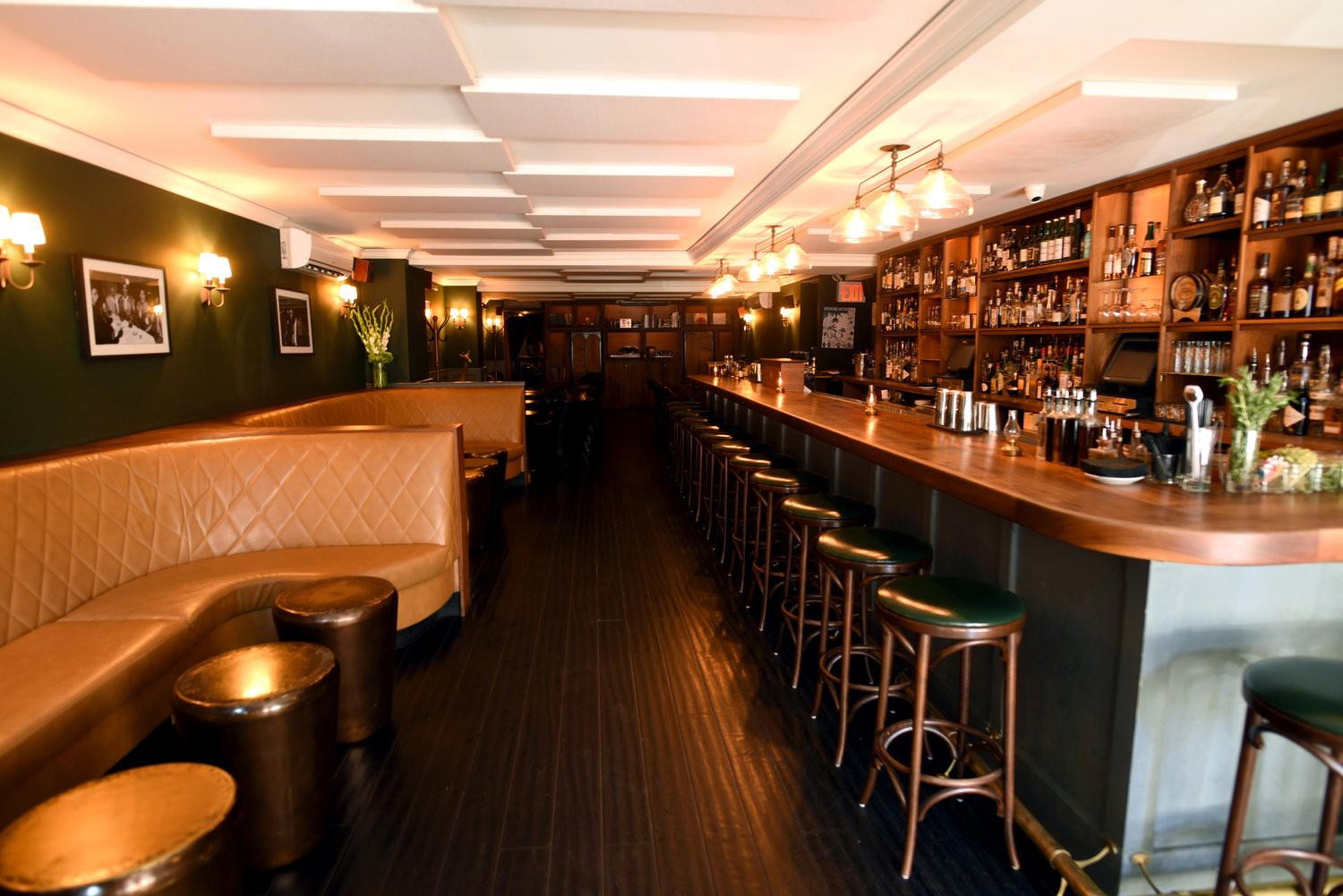
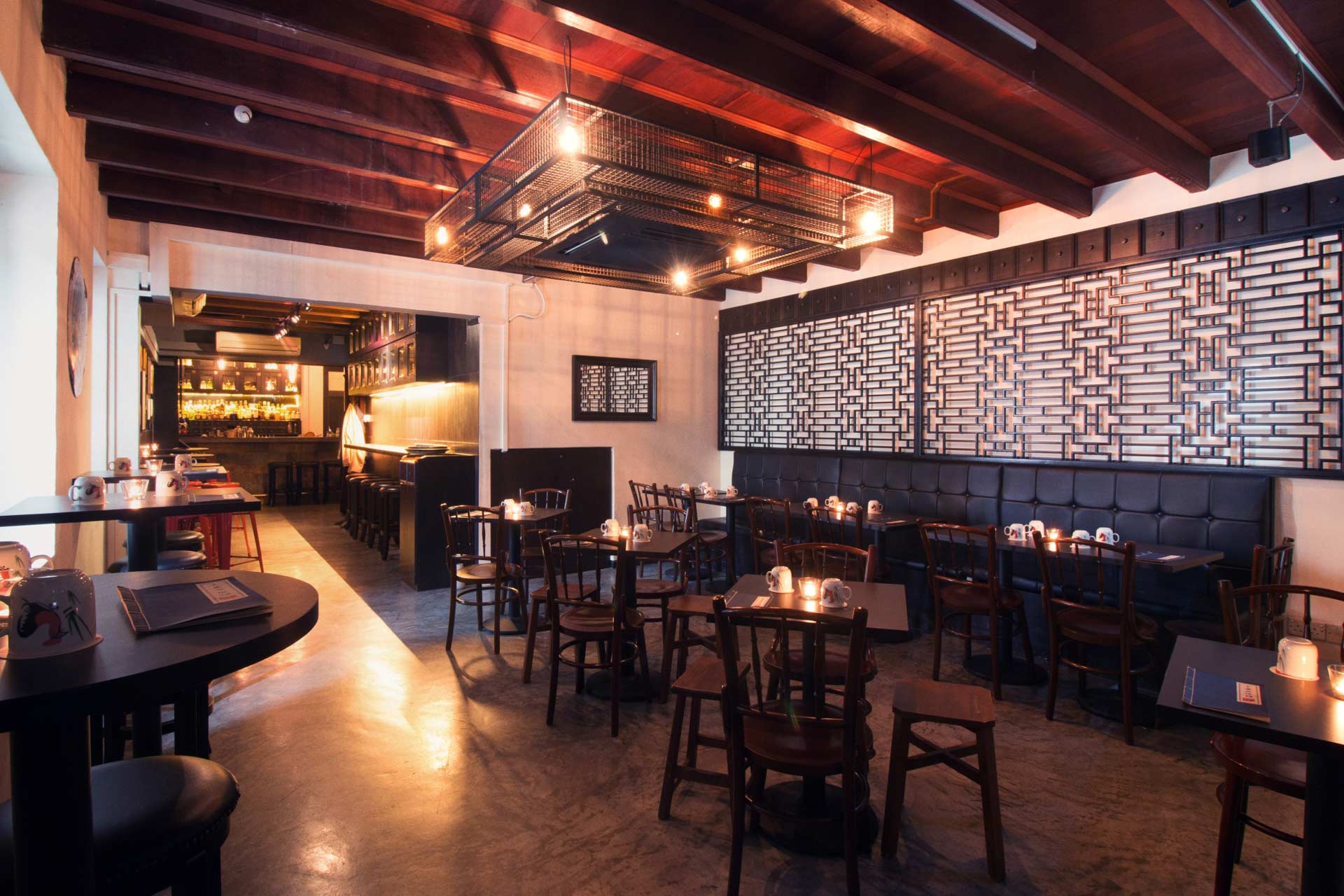
Lavish and luxurious atmosphere in a lively marketplace setting with engaging live cooking stations.