Min Jiang occupies a civilised corner of Goodwood Park Hotel on Scotts Road, where Cantonese and Sichuan traditions share the same kitchen with a seriousness that the Orchard belt rarely sustains. The restaurant has built its reputation over decades on precise regional Chinese cooking, drawing a clientele that returns for the craft rather than the occasion. It sits in a different register from the hotel-dining crowd nearby.
Pearl is the En Primeur Club membership app — saves, bookings, and concierge access live there. Same editors, same standards.
- Address
- 22 Scotts Rd, Goodwood Park Hotel, Singapore 228221
- Phone
- +6567301704
- Website
- goodwoodparkhotel.com
- Directions
- Get directions
 Saves & bookings on Pearl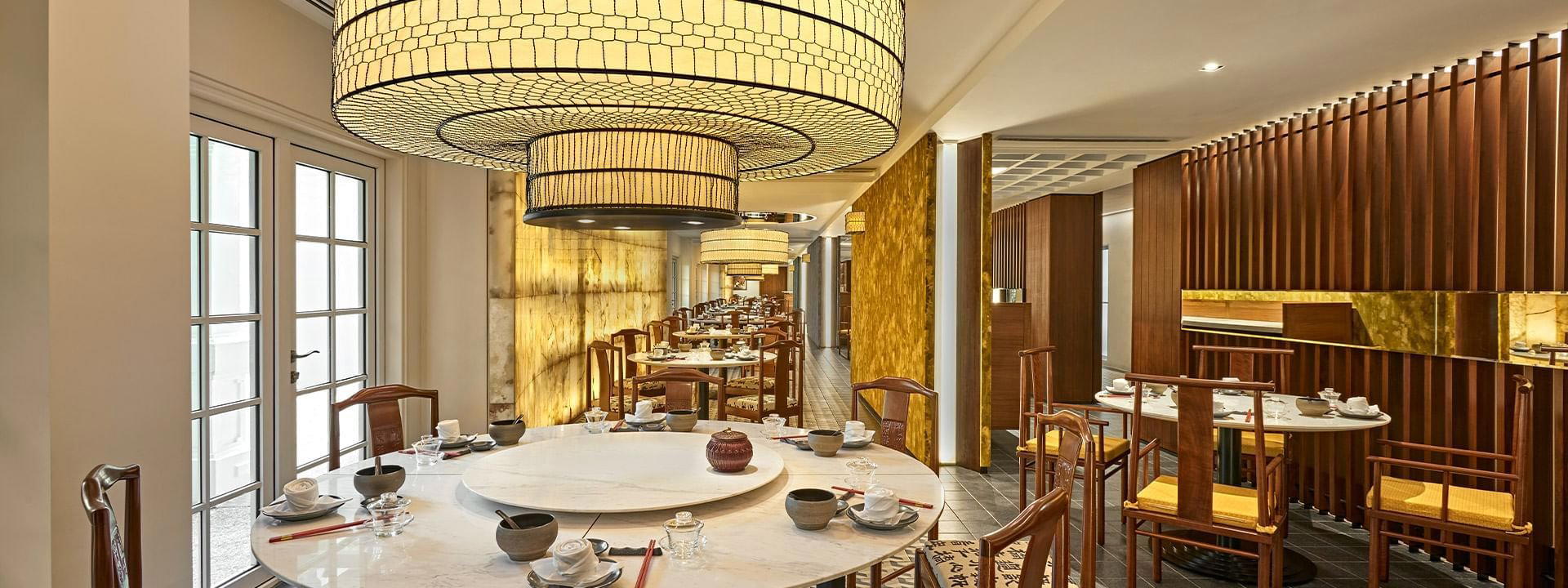
Scotts Road, Goodwood Park, and the Weight of a Room
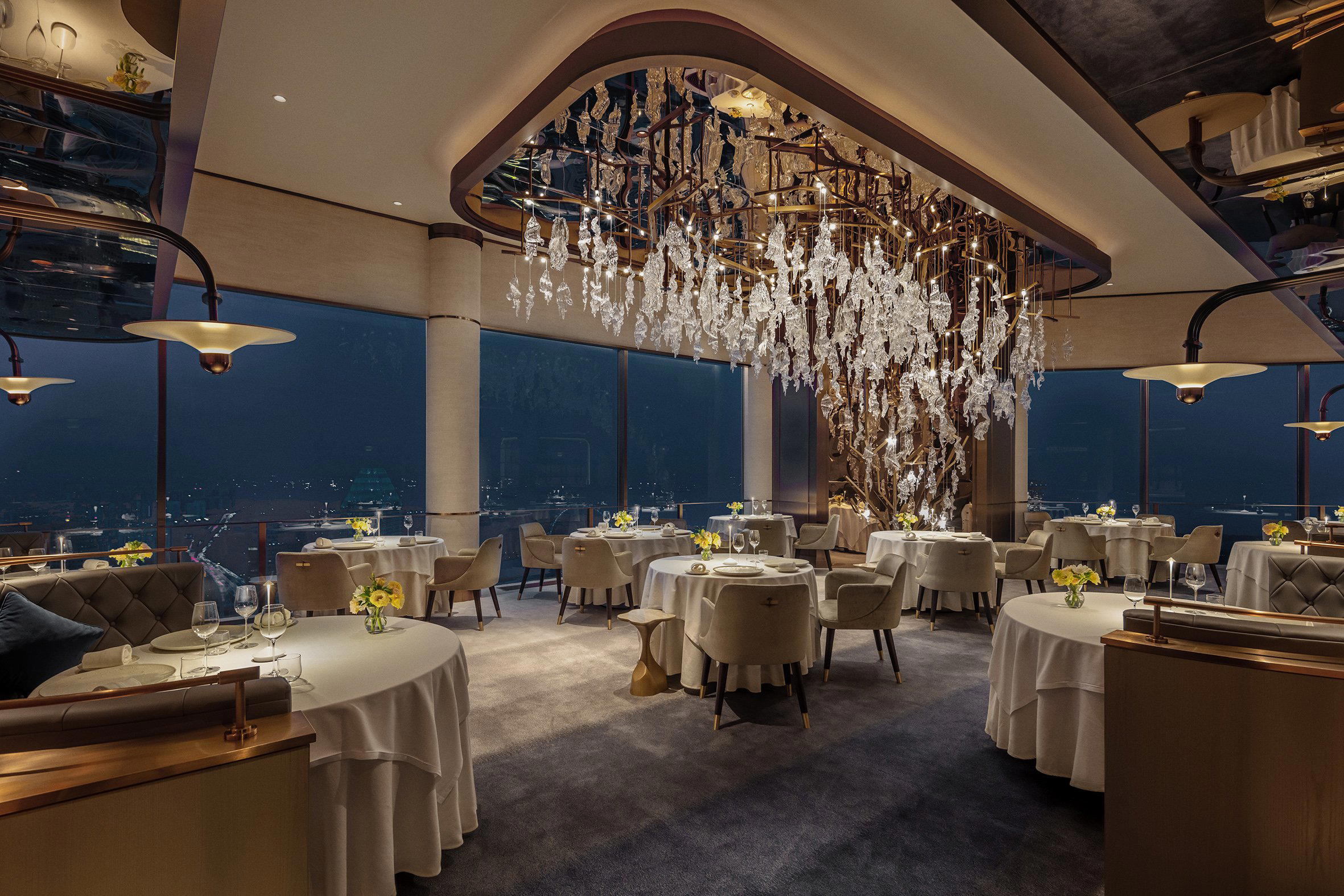
The approach to Min Jiang sets a particular tone before any dish arrives. Goodwood Park Hotel on Scotts Road is one of the few colonial-era buildings in the Orchard corridor that has aged into authority rather than novelty. The hotel's Tudor-style facade carries institutional gravity that most modern properties spend considerable money trying to manufacture. Min Jiang occupies the upper floor of this structure, and the room itself reflects that lineage: measured proportions, formal table spacing, and none of the ambient maximalism that newer Chinese restaurants in Singapore use to signal ambition. The kitchen follows the same logic.
In the broader context of Orchard dining, this positioning is deliberate. The strip between Scotts Road and Orchard Boulevard supports a dense cluster of hotel restaurants pitched at expense-account dinners and special occasions, from the French fine-dining precision of Béni to the Italian focus of il Cielo. Min Jiang operates on similar occasion-dining logic but routes it through a different tradition entirely: serious Cantonese cookery with Sichuan influence, two regional schools that require distinct sourcing disciplines and technical vocabularies.
Two Regional Traditions, One Kitchen
The coexistence of Cantonese and Sichuan cooking under one roof is less common than it might appear. Both traditions have prestige lineages in Singapore, but the techniques and pantry requirements pull in different directions. Cantonese cooking at this level depends on restraint and sourcing integrity: the quality of the stock base, the precision of steaming times, the freshness of seafood. Sichuan cooking demands a different kind of attention, one anchored in the balance of mala (numbing heat from Sichuan peppercorn alongside chilli) and the layering of fermented and preserved ingredients like doubanjiang and Yibin yacai.
Singapore occupies a useful geography for sourcing across both traditions. The city's trade infrastructure and cold-chain logistics connect its restaurant kitchens to suppliers across southern China, Hong Kong, and Southeast Asia in ways that landlocked markets cannot replicate. Cantonese kitchens in Singapore have historically benefited from proximity to Hong Kong sourcing networks and from the deep institutional knowledge carried by the Cantonese-speaking communities that shaped the city's early restaurant culture. At the premium tier of this category, which is where the restaurant operates, the sourcing question is less about access and more about consistency and specification: the particular grade of dried seafood, the provenance of the poultry, the age and treatment of the preserved ingredients that anchor Sichuan dishes.
For contrast and context, Imperial Treasure Fine Chinese Cuisine in Downtown Core addresses a similar premium Cantonese register from a different hotel setting. The comparison is useful because it illustrates how the same culinary tradition can carry different institutional identities depending on the property it occupies and the clientele it has cultivated over time.
What the Orchard Belt Expects from Chinese Fine Dining
Singapore's relationship with formal Chinese dining has always been layered. At the street and hawker level, the city maintains cooking traditions of notable depth, from Hainanese chicken rice to Teochew braised dishes. The hawker tradition itself intersects with the restaurant spectrum in ways that occasionally inform premium kitchens, though the two tiers mostly operate as separate ecosystems. For a broader view of how Singapore's Chinese dining culture operates across formats, venues like StraitsKitchen illustrate the heritage-buffet end of the spectrum, while the restaurant sits at the formal a la carte and banquet end.
The lunch dim sum service and banquet bookings for weddings, corporate events, and milestone celebrations are central to premium Chinese restaurants in Singapore. These formats demand a different operational discipline from the kitchen: high-volume, time-sensitive, and requiring consistent execution across large tables simultaneously. Restaurants that sustain both a serious a la carte program and a high-functioning banquet operation over decades have typically built systems and supplier relationships that individual, chef-driven rooms find difficult to replicate.
The Orchard corridor supports enough of this demand to keep several premium Chinese rooms viable. The area's concentration of five-star hotels, serviced apartments, and corporate addresses generates a steady client base of long-stay business travellers, regional visitors, and senior executives who treat formal Chinese dining as a functional as much as a recreational activity. The restaurant has long served regulars from across the city's professional circles.
Planning a Visit
The restaurant is located at 22 Scotts Road within Goodwood Park Hotel, accessible from Newton MRT or by taxi from Orchard station in a few minutes. The restaurant's position inside a gazetted hotel building means it operates with more architectural permanence than many of its peers. Reservations are recommended, and smart casual dress is appropriate.
For visitors building a broader Orchard itinerary around serious eating, the neighbourhood offers a wide range across cuisines and formats. Those extending their Singapore dining beyond the Orchard belt will find relevant reference points at Les Amis for French fine dining, or at Etna Restaurant in Outram for a change of register entirely. For those tracking Chinese culinary traditions across the city's neighbourhoods, context also arrives from places like Fu He Delights in Rochor and 大巴窑93茶粿 in Kallang, which operate in a completely different price tier but illuminate the breadth of the tradition Singapore sustains. Further afield, the hawker-to-heritage spectrum continues at venues like KTMW chicken rice tea-cafe in Bedok, Bugis Street Ah Huat Hainanese Chicken Rice at Changi Airport, and Asian Twist by 365 Food in Queenstown. For hot pot in a high-service format, Haidilao Hot Pot at Sun Plaza in Sembawang represents a different Sichuan-influenced lineage altogether. Rounding out the city's Chinese dining geography, Du Du Shou Shi in Jurong West points toward the western residential districts where the tradition operates without the hotel-dining frame entirely.
For comparative reference outside Singapore, premium Chinese restaurants often position themselves alongside French fine-dining institutions in ways that reflect similar demands for sourcing discipline and long-term consistency.
Additional dining options in Singapore worth cross-referencing include Little Italy in Marine Parade and OCEAN Restaurant in the Southern Islands for contrast in setting and cuisine format.
In Context: Similar Options
Comparable venues nearby, for context on price, style, and recognition.
| Venue | Cuisine | Price | Notes |
|---|---|---|---|
| Min JiangThis venue — the venue you are viewing | Cantonese and Sichuan | $$$$ | Not listed |
| il Cielo | Modern Italian Rooftop | $$$$ | Orchard |
| Béni | French-Japanese Fusion | $$$$ | Orchard |
| StraitsKitchen | Singaporean Halal Buffet | $$$$ | Orchard |
| Cherry Garden by Chef Fei | Refined Cantonese & Teochew Fine Dining | $$$ | Marina Bay |
| Golden Peony | Modern Cantonese | $$$$ | Downtown Core |
At a Glance
- Elegant
- Sophisticated
- Classic
- Special Occasion
- Business Dinner
- Group Dining
- Hotel Restaurant
- Sake Program
Current opening hours
- Monday
- 11:30 AM–2:30 PM, 6:30–10:30 PM
- Tuesday
- 11:30 AM–2:30 PM, 6:30–10:30 PM
- Wednesday
- 11:30 AM–2:30 PM, 6:30–10:30 PM
- Thursday
- 11:30 AM–2:30 PM, 6:30–10:30 PM
- Friday
- 11:30 AM–2:30 PM, 6:30–10:30 PM
- Saturday
- 11 AM–12:30 PM, 1–2:30 PM, 6:30–10:30 PM
- Sunday
- 11 AM–12:30 PM, 1–2:30 PM, 6:30–10:30 PM
Hours can change for holidays and private events. Last verified .
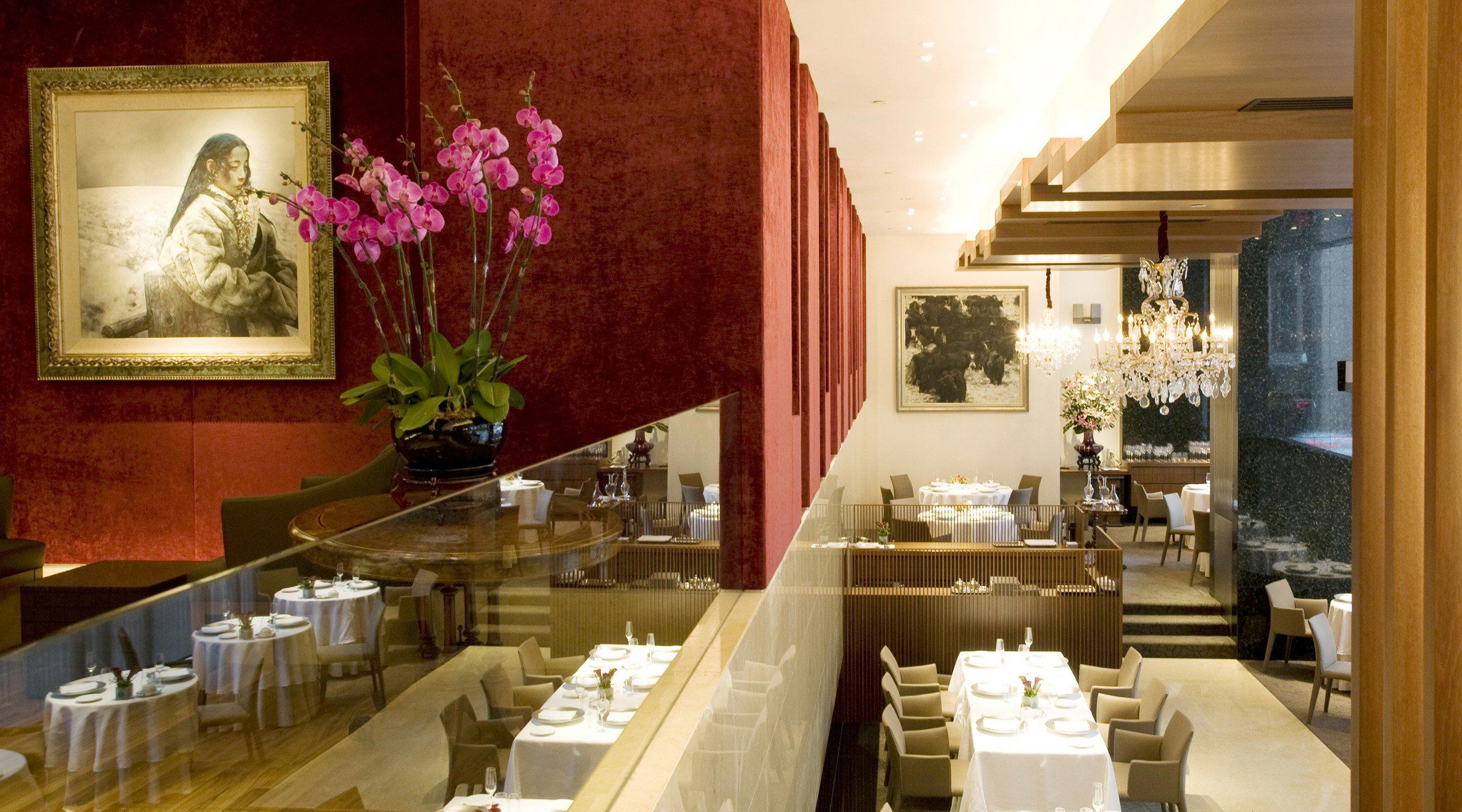
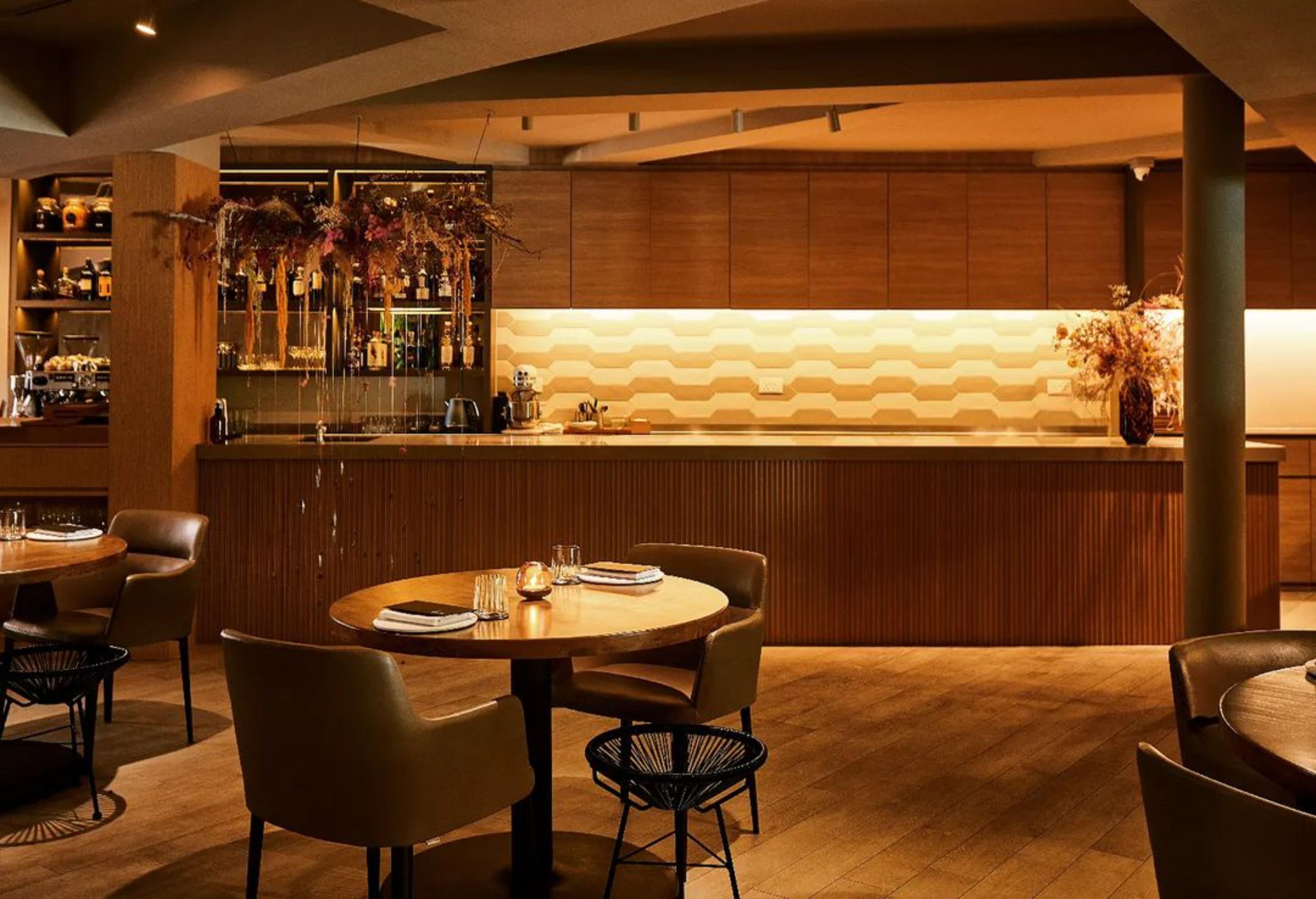
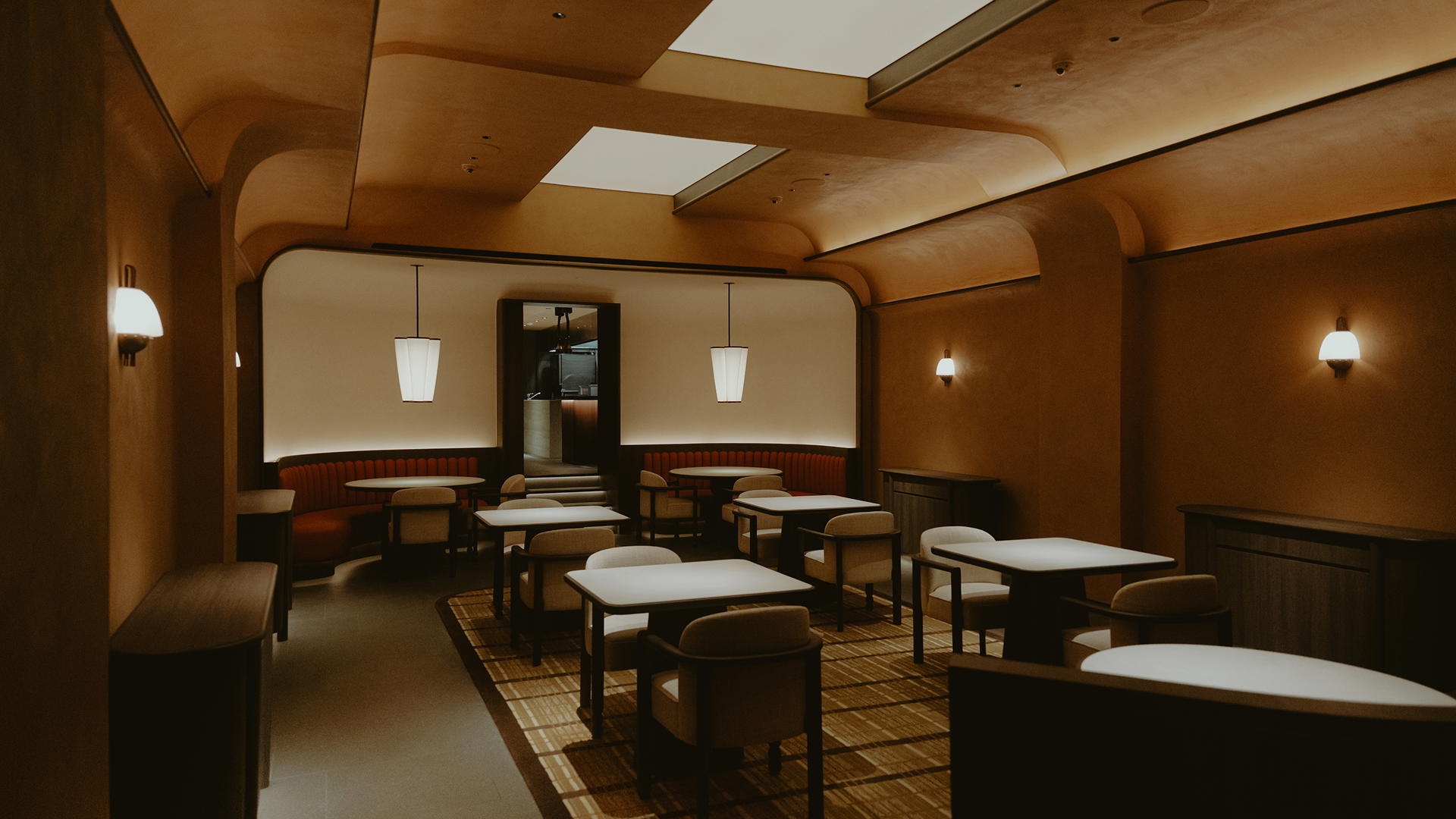
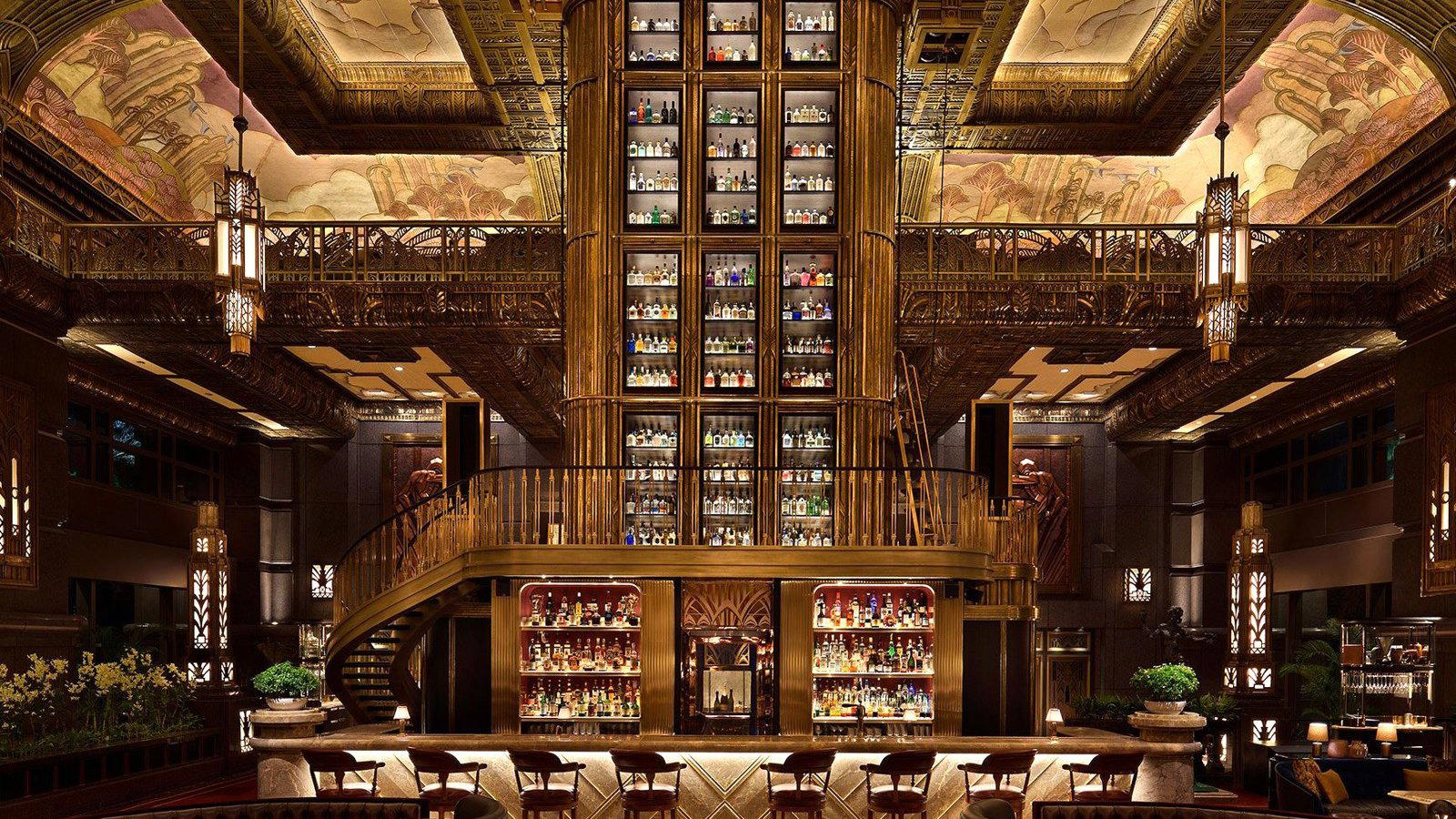
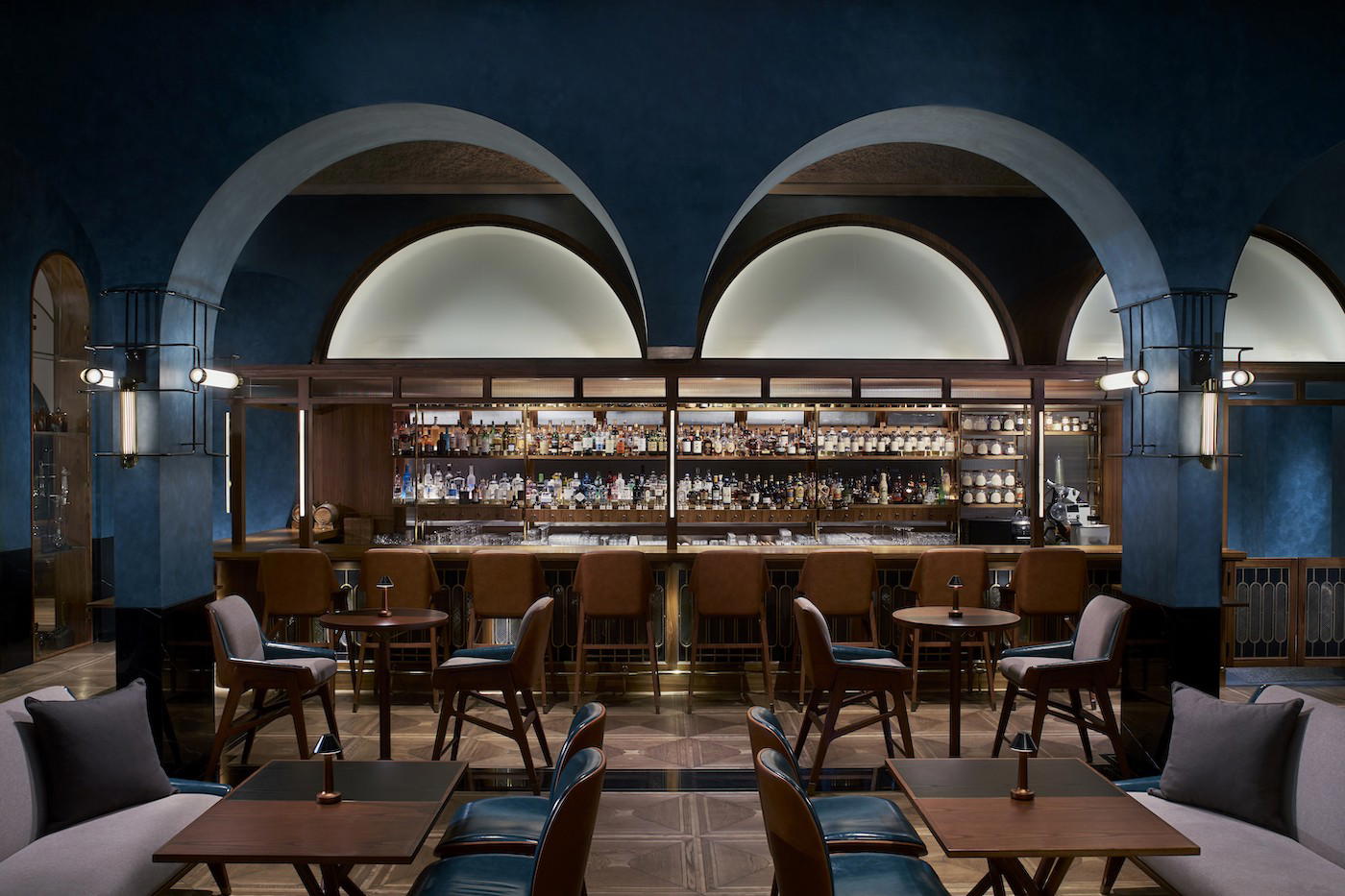
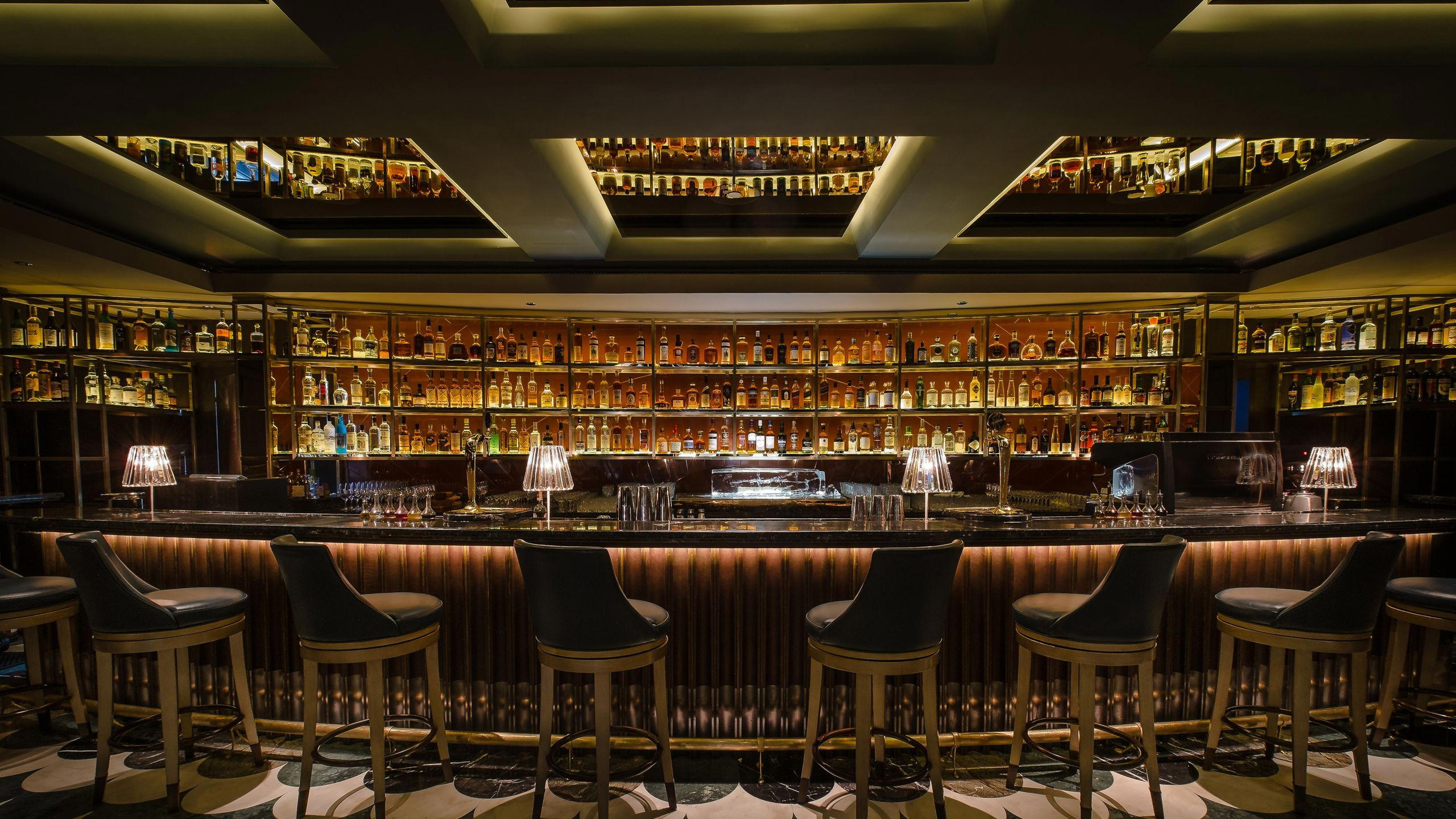
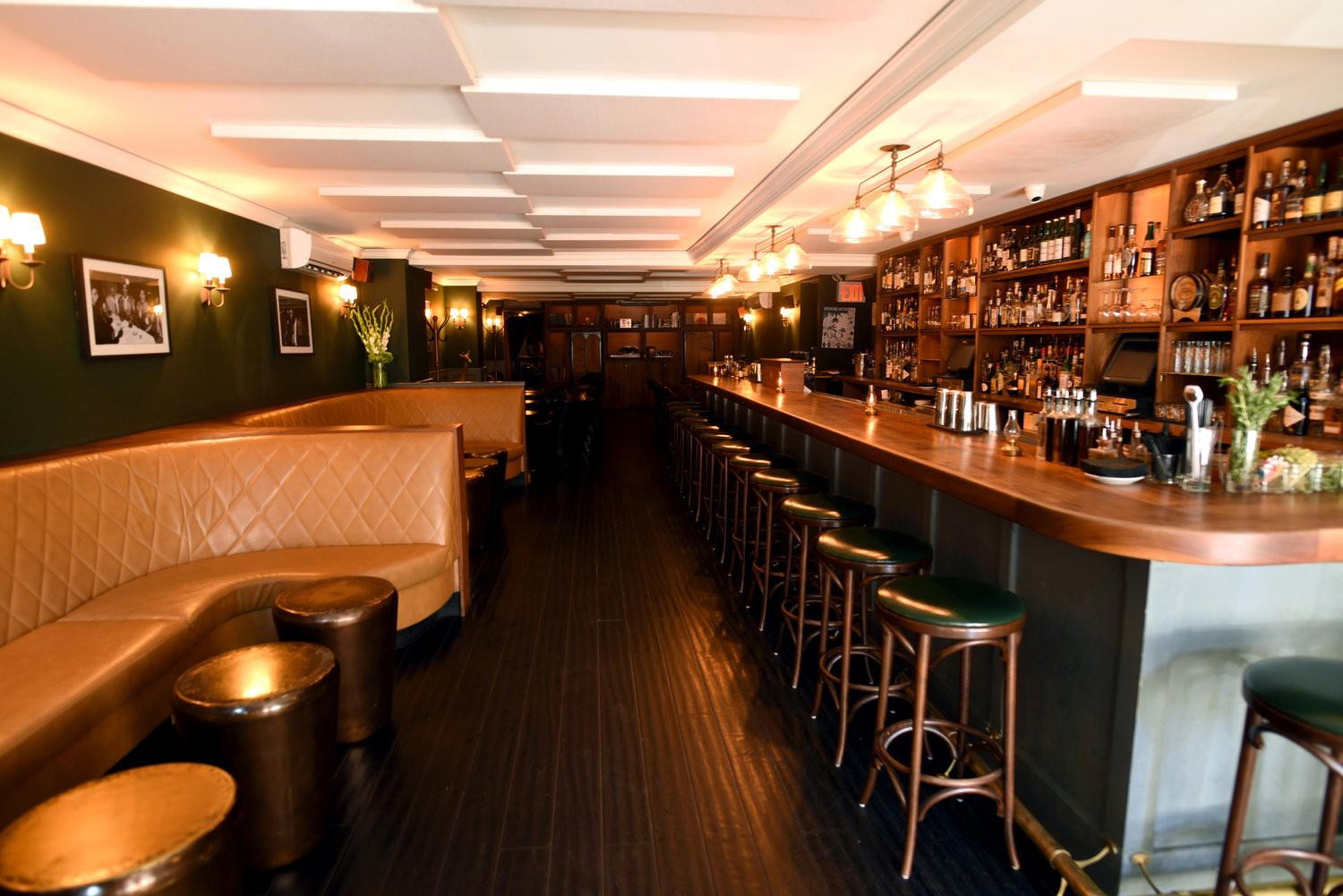
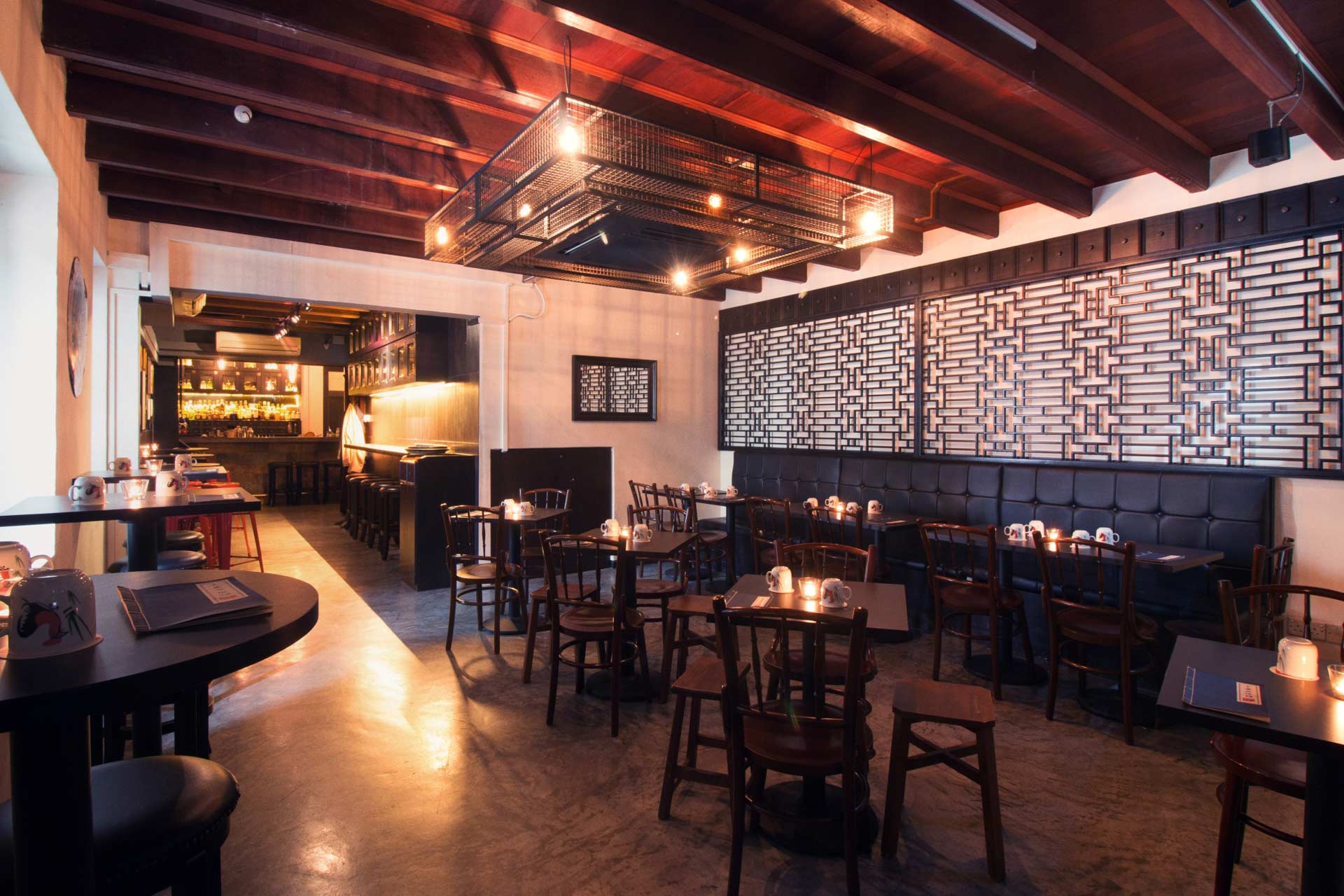
Sophisticated chinoiserie aesthetics with contemporary elegance, polished wooden floors, and classy muted color scheme.