Stix Asian Food Hall
Our verdict
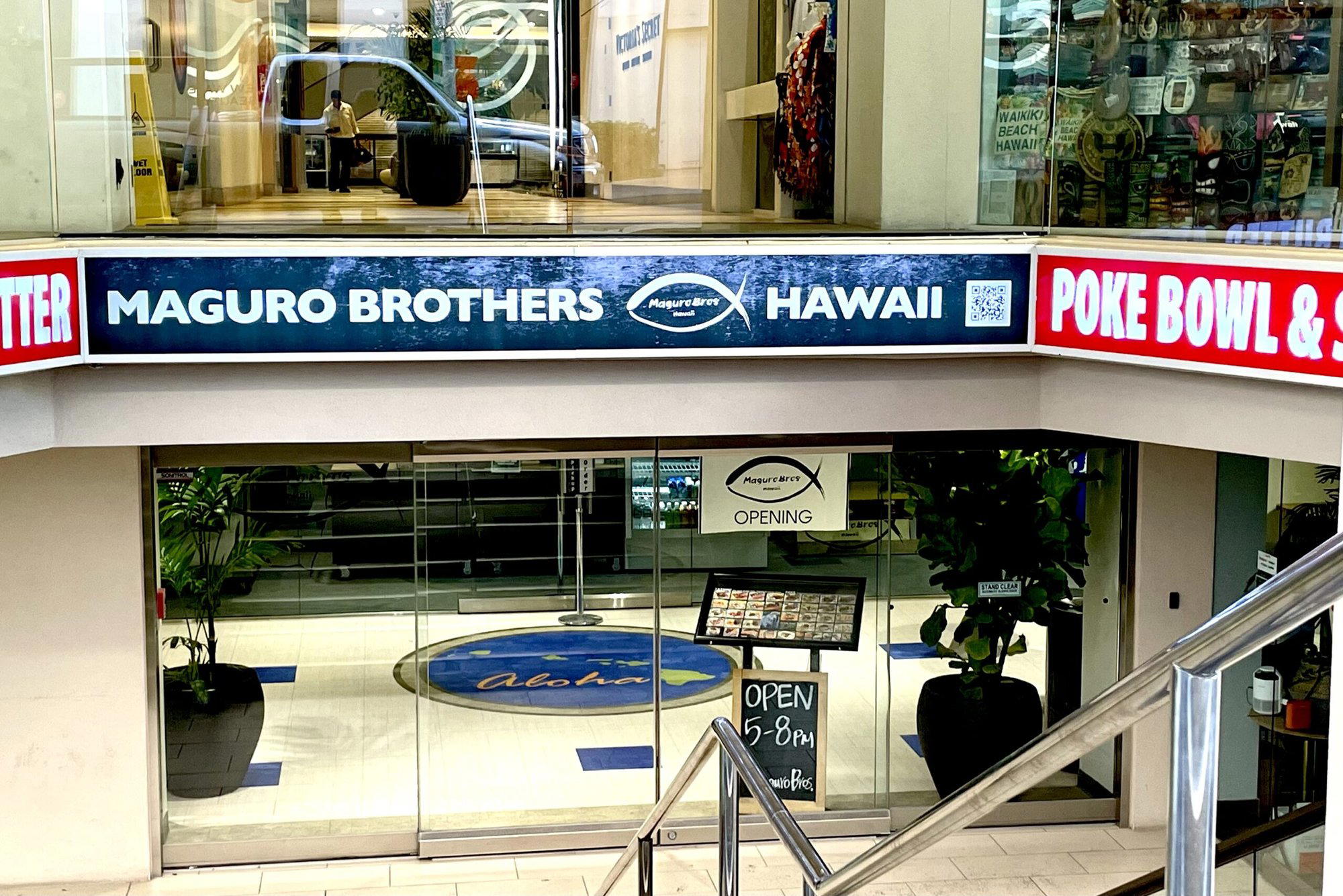
Stix Asian Food Hall occupies the basement level of the Waikiki Shopping Plaza on Kalakaua Avenue, positioning itself within Honolulu's mid-range Asian dining tier rather than the white-tablecloth circuit. The format suits the rhythm of Waikiki: multiple vendors, fast turnaround, and the kind of pan-Asian range that serves both visitors and local workers on a lunch rotation. It sits in a different register than destination restaurants like Fête or 53 By The Sea, but fills a distinct gap in the neighbourhood's food architecture.

Pearl is the En Primeur Club membership app — saves, bookings, and concierge access live there. Same editors, same standards.
- Address
- 2250カラカウアAVENUE (WaikikiShoppingプラザ BASEMENT), Honolulu, HI 96815
- Directions
- Get directions
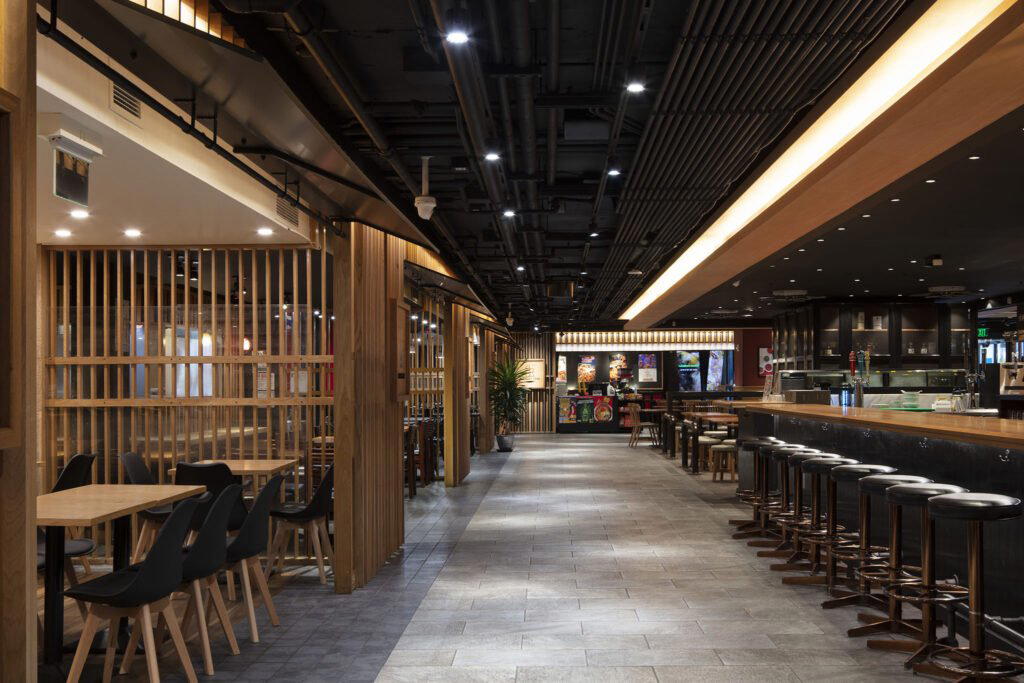
Below Street Level, Between Cuisines
The basement of the Waikiki Shopping Plaza on Kalakaua Avenue operates at a different register than the hotel dining rooms and ocean-view terraces that dominate Honolulu's most-visited strip. Down here, the lighting is functional, the foot traffic is mixed, and the arrangement of stalls and counters signals something closer to a Southeast Asian hawker model than a Hawaiian fine-dining destination. Stix Asian Food Hall works within that logic: a collection of Asian food options gathered under one roof, priced and paced for the rhythms of Waikiki's midday crowd rather than its evening leisure economy.
Food halls of this format have expanded across the American urban dining scene over the past decade, but the model has particular resonance in Honolulu, where Asian culinary traditions are not imports but foundations. Hawaii's food culture was shaped by plantation-era migration from Japan, China, Korea, the Philippines, and Portugal, and the resulting cross-pollination produced a local cuisine that treats pan-Asian cooking as vernacular rather than novelty. A food hall drawing from those traditions is operating in fertile, if well-trodden, territory.
The Ritual of the Counter
Food halls impose their own dining customs, and understanding that pacing matters more than most visitors realise. The format is structured around the individual stall rather than the table: you scan, you queue, you collect, and you find a seat. There is no single menu, no tasting progression, no sommelier. The ritual is horizontal rather than vertical, meaning the experience is shaped by how well you read the options before committing rather than by how a kitchen sequences a meal for you.
That approach rewards a specific kind of diner: someone who has either researched ahead, or who is comfortable making quick, confident choices across unfamiliar cuisines. Visitors arriving with a clear sense of what they want from an Asian food context will move through the space more efficiently than those expecting a curated entry point. This is the discipline the format demands, and it is worth understanding before arrival.
In markets where the food hall model has been refined, the leading operators succeed not just through variety but through consistent execution at the stall level. The hawker centres of Singapore and the basement food floors of Tokyo department stores demonstrate that the format can produce serious cooking at accessible prices, provided individual vendors maintain their own standards rather than deferring to lowest-common-denominator throughput. Whether Stix operates at that standard, or closer to the convenience-oriented food court end of the spectrum, is a distinction the venue data does not resolve.
Waikiki's Dining Architecture
Waikiki is a neighbourhood that has always operated in tiers. At the leading sit destination restaurants built around white tablecloths, locally-sourced ingredients, and reservation lead times that reflect genuine demand: places like 53 By The Sea, which positions itself on both the water view and the occasion-dining circuit, or Fête, which represents Honolulu's participation in the broader New American movement. At another tier sit casual sit-down restaurants and Japanese-influenced izakayas like 855-ALOHA. Beneath those, the food hall and plate-lunch model handles the volume: fast, affordable, varied.
Stix sits in that lower tier by format and setting, and that placement is neither a criticism nor a concession. Honolulu's food culture has always had room for the quick, satisfying bowl of ramen, the plate of Filipino adobo, the Korean barbecue combo. Those traditions do not require fine-dining framing to carry cultural weight. The basement food hall is, in many cities, where the most direct version of a cuisine survives longest, unburdened by the decorative ambitions of destination dining.
For context on what the higher end of Honolulu's restaurant spectrum looks like, 3660 On the Rise and the structured event dining of Ahaaina Luau occupy entirely different positions on the occasion spectrum. Stix makes no claim on that territory. Its value is convenience, range, and proximity to the Kalakaua Avenue foot traffic that defines Waikiki's daily commercial rhythm.
Pan-Asian Breadth in a Pacific Context
The phrase "Asian food hall" covers a wide range of actual cooking. In Honolulu specifically, the relevant reference points span Japanese, Chinese, Korean, Vietnamese, Filipino, and Thai traditions, all of which have deep local histories rather than recent transplant status. Hawaii's restaurant scene handles these cuisines at every price point, from the Japanese-derived omakase format gaining traction at the higher end to the plate-lunch shops that have served working Honolulu for generations.
The pan-Asian food hall, as a format, draws on that breadth without specialising in any single tradition. This makes it different in kind from specialist restaurants like Atomix in New York City, which treats Korean cuisine as the basis for a rigorous tasting progression, or 8½ Otto e Mezzo Bombana in Hong Kong, where a single culinary tradition is expressed through formal European structure. Stix operates at the opposite end of that formality axis, and that contrast is not a flaw but a function of what it is designed to do.
Visitors who want to understand Honolulu's full dining range, from the format-defining destination end through to the neighbourhood-level fast casual, should consult our full Honolulu restaurants guide, which maps the city's options across price tiers and cooking traditions more completely than any single venue can represent.
Know Before You Go
- Location: Basement level, Waikiki Shopping Plaza, 2250 Kalakaua Avenue, Honolulu, HI 96815
- Format: Multi-vendor Asian food hall
- Reservations: Not applicable to food hall format; walk-in only
- Price tier: Mid-range / casual; pricing varies by stall
- Getting there: Kalakaua Avenue is accessible on foot from most Waikiki hotels; street-level entrance leads to basement level
- Awards: None on record
- Leading for: Quick meals, varied Asian options, accessible midday dining in central Waikiki
Frequently asked questions
What's the must-try dish at Stix Asian Food Hall?
Food hall formats typically vary by stall, and the leading approach is to identify which vendor aligns with the cuisine tradition you want, rather than searching for a single anchor dish across the whole hall. Honolulu's broader Asian dining scene offers strong reference points across Japanese, Korean, and Filipino traditions at multiple price tiers. For dish-level specificity in Honolulu's more formally documented restaurants, the Honolulu restaurants guide covers a wider range of options with fuller editorial detail.
How far ahead should I plan for Stix Asian Food Hall?
Food halls operating on a walk-in, counter-service model do not require advance reservations, and Stix appears to follow that format. Waikiki's midday peak hours, roughly 11:30am to 1:30pm on weekdays, are likely the busiest window given the venue's basement location within a commercial plaza. Planning around those hours, or arriving slightly earlier, will reduce wait times at individual stalls. Compared to destination restaurants in Honolulu's higher price tiers, where booking lead times of several weeks are common, the food hall format is the more accessible entry point by design. Visitors planning a broader Honolulu dining itinerary that includes reservation-required restaurants like 53 By The Sea or Fête should address those bookings well in advance.
What do critics highlight about Stix Asian Food Hall?
No critical reviews or editorial coverage of Stix Asian Food Hall appear in the available record. The venue holds no documented awards and no named-publication recognition on file. Critical attention in Honolulu's Asian dining segment tends to concentrate on restaurants with defined culinary authorship and a single cuisine focus, rather than multi-vendor food halls. For critic-reviewed Asian dining options in the city, the Honolulu guide covers venues with fuller documentation, including those drawing on Hawaii's deep Japanese and Korean culinary traditions.
Is Stix Asian Food Hall a good option for groups with mixed cuisine preferences visiting Waikiki?
The multi-vendor food hall format is specifically suited to groups where individual preferences diverge, since each person can select from different stalls rather than committing to a single restaurant menu. Located in the basement of the Waikiki Shopping Plaza on Kalakaua Avenue, Stix is accessible from most of Waikiki's central hotel cluster without requiring transport. For groups seeking a shared sit-down experience with a fixed menu, occasion-dining venues like Ahaaina Luau or 3660 On the Rise serve that function in a different register.
A Lean Comparison
Comparable venues nearby, for context on price, style, and recognition.
| Venue | Cuisine | Price | Awards | Notes |
|---|---|---|---|---|
| Stix Asian Food HallThis venue — the venue you are viewing | Asian Food Hall | $20–30 | Not listed | Not listed |
| Lappert's Hawaii | Hawaiian Ice Cream & Coffee | $10–20 | Not listed | Waikiki, Hawaiian Ice Cream & Coffee |
| Mud Hen Water | Modern Hawaiian Fusion | $50–100 | James Beard Award Semi Finalist | Kaimuki, Modern Hawaiian Fusion |
| Tim Ho Wan | Authentic Cantonese Dim Sum | $20–30 | Not listed | Waikiki, Authentic Cantonese Dim Sum |
| Tonkatsu Kuro | Modern Japanese Tonkatsu & Soba | $30–50 | Not listed | Ala Moana, Modern Japanese Tonkatsu & Soba |
| Waikiki Shokudo | Japanese Izakaya | $20–30 | Not listed | Waikiki, Japanese Izakaya |
Details
- Lively
- Trendy
- Modern
- Family
- Group Dining
- Casual Hangout
- Craft Cocktails
- A La Carte
- Small Plates
- Vegetarian Friendly
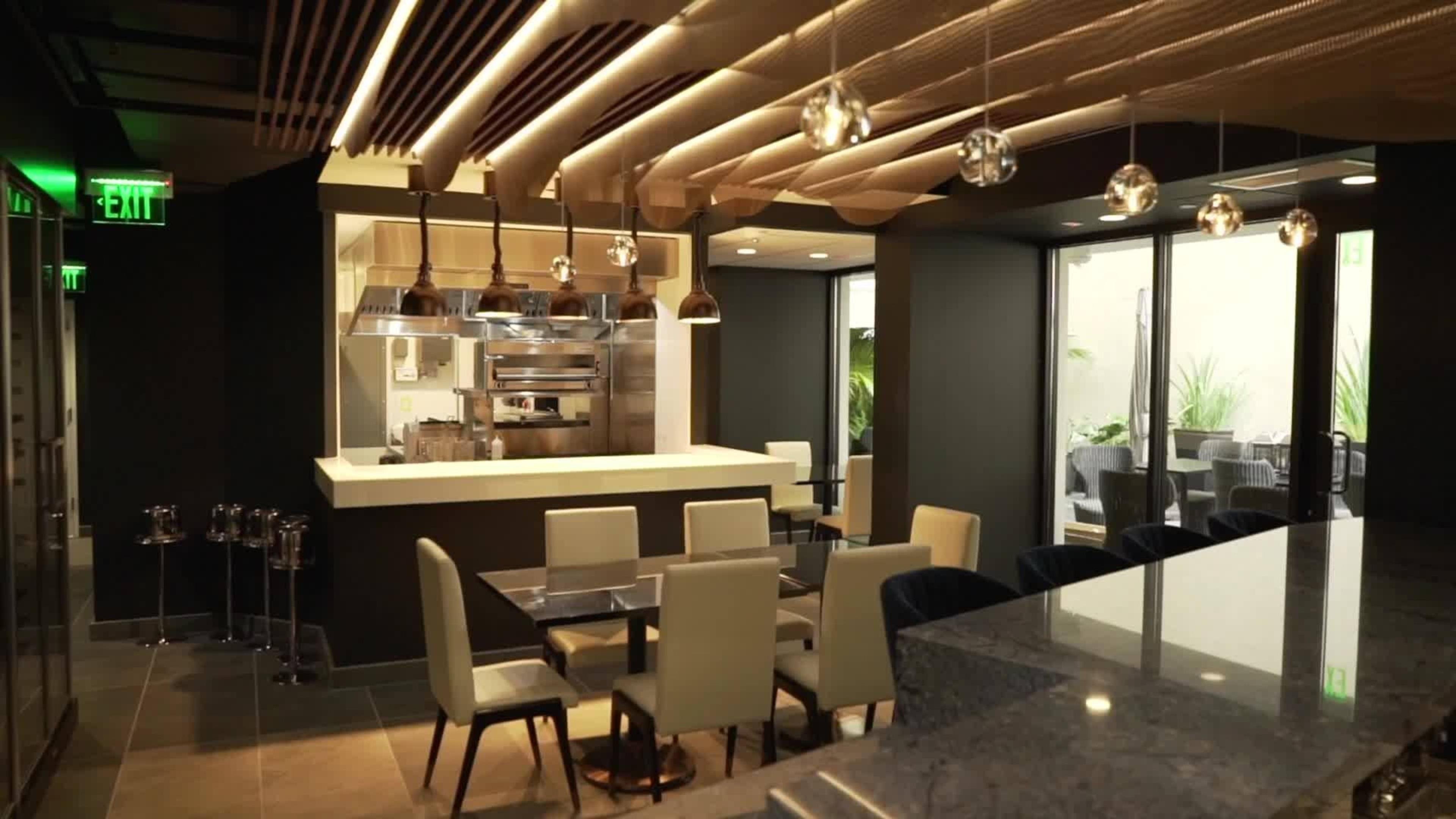
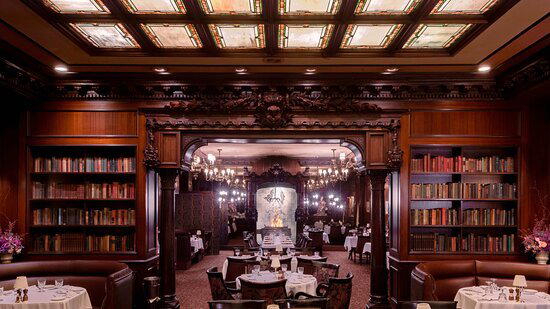
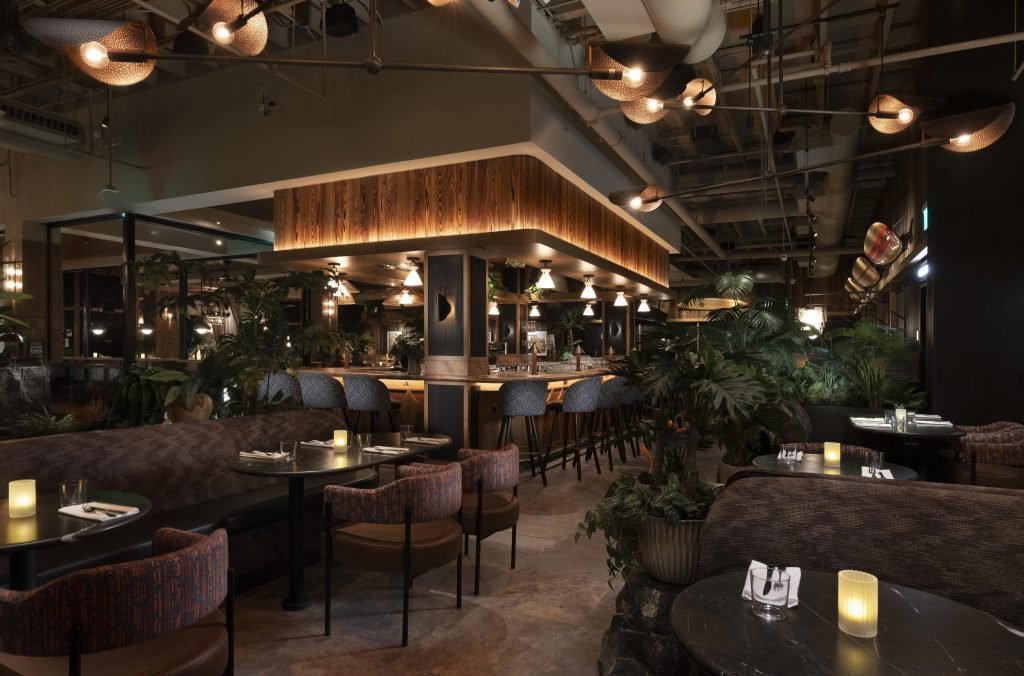
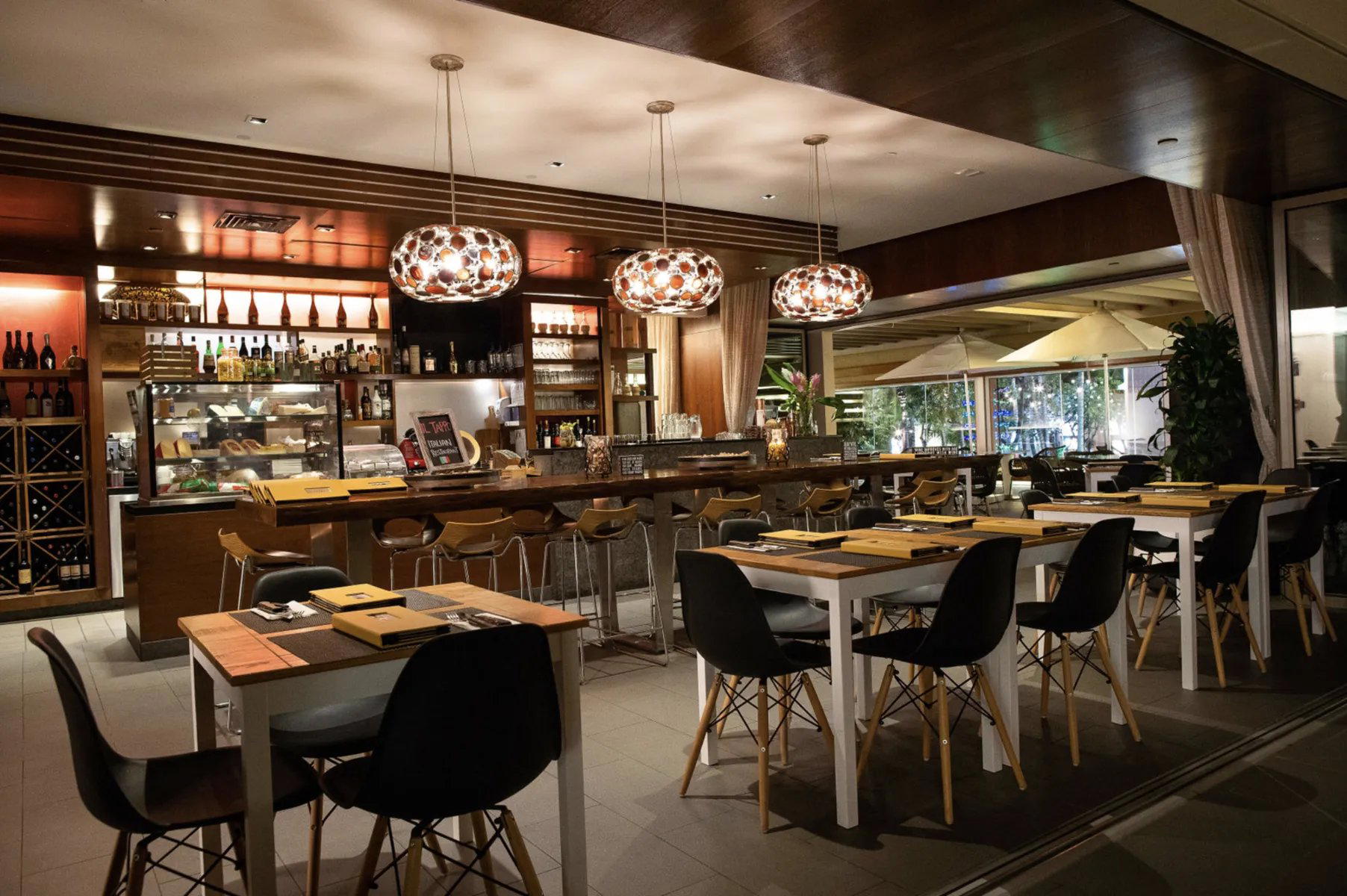
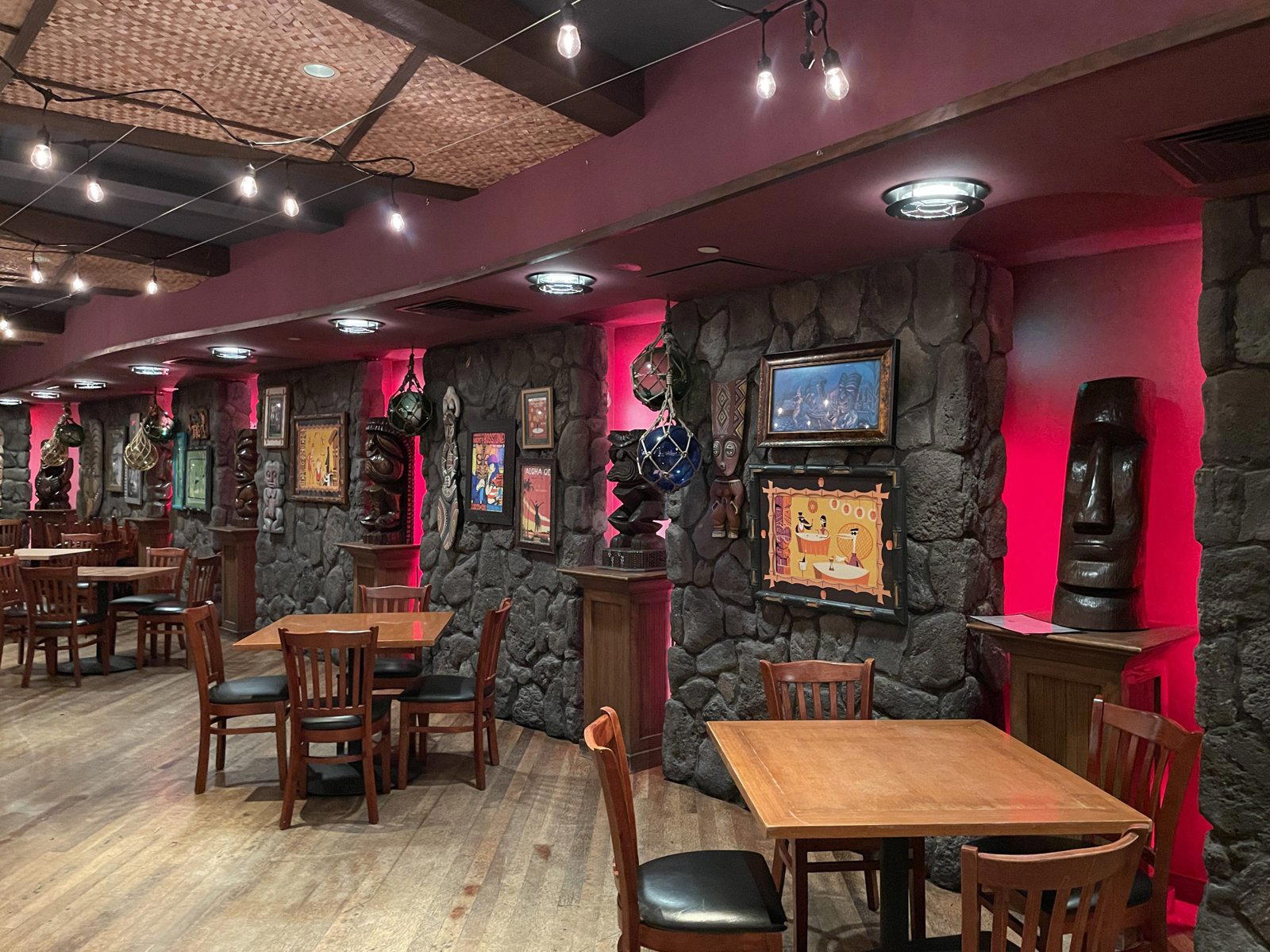
Lively and modern shared space with cozy seating areas for each vendor, creating a lively casual atmosphere.