
Michelin Plate
Our verdict
Bistrot Gros holds two consecutive Michelin Plate recognitions (2024 and 2025), placing it among Nancy's most consistent modern cuisine addresses at the €€ price point. The kitchen works within a sourcing-conscious approach that reflects the Lorraine region's agricultural depth, from river valleys to market gardens. For a city still finding its footing on France's fine-dining map, Bistrot Gros offers a grounded, ingredient-led alternative to the area's more formal tables.

Pearl is the En Primeur Club membership app, where members save venues, book tables and use the concierge.
The menu
What to order
- Fried artichokes with Cantal cheese foam and confit egg yolk
- Ribeye steak with faro and broccoli risotto
- Baked apple with praline, cider espuma and yoghurt ice cream
Where Lorraine's Larder Meets a Neighbourhood Bistrot
Rue de la Source, tucked into the residential fabric south of Nancy's grand place, sets a particular kind of expectation before you've touched a menu. The street is quiet, local, and unhurried, the kind of address that filters out tourists who navigate purely by monument. What you find at number 18 is a room that matches its context: a bistrot format that wears its Michelin Plate recognition across 2024 and 2025 without advertising it on every surface. In French provincial dining, that restraint is increasingly meaningful. The rooms that feel the need to announce their credentials tend to be the ones most in need of the reassurance.
Bistrot Gros sits in the €€ tier of Nancy's modern cuisine scene, which puts it below the single-Michelin-starred La Maison dans le Parc and in direct conversation with peers like Cadet and Le Capu.
Lorraine's Produce, Taken Seriously
The Lorraine region has never suffered from agricultural poverty. The Moselle and Meurthe river corridors produce freshwater fish; the surrounding plateau supports cattle and dairy; market gardens around the Selle valley supply vegetables from spring through autumn. The problem, historically, has been that Nancy's restaurant scene absorbed these ingredients without particularly celebrating them, treating local produce as default rather than distinction. The shift toward ingredient-led cooking, visible across provincial France over the past decade, has changed that calculus.
Modern cuisine at the €€ level now often lives or dies on sourcing decisions. When price constraints prevent a kitchen from competing on luxury ingredients alone, the quality and traceability of everyday produce becomes the differentiator. Bistrot Gros's consecutive Michelin Plate recognitions suggest a kitchen that has understood this logic: that a well-sourced carrot or a correctly handled river fish can carry a plate in ways that a mediocre prime cut cannot. Across France, the producers who supply Michelin-recognised bistrot kitchens operate in a specific tier, not the grand domains that supply three-star tables, but the smaller farms and foragers who prioritise quality over volume and work directly with chefs who will actually handle their product with care.
For context on how seriously sourcing has become an organising philosophy in French fine dining, consider the trajectories of houses like Bras in Laguiole, where the Aubrac plateau itself became the menu, or Flocons de Sel in Megève, where Alpine terrain dictates seasonal structure. Those are starred operations with decades of sourcing infrastructure behind them. At the bistrot level, the same philosophy operates with less fanfare and more compromise, but the underlying discipline, when present, is recognisable.
Nancy's Modern Cuisine Scene: The Mid-Market Tier
Nancy has historically underperformed its culinary potential relative to cities of comparable size and cultural weight. The Place Stanislas draws visitors; the Art Nouveau heritage draws design-conscious travellers. But the restaurant scene has developed unevenly, with a strong classical tradition, a thin middle layer, and a handful of modern cuisine addresses that punch credibly without attracting the kind of national attention that flows more readily to Lyon, Strasbourg, or Bordeaux.
Within that context, the €€ modern cuisine tier is the most contested segment. Le 27 Gambetta operates at the lower end of the price range with a more casual format. Patern represents another reference point in the contemporary bistrot category. Bistrot Gros's two-year Michelin Plate retention places it in a select group within this tier, the recognition signals that Michelin's inspectors found consistent execution across multiple visits, which in the Plate category carries more weight than a single starred meal at a table having a good night.
The Michelin Plate, often misread as a consolation category, functions more accurately as a threshold marker: it identifies kitchens cooking well but not yet meeting the criteria for starred distinction, whether by ambition level, consistency ceiling, or deliberate format choice. A bistrot that intentionally operates at the Plate level is not necessarily failing to reach a star, it may have chosen a format and price point that makes the starred template structurally inappropriate. Bistrot Gros's sustained recognition across 2024 and 2025 suggests the former rather than the latter.
Across France's regional dining scene, the most interesting comparisons are often between starred houses and their informal younger siblings. The lineage running from Auberge de l'Ill in Illhaeusern or Troisgros in Ouches down to smaller regional addresses shows how culinary ambition distributes across price tiers. On a global scale, the sourcing-first philosophy that drives serious modern cuisine has been articulated with different vocabularies at places like Mirazur in Menton, Alléno Paris au Pavillon Ledoyen, Frantzén in Stockholm, and FZN by Björn Frantzén in Dubai, each at a different price point, each demonstrating that the underlying logic scales.
Planning a Visit
Bistrot Gros is located at 18 Rue de la Source, 54000 Nancy. The €€ price positioning means a full meal for two with wine sits comfortably below what Nancy's starred alternatives would require. Given the venue's rating and Michelin recognition, advance reservations are advisable, particularly for weekend service. Nancy is accessible by TGV from Paris Gare de l'Est in approximately 90 minutes, which places it within day-trip range for Paris-based travellers, though the city warrants a longer stay when combined with its hotels and broader dining scene.
For a fuller picture of what Nancy offers across categories, our full Nancy restaurants guide covers the range from casual to starred. Visitors planning a longer stay will find useful context in our Nancy hotels guide, while those exploring the city's drinking culture can reference our Nancy bars guide. The region's wine and producer connections are documented in our Nancy wineries guide, and cultural programming appears in our Nancy experiences guide.
What Regulars Order at Bistrot Gros
What do regulars order at Bistrot Gros?
In Nancy's €€ tier, where the cuisine leans toward regional Lorraine produce handled with modern technique, the expectation is seasonal menu movement rather than fixed signature dishes. The most reliable approach is to trust the day's market-driven choices, which at this level of recognition tend to reflect what the kitchen is sourcing leading that week.
Frequently asked questions
What do regulars order at Bistrot Gros?
Bistrot Gros holds two consecutive Michelin Plates (2024 and 2025), suggesting the kitchen has a reliable core menu that rewards repeat visits. Given the €€ price positioning and Lorraine's well-documented larder, regulars at this price tier typically gravitate toward freshwater fish from the Moselle and Meurthe corridors and regional produce-driven plates.
How much does it cost to eat at Bistrot Gros?
Pricing at Bistrot Gros is listed as €€.
Side-by-Side Snapshot
| Venue | Cuisine | Price | Awards | Notes |
|---|---|---|---|---|
| Bistrot GrosThis venue (the venue you are viewing) | Creative French Bistro | $30–50 | Michelin Plate | Not listed |
| La Maison dans le Parc | Modern French Gastronomic with Japanese Influences | $100–150 | 1 Michelin Star · Gault & Millau Remarkable Restaurant | Modern Cuisine |
| Cadet | Modern French Seasonal Tasting Menu | $50–100 | Michelin Plate | Not listed |
| La Toq' | Modern French Fine Dining | $50–100 | Michelin Plate | Not listed |
| Le 27 Gambetta | Modern French Bistronomie | $50–100 | Michelin Plate | Not listed |
| Le Capu | Modern French Gastronomic Cuisine | Not listed | Michelin Plate | Not listed |
Recognition history
Dated appearances from independent guides and award organizations, with the underlying list record or original source where available.
Michelin Plate
Michelin
Full recognition history (3 entries)
Michelin Plate
Michelin
Michelin Plate
Michelin
Continue exploring
More in Nancy
Details
- Cozy
- Relaxed
- Intimate
- Rustic
- Casual Hangout
- Date Night
- Standalone
- Historic Building
- Natural Wine
- Local Sourcing
- Natural Wine
- Set Menu
- A La Carte
- Natural Wine
Current opening hours
- Monday
- 12–1:30 PM, 7:30–9 PM
- Tuesday
- 12–1:30 PM, 7:30–9 PM
- Wednesday
- 12–1:30 PM
- Thursday
- 12–1:30 PM, 7:30–9 PM
- Friday
- 12–1:30 PM, 7:30–9 PM
- Saturday
- Closed
- Sunday
- Closed
Hours can change for holidays and private events. Hours as of .
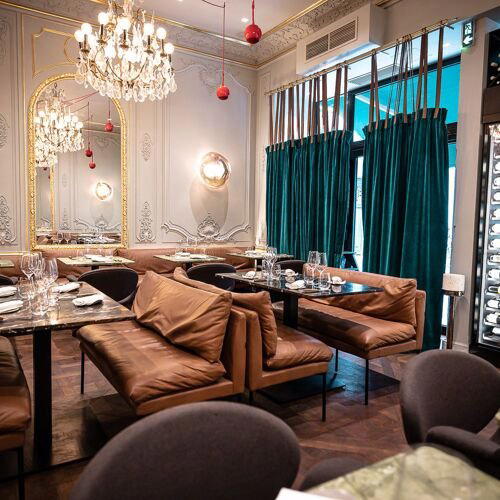
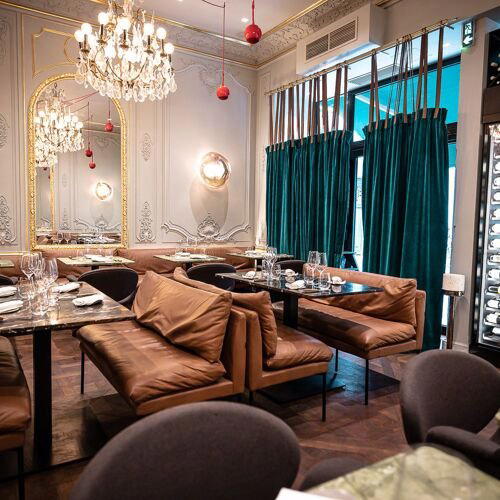
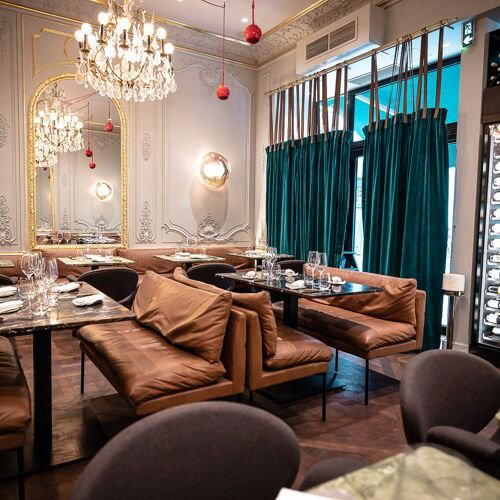
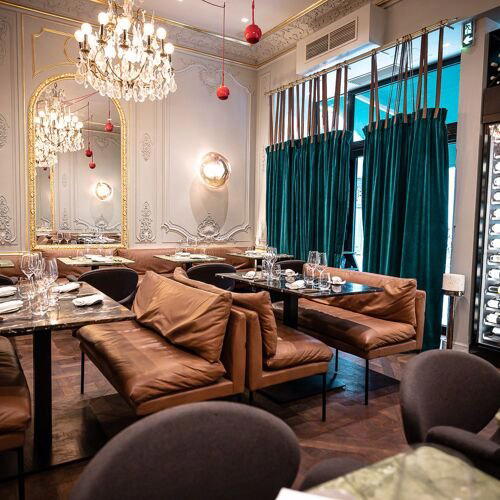
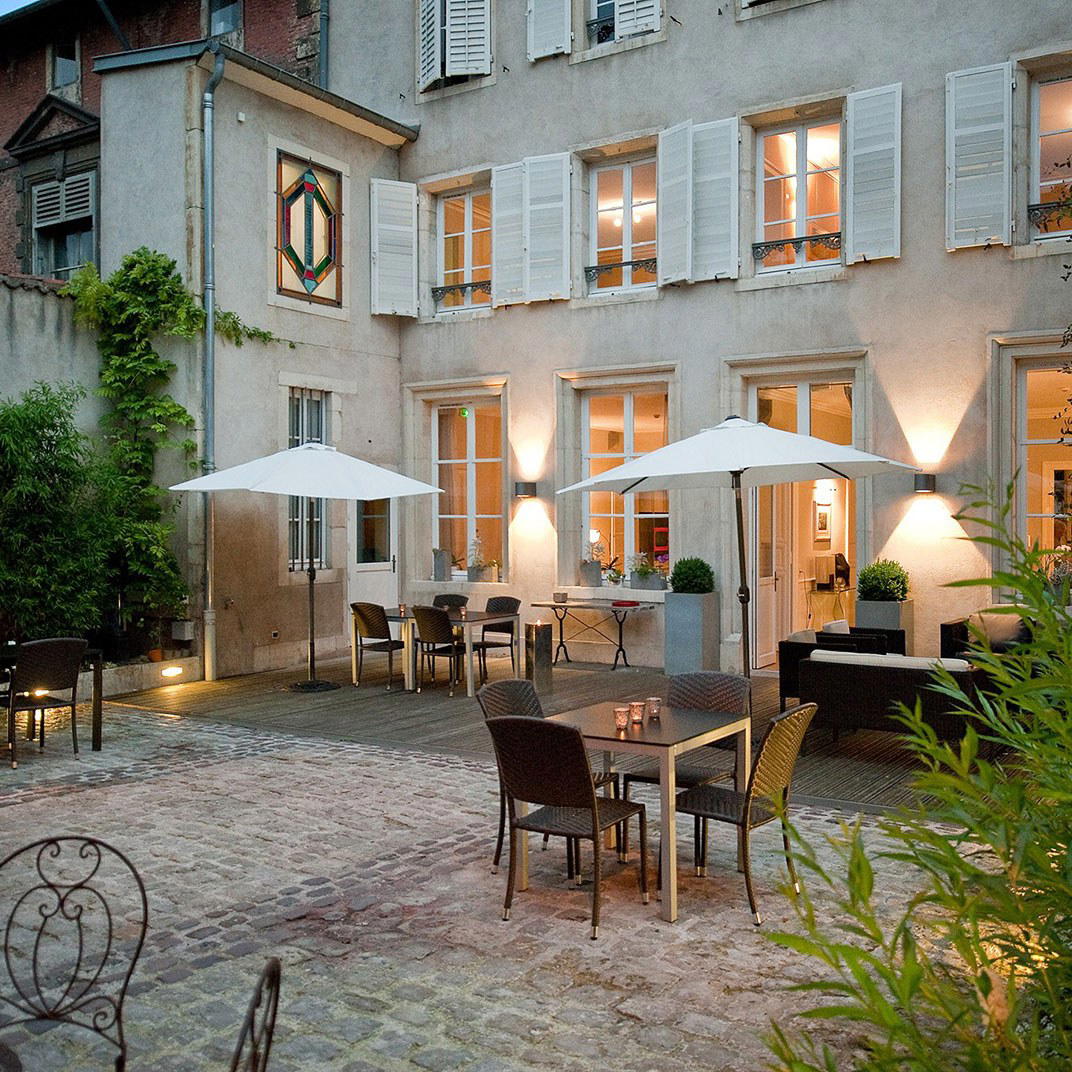
Relaxed and down-to-earth atmosphere in a historic old town setting with warm, inviting lighting typical of a traditional French bistro.