On the Grande Rue in Nancy's historic core, La Petite Cuillère sits within a city whose Art Nouveau identity runs deeper than its architecture. The address places it inside a dining scene that ranges from Michelin-tracked modern kitchens to neighbourhood bistros with serious regional intent. For visitors approaching Lorraine's table through its quieter addresses, it represents a point of entry worth understanding in context.
Pearl is the En Primeur Club membership app — saves, bookings, and concierge access live there. Same editors, same standards.
- Address
- 123 Grande Rue, 54000 Nancy, France
- Phone
- +33383364316
- Website
- lapetitecuillere.fr
- Directions
- Get directions
 Saves & bookings on Pearl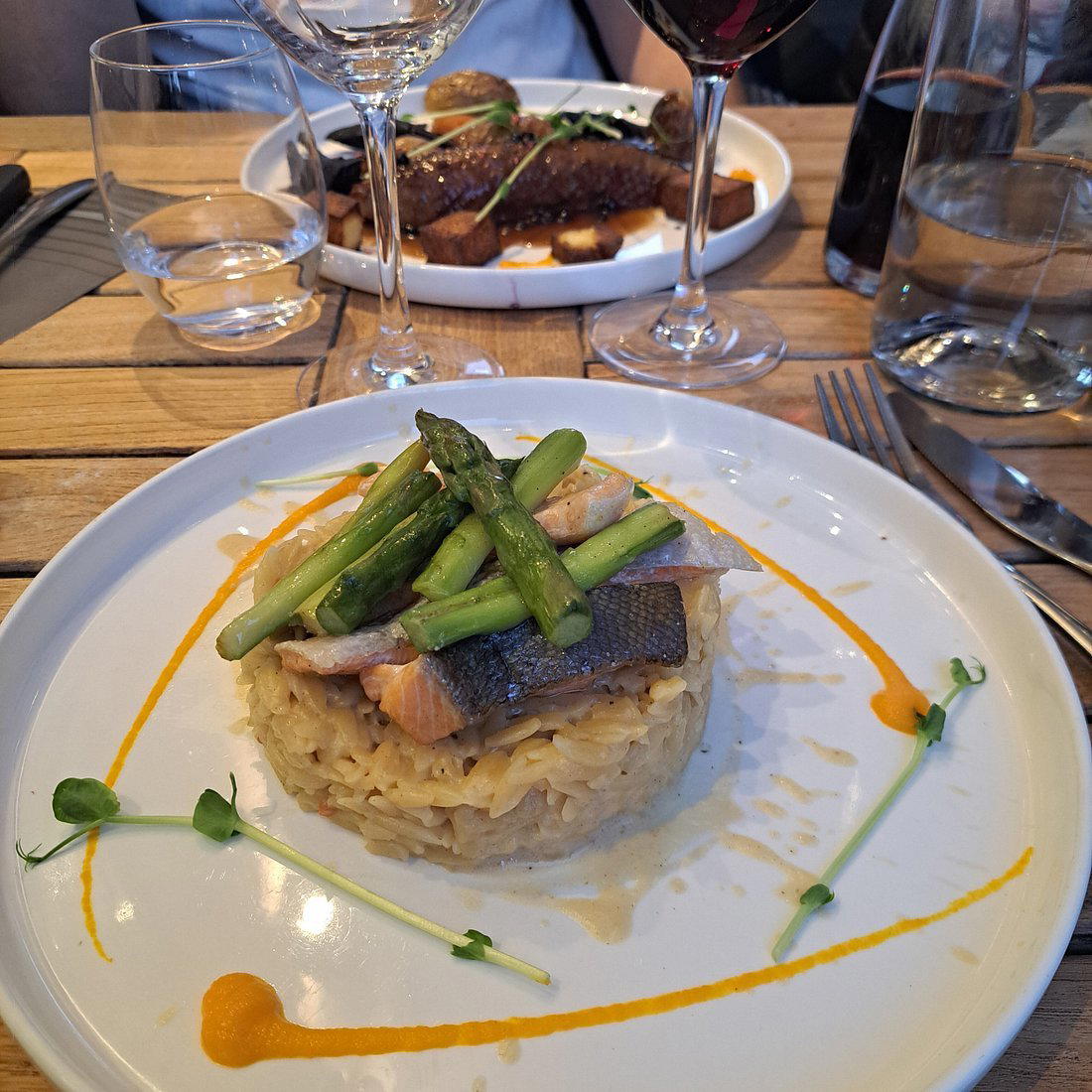
Nancy at the Table: The City Behind the Address
Grande Rue runs through Nancy's oldest quarter, parallel to the Place Stanislas and well within the city's Baroque and Art Nouveau core. The street itself is a working commercial artery rather than a tourist corridor, which means restaurants along it tend to draw from a local and regional clientele before they attract visitors. That context matters when reading any address here: Nancy's dining culture is shaped more by Lorraine's larder and its bourgeois culinary inheritance than by any desire to perform for passing trade.
Lorraine sits at a crossroads that has always made its table complicated to categorise. To the east, Alsatian influence arrives through Strasbourg's charcuterie and wine traditions, kitchens like Au Crocodile in Strasbourg carry that Germanic-French tension into formal dining. To the west, the grandes maisons of the Paris basin assert a classicism that venues such as Alléno Paris au Pavillon Ledoyen have taken to its technical extreme. Nancy sits between those poles, historically closer to the classical French tradition but with a regional specificity, mirabelle plum, quiche Lorraine in its original form, Munster-adjacent cheese culture, Meuse river fish, that its better restaurants anchor their menus to.
The Cultural Weight of a Small Spoon
The name itself signals something about register. "La Petite Cuillère", the small spoon, connotes intimacy and precision rather than spectacle. In French culinary shorthand, the petite cuillère is the instrument of the amuse-bouche, the sorbet, the delicate sauce work. It suggests a kitchen that values the detail over the gesture, which in Nancy's context places the restaurant within a tradition of considered provincial cooking rather than the high-concept tasting menu format that has come to define Michelin-tracked France at its upper tier.
That tradition has deep roots in the northeast. The Lorraine table has long privileged ingredient honesty over elaborate transformation, a posture that became philosophically fashionable in French gastronomy over the past two decades but existed in regional kitchens here long before it acquired a name. Addresses like Bras in Laguiole formalised this relationship between landscape and plate at the highest level; in Nancy, the same instinct operates at a more accessible pitch.
Where La Petite Cuillère Sits in the Nancy Scene
Nancy's restaurant map has stratified clearly in recent years. At the leading, La Maison dans le Parc operates at the €€€ tier with a modern cuisine approach that positions it as the city's Michelin-facing address. One step below, Bistrot Gros covers the €€ modern cuisine bracket with more bistro-forward energy. Addresses like Cadet and Au Grand Sérieux extend the modern cooking conversation further, while Bastion represents a different register again.
La Petite Cuillère at 123 Grande Rue occupies a position in this structure that is defined by its address and its name rather than by awards data or a published price tier, both of which are absent from the available record. In a city where the headline Michelin address is clearly signposted and the modern bistro tier is actively discussed, restaurants operating below that visible layer tend to serve a neighbourhood function: reliable cooking for regulars, a menu that responds to market availability, a room that doesn't require occasion-level commitment to enter.
This is not a criticism. Provincial French dining at this level carries its own cultural authority. The neighbourhood restaurant that serves Lorraine's seasonal produce without requiring a three-month booking window is as much a part of France's culinary infrastructure as the Michelin three-stars, places like Troisgros in Ouches, Mirazur in Menton, or Flocons de Sel in Megève represent the apex, but they depend on a broader ecosystem of serious provincial cooking to make French gastronomy function as a culture rather than a collection of trophy restaurants.
What to Expect from the Lorraine Table at This Level
Regionally grounded kitchens in Lorraine at the mid-range tend to cycle through a recognisable set of reference points. Quiche appears in its proper form, a deep, custardy egg-and-cream construction anchored by lardons, built in a short pastry case, served warm rather than room temperature. Mirabelle plum moves through the menu from summer sauces to autumn tarts. River fish from the Meuse and Moselle watersheds, pike, perch, trout, appear with cream-based sauces that reflect the dairy-heavy character of northern French regional cooking. Charcuterie boards draw on Lorraine's own pork preparation traditions alongside Alsatian influences from across the regional border.
At addresses positioned below the formal tasting-menu tier, these ingredients typically arrive in classic presentations rather than reinterpreted ones. The cooking intelligence is in sourcing and execution rather than conceptual originality, a valid and often more satisfying register for a mid-week lunch or an early dinner before a visit to the Place Stanislas and the Musée de l'École de Nancy, the city's Art Nouveau museum two kilometres to the southwest.
For reference points at higher ambition levels, the Alsace-Lorraine corridor offers Auberge de l'Ill in Illhaeusern, which has held three Michelin stars for decades and represents the formal summit of Alsatian cooking. Further afield, Assiette Champenoise in Reims shows what northeast France looks like when it reaches for the highest technical register. Internationally, the comparison between regional French anchoring and globally inflected fine dining is visible in addresses like Le Bernardin in New York City and Atomix in New York City, both of which engage with classical French structure from different cultural starting points. AM par Alexandre Mazzia in Marseille offers another version of how French regional identity can be pushed into contemporary form. Paul Bocuse in Collonges-au-Mont-d'Or remains one historically documented example of what classical French regionalism looked like at its most formidable.
Visit Notes
The restaurant is located at 123 Grande Rue, Nancy, in the 54000 postal district. Grande Rue is within walking distance of Place Stanislas and the old town centre, making it a practical option before or after sightseeing in the historic core. The restaurant is located at 123 Grande Rue, Nancy, in the 54000 postal district.
Booking and Cost Snapshot
Comparable venues nearby, for context on price, style, and recognition.
| Venue | Price | Notes |
|---|---|---|
| La Petite CuillèreThis venue — the venue you are viewing | $$ | Not listed |
| L'Arsenal | $$$ | Place de l'Arsenal, Regional French Bistro |
| Le bouche à oreille | $$ | rue des Carmes, French Cheese-Focused Bistro |
| Les Frères Marchand | $$ | vieille ville, Traditional French Lorraine & Alsatian Brasserie |
| Grand Café Foy | $$ | Place Stanislas, Traditional French Brasserie |
| Excelsior | $$$ | near Gare de Nancy, Classic French Brasserie |
Continue exploring
More in Nancy
Restaurants in Nancy
Browse all →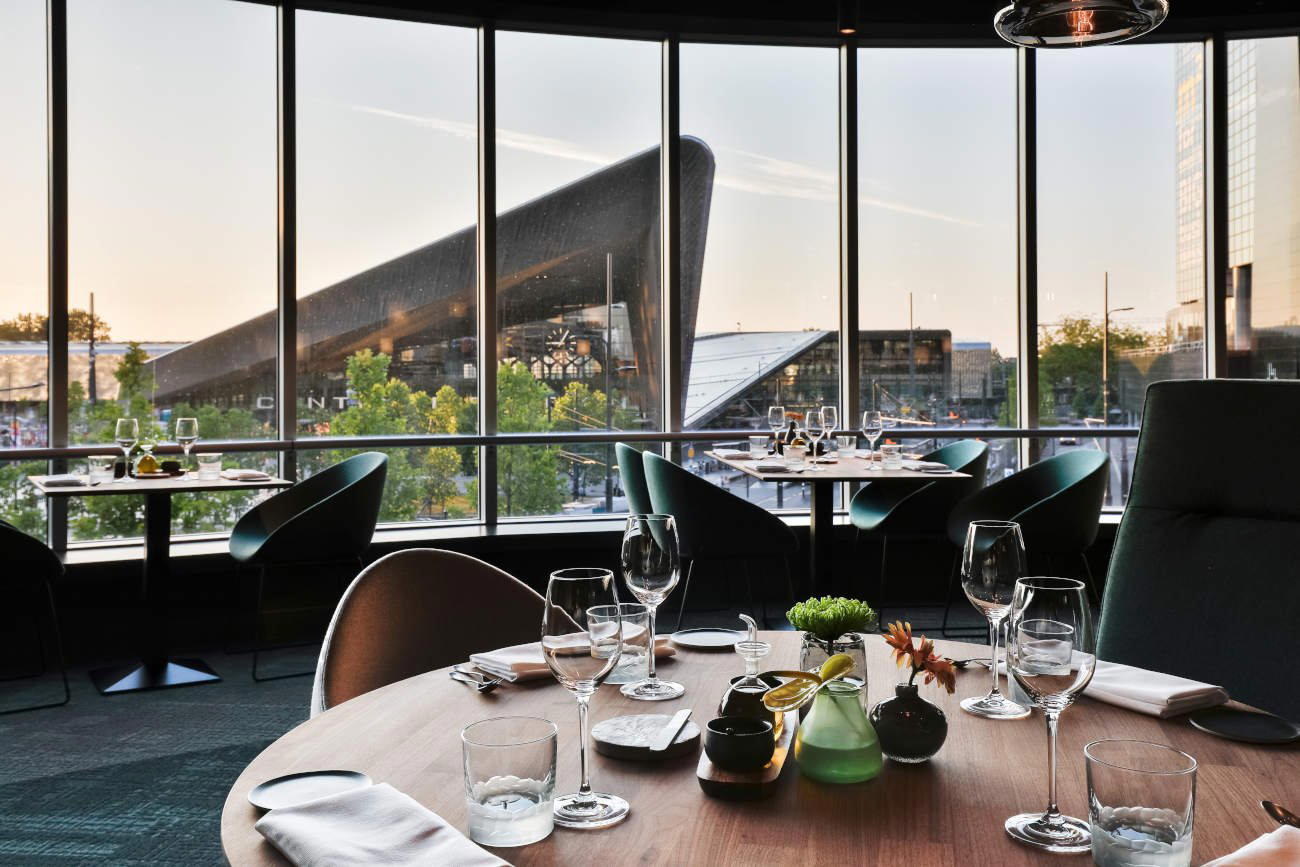

At a Glance
- Cozy
- Elegant
- Intimate
- Date Night
- Special Occasion
- Private Dining
- Extensive Wine List
- Local Sourcing
Current opening hours
- Monday
- 12–2 PM, 7–9 PM
- Tuesday
- 12–2 PM, 7–9 PM
- Wednesday
- 12–2 PM, 7–9 PM
- Thursday
- 12–2 PM, 7–9 PM
- Friday
- 12–2 PM, 7–9 PM
- Saturday
- 12–2 PM, 7–10 PM
- Sunday
- 12–2 PM
Hours can change for holidays and private events. Last verified .
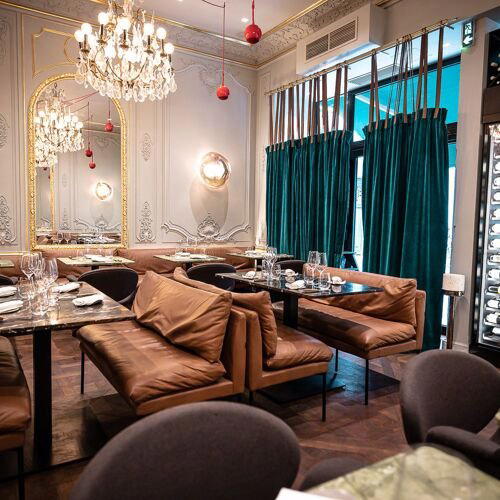
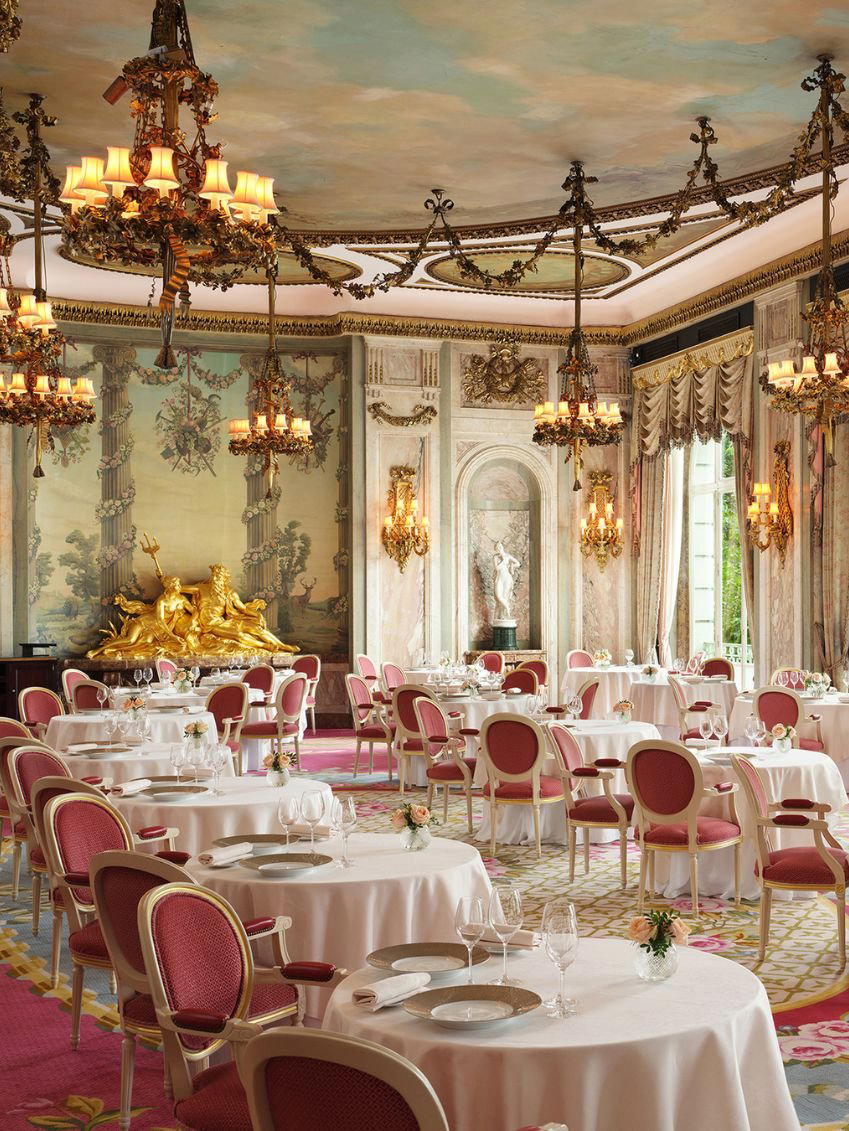
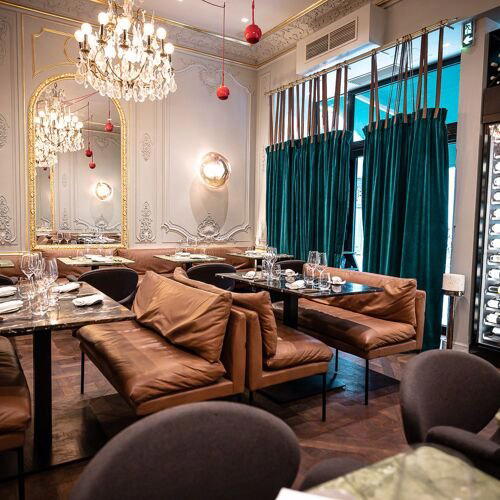
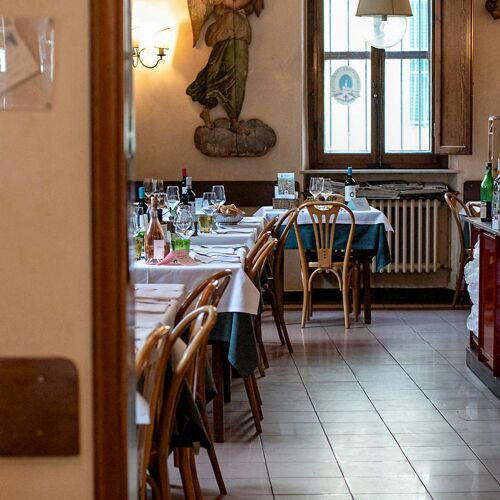
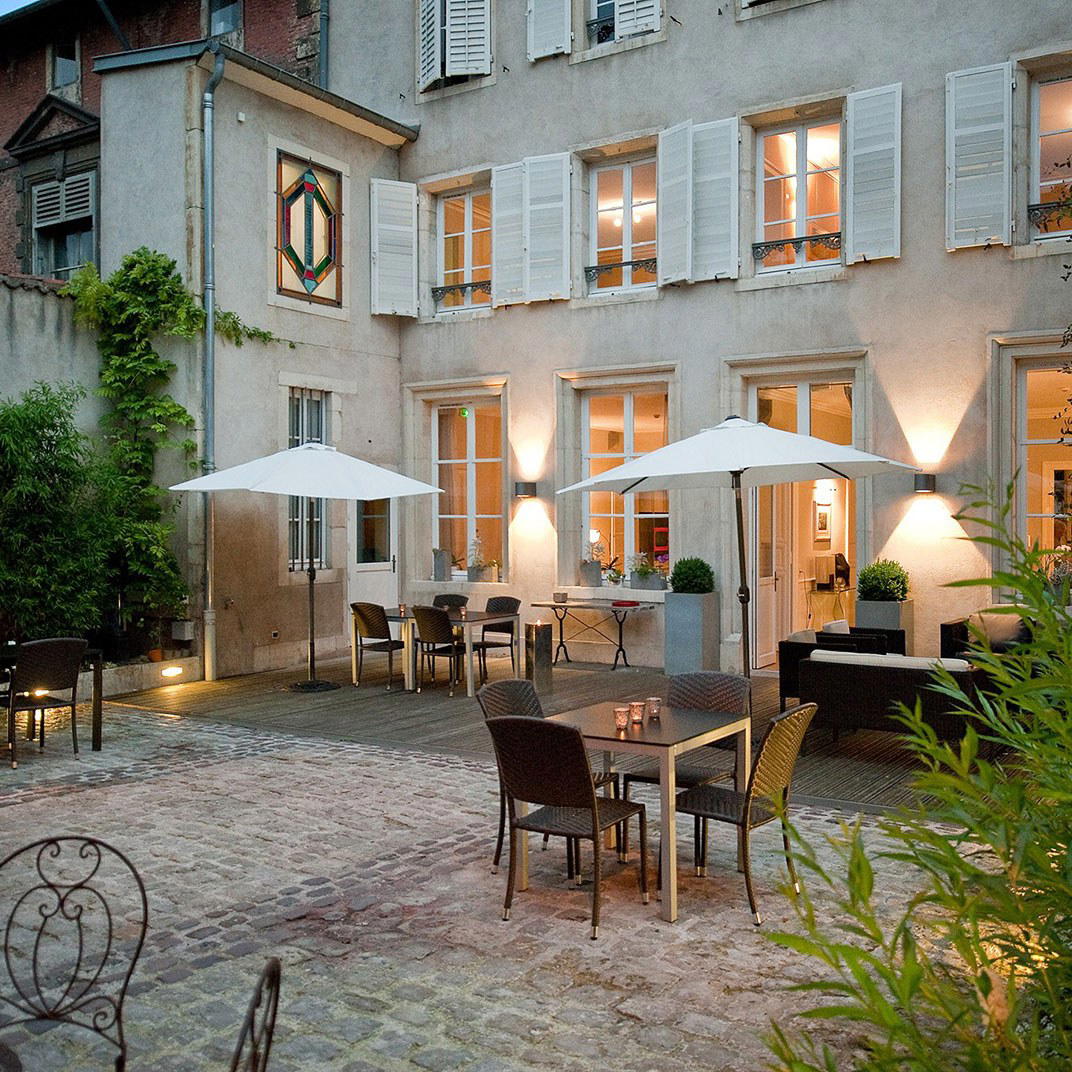
Warm and intimate atmosphere with elegant decor, polished parquet floors, and an authentic vaulted cellar.