
STAND AFRO belongs to Osaka’s tachinomi culture, where tight rooms, short stays, and serious drinking lists carry more weight than ceremony. Its 2025 Tabelog 100 Tachinomi selection, compact stand-up format, English menu, and sake, shochu, wine, and cocktail range make it a sharp Sakaisuji Hommachi stop for drink-led dining rather than a conventional seated restaurant.
Pearl is the En Primeur Club membership app — saves, bookings, and concierge access live there. Same editors, same standards.
- Address
- 大阪府大阪市中央区安土町2-2-10 本ニビル 1F
- Phone
- +81672220056
- Website
- tabelog.com
 Saves & bookings on Pearl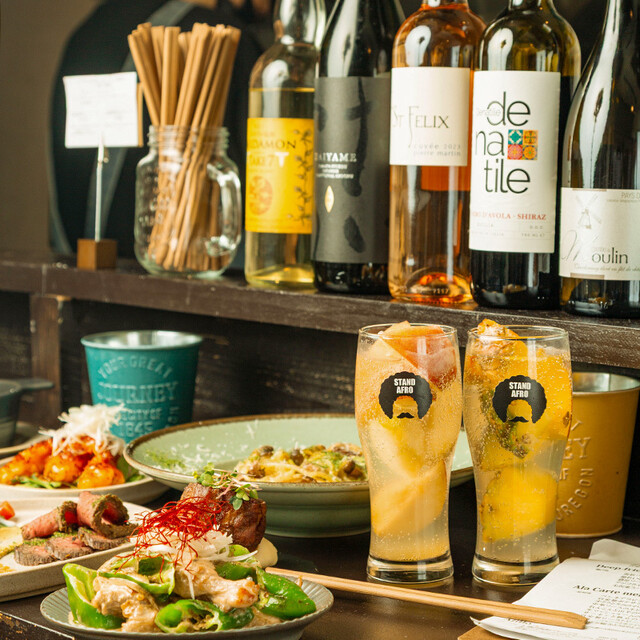
Osaka’s standing bars work on compression: narrow counters, quick decisions, voices close enough to blur into the room, and food that has to justify its place beside a glass. The format rewards precision over comfort. A tachinomi bar cannot hide behind a long tablecloth, a long tasting menu, or the theatre of private-room service; it has to deliver pace, value, and enough personality to make a short stop feel deliberate.
STAND AFRO sits in that lineage rather than in the city’s formal restaurant lane. Its selection for Tabelog 100 Tachinomi 2025 places it inside a category that Japan treats with more seriousness than many visitors expect. Tachinomi is not simply drinking while standing. At its stronger end, it is a disciplined urban format: low ceremony, high turnover, compact menus, and a drinks program broad enough to support both after-work regulars and destination-led diners.
Osaka's standing-bar grammar: quick rhythm, tight space, serious drinks
The appeal here is partly spatial. Stand-up bars change the social temperature of a meal. Diners are closer to the counter, closer to the bottles, and closer to one another; the room has less dead air than a conventional dining room. In Osaka, that matters. The city’s dining identity has long favoured immediacy, from takoyaki counters and kushikatsu lanes to department-store basement grazing and late-night izakaya circuits. Tachinomi belongs to the same instinct, but its stronger addresses now carry award recognition and curated drinks lists rather than serving as mere pre-dinner holding pens.
The drinks range at STAND AFRO signals that wider ambition. Sake, shochu, wine, and cocktails are all listed, which puts the bar in a more flexible bracket than single-category sake counters or beer-first standing pubs. That range also changes how to read the food. In this format, cooking is not judged by the long arc of a tasting menu; it is judged by whether a handful of plates can keep pace with mixed drinks, Japanese spirits, and wine without turning the evening into a full restaurant sitting.
That distinction helps separate this style from higher-budget Osaka dining. A Japanese restaurant such as Sugimachi or a tasting-menu address such as É nye asks the diner to commit to a longer, more structured meal. Curry Rice, at the other end of the spend spectrum, represents Osaka’s talent for speed and value. Tachinomi occupies a middle rhythm: drink first, eat with intent, leave before the room loses its charge.
Recognition without ceremony
The Tabelog 100 Tachinomi 2025 listing is the main trust signal here, and it matters because the category is crowded. Standing bars can be casual to the point of anonymity, but award inclusion filters for places that have earned attention within a highly local, repeat-visit culture. A Tabelog score of 3.57 reinforces the point without turning the experience into a numbers game. For travellers, the more useful reading is category fit: this is a small-format bar with recognition in the exact field it is trying to occupy.
Capacity sharpens that reading. Fifteen seats, including six outdoor seats, makes this a compact operation by any city’s standard. Small rooms amplify both strengths and flaws. Service pace, drink handling, and kitchen timing become visible because there is nowhere for the operation to sprawl. The format also discourages overplanning. It is better understood as a focused stop in an Osaka evening than as the anchor for a celebratory dinner.
There is a practical hospitality signal worth noting for international readers: an English multilingual menu is listed. In a category where many strong counters remain Japanese-first, that removes some friction without changing the essential character of the place. Payment flexibility also suits the format, with credit cards, transport IC cards, and QR payments listed, a useful detail in a city where smaller drinking spots can vary widely on cash expectations.
How to place it in an Osaka eating day
The smart use case is narrow and valuable: drink-led dining in Sakaisuji Hommachi, especially for travellers who want Osaka’s standing-bar culture without reducing the evening to a snack crawl. The bar’s location in the business-centre grid gives it a different mood from tourist-heavy Dotonbori or late-night Ura-Namba. This is office-district Osaka, where after-work drinking can be brisk, unfussy, and sharply timed.
STAND AFRO also works as a contrast point within a broader Osaka itinerary. Pair it conceptually with casual city staples such as 551 Horai (551蓬莱), bakery stops like 52CHO-ME BAKERY, and coffee-led daytime addresses such as .cafe. For a more formal European counterpoint, a canto (Italian) and 99 Pizza Napoletana Gourmet show how international formats have settled into the city’s dining map.
Readers building a wider Japan food route can use the contrast even further: sukiyaki in Kamakura at -Grilled beef Sukiyaki- KAMAKURA TANUKIAN 鎌倉 たぬき庵 in Kamakura, charcoal-led tuna dining at. 鮪と炭火焼き うお炭 秋葉原店 in Tokyo, Kumamoto’s.know in Kumamoto, Vietnamese cooking at (Shoku) Vietnam in Kawasaki, Sapporo curry at [Curry Senmon Ten] Maruyama Kyoju. in Sapporo, and Kyoto’s [ki:] in Kyoto all point to how narrow formats can define a meal as clearly as formal restaurants. Outside Japan, the sake-bar logic continues at Jōdo Saké Bar in Los Angeles, while Onigiri Time in Pasadena shows how Japanese everyday formats travel into a different dining culture.
For planning beyond one stop, use Our full Osaka restaurants guide alongside Our full Osaka bars guide. Travellers shaping a complete trip can also cross-check Our full Osaka hotels guide, Our full Osaka wineries guide, and Our full Osaka experiences guide.
The editorial verdict is simple: come for the tachinomi format, not for restaurant ceremony. The evidence points to a compact, award-listed standing bar where drinks breadth, small-room energy, and Osaka’s preference for directness do the work. For a city often flattened into neon and street snacks, that is a useful correction.
Quick Comparison
Comparable venues at a similar level for quick context.
| Venue | Cuisine | Price | Notes |
|---|---|---|---|
| STAND AFROThis venue — the venue you are viewing | Creative Fusion Standing Bar | $$ | Not listed |
| MAKE ONE TWO | Asian Stand Bar / Izakaya | $$ | Chūō |
| Labyrinth | Original Spice Creative Curry & Asian Fusion | $$ | Nishi |
| STUN.S | Innovative Japanese | $$ | Miyakojima |
| Oisi stand | Creative Italian × Japanese Standing Bar | $ | Chūō |
| Spice Curry Maruse | Osaka spice curry & Asian fusion | $$ | Kita |
Recognition history
Dated appearances from independent guides and award organizations, with the underlying list record or original source where available.
Tabelog 100 #35 · No. 35
Tabelog · Tabelog 100 - Tachinomi - 2025
Continue exploring
More in Osaka
Restaurants in Osaka
Browse all →




Bars in Osaka
Browse all →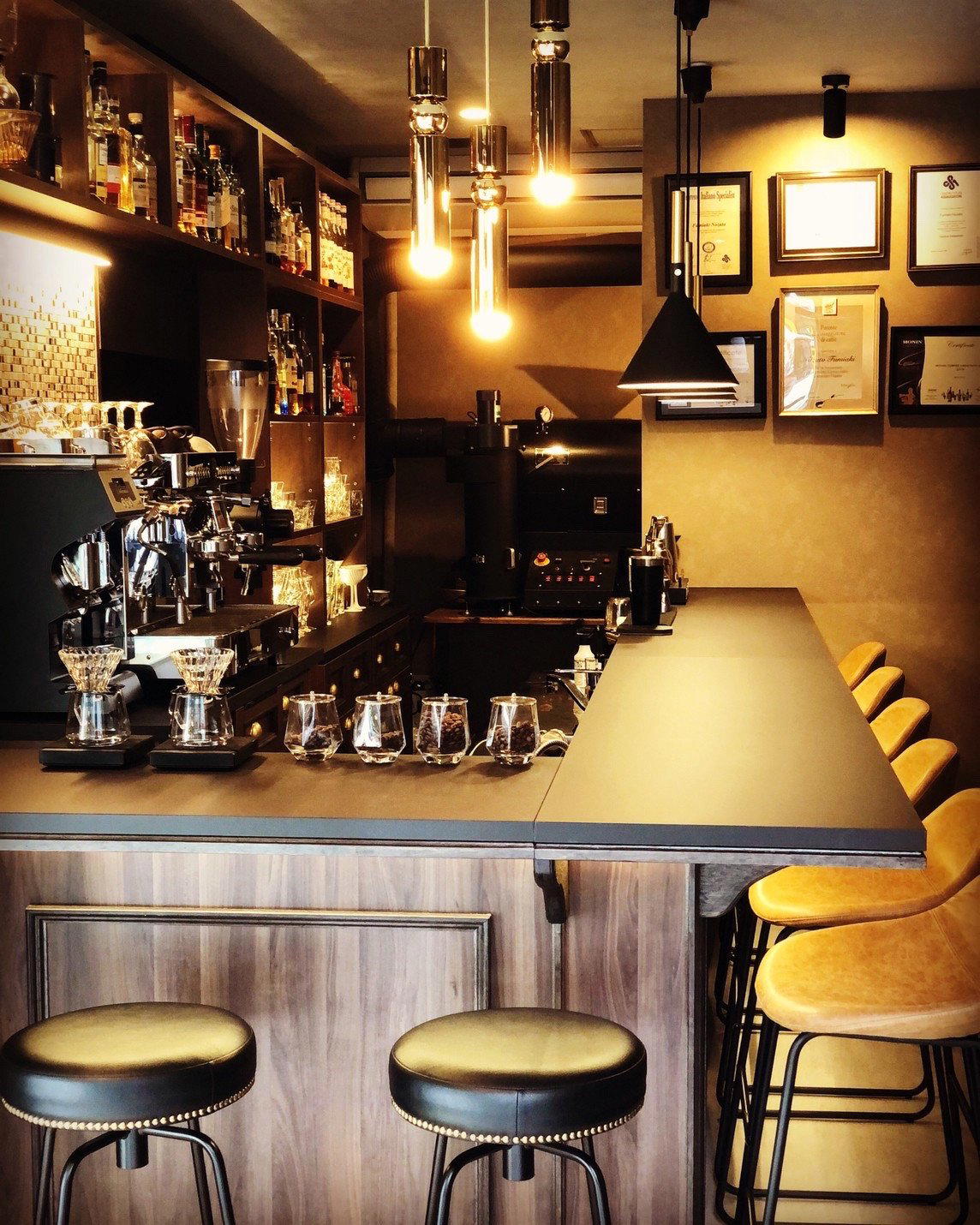
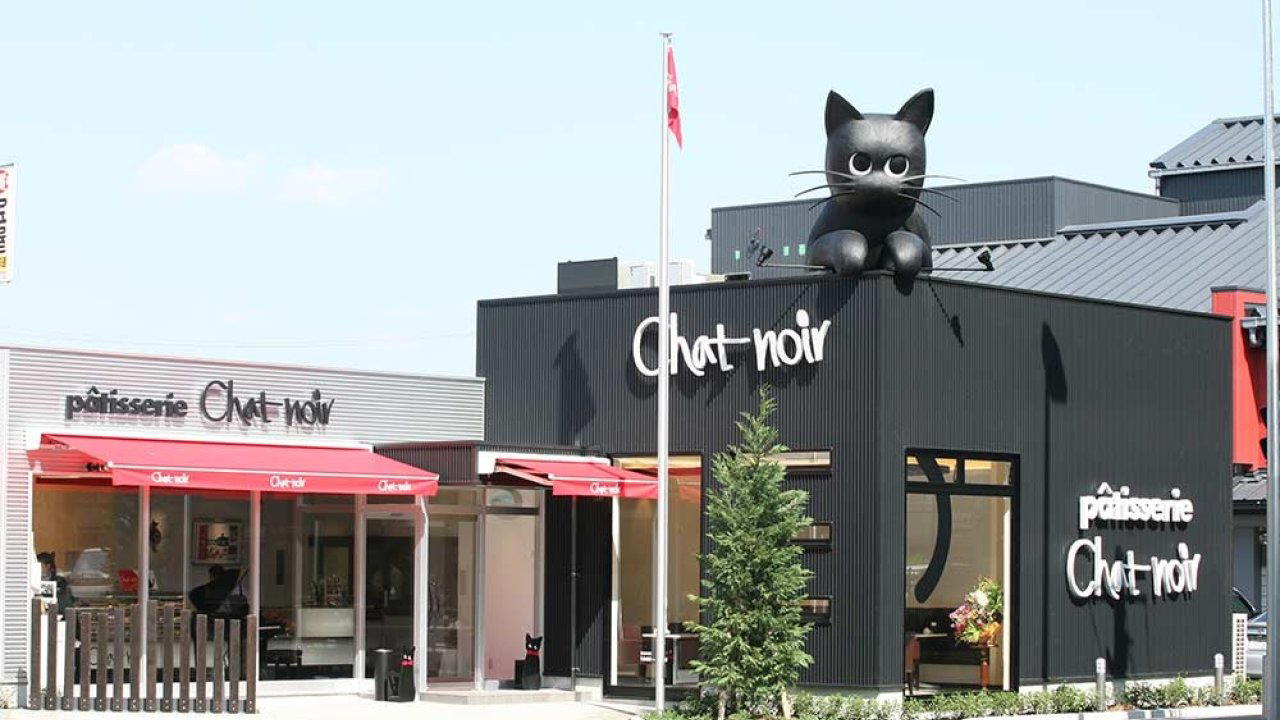


Hotels in Osaka
Browse all →



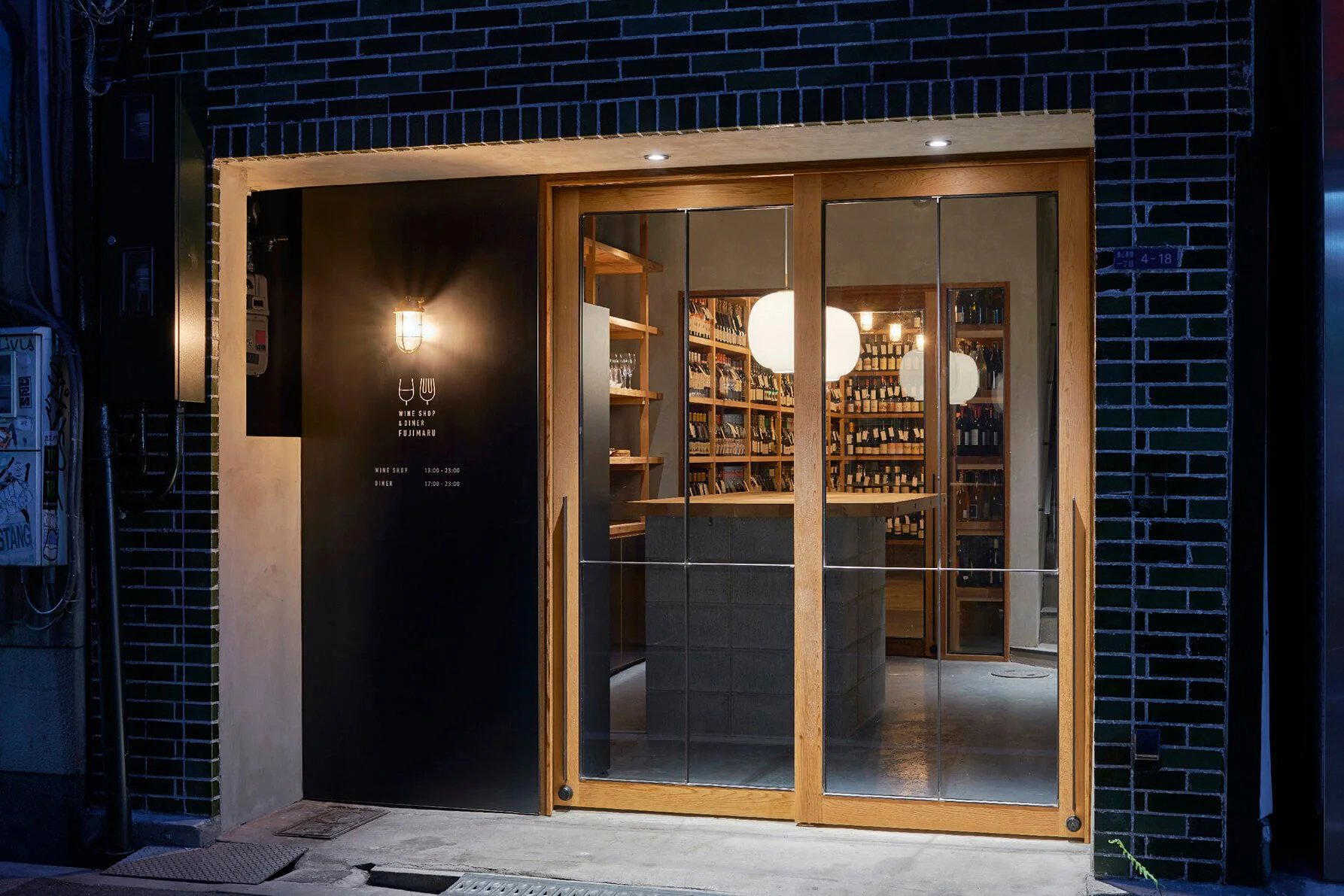
Wineries in Osaka
Browse all →
At a Glance
- Lively
- Trendy
- Cozy
- Solo
- After Work
- Late Night
- Casual Hangout
- Standalone
- Craft Cocktails
- Sake Program
- Beer Program
- Street Scene
Stylish, casual, and compact, with a friendly late-night standing-bar atmosphere that is welcoming for solo diners and suited to after-work or end-of-night visits.