St. Hubertus

St. Hubertus in San Cassiano placed 29th on the World's 50 Best Restaurants list in 2022, making it among the more recognised tables in the Italian Alps. Chef Norbert Niederkofler anchors the kitchen in a philosophy of alpine restraint, drawing almost entirely on the Dolomites' own larder. The result is progressive Italian cooking that reads as a precise document of its landscape and season.
- Address
- Via Piolet, 5A, 11021 Valtournenche AO, Italy
- Phone
- +39 0166 545916
- Website
- sainthubertusresort.it
- Directions
- Get directions
Where the Dolomites Meet the Plate
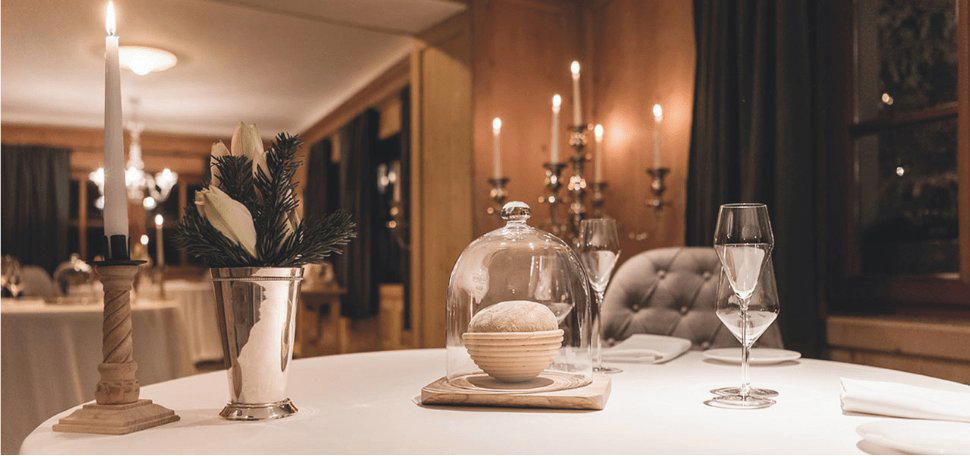
San Cassiano sits at around 1,500 metres in the Alta Badia, a narrow valley in the South Tyrolean Dolomites where the seasons change fast and the local larder is defined by altitude rather than abundance. The village is small, the roads are winding, and the dining room at St. Hubertus feels continuous with that setting: a room built from alpine materials, positioned inside the Rosa Alpina hotel on Via Piolet, where the mountains are not a backdrop but the governing logic of everything on the table. This is the context in which progressive Italian cooking here makes most sense. It is not the progressive Italian of Florence or Milan, where technique is deployed in conversation with urban sophistication. It is alpine, deliberate, and shaped by what grows and lives within reach.
The Italian Principle of Reduction
Italian cooking at its core has always argued for restraint: fewer ingredients, handled with greater precision, allowed to speak for themselves. The northern alpine tradition reinforces that instinct with geographic necessity. At altitude, the growing season is short, the variety of produce narrower, and the connection between dish and place harder to obscure. This is the culinary logic that St. Hubertus operates within, and it is what separates the kitchen's approach from the voluntarily minimal cooking fashionable in Scandinavian-influenced restaurants further north.
The restraint here is not aesthetic posturing. It is structural. When a kitchen commits to sourcing within its immediate alpine territory, the menu becomes a seasonal document rather than a curated selection. What comes in from the high pastures, the surrounding forests, and the valley farms determines what appears on the plate. That constraint, self-imposed or not, produces cooking with a clarity that more ingredient-rich kitchens rarely achieve. Its World's 50 Best ranking at #29 in 2022 is one measure of how legible that clarity has become to the wider international dining conversation.
Chef Norbert Niederkofler and the Alpine Commitment
Within Italy's progressive dining tier, Norbert Niederkofler occupies a position that is geographically and philosophically distinct from most of his peers. Where Osteria Francescana in Modena works through cultural reference and emotional narrative, or where Enrico Bartolini in Milan builds around urban-facing creative ambition, Niederkofler's frame of reference is tightly local. The Cook the Mountain philosophy, which has defined St. Hubertus for over a decade, is a commitment to sourcing exclusively from the alpine territory: no tropical fruit, no imported luxury protein, no ingredient that requires an aeroplane to arrive.
The significance of this for how the food tastes is considerable. Alpine cooking built from this constraint produces dishes in which each element carries weight precisely because it cannot be supplemented by something flown in from elsewhere. The 29th position on the 2022 World's 50 Best list represents external validation of an approach that was, when Niederkofler formalised it, genuinely against the commercial grain of high-end Italian cooking. Niederkofler also helms Atelier Moessmer Norbert Niederkofler in Brunico, where the same sourcing philosophy operates in a different spatial context.
San Cassiano in the Italian Fine Dining Map
Italy's serious restaurant scene tends to organise itself around urban centres or well-connected rural addresses: Modena, Alba, Milan, Florence, the Amalfi coast. San Cassiano is conspicuously outside that network. It is a ski resort village in the Dolomites, and its international profile rests almost entirely on Rosa Alpina and the St. Hubertus dining room. That isolation is not incidental to the food's character. It produces a restaurant that cannot rely on metropolitan foot traffic or the ambient prestige of a famous city address.
The comparison with other Italian addresses ranked in the top tier is instructive. Piazza Duomo in Alba draws on Piedmont's dense agricultural tradition. Reale in Castel di Sangro operates in comparable geographic isolation in Abruzzo. Le Calandre in Rubano and Dal Pescatore in Runate are both destination restaurants that require deliberate travel. The pattern in Italy's most serious cooking is that location isolation correlates with sourcing specificity, and sourcing specificity correlates with a cooking logic that urban restaurants find harder to sustain. St.
The Setting and the Seasonal Calendar
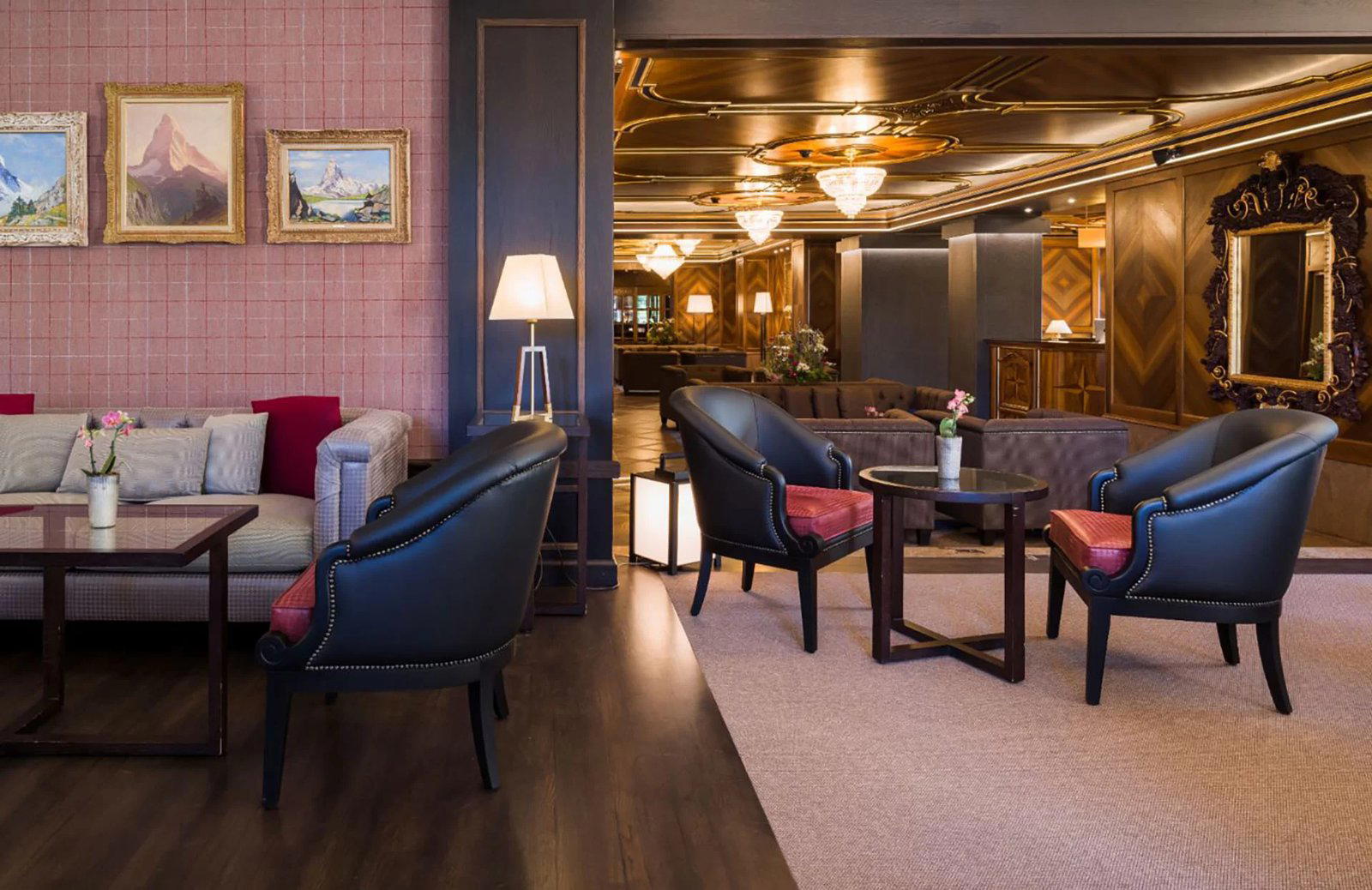
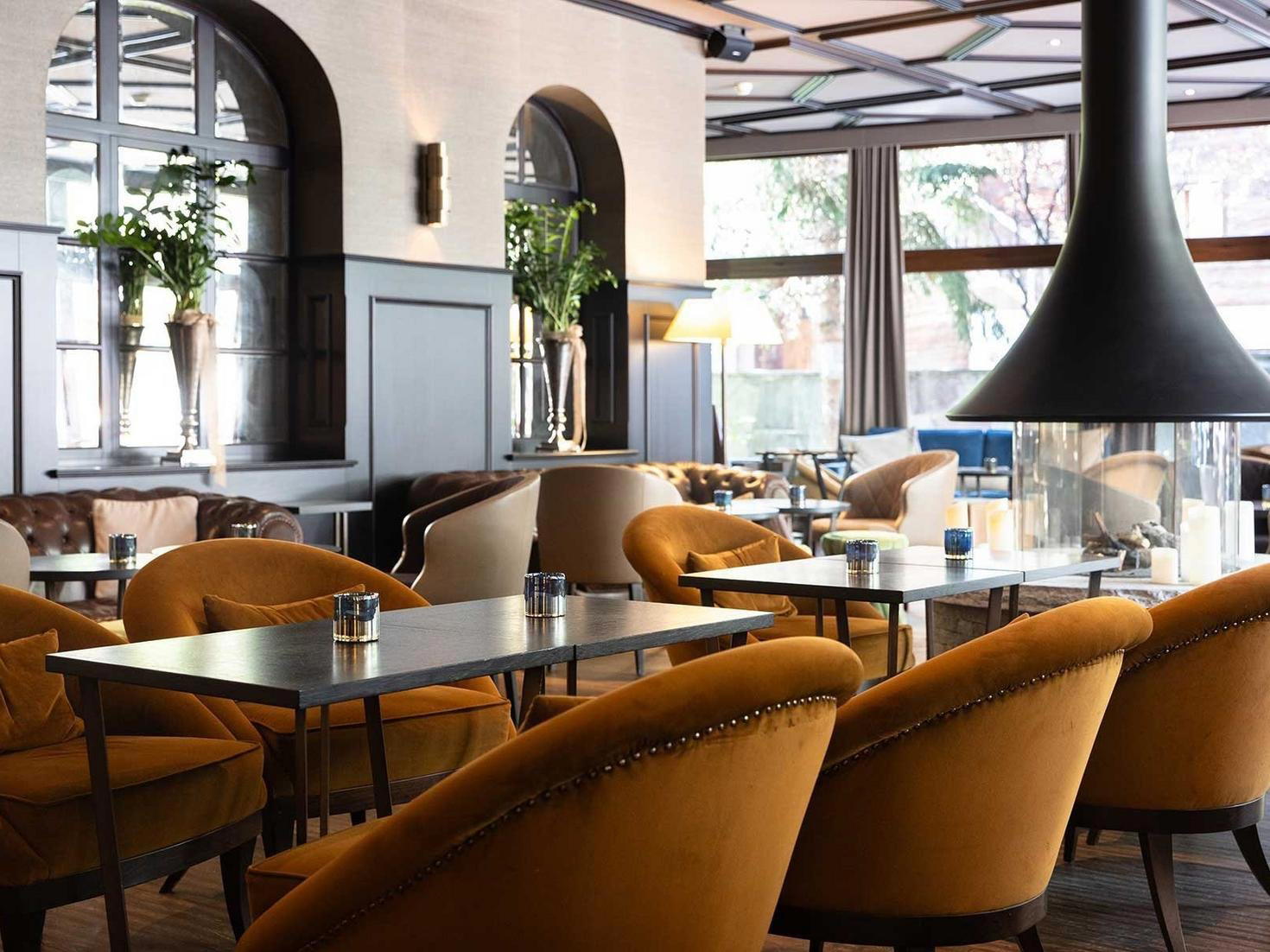
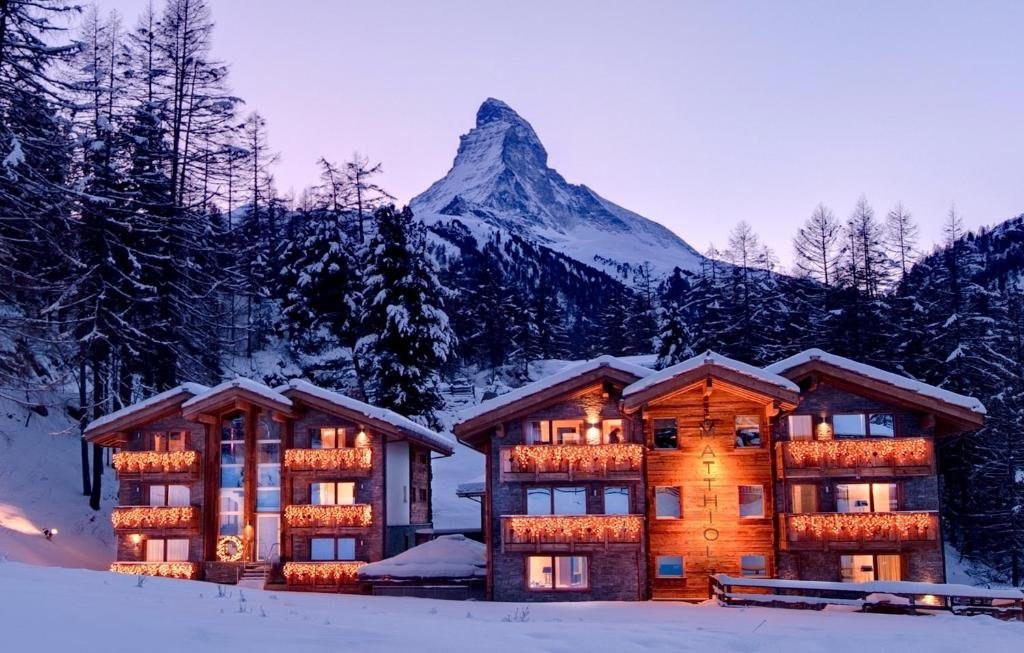
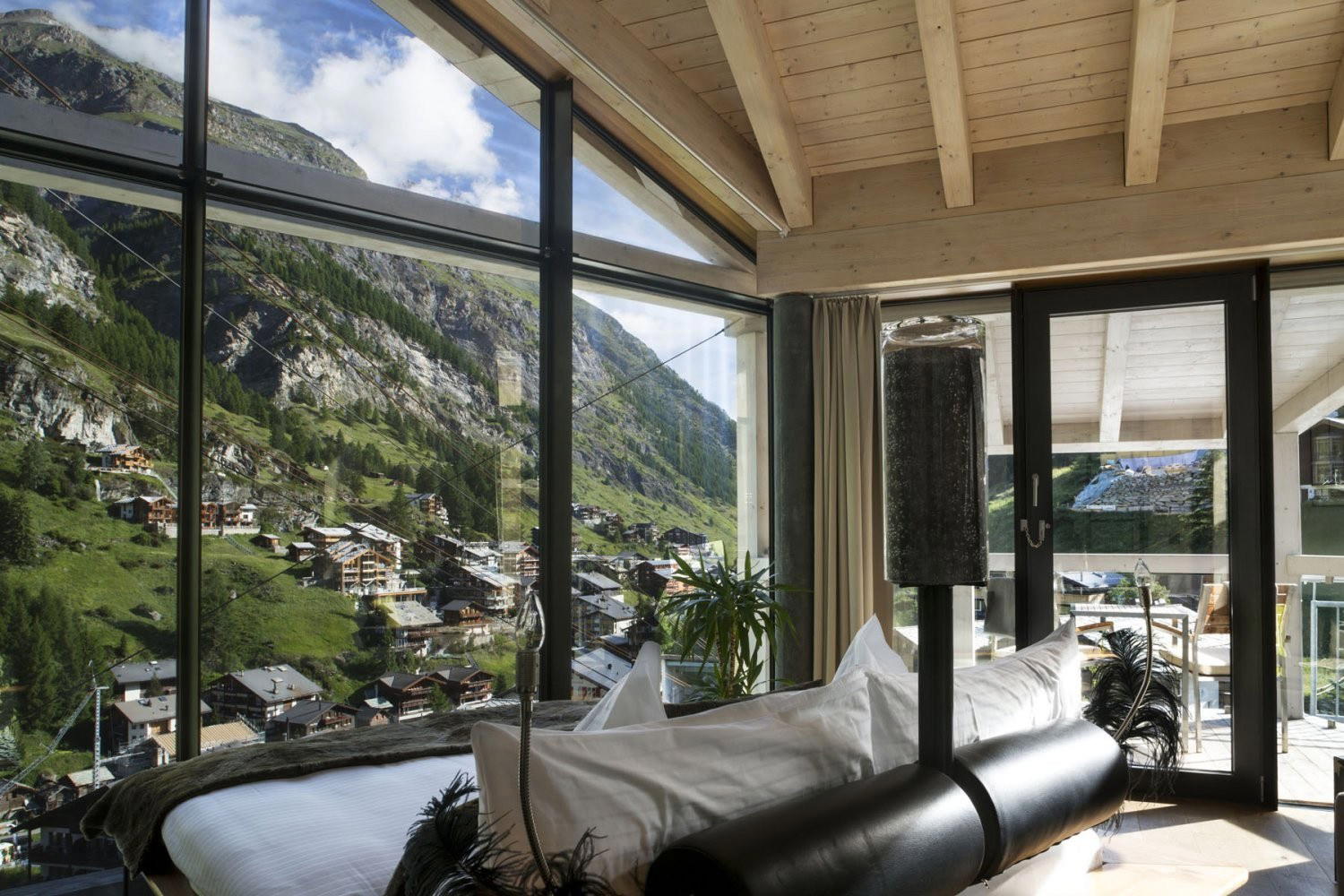
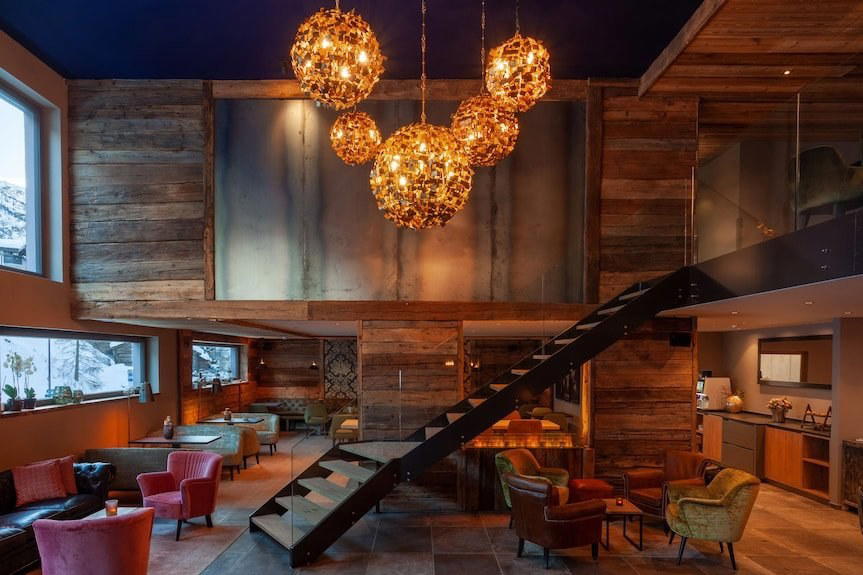
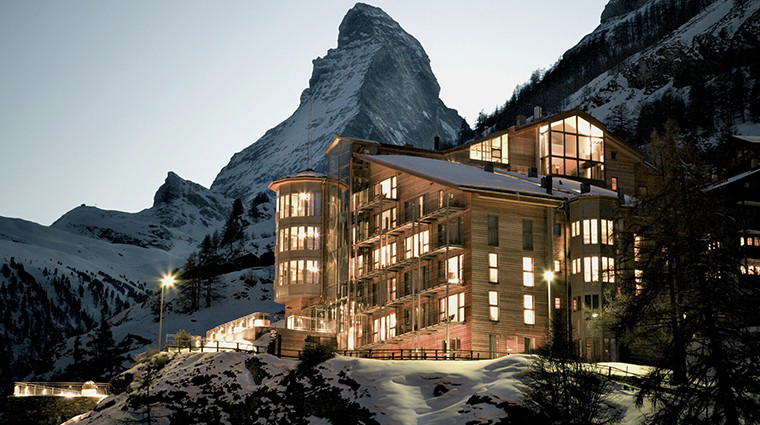
The dining room at the restaurant is housed within Rosa Alpina, a hotel in San Cassiano's small centre. The physical context is alpine in register: natural materials, a scale suited to the mountain environment, and a position that makes the Dolomites present rather than decorative. The town itself is reachable by road through the Alta Badia valley, and the surrounding area offers skiing in winter and hiking and cycling in summer, which shapes the restaurant's visitor profile significantly. Most guests are staying in the valley for several days rather than arriving solely to eat.
Seasonal split matters for how you should plan a visit. Winter brings the ski season crowds, and the dining room will be fuller with a clientele that combines serious skiers and dedicated food travellers. Summer and autumn offer a different valley: quieter, cooler, with the high pastures accessible on foot and the alpine ingredient story at its most tangible. Advance booking is advisable in either season, and the remoteness of San Cassiano means that a visit logically anchors at least a two-night stay in the valley.
How St. Hubertus Sits in Its comparable set
Among Italy's progressive Italian addresses, the restaurant belongs to the group that prioritises sourcing coherence over technical spectacle. This places it in a different conversation from Enoteca Pinchiorri in Florence, where the wine programme and French-Italian technical tradition define the experience, or from Uliassi in Senigallia, where the Adriatic coastline provides an analogous local specificity but through a marine rather than alpine lens. Quattro Passi in Marina del Cantone and Casa Vissani in Baschi represent further points on the Italian fine dining map where geography shapes the cooking logic directly.
What distinguishes the alpine bracket is the particular severity of the constraint. Mediterranean and coastal kitchens work with seasonal limitation but rarely with the altitude-imposed narrowing of the Dolomites. Casa Maria Luigia in Modena offers a comparison case where the Emilian plain provides a different kind of terroir-driven abundance. The alpine model is more austere, and the restaurant has made that austerity its signature rather than a limitation to work around.
The Cocun Cellar Restaurant in San Cassiano represents another local address worth considering for those building a multi-day visit around serious eating.
Planning Your Visit
The restaurant is located at Via Piolet 5A within the Rosa Alpina hotel in San Cassiano, Alta Badia. The address is a deliberate destination: San Cassiano has no railway connection and the drive from either direction through the Dolomite passes is scenic but time-consuming. Booking is essential, and the tasting menu is priced at about $540 per person.
A Pricing-First Comparison
Comparable venues nearby, for context on price, style, and recognition.
| Venue | Cuisine | Price | Awards | Notes |
|---|---|---|---|---|
| St. HubertusThis venue — the venue you are viewing | Progressive Italian | $$$$ | World's 50 Best #29 | Not listed |
| Cocun Cellar Restaurant | San Cassiano, South Tyrolean Fine Dining | $$$$ | Michelin Plate | Not listed |
| Locanda Sant'Uffizio Enrico Bartolini | Not listed | $$$$ | Michelin 2 Star | Cioccaro di Penango, Modern Piedmontese Fine Dining |
| Del Cambio | Not listed | $$$$ | Michelin 1 Star | Piazza Carignano, Modern Piedmontese Fine Dining |
| All'Enoteca | Canale, Piedmontese Contemporary | $$$$ | Michelin 1 Star | Not listed |
| Acquerello | Not listed | $$$$ | Michelin 1 Star | Fagnano Olona, Modern Italian Fine Dining |
Recognition history
Dated appearances from independent guides and award organizations, with the underlying list record or original source where available.
World's 50 Best Best Restaurants #29
World's 50 Best
Continue exploring
More in San Cassiano
Restaurants in San Cassiano
Browse all →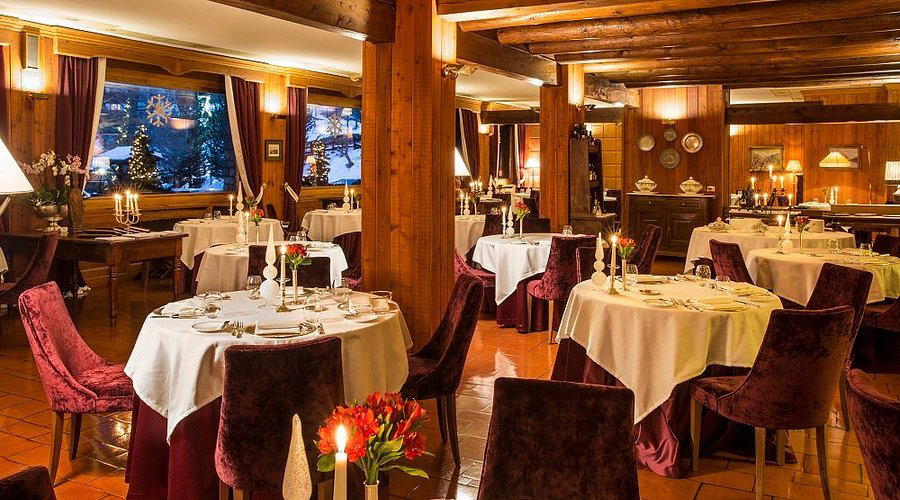
Bars in San Cassiano
Browse all →
Hotels in San Cassiano
Browse all →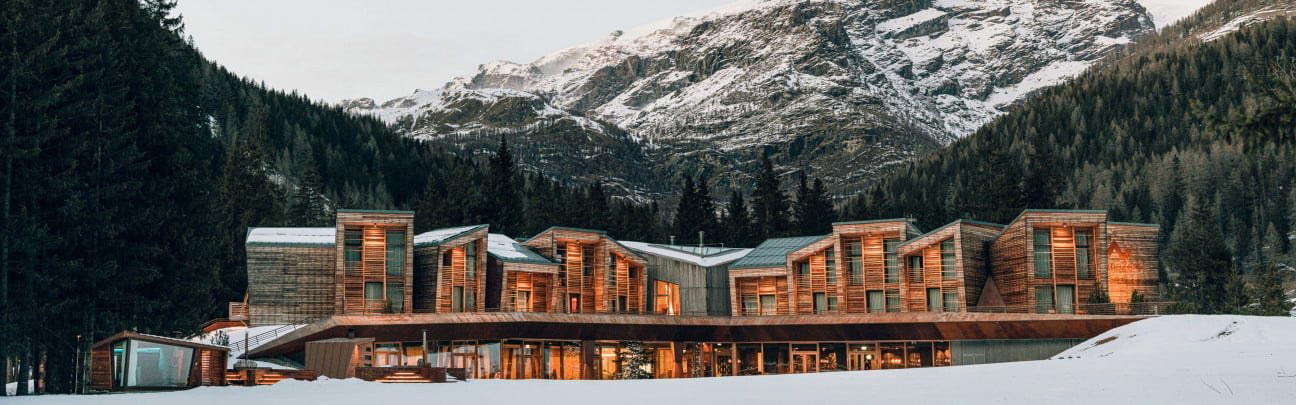

At a Glance
- Elegant
- Rustic
- Intimate
- Scenic
- Sophisticated
- Special Occasion
- Celebration
- Date Night
- Open Kitchen
- Hotel Restaurant
- Panoramic View
- Historic Building
- Chefs Counter
- Sommelier Led
- Local Sourcing
- Farm To Table
- Organic
- Mountain
Current opening hours
- Monday
- 12–2 PM, 7–9 PM
- Tuesday
- 12–2 PM, 7–9 PM
- Wednesday
- 12–2 PM, 7–9 PM
- Thursday
- 12–2 PM, 7–9 PM
- Friday
- 12–2 PM, 7–9 PM
- Saturday
- 12–2 PM, 7–9 PM
- Sunday
- 12–2 PM, 7–9 PM
Hours can change for holidays and private events. Last verified .
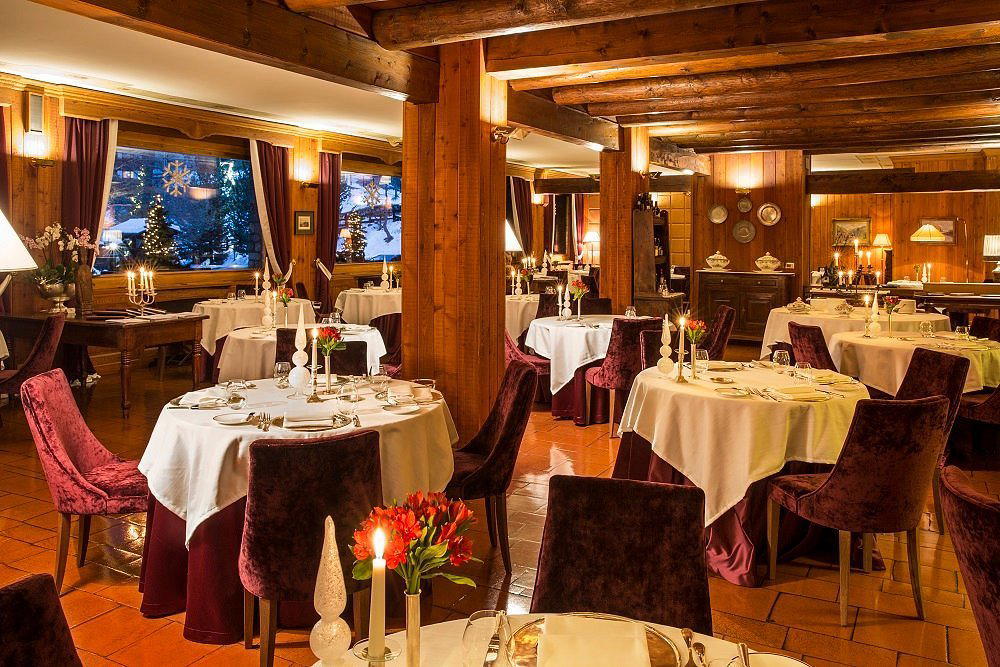
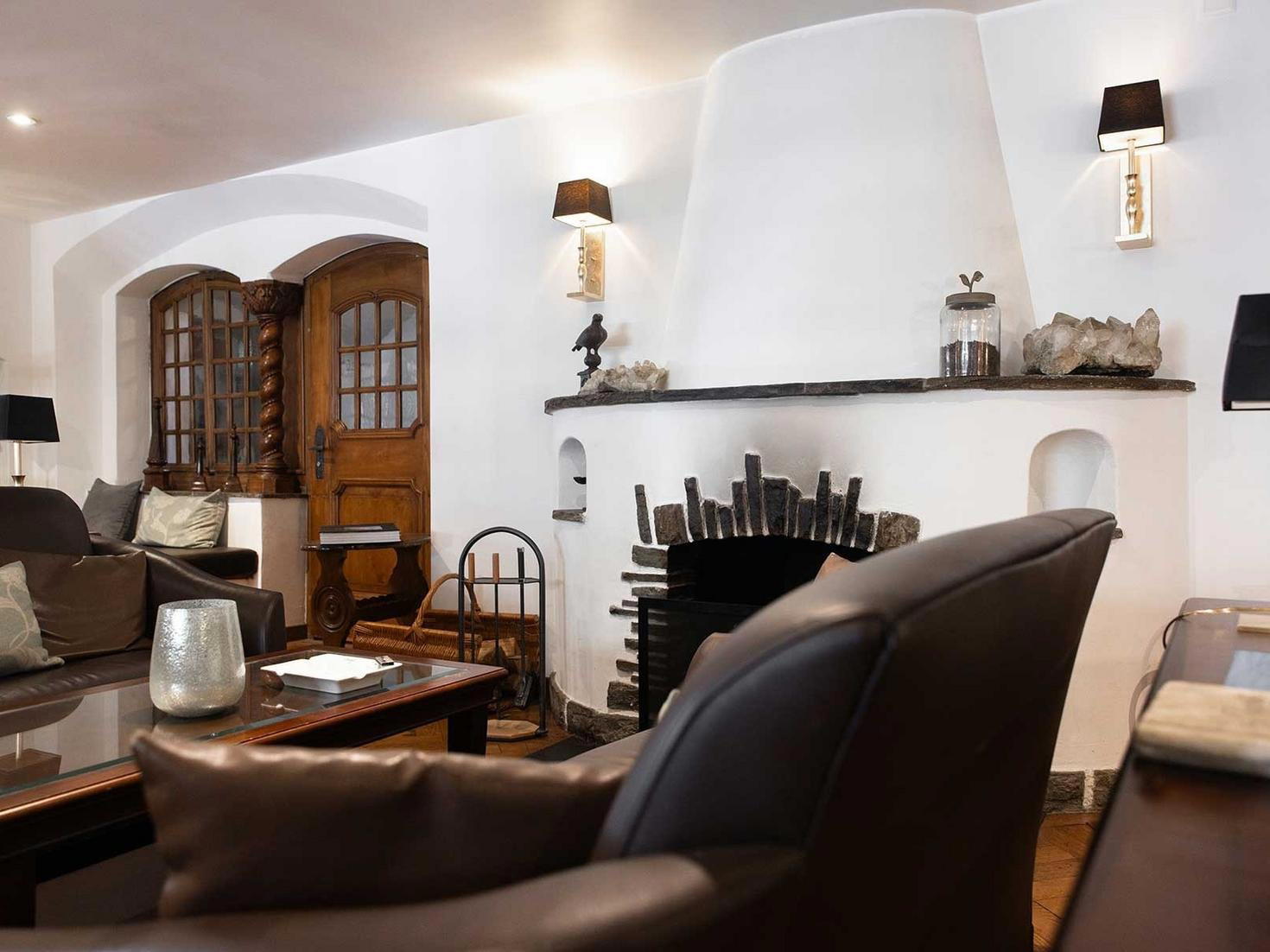
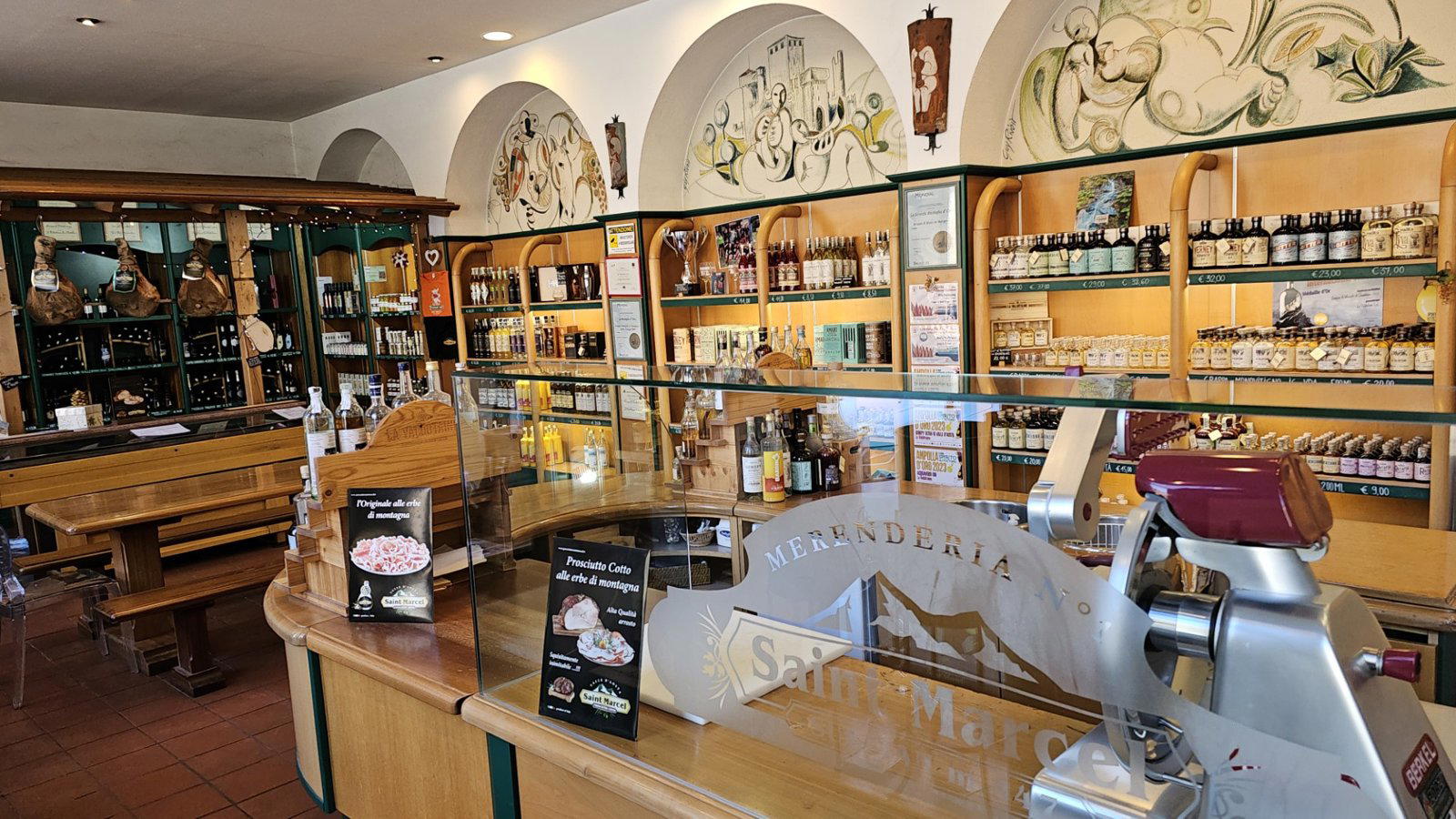
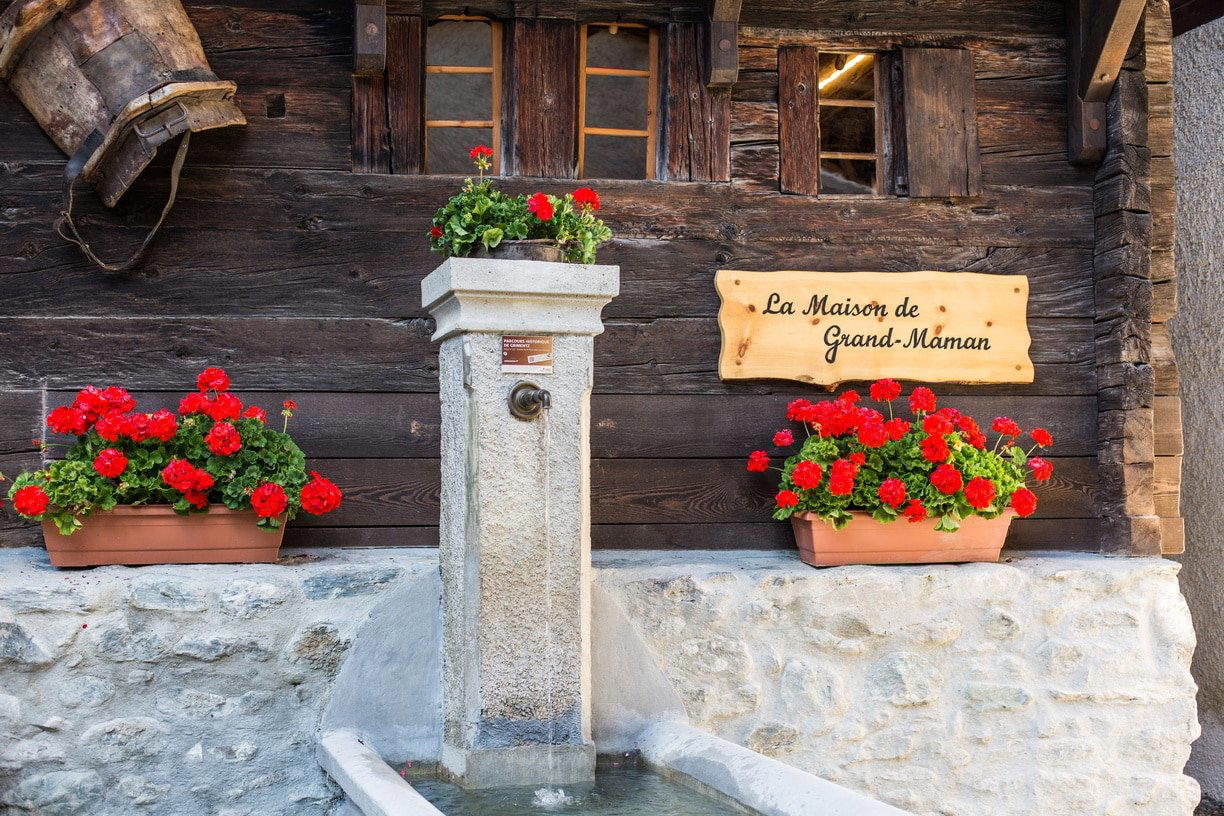
Modern rustic mountain cabin with simple wooden tables, pine wood-paneled walls, deer antlers, and an open fireplace; intimate nine-table dining room with crisp white tablecloths offering timeless alpine charm.