Tabelog 100 #24
Our verdict
MAROLOGA Bhavan belongs to Tokyo’s compact, specialist end of Indian and curry dining: a seven-seat counter in Arai, Nakano, recognised in Tabelog’s Asian and Ethnic Tokyo 100 selection for 2023 and 2024. Its interest lies less in scale than in the city’s ongoing shift toward small-format regional cooking, where a low-key room can carry serious critical weight.

Pearl is the En Primeur Club membership app, where members save venues, book tables and use the concierge.
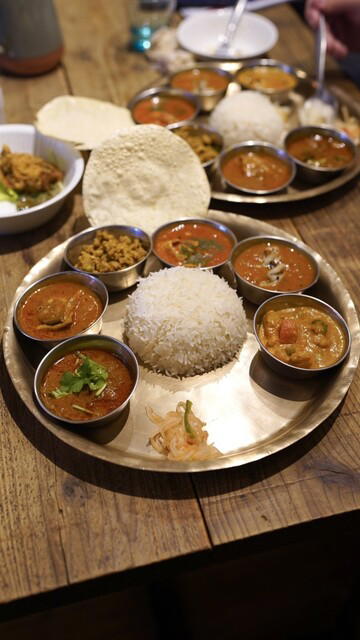
Approaching MAROLOGA Bhavan in Tokyo feels less like a dining capital performing for visitors than a city at work: local streets, small storefronts, short walks, and restaurants tied to neighbourhood scale. MAROLOGA Bhavan fits that grammar. It sits among Tokyo’s small restaurants, where proximity, rhythm, and a focused proposition shape the experience as much as cooking.
The format matters because Tokyo’s Indian and curry scene is not limited to inexpensive lunch sets or formal hotel dining. Its more interesting tier includes smaller, more personal restaurants where pacing, portioning, and everyday accessibility are part of the appeal. Categorised as Indian, Indian curry, and baru-style dining, MAROLOGA Bhavan sits inside that evolution. The point is not spectacle, but how a focused room can carry serious kitchen pressure without fine dining’s price structure or choreography.
A compact room inside Tokyo's new Indian-curry seriousness
Tokyo has always been a layered curry city: Japanese curry houses, spice-curry specialists, South Asian-influenced kitchens, neighbourhood restaurants, and hybrid drinking rooms occupy different lanes. A strong recent thread is independent restaurants treating spice as a precise vocabulary, not a generic heat scale. That is MAROLOGA Bhavan’s competitive context. Its Tabelog score of 3.69 and selection for Tabelog’s Asian cuisine and Ethnic cuisine Tokyo 100 in 2024 place it among the city’s recognised non-Japanese specialist restaurants.
The Tabelog 100 signal matters because the category is crowded and uneven. Tokyo offers curry at nearly every price and ambition level, from low-cost lunch counters to more planned dinner rooms. A Tokyo operation making the Asian and Ethnic Tokyo list reflects the scene’s direction: serious attention is no longer confined to expensive formats. Tokyo is not only shorthand for luxury dining, which is part of the point. The city’s culinary strength often appears in places rewarding targeted travel over casual wandering.
Tokyo’s framing of Indian food has shifted. Older categories often flattened the cuisine into “curry” for accessibility; newer specialist rooms ask diners to accept nuance through spice structure, rice formats, drinking compatibility, or set-style pacing. MAROLOGA Bhavan’s categories, including Indian, Indian curry, and baru-style dining, suggest a proposition beyond lunch curry utility, even with pricing accessible by Tokyo standards. The format belongs to the same city that supports ramen queues, sushi counters, standing bars, and focused tasting menus: small rooms with clear propositions survive because locals understand format as value.
Reinvention at neighbourhood scale
MAROLOGA Bhavan reads as part of a generation of compact Tokyo rooms refined through operation rather than grand design. In this kind of setting, flexibility matters: service rhythm, changing customer flows, communication with regulars, and the ability to make a clear proposition without relying on spectacle. The appeal is less a polished origin story than the discipline of a small restaurant finding its audience.
The evolution explains why recognition feels tied to discipline rather than scale. A small room cannot hide weak focus behind décor, volume, or an overextended identity; each service must be legible. In Tokyo, this can be an advantage. Compact dining compresses the relationship between kitchen, timing, and diner: mistakes become visible, but so does control. That culture translates across categories here, from sushi and yakitori to curry and spice-led cooking. The room’s scale turns the meal into a close-range reading of the kitchen’s choices.
For travellers, the editorial decision is clear: this is not the place for a broad survey of Tokyo Indian dining in one sitting. It is the place to understand how far the city’s specialist curry conversation has moved from generic comfort food. The comparison is not banquet-scale Indian restaurants or hotel dining rooms, but Tokyo’s other narrow-format specialists, where value lies in concentration. A meal here belongs with the city’s broader small-room culture, not in a separate ethnic-dining compartment.
How to place it within a Tokyo eating itinerary
Tokyo gives the restaurant a rhythm distinct from the city’s most polished visitor-facing dining zones. The city rewards diners who build routes around specific restaurants rather than expecting a single showcase district. MAROLOGA Bhavan is strong for travellers already interested in small-format Tokyo dining, where independent food culture can feel less packaged. The city context matters: this is a planned detour, not a casual hotel-lobby recommendation.
Pricing is accessible for a restaurant with list recognition: lunch is recorded up to JPY 999, while dinner sits around JPY 2,000 to JPY 2,999. That gap between recognition and cost is why Tokyo remains rewarding for food-focused travellers. Critical attention does not always require luxury spend, and mid- and low-price categories often carry more local energy than visitor-oriented rooms. The experience remains small-scale, and the value lies in focus rather than luxury signalling.
Planning should shape expectations. Tokyo’s small restaurants often reward early timing, patience, and a deliberate schedule; dinner planning can still depend on the realities of a compact room. MAROLOGA Bhavan suits a focused itinerary more than a spontaneous final-night fallback, especially for travellers trying to understand how specialist curry and Indian dining function inside Tokyo’s wider food culture.
For a wider reading of Tokyo dining, place this stop near category-specific choices rather than broad “where to eat” lists. EP Club’s Tokyo coverage ranges from curry and casual specialist rooms to format-driven addresses across the city. The broader city index helps map the decision against Our full Tokyo restaurants guide, while complete-trip planning can cross-check Our full Tokyo hotels guide, Our full Tokyo bars guide, Our full Tokyo wineries guide, and Our full Tokyo experiences guide.
Within Japan’s broader dining map, the address belongs to a national pattern: small-format specialists outside obvious luxury circuits earning attention through focus. Comparable itinerary logic might connect MAROLOGA Bhavan with other compact, category-specific dining in Tokyo and beyond. For readers tracking Japanese food culture more broadly, the point is how focused formats travel and adapt. MAROLOGA Bhavan’s place is precise: a small Tokyo restaurant where Indian curry is treated as serious urban craft, not a side category.
Frequently asked questions
What should I expect atmosphere-wise at MAROLOGA Bhavan?
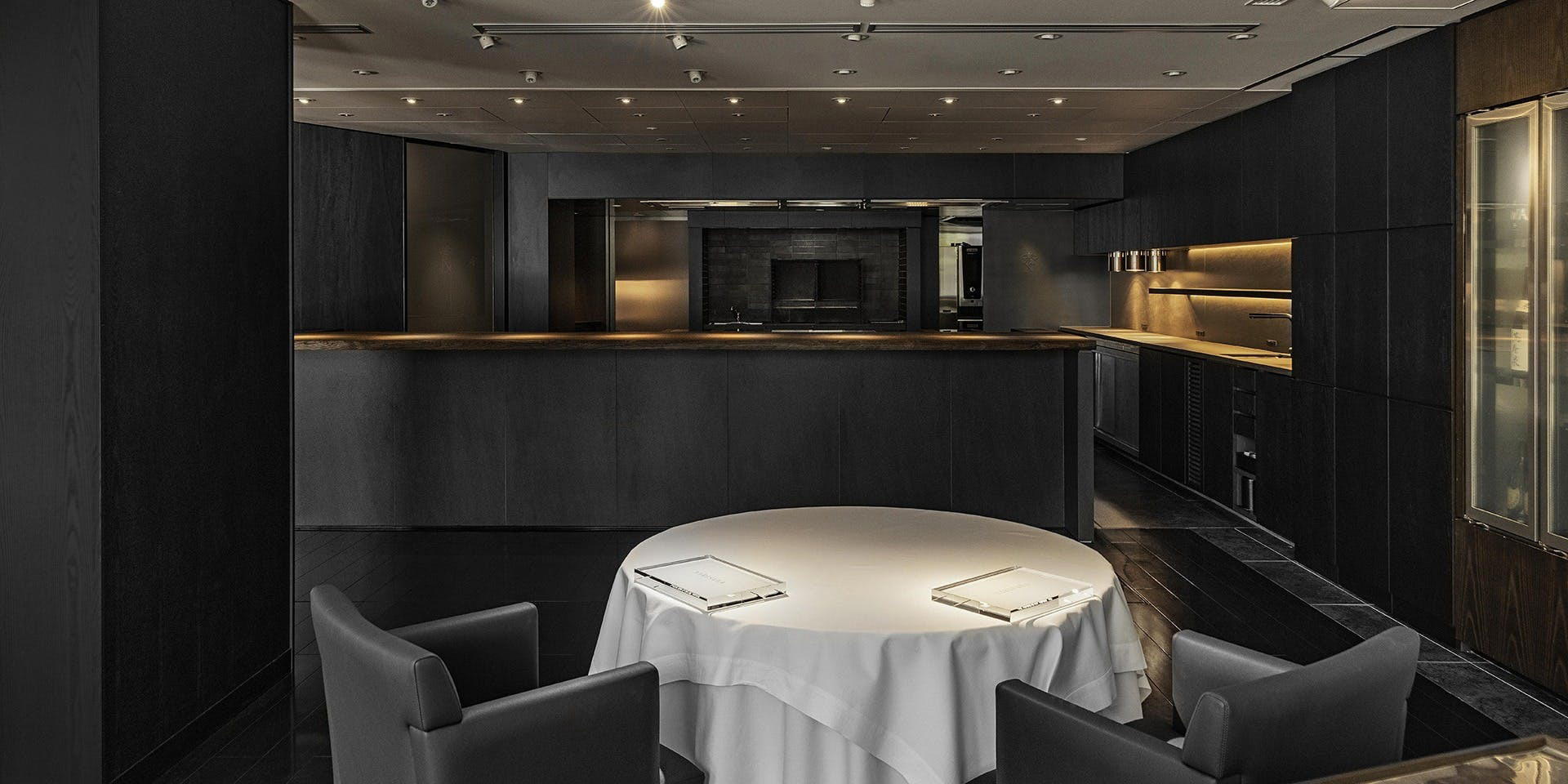
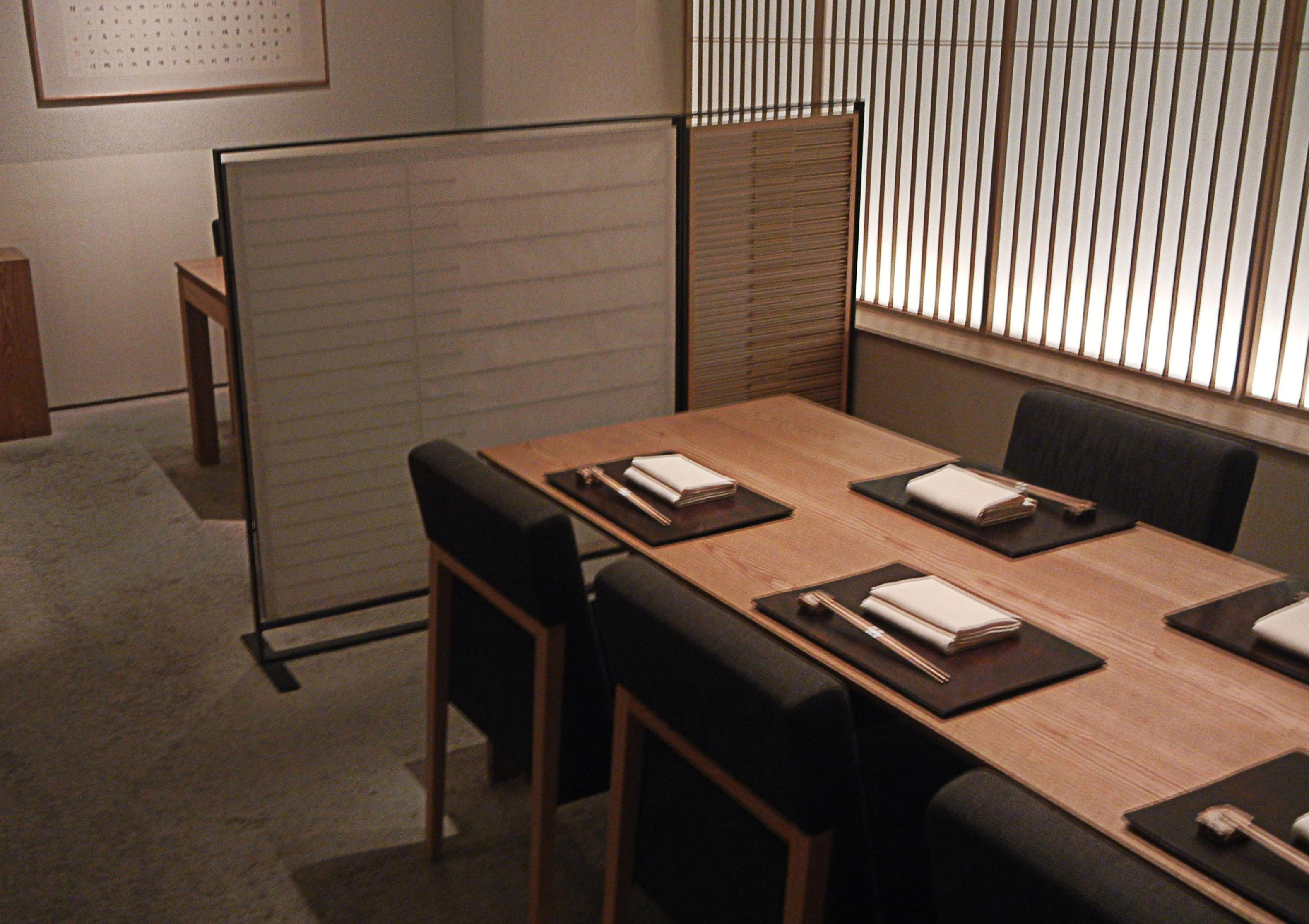
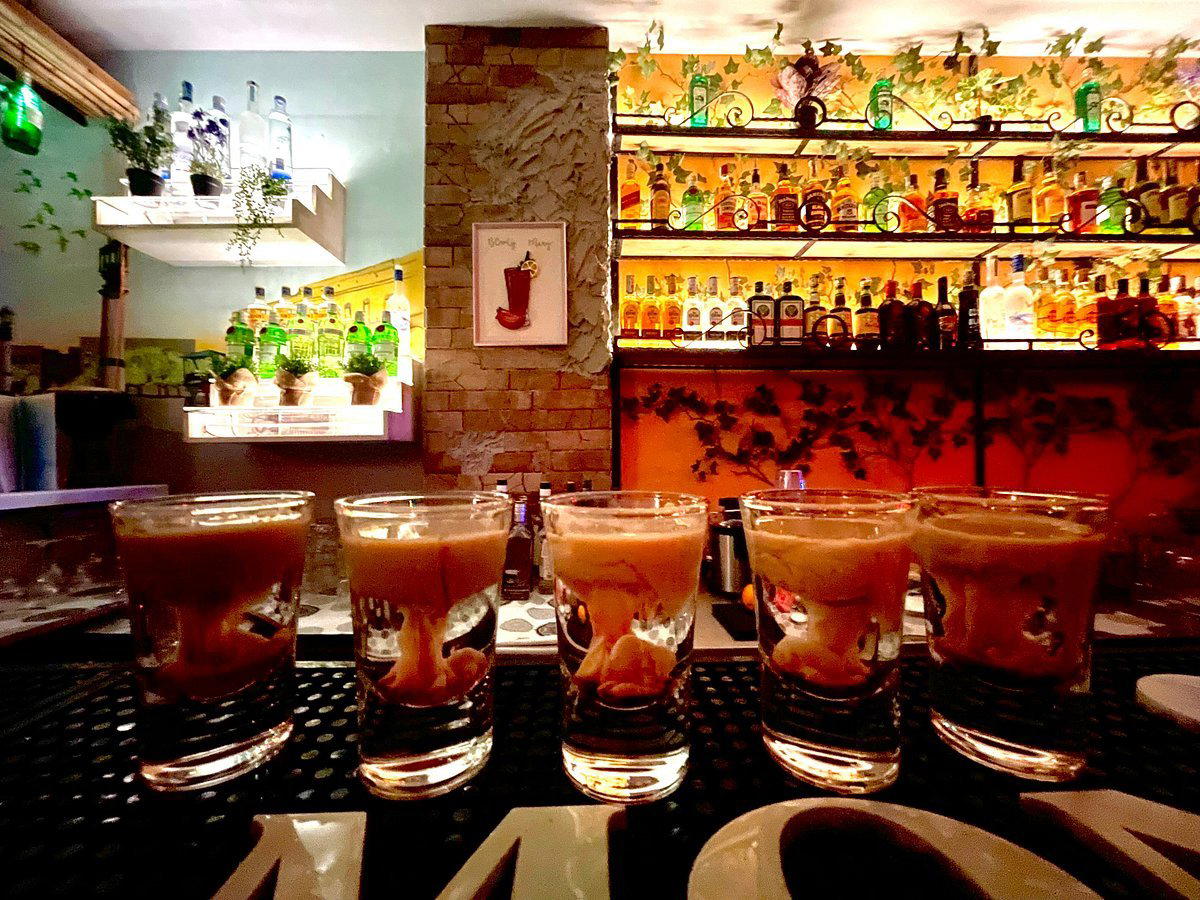
Expect a compact Tokyo restaurant with a tight, focused feel. The appeal is the small-scale format and its concentration on Indian, Indian curry, and baru-style dining.
Where is MAROLOGA Bhavan located?
Tokyo.
What should I budget for a meal at MAROLOGA Bhavan?
Pricing at MAROLOGA Bhavan is listed as dinner JPY 2,000 - JPY 2,999 and lunch up to JPY 999.
What time does MAROLOGA Bhavan open and close?
Check MAROLOGA Bhavan directly for current opening hours before going.
What do critics highlight about MAROLOGA Bhavan?
The main signal is the Tabelog 100 selection for Asian cuisine / ethnic cuisine in Tokyo for 2024, alongside a Tabelog score of 3.69 and the mix of Indian, Indian curry, and Baru (Spanish style bar) categories.
Is MAROLOGA Bhavan good for vegetarians?
MAROLOGA Bhavan is categorised as Indian, Indian curry, and Baru (Spanish style bar), but vegetarian suitability should be checked directly. Use the website at http://marologa.mystrikingly.com/ or call +81-80-8150-3523 before going.
Budget and Context
Comparable venues by cuisine and category.
| Venue | Cuisine | Price | Awards | Notes |
|---|---|---|---|---|
| MAROLOGA BhavanThis venue (the venue you are viewing) | Indian Curry House with Spice-Driven Drinks | Not listed | Tabelog 100 #24 | Not listed |
| Rahi Punjabi Kitchen | Traditional Pakistani & North Indian Curry House | $20–30 | Tabelog 100 #59 | Suginami, Traditional Pakistani & North Indian Curry House |
| Tandoor Bar Kamalpur Kiba ten | Creative Indian Tandoor Bar | $20–30 | Tabelog 100 #71 | Kōtō, Creative Indian Tandoor Bar |
| MarieIranganee | Sri Lankan Curry | $20–30 | Tabelog 100 #69 | Shibuya, Sri Lankan Curry |
| Andhra Dining GINZA Ginza | Traditional South Indian Andhra cuisine | $20–30 | Tabelog 100 #44 | Chūō, Traditional South Indian Andhra cuisine |
| Spice Bazaar Achakana | Indian-based spice bar & curry house | $20–30 | Tabelog 100 #83 | Shinjuku, Indian-based spice bar & curry house |
Recognition history
Dated appearances from independent guides and award organizations, with the underlying list record or original source where available.
Tabelog 100 #24 · No. 24
Tabelog · Tabelog 100 - Asian cuisine / Ethnic cuisine - TOKYO - 2024