Our verdict
The proposition sits at the intersection of Californian technique and Shanghai's own ingredient culture, in a city where imported culinary formats are routinely tested against serious local competition.

Pearl is the En Primeur Club membership app, where members save venues, book tables and use the concierge.
The menu
What to order
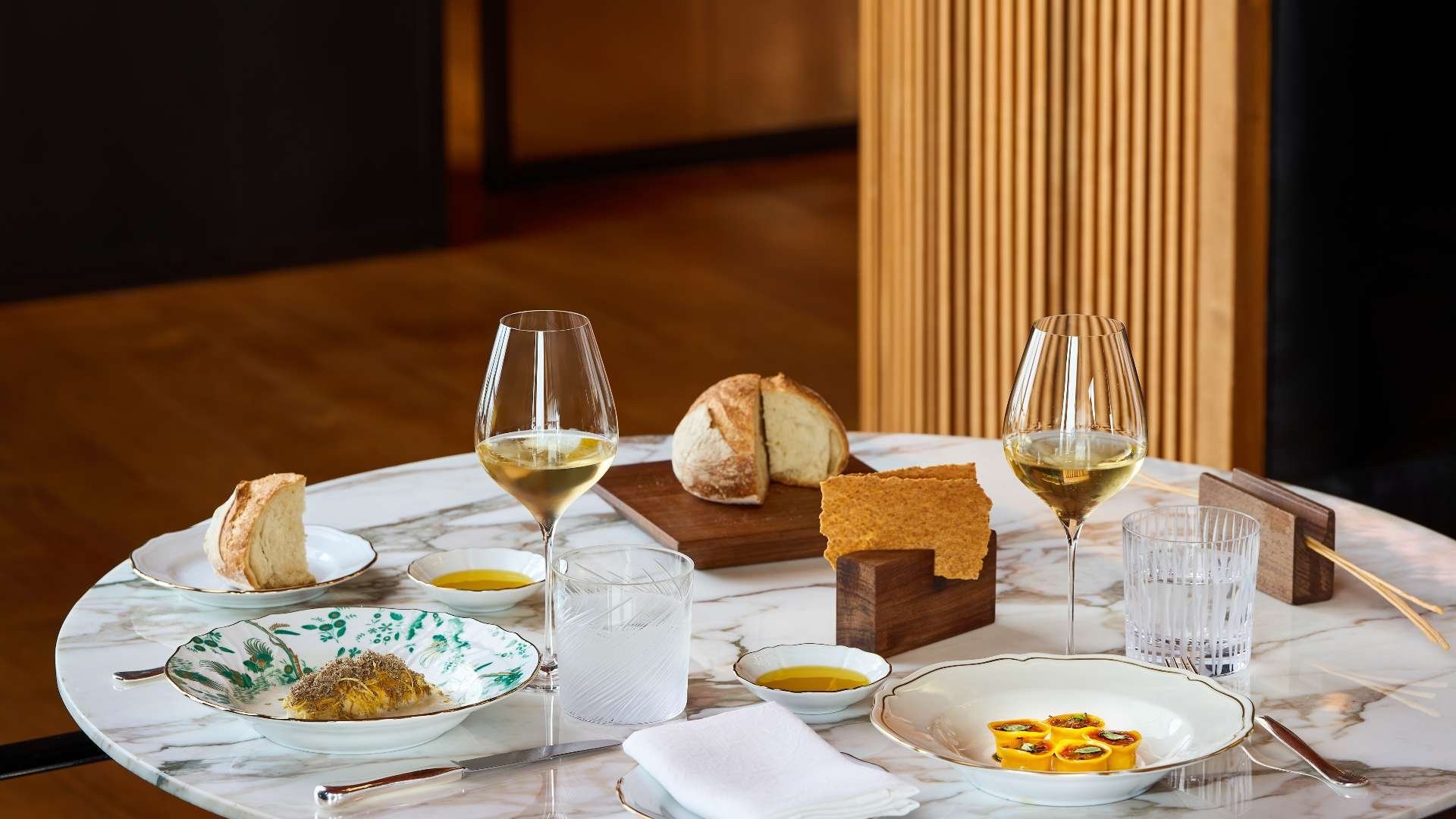
- Smoked Salmon Pizza
- Broiled Miso Marinated Cod
- Roasted Pumpkin Agnolotti
That domestic scene is worth understanding before discussing what an imported Californian format brings to the table. Shanghai's upper tier now includes venues such as Taian Table, which has earned serious international recognition for its approach to modern European cooking with local sourcing, and Fu He Hui, which has demonstrated that a vegetarian tasting menu built on Chinese botanical ingredients can compete at the highest price tier. Cantonese precision is represented by operators including 102 House, and regional Chinese cooking has found a serious advocate in Xin Rong Ji on West Nanjing Road. Against this, SPAGO's competitive position is specific: it represents the Californian fine dining tradition, with its emphasis on open kitchens, produce-forward cooking, and a relaxed but technically grounded service style that differs meaningfully from French-derived formality.
The California-to-Shanghai Translation
The editorial angle that matters most at a venue like this is not the brand heritage in Beverly Hills or Las Vegas, but what the format actually becomes when it operates in a city with Shanghai's ingredient ecology. California cuisine, in its original formulation, was built on the premise that local produce, handled with technique drawn from European and Asian traditions, could generate a cuisine greater than the sum of its influences.
The question for any international fine dining operation in this position is how deeply that local ingredient logic is actually applied. Shanghai diners at this price tier have become sophisticated readers of sourcing claims, and the city's own Chinese fine dining operators, including those drawing on Taizhou cooking traditions and Cantonese technique, have set a high bar for what ingredient-focused cooking looks like when the chef has genuine biographical connection to the supply chain. Comparable international formats in the city, such as 8 1/2 Otto e Mezzo Bombana, have navigated this by leaning into Italian-sourced premium product alongside local seafood, carving a niche that is recognisably Italian rather than attempting a hybrid identity. SPAGO's Californian DNA, with its structurally permissive approach to cross-cultural influence, gives it at least the theoretical flexibility to engage local ingredients more directly.
Huangpu in Season
Huangpu dining calendar has two moments that sharpen what a restaurant at this address can offer. A fine dining operation with a produce-forward Californian orientation has more to work with in this window than at almost any other time of year. Winter narrows the ingredient palette considerably but brings its own logic: strong braised preparations, aged proteins, and the warming dishes that Shanghai diners gravitate toward when the Huangpu cold settles in. Spring, when bamboo shoots and early greens emerge, offers a second moment of seasonal interest. Any visit planned specifically to test the local-ingredients thesis is leading timed to the autumn window.
For visitors who want a broader Shanghai itinerary around a meal here, the EP Club guides cover the full picture: our full Shanghai restaurants guide maps the dining scene from Jing'an to Xintiandi, while our full Shanghai hotels guide, our full Shanghai bars guide, and our full Shanghai experiences guide cover the rest. For those planning a wider China itinerary around serious dining, comparable formal restaurants in the region include Chef Tam's Seasons in Macau, Ru Yuan in Hangzhou, and Imperial Treasure Fine Chinese Cuisine in Guangzhou. For those comparing the SPAGO brand across different global contexts, the conversation about how an American fine dining format adapts to local food cultures is one that stretches from Le Bernardin in New York City to Emeril's in New Orleans, where imported technique and regional ingredient identity have also been in long negotiation. Given the restaurant's position in the Huangpu corridor, where dinner reservations at the upper tier regularly book out days or weeks in advance, confirming a table before arrival is the practical default rather than the exception. Visitors expecting walk-in availability at a venue in this category and at this address, particularly on weekend evenings or during the peak autumn season, are likely to be disappointed. The venue sits within a broader Huangpu cluster that includes several of the city's most competitive reservations, so building dining plans around confirmed bookings rather than spontaneous decisions is consistent with how this district operates. Those exploring the EP Club Shanghai wineries guide alongside their dining itinerary will find that pairing decisions here, as at most international fine dining formats in the city, tend toward French and New World bottles rather than the still-nascent Chinese wine roster.
Frequently asked questions
Can I bring kids to SPAGO Shanghai?
SPAGO as a format has historically accommodated families at its international locations, and the Jiu Jiang Lu address in Huangpu sits in a central, accessible part of the city rather than an exclusively adult dining enclave. That said, the room and pace at a venue of this calibre tend to suit older children more naturally than young ones. check the venue's official channels to confirm any specific arrangements before booking.
How would you describe the vibe at SPAGO Shanghai?
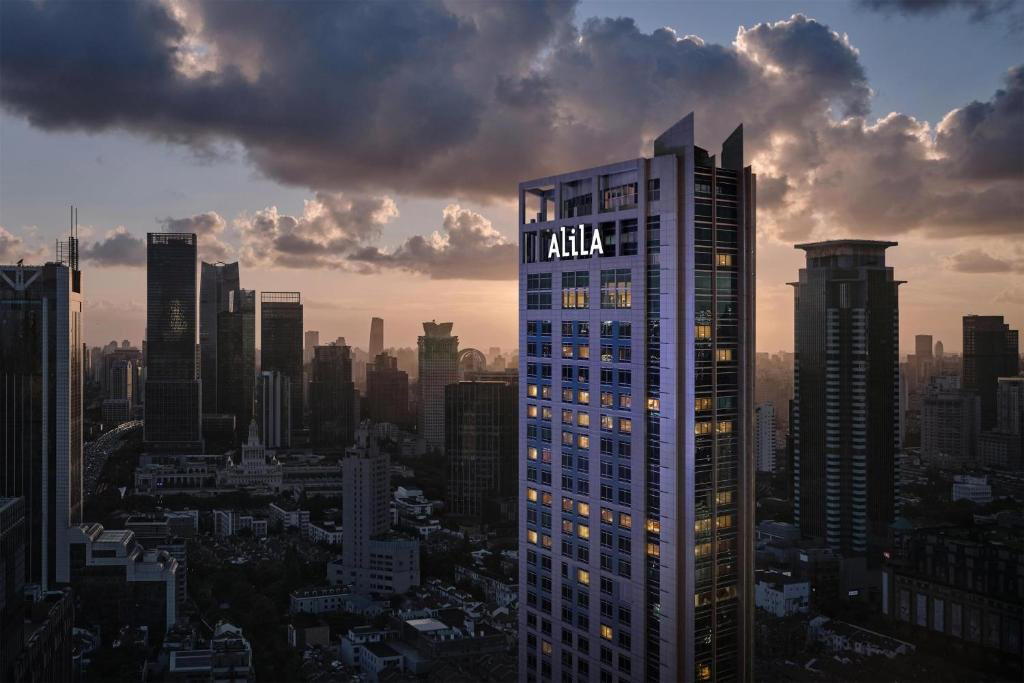
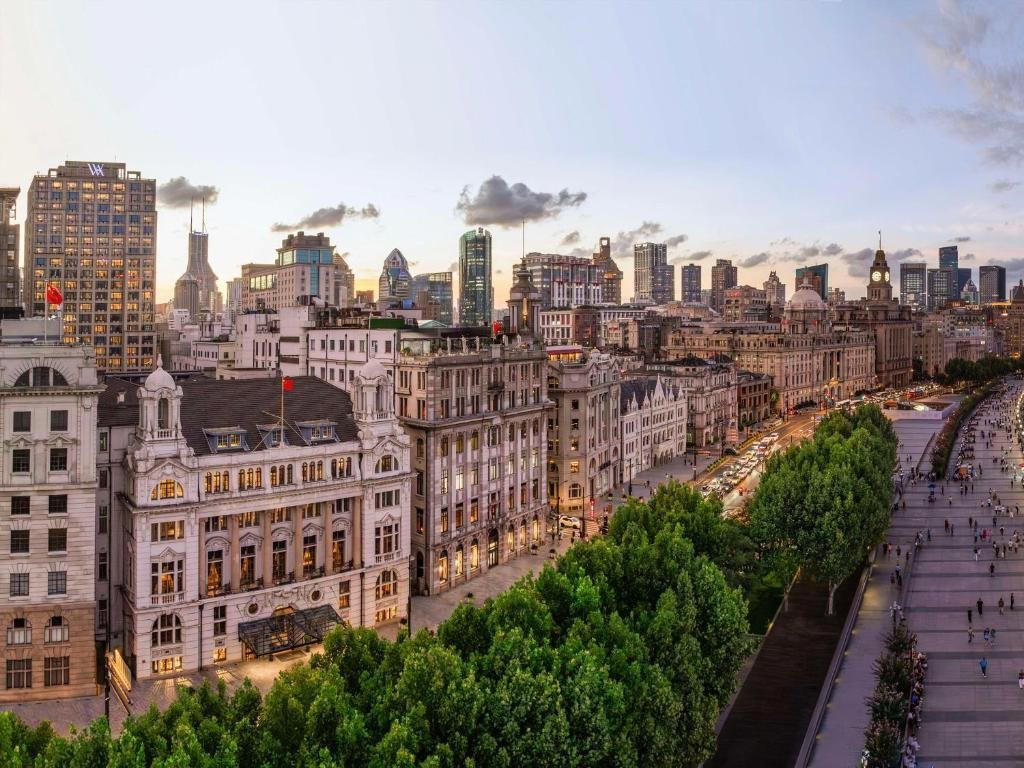
The Huangpu address places SPAGO between the Bund's high-energy corridor and the commercial density around People's Square, which sets a particular tone before you walk in. Inside, the SPAGO format globally runs toward animated, socially oriented dining rooms rather than hushed tasting-menu spaces. Expect a room where conversation competes with the energy, not silence.
How does SPAGO Shanghai differ from other SPAGO locations globally?
The Shanghai outpost sits in Huangpu at 555 Jiu Jiang Lu, placing it within one of China's most demanding and internationally scrutinised dining districts rather than a hotel enclave or resort strip. Unlike SPAGO locations embedded in Las Vegas or Beverly Hills hotel properties, the Jiu Jiang Lu address requires the format to hold its own against a dense local and international restaurant field with no captive audience. That competitive context shapes what the kitchen needs to deliver to sustain relevance in Shanghai specifically.
What's the must-try dish at SPAGO Shanghai?
What the SPAGO format is historically built around is California-inflected cooking with significant Asian ingredient influence, which at the Shanghai location likely takes on additional local dimension. Check the current menu directly with the restaurant.
What's the address for SPAGO Shanghai?
SPAGO Shanghai is located at 555 Jiu Jiang Lu, Huang Pu Qu, China, 200002, Shanghai.
Can I walk in to SPAGO Shanghai?
At a venue of this address and format on Jiu Jiang Lu in Huangpu, walk-in availability is plausible at off-peak hours but unreliable on weekends or during Shanghai's autumn and spring dining seasons when the central corridor fills quickly. A reservation is the safer approach, particularly for dinner. Reach out directly to confirm same-day availability.
Comparable Options
A quick peer list to put this venue’s basics in context.
| Venue | Cuisine | Price | Awards | Notes |
|---|---|---|---|---|
| SPAGO ShanghaiThis venue (the venue you are viewing) | California-Inspired Fusion Fine Dining | $100–150 | Not listed | Not listed |
| Fu He Hui | Modern Seasonal Vegetarian Fine Dining | $200–300 | 2 Michelin Stars · World's 50 Best #62 | Vegetarian |
| Ming Court | Cantonese with Shanghainese Influences | $30–50 | 1 Michelin Star · Black Pearl 1 Diamond | Cantonese |
| Polux | French Bistro | $30–50 | Michelin Bib Gourmand | French |
| Royal China Club | Cantonese Dim Sum | $100–150 | Michelin Plate · The Good Food Guide GFG Good | Chinese, Cantonese |
| Scarpetta | Refined Italian Pasta & Pizza | $50–100 | Michelin Plate · Wine Spectator Best of Award of Excellence | Italian |
Continue exploring
More in Shanghai
Restaurants in Shanghai
All restaurants in Shanghai →
Bars in Shanghai
All bars in Shanghai →
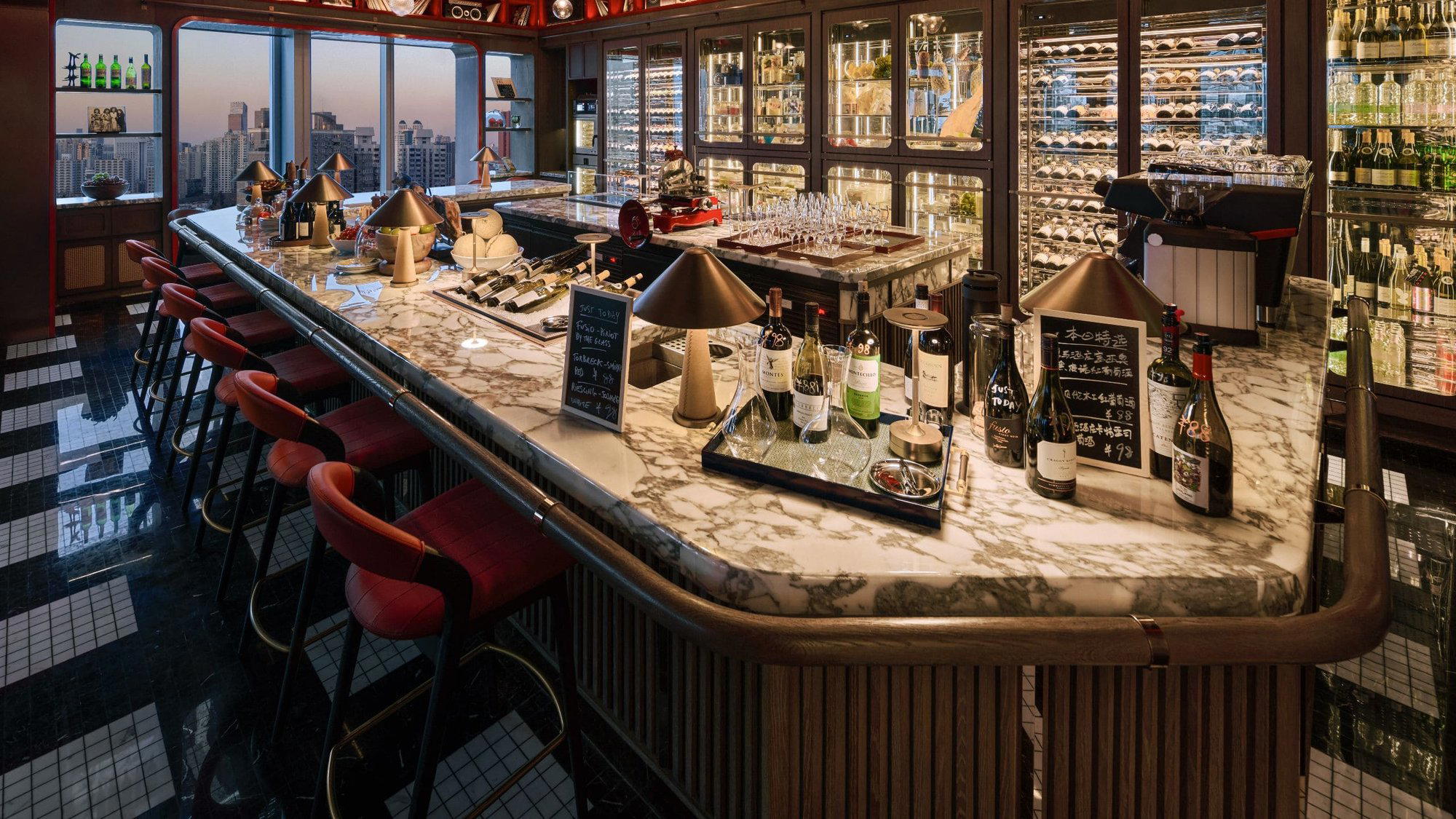
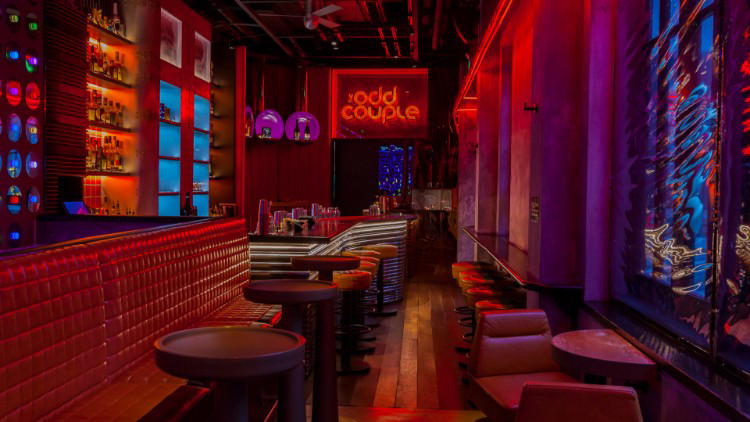
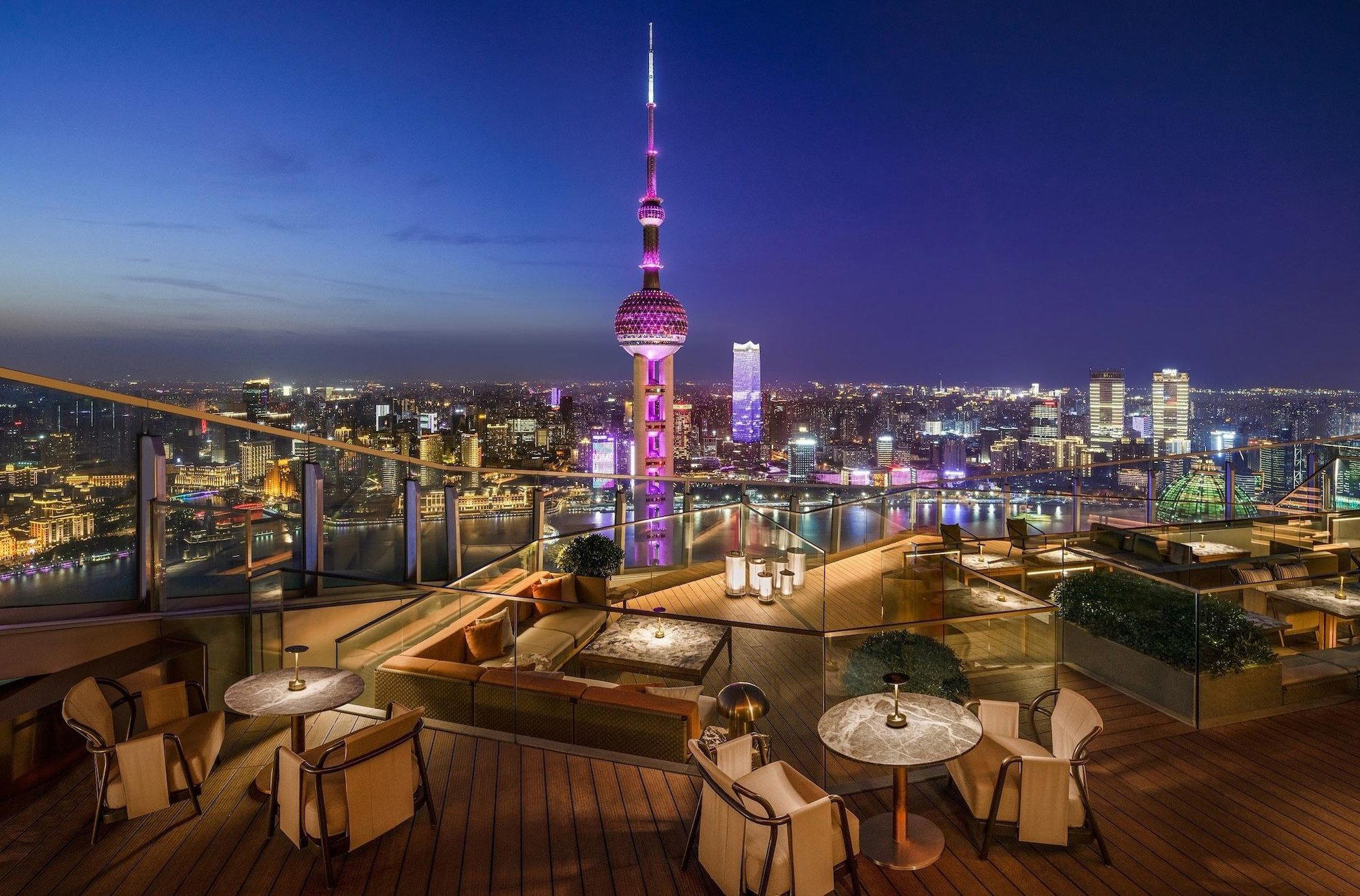
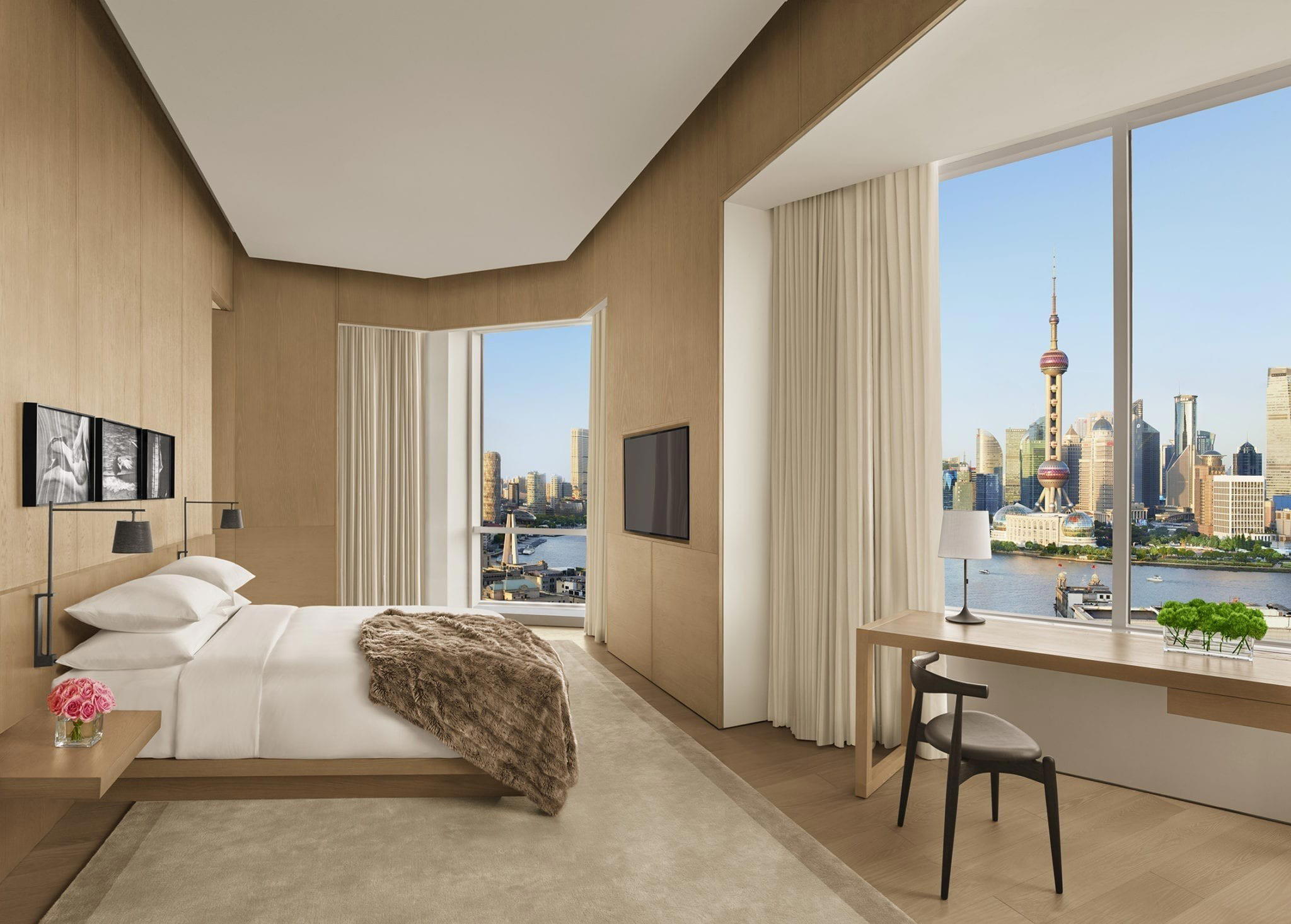
Details
- Elegant
- Sophisticated
- Well Known
- Scenic
- Modern
- Date Night
- Business Dinner
- Celebration
- Special Occasion
- Group Dining
- Brunch
- Rooftop
- Panoramic View
- Terrace
- Hotel Restaurant
- Standalone
- Craft Cocktails
- Skyline
- Waterfront
- A La Carte
- Set Menu
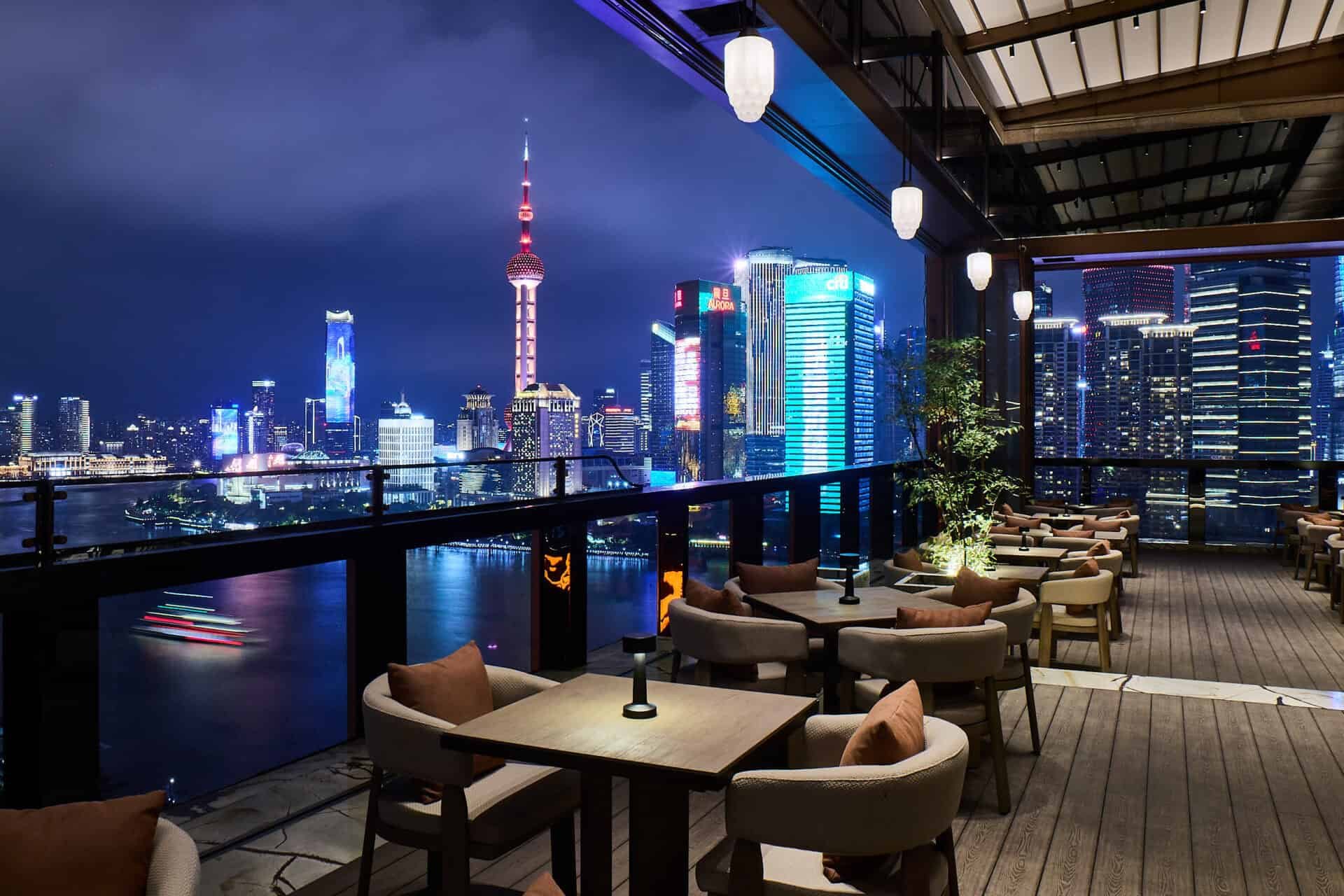
Hollywood glamour with a glitzy, polished rooftop atmosphere and upscale hotel-style sophistication.