Gyukatsu Rose

Gyukatsu Rose brings one of Japan's lesser-exported culinary traditions to Orlando's East End Market, earning consecutive Michelin Plate recognition in 2024 and 2025. The format centers on gyukatsu, the breaded and lightly fried beef cutlet that originated in Tokyo and sits closer to Japanese precision than Western schnitzel tradition. At $$ pricing, it offers an accessible entry point into Michelin-recognized Japanese cooking in the city.
Pearl is the En Primeur Club membership app — saves, bookings, and concierge access live there. Same editors, same standards.
- Address
- East End Market, 3201 Corrine Dr Floor 1, Orlando, FL 32803
- Website
- gyukatsurose.com
- Directions
- Get directions
 Saves & bookings on Pearl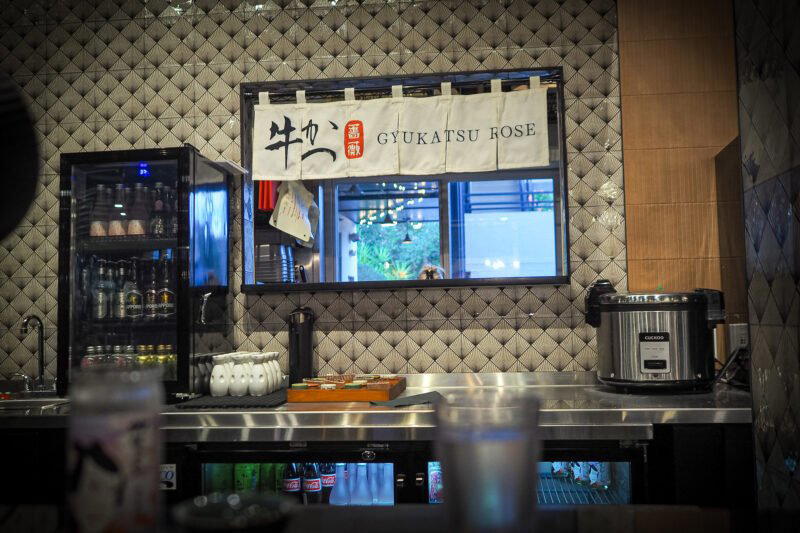
East End Market and the Case for Focused Japanese Cooking
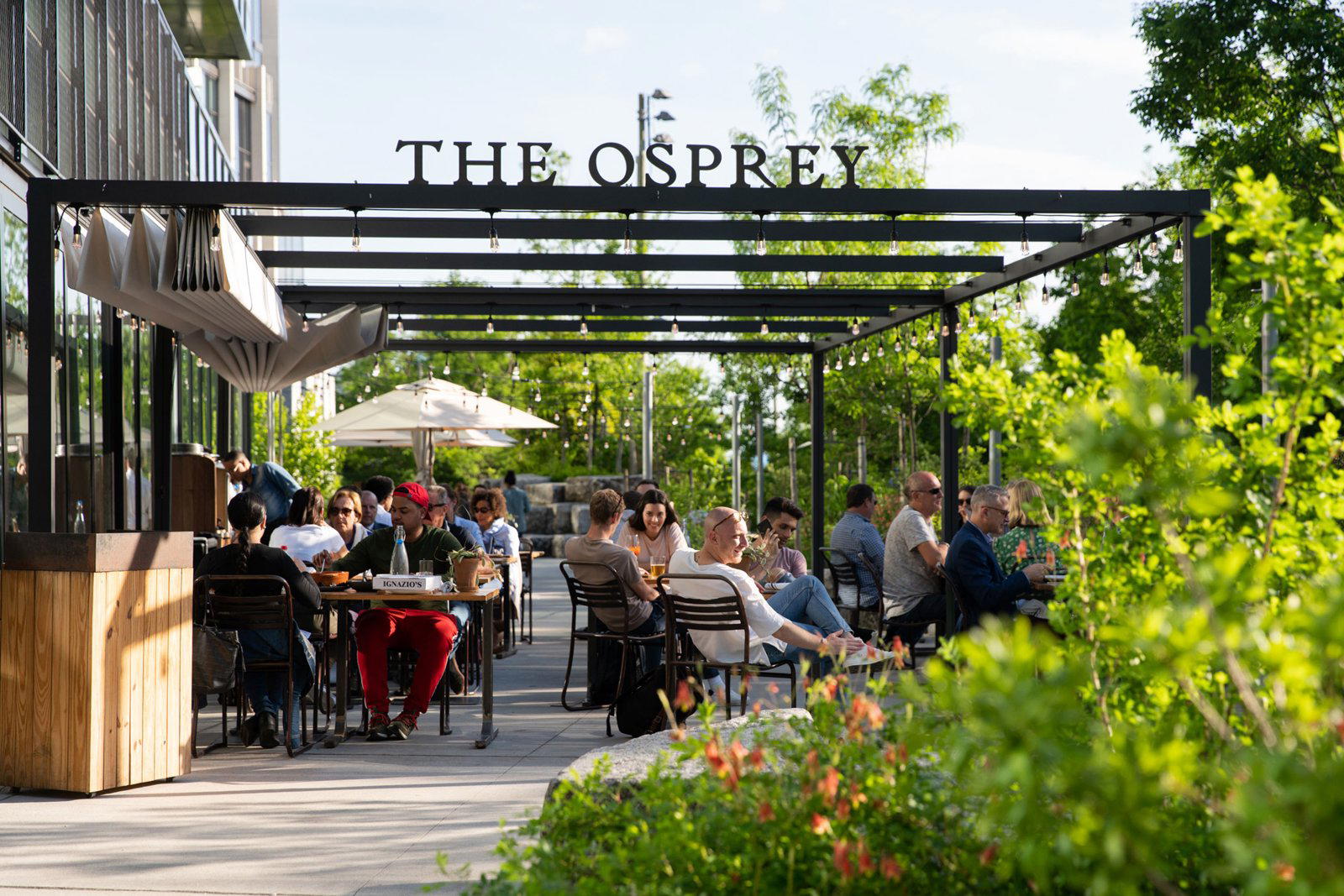
East End Market on Corrine Drive occupies a specific position in Orlando's food culture: an indoor market format that favors small, specialist operators over full-service restaurants. The building draws a neighborhood crowd from the Audubon Park area rather than the tourist circuits that dominate much of the city's dining geography. Gyukatsu Rose is on the ground floor of East End Market.
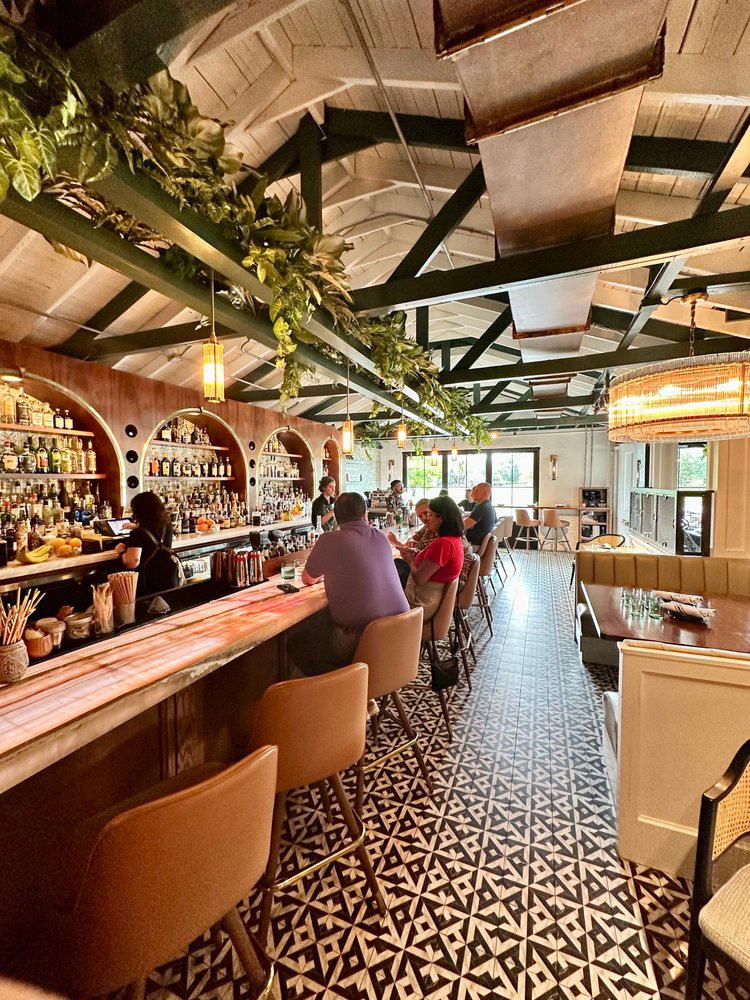
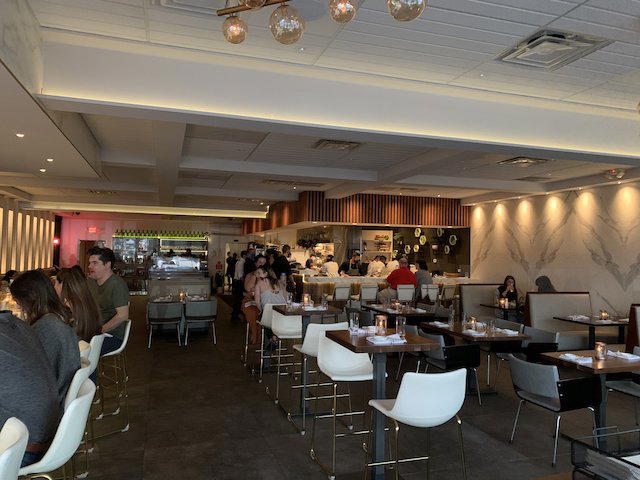
Gyukatsu Rose operates within a shared food-hall environment, with counter seating or communal tables and ambient market noise. What it trades in formality, it returns in focus. The menu is built around a single discipline, and that discipline has earned the restaurant consecutive Michelin Plate recognition in 2024 and 2025.
Gyukatsu: The Tradition Behind the Format
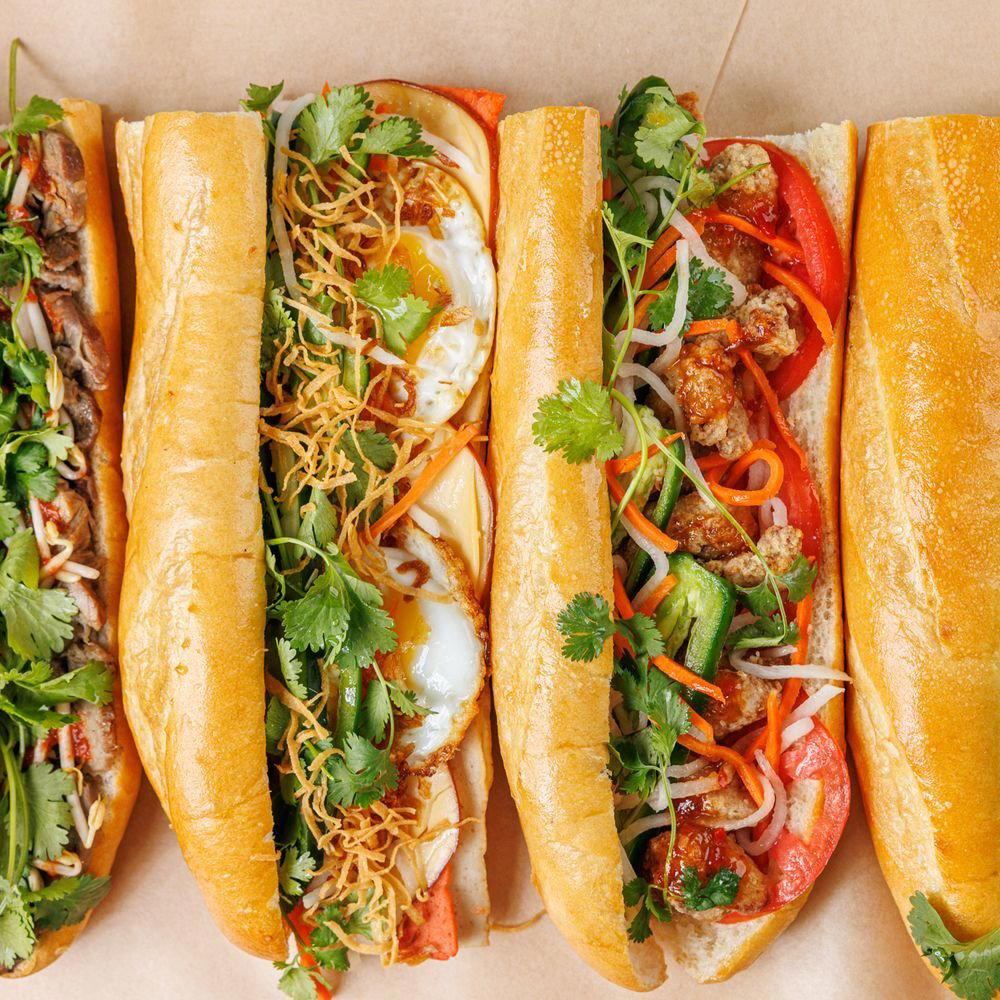
To understand what Gyukatsu Rose is doing, it helps to understand what gyukatsu actually is and why it travels less frequently than tonkatsu, its pork-based counterpart. Tonkatsu arrived in Japan in the late nineteenth century, adapted from European breaded cutlet traditions, and became embedded enough in Japanese home and restaurant culture that dedicated tonkatsu houses now operate across every major Japanese city. Gyukatsu, the beef version, remained more niche. Tokyo saw a revival of gyukatsu specialty restaurants in the 2010s, with the format centered on a lightly breaded exterior, a deliberately rare or medium-rare interior, and often a tabletop stone grill or hot plate to let the diner finish the meat to their preferred doneness.
That interactive element separates gyukatsu from most other Japanese fried-food traditions. Where a bowl of katsu curry or a plate of tonkatsu arrives as a finished dish, the gyukatsu format invites participation. The cook makes a technical decision about how far to fry the cutlet before service; the diner completes the process at the table. It is a cooking tradition with built-in hospitality intelligence, one that keeps the beef from overcooking while handing the guest a sense of agency. Considering this, the format travels well to a market-hall environment, where the experience is participatory rather than performative.
In Orlando, Japanese cuisine occupies a broad spectrum. At the high end, Sorekara operates at $$$$ pricing with two Michelin Stars, while Kadence and Natsu represent the city's commitment to precision Japanese formats. The restaurant operates at $$ and sits in a different tier entirely, closer to the idea of the Tokyo specialty house that serves one thing with full attention rather than a tasting-menu destination. For broader Japanese options in the city, Juju and Kabooki Sushi offer distinct formats worth knowing. The Michelin Plate, awarded in both 2024 and 2025, signals consistent cooking quality.
What Michelin Plate Recognition Means Here
The Michelin Plate designation, introduced to clarify the Guide's position on quality restaurants below the Bib Gourmand and star levels, marks a restaurant whose cooking is good enough to list but not yet in contention for a star. At a $$ price point in a market-hall format, that recognition carries different weight than a Plate awarded to a full-service restaurant with a dedicated wine program and front-of-house team. It is specifically about the food.
Consecutive Plate recognition across two guide years suggests that the restaurant's cooking quality is not incidental. Michelin's Florida guide has been attentive to this kind of specialist operation: affordable, focused, and technically grounded. For the reader comparing across the full Orlando Michelin ecosystem, which includes starred restaurants at $$$$ like Sorekara, this is the entry point where the Guide's credibility extends into accessible territory.
Gyukatsu sits apart from kaiseki and izakaya-casual dining, occupying a position where craft and affordability coexist. The gyukatsu format sits apart from both the high-ceremony kaiseki world and the izakaya-casual tier, occupying a position where craft and affordability coexist in a way that resonates with how Tokyo's own specialist lunch culture operates.
Who Eats Here and When
East End Market draws a predominantly local crowd, and the restaurant's $$ pricing places it in range for both weekday lunches and casual weekend dinners. The market format means there is no need to book a full evening around it.
The Audubon Park neighborhood around East End Market is worth exploring before or after eating. The area sits in the northeast part of Orlando, away from the International Drive and theme-park corridors. For visitors building an Orlando itinerary around food rather than attractions, the market and its immediate surroundings offer a more grounded read on how the city actually eats.
The restaurant operates on the opposite end of the cost spectrum while still earning the Guide's notice, which is precisely what makes it worth tracking in a city whose Japanese dining credentials are growing year over year.
The restaurant is located at East End Market, 3201 Corrine Dr, Floor 1, Orlando, FL 32803. Given the market-hall setting, the experience moves at a pace you set. Arriving mid-afternoon or at early dinner on weekdays tends to give you a stronger chance of finding space without the weekend market-day crowd.
Peers Worth Knowing
Comparable venues nearby, for context on price, style, and recognition.
| Venue | Cuisine | Price | Notes |
|---|---|---|---|
| Gyukatsu RoseThis venue — the venue you are viewing | Japanese Gyukatsu | $$ | Not listed |
| Domu | Modern Japanese Ramen | $$ | East End Market |
| Edoboy | Standing Sushi Bar | $$$ | Mills 50 |
| Maxine's on Shine | Modern Mediterranean Neighborhood Bistro | $$ | Colonialtown |
| Se7en Bites | Southern Comfort Food with Modern Twist | $$ | Milk District |
| UniGirl | Japanese Onigiri Shop | $$ | Mills 50 |
Recognition history
Dated appearances from independent guides and award organizations, with the underlying list record or original source where available.
Michelin Plate
Michelin
Michelin Plate
Michelin
Michelin Plate
Michelin


At a Glance
- Modern
- Trendy
- Intimate
- Date Night
- Solo
- Special Occasion
- Open Kitchen
- Sake Program
Current opening hours
- Monday
- Closed
- Tuesday
- Closed
- Wednesday
- Closed
- Thursday
- 3–10 PM
- Friday
- 3–10 PM
- Saturday
- 3–10 PM
- Sunday
- 11 AM–2 PM, 3–10 PM
Hours can change for holidays and private events. Last verified .
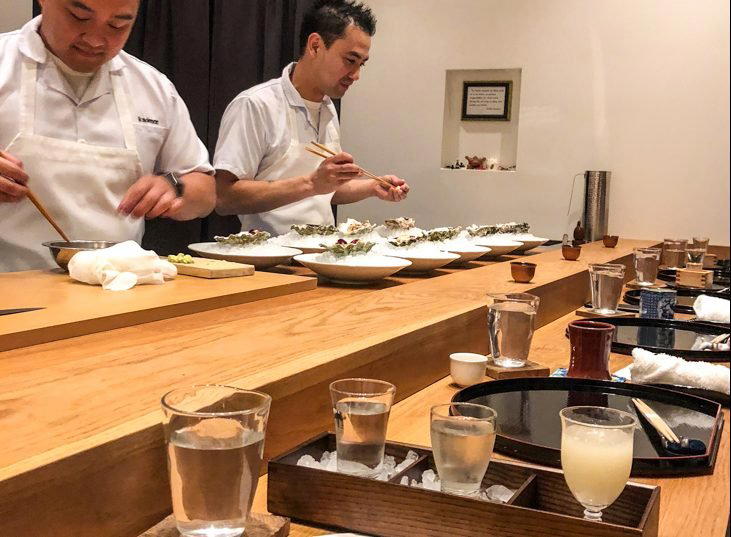
Sleek, modern counter seating for 10 in a compact space with black herringbone tiles, offering an intimate and focused dining atmosphere.