SoLo Farm & Table
Our verdict
SoLo Farm & Table operates at the intersection of Vermont agriculture and serious kitchen craft, drawing from the surrounding Green Mountains landscape to shape a menu grounded in what the season actually produces. The restaurant sits on Middletown Road in South Londonderry, a corner of Vermont where farm-to-table is a logistical reality rather than a marketing posture. For the farm-driven dining segment in New England, it occupies a distinct position among ingredient-led destinations.

Pearl is the En Primeur Club membership app — saves, bookings, and concierge access live there. Same editors, same standards.
- Address
- 95 Middletown Rd, South Londonderry, VT 05155
- Phone
- (802) 824-6327
- Website
- solofarmandtable.com
- Directions
- Get directions
- Booking
- Book on Resy
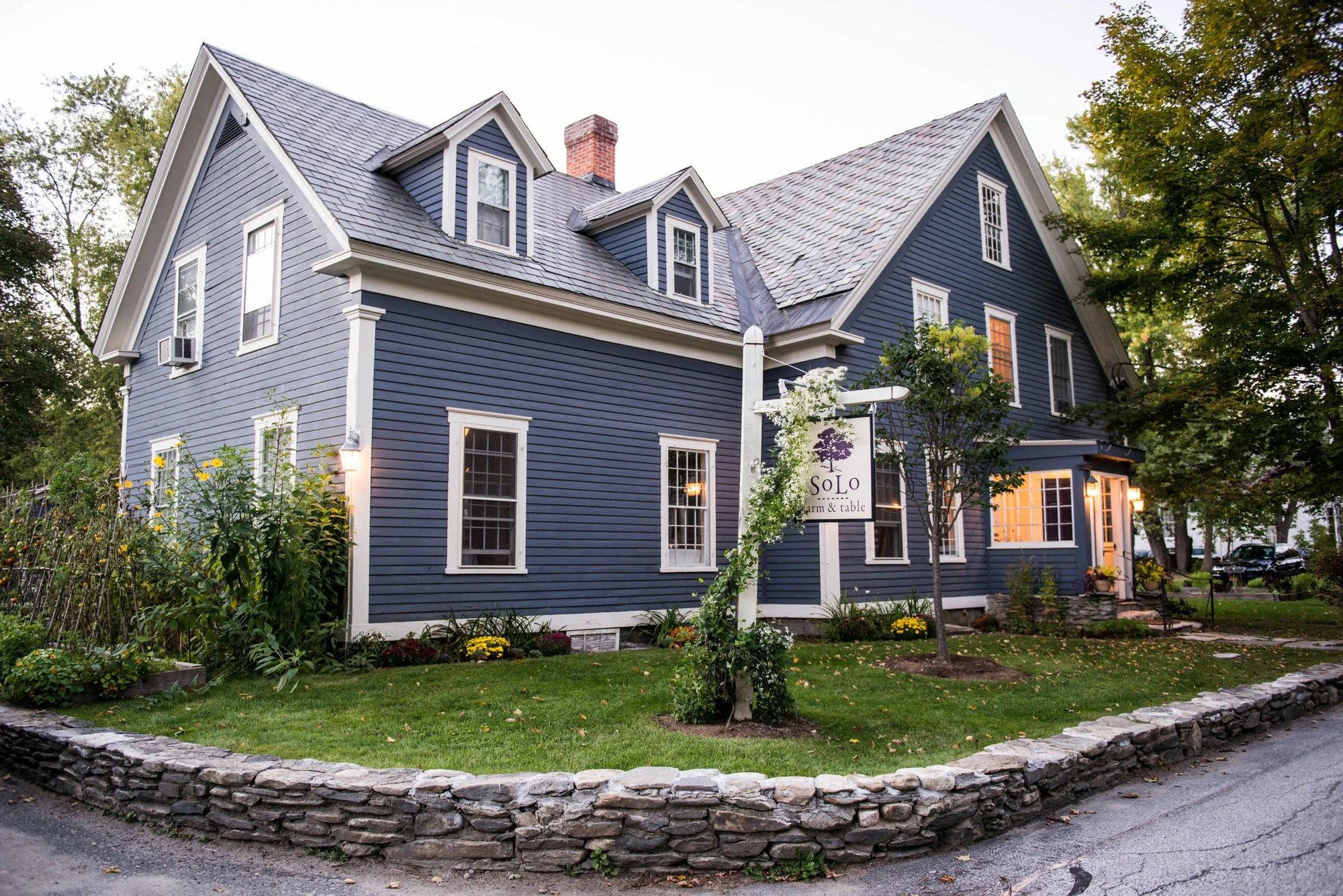
Where the Food Starts Before the Kitchen
The Green Mountains of southern Vermont operate on a different agricultural clock than most American dining regions. By late September, the hills around South Londonderry are already cycling through a compressed harvest window that demands kitchens pay attention or fall behind. The farms here are not decorative suppliers appended to a menu for branding purposes; they are the actual constraint around which menus are built. SoLo Farm & Table, at 95 Middletown Rd, sits inside that agricultural reality rather than orbiting it from a comfortable distance.
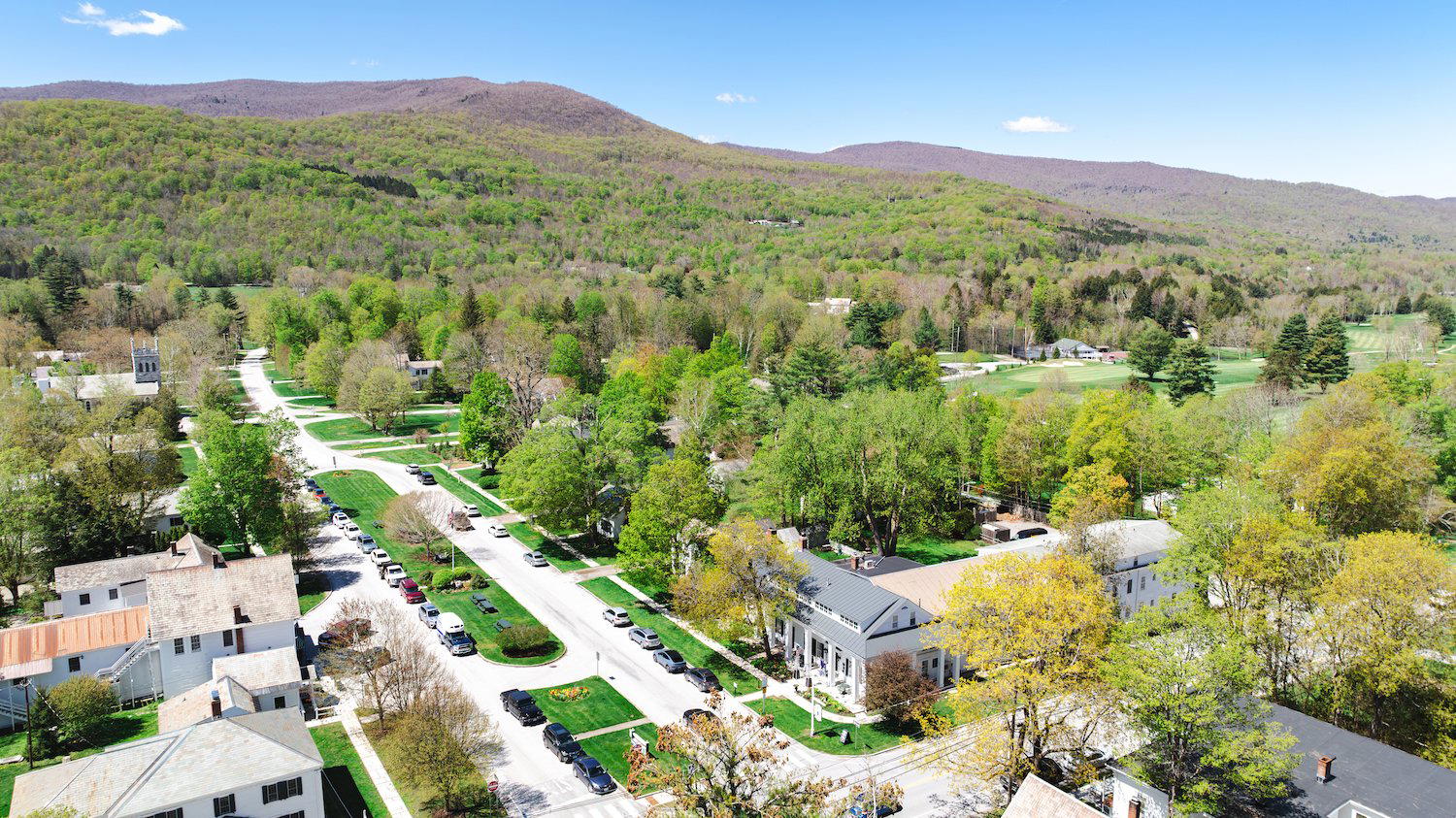
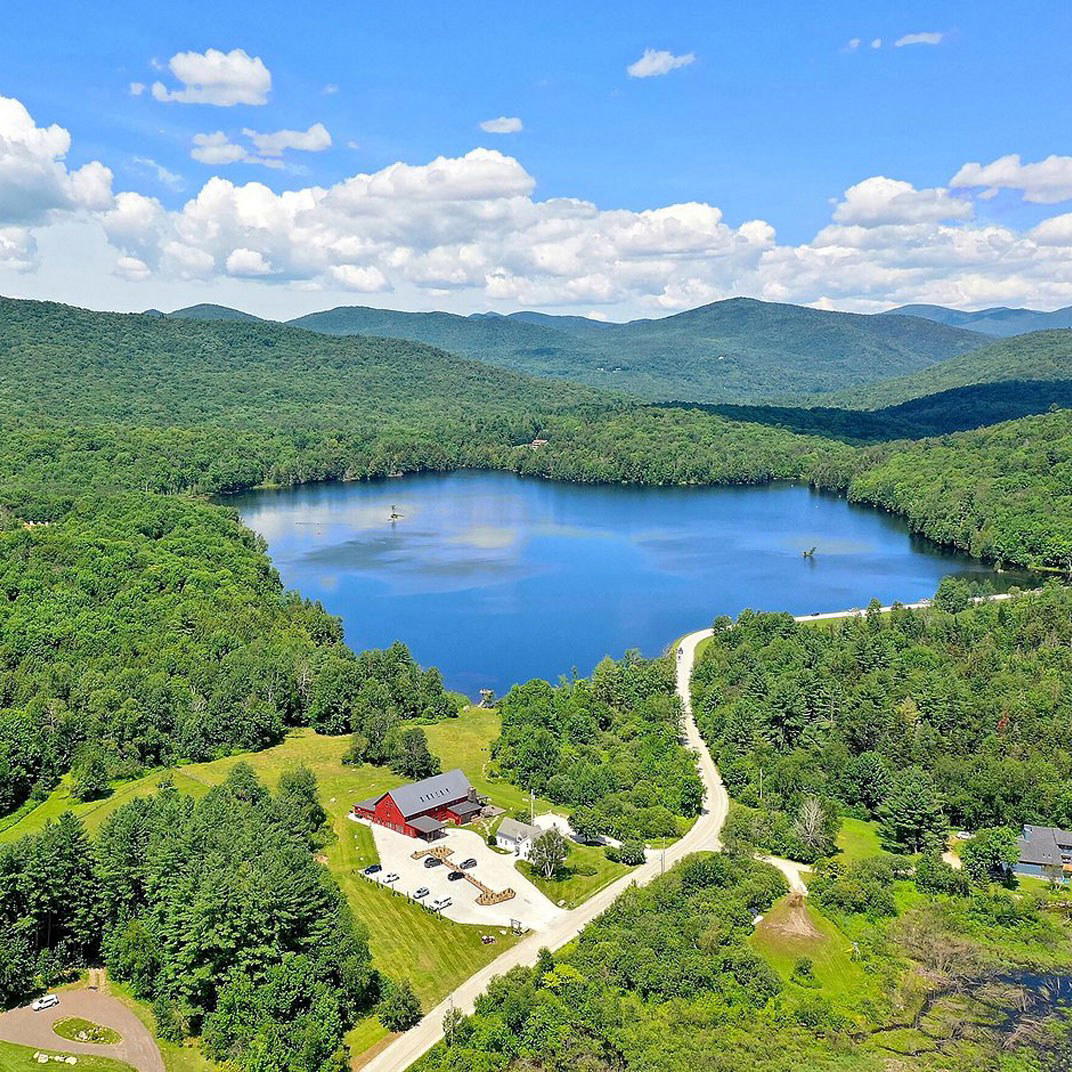
Approaching the property, the physical context does the first round of storytelling. Vermont's working farm vernacular, stone walls, open meadows, and low-slung structures set against the tree line, establishes a register that urban farm-to-table restaurants spend considerable effort trying to replicate. Here it requires no effort because it is simply what the place is. That distinction matters when you are thinking about how ingredient sourcing shapes not just menus but the entire sensory contract a restaurant makes with its guests.
The Sourcing Argument Vermont Makes Better Than Most
Farm-to-table as a restaurant category has been so thoroughly absorbed into mainstream dining that it has nearly lost descriptive power. Menus from Miami to Minneapolis reference local farms. What separates a genuinely sourcing-led operation from a marketing-led one is proximity, specificity, and the willingness to let supply dictate the menu rather than letting the menu dictate supply.
Vermont's agricultural density in Windham County gives restaurants like SoLo Farm & Table a structural advantage that coastal urban counterparts cannot replicate. The distribution chain between a farm six miles away and a kitchen prep table is categorically different from the one connecting a California farm to a New York City walk-in cooler. Seasonal discipline is not optional when your suppliers are neighbors. Restaurants in this geography either commit to working with what is available or they quietly source from the same broadline distributors as everyone else and keep the farm names on the menu for atmosphere.
For context, the sourcing-led model in American fine dining has produced some of its most discussed destinations. Blue Hill at Stone Barns in Tarrytown built its entire identity around a working farm on the same property, turning agricultural integration into a multi-Michelin-star format. Single Thread Farm in Healdsburg operates its own farm and inn in California wine country, where supply chain control extends to the guest room. SoLo Farm & Table operates in a different register, one closer to a Vermont community anchor than a destination tasting-menu operation, but the underlying sourcing logic runs in the same direction.
South Londonderry in the New England Dining Conversation
South Londonderry is not a dining destination in the way that, say, the Pioneer Valley in Massachusetts or Portland, Maine has become one. It is a small community in the southern Vermont ski corridor, known primarily to Vermonters, second-home owners from the Boston and New York markets, and hikers working through the Green Mountain range. The restaurant infrastructure is modest. That scarcity changes the function of a serious restaurant in a place like this: it becomes a gathering point, a reason to drive, and a measure of the community's ambitions for its own food culture.
Restaurants in secondary markets that commit to ingredient integrity often punch above their geographic weight in terms of repeat local loyalty and word-of-mouth reach. The comparison class here is not Le Bernardin in New York City or Alinea in Chicago, whose formats and price architectures exist in an entirely different context. It is closer to operations like Bacchanalia in Atlanta or Frasca Food & Wine in Boulder, which have built sustained reputations in markets that required them to earn loyalty without the density of a major metropolitan dining scene behind them.
For visitors coming from outside Vermont, the drive through Londonderry and South Londonderry on Route 11 provides orientation. The Winhall River corridor and the surrounding terrain make clear that this is a working landscape, not a resort-polished approximation of one. That context shifts how you receive a menu built around what is growing or grazing nearby.
The Farm-Table Format in a Working Vermont Context
The farm-to-table format at its most rigorous produces menus that are genuinely difficult to predict season to season. Spring in Vermont looks like fiddlehead ferns, ramps, and cold-weather brassicas. Summer accelerates into tomatoes, corn, summer squash, and stone fruit from the warmer Connecticut River valley. Autumn is the most complex season: root vegetables, winter squash, late-harvest greens, and the transition proteins as farms shift from grass-finished grazing to winter management. A kitchen honest about this cycle does not serve the same dishes in July and October.
This temporal specificity is something that high-commitment operations across the country have made central to their identity. Lazy Bear in San Francisco and The French Laundry in Napa both treat seasonality as a structural discipline rather than a decorative one. In Vermont, that discipline is partly imposed by climate: the growing season is genuinely short, and kitchens that do not adapt to it simply run out of local product. SoLo Farm & Table's position on Middletown Road, surrounded by the agricultural infrastructure of Windham County, places it squarely inside that seasonal constraint.
For visitors planning around the menu, timing matters. The late summer and early fall window, roughly August through mid-October, represents the widest seasonal variety and overlaps with foliage season, which brings increased traffic to the southern Vermont corridor. Booking ahead during that period is advisable; the restaurant serves a community that includes both year-round locals and seasonal visitors, and the room is not large.
Planning Your Visit
SoLo Farm & Table is located at 95 Middletown Rd, South Londonderry, VT 05155, in a part of Vermont where GPS reliability in the hills can be inconsistent. Arriving via Route 11 through Londonderry village is the most reliable approach. The restaurant sits in a setting that rewards arriving before dark on a first visit, particularly during the transition seasons when the surrounding landscape is most legible.
For those building a broader Vermont itinerary, the Okemo Mountain area and the West River valley provide additional draws, and the concentration of farms in the Londonderry area makes the context around the restaurant's sourcing visible in a way that enriches the meal itself. See our full South Londonderry restaurants guide for additional context on dining in the area.
Other sourcing-led American restaurants worth comparing across the country include Providence in Los Angeles, Addison in San Diego, The Inn at Little Washington, Brutø in Denver, Causa in Washington, D.C., ITAMAE in Miami, Atomix in New York City, Emeril's in New Orleans, and 8 1/2 Otto e Mezzo Bombana in Hong Kong for a sense of how ingredient-driven formats translate across different market contexts.
Frequently asked questions
Is SoLo Farm & Table a family-friendly restaurant?
SoLo Farm & Table sits at 95 Middletown Rd in South Londonderry, a small Vermont community rather than a high-volume tourist corridor, which tends to produce a quieter, more deliberate dining room than resort-adjacent spots. The farm-driven format rewards curious eaters of any age, though the seasonally constrained menu means there is no fixed children's section — what's available depends entirely on what the farm and local producers are yielding that week. Families comfortable with that kind of menu variability will find it a fit; those needing predictable options may want to call ahead.
How would you describe the vibe at SoLo Farm & Table?
The setting in South Londonderry's southern Vermont hills sets the register before you walk in — this is working agricultural country, not a styled farmhouse aesthetic imported for city visitors. Expect a room that reflects genuine Vermont informality: the focus is on what's on the plate rather than on the production around it. It reads closer to a serious neighbourhood restaurant than to the polished farm-to-table category that has taken over urban menus in Boston or New York.
Does SoLo Farm & Table change its menu based on the season, and how often does it update?
SoLo Farm & Table is located in South Londonderry, Vermont, a region where the agricultural calendar compresses dramatically — the growing season runs roughly May through October, which means the kitchen's sourcing reality shifts on a near-weekly basis during peak months rather than on a standard quarterly rotation. In practical terms, a menu from early June and one from late September can look like they belong to different restaurants, with fiddlehead ferns and spring alliums giving way to squash, storage roots, and cold-weather brassicas. This is the core argument for a Vermont farm-table format: the menu's unpredictability is the point, not a limitation.
What should I order at SoLo Farm & Table?
Because SoLo Farm & Table operates on a seasonal sourcing model tied to Vermont's agricultural calendar, the menu shifts meaningfully across the year — spring produce, summer abundance, and the root-vegetable-heavy months of autumn are each distinct. There is no standing dish to recommend across visits; the stronger strategy is to ask your server what arrived from the farm that week and order from that cluster. Vermont's short growing window means late summer and early autumn menus typically carry the widest range of produce-driven options.
How do I find SoLo Farm & Table?
SoLo Farm & Table is located at 95 Middletown Rd, South Londonderry, VT 05155, South Londonderry.
Side-by-Side Snapshot
| Venue | Cuisine | Price | Awards | Notes |
|---|---|---|---|---|
| SoLo Farm & TableThis venue — the venue you are viewing | Sophisticated Farm-to-Table American | Not listed | Not listed | Not listed |
| Le Bernardin | French Seafood Fine Dining | $300–500 | 3 Michelin Stars · World's 50 Best #13 | French, Seafood |
| Atomix | Modern Korean Tasting Menu | $300–500 | 2 Michelin Stars · World's 50 Best #7 | Modern Korean, Korean |
| Lazy Bear | Modern American Tasting Menu | Not listed | 2 Michelin Stars · World's 50 Best #25 | Progressive American, Contemporary |
| Alinea | Avant-Garde Molecular Gastronomy | $300–500 | 2 Michelin Stars · World's 50 Best #37 | Progressive American, Creative |
| Atelier Crenn | Contemporary French Fine Dining | $300–500 | 3 Michelin Stars · World's 50 Best #44 | Modern French, Contemporary |
Continue exploring
More in South Londonderry
Restaurants in South Londonderry
Browse all →
Bars in South Londonderry
Browse all →
Details
- Rustic
- Cozy
- Elegant
- Intimate
- Scenic
- Date Night
- Special Occasion
- Group Dining
- Open Kitchen
- Private Dining
- Historic Building
- Extensive Wine List
- Farm To Table
- Local Sourcing
- Garden
- Prix Fixe
- Tasting Menu
- Vegetarian Friendly
- Vegan Options
- Gluten Free Options
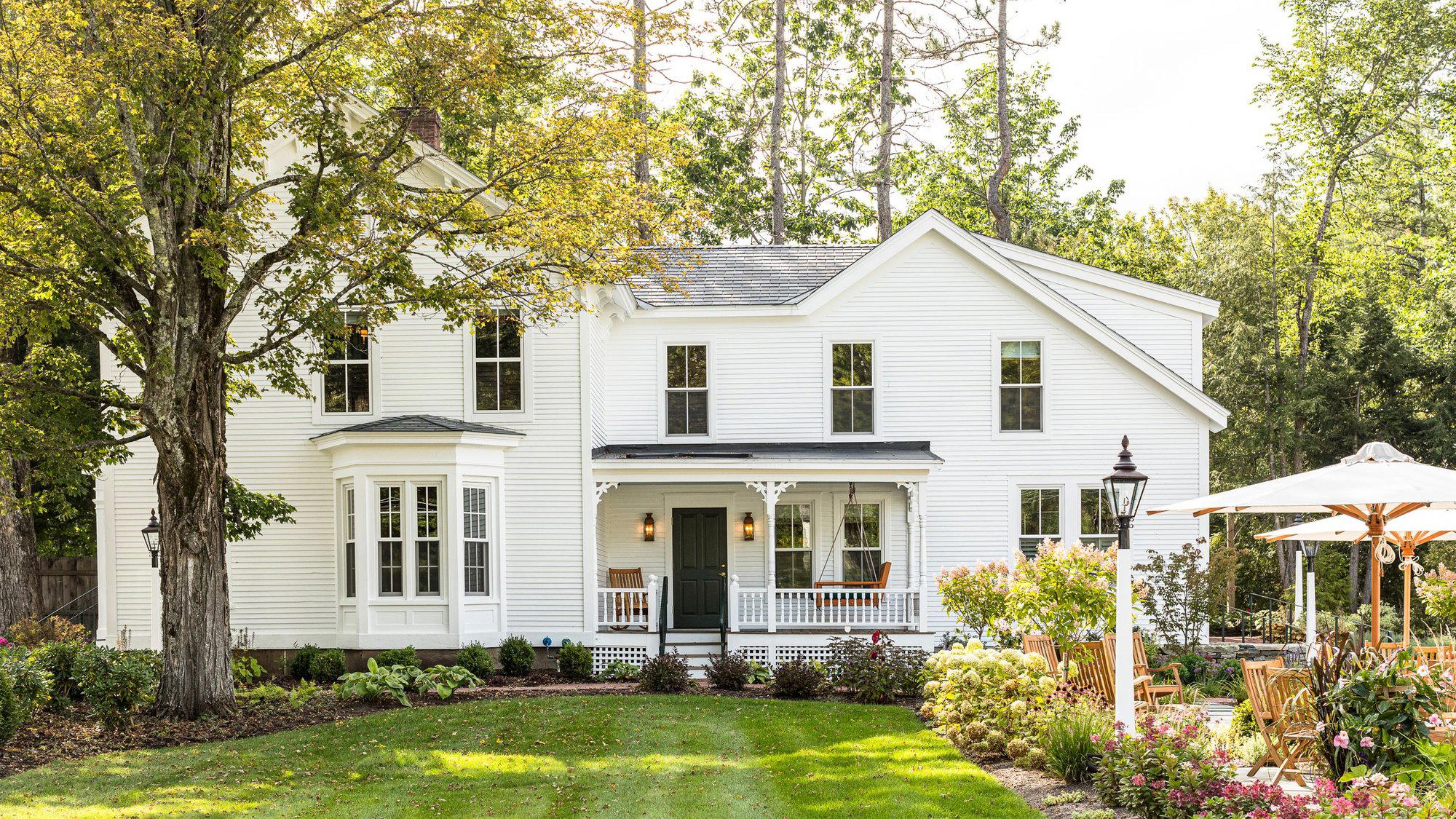
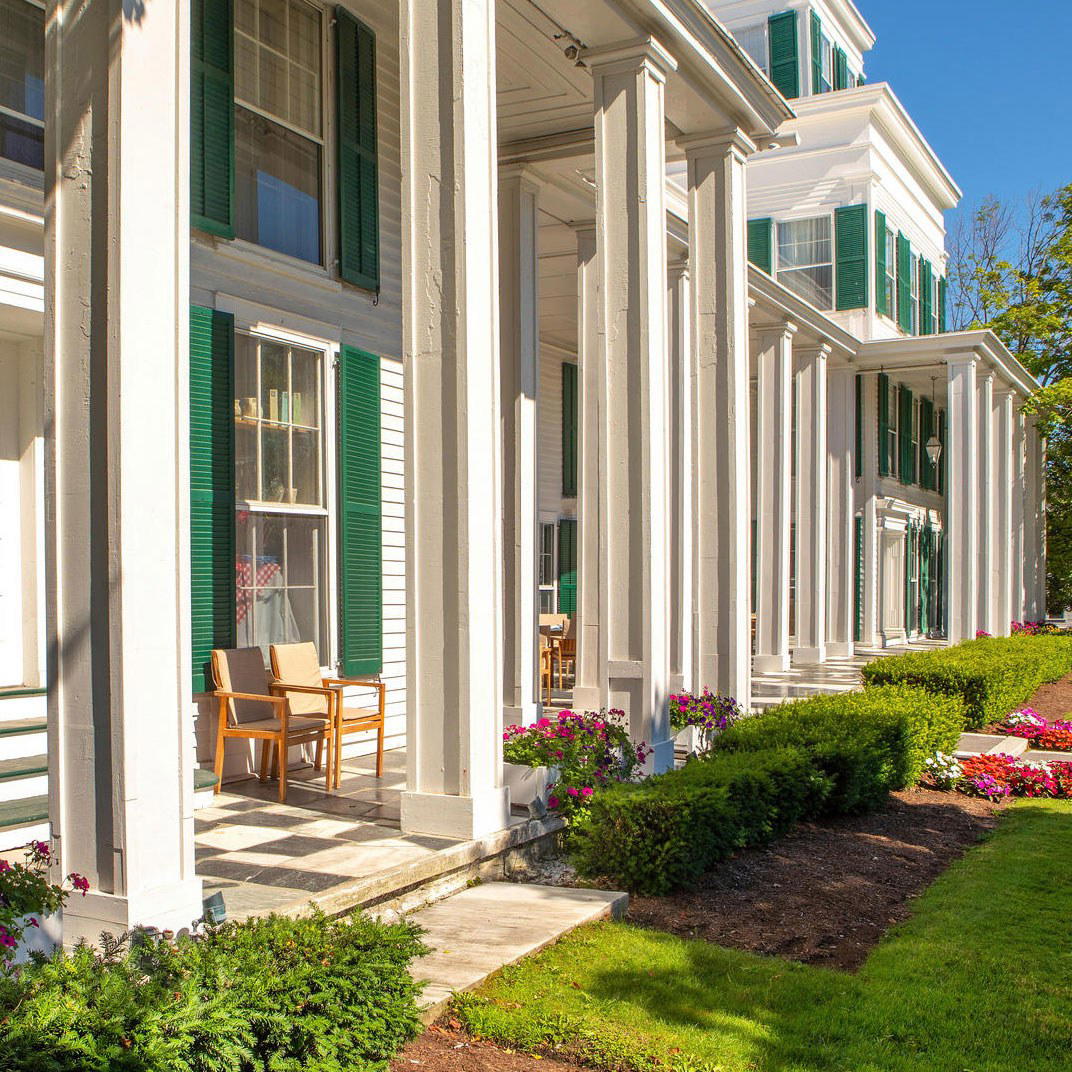
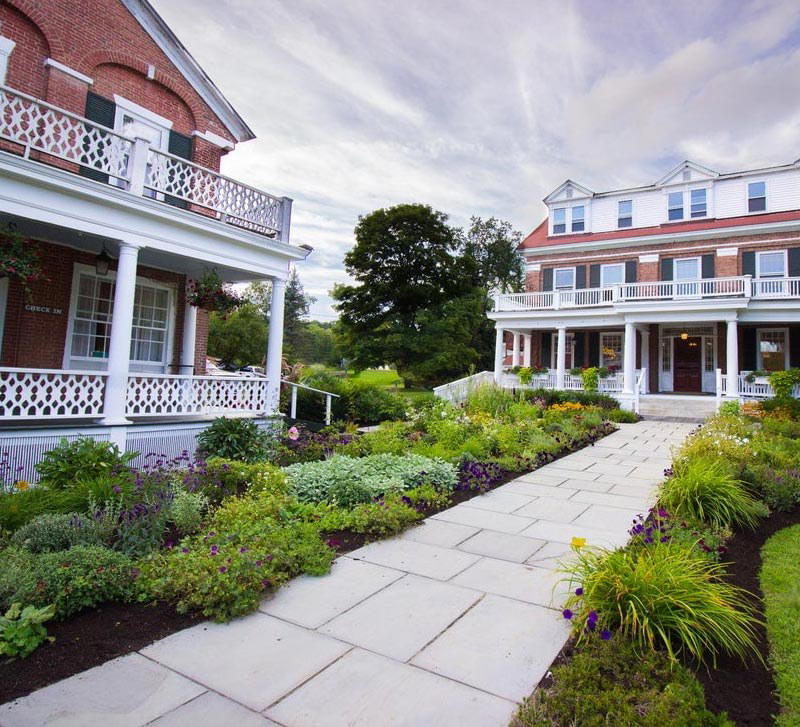
Warm and intimate atmosphere in a restored historic farmhouse with lovely gardens, elegant yet rustic decor, and a welcoming vibe.