Menya Ultra

A Michelin Plate-recognised ramen import from Akita Prefecture, Menya Ultra operates out of a Clairemont Mesa strip mall with zero pretension and consistent results. The menu keeps choices narrow: a rich tonkotsu-miso house broth and a spiced tantanmen built on Sichuan dan dan foundations.
Pearl is the En Primeur Club membership app — saves, bookings, and concierge access live there. Same editors, same standards.
- Address
- 8199 Clairemont Mesa Blvd M, San Diego, CA 92111
- Phone
- +1 858-571-2010
- Website
- menya-ultra.com
- Directions
- Get directions
 Saves & bookings on Pearl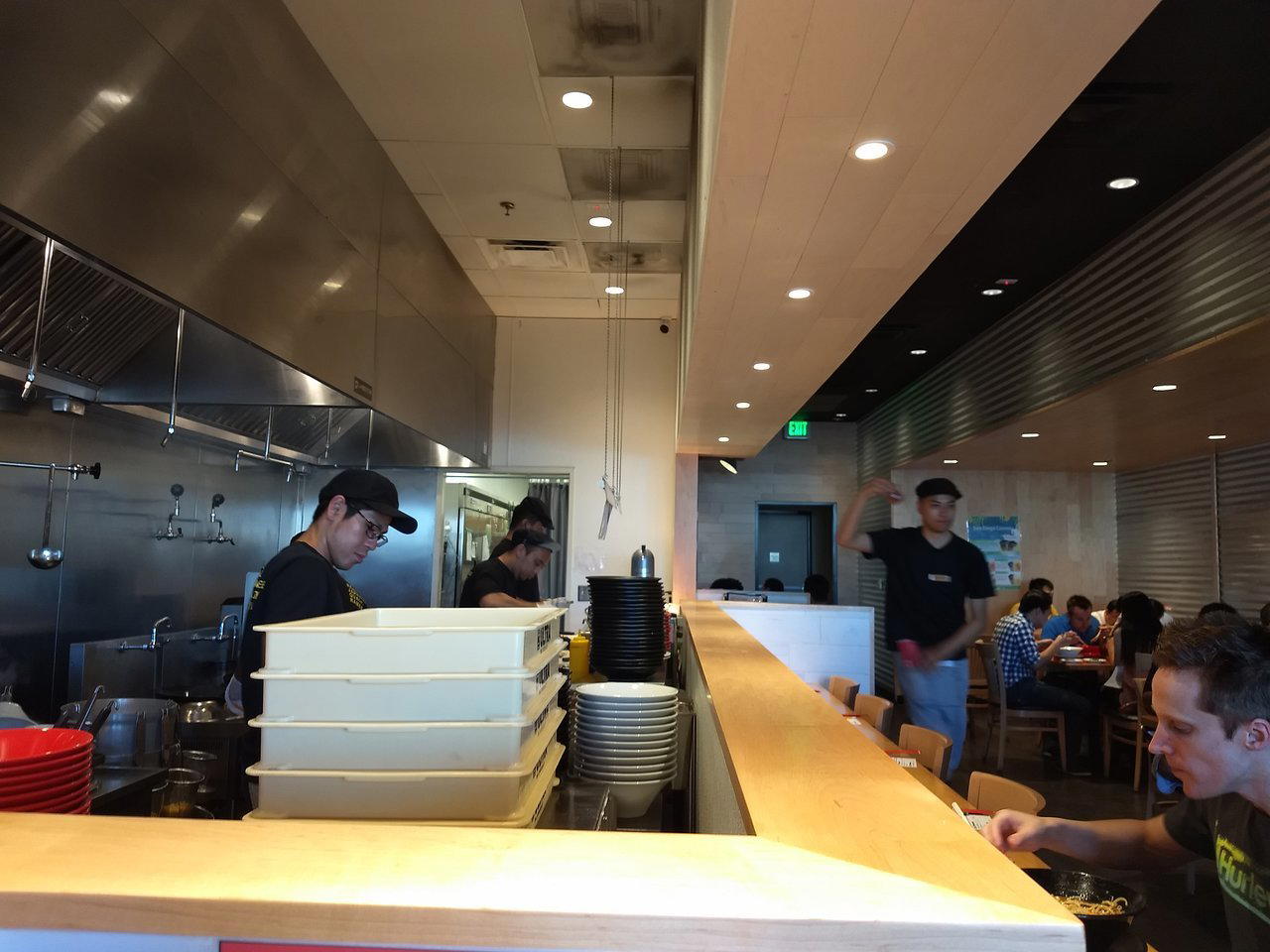
Strip Mall Address, Serious Bowl
Menya Ultra is a Japanese ramen restaurant in San Diego's Clairemont Mesa area, recognized with a Michelin Plate in 2025 and priced at about $20 per person. The approach to Menya Ultra tells you almost everything about what San Diego's ramen scene has become. A Clairemont Mesa strip mall, a modest shopfront, a crowd queued outside during peak hours, the staging is deliberately unpretentious, and that is part of the point. In a city whose Japanese dining spectrum runs from the precise omakase kaiseki of Soichi at the $$$ to $$$$ tier down to casual izakaya formats, Menya Ultra occupies the end of the register where the bowl does all the talking and the room stays out of the way.
That positioning, import pedigree, no-frills environment, disciplined menu, mirrors a broader pattern in American ramen. The leading bowls in the country rarely come from destination dining rooms. They come from operators who built their craft in Japan and transplanted it intact, resisting the temptation to soften flavours or expand menus. The San Diego outpost follows that lineage: efficient service, a focused menu, and a kitchen that is not trying to impress anyone with the décor.
The Ramen Tradition Behind the Bowl
Ramen's regional complexity in Japan rarely translates cleanly to American markets, where tonkotsu has come to function as a shorthand for the entire category. The more interesting operators are those who bring a second distinct style alongside the house broth, giving diners a structural comparison rather than a single-track menu. At Menya Ultra, that second track is the tantanmen: a Japanese interpretation of Sichuan dan dan noodles, built with ground pork and calibrated spice. The distinction matters. Tonkotsu is a southern Japanese tradition, a Fukuoka-style pork bone broth that runs opaque and fatty. Tantanmen is a cross-cultural form, imported from Chinese cooking and reinterpreted across Japan into a sesame-and-chilli base that reads simultaneously richer and more aromatic than the original.
What the restaurant does is offer both traditions on the same short menu, and in doing so positions itself differently from the single-broth houses that dominate the $$ ramen tier in most American cities. The house broth here goes one step further by layering miso into the tonkotsu base, a blending of regional Japanese traditions that adds depth and a slight fermented complexity to what would otherwise be a direct pork-fat stock. The result is a broth that reads as more considered than its price point might suggest, which is precisely why the Michelin Plate recognition in 2025 registers as credible rather than surprising.
What the Menu Actually Offers
The menu is deliberately narrow, which is a structural choice rather than a limitation. Narrow menus in ramen shops typically signal confidence: the kitchen has decided what it does well and is not diluting execution across a larger range. The core choice is between the tonkotsu-miso house broth and the tantanmen, both served with noodles that are noted for their springy texture, a quality that is harder to achieve than it appears, requiring precise alkalinity in the dough and consistent cook times. Add-on options include the ajitama, a marinated soft-boiled egg that functions as a standard but telling measure of a ramen kitchen's attention to detail. An egg that is correctly executed, white fully set, yolk jammy at centre, marinade penetrating to the edge of the yolk without overwhelming the broth, is a reliable proxy for how seriously a kitchen takes the fundamentals.
For context, the $$ ramen category in San Diego attracts casual walk-in traffic, peak-hour rushes, and a customer base that returns frequently. Maintaining that rating across that volume implies that the kitchen is executing the same bowl reliably, not just on quieter evenings.
Where Menya Ultra Sits in San Diego's Japanese Dining Scene
San Diego's Japanese dining has developed enough range to make meaningful tier distinctions. At the upper end, Soichi operates at the $$$$ price point with an omakase format that draws direct comparison to the precision-driven counter tradition you find at Tokyo references like Myojaku and Azabu Kadowaki. Cloak & Petal brings a more theatrical Japanese-influenced approach in the Gaslamp Quarter. Hidden Fish anchors the raw fish side of the market at a different price tier. The restaurant operates in none of these registers. It is a ramen specialist from a Japanese regional chain, doing one thing with consistency and Michelin recognition at the $$ tier, which is a different kind of credibility from what the white-tablecloth end of the city is building.
That the Michelin Guide chose to recognise the restaurant with a Plate in 2025 alongside higher-ticket operations like Addison, San Diego's flagship French contemporary restaurant, reflects something true about how the guide has been reading American casual dining: technical execution and sourcing discipline matter regardless of room tone or price tier. The bowl at the restaurant is being assessed against what it is trying to be, not against the ambient temperature of the dining room.
For comparable ramen-adjacent depth in the broader American fine dining conversation, it is worth noting that the gap between a restaurant bowl and the tasting menu ambitions of Lazy Bear in San Francisco, Alinea in Chicago, or The French Laundry in Napa is less about quality signal than format and intent. The same applies when comparing to event-driven formats like Single Thread Farm in Healdsburg, or the classic institution end of the register at Le Bernardin in New York and Emeril's in New Orleans. Each of those addresses is solving a different problem. The restaurant is solving the problem of the serious ramen bowl in a city that historically underserved the category.
Planning Your Visit
The restaurant is located at 8199 Clairemont Mesa Boulevard in San Diego's Clairemont district, a residential and commercial neighbourhood north of Mission Valley that sits outside the downtown and beach-corridor circuits most visitors default to. The strip mall setting means parking is direct. The $$ price point means the total spend per person remains modest even with add-ons. Booking method and current hours were not confirmed at publication; checking directly before visiting is advisable.
Comparable Spots
Comparable venues nearby, for context on price, style, and recognition.
| Venue | Cuisine | Price | Notes |
|---|---|---|---|
| Menya UltraThis venue — the venue you are viewing | Authentic Japanese Ramen | $$ | Not listed |
| Craft & Commerce | Contemporary American Gastropub | $$ | Downtown |
| Hidden Fish | Omakase Sushi | $$$$ | Kearny Mesa |
| Tsuruhashi Japanese BBQ | Japanese Yakiniku BBQ | $$ | Kearny Mesa |
| Sushi Tadokoro | Traditional Edomae-Style Omakase | $$$$ | Old Town San Diego |
| Artifact at Mingei | Global Folk Art-Inspired Fusion | $$$ | Balboa Park |
Recognition history
Dated appearances from independent guides and award organizations, with the underlying list record or original source where available.
Michelin Plate
Michelin · 2026 Michelin Plate
Michelin Plate
Michelin
Michelin Plate
Michelin
Continue exploring
More in San Diego
Restaurants in San Diego
Browse all →
Bars in San Diego
Browse all →



At a Glance
- Trendy
- Cozy
- Casual Hangout
- Family
- Open Kitchen
- Sake Program
Current opening hours
- Monday
- 11 AM–2 PM, 5–9 PM
- Tuesday
- 11 AM–2 PM, 5–9 PM
- Wednesday
- 11 AM–2 PM, 5–9 PM
- Thursday
- 11 AM–2 PM, 5–9 PM
- Friday
- 11 AM–2 PM, 5–9 PM
- Saturday
- 11 AM–2 PM, 5–9 PM
- Sunday
- 11 AM–2 PM, 5–9 PM
Hours can change for holidays and private events. Last verified .
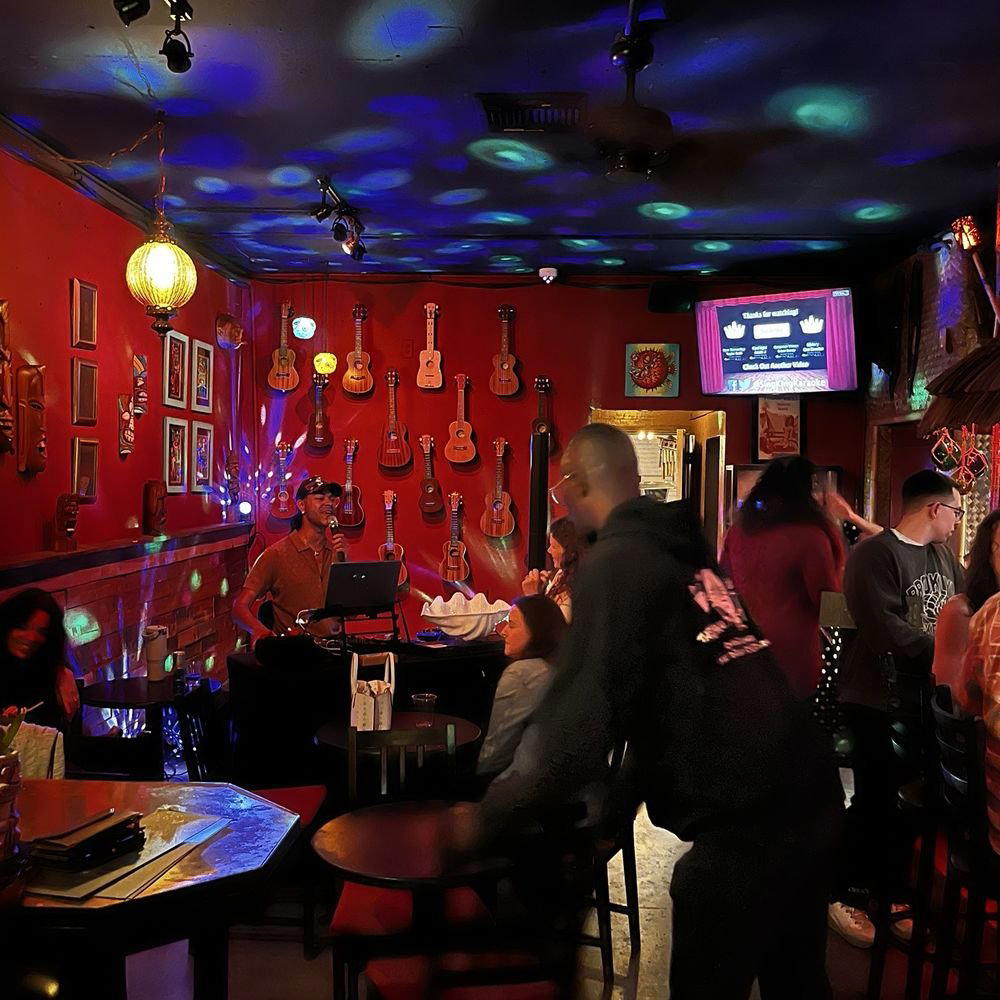
Casual ramen house atmosphere with traditional red lanterns, bustling energy, and a focus on quick, efficient service amid long lines.