Cloak & Petal

Cloak & Petal brings Japanese cuisine to San Diego's Little Italy at a price point that sits between entry-level sushi and the city's omakase tier. Consecutive Michelin Plate recognition in 2024 and 2025 places it in a small cohort of San Diego Japanese restaurants earning sustained inspector attention. The address on India Street positions it alongside the neighbourhood's broader dining scene, with a format that rewards repeat visits over single occasions.
Pearl is the En Primeur Club membership app — saves, bookings, and concierge access live there. Same editors, same standards.
- Address
- 1953 India St, San Diego, CA 92101
- Phone
- (619) 501-5505
- Website
- cloakandpetal.com
- Directions
- Get directions
 Saves & bookings on Pearl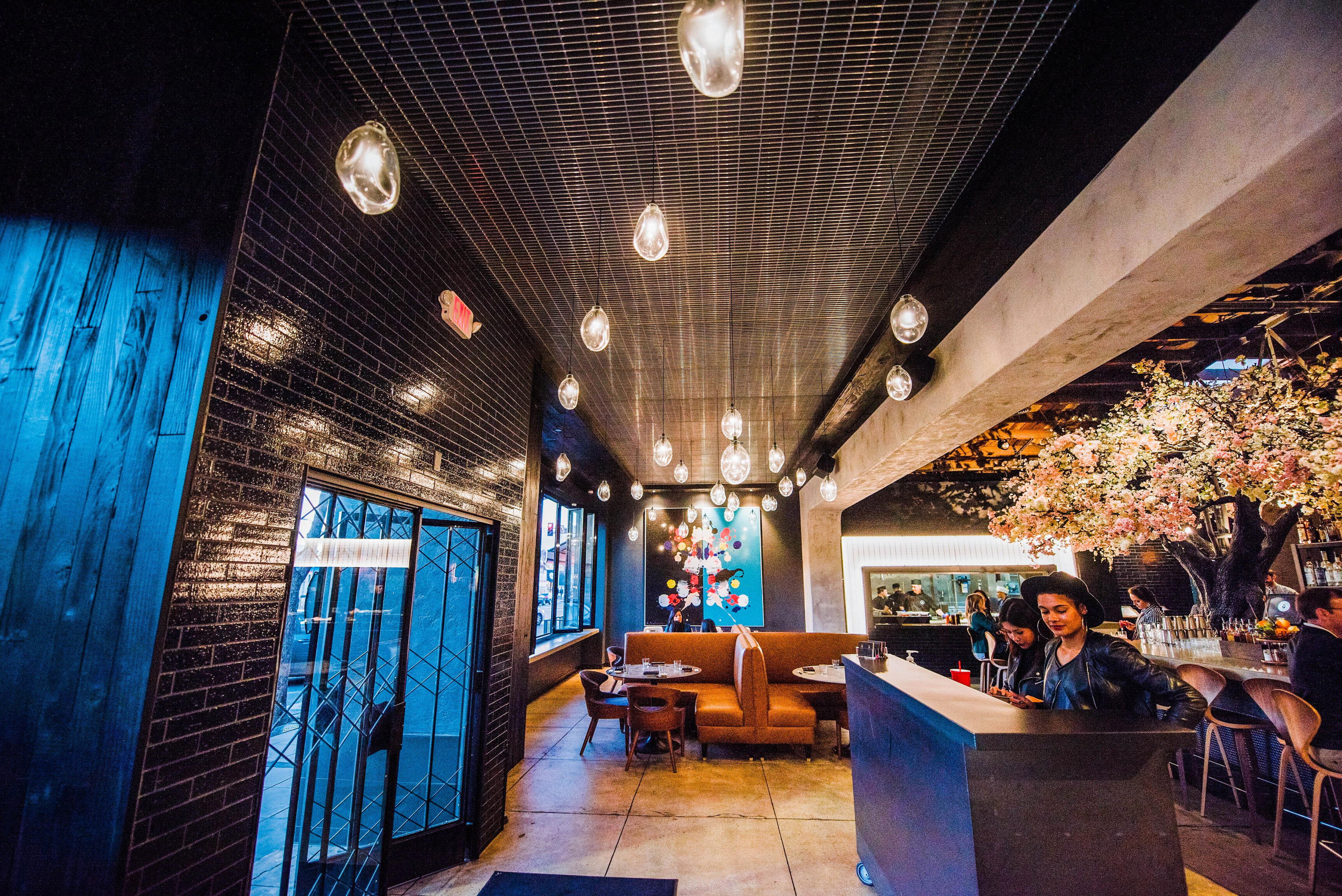
Japan's Urban Divide, Translated to Little Italy
There is a useful shorthand in Japanese dining criticism: Tokyo restaurants tend to run fast, precise, and trend-forward, while Kyoto establishments favour restraint, repetition, and a slower form of refinement. Neither model travels perfectly abroad, but the tension between them has become a productive pressure on Japanese restaurants operating outside Japan. San Diego's Japanese dining scene sits inside that tension in an interesting way. The city has a range of registers, from the neighbourhood omakase counters of Soichi at the higher end to more accessible formats that prioritise volume and atmosphere over precision sequencing.
The India Street corridor in Little Italy is one of the more densely contested dining stretches in San Diego. Italian trattorias, brunch-forward cafes, and casual wine bars compete for foot traffic with restaurants that would be credible in any mid-size American city. A Japanese restaurant earning consistent Michelin attention on this block is not inevitable, it requires a format and execution that hold up against a comparable set drawn from multiple cuisines and price tiers. Cloak & Petal, priced at the $$$ level, competes with venues like Hidden Fish and draws from a wider local audience than a pure omakase counter would.
The Aesthetic Register: Atmosphere as Argument
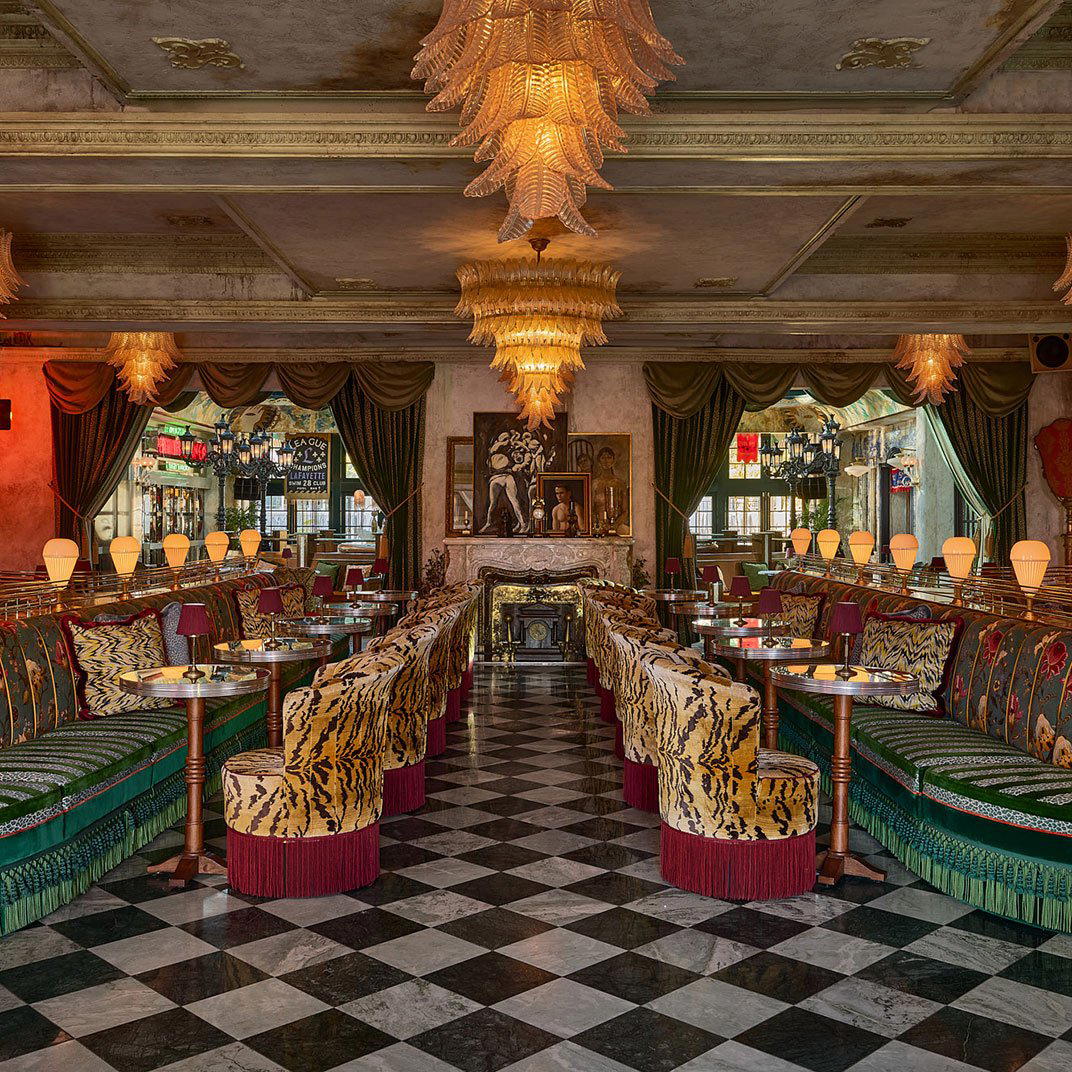
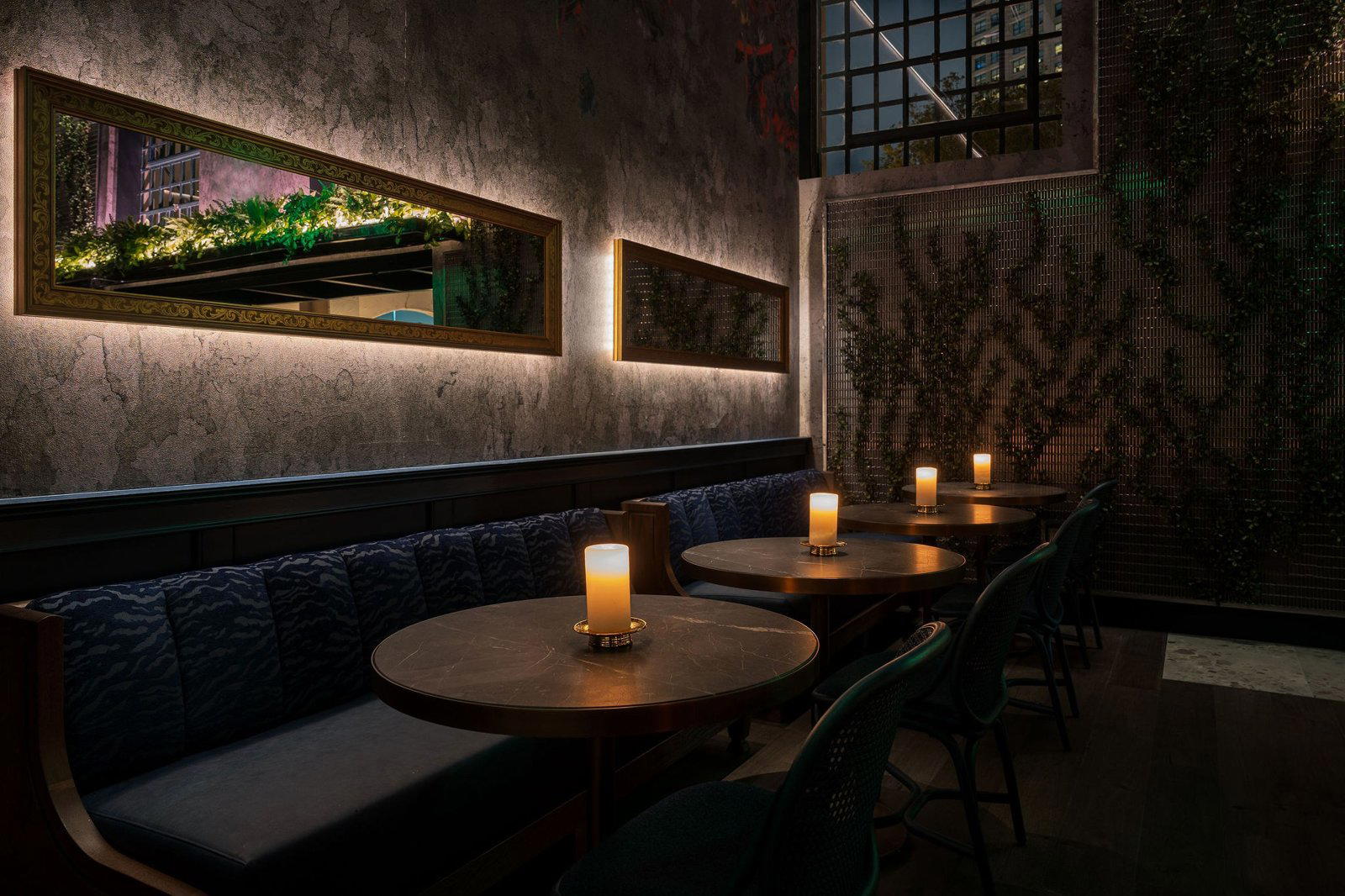
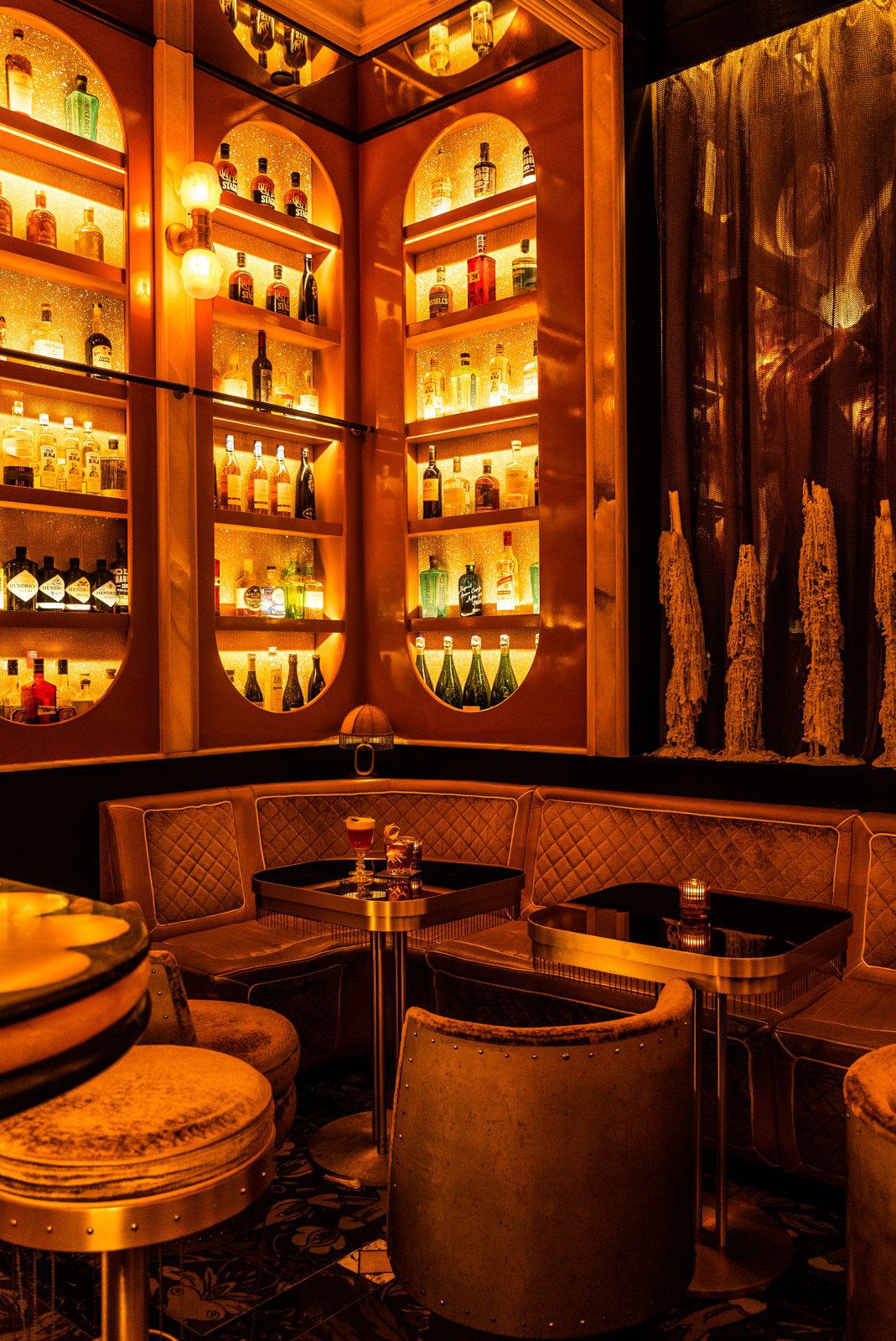
Little Italy's dining room vernacular has been shaped by a coastal California preference for natural materials, low lighting, and interiors that suggest intention without demanding awe. Cloak & Petal's address at 1953 India St places it inside that neighbourhood character, and the name itself signals something: a combination of concealment and delicacy that leans toward the atmospheric rather than the purely functional. Restaurants that operate at the $$$ price point in a neighbourhood like this are making an implicit argument that the environment justifies the spend, not just the plate. That argument holds or collapses depending on how the physical space supports what arrives at the table.
San Diego's Japanese dining rooms have generally moved away from the minimalist-to-the-point-of-severity aesthetic that marked earlier omakase-first venues toward something warmer and more social. This is partly a market reality: a $$$-tier restaurant in Little Italy needs to draw groups, not just couples on anniversary dinners. The Tokyo model of the twelve-seat counter, silent except for the chef's narration, does not translate directly to a neighbourhood where the surrounding block is built for conviviality. What tends to work is a Kyoto-adjacent approach, considered without being austere, atmospheric without being theatrical.
Where Cloak & Petal Sits in the San Diego Japanese Tier
San Diego's Japanese dining options now cover a broader range than they did a decade ago. At the leading sits the omakase tier, where Soichi's Michelin star and $$$$ pricing signal a different competitive frame. Below that, and still carrying Michelin recognition, Cloak & Petal's consecutive Plate listings in 2024 and 2025 place it in a cohort that includes Menya Ultra at the ramen end of the spectrum. The Michelin Plate is not a star, but two consecutive years of inclusion points to consistency.
To contextualise within a wider California frame: the $$$$-tier Japanese restaurants earning stars in California sit in a different category entirely. Comparisons with venues like The French Laundry or Lazy Bear are instructive only as anchors for understanding how far the Michelin tier system stretches. Cloak & Petal is not competing in that tier, and it is better understood alongside the $$$-Japanese cohort that prioritises accessibility and atmosphere alongside craft. Within San Diego, that positions it differently from the pure-craft counters but ahead of the fast-casual ramen format in terms of the experience expected on arrival.
Volume of reviews at that score suggests the restaurant is drawing a broad audience, not just the small pool of dedicated Japanese cuisine enthusiasts who populate the Michelin-watcher cohort. Restaurants at this score and this volume tend to reward diners who engage with the menu's logic rather than those arriving with fixed expectations derived from Tokyo omakase or Kyoto kaiseki traditions.
Cuisine Logic: What the Tokyo-Kyoto Frame Reveals
Japanese cuisine in American cities has generally split into two operational philosophies. The Tokyo-influenced model prioritises ingredient sourcing over technique elaboration, moves quickly, and structures menus around a few sharp flavours. The Kyoto-influenced model layers seasonal context, slows the progression, and treats the meal as an argument about time and place. Most American Japanese restaurants borrow from both without committing entirely to either, which is a pragmatic response to a market that wants engagement without demanding connoisseurship.
At the $$$ price point, the Tokyo-Kyoto tension resolves differently than it does at the omakase tier. Cloak & Petal's sustained Michelin attention suggests it has found an approach that the inspectors find coherent, two consecutive Plates imply that the execution is consistent enough to recommend on repeat visits. Whether that execution leans metropolitan and fast or refined and seasonal is the kind of detail that only the menu itself can answer. What the awards context tells you is that the kitchen has a point of view that holds up under scrutiny.
Planning a Visit
Cloak & Petal sits at 1953 India St in San Diego's Little Italy, a neighbourhood that functions well as a dinner-first destination with bars and post-dinner options within walking distance. At the $$$ price tier, the spend per person is comparable to other mid-to-upper casual dining in the district, though the Michelin recognition positions it above the neighbourhood average in terms of kitchen ambition. Reservations are recommended given the attention the venue has received since its consecutive Plate listings, popular $$$ Japanese restaurants in compact urban neighbourhoods fill quickly, particularly on weekends.
San Diego's Japanese dining has matured enough that the comparison is instructive rather than merely aspirational.
Cuisine Context
Comparable venues nearby, for context on price, style, and recognition.
| Venue | Cuisine | Price | Awards | Notes |
|---|---|---|---|---|
| Cloak & PetalThis venue — the venue you are viewing | Modern Japanese Sushi | $$$ | Michelin Plate | Not listed |
| Artifact at Mingei | Global Folk Art-Inspired Fusion | $$$ | Michelin Plate | Balboa Park |
| Fort Oak | Wood-Fired Contemporary American | $$$ | Michelin Plate | Uptown |
| Solare | Rustic Southern Italian | $$$ | Michelin Plate | Peninsula |
| Herb & Wood | Modern Mediterranean Wood-Fired | $$$ | Michelin Plate | Downtown |
| Lumi | Innovative Japanese Nikkei Fusion | $$$ | Not listed | Downtown |
Recognition history
Dated appearances from independent guides and award organizations, with the underlying list record or original source where available.
Michelin Plate
Michelin · 2026 Michelin Plate
Michelin Plate
Michelin
Michelin Plate
Michelin
Continue exploring
More in San Diego
Restaurants in San Diego
Browse all →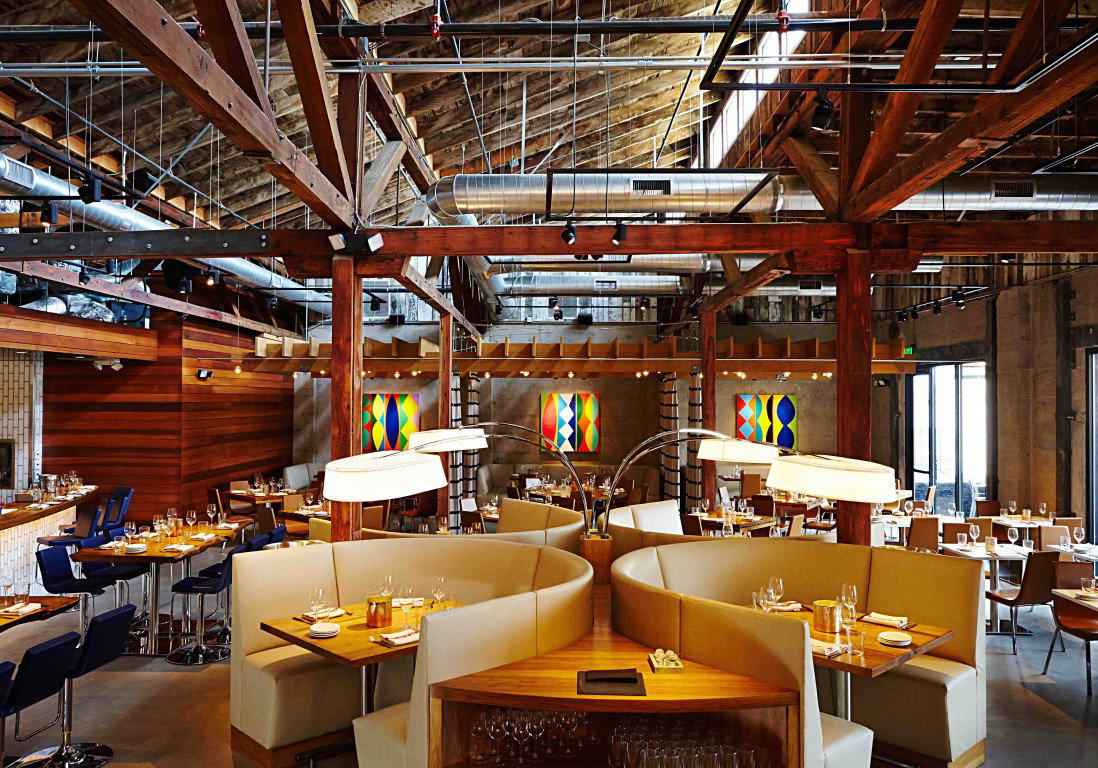
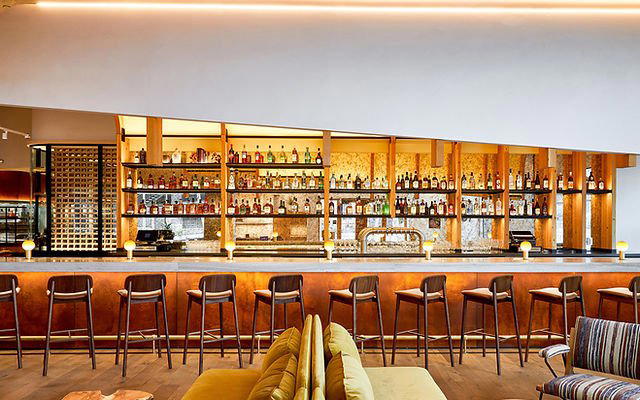

Bars in San Diego
Browse all →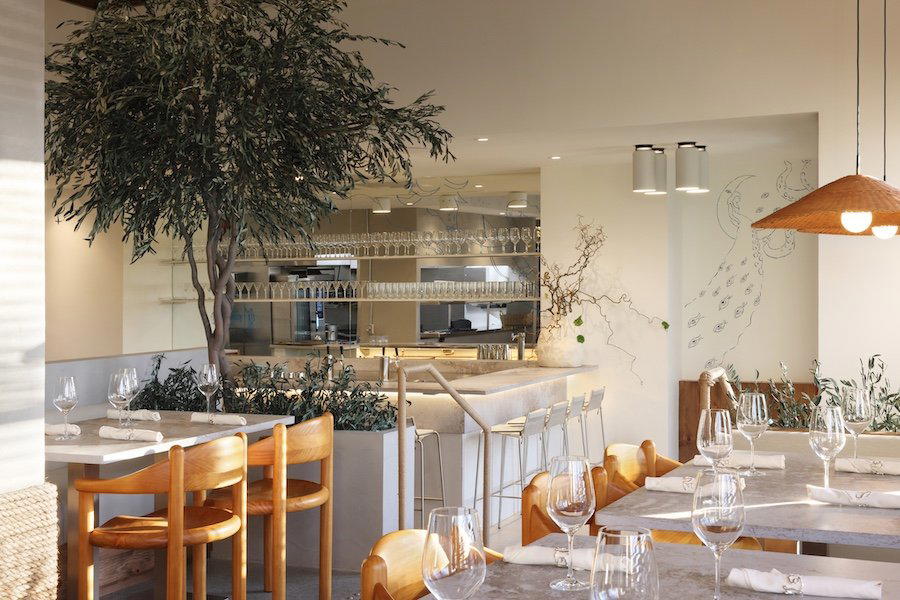


At a Glance
- Trendy
- Intimate
- Modern
- Elegant
- Date Night
- After Work
- Casual Hangout
- Open Kitchen
- Craft Cocktails
Current opening hours
- Monday
- 4–11 PM
- Tuesday
- 4–11 PM
- Wednesday
- 4–11 PM
- Thursday
- 4–11 PM
- Friday
- 4 PM–1 AM
- Saturday
- 4 PM–1 AM
- Sunday
- 4–11 PM
Hours can change for holidays and private events. Last verified .
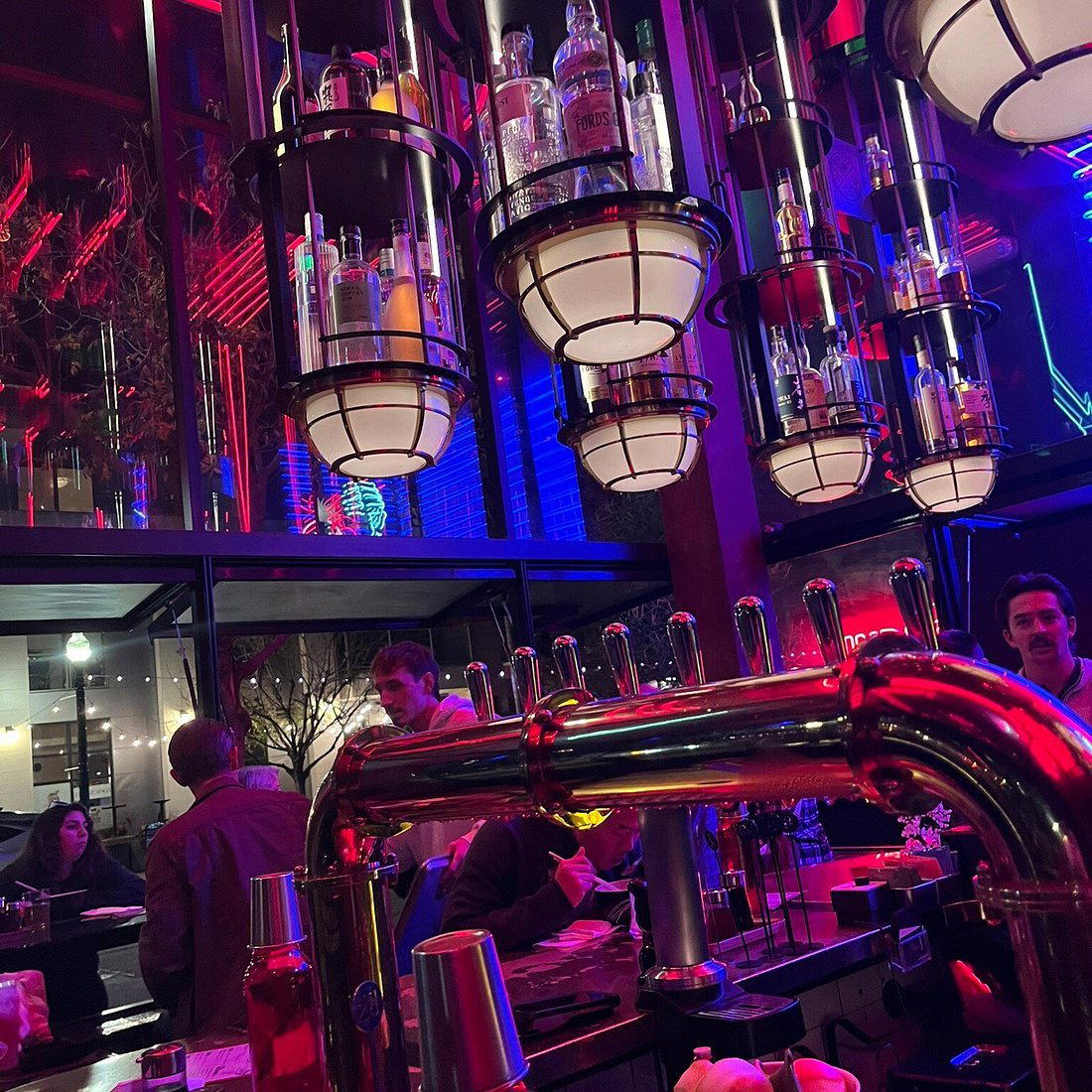
Stylish and welcoming with cherry blossom decor, teardrop lights, cool clean vibe, and relaxed upbeat music.