Soho Japanese Restaurant
Soho Japanese Restaurant occupies a suite address on the southwest side of Las Vegas, positioning itself within a corridor of neighborhood dining that runs well outside the Strip's gravitational pull. The kitchen operates in a city where Japanese cuisine ranges from conveyor-belt casual to omakase counters with month-long waitlists, placing Soho in a mid-register that serves a predominantly local clientele rather than tourist traffic.
Pearl is the En Primeur Club membership app — saves, bookings, and concierge access live there. Same editors, same standards.
- Address
- 7377 S Jones Blvd Ste 116, Las Vegas, NV 89139
- Phone
- +17027767778
- Website
- soholasvegas.com
- Directions
- Get directions
 Saves & bookings on Pearl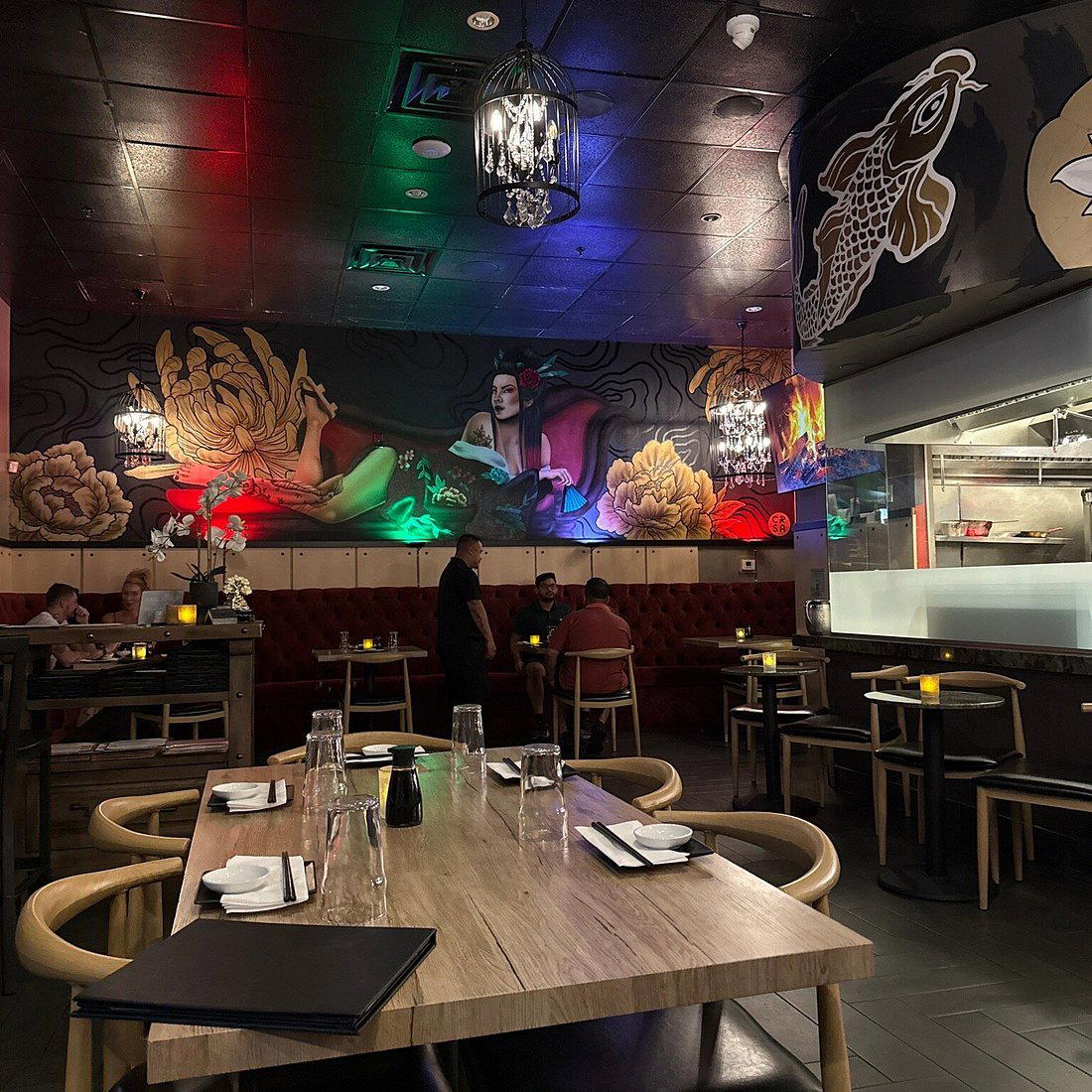
Southwest Las Vegas and the Japanese Restaurant Tier Below the Strip
Las Vegas has a more layered Japanese dining scene than its resort-corridor reputation suggests. The Strip and its immediate surrounds account for the headline counters, omakase formats with celebrity-chef affiliations and prices that track against Le Bernardin in New York City or The French Laundry in Napa, but the more durable stratum of Japanese cooking in this city operates in neighborhood plazas well south and west of the tourist core. That geography matters. Soho Japanese Restaurant at 7377 S Jones Blvd, Suite 116, Las Vegas, NV 89139, is a neighborhood Japanese restaurant in southwest Las Vegas. It is positioned for residents of the southwest valley who want Japanese food on a Tuesday night without driving to Chinatown on Spring Mountain Road or paying resort prices for parking validation.
That residential positioning shapes everything from menu breadth to booking patterns. Venues operating in this register, not the Atomix-tier of technical precision, not the Bacchanal floor-space model, tend to run broad menus that cover sushi, cooked plates, and izakaya-adjacent items, because their repeat-customer base expects range across a week's worth of different cravings. Blue Ribbon Sushi Bar and Grill, which operates with a similar neighborhood-Japanese orientation in Las Vegas, represents the archetype: wide format, consistent execution, a regular clientele that treats the room like a standing appointment rather than a destination booking.
Japanese Technique in a Market Defined by Import
The editorial angle that makes southwest Las Vegas Japanese restaurants genuinely interesting is not authenticity in any narrow sense, it is the intersection of imported culinary methods with a procurement reality that Las Vegas chefs have been managing for decades. The city sits in a desert without a coastline, without a fishing tradition, and without the farm infrastructure that places like Single Thread Farm in Healdsburg or Blue Hill at Stone Barns in Tarrytown are built around. Serious Japanese kitchens in this city source fish from overnight air freight, typically from Toyosu via Los Angeles or direct from Hawaii, and the quality ceiling on a given night depends on logistics as much as technique.
What that supply chain reality means for a diner is practical: the distance from ocean to plate is compressed by refrigeration infrastructure rather than geography, and the restaurants that manage that chain well produce results that are competitive with coastal peers. The ones that do not show their limitations in texture and temperature rather than in flavor, which is why experienced Japanese-restaurant diners in Las Vegas pay closer attention to fish condition than menu description. Aburiya Raku, the yakitori and small-plates counter on Spring Mountain Road, built its reputation in this market partly by controlling its protein sourcing with unusual specificity, a signal that supply discipline is the differentiating variable in this city, not location.
Soho Japanese Restaurant sits within that broader supply-chain reality. Its address on S Jones Blvd places it in a residential pocket where the clientele is more likely to be Japanese-American families and suburban regulars than tourists consulting a concierge list, which historically correlates with a kitchen that adjusts sourcing based on genuine repeat-customer feedback rather than one-time impression management.
The Southwest Corridor's Dining Context
The stretch of Las Vegas that runs south and west from the I-215 beltway has developed into one of the city's more coherent neighborhood dining corridors over the past decade. It sits physically and economically apart from both the Strip and the Spring Mountain Road Chinatown district, which means it draws less critical attention despite containing a substantial volume of independent, locally oriented restaurants. 108 Eats and 18bin represent the kind of chef-driven independent operations that have found traction in this part of the city, as have Korean concepts like 777 Korean Restaurant and more experimental formats like A Different Beast.
Within that mix, Japanese restaurants occupy a specific functional role: they run higher repeat-visit frequency than occasion-driven formats, they serve a demographic that extends across multiple generations of Las Vegas's Japanese-American community, and they tend to anchor small plazas rather than stand-alone buildings. The suite-format address at S Jones Blvd is characteristic of this positioning. It is the same real-estate model that supports American concepts like Craftsteak in different parts of the valley, efficient footprints, lower overhead than resort-space rents, customer bases built on proximity and habit rather than destination traffic.
For a visitor rather than a resident, this context carries a practical implication. Restaurants built for local regulars in residential corridors are generally less amenable to walk-in traffic and more dependent on knowing what to order than venues that have optimized their experience for first-timers. The menus tend to be longer and less edited than high-concept formats. Navigating them well usually means arriving with a specific category in mind, sushi, robata, ramen, or izakaya plates, rather than scanning a multi-page menu cold.
Comparing the Las Vegas Japanese Register
Japanese cuisine in Las Vegas operates across at least four distinct price and format tiers. At the leading, omakase counters in resort properties price against the same comparable set as Providence in Los Angeles or Addison in San Diego. One tier below, mid-scale sushi and Japanese restaurants in the Chinatown and adjacent corridors have built reputations through press coverage and local following. The residential neighborhood tier, which includes the southwest corridor, operates on lower average checks and higher visit frequency. Below that, the buffet-format Japanese stations, integrated into large operations like Bacchanal, function more as volume propositions than cuisine-specific experiences.
Soho Japanese Restaurant's address and format place it in the residential neighborhood tier. That is not a critical judgment about quality, particularly technically sound Japanese cooking in American cities happens in strip malls where rent economics allow investment in ingredients rather than interiors. It is an accurate description of the competitive set and the dining dynamic. One instructive comparison in the Las Vegas Japanese scene is not with the omakase counters but with the mid-range neighborhood operations that serve the city's large Asian-American residential communities in the south and west valley, where sourcing decisions and menu consistency over time matter more than a single-visit impression.
For readers calibrating their Las Vegas itinerary against other serious Japanese dining experiences in the United States, Alinea in Chicago for technical ambition, Lazy Bear in San Francisco for format innovation, Emeril's in New Orleans for the intersection of regional produce and imported technique, or The Inn at Little Washington for destination-dining commitment, Soho Japanese represents the counterpoint: a neighborhood-register venue that prioritizes accessibility and repeat-customer loyalty over destination positioning. The value of understanding that register is that it reveals more about how Las Vegas actually eats than any resort-floor omakase counter does.
Planning Your Visit
Address: 7377 S Jones Blvd, Suite 116, Las Vegas, NV 89139. Reservations are recommended. Hours: Monday through Saturday, 12:00 PM to 9:30 PM; closed Sunday. Budget: About $40 per person.
- Hamachi Serrano Yuzu
- Salmon Pop Rocks
- Lobster Roll
- Dragon Roll
- Spicy Seafood Ramen
- Grilled Octopus
Cost and Credentials
Comparable venues nearby, for context on price, style, and recognition.
| Venue | Cuisine | Price | Notes |
|---|---|---|---|
| Soho Japanese RestaurantThis venue — the venue you are viewing | Arden, Modern Japanese Sushi | $$$ | Not listed |
| MURA Japanese BBQ & Shabu | Not listed | $$$ | Spring Valley, Japanese BBQ & Shabu-Shabu |
| Yuzu Japanese Kitchen | Not listed | $$$ | Silver Pointe, Traditional Japanese Kaiseki |
| Blue Ribbon Sushi Bar & Grill | Not listed | $$$ | Red Rock Casino Resort & Spa, Japanese Sushi Bar & Grill |
| Raku | Not listed | $$$ | The Asian District, Japanese Robatayaki Izakaya |
| Sushi Roku | Not listed | $$$ | South Las Vegas, Contemporary Japanese Sushi |
Continue exploring
More in Las Vegas
Restaurants in Las Vegas
Browse all →
Bars in Las Vegas
Browse all →
At a Glance
- Modern
- Elegant
- Sophisticated
- Date Night
- Business Dinner
- Group Dining
- Casual Hangout
- Open Kitchen
- Standalone
- Sake Program
Current opening hours
- Monday
- 12–9:30 PM
- Tuesday
- 12–9:30 PM
- Wednesday
- 12–9:30 PM
- Thursday
- 12–9:30 PM
- Friday
- 12–9:30 PM
- Saturday
- 12–9:30 PM
- Sunday
- Closed
Hours can change for holidays and private events. Last verified .
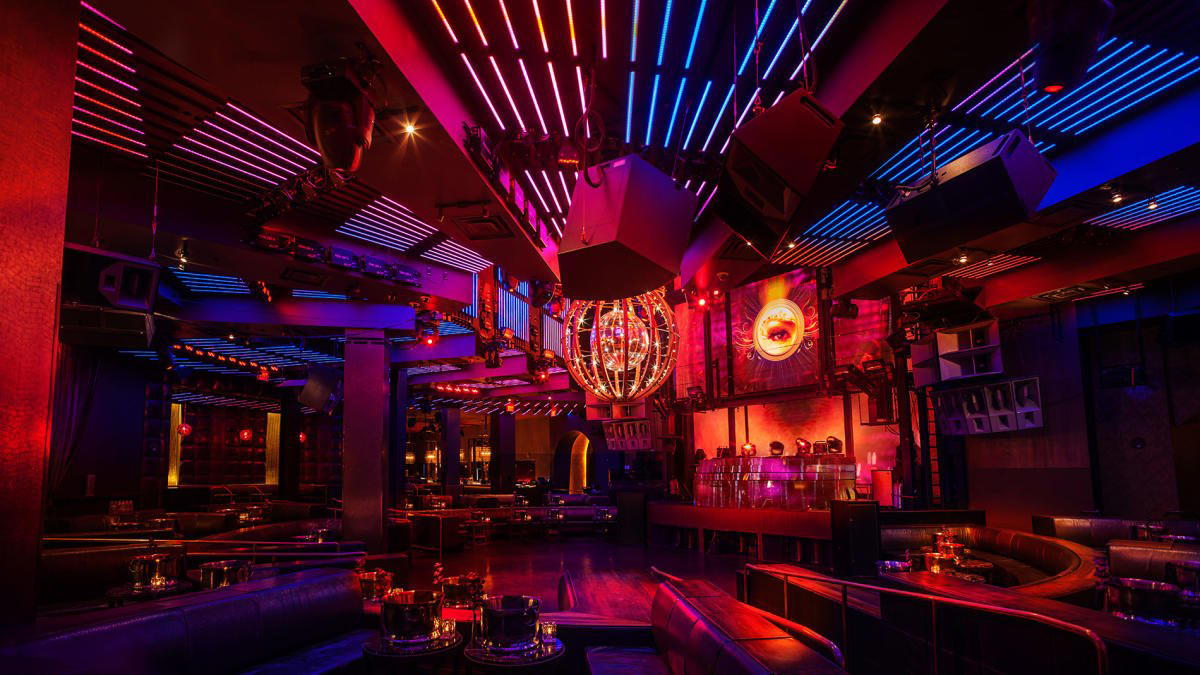
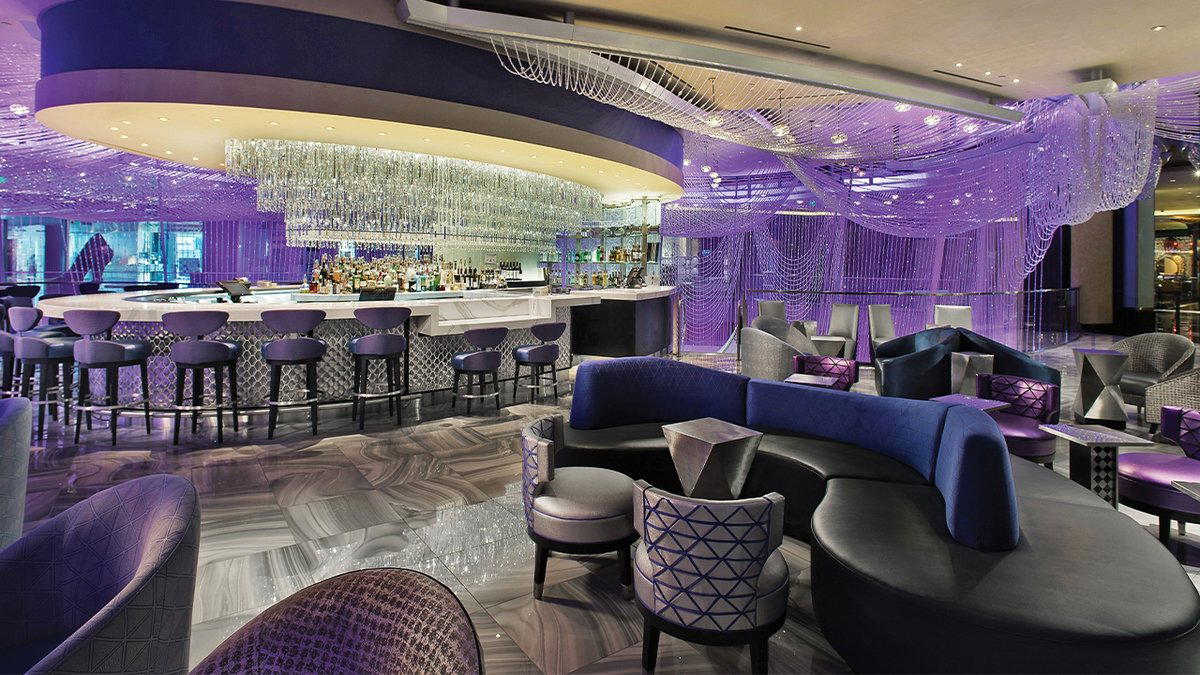
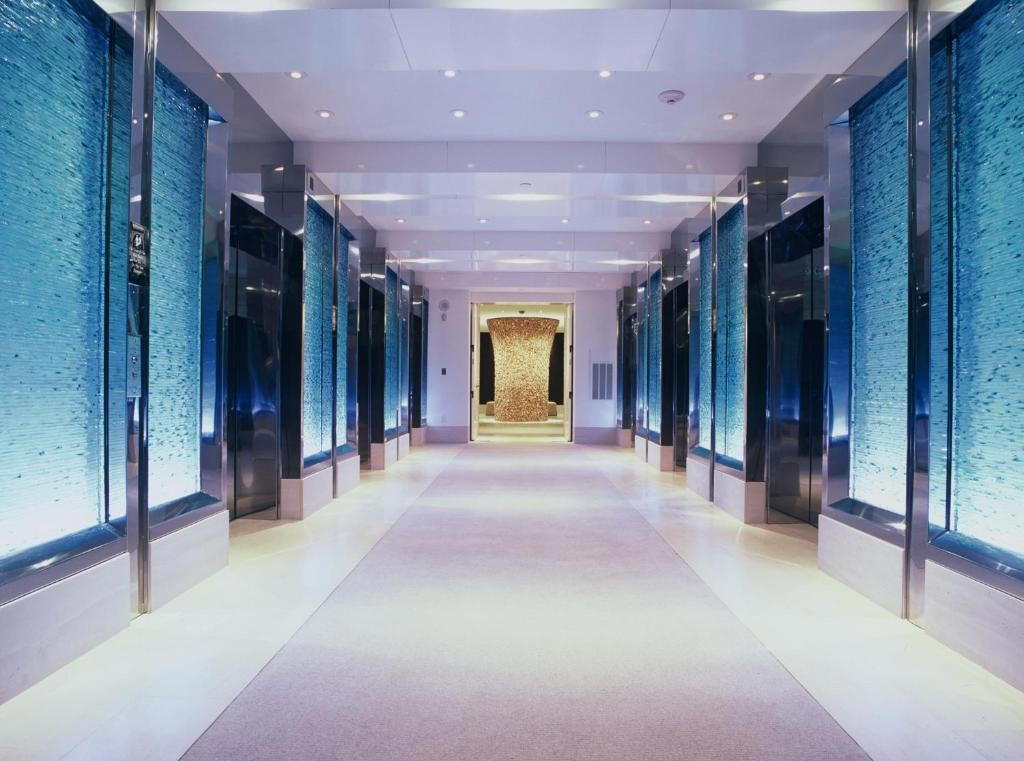
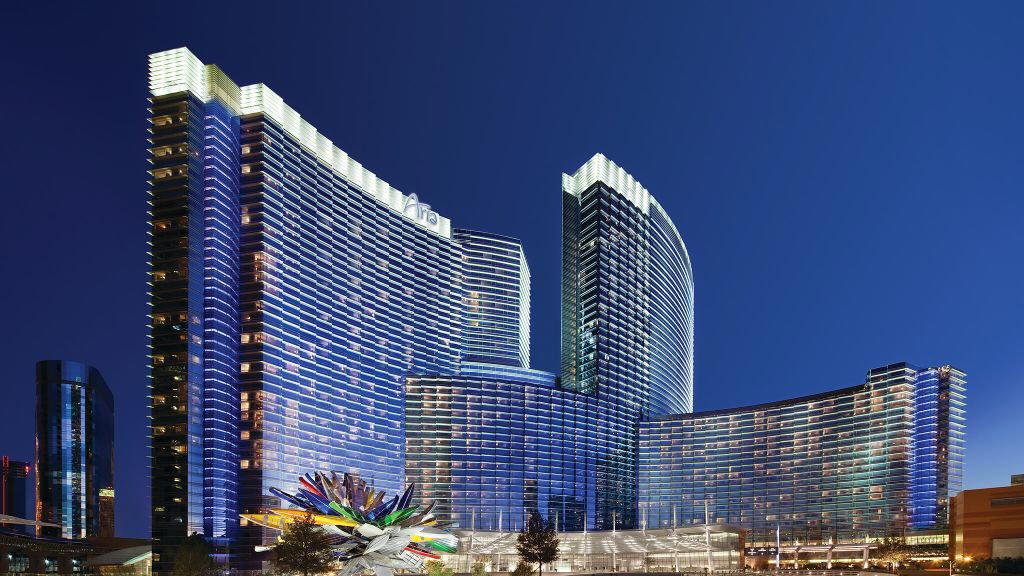
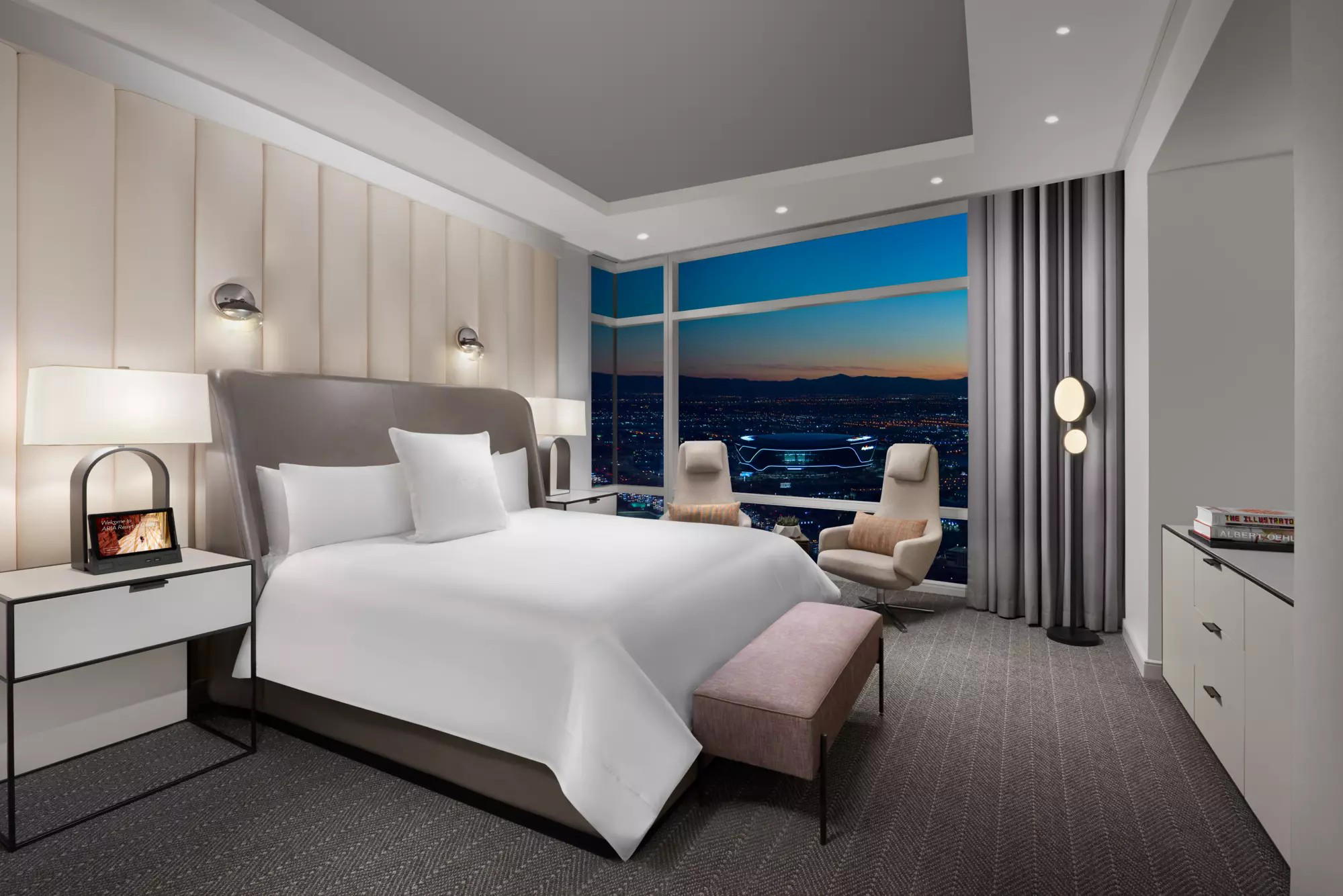
Sleek and contemporary with modern, spacious layout that embodies sophistication and elegance.