Our verdict
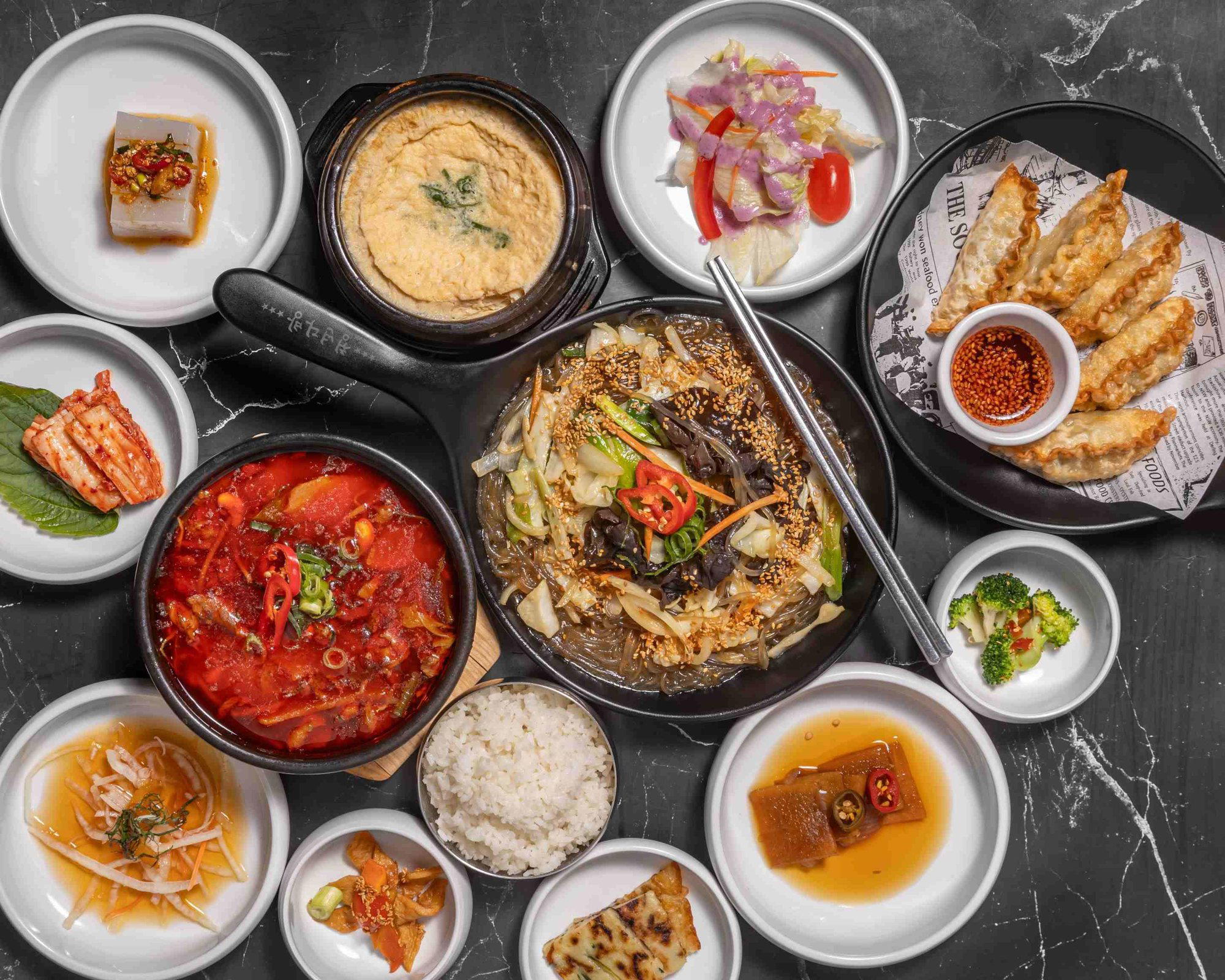
Sogogi Korean BBQ Restaurant serves Authentic Korean BBQ at 2 Main Ln, Merrylands NSW 2160, Australia, with casual service, an open kitchen, and conversational pacing.

Pearl is the En Primeur Club membership app — saves, bookings, and concierge access live there. Same editors, same standards.
- Address
- 2 Main Ln, Merrylands NSW 2160, Australia
- Phone
- +61433003863
- Hours
- Mon–Tue 5–10 PMWed–Fri 12–10 PMSat–Sun 11:30 AM–10 PM
- Website
- qrcode.qonus.com.au
- Directions
- Get directions
- Booking
- Book on the venue's website
Western Sydney's Korean BBQ Belt
The stretch of greater Sydney running through Merrylands, Punchbowl, and Strathfield carries one of the most concentrated Korean dining corridors outside of Seoul's own satellite cities. Unlike the Koreatown pockets of central Sydney, which lean toward quick-service formats and younger crowds, this western arc has quietly developed a dining culture oriented around longer, more communal meals. Sogogi Korean BBQ Restaurant, at 2 Main Lane in Merrylands, sits within that corridor and reflects a broader pattern: Korean BBQ in Western Sydney has moved beyond the entry-level charcoal-grill format and is drawing diners from across the metropolitan area willing to make the trip for a more committed version of the experience.
Korean BBQ as a dining format has always carried an inherent theatricality. The table becomes the kitchen. The sequence of banchan, the management of the grill temperature, the progression from lighter cuts to heavier marbled meats — these are as choreographed as any tasting menu, even if the formality operates at a completely different register. What has shifted in the Australian context over the past decade is the sourcing side of that equation. Australian beef, raised in conditions that produce fat distribution and marbling profiles that compete directly with imported Korean hanwoo, has changed what Korean BBQ can taste like here. The intersection of Korean technique — the marinades, the charcoal management, the accompanying ferments, with Australian primary produce is the defining characteristic of the better end of the format in this country.
The Grill as Method, Not Just Format
Korean BBQ's technical core is often underestimated. The marinade formulas for galbi and bulgogi are built around enzyme activity from fruit, traditionally Asian pear or kiwi, that tenderises muscle fibre while introducing residual sweetness that caramelises under heat. The charcoal or gas grill management then becomes a question of Maillard reaction timing: too slow and the meat steams, too fast and the marinade burns before the interior cooks. These are the same underlying principles that govern grilling anywhere, but the Korean format packages them inside a social ritual that gives diners agency over the process.
In Sydney's Western suburbs, where Korean diaspora communities have put down deep roots over three decades, the banchan selection at established restaurants tends to be more extensive and more consistent than in city-centre equivalents that adjust menus for broader audiences. The fermentation component, kimchi in multiple forms, doenjang-based sides, pickled vegetables, represents a kind of culinary intelligence that is built up over time in community kitchens, and that institutional memory is part of what makes the western corridor a more reliable address for the format than trendier inner-city alternatives.
Australian Produce, Korean Framework
The editorial angle that matters in 2024 for Korean BBQ in Australia is the produce question. Australian grass-fed and grain-fed beef has developed significant export recognition in Korean markets, an inversion of the usual direction of influence that has started to loop back into how Korean-Australian restaurants think about their supply chains. Wagyu breeding programs in New South Wales and Victoria now produce animals with marbling scores (the AUS-MEAT system uses a 1-9 scale) that overlap meaningfully with mid-range imported cuts, at domestically competitive prices.
For context on how different Australian restaurants are thinking about the intersection of local produce and imported technique, it is worth looking across the broader Sydney scene. Saint Peter has built its reputation on applying rigorous classical technique to overlooked Australian seafood species. Rockpool has long positioned Australian beef as a fine-dining proposition in its own right. The same logic, applied to the Korean BBQ format, points toward a version of the cuisine that foregrounds Australian provenance rather than treating it as a generic substitute for imported product.
Further afield, Attica in Melbourne and Brae in Birregurra represent a different but related approach: the sustained project of building a cuisine out of what the Australian continent produces, rather than importing frameworks wholesale. Korean BBQ sits in a different price tier and cultural context, but the underlying question, what does this cuisine look like when the produce is local, is the same.
Merrylands as Address
Merrylands is not a dining destination in the way that Surry Hills or Newtown are discussed in Sydney restaurant media. That absence from the editorial conversation is not a quality judgment; it reflects a pattern in which Sydney's food press remains concentrated on inner-ring suburbs while the outer metropolitan area carries a substantial volume of serious eating at price points that inner-city rents make impossible. The Korean BBQ corridor that runs through this part of Western Sydney operates largely without the critical infrastructure of reviews and awards, which means the filtering mechanism for quality is primarily community reputation rather than media attention.
For diners travelling from the CBD or eastern suburbs, Merrylands is accessible via the T2 Western Line from Central, with Merrylands station within walking distance of the Main Lane address. The journey takes approximately 35-40 minutes from Central, which by Sydney standards puts it in the same travel bracket as driving to Manly or taking the ferry to Watsons Bay.
For a broader orientation to Sydney's dining geography, our full Sydney restaurants guide maps the key corridors and categories. Additional Sydney context across different price tiers and formats can be found at 10 William St, 10 Pounds, 1021 Mediterranean, and bills in Bondi Beach. Across the wider region, Bayly's Bistro in Kirribilli, Johnny Bird in Crows Nest, Hungry Wolfs in Newcastle, Kulcha in Wollongong, and Jaani Street Food in Ballarat cover the format range across New South Wales and Victoria. For Melbourne specifically, Bar Carolina in South Yarra and Barry Cafe in Northcote represent the kind of neighbourhood-anchored dining that Merrylands's Korean strip parallels in its own register.
For international reference points on where Korean fine dining has pushed the format's upper ceiling, Atomix in New York City, which holds two Michelin stars, demonstrates how Korean culinary intelligence translates into the highest tier of the global fine-dining conversation. Separately, Le Bernardin in New York City illustrates the longer arc of an immigrant cuisine achieving sustained critical recognition over decades, a trajectory that Korean dining in Australia is beginning to trace.
Planning Your Visit
Sogogi Korean BBQ Restaurant is located at 2 Main Lane, Merrylands NSW 2160. Walk-in availability is more reliable at lunch on weekdays, though this cannot be confirmed without current operational data from the venue.
Quick reference: 2 Main Lane, Merrylands NSW 2160, verify hours and booking requirements before visiting.
Frequently asked questions
Where is Sogogi Korean BBQ Restaurant located?
Sogogi Korean BBQ Restaurant is located at 2 Main Ln, Merrylands NSW 2160, Australia, Sydney.
How does Sogogi Korean BBQ Restaurant compare to Korean restaurants in inner Sydney?
Sogogi operates in Merrylands, which sits within Sydney's western Korean dining corridor alongside Punchbowl and Strathfield — a different register entirely from the media-covered Korean venues of Surry Hills or the CBD. Restaurants in this corridor tend to draw a community-rooted clientele rather than a tourism or influencer crowd, which generally means less theatre and more focus on the grill itself. For context, the western suburbs corridor carries one of the highest concentrations of Korean BBQ per square kilometre outside of Korea-town districts in Melbourne.
What's the best thing to order at Sogogi Korean BBQ Restaurant?
That said, Korean BBQ restaurants operating in Sydney's western suburbs corridor — where Merrylands sits — typically anchor their menus around galbi (short rib) and bulgogi, with marinades built on fruit-enzyme tenderising techniques that distinguish the format from generic grilled meat. Ask staff what cuts are on the grill that day.
Can I walk in to Sogogi Korean BBQ Restaurant?
Korean BBQ venues in the western Sydney corridor tend to run busy on Friday and Saturday evenings, when table turnover around the grill slows. Calling ahead or arriving early in a service period is the lower-risk approach until booking details are confirmed.
Nearby-ish Comparables
Comparable venues nearby, for context on price, style, and recognition.
| Venue | Cuisine | Price | Notes |
|---|---|---|---|
| Sogogi Korean BBQ RestaurantThis venue — the venue you are viewing | Authentic Korean BBQ | $20–30 | Not listed |
| Sang by Mabasa | Modern Korean | $30–50 | Surry Hills |
| Snacky Chans | Creative Japanese Fusion | $30–50 | Annandale |
| Reaghs | Contemporary Australian with Asian Influences | $30–50 | Sydney |
| Mary's Entertainment Quarter | American Burgers & Fried Chicken | $20–30 | Moore Park |
| Baba Ghanouj Restaurant | Authentic Lebanese | $20–30 | Parramatta |
Continue exploring
More in Sydney
Restaurants in Sydney
Browse all →
Bars in Sydney
Browse all →
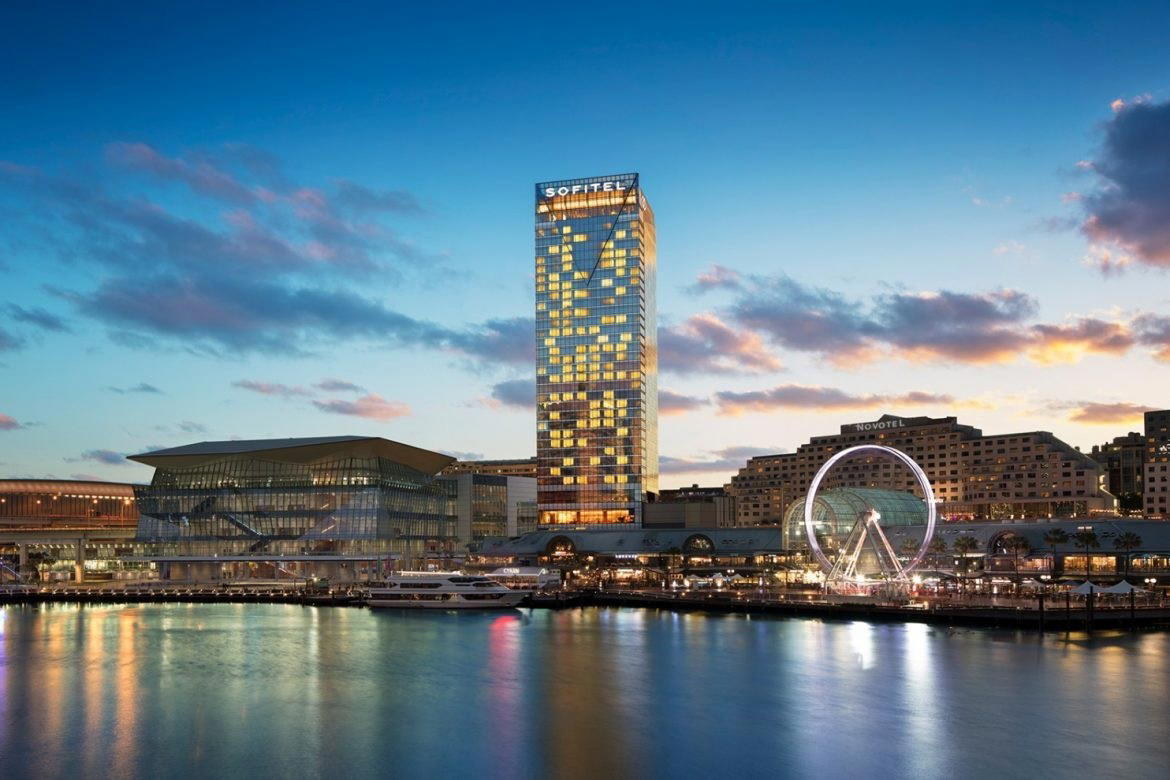
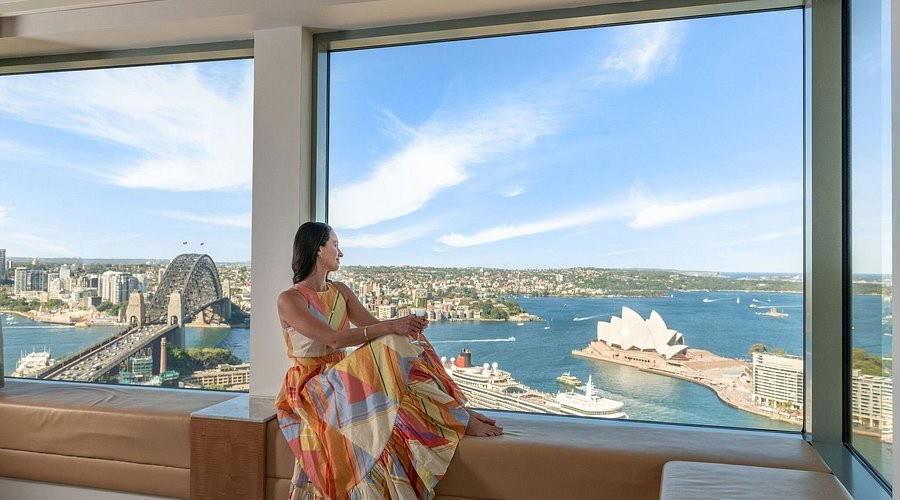
Hotels in Sydney
Browse all →

Details
- Lively
- Modern
- Warm
- Group Dining
- Family
- Casual Hangout
- Open Kitchen
- A La Carte
- Halal
Current opening hours
- Monday
- 5–10 PM
- Tuesday
- 5–10 PM
- Wednesday
- 12–10 PM
- Thursday
- 12–10 PM
- Friday
- 12–10 PM
- Saturday
- 11:30 AM–10 PM
- Sunday
- 11:30 AM–10 PM
Hours can change for holidays and private events. Last verified .
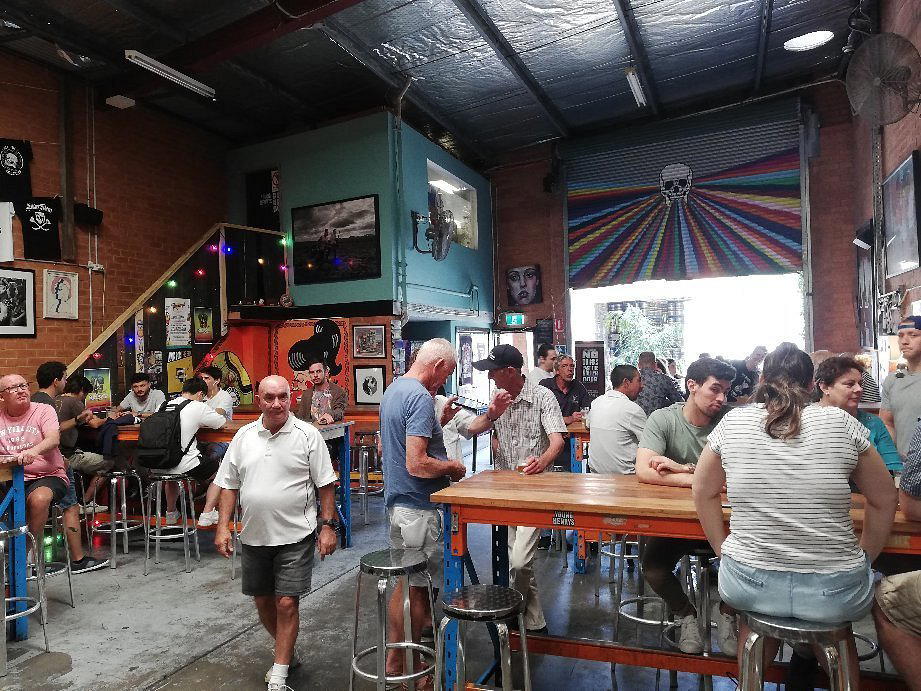
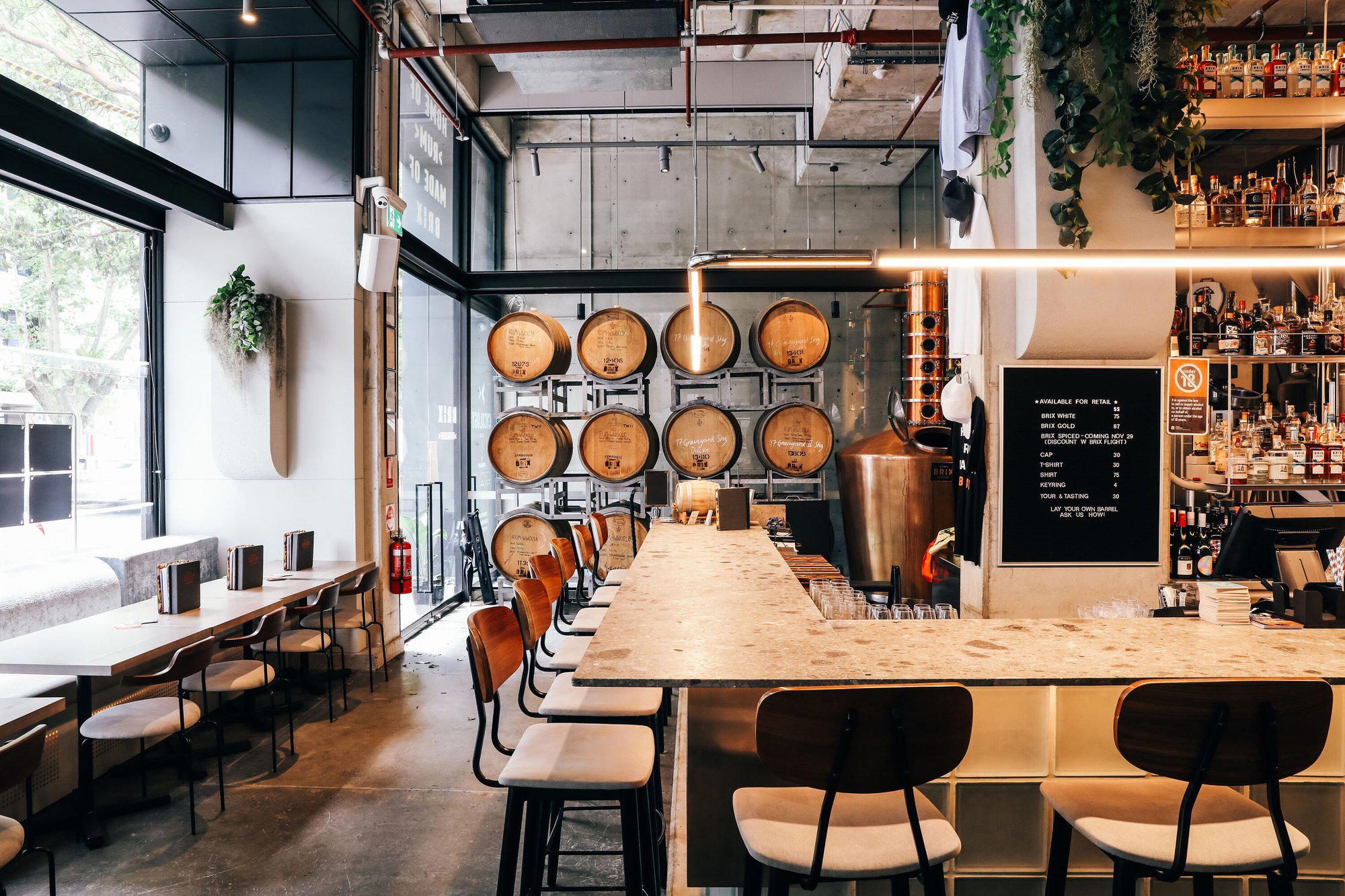
Warm atmosphere in a modern setting with table-top grills fostering communal grilling.