
Positioned among Milan's quieter neighbourhood restaurants rather than its grand dining rooms, Sogni on Via S. Calocero draws a loyal local following with high-quality seafood and creative plant-based dishes built around seasonal produce. The address near Corso Genova places it in one of the city's most residential pockets, where the atmosphere tilts toward ease rather than occasion-dressing.
Pearl is the En Primeur Club membership app — saves, bookings, and concierge access live there. Same editors, same standards.
- Address
- Via S. Calocero, 8, 20123 Milano MI, Italy
- Phone
- +39 02 4547 2909
- Website
- sogni.eu
- Directions
- Get directions
 Saves & bookings on Pearl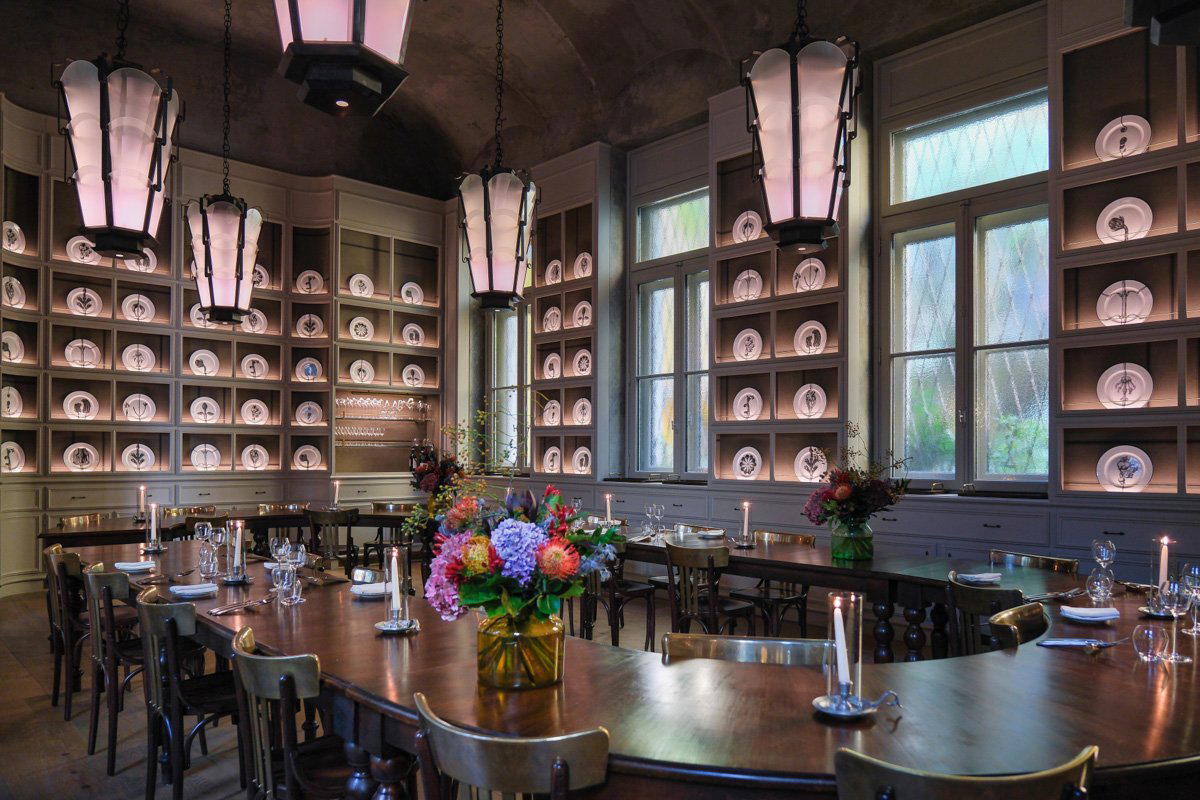
What Brings People Back to Via S. Calocero
Milan's serious dining conversation tends to orbit the Duomo quadrant and the hotel dining rooms of the Quadrilatero: the grand tasting menus at Enrico Bartolini, the architectural theatre of Cracco in Galleria, the measured Italian contemporaneity of Andrea Aprea and Seta. But a different category of Milanese restaurant runs parallel to those destinations — smaller, neighbourhood-rooted, and sustained not by tourist flow or occasion diners but by people who return every few weeks because the room already knows how they like things. Sogni, on Via S. Calocero near Corso Genova, sits in that category.
The street itself sets the register. Corso Genova is one of the few axes in central Milan that still functions as a genuinely residential corridor — aperitivo bars that attract the same faces on Tuesday as on Friday, a pace that doesn't accelerate for fashion week. Approaching Sogni on foot, the neighbourhood signals calm before the restaurant does. That calibration is important context: this is not a place that sells drama as part of its proposition.
The Menu Logic: Seafood, Season, and What the Kitchen Chooses to Avoid
Italian coastal fine dining has spent the last decade sorting itself into two camps. One camp pushes toward technical display, foams, textures, elaborate plating drawn from the French tasting menu playbook. The other returns to raw material quality and restraint, letting seafood speak at the temperature and composition that flatters it most. Sogni operates on the second side of that divide, with a menu organised around high-quality seafood and creative plant-based dishes built from seasonal produce.
The plant-based dimension is worth noting as a structural commitment rather than a trend accommodation. Across northern Italy's finer tables, vegetable-forward cookery has shifted from a courtesy option to a genuine discipline, look at how Atelier Moessmer Norbert Niederkofler in Brunico has built an entire gastronomic philosophy around Alpine produce. Sogni's approach, within a Milan context and at a more accessible register, reflects the same reorientation: vegetables are not a concession, they are part of the kitchen's identity.
Seasonal framing matters here in a practical sense. A menu structured around what is good now rather than what is always available tends to shift meaningfully across the year, which is one reason regulars describe the experience differently depending on when they visit. The kitchen doesn't need to deliver novelty as a gimmick, the seasons supply it.
The Regulars' View: An Unwritten Set of Expectations
Restaurants with loyal returning clientele develop a second, unofficial menu over time. It's not written down and won't be recited by the staff unprompted, but it exists as accumulated preference: the table by the window that regulars book instinctively, the dishes that don't appear on the printed menu but reappear when particular ingredients come into season, the rhythm of the meal that feels slightly different for someone dining there for the twelfth time versus the first.
At Sogni, that loyalty operates in the context of a neighbourhood that is predisposed toward it. Corso Genova's residential character means the restaurant's catchment includes a significant proportion of people who live within ten minutes' walk. For that group, Sogni functions as a reliable weekly or fortnightly restaurant rather than a destination occasion, a distinction that changes what the kitchen optimises for. Consistency across visits matters more than peak-performance theatre. The room's atmosphere tilts accordingly: warm rather than formal, attentive without the ceremony that marks Milan's €€€€ hotel dining tier.
For comparison, the experience at a destination table like Dal Pescatore in Runate or Le Calandre in Rubano is structured around the occasion, the drive, the arrival, the event of the meal itself. Sogni operates on a different social contract. The meal is not the event; it is part of the week.
Where It Sits in Milan's Dining Tier
Milan's restaurant market is more stratified than it appears from a distance. At the leading, a cluster of Michelin-recognised tables at the €€€€ price point compete on tasting menu depth and kitchen pedigree. Below that, a large middle tier of trattorias and bistros competes on value and familiarity. The more interesting pressure point is the tier between those two groups: refined neighbourhood restaurants that offer genuinely considered cooking and quality ingredients without the full apparatus of the haute cuisine experience.
Sogni occupies that middle pressure point, which is both a competitive advantage and a positioning challenge. It draws comparisons with places like Verso Capitaneo in the creative-but-accessible register, while sitting well below the formal commitment required by Andrea Aprea or the globally benchmarked seafood seriousness of Le Bernardin in New York City. Within the Italian seafood tradition, the discipline that places like Enoteca Pinchiorri in Florence and Osteria Francescana in Modena apply to their ingredient sourcing provides useful context for how seriously Italian kitchens treat raw material quality, Sogni's seasonal seafood emphasis reflects that same underlying standard at a neighbourhood scale.
The practical difference for the diner is significant. A meal at Sogni does not require the full evening commitment of a six-course tasting menu, nor the advance planning that Milan's most sought-after tables demand. It sits closer to the rhythm of how Milanese residents actually use restaurants through the year. For visitors, that means it offers a reliable window into how the city's food culture functions outside the occasion-dining tier, which, for many travellers, is more instructive than another grand menu. Browse our full Milan restaurants guide for broader context on the city's range.
Planning Your Visit
Via S. Calocero, 8 is walkable from Corso Genova and accessible via the Porta Genova metro stop on the M2 line, placing it in the southwestern pocket of central Milan, closer in character to the Navigli canal district than to the commercial centre. For visitors building a broader Milan itinerary, the neighbourhood works naturally alongside the city's design and bar scenes; the full Milan bars guide covers the aperitivo options nearby, and the Milan hotels guide includes properties across the city's central districts. Those with an interest in Lombardy's wine producers will find relevant context in the Milan wineries guide, and the experiences guide covers cultural programming across the city. For restaurants in a similar register to Sogni, Piazza Duomo in Alba and Emeril's in New Orleans illustrate how neighbourhood-rooted ambition plays out in other food cities, useful comparators for calibrating what Sogni does within its own urban context.
How Sogni Milan compares with similar nearby venues.
| Venue | Cuisine | Price | Awards |
|---|---|---|---|
| Sogni | Not listed | Not listed | Star Wine List (2026) |
| Bentoteca Milano | Japanese | €€€ | Not listed |
| Rovello | Italian | €€€ | Not listed |
| Dry Aged | Contemporary | €€ | Not listed |
| Langosteria Bistrot | Seafood | Not listed | Not listed |
Recognition history
Dated appearances from independent guides and award organizations, with the underlying list record or original source where available.
Star Wine List
Star Wine List
Continue exploring
More in Milan
Restaurants in Milan
Browse all →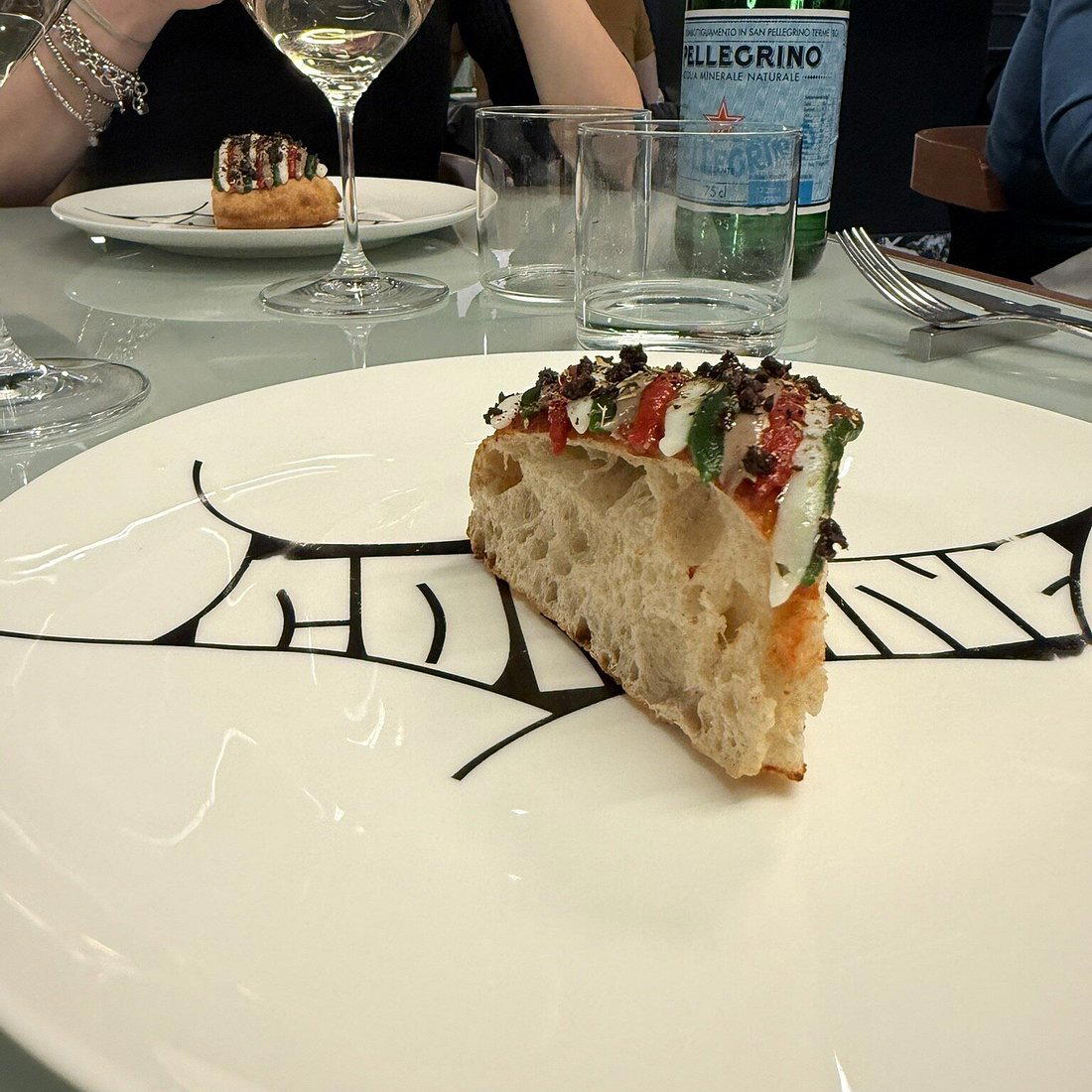
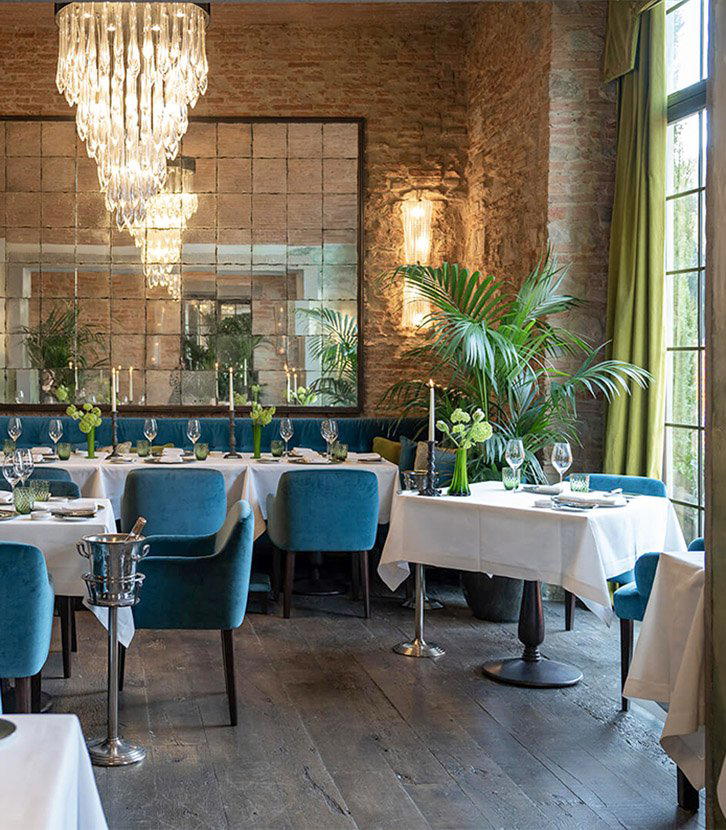
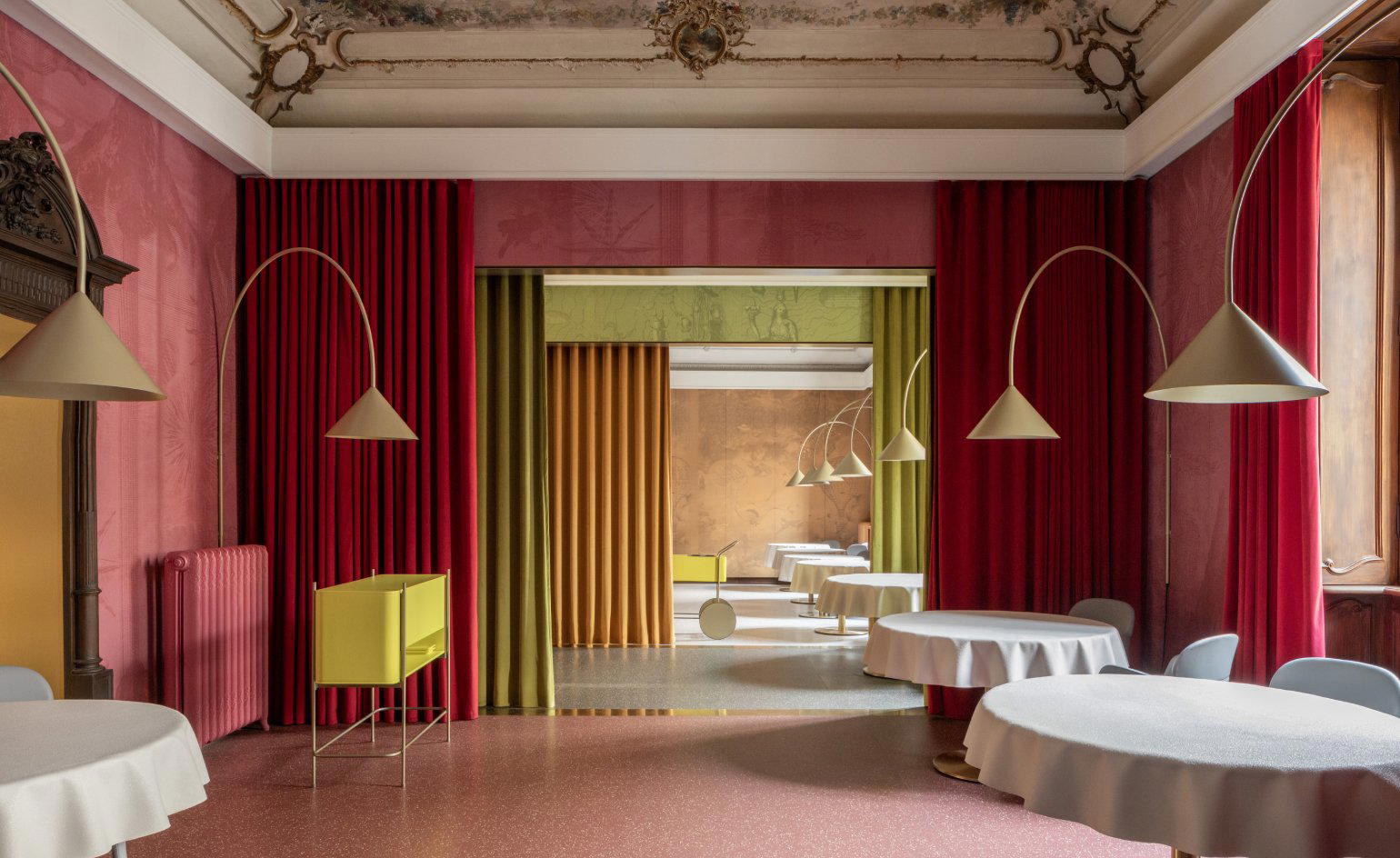
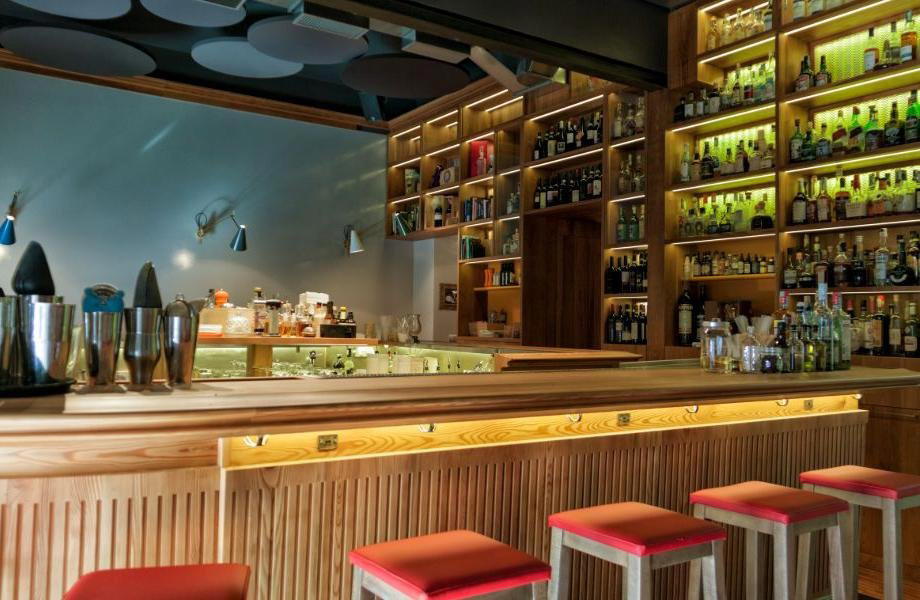
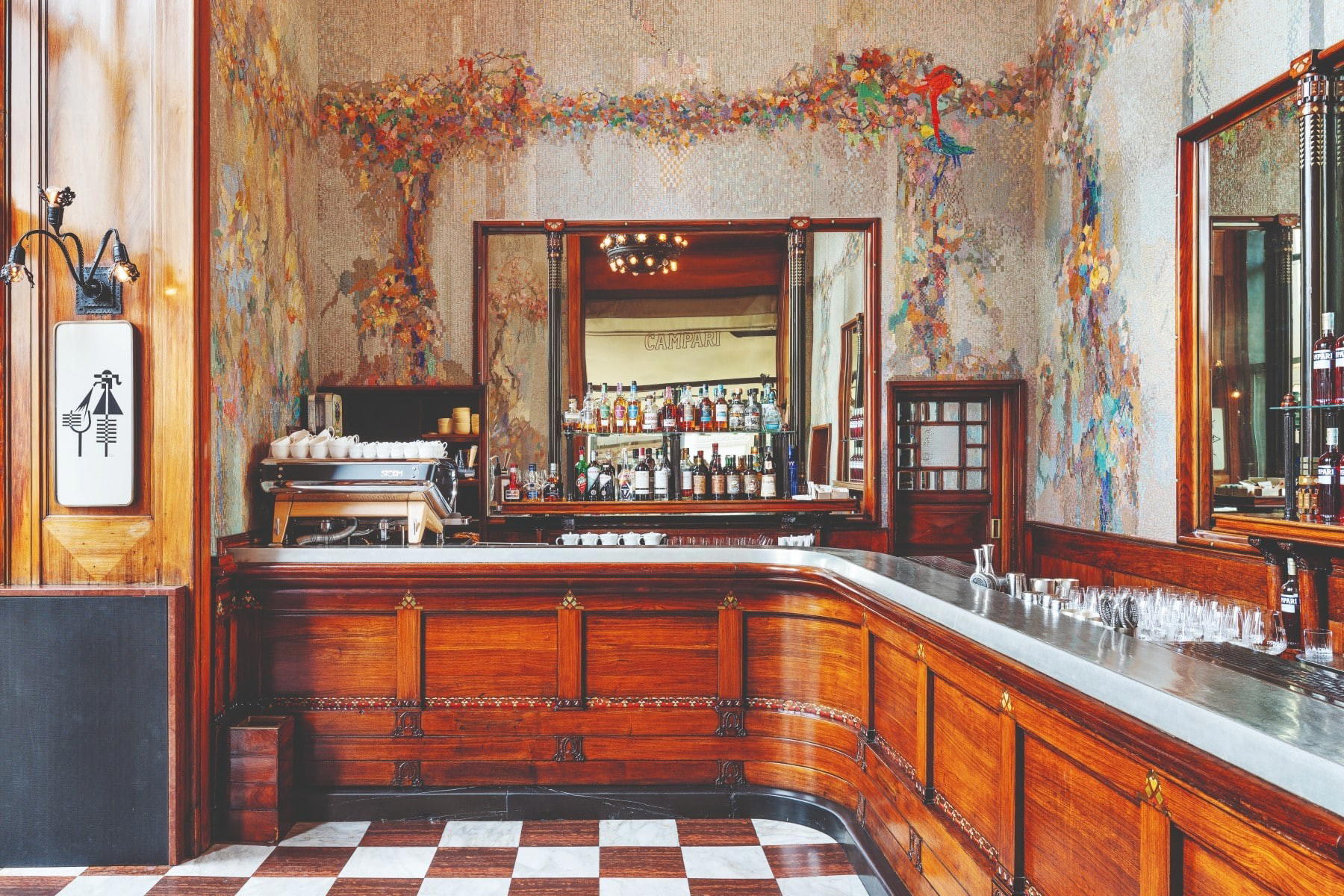
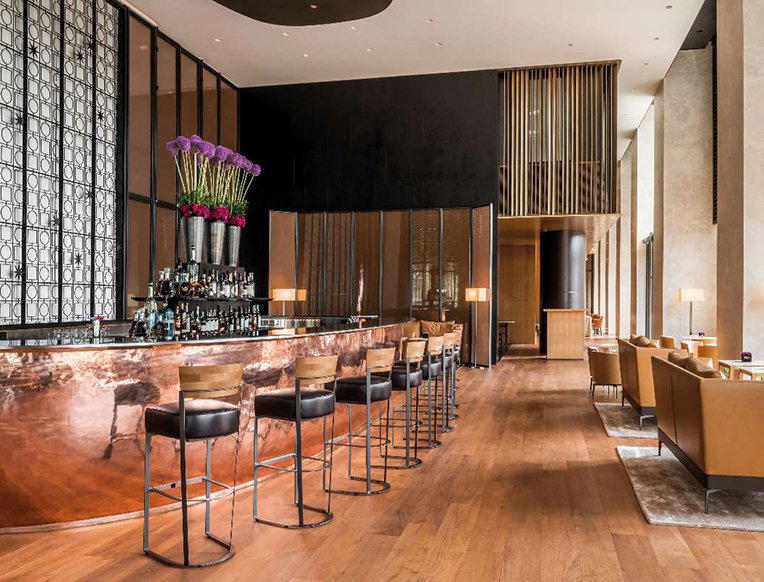
Bars in Milan
Browse all →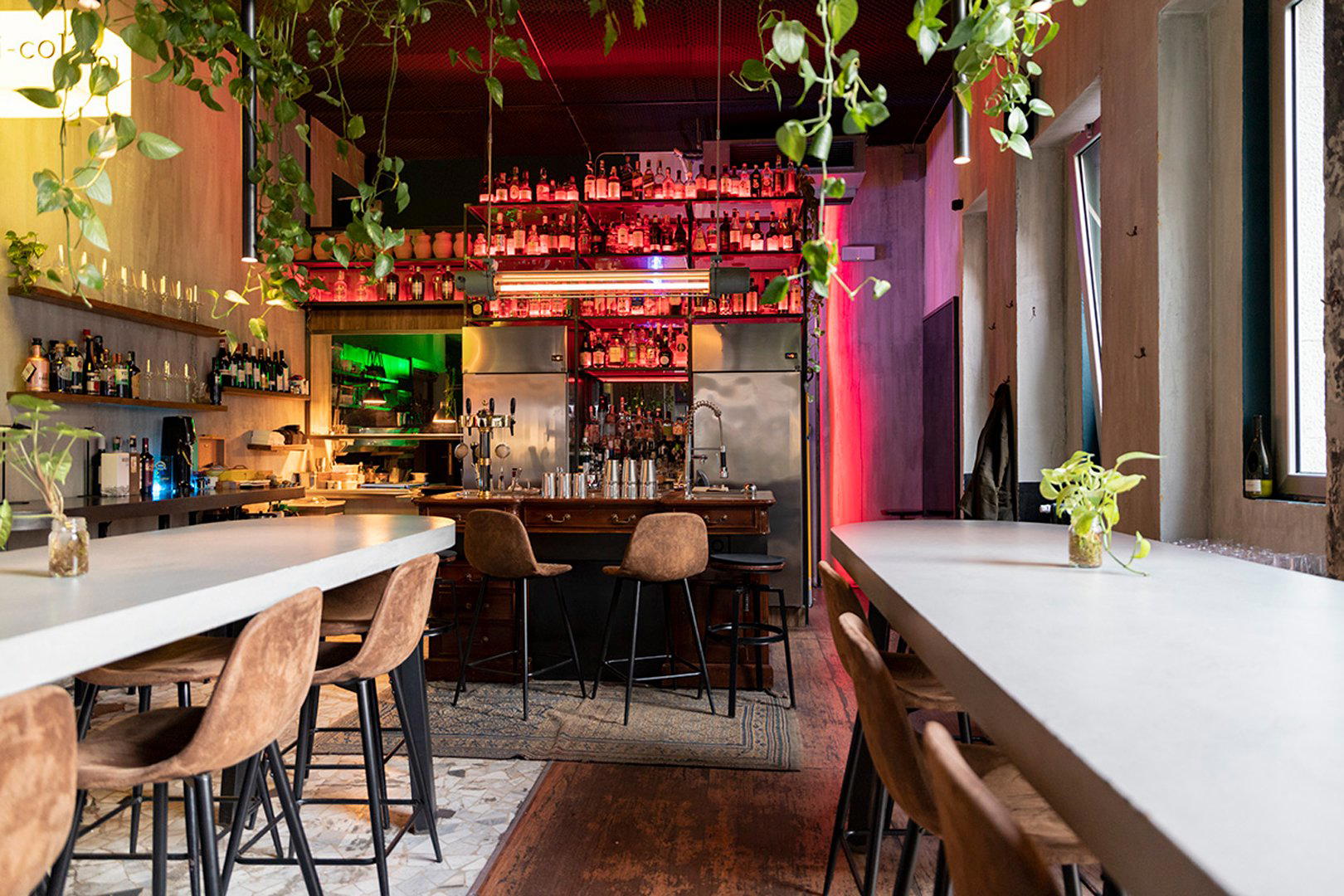
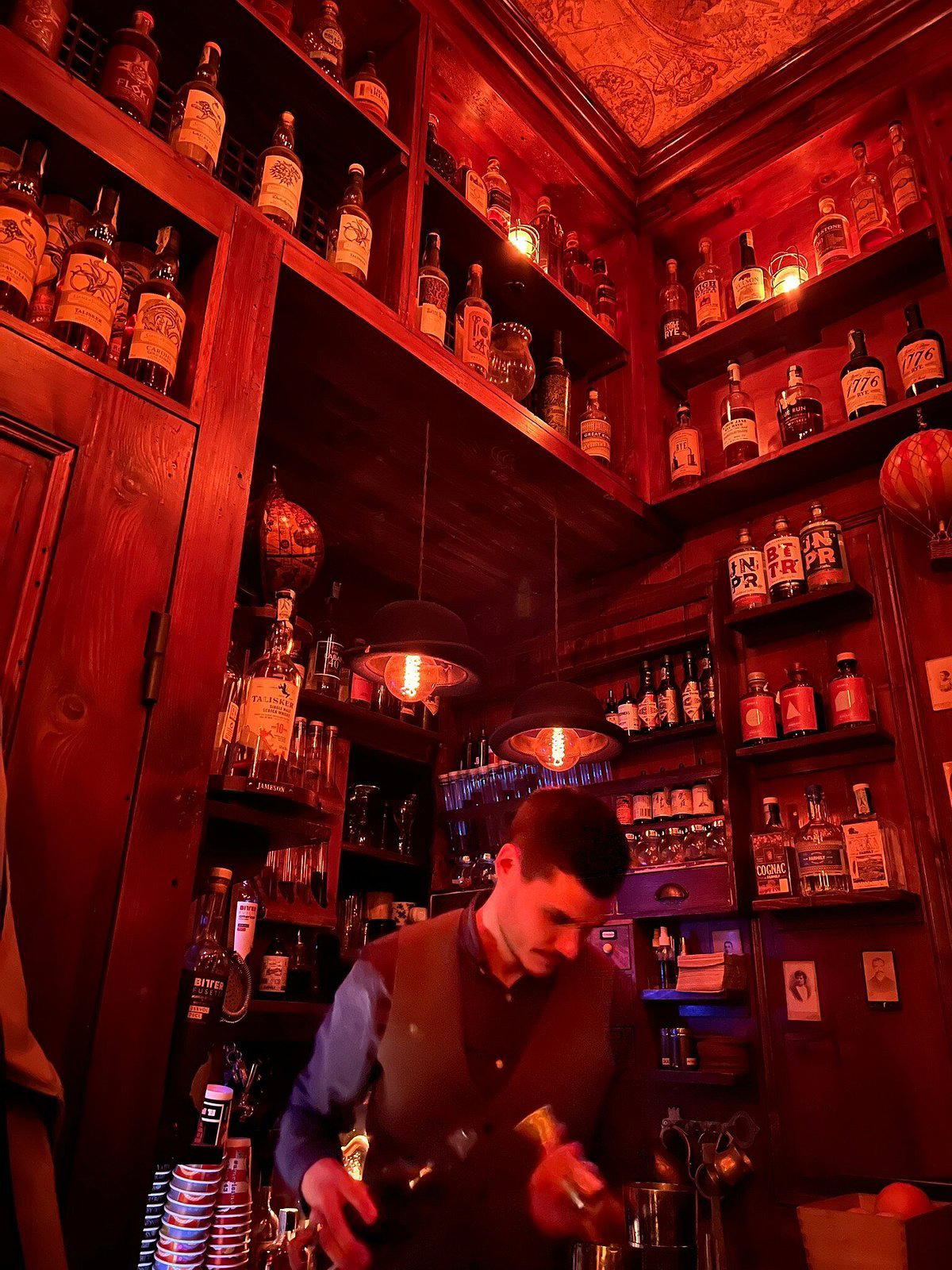
Hotels in Milan
Browse all →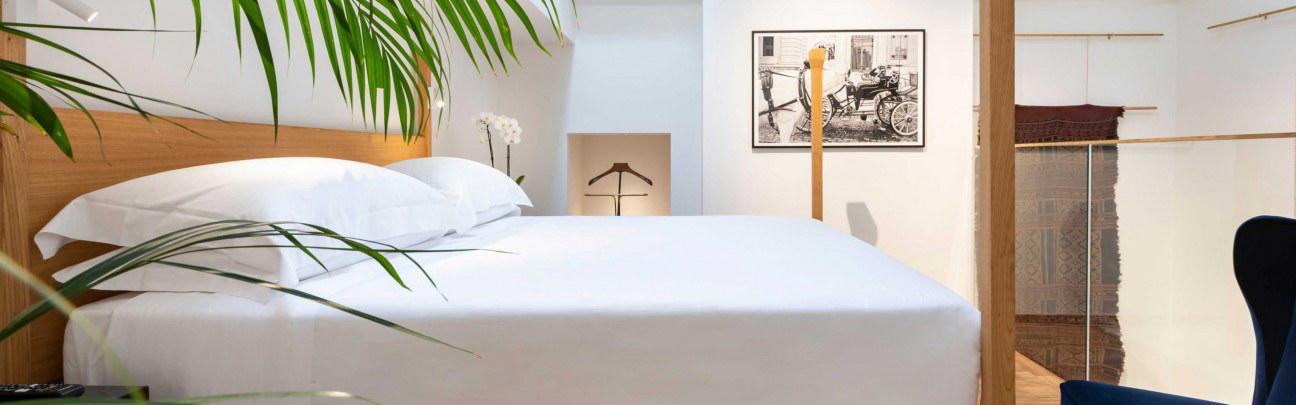

At a Glance
- Trendy
- Elegant
- Intimate
- Sophisticated
- Date Night
- Special Occasion
- Open Kitchen
- Craft Cocktails
Current opening hours
- Monday
- 6 PM–1 AM
- Tuesday
- 6 PM–1 AM
- Wednesday
- 6 PM–1 AM
- Thursday
- 6 PM–2 AM
- Friday
- 6 PM–2 AM
- Saturday
- 6 PM–2 AM
- Sunday
- 6 PM–1 AM
Hours can change for holidays and private events. Last verified .
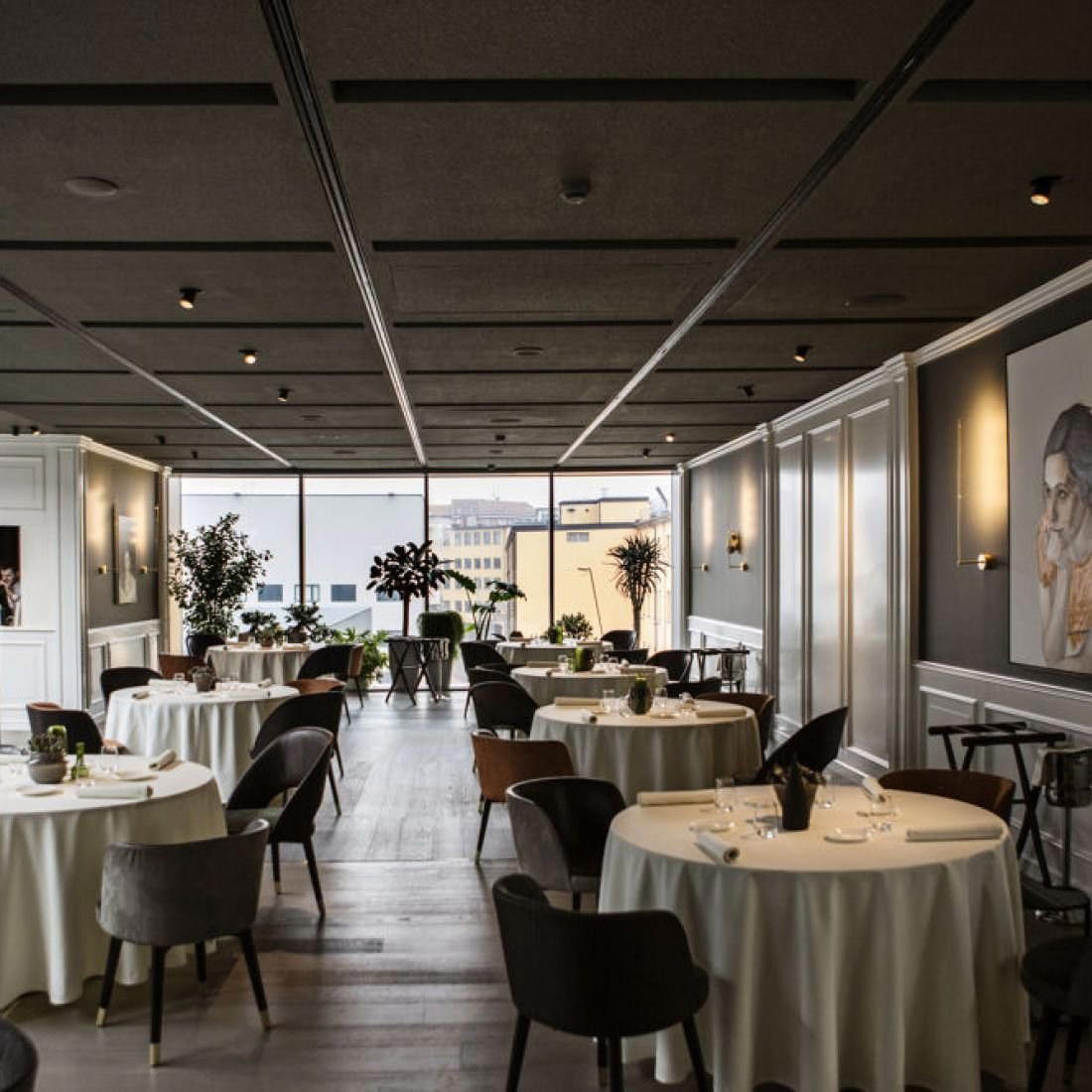
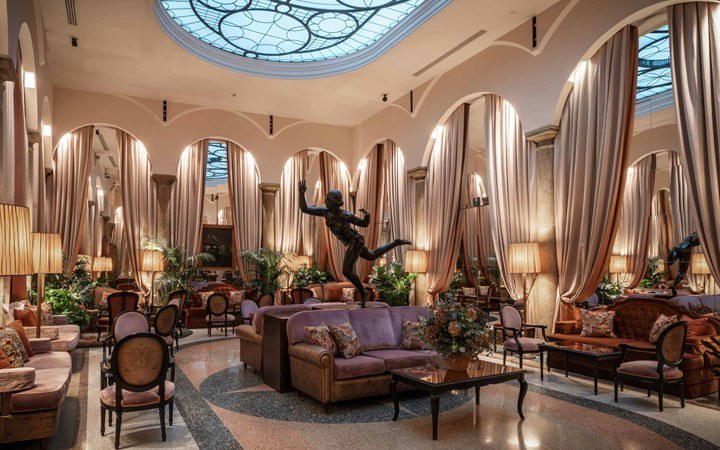
Dark, moody interior with dim lighting creating an intimate, trendy atmosphere; elegant furnishings and winter garden dining area.