
Tabelog 100 #7
Our verdict
Tachikawa gives Tokyo soba a different tempo from the central wards: lower-rise, less theatrical, and more tied to the rhythm of a meal built around buckwheat and Japanese cooking rather than a quick noodle stop. Soba Kaiseki Muan sits in that register, with Tabelog 100 Soba EAST recognition in 2025 and a house-restaurant format that suits diners who treat soba as a full evening rather than a station-side refuel.

Pearl is the En Primeur Club membership app, where members save venues, book tables and use the concierge.
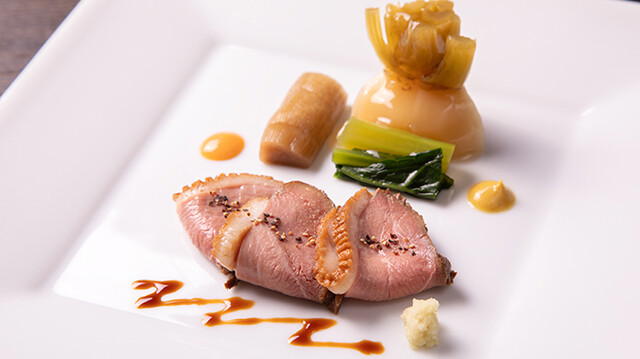
The menu
What to order
- Handmade stone-milled soba
- Soba kaiseki course
- Roast duck
- Tempura assortment
Approaching soba in Tokyo can feel different from the city’s faster dining circuits. The pace loosens, and the meal becomes less about turnover than settling into a room for conversation, noodles, and the Japanese dishes around them. Soba is one of Tokyo’s great split personalities: a fast lunch eaten in minutes, or the spine of a longer, quieter meal with sake, seasonal cooking, and a closing bowl that carries the table.
Soba Kaiseki Muan belongs to the second camp. Its recognition through Tabelog Hyakumeiten in 2025 places it among closely watched buckwheat specialists, with a listed score of 3.67, but the larger point is the category. Serious soba houses do not compete with sushi counters on ceremony or tempura rooms on spectacle. They compete on restraint: flour quality, noodle cut, broth balance, pacing, and the ability to make a humble form hold attention across courses.
Tokyo soba, away from the central performance circuit
Tokyo rewards diners willing to look beyond the standard hotel-and-taxi loop. This is not a detour for skyline dining or late-night bar-hopping; it is a way to experience the city through a quieter specialist address. Here, a soba kaiseki format reads naturally. The pleasure is not a louder version of Tokyo dining, but watching a classical noodle tradition behave with time, space, and a local rhythm.
The format also clarifies what separates soba kaiseki from a noodle shop with side dishes. Buckwheat is the anchor, but the meal is built through Japanese cuisine rather than volume. Drinks can matter in this style of meal, putting the restaurant closer to a small Japanese dining room than a lunch-counter soba stop. That distinction matters to travelers choosing between a quick bowl near a station and a planned meal elsewhere in the city.
Compared with Tokyo casual addresses such as RAINBOW SPICE, Ichiroku Coffee Ten, or OLD NEW DINER, this sits in a different decision category: less spontaneous, more meal-shaped, and more dependent on language, pacing, and etiquette. That does not make one mode superior; the trip has to match the intention. A diner chasing speed has plenty of options. A diner interested in soba as craft, and in the quieter side of Tokyo dining, has a clearer reason to plan ahead.
A calmer setting suits the kaiseki side of buckwheat
The appeal of a calmer restaurant setting is not incidental. Soba gains from rooms that reduce noise and visual clutter, because the cuisine gives diners fewer distractions. In a large dining room, buckwheat can feel slight; in a quieter room, small decisions register: dish order, the relationship between drinks and noodles, the way a meal slows before the final soba. The category appeals beyond noodle obsessives, to diners who appreciate Japanese meal structure without needing counter theatre.
The restaurant’s positioning signals a different social use from the tiny specialist counters dominating much of Tokyo’s international dining conversation. This is a place to think in terms of a composed soba and Japanese cuisine meal rather than a solo pilgrimage built only around a chef across the counter. For travelers, it is a reminder that Tokyo’s serious food culture is not confined to small rooms with punishing reservation rituals.
Etiquette is part of the experience, and it is culture rather than fine print. Soba rewards attention to aroma, texture, and temperature, so diners should approach the meal with the same sensitivity they would bring to sushi, sake, or wine. The restaurant also works best for guests comfortable navigating Japanese dining norms, or for those dining with local company. That changes the traveler profile: a stronger fit for Japan-literate diners, returning visitors, or guests ready for a slower meal than for a first Tokyo night after a long flight.
How to place it within a Tokyo itinerary
In a broader Tokyo dining plan, Soba Kaiseki Muan works as a quieter counterpoint to central eating, not a substitute for it. Pair it with a day that leaves room for a more measured meal rather than treating the restaurant as an isolated commute. Its Tabelog Hyakumeiten recognition in 2025 gives a category signal that matters in a genre where small changes in sourcing and execution can define the meal.
That recognition is why the venue belongs in a Tokyo itinerary for diners who understand the city’s range. The same trip might include other Tokyo dining rooms devoted to seafood, skewers, curry, cafes, or casual specialist formats. Together, those choices show why Tokyo resists a single dining identity: the city moves from soba discipline to many other forms without one master narrative.
Travelers building beyond one meal can use the full Tokyo restaurants guide for dining context, with parallel planning through the full Tokyo hotels guide, the full Tokyo bars guide, the full Tokyo wineries guide, and the full Tokyo experiences guide. For Japan-wide contrast, compare the mood with other dining in major cities and regional destinations. Across the Pacific, Japanese food culture also changes when it leaves its home context, which makes a Tokyo soba meal feel even more rooted in place.
The editorial read is simple: this is not the Tokyo soba choice for diners compressing the city into a checklist. It is for a slower pulse, a Tokyo sense of place, and enough category recognition to justify planning around it.
Frequently asked questions
Would Soba Kaiseki Muan be comfortable with kids?
Soba Kaiseki Muan is best approached as a planned soba and Japanese cuisine meal rather than a quick casual noodle stop. Families should confirm suitability directly with the restaurant before booking.
What should I expect atmosphere-wise at Soba Kaiseki Muan?
Expect a quieter soba kaiseki experience built around buckwheat noodles and Japanese cuisine. The appeal is measured pacing, restraint, and attention to the meal as a whole rather than a fast counter-service bowl.
How much does it cost to eat at Soba Kaiseki Muan?
Budget guidance for Soba Kaiseki Muan is Dinner: JPY 8,000 - JPY 9,999; Lunch: JPY 3,000 - JPY 3,999.
Is Soba Kaiseki Muan open every day?
Opening days and hours should be confirmed directly with Soba Kaiseki Muan before visiting.
How do I find Soba Kaiseki Muan?
Soba Kaiseki Muan is located in Tokyo.
Compact Comparison
Comparable venues in the metro at similar price points.
| Venue | Cuisine | Price | Awards | Notes |
|---|---|---|---|---|
| Soba Kaiseki MuanThis venue (the venue you are viewing) | Soba-focused Japanese Kaiseki | $50–100 | Tabelog 100 #7 | Not listed |
| RAINBOW SPICE | Japanese-run Indian masala curry shop | $10–20 | Tabelog 100 #1 | JPY 999 - JPY 999 |
| Senju | Modern Edomae Sushi | Not listed | Star Wine List | Not listed |
| Ichiroku Coffee Ten | Not listed | $10–20 | Tabelog 100 | JPY 1,000 - JPY 1,999 |
| OLD NEW DINER | Gourmet American-style Burger Diner | $20–30 | Tabelog 100 #29 | JPY 2,000 - JPY 2,999 JPY 1,000 - JPY 1,999 |
Recognition history
Dated appearances from independent guides and award organizations, with the underlying list record or original source where available.
Tabelog 100 #7 · No. 7
Tabelog · Tabelog 100 - Soba - EAST - 2025
Continue exploring
More in Tokyo
Restaurants in Tokyo
All restaurants in Tokyo →



Bars in Tokyo
All bars in Tokyo →



Hotels in Tokyo
All hotels in Tokyo →



Wineries in Tokyo
Browse all →
Details
- Quiet
- Cozy
- Classic
- Elegant
- Intimate
- Date Night
- Business Dinner
- Special Occasion
- Group Dining
- Solo
- Standalone
- Design Destination
- Sake Program
- Local Sourcing
- Organic
- Tasting Menu
- Set Menu
- A La Carte
- Sake
- Beer
- Shochu
- Pescatarian Friendly
Current opening hours
- Monday
- 11:30 AM–1:30 PM, 5:30–7:30 PM
- Tuesday
- 11:30 AM–1:30 PM, 5:30–7:30 PM
- Wednesday
- 11:30 AM–1:30 PM, 5:30–7:30 PM
- Thursday
- 11:30 AM–1:30 PM, 5:30–7:30 PM
- Friday
- 11:30 AM–1:30 PM, 5:30–7:30 PM
- Saturday
- 11:30 AM–1:30 PM, 5:30–7:30 PM
- Sunday
- Closed
Hours can change for holidays and private events. Hours as of .
The restaurant occupies a traditional Japanese-style house with warm wood interiors, soft lighting, and a calm, adult-oriented atmosphere where jazz plays quietly in the background, creating a serene, intimate setting that feels like a hidden retreat.