Smokin Fins - Littleton
Smokin Fins on Littleton's Main Street occupies the intersection of smoke-forward cooking and seafood, a combination that defines its menu architecture and separates it from the comfort-diner and tavern formats that dominate the surrounding blocks. The address at 2575 Main St puts it squarely in the pedestrian core of Old Littleton, where the restaurant draws from both the local neighborhood crowd and diners crossing south Denver for something specific.
Pearl is the En Primeur Club membership app — saves, bookings, and concierge access live there. Same editors, same standards.
- Address
- 2575 Main St, Littleton, CO 80120
- Phone
- +17208081711
- Website
- smokinfinsrestaurant.com
- Directions
- Get directions
 Saves & bookings on Pearl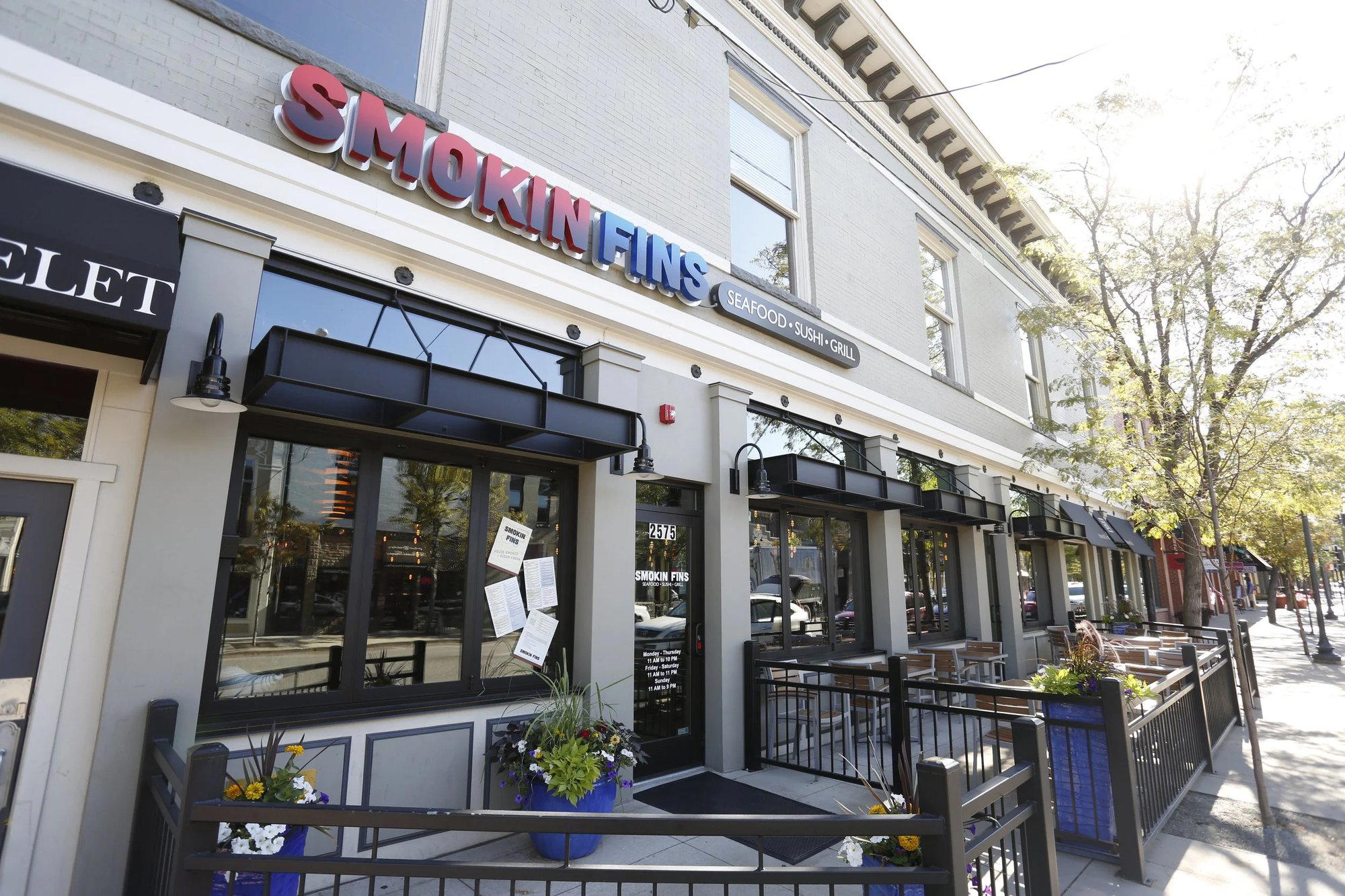
Where Smoke Meets Seafood on Littleton's Main Street
Old Littleton's Main Street runs a particular kind of restaurant gauntlet: diners, taverns, and neighborhood regulars anchored to comfort formats. Gunther Toody's Diner holds the retro-American lane, Black+Haus Tavern covers the craft-beer-and-hearty-plates bracket, and Bacon Social House leans brunch-forward. Smokin Fins - Littleton is a casual seafood and sushi grill at 2575 Main St in Littleton, with. That combination is relatively uncommon in the Denver metro's southern suburbs, where smoked protein almost always means beef or pork.
The menu architecture here tells the clearest story about what the kitchen is trying to do. Smoke is not decoration or an occasional flourish; it functions as a structural element that runs through the menu's logic. In the American seafood tradition, smoke tends to appear as a finishing move, a quick cedar plank, a light wood chip garnish, rather than as a method that shapes the dish from the start. The approach at Smokin Fins asks a different question: what happens when smoke is the premise, and seafood is the ingredient built around it? That inversion is worth understanding before you sit down, because it changes how you read the menu.
How the Menu Is Structured
A menu organized around a technique rather than a protein category tends to produce a particular kind of internal logic. Dishes are not simply grouped by animal or by course; they are arranged so that the smoke register, intensity, wood type, duration, creates a progression. Lighter, more delicate fish applications sit in contrast to shellfish preparations that can take a heavier char without losing their character. This kind of structure is common in higher-formality settings: at restaurants like Le Bernardin in New York City, where the menu is explicitly organized by cooking technique (raw, barely cooked, lightly cooked, roasted), or at Providence in Los Angeles, where the kitchen's technical vocabulary drives the sequencing. Smokin Fins operates in a far more casual register, this is a neighborhood restaurant, not a fine-dining destination, but the underlying instinct is the same: let the method organize the meal.
That casual register is also what defines the Littleton dining context. This is not a city where guests arrive expecting a tasting menu or a lengthy wine program. The comparison set on Main Street, from Cafe Terracotta to Fast as Pho, confirms an appetite for specific, honest cooking in unfussy environments. Smokin Fins fits that pattern while carving out a niche that none of those neighbors occupy: smoked seafood done with enough regularity and focus that it becomes the restaurant's identity rather than a menu section.
The Scene and the Setting
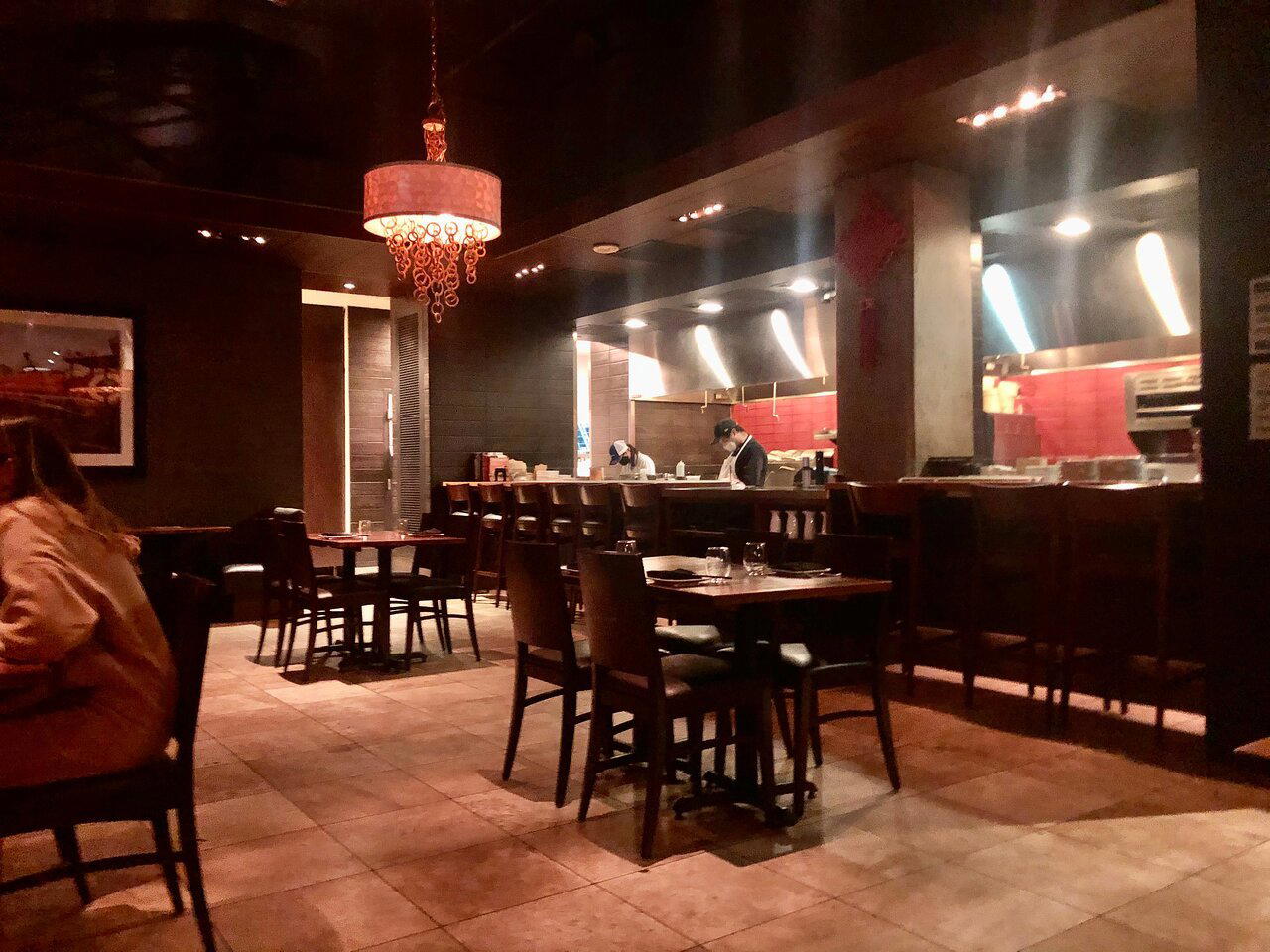
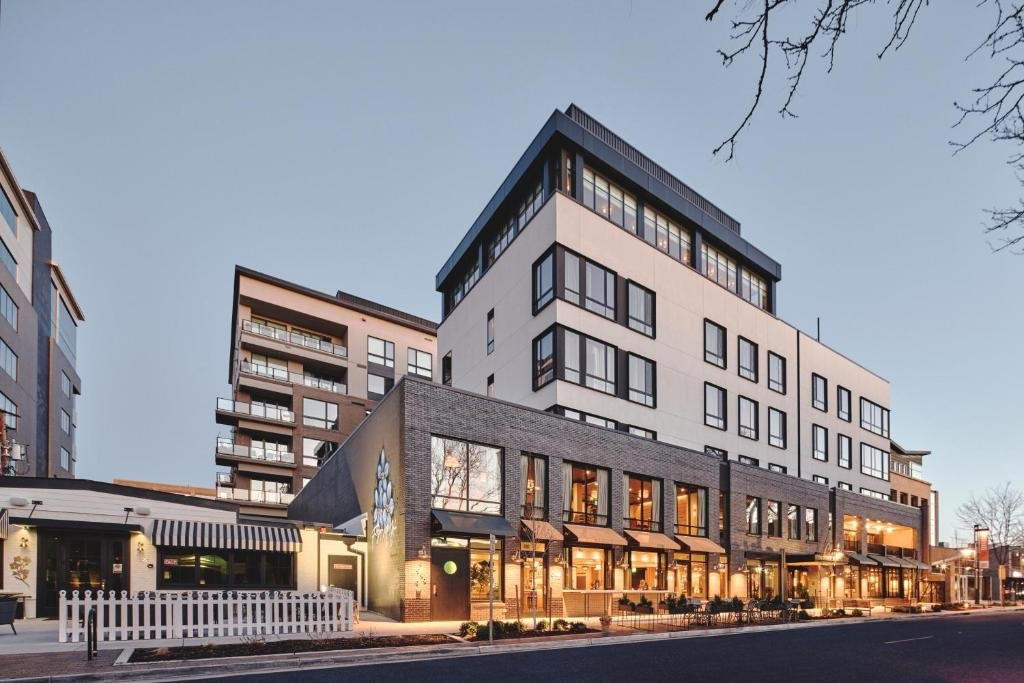
The physical address on Main Street places the restaurant within walking distance of Littleton's small historic core, a stretch that draws foot traffic from the surrounding residential neighborhoods and from visitors to the adjacent light rail corridor connecting to downtown Denver. That accessibility matters: Smokin Fins draws a cross-section that includes locals who visit repeatedly for familiar orders and diners making a more deliberate trip south from the city. The atmosphere aligns with that dual audience, relaxed enough for a Tuesday neighborhood dinner, focused enough in its concept to justify the drive.
Smoke-forward seafood as a genre sits in an interesting position relative to the broader American dining moment. At the high end, restaurants like Single Thread Farm in Healdsburg and Blue Hill at Stone Barns in Tarrytown have used live-fire and smoke as part of a farm-to-table technical language. At the other end, backyard smoking culture has steadily expanded from beef and pork to include salmon, oysters, and whole fish. The middle ground, a casual restaurant that takes smoke and seafood seriously as a pairing without the ceremony of a tasting-menu format, remains less populated. That gap is where Smokin Fins operates.
Smokin Fins in the Broader Colorado Seafood Context
Colorado's seafood scene is defined by logistics as much as preference. Landlocked and at altitude, the state's restaurants work with supply chains that prioritize frozen-at-sea product and rapid overnight freight for fresh catches. The leading kitchens in Denver have learned to work with that reality rather than against it, selecting species that hold quality through transport, or treating smoke, cure, and other preservation-adjacent techniques as genuine complements to the product rather than shortcuts. Smokin Fins' conceptual focus on smoke is well-suited to this environment: smoke is a technique that can enhance fish that has traveled rather than penalizing it the way aggressive raw preparations might.
For diners who want to benchmark the seafood genre more broadly, the national frame includes ambitious programs at Addison in San Diego and Emeril's in New Orleans, where coastal proximity and kitchen scale allow for a different approach to sourcing and live product. Those reference points clarify what a neighborhood restaurant in suburban Colorado is and is not trying to do. Smokin Fins is not competing in that tier, and it does not need to: its competitive set is Littleton's Main Street, not the national seafood canon.
Planning Your Visit
Smokin Fins is located at 2575 Main St, Littleton, CO 80120, in the walkable core of Old Littleton. Current hours, booking availability, and menu details are best confirmed directly through the restaurant, as this information is subject to change. Given the restaurant's niche positioning in the local market, weekend evenings tend to draw the area's repeat visitors alongside first-timers, making advance planning worthwhile for larger groups.
Where the Accolades Land
Comparable venues nearby, for context on price, style, and recognition.
| Venue | Cuisine | Price | Notes |
|---|---|---|---|
| Smokin Fins - LittletonThis venue — the venue you are viewing | Seafood & Sushi Grill | $$ | Not listed |
| Black+Haus Tavern - Littleton | Modern American Gastropub | $$ | Downtown Littleton |
| Zaika - Littleton | Modern North Indian & Nepali Cuisine | $$ | Littleton |
| Fast as Pho | Authentic Vietnamese Pho | $ | downtown Littleton |
| HiLo An American Eatery | American with Italian influences | $$ | Littleton |
| Ninja Sushi | Japanese Sushi | $$ | Littleton |
Continue exploring
More in Littleton
Restaurants in Littleton
Browse all →
Bars in Littleton
Browse all →
Hotels in Littleton
Browse all →



Wineries in Littleton
Browse all →

At a Glance
- Lively
- Cozy
- Date Night
- Group Dining
- Celebration
- Casual Hangout
- Open Kitchen
- Craft Cocktails
Current opening hours
- Monday
- 11 AM–9 PM
- Tuesday
- 11 AM–9 PM
- Wednesday
- 11 AM–9 PM
- Thursday
- 11 AM–9 PM
- Friday
- 11 AM–10 PM
- Saturday
- 10 AM–10 PM
- Sunday
- 10 AM–9 PM
Hours can change for holidays and private events. Last verified .
Welcoming space designed for gathering with a casual neighborhood vibe.