Smaca

Smaca operates out of Cardellsgatan 13 in central Kristianstad, placing it within a Swedish provincial dining scene that has grown steadily more serious over the past decade. With Skåne's agricultural richness as its regional backdrop, the address sits in a city better known for its Baroque architecture than its restaurant culture — which is precisely what makes it worth attention for visitors already covering southern Sweden's dining circuit.
Pearl is the En Primeur Club membership app — saves, bookings, and concierge access live there. Same editors, same standards.
- Address
- Cardellsgatan 13, 291 30 Kristianstad, Sweden
- Phone
- +46464451012
- Website
- smaca.se
- Directions
- Get directions
 Saves & bookings on Pearl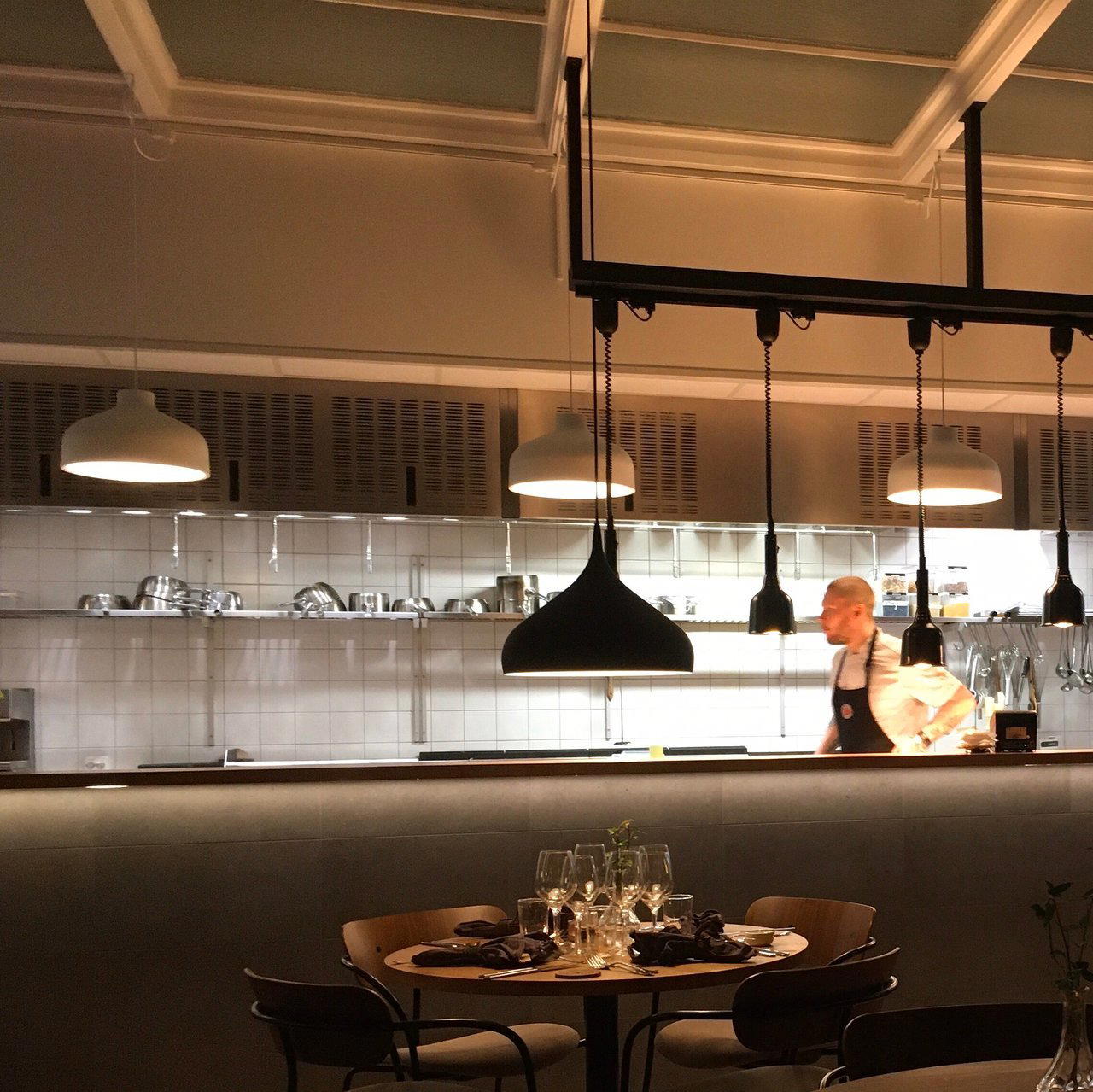
Kristianstad and the Skåne Dining Shift
Southern Sweden's dining scene has undergone a quiet but measurable reorientation over the past fifteen years. But Kristianstad, Skåne's second city by size, has largely sat outside that narrative. It is a Baroque planned city, a UNESCO World Heritage candidate for its water landscape, and an agricultural hub surrounded by some of Sweden's most productive farmland. What it has not been, historically, is a dining destination.
That framing is beginning to shift. Provincial Swedish cities with strong local produce networks and modest dining competition have become the environments where independent restaurants can operate without the overhead and noise of Stockholm or Gothenburg. Smaca, at Cardellsgatan 13 in central Kristianstad, sits inside that dynamic. The address is central, within the city's compact historic core, and the surrounding neighbourhood retains the low-rise domestic scale that defines Kristianstad's architecture. You approach it through streets that feel unhurried in a way that Swedish provincial towns do well.
Skåne's Produce Logic and How It Shapes Regional Kitchens
Understanding what a restaurant in Kristianstad is doing requires understanding Skåne's agricultural position. The province accounts for a disproportionate share of Swedish food production: sugar beets, grain, pork, dairy, and increasingly, market vegetables grown with more care for provenance than the industrial supply chains that dominated earlier decades. The farms surrounding Kristianstad are not scenic backdrop — they are functioning production land that feeds both local tables and national supply chains.
This produce density is the reason that Skåne has become the natural habitat for New Nordic-adjacent cooking in southern Sweden. The model that Frantzén in Stockholm represents at its apex, sourcing as storytelling, local ingredient as conceptual anchor, finds a more grounded, less theatrical expression in provincial Skåne kitchens. Here the relationship with suppliers tends to be practical and geographic rather than curated for narrative effect. A kitchen at this latitude, in this agricultural environment, has access to ingredients that urban restaurants at higher price points would treat as premium imports.
Provincial Swedish restaurants operating in this vein often find their clearest peer comparisons not in the capital but in other mid-sized Scandinavian cities where the same produce-forward logic applies: places like ÄNG in Tvååker or Knystaforsen in Rydöbruk, where geography and kitchen philosophy align around what the surrounding land actually produces.
The Restaurant and Its Place on Cardellsgatan
Smaca occupies a street-level address in Kristianstad's historic centre, within walking distance of the Trefaldighetskyrkan and the city's canal network. The physical setting matters because Kristianstad's urban form is unusually coherent for a Swedish provincial city, the Baroque grid holds, the scale stays human, and the streets retain a residential density that makes a restaurant feel embedded rather than commercial. This is not a dining district in the Stockholm sense; it is a neighbourhood where a restaurant earns its place by serving the people who actually live nearby, not by drawing visitors away from their hotels.
For Swedish regional dining more broadly, this neighbourhood embeddedness is a trust signal. The restaurants in Skåne that have built durable reputations, including PlanTre, also in Kristianstad, tend to operate as genuine civic fixtures, not destination showcases. The comparison with destination-first formats like Signum in Mölnlycke or 28+ in Gothenburg is instructive: those restaurants carry their reputations into competitive urban dining markets; a Kristianstad address competes on different terms.
Provincial Swedish Dining in Context
The broader Swedish provincial restaurant scene has developed in a way that rewards attention from travellers willing to move beyond the obvious urban anchors. Cities like Växjö (PM & Vänner), Borås (Adrian Restaurang), Jönköping (Brasserie Park), and Norrköping (Enoteket) have all developed serious restaurant programmes that operate largely beneath the radar of international travel media. The pattern is consistent: lower rents, tighter supplier relationships, and a local clientele that expects quality rather than spectacle.
Kristianstad fits that pattern geographically and economically. The city sits roughly equidistant between Malmö and the Blekinge coast, accessible by regional train from both Malmö and Copenhagen airport. For travellers routing through Skåne rather than anchoring in one city, it represents a logical stop, and increasingly, a dining stop worth planning around. The same logic applies to other provincial Swedish addresses worth attention: Lilla Bjers in Visby and Camp Ripan in Kiruna demonstrate how Sweden's regional dining operates at geographic extremes; Kristianstad sits comfortably in the reachable middle.
At the international reference level, the contrast with formats like Le Bernardin in New York City or Atomix in New York City clarifies what Swedish provincial dining offers and what it does not. There is no equivalent theatrical production or press-validated prestige architecture. What exists instead is a more direct relationship between kitchen, supplier, and diner, a format that requires less infrastructure to sustain and, at its finest, delivers more honesty about what the surrounding land produces. For travellers already following Sweden's regional dining circuit, Kristianstad and Smaca belong on the itinerary alongside John's Place in Varberg, as part of a broader western and southern Swedish sweep.
Planning a Visit
Kristianstad is served by regional rail from Malmö in under an hour, and from Copenhagen via Malmö in approximately ninety minutes. The city's compact scale means the address on Cardellsgatan 13 is reachable on foot from the central station. As with most independent Swedish restaurants operating outside major cities, availability and current opening hours are best confirmed directly before travel. Our full Kristianstad restaurants guide provides further context on the city's dining options and how Smaca sits within them.
Recognition history
Dated appearances from independent guides and award organizations, with the underlying list record or original source where available.
White Guide Sweden Restaurants - Fine Level
White Guide
Continue exploring
More in Kristianstad
Restaurants in Kristianstad
Browse all →
Bars in Kristianstad
Browse all →
Hotels in Kristianstad
Browse all →
Wineries in Kristianstad
Browse all →
At a Glance
- Cozy
- Modern
- Intimate
- Business Dinner
- Date Night
- Open Kitchen
- Extensive Wine List
- Local Sourcing
Current opening hours
- Monday
- 11:30 AM–10 PM
- Tuesday
- 11:30 AM–10 PM
- Wednesday
- 11:30 AM–10 PM
- Thursday
- 11:30 AM–10 PM
- Friday
- 11:30 AM–12 AM
- Saturday
- 12 PM–12 AM
- Sunday
- Closed
Hours can change for holidays and private events. Last verified .
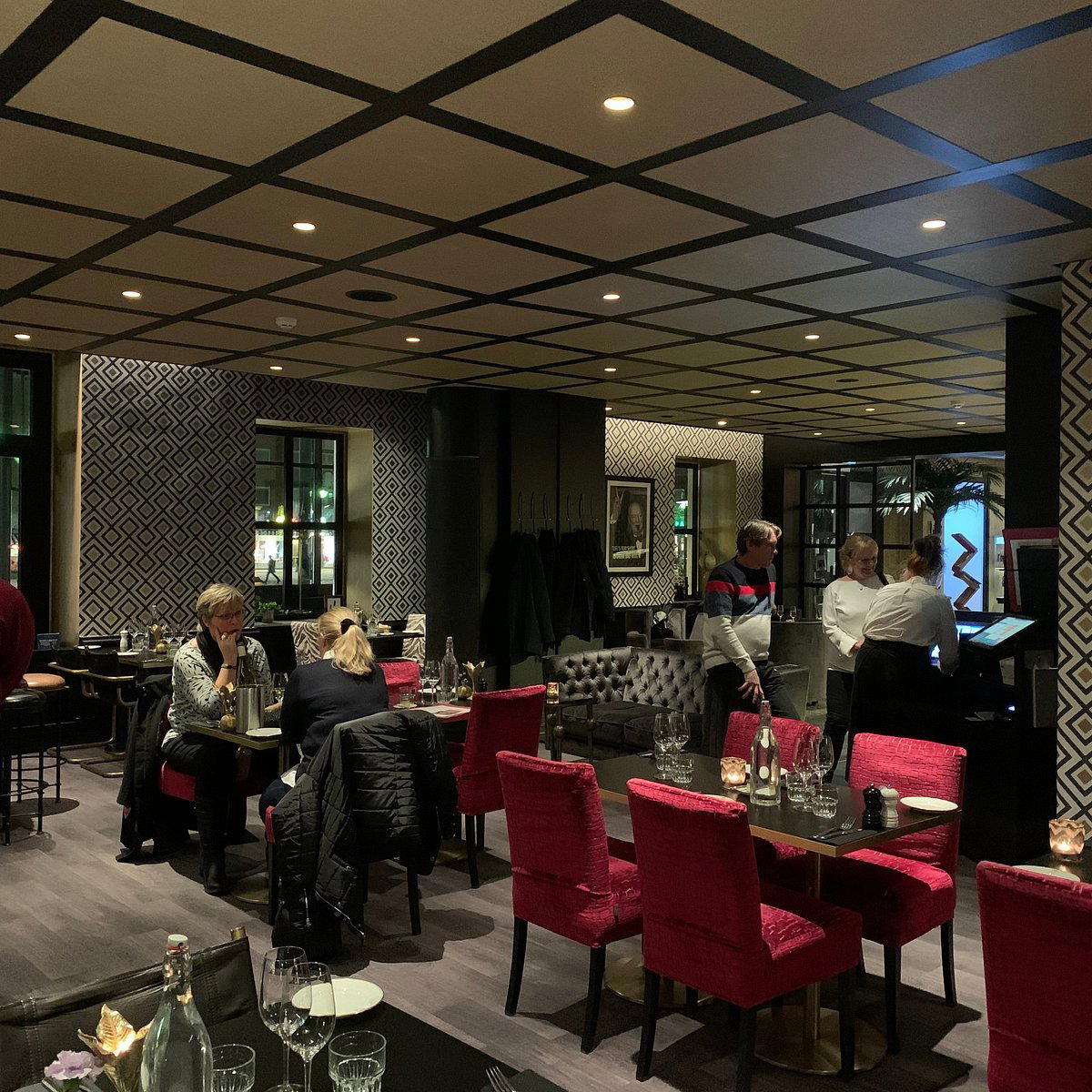
Warm and cozy interior with welcoming atmosphere and attentive service.
Know Before You Go
- Getting there
- Cardellsgatan 13, 291 30 Kristianstad, Sweden