
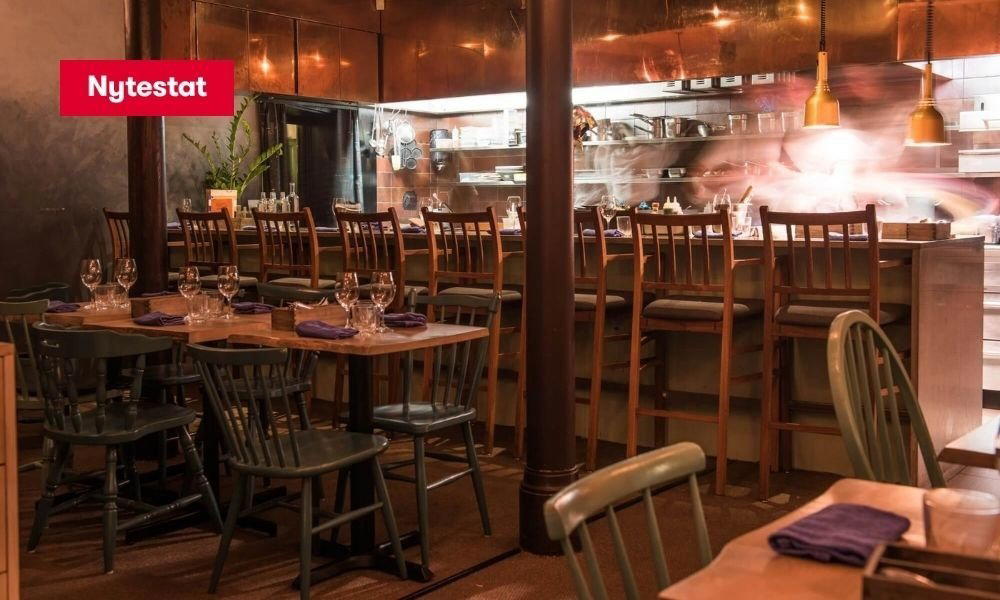
Kagges occupies a quiet address on Lilla Nygatan in Stockholm's Gamla Stan, drawing a loyal crowd back through its doors with the kind of consistency that defines neighbourhood institution status rather than destination dining. The format rewards those who return: regulars tend to know what to order, and the atmosphere reflects that ease. For visitors, it offers a lower-key entry point into Stockholm's serious dining culture.
- Address
- Lilla Nygatan 21, 111 28 Stockholm, Sweden
- Phone
- 070-442 25 23
- Website
- bistrozissou.se
- Directions
- Get directions
The Address That Rewards Familiarity
Gamla Stan, Stockholm's medieval island district, operates by its own logic. Its cobbled lanes and compressed building faces project the image of a tourist corridor, and much of it is exactly that. Yet Lilla Nygatan, running parallel to the main drag, holds a quieter register. At number 21, Kagges sits within that texture: a room that reads as a local's choice before a visitor's tick-box, and a space whose character is shaped as much by its returning clientele as by anything that comes out of the kitchen.
That dynamic, where regulars set the tone and first-timers follow their lead, is not unusual in Stockholm's mid-tier restaurant culture, but it is rarer in Gamla Stan, where turnover in the tourist belt tends to flatten hospitality into something more transactional. Kagges runs counter to that. Its crowd is the kind that knows where to sit, knows what to order without consulting a menu at length, and treats the staff with the familiarity of neighbours. For anyone arriving without that context, reading the room is half the experience.
Where It Sits in Stockholm's Dining Structure
Stockholm's serious dining tier is well-documented internationally. Frantzén anchors the three-Michelin-star summit. AIRA, Aloë, and Adam / Albin occupy the structured New Nordic and modern European tier where tasting menus, seasonal sourcing, and international recognition form the common currency. Operakällaren holds its own institutional position, built on Swedish classical tradition and a formal dining room with history. These are all commitment restaurants: you book weeks out, clear the evening, and arrive with a plan.
Kagges operates on a different axis. It does not compete against those formats. Stockholm's dining culture is broad enough to support the full spectrum from the ambitious tasting-menu counter to the neighbourhood room where the wine list matters and the cooking is careful but untheatrical. Kagges belongs to the latter cohort. That positioning is not a concession; it is a choice that suits a different kind of evening and a different kind of guest.
Across Sweden more broadly, the restaurant conversation is active far beyond the capital. Vollmers in Malmö, VYN in Simrishamn, and Signum in Mölnlycke have built cases for serious regional dining that travels. ÄNG in Tvååker, Knystaforsen in Rydöbruk, and PM & Vänner in Växjö continue that argument across the southern provinces. For the visitor who wants Stockholm's more relaxed, regular-facing dining culture represented in a single address, Kagges on Lilla Nygatan is a credible answer to that search.
The Regulars' Perspective
In restaurants with strong local loyalty, the menu is often two documents: the printed one and the one that exists in the heads of people who have been coming for years. The unwritten menu is assembled through accumulated visits, through offhand suggestions from staff who recognise a face, through dishes ordered in the wrong season once and then sought out again every year they reappear. That gap between what the menu says and what regulars actually order is one of the more useful signals of whether a restaurant has earned its neighbourhood standing or merely printed a local address on the letterhead.
At Kagges, the regulars' allegiance is visible in the room. The tone is less about performance and more about ease. That ease tends to attract visitors who are tired of restaurants that ask them to perform appreciation in return for the kitchen's effort. The value proposition here is not spectacle; it is reliability and atmosphere operating in combination, which is what neighbourhood dining does when it works.
For the first-time visitor, the practical approach is to take cues from the room rather than arriving with a fixed agenda. Ask what is being ordered around you. Ask what arrived today. The kind of kitchen that serves a loyal local crowd tends to be more responsive to that line of questioning than the kind optimised for Instagram captures and departure-lounge retelling.
Gamla Stan as Dining Context
The wider neighbourhood shapes the experience more than is sometimes acknowledged. Gamla Stan's position as Stockholm's historical core means that most of its visitors arrive for the architecture and the proximity to the Royal Palace, not for the restaurant selection. That creates a specific dynamic: the average pedestrian on Lilla Nygatan is not looking for dinner. They are in transit between sights. The restaurants that thrive in that environment are the ones that have cultivated a constituency drawn from other parts of the city, guests who cross the bridge deliberately because the address has earned a return visit.
That is the geography of loyalty rather than geography of convenience. Kagges draws from a catchment that extends well beyond the medieval island, which says something useful about what the room is actually delivering. Comparable neighbourhood dynamics appear in other European cities where tourist-adjacent districts contain restaurants insulated from tourist trade by the density of their local following. The mechanism is the same: quality and consistency attract repeat visitors who, over time, determine the room's character more completely than any single chef or menu change.
Planning a Visit
Lilla Nygatan 21 puts Kagges in the heart of Gamla Stan, reachable from most central Stockholm hotels in under fifteen minutes on foot, and served by Gamla Stan T-bana station a short walk away. Specific booking policies, current hours, and reservation requirements are best confirmed directly with the venue, as none of that operational detail is available here. Stockholm dining, particularly in the neighbourhood-restaurant tier, rewards advance planning during peak summer months when the city's visitor numbers climb substantially. The winters are quieter, and tables tend to be more accessible, though Gamla Stan takes on a different character under ice and snow that has its own appeal for visitors prepared for Nordic winter conditions.
For those building a wider Stockholm itinerary, our full Stockholm restaurants guide covers the range from the tasting-menu tier down to casual neighbourhood formats. Gothenburg's scene has its own distinct character, represented in part by Hoze, while the southern Swedish coast has produced addresses like Claesgatan 8 in Malmö, Sydkustens at Pillehill in Skivarp, and Bistro Jarlen in Halmstad that collectively map a regional dining culture extending well beyond the capital. Internationally, the neighbourhood-institution format has close analogues: Le Bernardin in New York operates at a different price point but with the same fundamental loyalty dynamic, and Lazy Bear in San Francisco demonstrates how communal dining formats build regulars through format rather than proximity.
What It’s Closest To
| Venue | Cuisine | Price | Awards |
|---|---|---|---|
| KaggesThis venue — the venue you are viewing | This venue | Not listed | Not listed |
| Operakällaren | Swedish, Modern Cuisine | €€€€ | Michelin 1 Star |
| AIRA | Modern European, Modern Cuisine | €€€€ | Michelin 2 Star |
| Adam / Albin | New Nordic | €€€€ | Michelin 1 Star |
| Ekstedt | Progressive Asador, Grills | €€€€ | Michelin 1 Star |
| Etoile | Contemporary French, Creative | €€€€ | Michelin 1 Star |
Recognition history
Dated appearances from independent guides and award organizations, with the underlying list record or original source where available.
White Guide Sweden Restaurants - Very Fine Level
White Guide
Continue exploring
More in Stockholm
Restaurants in Stockholm
Browse all →
Bars in Stockholm
Browse all →
At a Glance
- Cozy
- Lively
- Intimate
- Date Night
- Casual Hangout
- Open Kitchen
- Craft Cocktails
- Local Sourcing
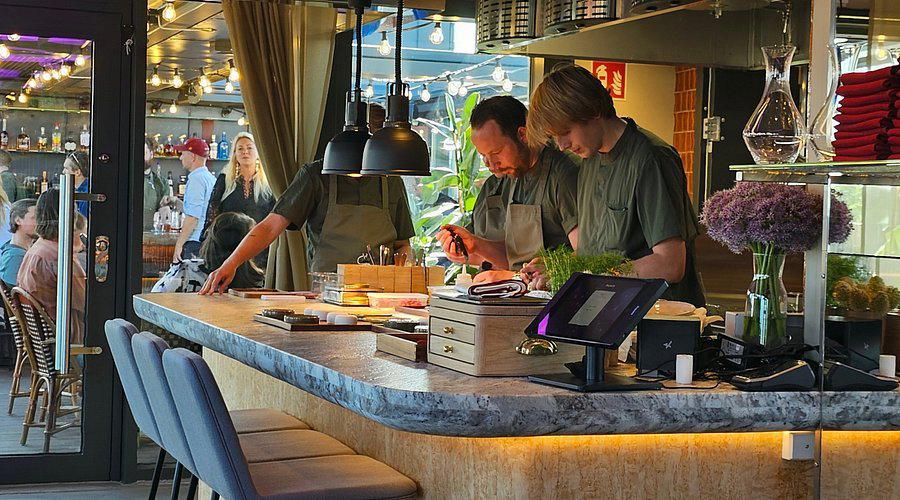
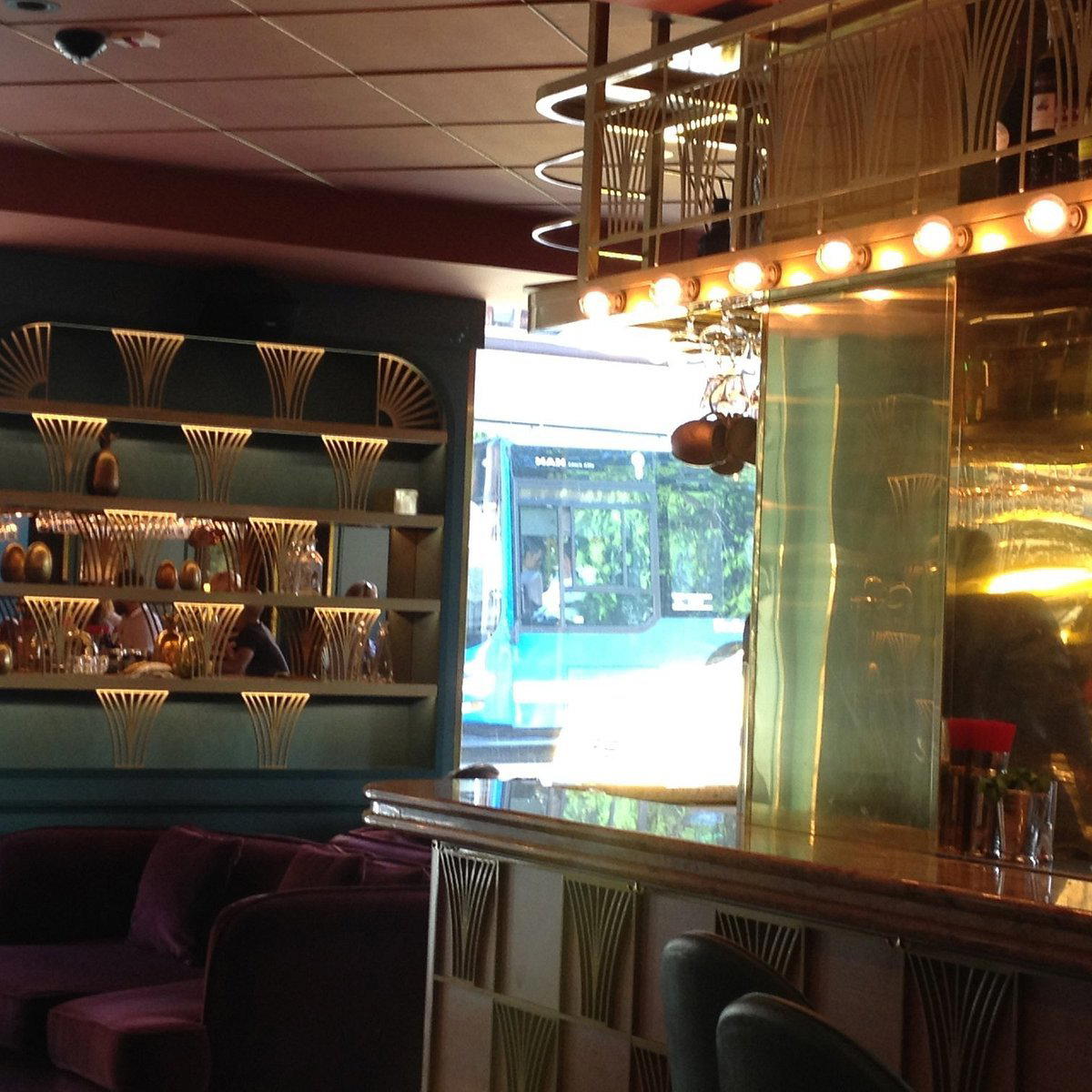
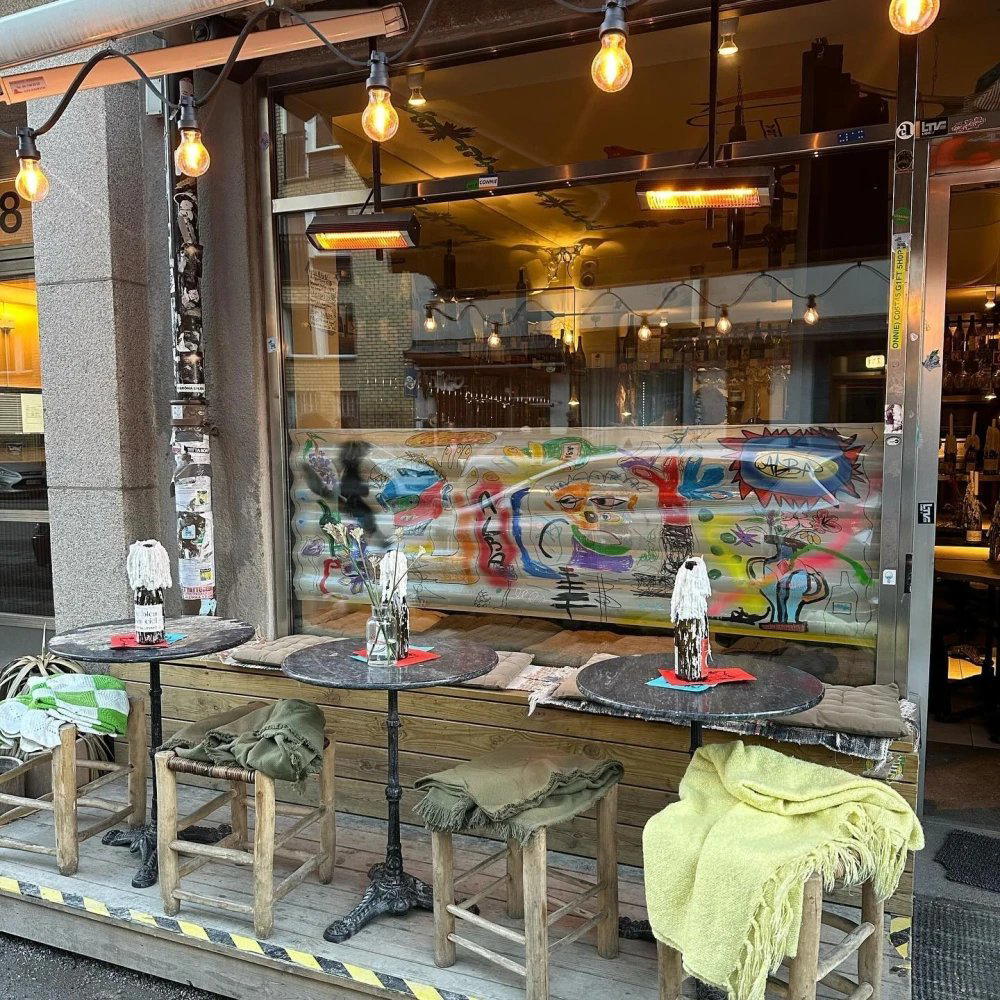
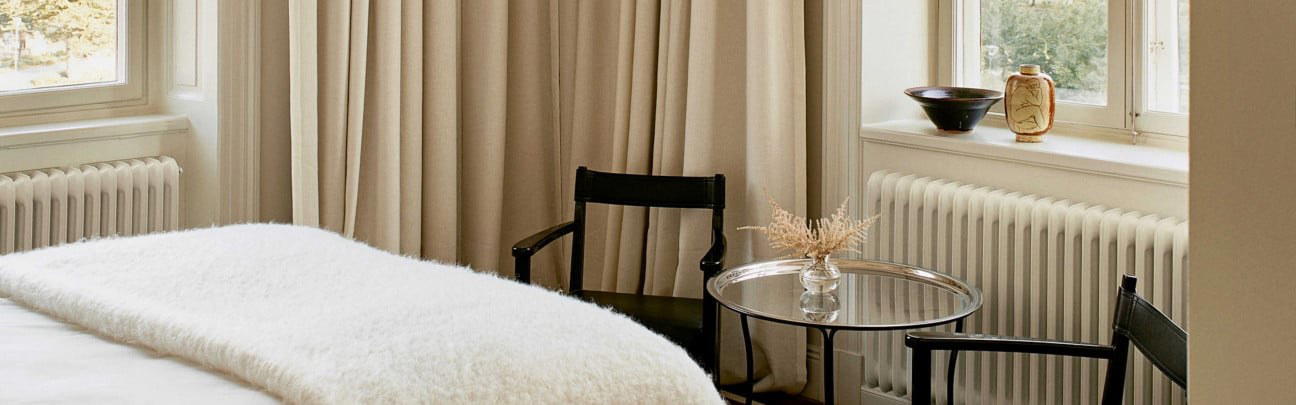
Cozy and relaxed with an open kitchen, lively buzz, and warm atmosphere.
Know Before You Go
- Getting there
- Lilla Nygatan 21, 111 28 Stockholm, Sweden