Sky Pavilion 川雲涧

Eater 38 #9
Our verdict
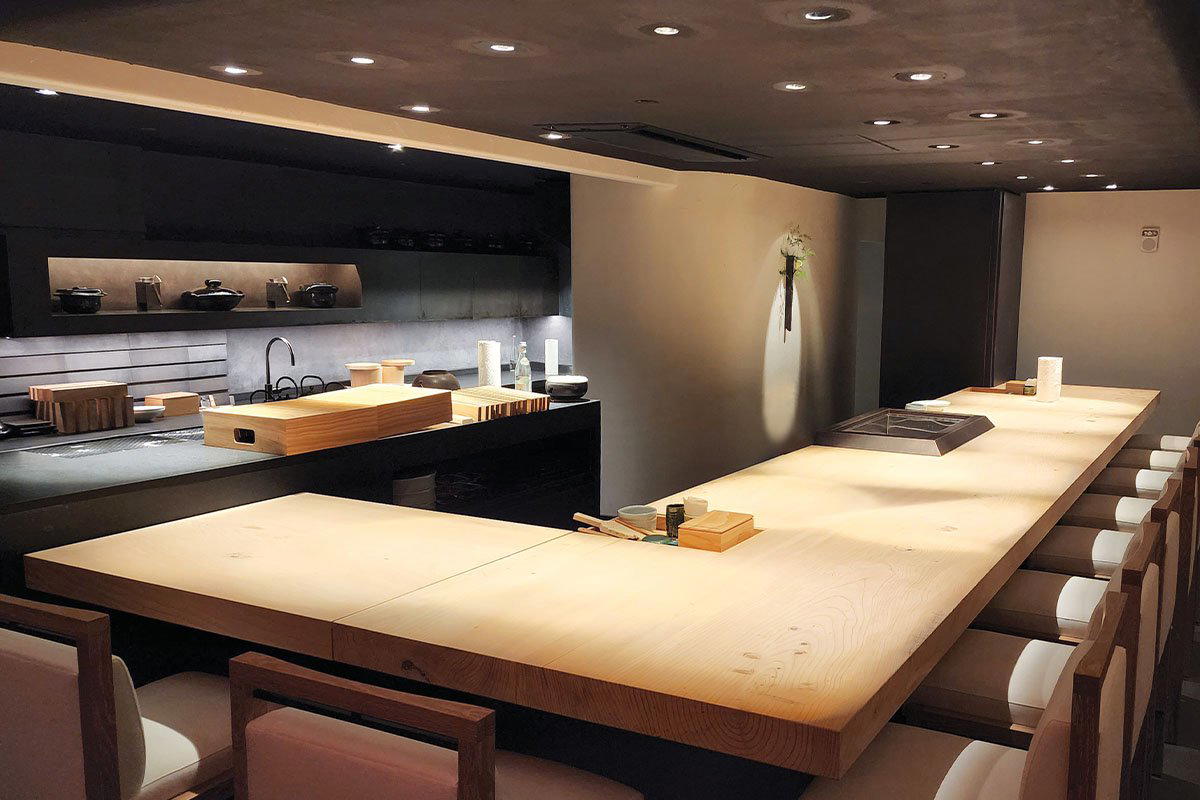
Sky Pavilion sits across from Port Authority on West 42nd Street, operating on the fringes of Hell's Kitchen's expanding Chinese restaurant scene. The menu runs deep into Sichuan regional cooking, with dishes like Zigong-style stir-fried spicy rabbit and freshly made tofu pudding veined with chile oil. The room is spare and utilitarian; the cooking is not.

Pearl is the En Primeur Club membership app, where members save venues, book tables and use the concierge.
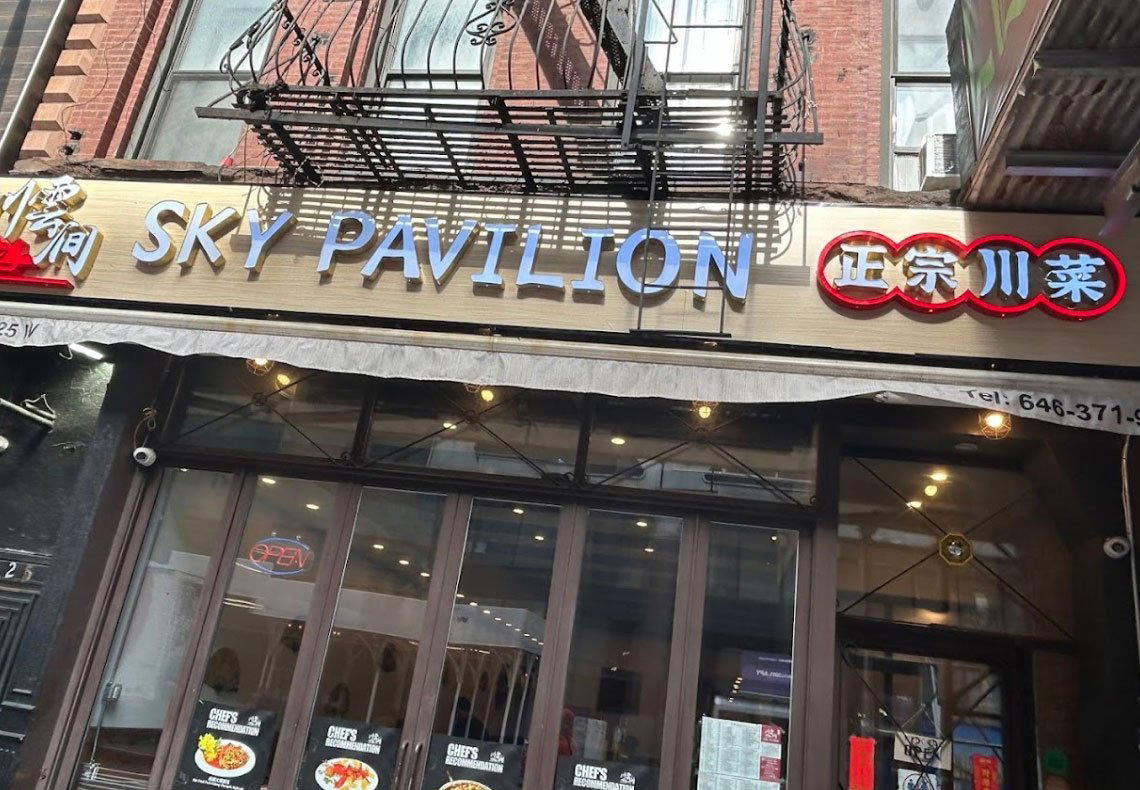
Sichuan Cooking at the Edge of Midtown
A steamed whole fish arrives at the table threaded with ground pork and enough chile oil to make the bowl glow amber. This is the kind of detail that tells you where you are in New York's Sichuan hierarchy: not in a tourist-facing approximation of the cuisine, but in a kitchen working from Sichuan regional logic, where technique and heat calibration carry more weight than room design or address prestige. Sky Pavilion (å·é²æ¶§), positioned on West 42nd Street directly across from the Port Authority Bus Terminal, occupies exactly that tier.
Hell's Kitchen and the Expansion of New York's Chinese Restaurant Belt
For most of the twentieth century, serious Chinese cooking in Manhattan meant Chinatown. That geography has been shifting for over a decade. Flushing consolidated a dense, regionally specific Chinese restaurant culture in Queens, while pockets of Hell's Kitchen and the upper reaches of Midtown began attracting kitchens that had no interest in the tourist-restaurant infrastructure of lower Manhattan. Sky Pavilion sits inside that westward and northward drift, operating at the edge of a nascent cluster rather than inside an established one. The Port Authority surroundings offer nothing in the way of ambient dining culture, which makes the restaurant's reputation more instructive: people are arriving here with a destination in mind, not stumbling in from street traffic.
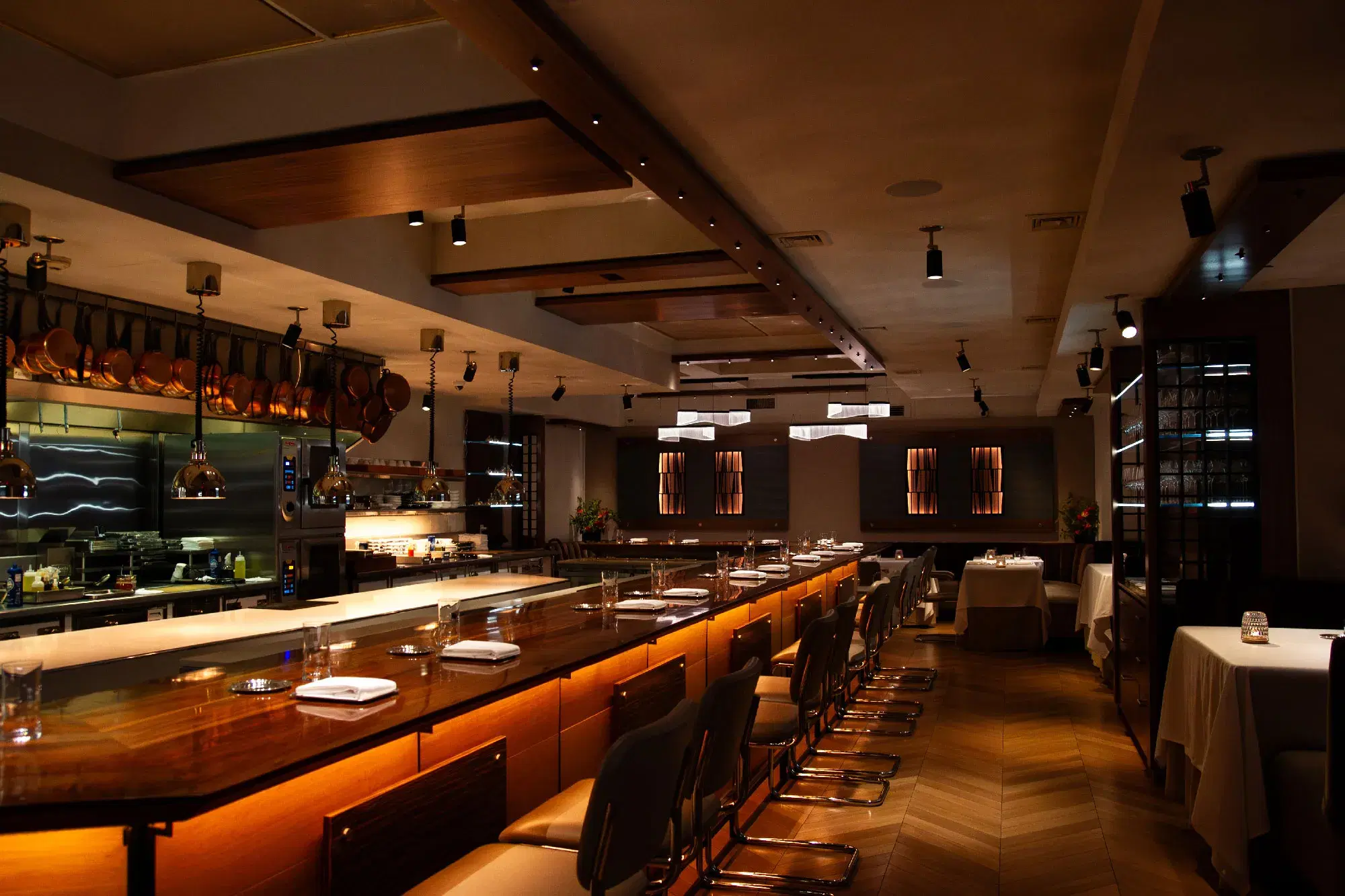
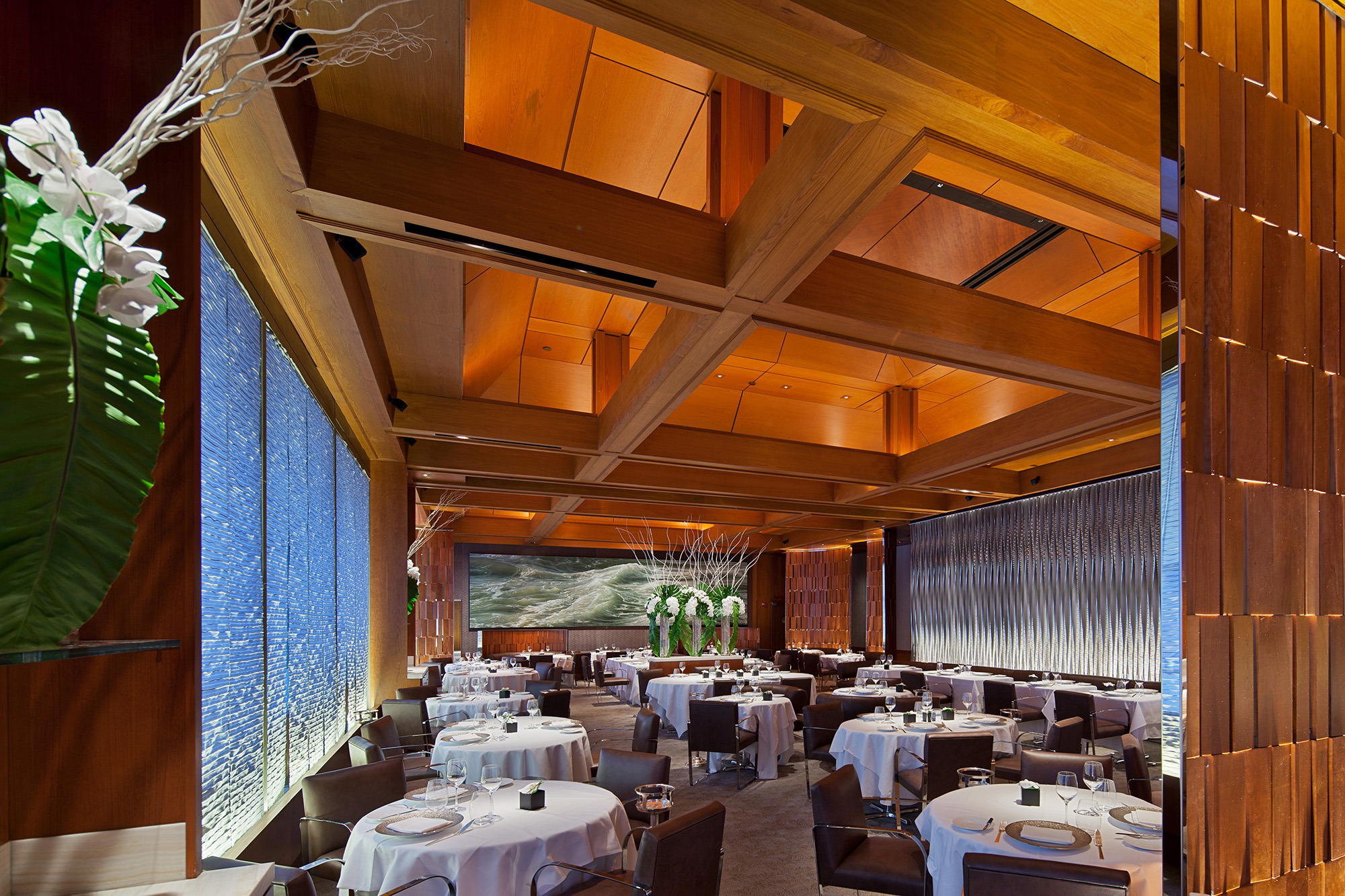
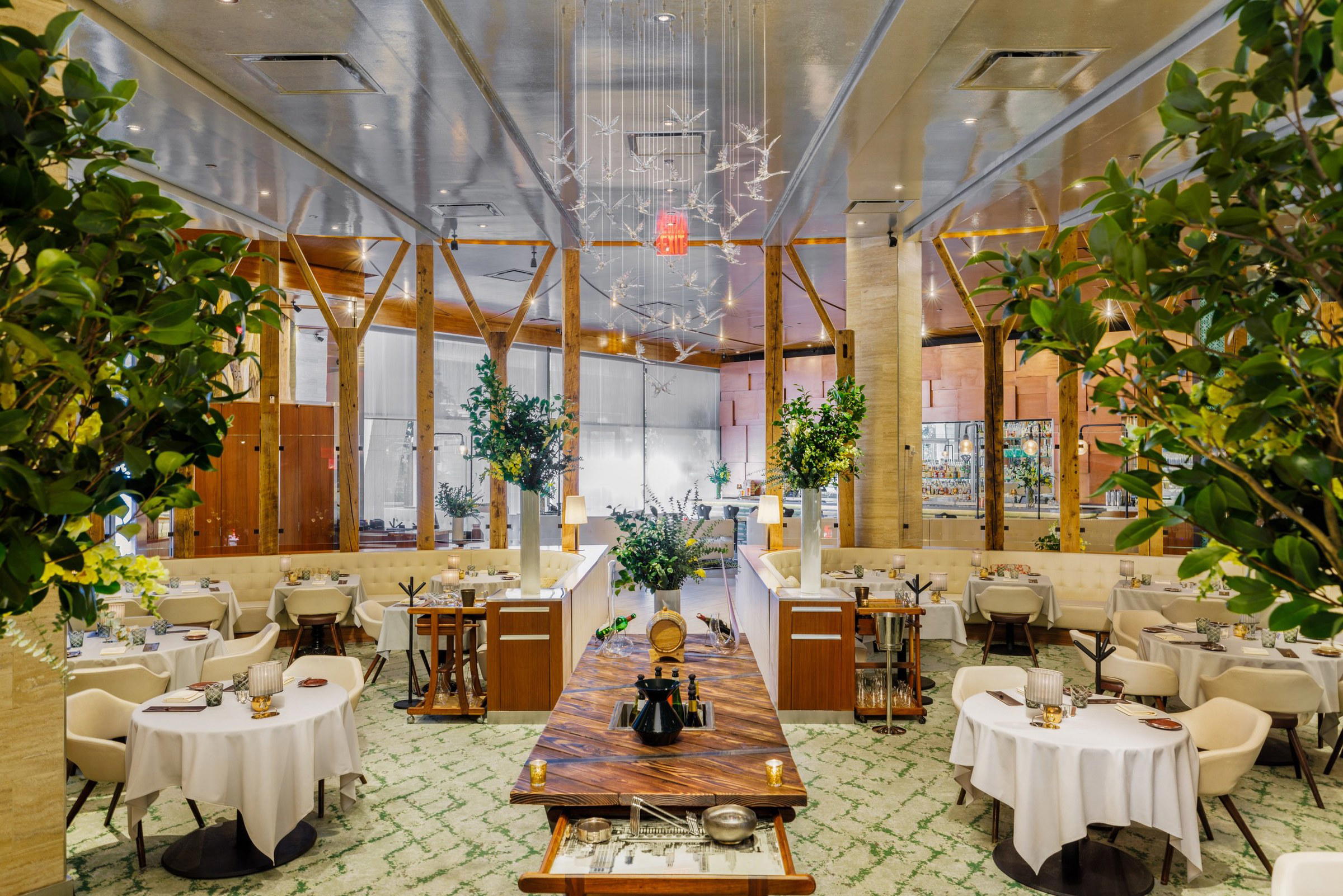
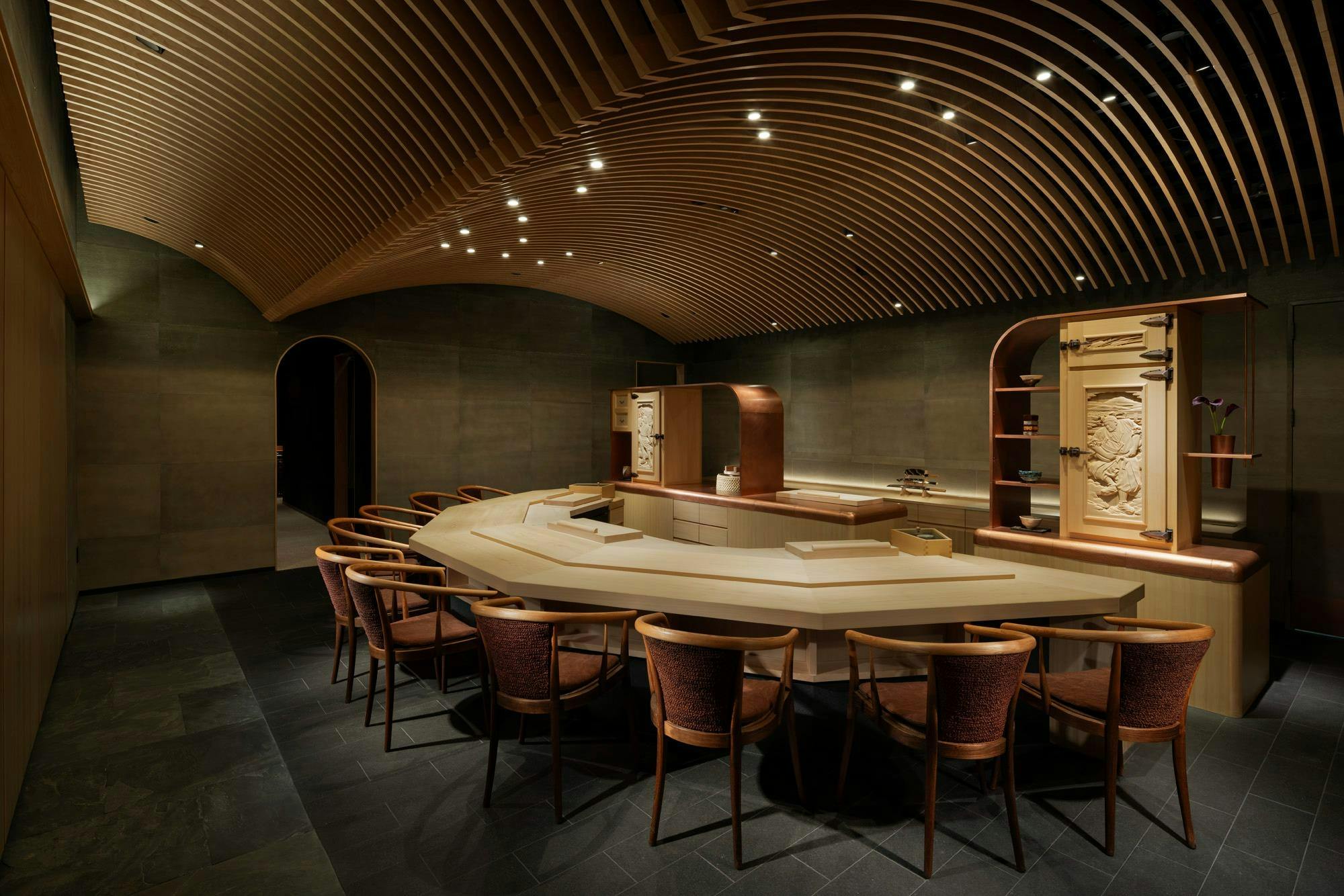
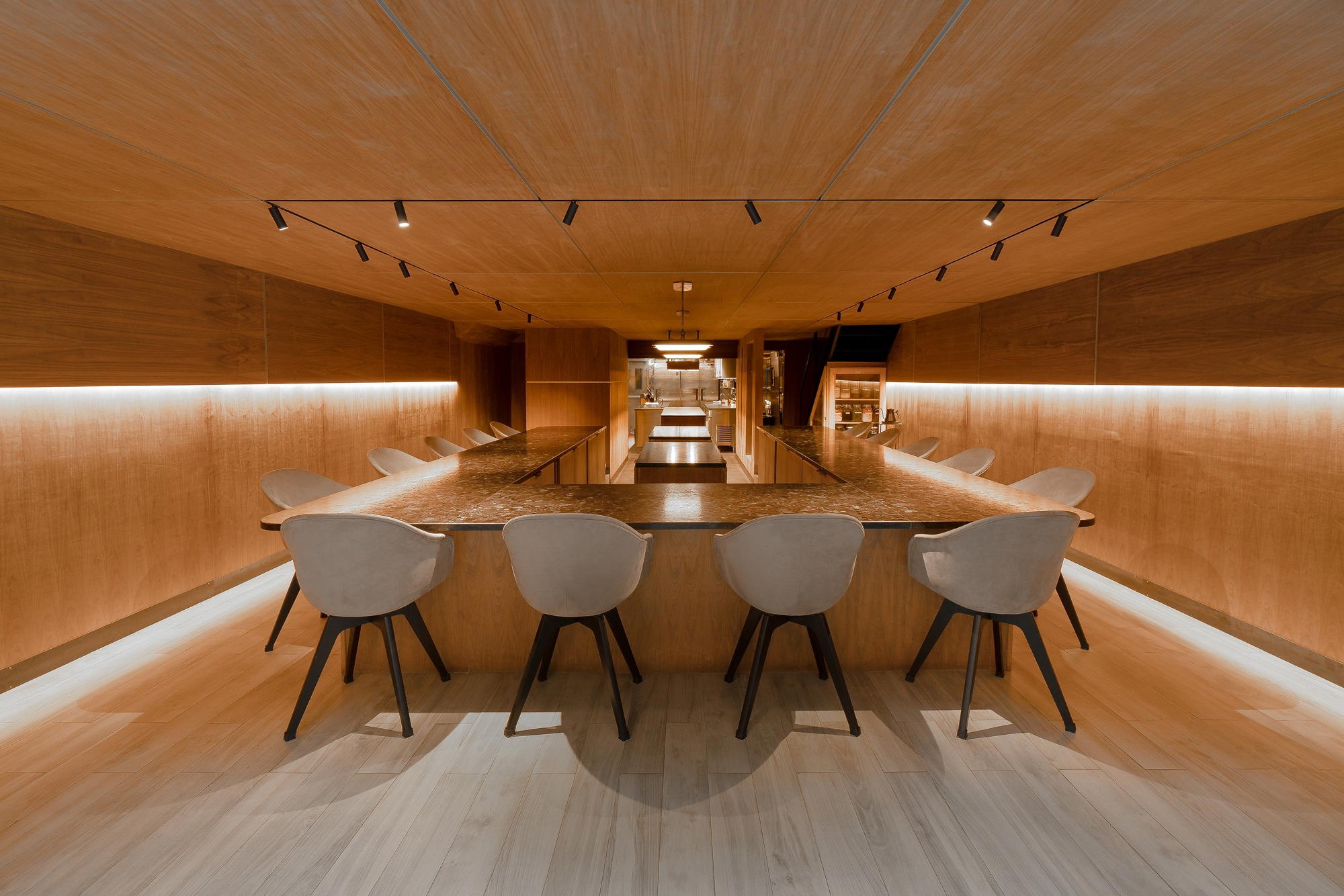
That dynamic is familiar in New York's immigrant-cuisine dining scene. The rooms are often secondary to the cooking, the locations are chosen for rent rather than foot traffic, and the regulars tend to know exactly what they came for. Sky Pavilion fits that template. The space is described as strictly utilitarian, and the menu does not rely on atmosphere to carry the meal.
The Regional Specificity Behind the Menu
Sichuan cuisine is not a single register. The province contains multiple sub-regional traditions, and the difference between, say, Chengdu street food and the cooking traditions of Zigong or Leshan is considerable. The presence of Zigong-style stir-fried spicy rabbit on the Sky Pavilion menu is a signal worth reading carefully. Zigong, a city in southern Sichuan, has its own culinary identity built around stronger spice profiles and a particular approach to rabbit and offal. Rabbit is a staple protein in Sichuan in a way it is not in most American Chinese cooking, and its appearance here, prepared in Zigong style, places the kitchen in a lineage of regional specificity rather than generalist Sichuan.
This is the editorial angle that separates a kitchen like this from the broader category. Where many Sichuan restaurants in the United States operate from a greatest-hits framework, drawing on the most recognizable dishes from across the province, Sky Pavilion's menu suggests a more rooted approach. Freshly made tofu pudding, for instance, is a labor-intensive preparation that most kitchens bypass in favor of commercial product. The decision to make it in-house, and to finish it with chile oil, reflects a commitment to texture and freshness that changes what the dish can be.
Steamed whole fish with ground pork is similarly a dish that depends on timing and proportion. The technique is not complicated, but the execution depends on understanding how steam penetrates the fish at different stages and how the ground pork integrates with the natural liquids released during cooking. These are decisions made in the kitchen, not at the point of import. The ingredients are available across the city; the craft is what distinguishes the result.
Serveware as Editorial Statement
This is a recognizable move in certain Sichuan and broader Chinese restaurant traditions, where presentation plays on folk imagery, seasonal symbolism, or regional humor. It is not the kind of detail that appears in rooms chasing fine-dining signifiers. It belongs to a different category of hospitality, one where the cooking is serious and the presentation is allowed to be playful. The contrast between the spare room and the considered serveware is not a contradiction; it is a priority statement.
Where This Fits in New York's Broader Dining Map
New York's upper tier of restaurants includes kitchens that approach technique and sourcing from an entirely different cost structure. Le Bernardin, Masa, Per Se, Atomix, and Jungsik New York occupy a tier where the price point, the reservation lead time, and the critical infrastructure all reinforce one another. Sky Pavilion operates in a different economy, but the underlying question is the same: does the kitchen deliver on a specific technical promise? By the measures available, the answer here is yes, and the editorial recognition it has received reflects that assessment.
Across the United States, a number of kitchens are making serious claims on regional Chinese specificity in contexts that look nothing like conventional fine dining. The same dynamic plays out in different culinary traditions at places like Emeril's in New Orleans, Lazy Bear in San Francisco, and Blue Hill at Stone Barns in Tarrytown, where regional specificity and technique operate as the organizing principles regardless of the room's formality. Internationally, the same argument can be made about kitchens like 8 1/2 Otto e Mezzo Bombana in Hong Kong and Alain Ducasse at Louis XV in Monte Carlo, where the critical case rests on technical discipline rather than spectacle. Chef Zhongqing Wang's menu at Sky Pavilion makes a comparable argument at a fraction of the price and with none of the institutional support.
For the full picture of where Sky Pavilion sits within New York's dining geography, the EP Club New York City restaurants guide maps the broader scene across neighborhoods and cuisine categories. For readers tracking American regional cooking at a national level, reference points include Alinea in Chicago, Providence in Los Angeles, The French Laundry in Napa, Single Thread Farm in Healdsburg, Addison in San Diego, The Inn at Little Washington, and Bacchanalia in Atlanta.
Know Before You Go
- Address: 325 W 42nd St, New York, NY 10036
- Transit: Directly across from the Port Authority Bus Terminal; multiple subway lines converge at 42nd Street/Port Authority (A, C, E) and Times Square (N, Q, R, W, 1, 2, 3, 7)
- Ordering online: Takeout orders can be placed online
- Reservations: Walk-ins accepted;
- Room: Utilitarian; come for the cooking
Frequently asked questions
Is Sky Pavilion å·é²æ¶§ Michelin-listed?
Sky Pavilion å·é²æ¶§ has received recognition including: Located right across the street from the Port Authority on the fringes of the burgeoning Chinese restaurant scene in Hell’s Kitchen, Sky Pavilion is one of the city’s best Sichuan restaurants albeit in a strictly utilitarian space. Chef Zho….
How do I find Sky Pavilion å·é²æ¶§?
Sky Pavilion å·é²æ¶§ is located at 325 W 42nd St, New York, NY 10036, New York City.
Can I walk in to Sky Pavilion å·é²æ¶§?
Reservations are recommended for Sky Pavilion å·é²æ¶§ in New York City. Confirm current policy via the venue's official channels.
What's the signature dish at Sky Pavilion 川龙涌?
Several dishes define the kitchen's range: steamed whole fish threaded with ground pork, freshly made tofu pudding veined with chile oil, and Zigong-style stir-fried spicy rabbit. That last dish is specific to a sub-regional Sichuan tradition rarely represented at this depth in Manhattan. The serveware, sometimes shaped like birds or a donkey-led cart, adds an unexpected layer of personality to an otherwise stripped-back room.
How It Stacks Up
Comparable venues nearby, for context on price, style, and recognition.
| Venue | Cuisine | Price | Awards | Notes |
|---|---|---|---|---|
| Sky Pavilion 川雲涧This venue (the venue you are viewing) | Dining | Not listed | Eater 38 #9 | Not listed |
| V&T | Classic New York Italian Pizzeria | $20–30 | Not listed | Morningside Heights |
| Nomad Bar | New American | Not listed | World's 50 Best #13 | New York City |
| Apartment 5 | Dining | Not listed | Esquire Best Martinis in America | Lower East Side |
| Spuntino Wine Bar & Italian Tapas | Italian Tapas & Wine Bar | $30–50 | Star Wine List · Wine Spectator Best of Award of Excellence | Garden City |
| House of the Red Pearl | Chinese | Not listed | Esquire Best Martinis in America | Financial District-Battery Park City |
Recognition history
Dated appearances from independent guides and award organizations, with the underlying list record or original source where available.
Eater 38 #9
Eater