Skipperhuset


Star Wine List
Our verdict
Skipperhuset sits just outside Copenhagen in Fredensborg, offering classic Danish smørrebrød at lunch and a French bistro menu at dinner. The wine list is compact but thoughtfully assembled, with a focus on classic references. It is the kind of dual-format address that rewards both a casual midday stop and a more considered evening visit.

Pearl is the En Primeur Club membership app, where members save venues, book tables and use the concierge.
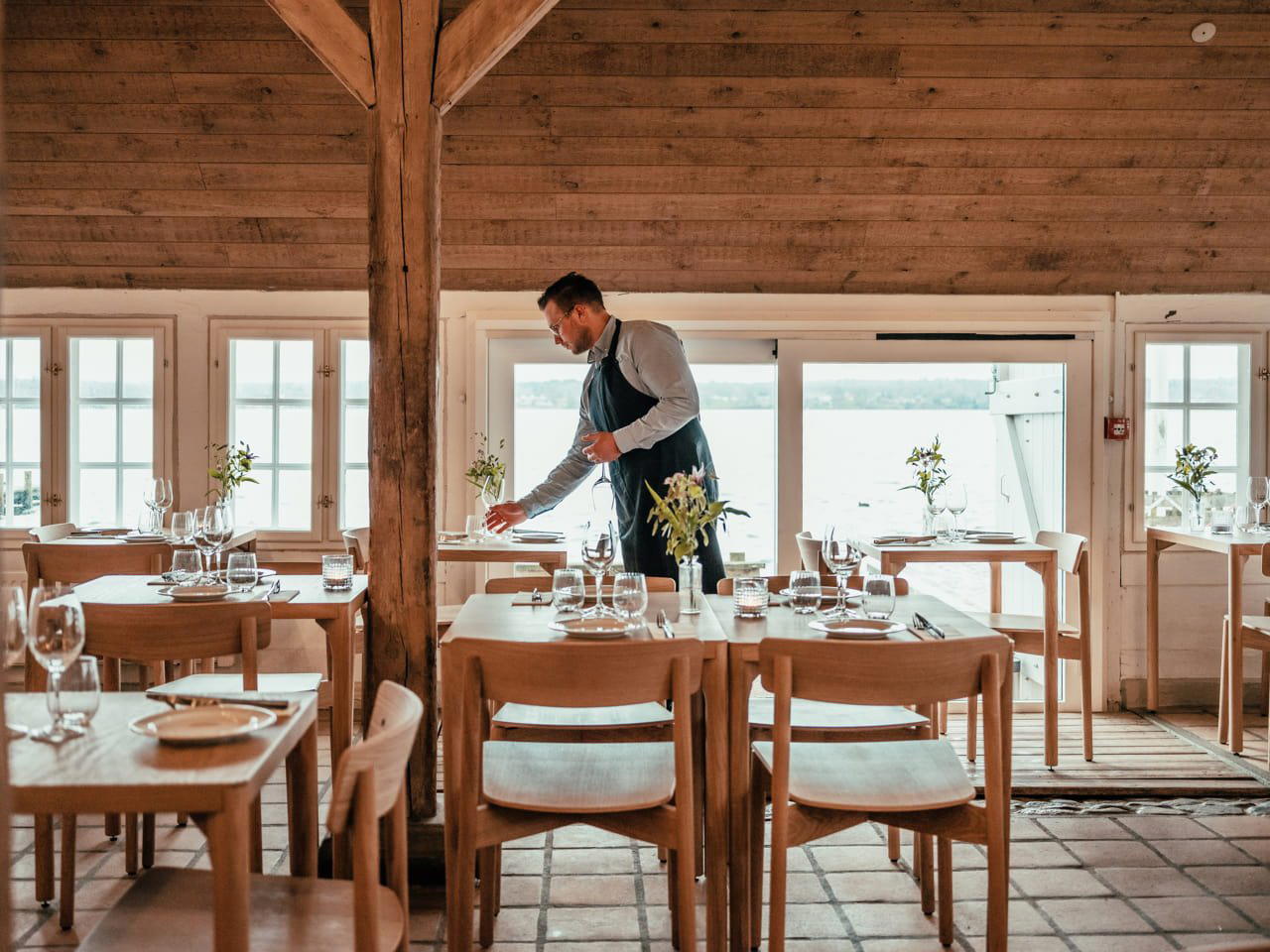
Where the Isefjord Tradition Meets the French Bistro Table
The road to Fredensborg runs through beech forest and royal estate land, and arriving at Skipperalle 6 carries a quality of deliberate departure from the city. Skipperhuset sits a short distance outside Copenhagen, placed in the kind of quiet Danish town where the pace of lunch genuinely differs from the pace of dinner. That physical remove is not incidental. It shapes what the kitchen can do and, more specifically, how the sourcing logic behind both menus holds together.
The dual-format structure here, smørrebrød at midday and French bistro in the evening, reflects a broader pattern in Danish provincial dining where one address carries two distinct food cultures with minimal crossover. The smørrebrød tradition in Denmark is tightly codified: open-faced rye bread, specific protein and pickled-element combinations, a particular sequencing of courses. What matters is the fidelity of the ingredient, not elaboration around it. Skipperhuset operates inside that tradition, which means the sourcing standard for its lunch service is legible to anyone who understands what good Danish rye bread and properly cured herring require. For a wider view of how provincial Danish dining addresses hold their identity, see Henne Kirkeby Kro in Henne or Frederiksminde in Præstø, both of which operate a similar dual identity between classical format and regional ingredient logic.
Smørrebrød as a Sourcing Argument
Danish smørrebrød is essentially an ingredient showcase. The bread, the fat, the cured or pickled element, the garnish: each component is load-bearing, and there is nowhere for a weak product to hide. This is why smørrebrød-focused kitchens in Denmark tend to develop close relationships with specific producers, often for rye bread alone. The tradition emerged historically from proximity to agriculture and sea, and its leading contemporary versions maintain that short chain. A lunch service in Fredensborg, set against the backdrop of North Zealand farmland and the coastline not far to the east, has access to a supply geography that urban Copenhagen addresses have to work harder to approximate.
The French bistro dinner format runs on a different set of demands. Classic bistro cooking at its most disciplined relies on clean primary products prepared with restraint: a properly sourced piece of fish, a correctly seasoned sauce, vegetables that are not obscured by technique. Where the smørrebrød tradition is Danish and northern in its ingredient logic, the bistro frame is borrowed but has long been naturalised into Nordic restaurant culture. Denmark's proximity to French classical training has been a consistent thread in its professional kitchen culture for decades, visible at the upper end from Jordnær in Gentofte through to the classical foundations underneath more progressive houses like Noma in Copenhagen. Skipperhuset operates well below that tier in terms of ambition and price, but the bistro grammar is the same.
The Wine List as a Companion Document
Compact wine lists in provincial Danish restaurants tend to go one of two ways: the perfunctory house-wine approach, or a considered small selection that signals genuine engagement with what the food requires. The available information on Skipperhuset's list indicates the latter. A focused list with classic references is a specific choice, not a default, and it suggests a kitchen and front-of-house that think about the pairing logic across both menus. Classic references in this context typically mean French and Italian benchmark producers, the kind of list that holds up across a smørrebrød sequence at lunch and a bistro main at dinner without requiring the wine program to stretch into natural or orange territory. For comparison, properties like Dragsholm Slot Gourmet in Hørve or Kadeau Bornholm in Åkirkeby have built their wine identity around regional and natural wine commitments; Skipperhuset appears to occupy the opposite position, with a list anchored in conventional classic references.
Where Skipperhuset Sits in the Danish Dining Picture
The Danish restaurant scene in 2024 is easily misread through Copenhagen's lens. The capital concentration of Michelin-decorated addresses, from Frederikshøj in Aarhus to progressive urban formats like ARO in Odense and LYST in Vejle, makes the country's fine dining identity seem consistently forward-looking. But a parallel and older dining culture persists in provincial towns: proper lunch smørrebrød, casual dinner bistro, a wine list that does not require annotation. Skipperhuset belongs to this second register. It is not competing with the decorated tier, and it is not trying to. That is a legitimate position, and one that the short drive from Copenhagen makes easy to reach for visitors staying in North Zealand or visiting Fredensborg Palace.
For context on the broader range of serious destinations in Denmark outside Copenhagen, Alimentum in Aalborg and Domæne in Herning show how the provincial register can carry genuine ambition. Internationally, the bistro format Skipperhuset adopts for dinner shares a grammar with high-functioning bistro rooms elsewhere, though the precision of sourcing at a property like Le Bernardin in New York City or the ingredient-driven approach of Emeril's in New Orleans represents an entirely different scale of operation.
Planning a Visit
Skipperhuset is located at Skipperalle 6, 3480 Fredensborg, a short drive from Copenhagen and within reach of North Zealand's coastal and palace tourism circuit. The dual-format structure means the decision between lunch and dinner is effectively a decision between two different menus and two different registers of the same address. Lunch is the more specifically Danish experience; dinner the more versatile one. For visitors with limited time, the smørrebrød lunch positions Skipperhuset within a tradition that is harder to find at this level of regional setting than it is in the capital. Fredensborg Palace draws day visitors from Copenhagen, and Skipperhuset's position outside the immediate tourist infrastructure is worth factoring into any timing decision. For a broader sense of the area, consult our full Fredensborg restaurants guide, along with resources for hotels, bars, wineries, and experiences in Fredensborg.
Frequently asked questions
Is Skipperhuset okay with children?
A smørrebrød lunch at Skipperhuset fits naturally into a family visit to the Fredensborg area. The classic Danish open-faced sandwich format is accessible for children, and the provincial bistro setting is relaxed enough to accommodate families without awkwardness.
Is Skipperhuset formal or casual?
Lunch runs at a casual register, with smørrebrød served in the unfussy tradition common to North Zealand provincial dining. Dinner shifts toward a French bistro model, which typically implies a slightly more composed atmosphere, though nowhere near formal.
What kind of recognition has Skipperhuset received?
Skipperhuset has received recognition including: Skipperhuset is placed a little bit outside of Copenhagen. Here you can have a classic Danish ”smørrebrød” for lunch or French bistro for dinner. The wine list is compact with a view into a lot of cla....
What should I eat at Skipperhuset?
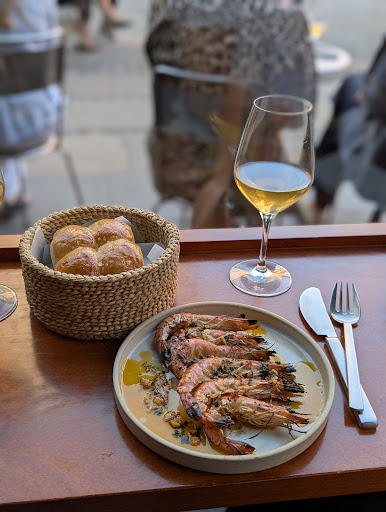
At lunch, order the smørrebrød. The classic Danish open-faced format is the format this Fredensborg address is built around, and it reflects the ingredient logic of the region more directly than the dinner menu. In the evening, the French bistro offering is the stronger choice for those staying in the area.
Quick Comparison
Comparable venues nearby, for context on price, style, and recognition.
| Venue | Cuisine | Price | Awards | Notes |
|---|---|---|---|---|
| SkipperhusetThis venue (the venue you are viewing) | Modern Nordic Bistro | Not listed | Star Wine List | Not listed |
| Rabarbergaarden | Organic Nordic Farm-to-Table | Not listed | We're Smart World 1 Radish | Vejby |
| Pony | New Nordic Bistro | Not listed | Not listed | Vesterbro-Kongens Enghave |
| Madklubben Vesterbro | Multicultural Danish-Inspired | $20–30 | Not listed | Vesterbro-Kongens Enghave |
| Restaurant Tight | Nordic with International Influences | $30–50 | Not listed | Indre By |
Recognition history
Dated appearances from independent guides and award organizations, with the underlying list record or original source where available.
Star Wine List
Star Wine List
White Guide Denmark Restaurants - Very Fine Level
White Guide
Continue exploring
More in Fredensborg
Restaurants in Fredensborg
All restaurants in Fredensborg →
Bars in Fredensborg
Browse all →

Details
- Romantic
- Scenic
- Cozy
- Elegant
- Historic
- Date Night
- Special Occasion
- Family
- Waterfront
- Historic Building
- Terrace
- Extensive Wine List
- Local Sourcing
- Waterfront
- A La Carte
- Small Plates
Current opening hours
- Monday
- Closed
- Tuesday
- 11:30 AM–4 PM
- Wednesday
- 11:30 AM–4 PM
- Thursday
- 11:30 AM–4 PM, 6–11 PM
- Friday
- 11:30 AM–4 PM, 6–11 PM
- Saturday
- 11:30 AM–4 PM, 6–11 PM
- Sunday
- 11:30 AM–4 PM
Hours can change for holidays and private events. Last verified .
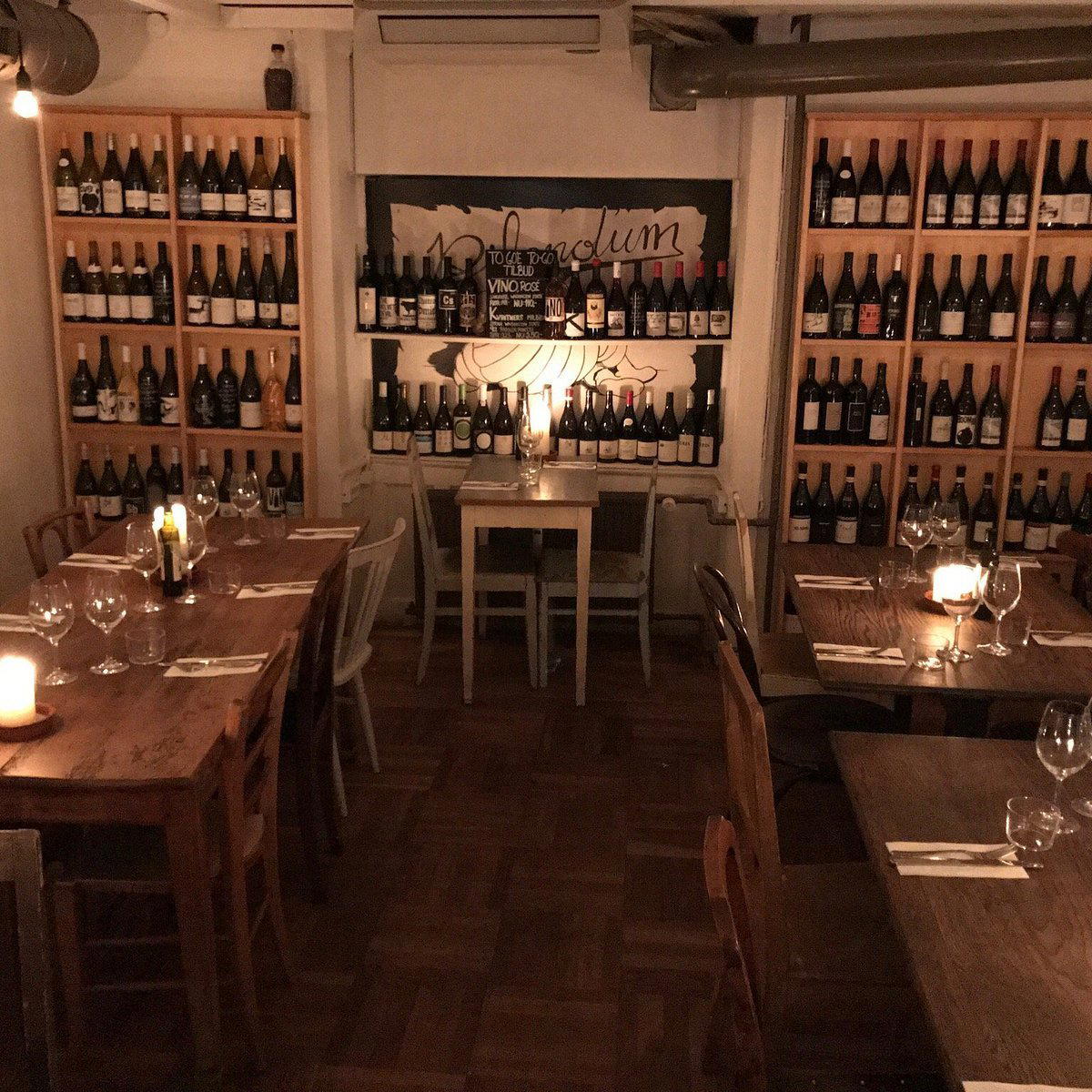
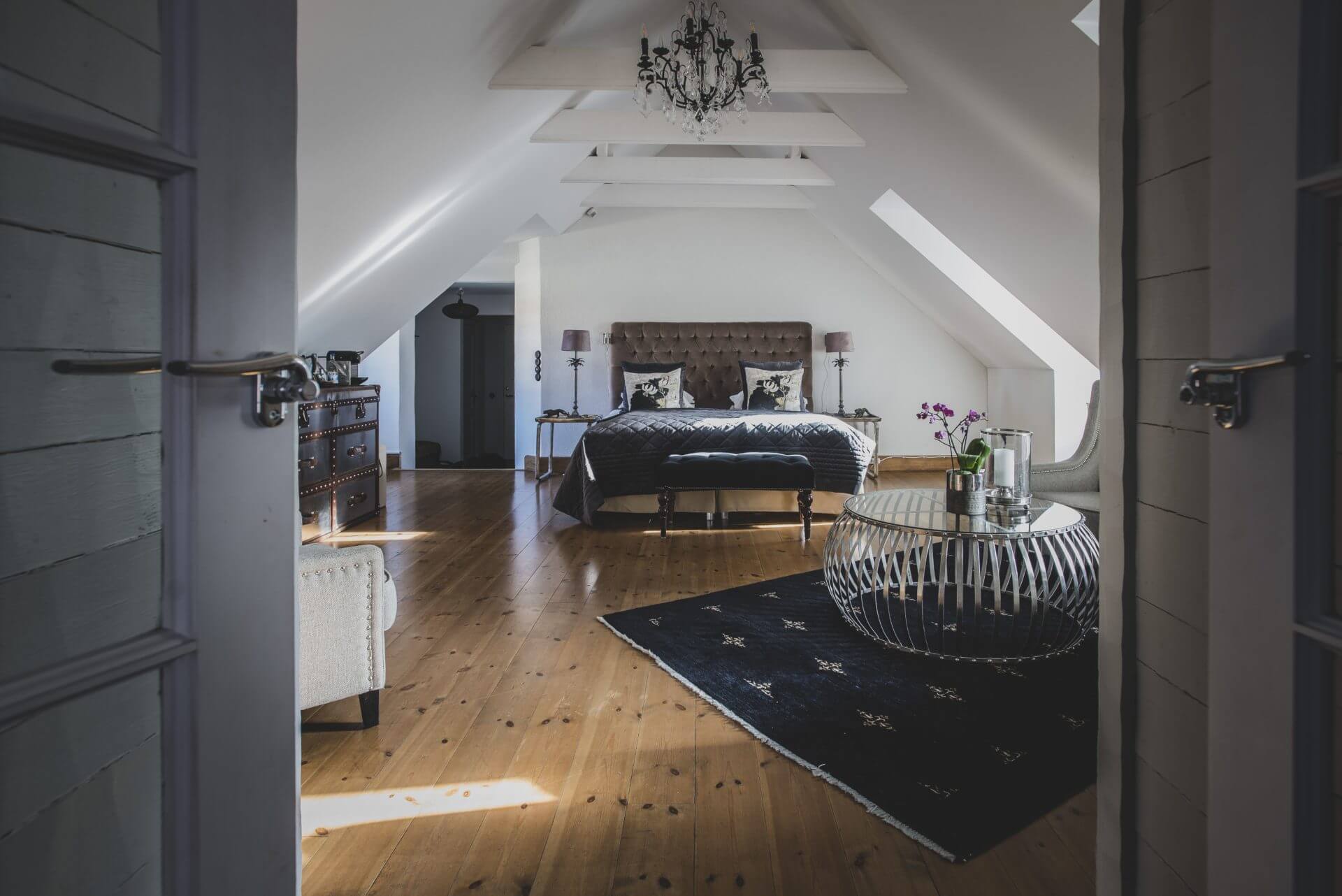
Elegant and restrained interior with warmth and hospitality, every table featuring unobstructed lake vistas and dramatic sunsets.