Google: 4.4 · 1,267 reviews
.png)
On the banks of the Damse Vaart canal in Oostkerke, Siphon has spent decades earning its reputation as the region's defining address for freshwater eel. The kitchen's ode to tradition extends from classic preparations — sorrel, meunière, à la crème — to grilled lobster and steak, all supported by an intelligent wine list. A Michelin Plate holder with 1,227 Google reviews averaging 4.4 stars, this is West Flanders cooking with genuine regional purpose.
 Discover on Pearl
Pearl is the En Primeur Club membership app — saves, bookings, and concierge access live there. Same editors, same standards.
Canal-Side, Product-Led: The Regional Logic of Siphon
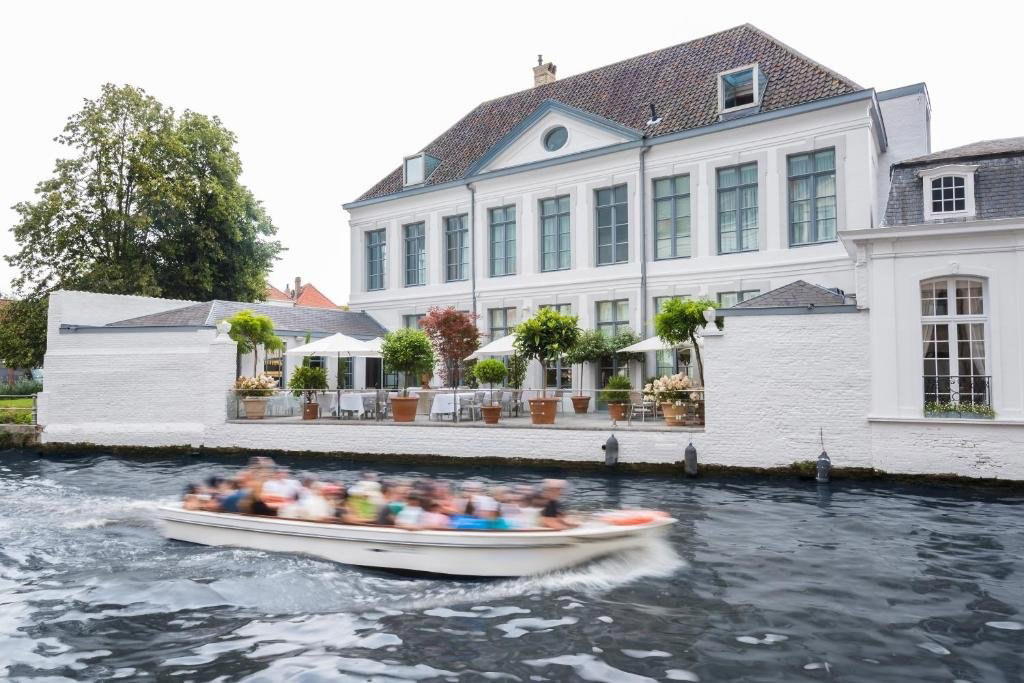
Along the Damse Vaart, the straight waterway connecting Bruges to the Belgian-Dutch border, the flat polder landscape establishes a clear set of rules for what a kitchen should be doing. The canals and their surrounding lowland farms have supplied Flemish tables with freshwater eel for centuries, and the restaurants that have survived along this corridor are, without exception, the ones that took that product seriously. Siphon, positioned directly on the water at Damse Vaart-Oost 1 in Oostkerke, is the most referenced of them. It holds a Michelin Plate for 2024, carries a Google rating of 4.4 across 1,227 reviews, and has accumulated the kind of cross-regional word-of-mouth that draws visitors from well beyond West Flanders.
The drive here from Bruges takes roughly fifteen minutes, but the shift in register happens faster. By the time the flat canal road opens up and the restaurant's waterside terrace comes into view, it is clear that this is not the kind of place that competes with the creative Flemish kitchens operating at the €€€€ tier — the ambitious tasting-menu restaurants like Boury in Roeselare or Hof van Cleve in Kruishoutem. Siphon operates in an entirely different register: the €€ bracket, where the argument is made through ingredient fidelity and long-practised technique rather than through transformation and invention.
Eel as Anchor: Why the Ingredient Defines the Place
Few ingredients carry as much regional identity in the Low Countries as freshwater eel. In the Flemish tradition, it sits alongside waterzooi and stoemp as a marker of culinary geography, tied to the waterways that define the Bruges hinterland. Siphon has built its identity around this single product more deliberately than almost any other address in the province, to the point where the Michelin notes specifically call out the house speciality and describe people travelling from near and far to eat it.
The kitchen approaches the ingredient through three classic preparations: sorrel, meunière, and à la crème. Each method draws on a different strand of the Flemish-French culinary tradition. Sorrel brings acidity and herbaceous sharpness, a combination that cuts the natural richness of the eel. Meunière applies the pan-butter technique familiar from French brasserie cooking, producing a crisped exterior and clean finish. À la crème reaches further into the Belgian kitchen's comfort with dairy-enriched sauces. These are not experimental framings; they are the canonical ways that Flemish and northern French cooks have treated this fish for generations, and Siphon's decision to anchor itself to them is a specific editorial position on what regional cooking should do.
The wider menu extends to grilled lobster and steak, which situates Siphon within a recognisable Belgian roadhouse-to-brasserie tradition: a kitchen that has a signature product but serves as a proper meal destination rather than a single-dish specialist. The wine list, described by Michelin as intelligent, signals that the kitchen is not operating as a casual roadside stop despite the rural setting and accessible price point. For context on how wine thinking reinforces food positioning at Belgian addresses at different price tiers, the approach here is more purposeful than the format might suggest.
The Regional Ecosystem: Coastal and Inland Flemish Cooking
Siphon sits within a broader ecosystem of Flemish restaurants that have built serious reputations on product specificity rather than tasting-menu format. Bartholomeus in Heist and Willem Hiele in Oudenburg both represent the coastal strand of this tradition, where North Sea product drives the kitchen's identity. Siphon occupies the inland waterway version of the same logic: the canal and polder network as the source of the defining ingredient.
Across Belgium, the most durable regional restaurants tend to be those that have chosen a product and stayed with it across decades, resisting the pressure to reformat into tasting-menu territory. Siphon's Michelin Plate recognition in 2024 confirms that this approach remains legible to the guide's inspectors, who have consistently recognised product-driven, tradition-rooted addresses alongside the three-star creative flagships like Zilte in Antwerp. The Plate designation, distinct from stars, is specifically calibrated for kitchens where quality of cooking is documented without the full creative framework that star assessment requires.
For a broader picture of where Siphon fits within Belgium's regional dining spread, Bozar Restaurant in Brussels represents the urban, institution-anchored end of the Belgian dining argument, while addresses like La Durée in Izegem, Ralf Berendsen in Neerharen, and Sir Kwinten in Sint-Kwintens-Lennik each illustrate different regional expressions of the same underlying commitment to place-rooted cooking. Internationally, comparable addresses anchored to a single regional product include Auberge Grand'Maison in Mûr-de-Bretagne and Auga in Gijón, where the logic of ingredient-first, tradition-grounded menus operates in different national contexts.
Planning Your Visit
Siphon is located at Damse Vaart-Oost 1 in Damme, in the Oostkerke area of West Flanders, approximately fifteen minutes by car from the centre of Bruges. The canal-side setting makes it a natural extension of a wider Bruges day trip, and the €€ price range puts it within reach of most budgets without compromising on the seriousness of the kitchen. Given the 1,227 reviews and the cross-regional draw documented by Michelin, booking ahead is advisable, particularly for weekend lunches and summer evenings when the terrace draws additional capacity. Hours and booking methods are leading confirmed directly through the venue. For anyone building a wider itinerary around the Bruges region, the full Oostkerke restaurants guide is the logical starting point, with additional context available through the Oostkerke hotels guide, bars guide, wineries guide, and experiences guide.
Quick Comparison
These are the closest comparables we have in our database for quick context.
| Venue | Cuisine | Price | Awards |
|---|---|---|---|
| SiphonThis venue — the venue you are viewing | Traditional Cuisine | €€ | |
| Boury | Modern Frlemish, Creative French | €€€€ | Michelin 3 Star |
| Comme chez Soi | French - Belgian, Classic Cuisine | €€€€ | Michelin 1 Star |
| Hertog Jan at Botanic | Modern Flemish, Creative | €€€€ | Michelin 2 Star |
| L'Eau Vive | French, Modern French | €€€€ | Michelin 2 Star |
| La Durée | French-Belgian, Creative | €€€€ | Michelin 2 Star |
Continue exploring
More in Oostkerke
Restaurants in Oostkerke
Browse all →
Bars in Oostkerke
Browse all →
At a Glance
- Rustic
- Cozy
- Classic
- Special Occasion
- Family
- Terrace
- Extensive Wine List
- Waterfront
- Street Scene
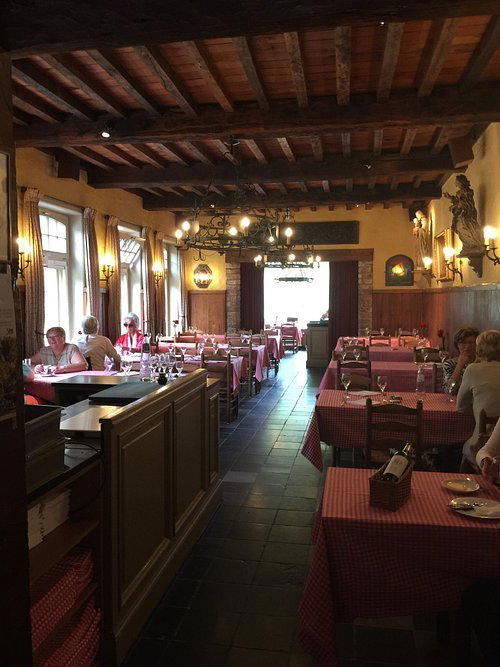
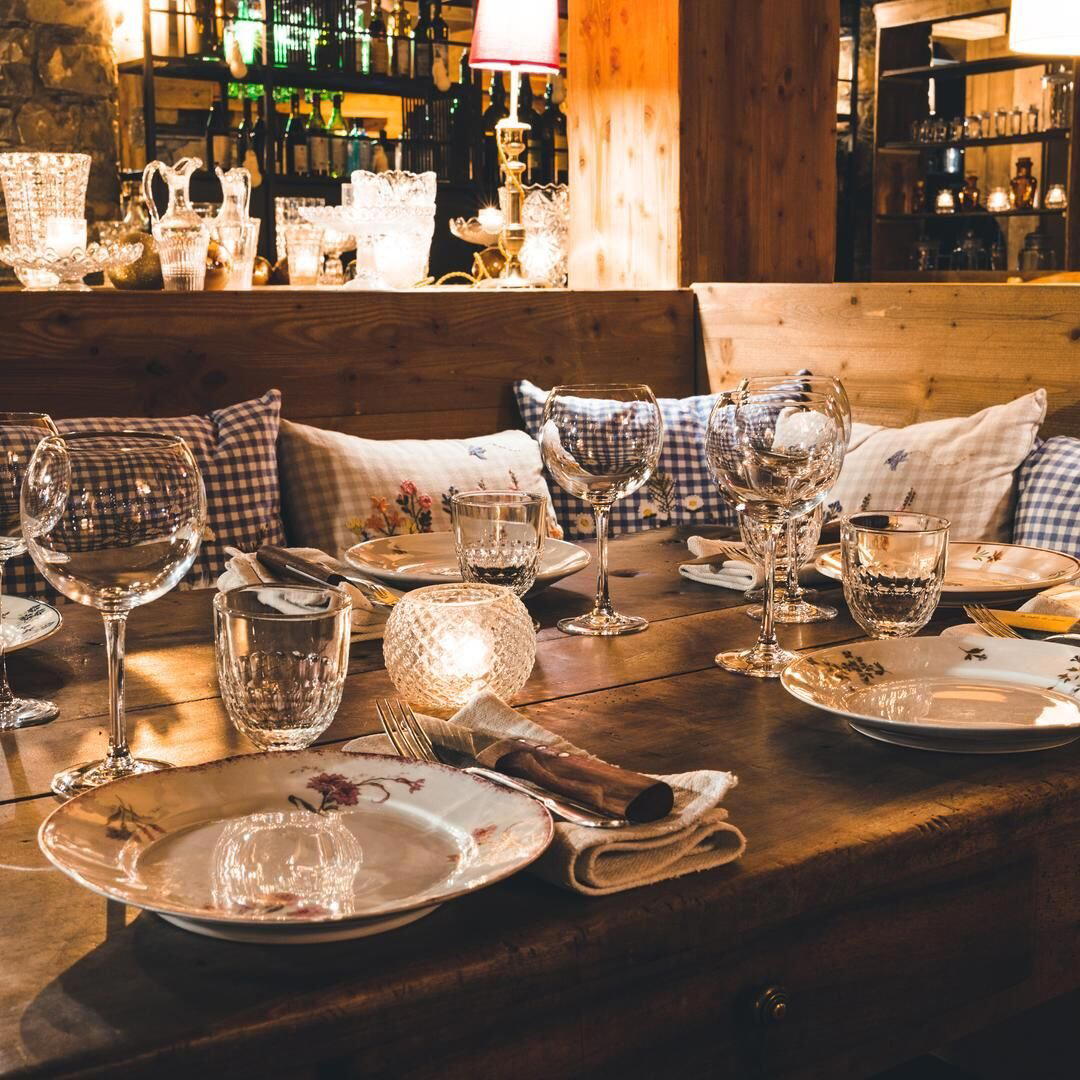
Rustic setting with gingham tablecloths and a quiet, comfortable atmosphere.