Sinju Sushi
Sinju Sushi sits along SW Bridgeport Road in Tigard, Oregon, positioned within a suburban dining corridor that increasingly draws Portland-area residents seeking Japanese cuisine outside the city proper. With a format built around sushi in a market that rewards consistency and value, it represents the accessible middle tier of the Pacific Northwest's broader Japanese dining scene.
Pearl is the En Primeur Club membership app — saves, bookings, and concierge access live there. Same editors, same standards.
- Address
- 7339 SW Bridgeport Rd, Portland, OR 97224
- Phone
- +15033523815
- Website
- sinjurestaurant.com
- Directions
- Get directions
 Saves & bookings on Pearl
Sushi in Suburban Portland: What the Tigard Dining Corridor Signals
The stretch of SW Bridgeport Road in Tigard tells a story about how suburban dining has matured in the Portland metro area. What was once a corridor of chain restaurants and fast-casual formats has gradually absorbed independent operators, including Japanese restaurants that serve a customer base commuting between Portland proper and the southern Washington County suburbs. Sinju Sushi, located at 7339 SW Bridgeport Rd, sits within that pattern, a neighborhood sushi option in a ZIP code where the competition is drawn more from Kona Grill - Tigard and Thirsty Lion than from the omakase counters of inner Southeast Portland.
That context matters. Japanese cuisine in American suburbs has historically operated in a register quite different from its urban counterparts. The reference points are not the kappo-style counters of major coastal cities, nor the tightly curated omakase formats that have reshaped what American diners expect from sushi. Suburban sushi, at its leading, serves a different function: accessible, reliably executed, and calibrated to a diner who may be ordering dragon rolls alongside more traditional nigiri. Understanding where Sinju Sushi sits in that spectrum requires reading it against the neighborhood, not against the destination dining tier.
The Cultural Weight of Japanese Cuisine in the Pacific Northwest
Oregon's relationship with Japanese culinary tradition runs deeper than its restaurant count suggests. The Pacific Northwest, and particularly the Portland metro area, has long had a Japanese-American community with roots predating the twentieth century, and that history shapes what local diners understand about the cuisine, even when they are eating in a strip-mall context rather than at a chef-driven counter. The demand for quality fish preparation, for correct rice temperature, and for the restraint that distinguishes honest Japanese cooking from its Americanized approximations is genuinely present in this market.
Nationally, the conversation around Japanese cuisine has been transformed by a generation of American restaurants that treated it with the same critical seriousness previously reserved for French technique. Venues like Le Bernardin in New York City demonstrated that seafood could command the highest tier of fine dining attention, while the rise of modern Korean tasting menus, exemplified by Atomix in New York City, showed that Asian culinary traditions could compete at the $$$$ format level without compromise. That shift in critical framing has filtered down to how suburban diners assess even their neighborhood options. The bar for what counts as competent sushi has risen, even in Tigard.
For the Pacific Northwest specifically, proximity to quality seafood supply chains is a structural advantage that local Japanese restaurants can draw on. The Columbia River corridor and Oregon's coastal fisheries mean that the raw material available to restaurants here is, in purely logistical terms, competitive with many larger markets. Whether individual operators choose to exploit that advantage varies considerably by format and price point.
How Tigard's Dining Scene Positions a Neighborhood Sushi Operation
Tigard occupies an interesting position in the Portland metropolitan dining map. It is suburban enough to operate outside the critical spotlight that shapes dining culture in neighborhoods like NW 23rd or the Pearl District, but close enough to Portland proper that its residents are not isolated from the city's more sophisticated food culture. That dual character creates a customer base with relatively high expectations for the mid-market tier, diners who know what good sushi tastes like, even if they are not seeking a full omakase experience on a Tuesday night.
This is the competitive environment that a venue like Sinju Sushi operates within, and it is a more demanding one than it might appear from the outside. The comparison set for a neighborhood sushi restaurant in Tigard is not The French Laundry in Napa or Lazy Bear in San Francisco, nor the farm-driven precision of Single Thread Farm in Healdsburg or the analytical intensity of Alinea in Chicago. But it does compete with every other Japanese restaurant in the southern Portland suburbs, and in that tier, consistency, sourcing integrity, and rice quality are the differentiating variables that determine whether a restaurant builds a loyal repeat customer base or cycles through casual visitors.
Where Neighborhood Sushi Fits in the American Fine Dining Conversation
The American restaurant scene has never been more stratified by format and ambition. At the summit tier, venues like Providence in Los Angeles, Addison in San Diego, and Blue Hill at Stone Barns in Tarrytown operate with levels of sourcing specificity and tasting menu architecture that represent a different category of dining entirely. Regional fine dining flagships like Bacchanalia in Atlanta, Brutø in Denver, Causa in Washington, D.C., The Inn at Little Washington, and internationally, 8 1/2 Otto e Mezzo Bombana (Hong Kong) in Hong Kong, all operate in a register where every element of the meal is subject to critical evaluation. Meanwhile, Emeril's in New Orleans represents a middle tier of chef-driven, regionally rooted restaurants with genuine identity and institutional depth.
Neighborhood sushi in suburban Oregon sits outside all of those tiers, but that does not make it irrelevant to the broader dining conversation. For the majority of Americans, the neighborhood Japanese restaurant is where cultural familiarity with the cuisine is built, where repeat exposure creates the literacy that eventually supports more ambitious dining. The health of that mid-market tier matters.
Planning a Visit: Practical Notes
The restaurant is located at 7339 SW Bridgeport Rd, Portland, OR 97224, the address falls within Tigard's commercial corridor, accessible by car from central Portland in under thirty minutes via I-5 south. The SW Bridgeport area is a standard suburban strip with surface parking, so arrival logistics are direct. Current hours are Mon: 11 AM-9 PM; Tue: 11 AM-9 PM; Wed: 11 AM-9 PM; Thu: 11 AM-9 PM; Fri: 11 AM-9:30 PM; Sat: 11 AM-9:30 PM; Sun: 11 AM-9 PM. Reservations are recommended.
Reservations are recommended, and the price is about $25 per person.
Budget and Context
Comparable venues nearby, for context on price, style, and recognition.
| Venue | Cuisine | Price | Notes |
|---|---|---|---|
| Sinju SushiThis venue — the venue you are viewing | Bridgeport Village, Japanese Sushi | $$ | Not listed |
| Kona Grill - Tigard | Not listed | $$ | Bridgeport Village, American Grill with Sushi |
| Thirsty Lion | Washington Square, Gastropub Fusion | $$ | Not listed |
| Giraffe | Not listed | $$ | Central Eastside Industrial District, Japanese Deli |
| Murata Restaurant | Downtown, Traditional Japanese Sushi | $$$ | Not listed |
| Syun Izakaya | Not listed | $$ | Downtown Hillsboro, Traditional Japanese Izakaya |
Continue exploring
More in Tigard
Restaurants in Tigard
Browse all →
Bars in Tigard
Browse all →
Hotels in Tigard
Browse all →
At a Glance
- Modern
- Trendy
- Casual Hangout
- Group Dining
- Date Night
- Sake Program
- Local Sourcing
Current opening hours
- Monday
- 11 AM–9 PM
- Tuesday
- 11 AM–9 PM
- Wednesday
- 11 AM–9 PM
- Thursday
- 11 AM–9 PM
- Friday
- 11 AM–9:30 PM
- Saturday
- 11 AM–9:30 PM
- Sunday
- 11 AM–9 PM
Hours can change for holidays and private events. Last verified .
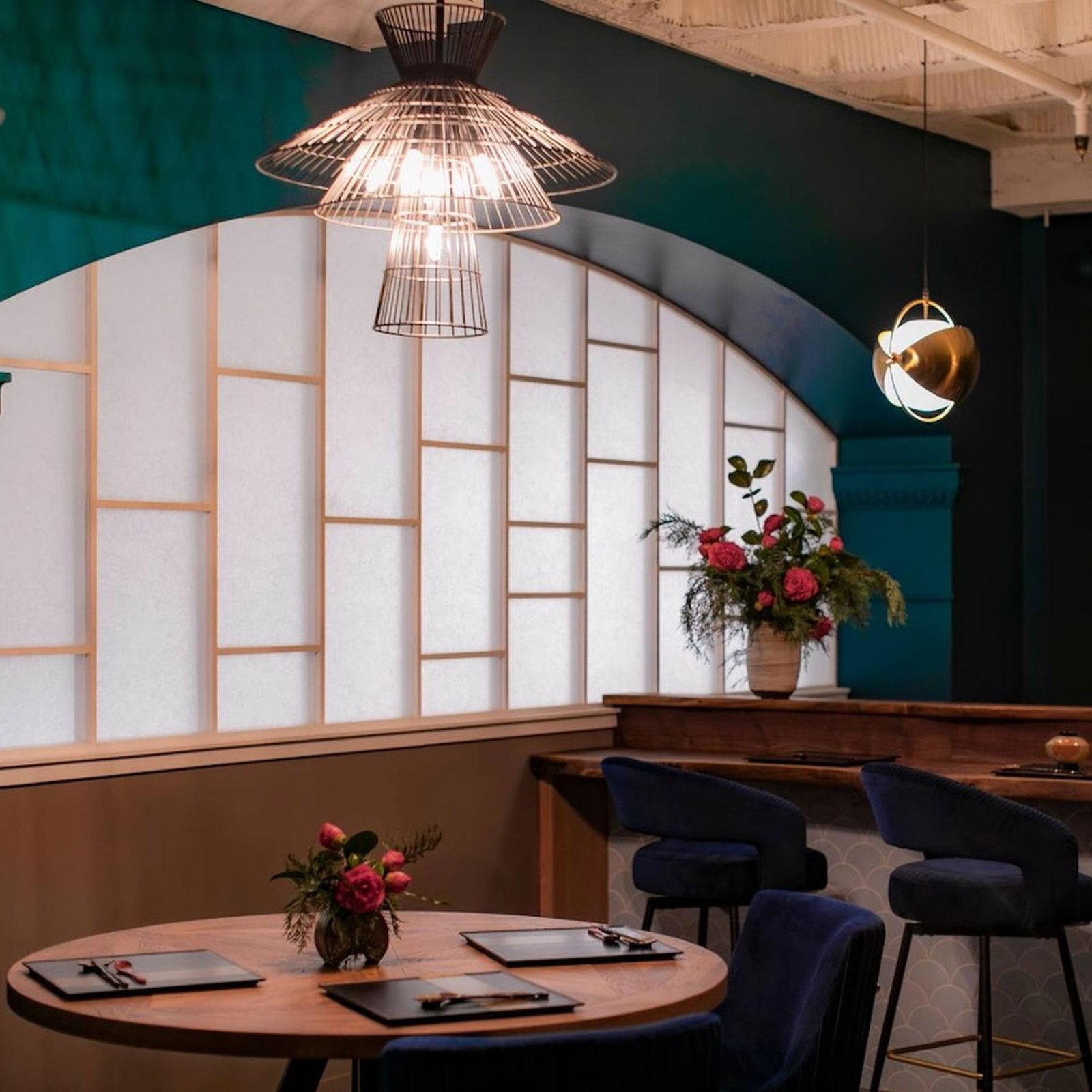
Sleek, modern setting with a refined yet casual atmosphere and welcoming family-owned touch.