SimSim
SimSim occupies a quiet address on Schwamendingenstrasse in Zurich's Oerlikon district, a neighbourhood that has drawn increasing attention as the city's dining radius expands beyond the Altstadt. With the broader Swiss restaurant scene placing growing emphasis on cellar depth and beverage curation, SimSim represents the kind of neighbourhood proposition that rewards locals who track where serious wine programs are taking root outside the centre.
Pearl is the En Primeur Club membership app — saves, bookings, and concierge access live there. Same editors, same standards.
- Address
- Schwamendingenstrasse 16, 8050 Zürich, Switzerland
- Phone
- +41443102743
- Website
- sim-sim.ch
- Directions
- Get directions
 Saves & bookings on Pearl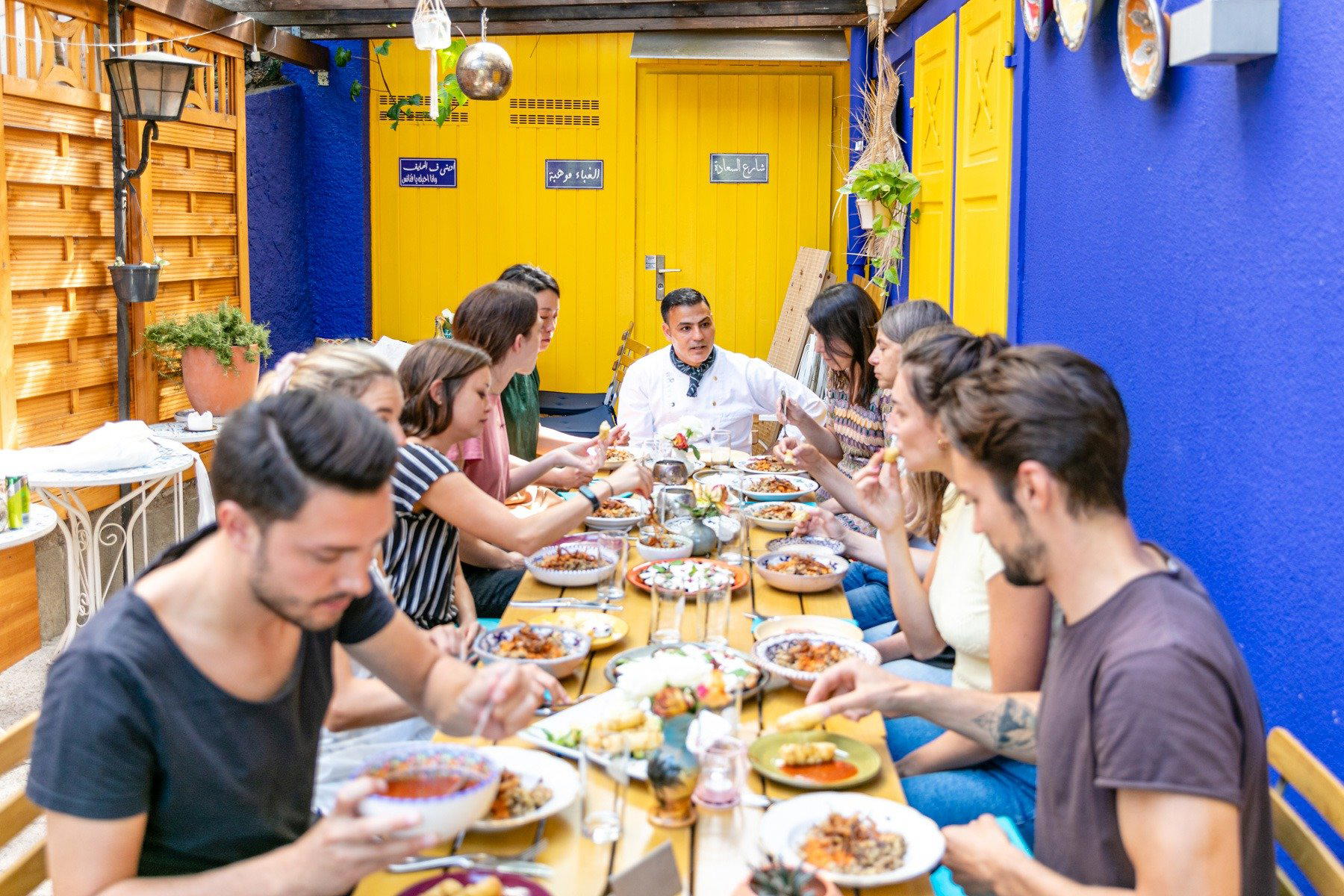
Zurich Beyond the Altstadt: Where the Wine Conversation Is Moving
Zurich's most talked-about dining addresses have long clustered around the Altstadt and the lake-facing neighbourhoods of Seefeld and Enge. But the city's restaurant geography has been shifting. Oerlikon, once defined by its trade fair halls and transit infrastructure, has attracted a quieter cohort of operators who benefit from lower overheads and a local clientele that tends to return regularly rather than dine once for the occasion. SimSim is an urban Lebanese mezze-grill at Schwamendingenstrasse 16 in Zurich's Oerlikon district, where it draws a loyal local following.
The address itself signals something about the proposition. A venue that places itself in Oerlikon rather than on Rämistrasse or near Paradeplatz is making a statement about who it is for and how it expects to be found. In cities where serious beverage programs and thoughtful cellars have historically anchored themselves to premium real estate, the migration toward residential and transitional neighbourhoods marks a genuine change in how wine-led dining is being positioned.
The Wine Program as the Organizing Principle
Across Zurich's upper-mid tier, the cellar has increasingly become the differentiating factor. At IGNIV Zürich by Andreas Caminada, the wine program operates in lockstep with a sharing format designed to encourage exploratory pairing across multiple courses. At The Counter and The Restaurant, creative menus demand cellar curation that can move between Swiss, French, and international references without losing coherence. Widder, with its depth in Swiss-grown varieties, offers a comparison point for how local viticulture gets framed at the table.
What this context establishes is a city where wine is no longer a supporting act to the kitchen. Guests who track Zurich's dining scene closely will recognize that the cellar has become a primary reason to choose one address over another at comparable price points. SimSim on Schwamendingenstrasse operates within this broader expectation, in a neighbourhood where the bar for beverage programming has been set by the city's more central addresses and must be met on its own terms.
Switzerland's wine identity is often underestimated by visitors who arrive expecting only French or Italian references. The country produces Chasselas, Pinot Noir, Gamaret, and Cornalin in quantities that rarely leave its borders, which means domestic restaurants hold an informational advantage over their international counterparts when it comes to sourcing. A well-constructed Swiss cellar in 2024 can offer genuine discovery even to guests who consider themselves well-travelled in European wine. The Eden Kitchen and Bar in Zurich demonstrates how an Italian-leaning program can coexist with Swiss selections without the list feeling eclectic or unfocused. That kind of curatorial discipline is what separates a serious cellar from an assembled one.
The Oerlikon Context: What the Neighbourhood Tells You
Dining in Oerlikon carries different expectations than dining near Zurich's financial core. The neighbourhood draws a mix of long-term residents, professionals attached to the nearby tech and creative sector, and increasingly a younger demographic that has been priced or pulled away from Zurich's more central districts. Restaurants that thrive here do so by building repeat business rather than tourist capture, which tends to produce more considered food and beverage programs rather than high-margin, high-turnover operations.
This dynamic has produced interesting results in comparable European cities. In areas like Zurich-West or the outer arrondissements of Paris, operators who move to secondary neighbourhoods often invest more heavily in the product precisely because the margin of error with a loyal local clientele is smaller. You cannot coast on location when location is not your primary draw.
For wine-led dining specifically, the neighbourhood position matters because it determines the cellar's pacing. A restaurant that hosts regulars three or four times a year develops its list differently from one built around first-time visitors. The former rewards depth, producer loyalty, and the kind of esoteric selections that a repeat guest will notice and appreciate. The latter tends toward legibility and recognizable labels. SimSim's address on Schwamendingenstrasse positions it firmly in the former category.
Placing SimSim in the Swiss Dining Hierarchy
Switzerland's recognised fine dining tier sits at considerable distance from the neighbourhood restaurant category. Hotel de Ville Crissier in Crissier and Schloss Schauenstein in Fürstenau operate at three Michelin stars, defining a ceiling that few addresses approach. Cheval Blanc by Peter Knogl in Basel and Memories in Bad Ragaz represent the two-star cohort. Further afield, 7132 Silver in Vals and focus ATELIER in Vitznau show how Swiss destination dining has expanded beyond its urban centres. Colonnade in Lucerne and Einstein Gourmet in Sankt Gallen anchor the regional cities. Da Vittorio St. Moritz and L'Atelier Robuchon in Geneva demonstrate how international brands have found a foothold in Swiss resort and financial contexts.
SimSim competes on neighborhood appeal, where the wine list and the atmosphere do more work than formal credentials. In Zurich specifically, the comparison points are restaurants across the city's districts.
For reference beyond Switzerland, the trajectory of neighbourhood wine bars in cities like New York, where Le Bernardin anchors the formal tier and Atomix demonstrates how curation can become the identity of an address, provides useful framing. The gap between institutional fine dining and neighbourhood wine-led dining has narrowed globally as cellars outside the formal tier have deepened and sommelier expertise has dispersed across smaller formats.
Planning Your Visit
Schwamendingenstrasse 16 is in Zurich's 8050 district, accessible from Oerlikon station on multiple tram and S-Bahn lines. The neighbourhood is a short transit ride from Zurich Hauptbahnhof. SimSim is recommended for reservations and is open Monday to Friday for lunch and dinner, Saturday evening only, and closed on Sundays.
| Venue | Format | Price Tier | District |
|---|---|---|---|
| SimSim | Urban Lebanese Mezze-Grill | €€ | Oerlikon (8050) |
| IGNIV Zürich by Andreas Caminada | Sharing | €€€€ | Central Zurich |
| The Counter | Creative | €€€€ | Central Zurich |
| Eden Kitchen and Bar | Italian | €€€€ | Central Zurich |
| Widder | Swiss | €€€ | Altstadt |
Comparable Spots, Quickly
Comparable venues nearby, for context on price, style, and recognition.
| Venue | Cuisine | Price | Notes |
|---|---|---|---|
| SimSimThis venue — the venue you are viewing | Urban Lebanese Mezze-Grill | $$ | Not listed |
| Moudi's Lecker Garten | Lebanese Mezze | $$ | Rigiblick |
| Al Paso | Fresh Seasonal Sandwiches & Soups | $$ | Oberstrass |
| The Bagel Shop | Sourdough Bagels | $$ | Aussersihl |
| 555+ Thai Food | Authentic Thai Street Food | $$ | Aussersihl |
| Gertrudhof | Swiss Cordon Bleu Specialists | $$ | Aussersihl |
At a Glance
- Trendy
- Modern
- Casual Hangout
- Family
- Group Dining
- Open Kitchen
- Local Sourcing
Current opening hours
- Monday
- 11:30 AM–2 PM, 5:30–10 PM
- Tuesday
- 11:30 AM–2 PM, 5:30–10 PM
- Wednesday
- 11:30 AM–2 PM, 5:30–10 PM
- Thursday
- 11:30 AM–2 PM, 5:30–10 PM
- Friday
- 11:30 AM–2 PM, 5:30–10 PM
- Saturday
- 5:30–10:30 PM
- Sunday
- Closed
Hours can change for holidays and private events. Last verified .
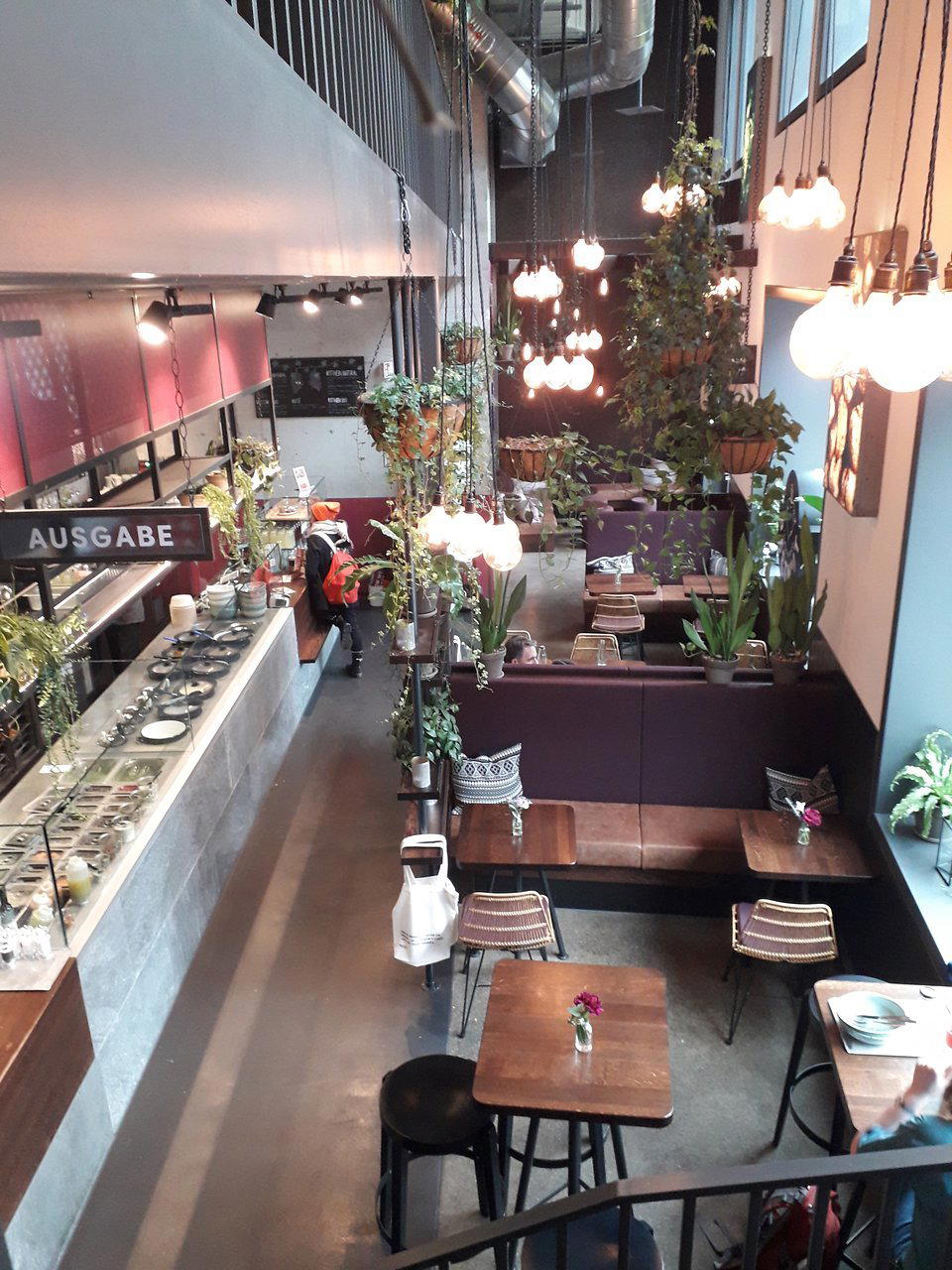
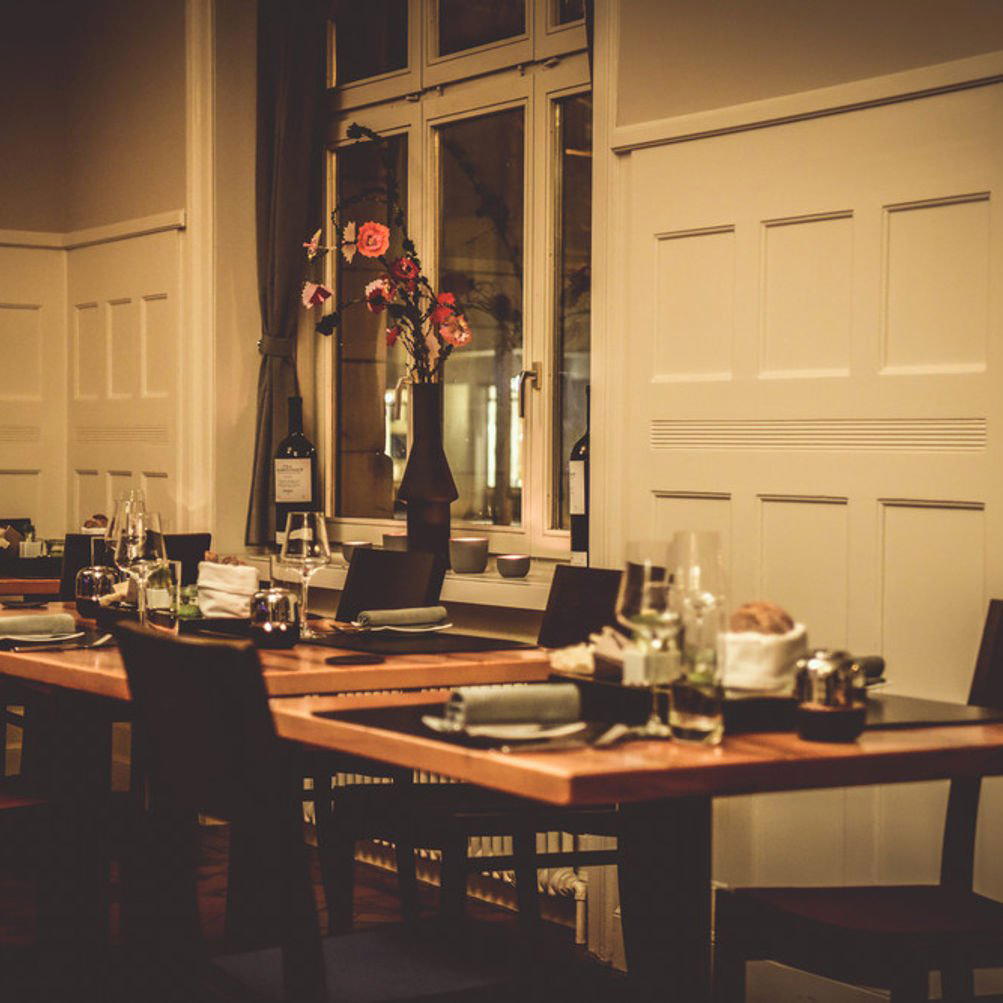
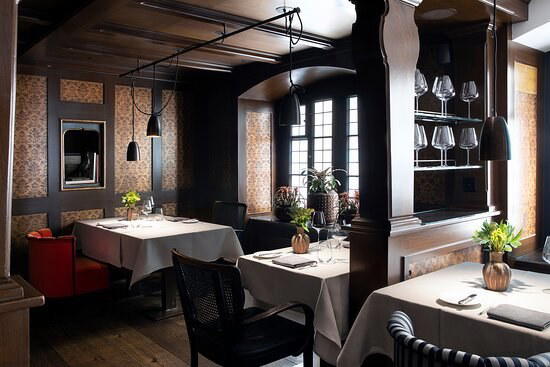
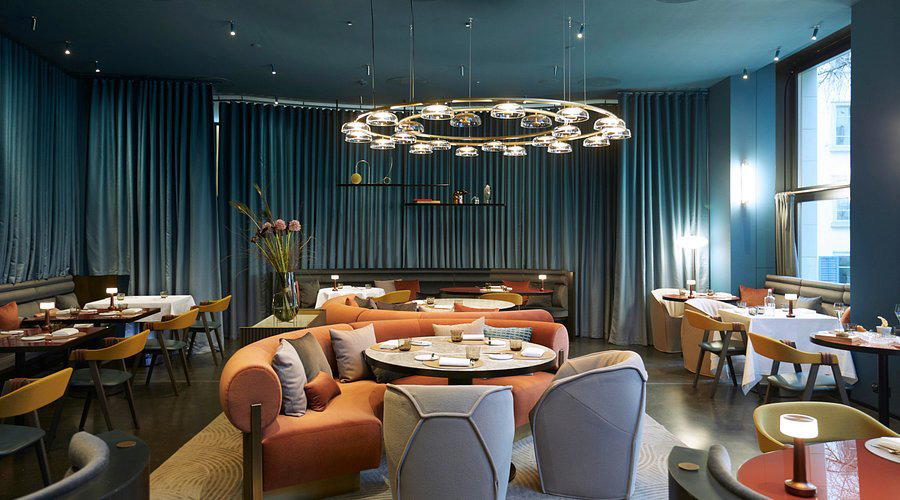
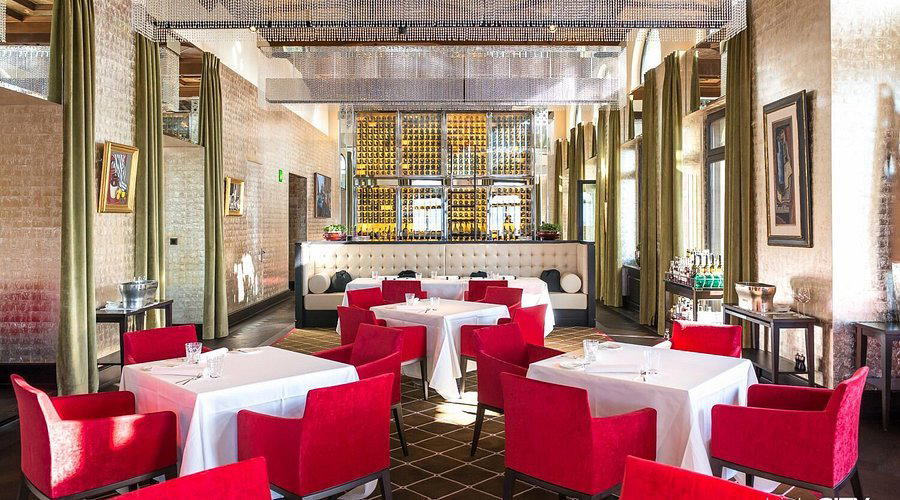
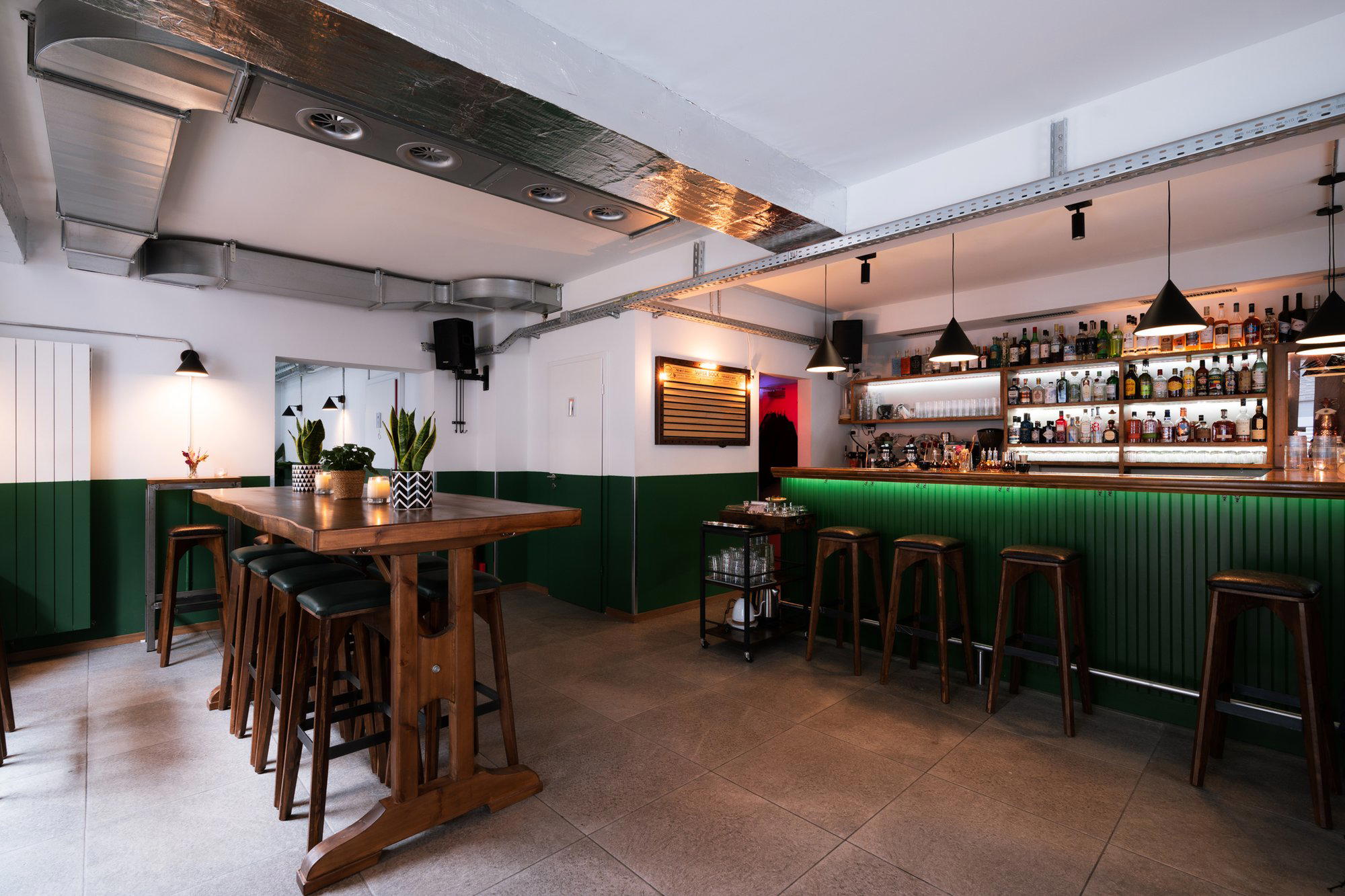
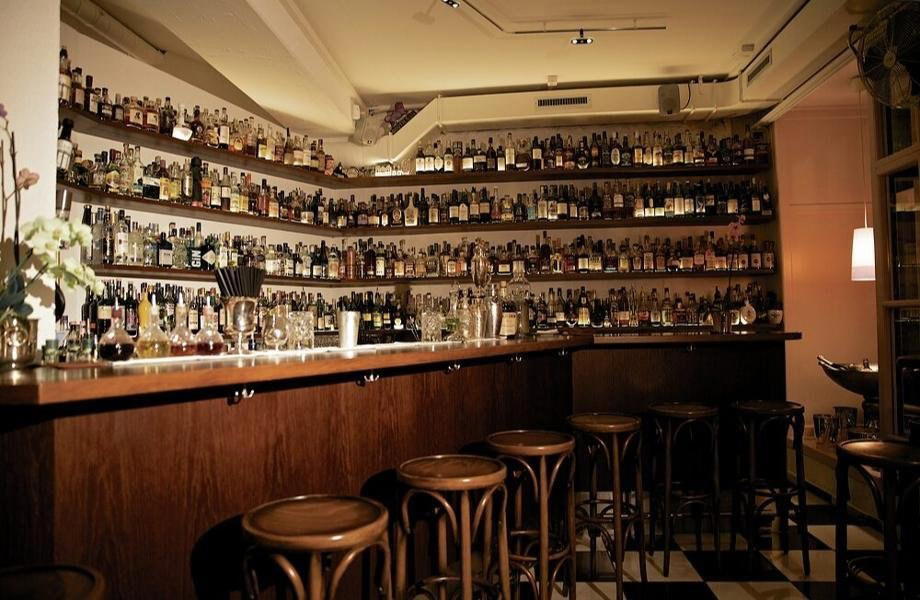
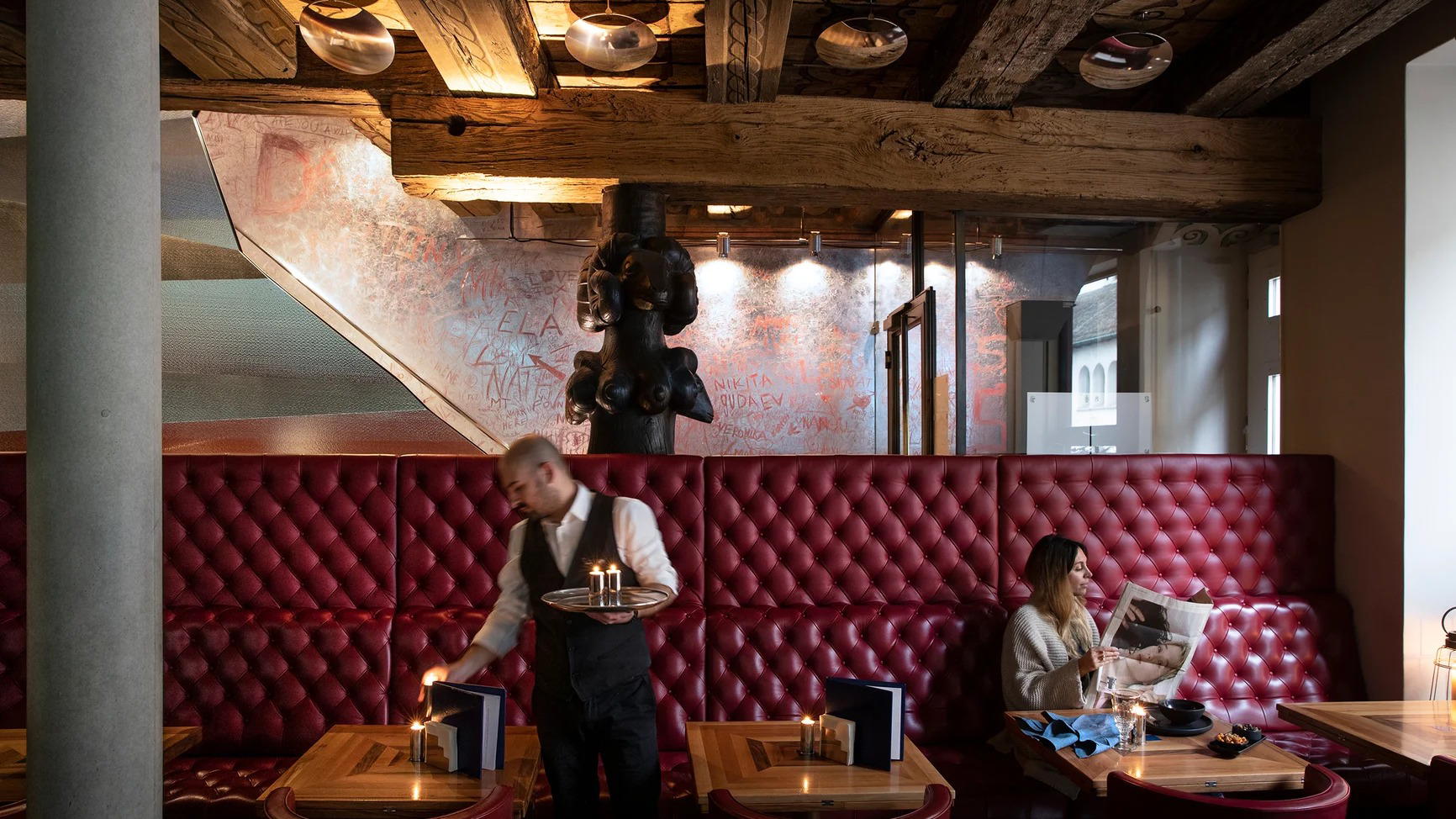
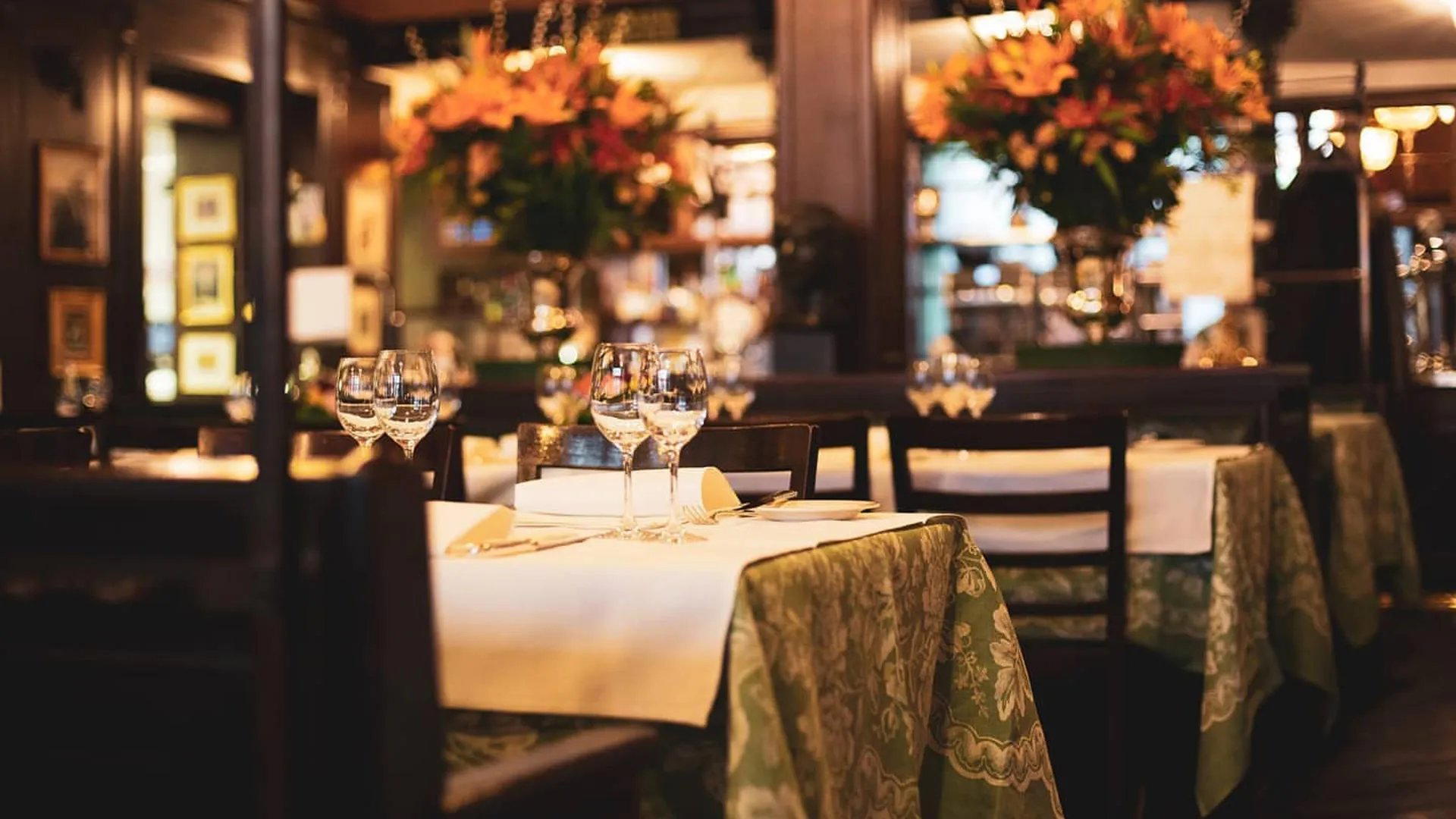
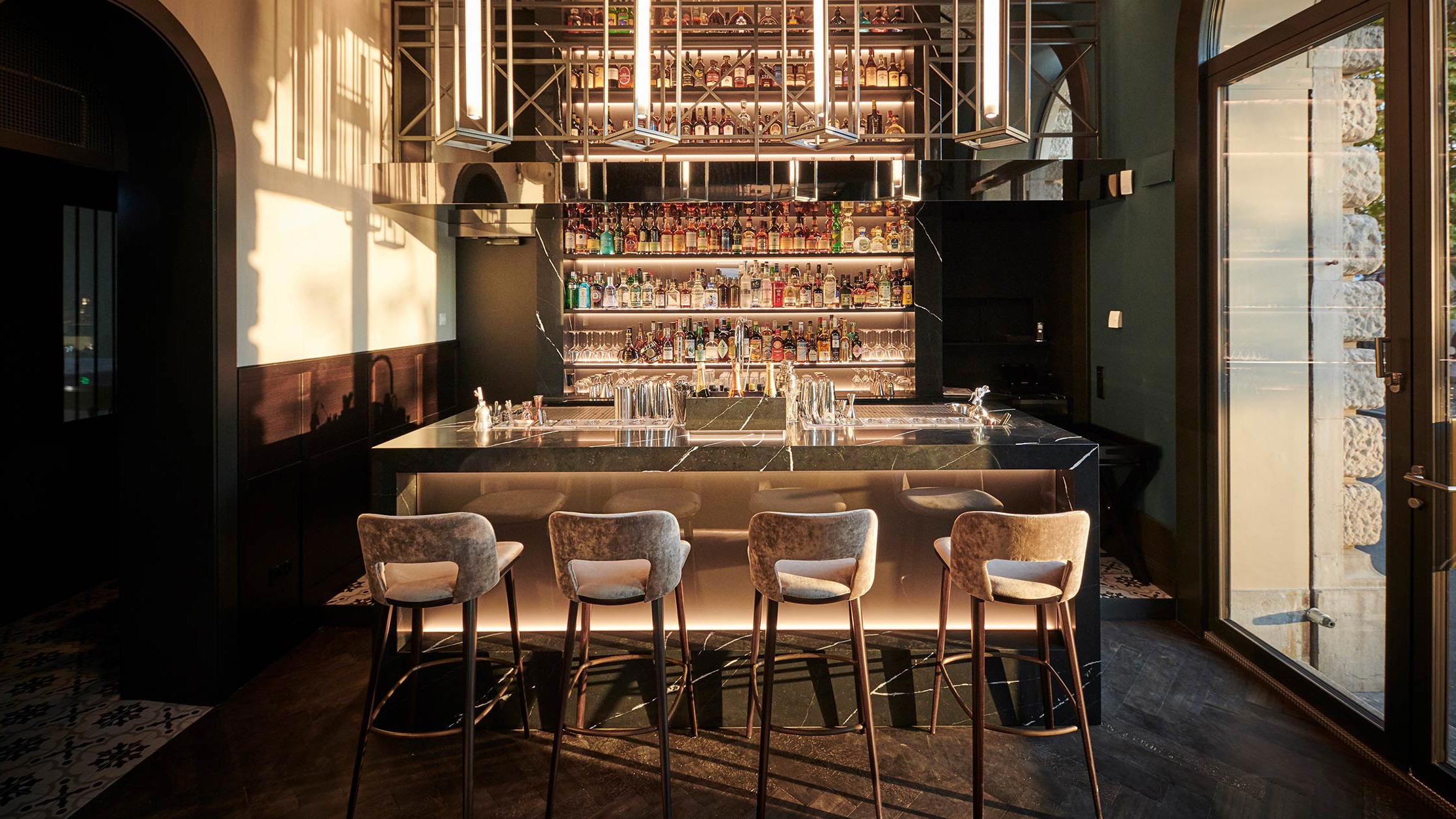
Trendy, modern, and stylish space with relaxed, informal oriental urban atmosphere.