Al Paso
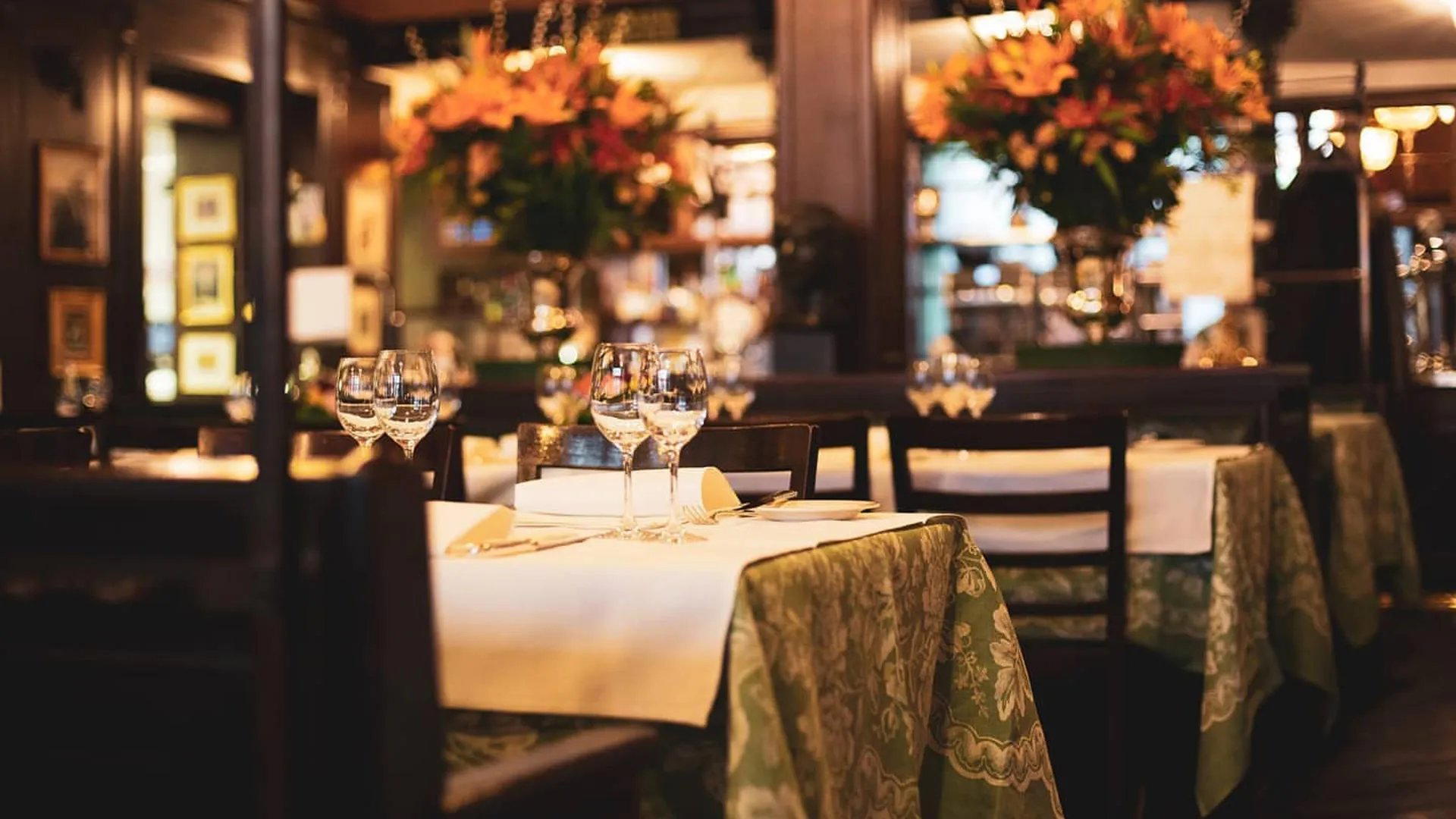
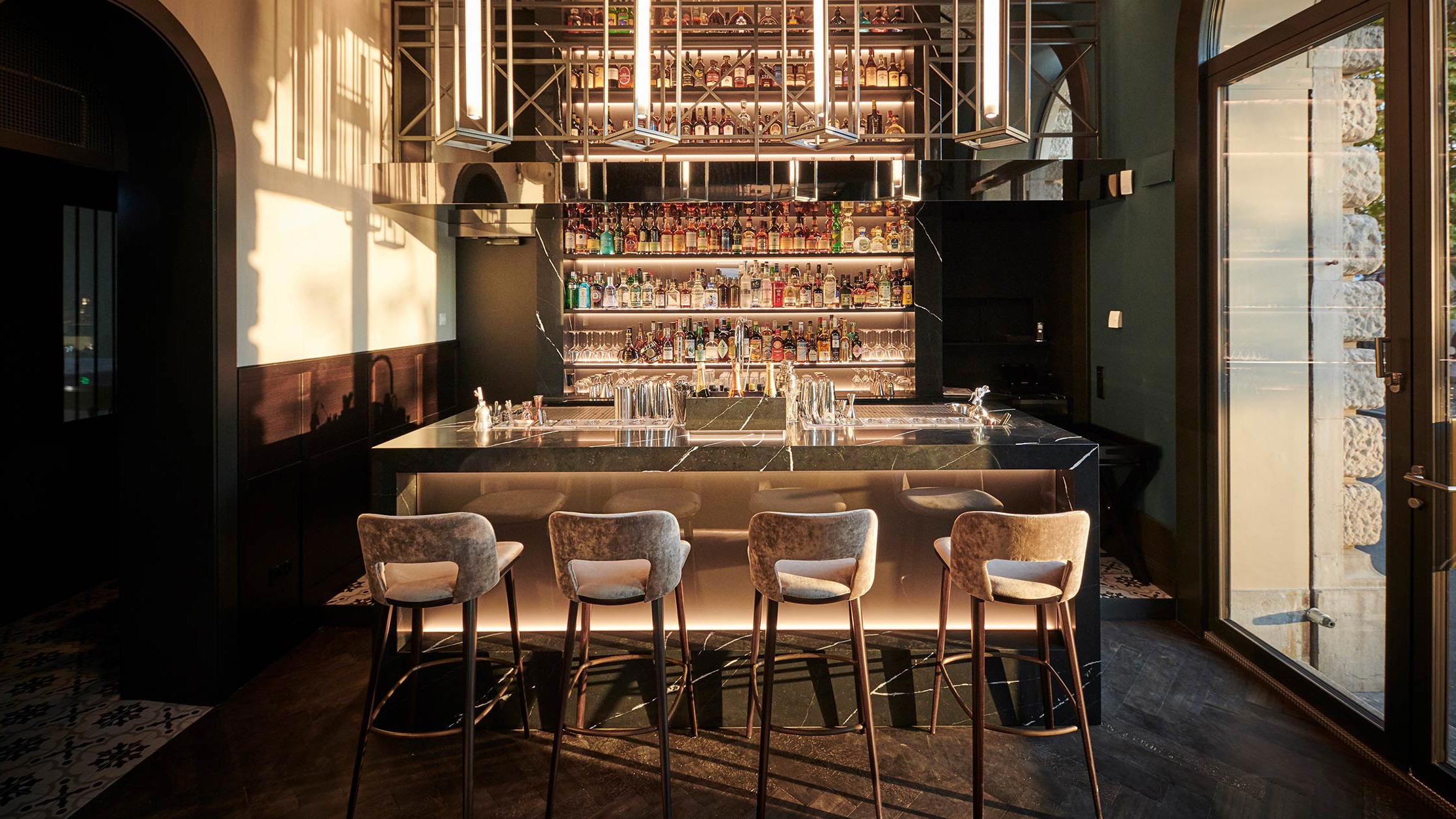
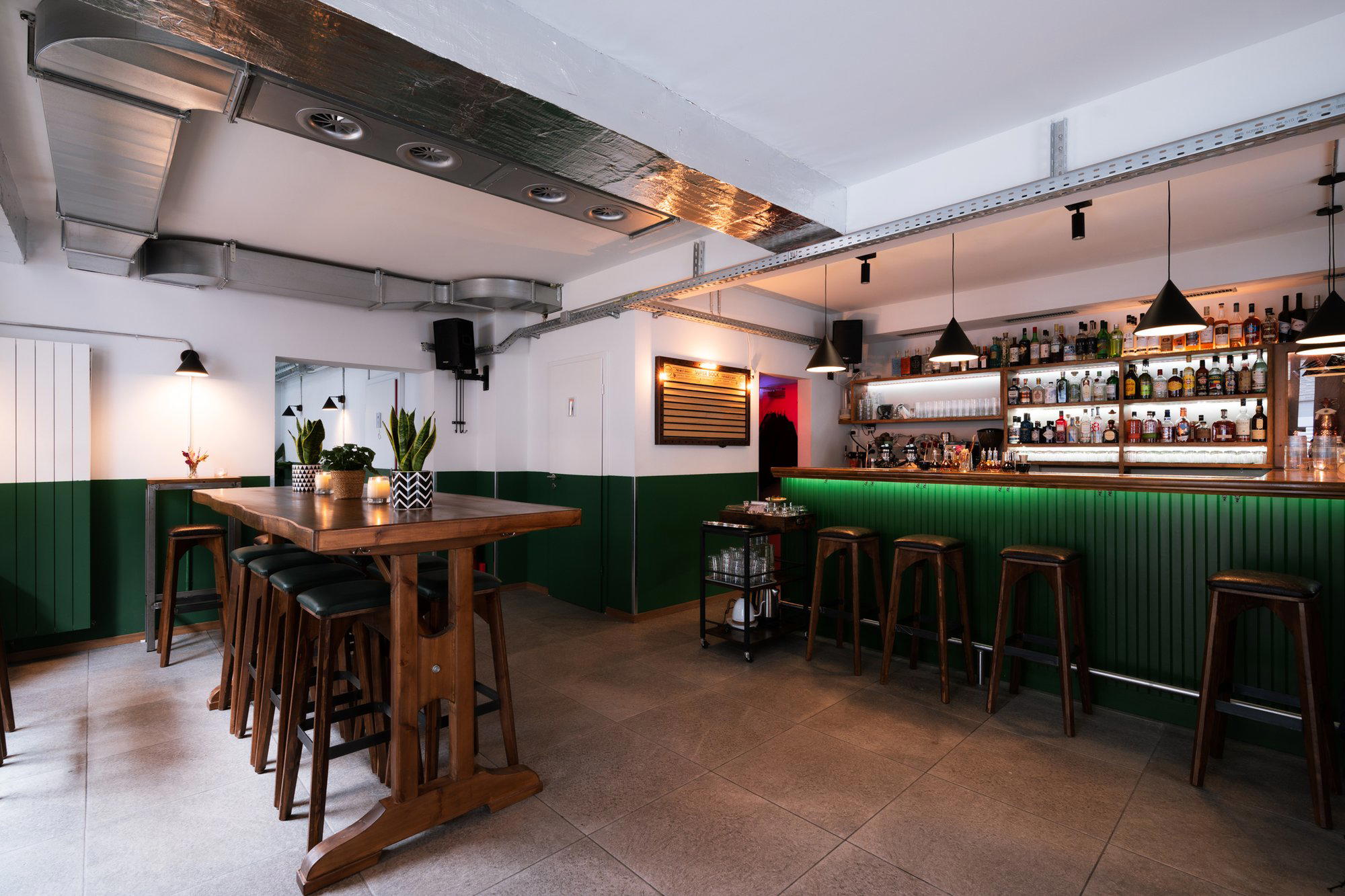
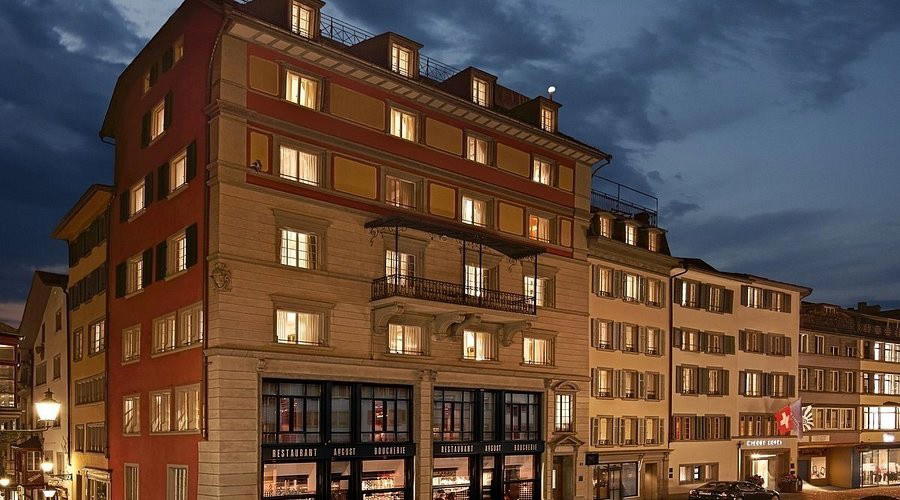
Al Paso occupies a address on Spitalgasse 12 in Zurich's Old Town district, placing it within walking distance of the city's most concentrated dining corridor. The restaurant draws attention for its approach to sourcing and environmental consciousness, positioning it among a growing cohort of Zurich establishments where ingredient provenance is treated as a primary editorial concern rather than a footnote on the menu.
Pearl is the En Primeur Club membership app — saves, bookings, and concierge access live there. Same editors, same standards.
- Address
- Spitalgasse 12, 8001 Zürich, Switzerland
- Phone
- +41442523344
- Website
- alpaso.ch
- Directions
- Get directions
 Saves & bookings on Pearl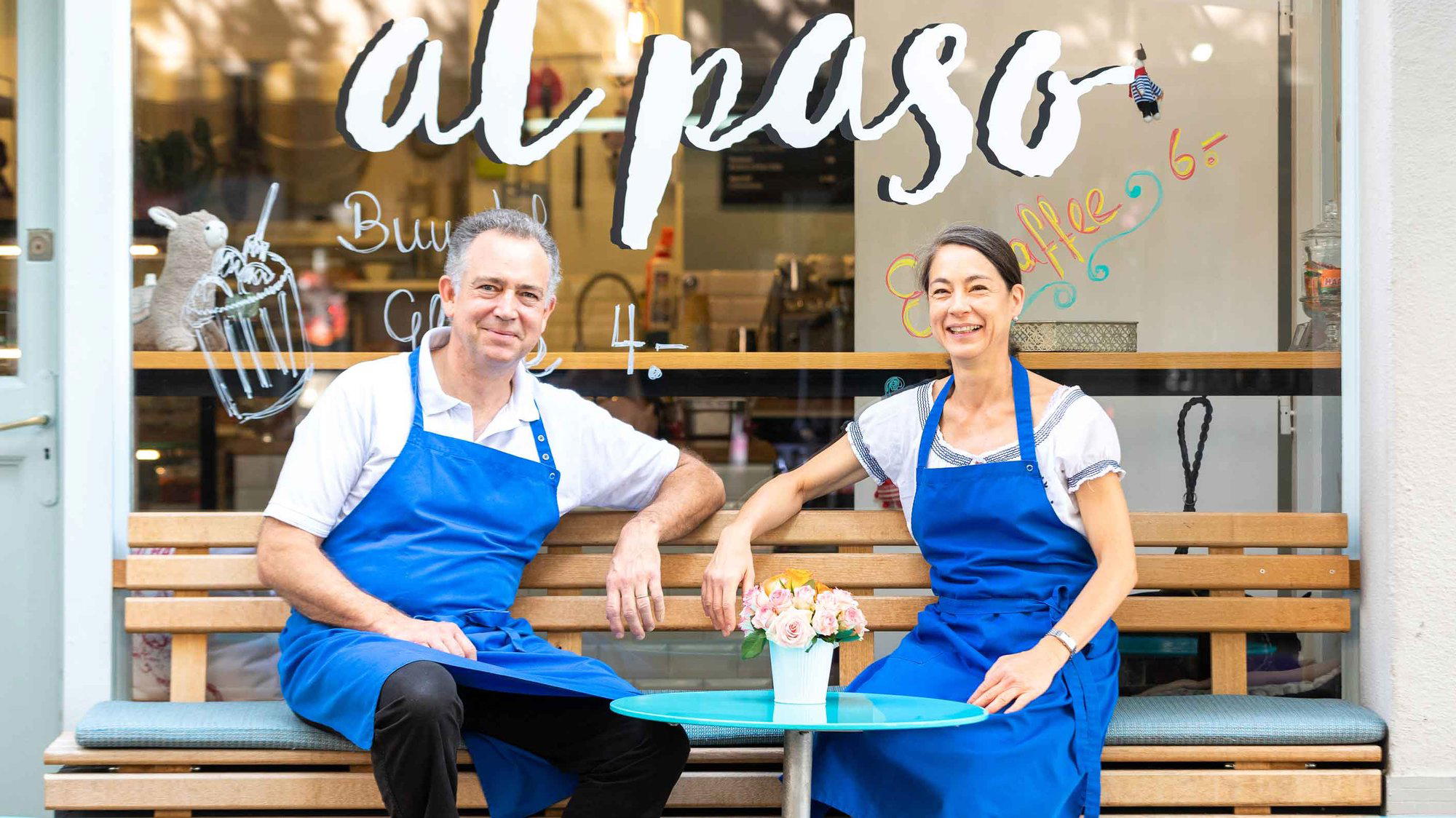
Spitalgasse and the Ethics of the Plate
Zurich's Old Town has never been short of restaurants competing on precision and price, but a quieter shift has been underway for several years. Alongside the city's well-documented concentration of Michelin-starred counters and hotel dining rooms, a separate tier of restaurants has been building credibility on different terms: where ingredients come from, how far they travel, and what happens to the parts that don't reach the plate. Al Paso, at Spitalgasse 12 in the 8001 postal district, sits within this emerging cohort. The address places it at the edge of the Old Town, close enough to the Niederdorf axis to benefit from foot traffic, but removed enough from the tourist-facing restaurant strip to maintain a more deliberate pace.
The street itself is narrow, as most of the Old Town's arteries are, and arriving on foot from the main train station takes under ten minutes. That accessibility matters in a city where dining decisions are often made late and transport options are dense. Zurich's S-Bahn and tram network puts virtually every restaurant in the centre within a fifteen-minute radius of Hauptbahnhof, and Al Paso is no exception.
Where Zurich's Sustainability Conversation Is Heading
Switzerland has a structural advantage in the sourcing conversation that cities like Paris or London have to work harder to claim. The country's compact geography means that a restaurant committed to regional supply chains can, in principle, draw from farms in the Zurich Oberland, vineyards in Graubünden, and dairies in Appenzell without the logistical compromises that longer supply chains impose. The gap between intention and execution in this space is, however, wide. Marketing language around sustainability has proliferated faster than verifiable practice, which makes restaurants that operate with genuine sourcing discipline harder to identify but more consequential when found.
The direction of travel in Zurich's dining scene tracks a European pattern: high-end establishments that built their identity on French classical technique are being joined by a second generation of restaurants whose identity is built around restraint in a different sense, not architectural restraint on the plate but resource restraint in the kitchen. Waste reduction programs, nose-to-tail utilisation, and vegetable-forward menus that treat meat as a seasoning rather than a centrepiece are all features of this generation. Venues like IGNIV Zürich by Andreas Caminada, with its sharing format, and The Counter, with its creative programme, occupy the formal end of this spectrum. Al Paso operates at a point where the commitment to provenance is expressed through the menu structure itself rather than through ceremony or price bracket.
The Menu Logic
What the sourcing-forward restaurant category consistently produces, however, is a menu architecture that reflects supply rather than demand: what's available from the supplier network shapes what's cooked, rather than a fixed menu driving procurement. This inverts the conventional restaurant model and has practical consequences for the diner. Seasonal variation is real rather than cosmetic. The menu in January looks different from the menu in July not because a new season's branding has been applied, but because the underlying ingredients have genuinely changed.
This approach connects Al Paso to a broader European movement whose reference points include restaurants like Lazy Bear in San Francisco and, in the fine dining register, Le Bernardin in New York City, both of which have built sustained critical recognition partly on the discipline of their sourcing frameworks. Within Switzerland, the sourcing conversation has been advanced by destination restaurants outside Zurich, including Schloss Schauenstein in Fürstenau and Memories in Bad Ragaz, both of which have used regional supply chains as a defining feature of their identity. The restaurant engages the same conversation at a city-centre scale.
Practical Considerations for Visitors
For current booking information, the reliable route is a direct approach via the address at Spitalgasse 12, or through Zurich's restaurant reservation platforms, which aggregate real-time availability across the city's mid-range and premium tiers. Given that the restaurant operates in a neighbourhood with high ambient demand, particularly on Thursday through Saturday evenings, advance planning is advisable. The Old Town's density means that alternative options exist within a short walk, including Widder for Swiss-rooted cooking and Eden Kitchen & Bar for Italian-leaning menus, both of which serve as useful reference points for understanding where the restaurant sits in the city's broader restaurant offer.
For visitors building a wider Swiss itinerary, the country's fine dining circuit extends well beyond Zurich. Hotel de Ville Crissier near Lausanne, Cheval Blanc by Peter Knogl in Basel, Maison Wenger in Le Noirmont, Einstein Gourmet in Sankt Gallen, Da Vittorio in St. Moritz, Mammertsberg in Freidorf, La Table du Valrose in Rougemont, and focus ATELIER in Vitznau all represent distinct expressions of Swiss fine dining at various price points and formats. Our full Zurich restaurants guide maps the city's dining tiers in more detail.
Zurich's Wider Creative Dining Scene
The restaurant exists within a city that has spent the last decade building density in its restaurant offer. The Restaurant, operating in the creative tier, and the sharing-format programme at IGNIV both reflect Zurich's appetite for formats that move away from conventional service structures. The sustainability-oriented restaurant is a distinct but related movement: it shares the creative tier's rejection of rigid classical formats while grounding its identity in supply-chain ethics rather than technical experimentation. These are not mutually exclusive, and the strongest restaurants in the European sourcing movement tend to be technically rigorous as well as ethically committed.
What distinguishes the sourcing-forward restaurant in a city like Zurich, where the cost base is among the highest in Europe, is that the commitment to regional and ethical supply chains carries a real financial cost that must be absorbed somewhere in the pricing model. Restaurants that make this commitment visible to the diner, through menu language, through transparency about suppliers, or through formats that make variation an explicit feature rather than an inconvenience, tend to build a more loyal return-visit audience than restaurants competing on novelty alone. Whether the restaurant communicates its sourcing framework in this explicit way is something that a direct visit will confirm more reliably than any secondary account.
Style and Standing
Comparable venues nearby, for context on price, style, and recognition.
| Venue | Cuisine | Price | Notes |
|---|---|---|---|
| Al PasoThis venue — the venue you are viewing | Fresh Seasonal Sandwiches & Soups | $$ | Not listed |
| kreuterbar | Plant-Based Vegetarian Street Food | $$ | Altstetten |
| Luigia | Traditional Italian | $$ | City center / Kreis 1 |
| Sham – Café | Modern Syrian Mezze | $$ | Oberstrass |
| LÈ Cuisine | Authentic Sichuan & Shanghai Chinese | $$ | Unterstrass |
| Palestine Grill | Authentic Palestinian Street Food | $$ | Aussersihl |
At a Glance
- Cozy
- Casual
- Casual Hangout
- Solo
- Standalone
- Local Sourcing
- Street Scene
Current opening hours
- Monday
- Closed
- Tuesday
- Closed
- Wednesday
- Closed
- Thursday
- Closed
- Friday
- Closed
- Saturday
- Closed
- Sunday
- Closed
Hours can change for holidays and private events. Last verified .