555+ Thai Food
A Thai restaurant on Herman-Greulich-Strasse in Zurich's Kreis 4, 555+ Thai Food sits in a neighbourhood better known for its late-night bars and multicultural food scene than for fine dining. That context matters: this is neighbourhood Thai rather than hotel-lobby Thai, shaped by the kind of everyday sourcing and cooking that sustains a local repeat clientele rather than one built on tourist footfall.
Pearl is the En Primeur Club membership app — saves, bookings, and concierge access live there. Same editors, same standards.
- Address
- Herman-Greulich-Strasse 56, 8004 Zürich, Switzerland
- Phone
- +41432434242
- Website
- 555thai.ch
- Directions
- Get directions
 Saves & bookings on Pearl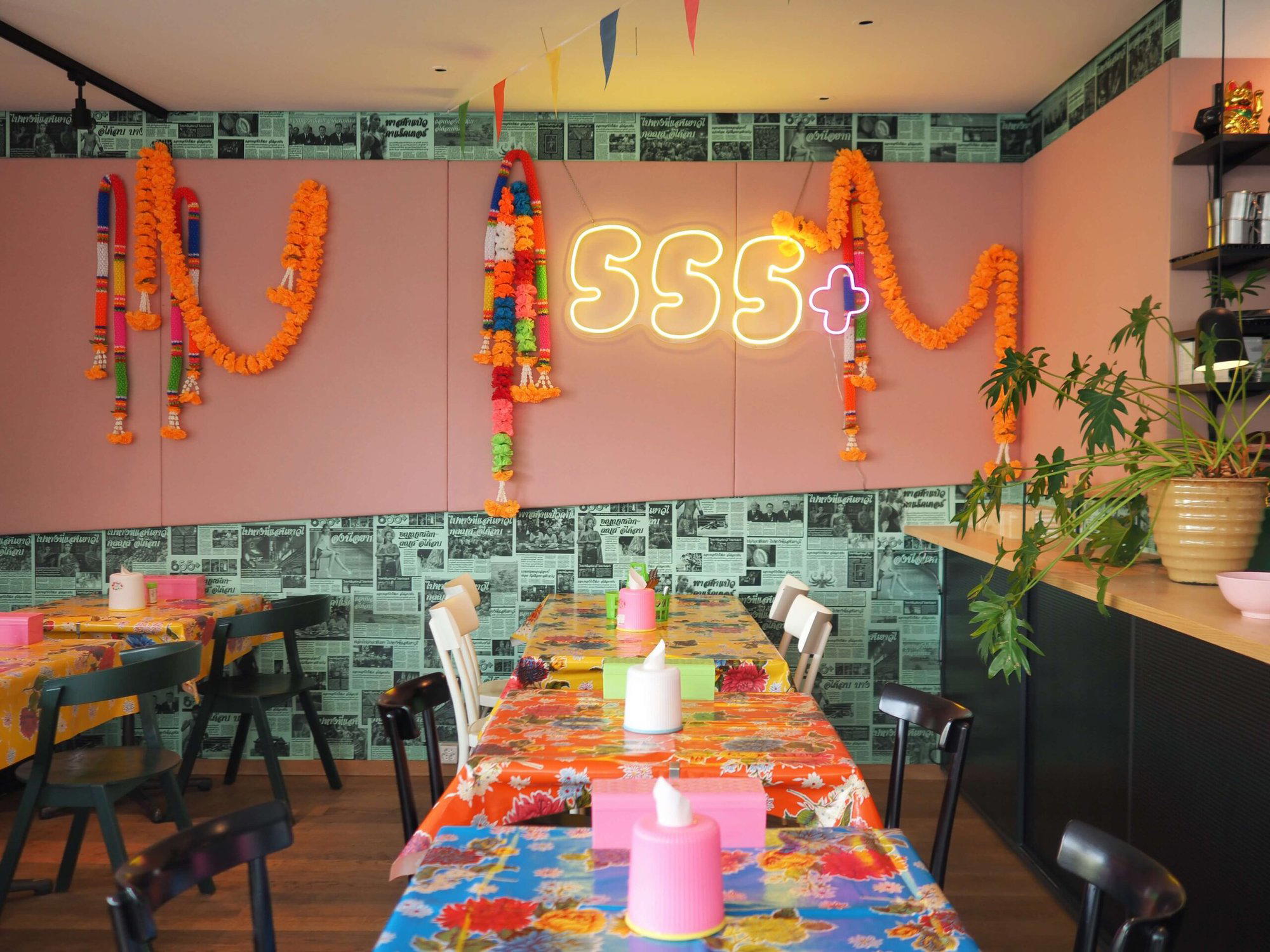
Thai Cooking in a City That Defaults to Alpine
At the summit of that pyramid sit rooms like IGNIV Zürich by Andreas Caminada, The Counter, and The Restaurant, all operating in the creative-fine-dining register. At the other end, the city's immigrant food culture runs quietly through districts like Kreis 4, where Herman-Greulich-Strasse serves as a practical, everyday dining address. 555+ Thai Food fits that setting.
Thai food in European cities occupies a complicated middle ground. It has been either flattened into a generic pan-Asian offering or, more recently, pulled toward the premium end by chefs training in Bangkok's more demanding kitchens. The question for any Thai restaurant in a city as food-literate as Zurich is which of those two directions it leans. In Kreis 4, the answer tends to be shaped by the neighbourhood itself: mixed income, high density, multicultural by long habit rather than recent gentrification. That context points toward direct, affordable cooking.
Kreis 4 and the Logic of Neighbourhood Thai
The 8004 postal district in Zurich has long been one of the city's most diverse quarters, and its food offering reflects that layering. Unlike Zurich's right-bank dining corridor, where Widder and Eden Kitchen & Bar operate in more upscale surrounds, Kreis 4 restaurants are typically priced for regulars rather than occasion diners. The economics of that position shape everything: sourcing, portion logic, menu depth, and the degree to which the kitchen can invest in ingredients that don't show up in the bill.
That last point connects directly to the sustainability dimension that often goes undiscussed in neighbourhood Thai. In European cities, Thai restaurants in the accessible price tier face a structural tension: authentic ingredients, especially galangal, makrut lime leaf, fresh turmeric, and long pepper, are either imported at significant cost or substituted. The kitchens that hold the line on sourcing those ingredients correctly tend to be the ones where the cooking reads as distinct rather than generic. Whether a given restaurant imports direct, sources through specialist Thai grocery networks in Switzerland, or adapts with European equivalents is a telling signal of kitchen philosophy, even if it never appears on the menu.
Sustainability and Sourcing in the Accessible Thai Tier
Across Europe's Thai restaurant sector, a meaningful split has opened between operations that prioritise volume throughput and those that build around ingredient integrity, even at lower price points. The latter category often has smaller menus, shorter shelf lives, and tighter kitchen teams. In sustainability terms, this matters: a shorter, more disciplined menu reduces waste, allows the kitchen to use full product rather than cherry-pick, and builds supply relationships that can accommodate more ethical sourcing.
For comparison, particularly coherent Thai restaurants operating in European cities at the neighbourhood tier have followed a model closer to the Thai home-cooking tradition, where the number of dishes is modest but the quality of aromatics is non-negotiable. This is categorically different from the hotel-restaurant Thai that has proliferated in cities like Geneva and Basel, where menus run to forty dishes and execution is necessarily uneven. The Zurich market, partly because of high labour costs and partly because of a food-literate local clientele, has pushed even neighbourhood operators toward tighter, better-executed menus.
Switzerland's broader food culture also applies indirect pressure toward ethical sourcing. The country's import regulations and its consumer orientation toward provenance in other food categories, meat and dairy in particular, create a context where even informal restaurants absorb some expectation of accountability around ingredients. This is not a formal certification or a marketing claim: it is the ambient expectation of a city where Schloss Schauenstein in Fürstenau and Hotel de Ville Crissier have set the tone for how seriously ingredients are taken at the summit of the market, and that tone filters downward.
What the Address Tells You
Herman-Greulich-Strasse sits close enough to Langstrasse to benefit from that street's foot traffic and multicultural energy, but far enough removed to feel residential rather than performative. Restaurants on this stretch tend to serve the same tables multiple times a week, which is a different operating logic than the tourist-facing rooms around the main station or the expense-account restaurants of Zurich's financial district. That repeat-visitor model rewards consistency over novelty and punishes shortcuts quickly. A kitchen that loses the trust of its regulars on Langstrasse-adjacent streets doesn't recover easily through marketing.
For the traveller approaching Zurich from a position of knowing the city's upper register, venues like Memories in Bad Ragaz, 7132 Silver in Vals, or focus ATELIER in Vitznau represent one kind of Swiss dining ambition. 555+ Thai Food represents something different: a position in the city's everyday food infrastructure. Both are worth understanding as part of our full Zurich restaurants guide.
For further context on how Thai and Asian cooking occupies specific urban niches internationally, it is worth noting how tightly the concept connects to neighbourhood identity in cities like New York, where restaurants such as Atomix have pushed Korean cooking into a fine-dining register that Thai cuisine has not, in most cities, yet reached at equivalent scale. What places like 555+ Thai Food hold is a different kind of value: consistency, affordability, and cultural specificity in a city that can feel homogeneous at the leading end.
Know Before You Go
| Address | Herman-Greulich-Strasse 56, 8004 Zürich, Switzerland |
|---|---|
| District | Kreis 4 (Aussersihl) |
| Cuisine | Thai |
| Price | About $30 per person |
| Booking | Reservation recommended |
| Phone | Not listed |
| Website | Not listed |
| Awards | No awards on record |
Comparable Spots, Quickly
Comparable venues nearby, for context on price, style, and recognition.
| Venue | Cuisine | Price | Notes |
|---|---|---|---|
| 555+ Thai FoodThis venue — the venue you are viewing | Authentic Thai Street Food | $$ | Not listed |
| Vees | Modern Thai Bistro | $$ | Albisgutli |
| Soi Thai | Authentic Thai Street Food | $$ | Fluntern |
| Jao Praya | Authentic Thai | $$$ | Oerlikon |
| Dumpling Delights | Taiwanese Dumplings | $$ | Oberstrass |
| Musti Grill | Turkish Charcoal Grill | $$ | Altstetten |
At a Glance
- Lively
- Casual
- Cozy
- Casual Hangout
- Brunch
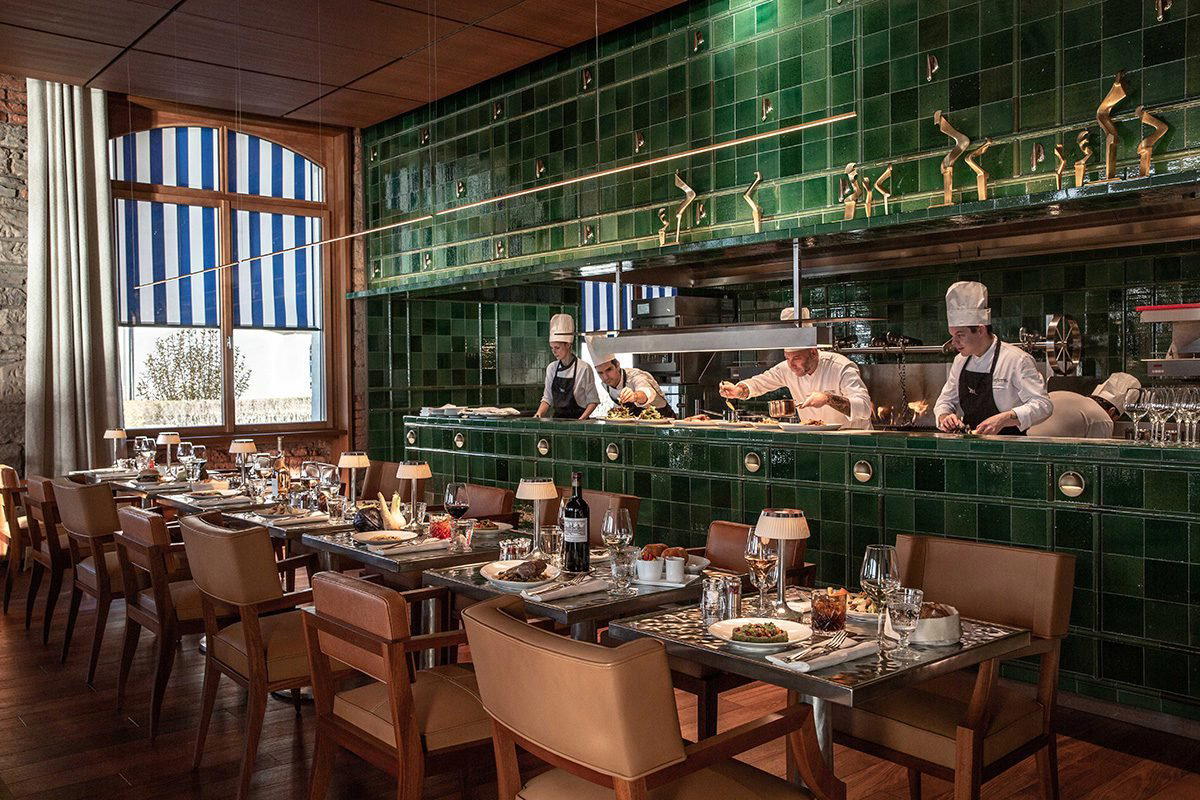
- Open Kitchen
Current opening hours
- Monday
- Closed
- Tuesday
- 5–11 PM
- Wednesday
- 5–11 PM
- Thursday
- 5–11 PM
- Friday
- 5 PM–12 AM
- Saturday
- 5 PM–12 AM
- Sunday
- 5–9:30 PM
Hours can change for holidays and private events. Last verified .
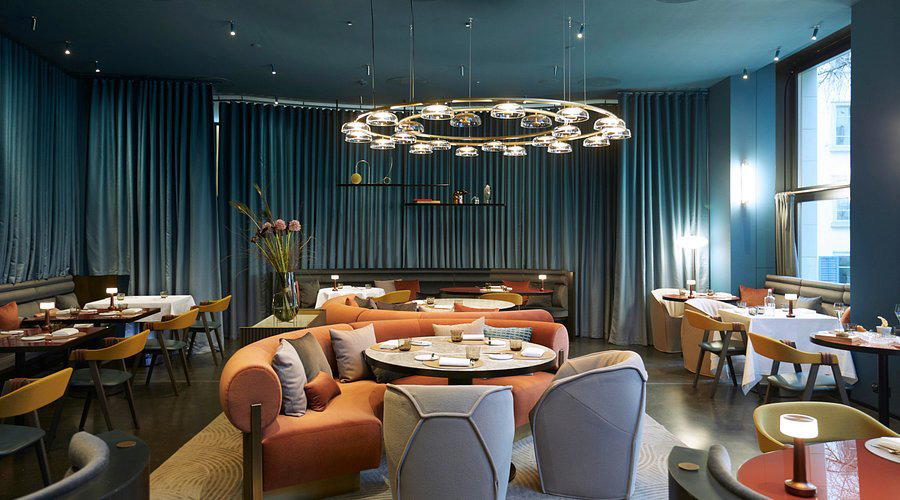
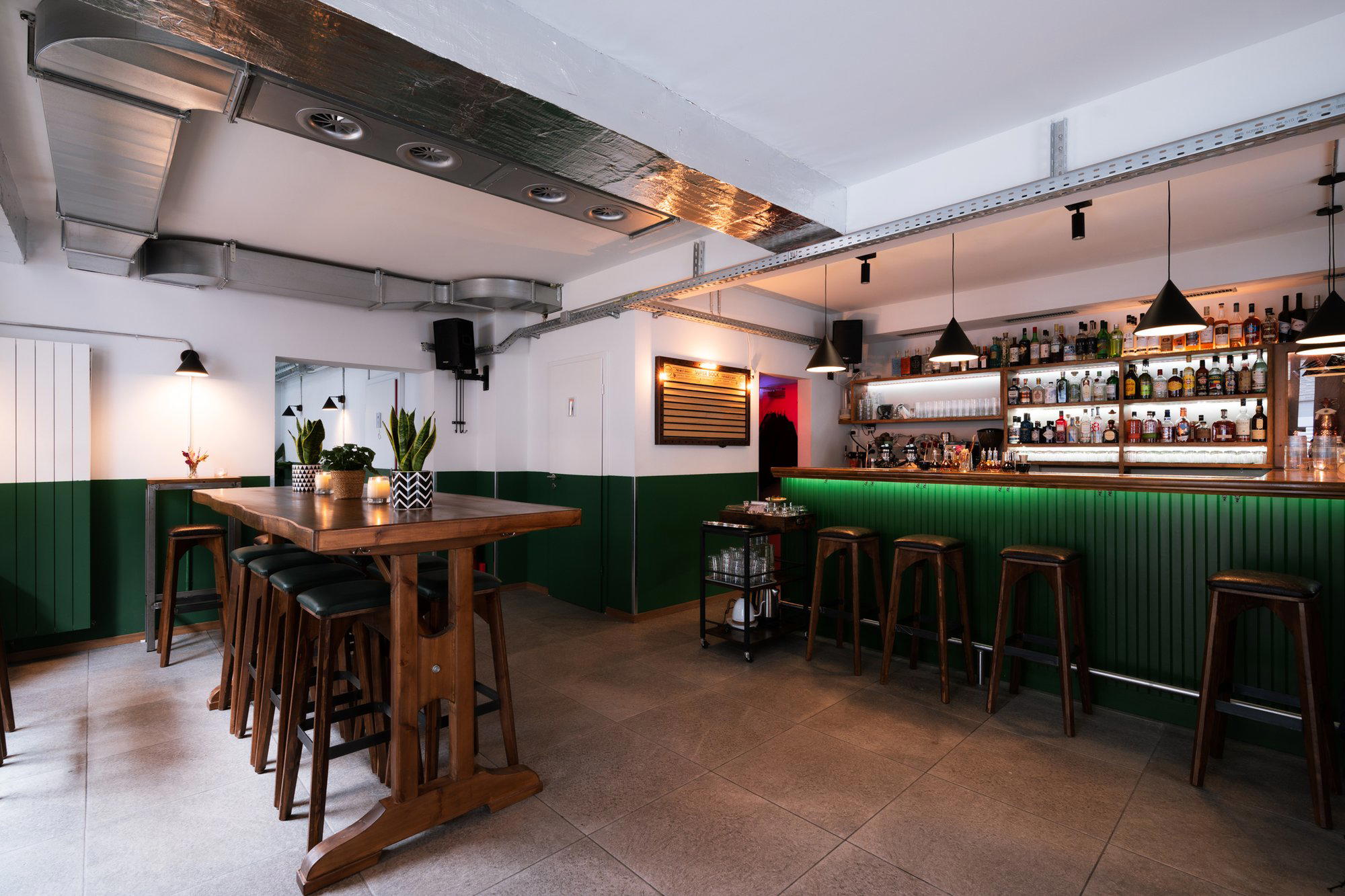
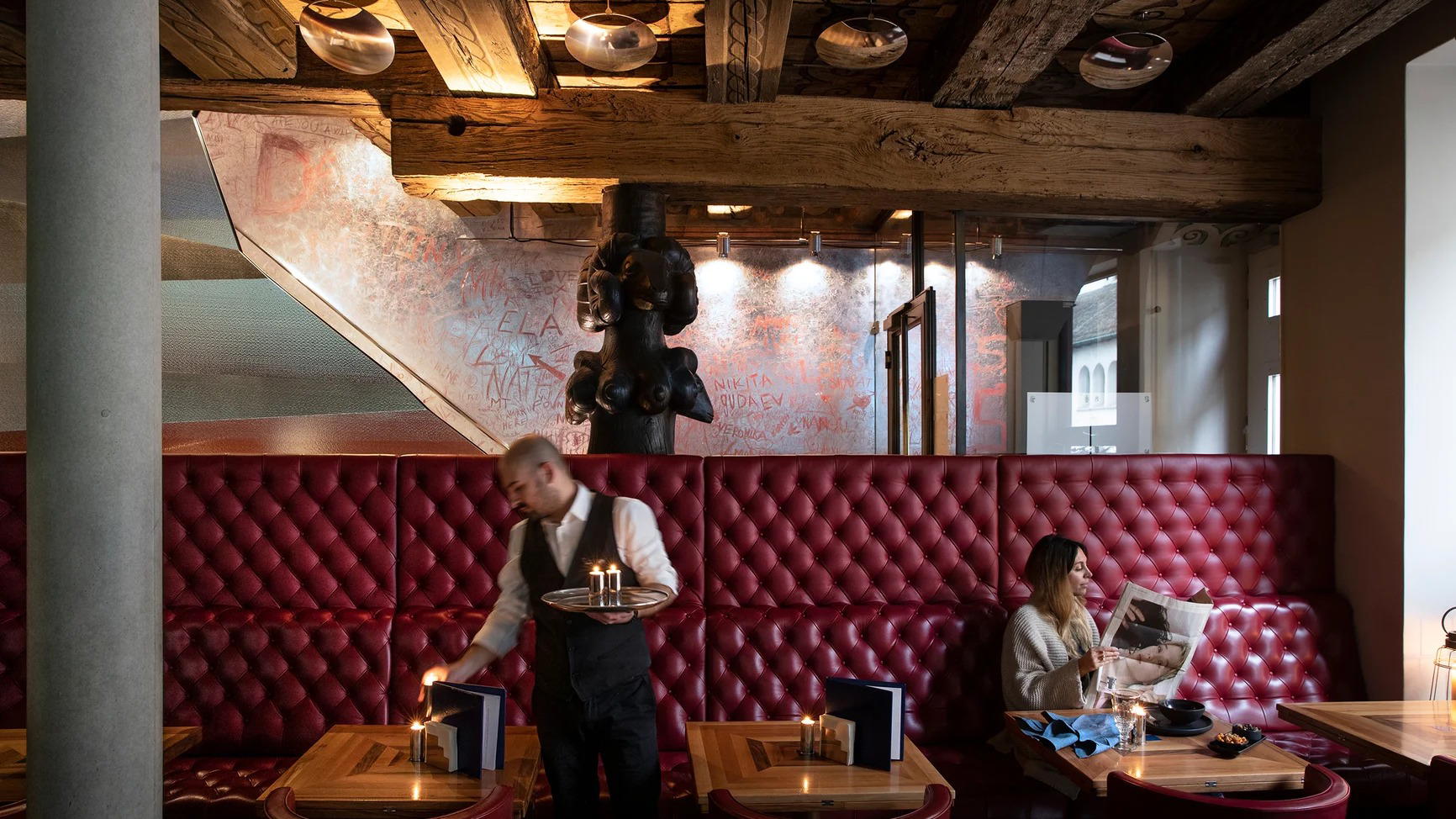
Relaxed and lively with young staff, casual decor featuring toilet paper rolls instead of napkins, evoking bustling Thai markets.