
Tabelog 100 #38
Our verdict
Silk Road puts Tokyo’s Indian curry culture into a compact Nishi-Nippori counter format, with vegetarian-friendly cooking and a Tabelog Asian cuisine / Ethnic cuisine TOKYO 100 selection in 2024. Its appeal is less ceremony than precision: a small room, a low-cost curry category, and a setting suited to solo meals, families, or a modest celebration that values food over theatrics.

Pearl is the En Primeur Club membership app, where members save venues, book tables and use the concierge.
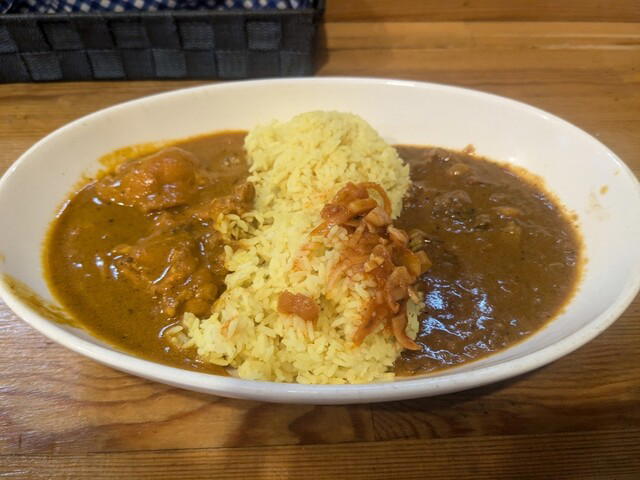
Approaching Silk Road in Tokyo, the first signal is its everyday scale of ambition: this is not Tokyo’s hotel-dining version of Indian food, nor a dressed-up curry room built around expense-account polish. The appeal sits closer to the city’s daily dining culture, where a modestly priced meal can still feel deliberate if the cooking has discipline. For a birthday lunch, a family pause between plans, or a low-key milestone that does not need champagne to declare itself, that smaller register matters.
Tokyo has long treated curry as everyday food, but Indian curry occupies a more specific lane. It sits beside Japanese curry shops, South Asian canteens, and neighborhood restaurants that have become part of the city’s daily eating rhythm. In that field, Silk Road’s 2024 Tabelog recognition gives it a clear trust marker. The same recognition also places it in a group where consistency matters more than novelty, and where diners judge value through repeatability rather than spectacle.
A low-price curry stop for modest occasions
Occasion dining in Tokyo does not always mean tasting menus or private rooms. Some meals carry meaning because the setting strips away performance: direct service, a menu category people understand, and enough recognition to make the choice feel deliberate. Silk Road works in that register. Its listed price range keeps the meal approachable, while the Tabelog recognition gives it a wider relevance than price alone would suggest.
That matters in Tokyo. Not every worthwhile meal is built around the same destination-dining cues as the city’s most polished districts. The city rewards diners who read it by everyday routes as much as by glossy dining maps. Within that map, an Indian curry restaurant with formal Tabelog recognition gives the itinerary a sharper casual-dining point. Comparison venues in the surrounding Tokyo conversation, such as Boulangerie Ianak, Kamu Nabi, Meishan, Waguri Ya Yanaka ten, and Himitsu Do, show how this part of the city’s dining culture often trades in tightly defined specialties rather than broad, multi-course ambition.
The stronger move is to treat it as an occasion for people who want clarity. A straightforward restaurant category changes the social grammar of a meal: couples can keep the plan simple, families can plan with flexibility, and larger groups should check practical details before committing. That is not a flaw; it is part of the appeal. A celebration here is not about lingering through a long arc of courses. It is about choosing a place with a defined point of view inside Tokyo’s everyday curry culture.
Indian curry and the city's quieter ethnic-dining tier
The useful detail is the food positioning: Indian and Indian curry, with a price profile that keeps the meal in an everyday register. Tokyo’s premium dining coverage often over-indexes on sushi counters, wagyu rooms, and French-Japanese tasting menus, but the city’s casual ethnic-dining tier has its own measures of seriousness. A restaurant can earn attention through category clarity, value, lunch practicality, and consistency as much as through luxury cues.
Silk Road’s Tabelog recognition is significant because it puts a low-cost Indian curry restaurant into a broader critical conversation, a useful reminder that Tokyo’s dining hierarchy is not only price-led. For travelers using Our full Tokyo restaurants guide, it is a counterweight to the city’s reservation-driven meals: a place to understand how everyday categories can still draw serious local attention.
For mixed groups, the practical value is that the category is clear before anyone commits. Indian and Indian curry are public-facing labels here, which helps diners decide whether the restaurant suits the table’s needs. That transparency is often the difference between a meal that works on paper and a meal that works in the day’s actual plan.
How to place it in a Tokyo itinerary
The planning logic is simple: use Silk Road for a focused curry meal in Tokyo, not as a replacement for a long-form special-occasion restaurant. Its 2024 Tabelog recognition gives the meal enough critical weight for a purposeful stop, while the modest price range keeps expectations grounded. The better occasion is a small one: a birthday lunch before an afternoon plan, a family meal between stops, or a solo meal when the city’s larger dining rooms feel too formal.
Travelers building a wider Tokyo food route can pair this kind of stop with different registers of the city. For casual and neighborhood-led meals, look to other Tokyo dining rooms and small-format specialists rather than treating every meal as a marquee reservation. For the broader trip frame, keep separate rails for Our full Tokyo hotels guide, Our full Tokyo bars guide, Our full Tokyo wineries guide, and Our full Tokyo experiences guide.
It also fits a wider Japan-and-beyond eating map where casual formats carry serious intent. Across Tokyo and other cities, the same lesson repeats in different forms: everyday dining can carry cultural specificity without needing luxury signals to justify the trip. Silk Road belongs in that conversation because its appeal is direct, affordable, and anchored in a category diners can understand quickly.
Frequently asked questions
What's the price range at Silk Road?
Pricing at Silk Road is listed as - JPY 999.
Where do I go for Silk Road?
Tokyo.
Can I walk in to Silk Road?
Treat Silk Road as a focused Tokyo curry stop and plan with some flexibility, especially around busier times.
What's the standout thing about Silk Road?
The clearest marker is its 2024 Tabelog recognition, alongside its clear Indian and Indian curry category and low listed price range.
Is Silk Road good for vegetarians?
The provided data lists Silk Road under Indian and Indian curry, but it does not specifically confirm vegetarian options. Diners with dietary requirements should check directly before going.
At a Glance
Comparable venues for orientation by cuisine and category.
| Venue | Cuisine | Price | Awards | Notes |
|---|---|---|---|---|
| Silk RoadThis venue (the venue you are viewing) | Indian curry counter | $1–10 | Tabelog 100 #38 | Not listed |
| Boulangerie Ianak | Not listed | $10–20 | Tabelog 100 #29 | JPY 999 - JPY 999 |
| Kamu Nabi | Classic Ramen Shop | $10–20 | Tabelog 100 #69 | JPY 1,000 - JPY 1,999 JPY 1,000 - JPY 1,999 |
| Meishan | Refined Sichuan | $30–50 | Michelin Bib Gourmand | Chinese |
| Waguri Ya Yanaka ten | Japanese Chestnut Sweets / Mont Blanc Café | $10–20 | Tabelog 100 #47 | JPY 1,000 - JPY 1,999 JPY 1,000 - JPY 1,999 |
| Himitsu Do | Japanese Shaved Ice / Kakigori Café | $10–20 | Tabelog 100 #52 | JPY 2,000 - JPY 2,999 JPY 1,000 - JPY 1,999 |
Recognition history
Dated appearances from independent guides and award organizations, with the underlying list record or original source where available.
Tabelog 100 #38 · No. 38
Tabelog · Tabelog 100 - Asian cuisine / Ethnic cuisine - TOKYO - 2024
Continue exploring
More in Tokyo
Restaurants in Tokyo
All restaurants in Tokyo →



Bars in Tokyo
All bars in Tokyo →






Details
- Cozy
- Intimate
- Solo
- Family
- Casual Hangout
- Standalone
- A La Carte
- Counter Dining
- Vegetarian Friendly