
Relais Chateaux Award
Our verdict
Set on Finca Torralba Gran outside Alaior, Siempreviva works within the Spanish Mediterranean tradition while drawing on Menorca's distinct terroir. The kitchen holds an Expression of the Terroir recognition, placing it in a category of restaurants where the island's agricultural and coastal identity shapes what lands on the plate. Chef Cassidee Dabney leads a room that rewards the kind of visitor who travels to eat, not just to dine.

Pearl is the En Primeur Club membership app — saves, bookings, and concierge access live there. Same editors, same standards.
- Address
- Finca Torralba Gran, Carretera, S/N, 07730 Alaior, Illes Balears, Spain
- Phone
- +34 871 02 71 57
- Website
- annuahotels.com
- Directions
- Get directions
- Booking
- Book on CoverManager
The menu
What to order
- Octopus a la plancha
- Cuttlefish a la plancha
- Rigatoni
- Côte d'ox
- Crème brûlée
Finca Setting, Terroir Thinking
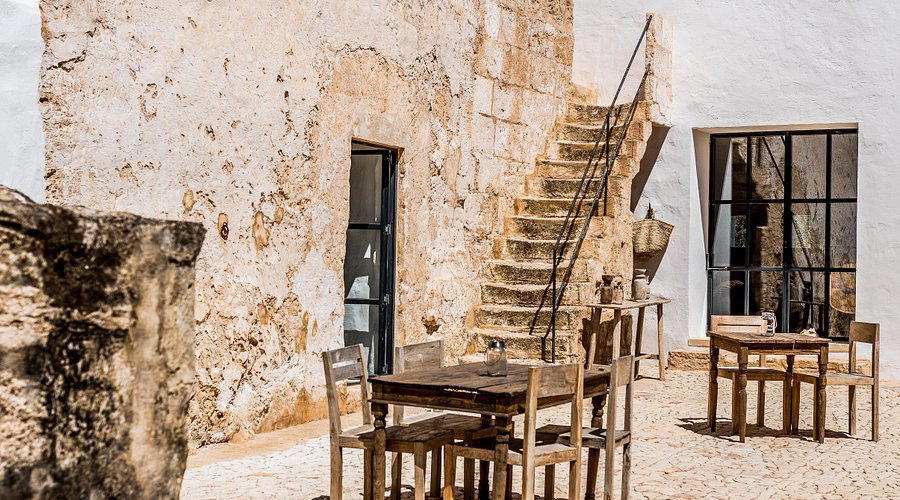
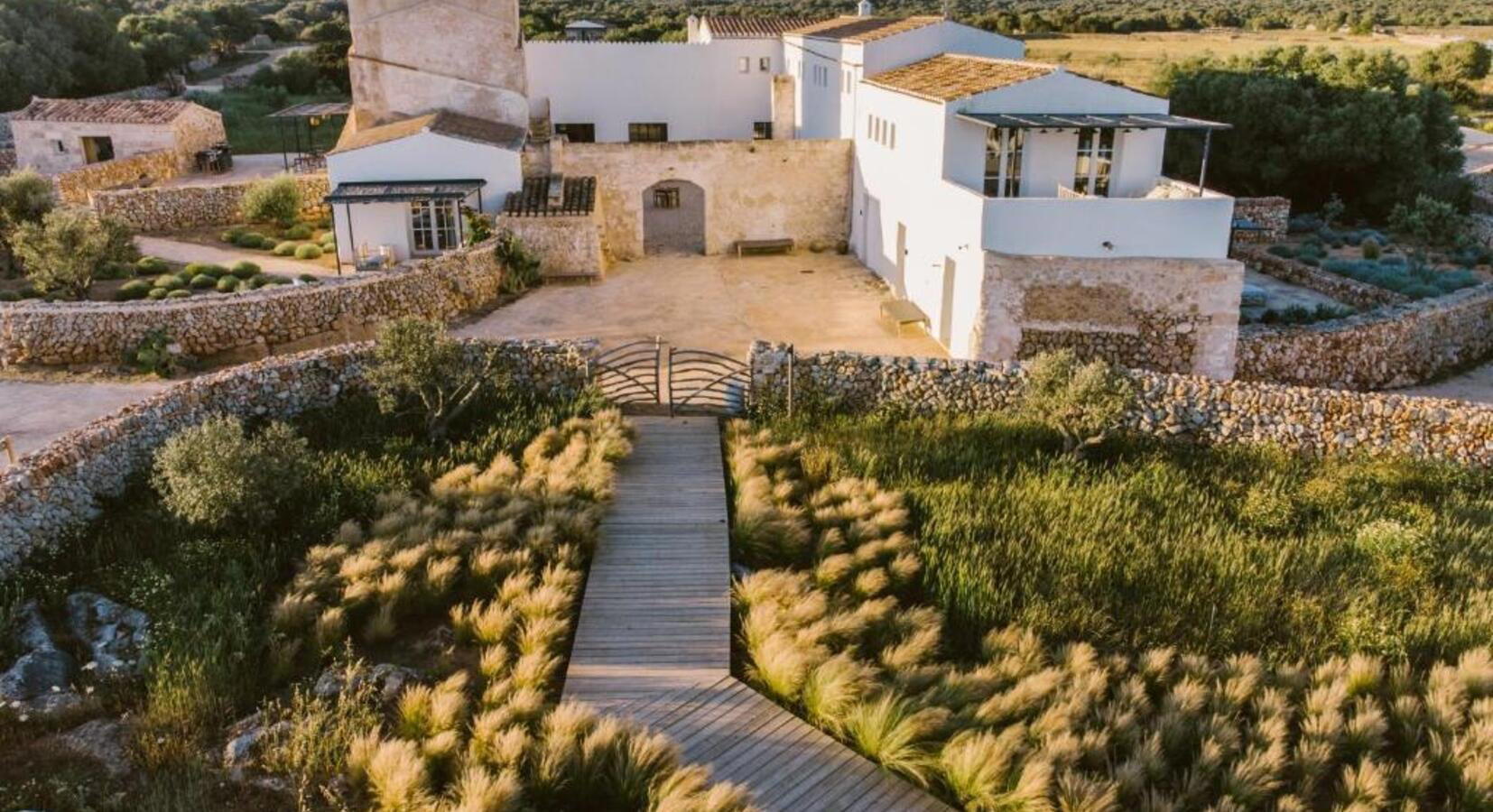
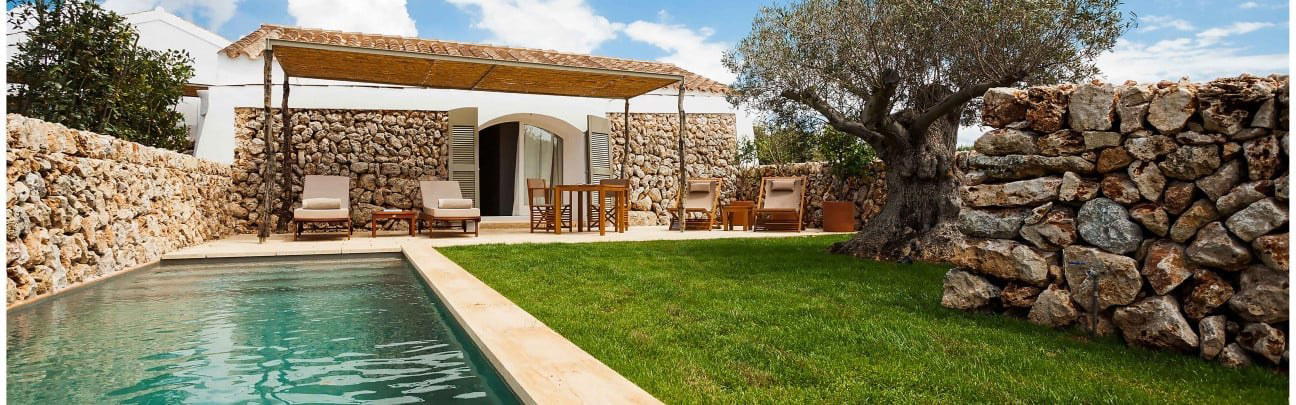
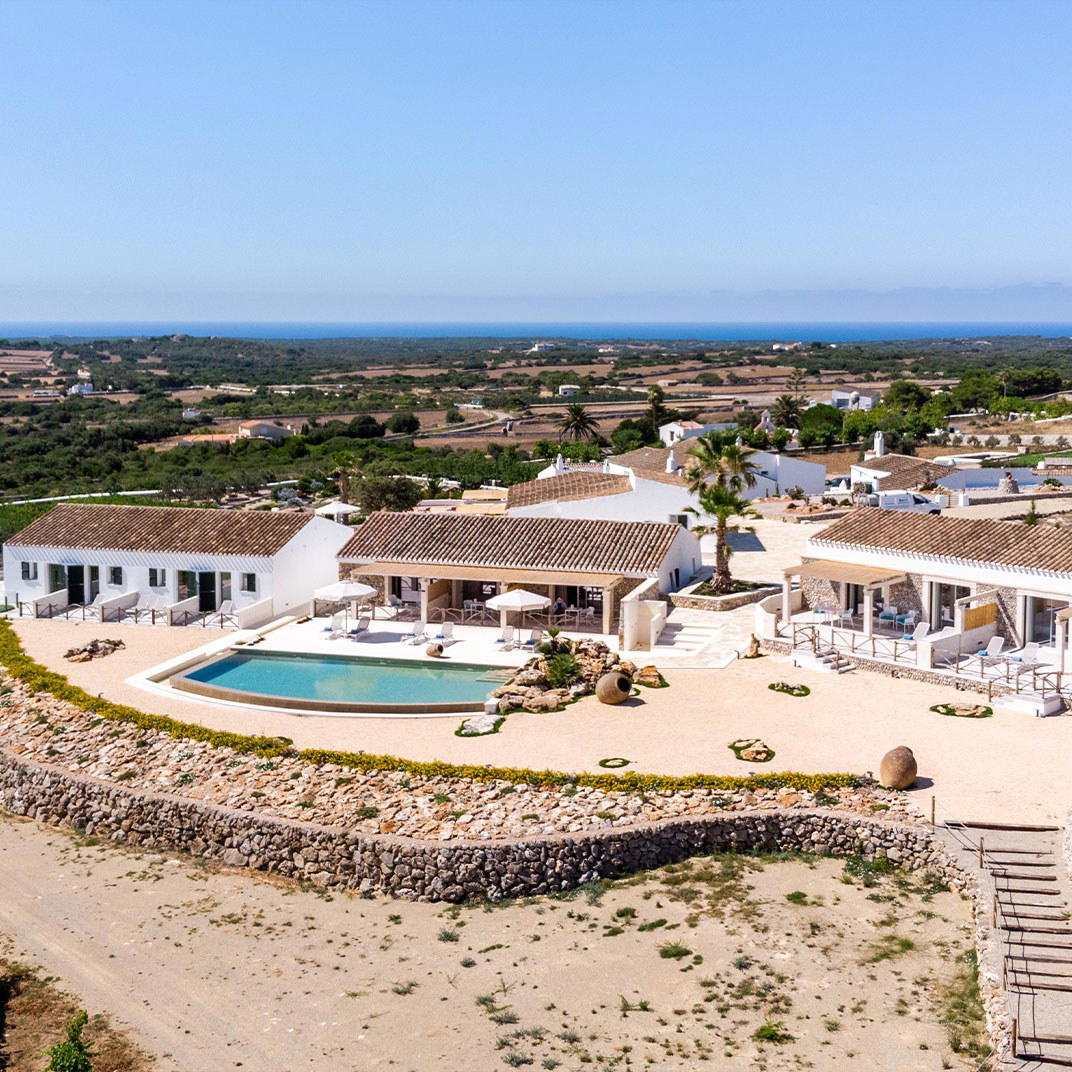
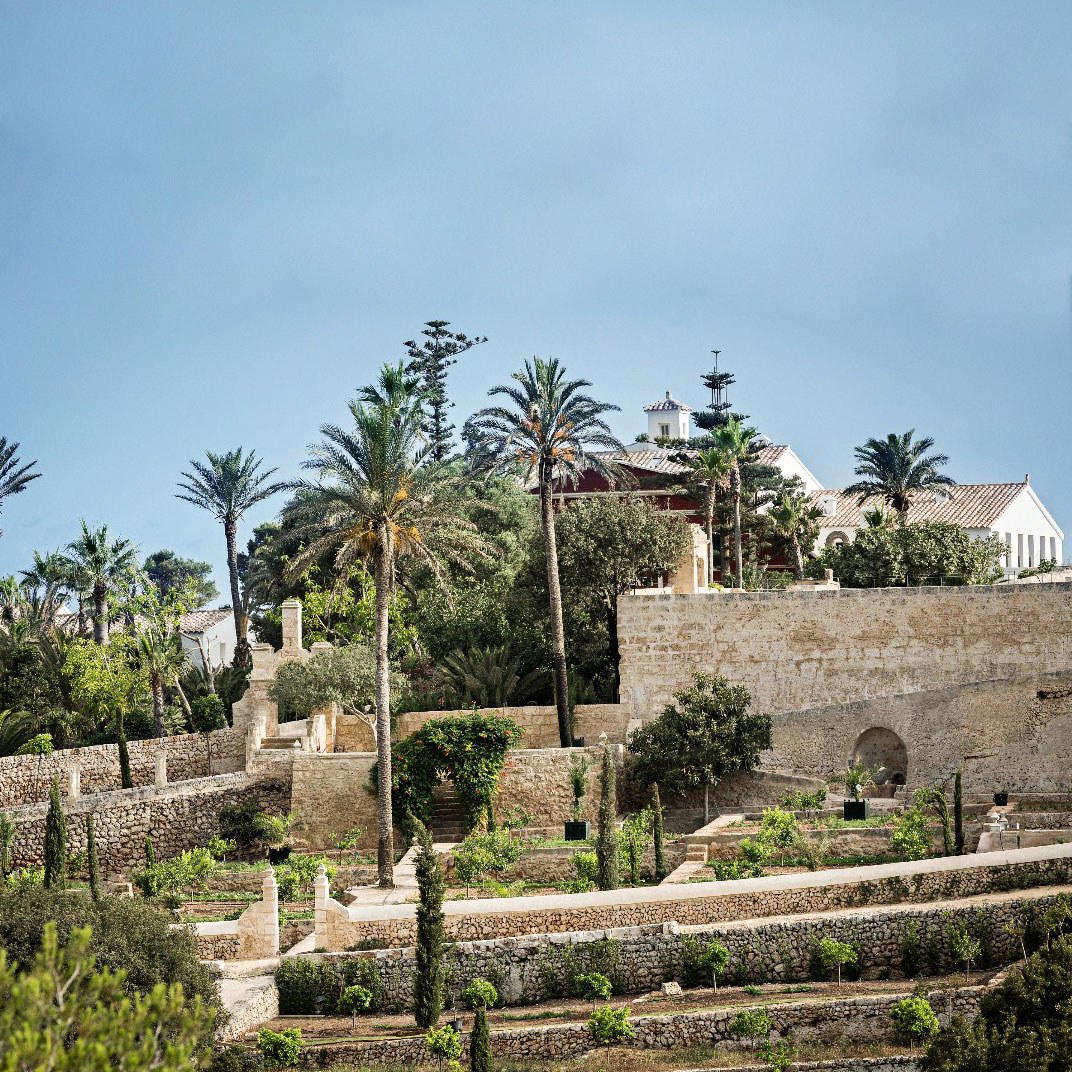
The approach to Siempreviva already tells you something about the cooking philosophy inside. Finca Torralba Gran sits on working agricultural land outside Alaior, one of Menorca's quieter interior towns, and the road in passes dry-stone walls and scrub that the Balearic interior does not bother to dress up for anyone. This is not a property performing rusticity. The land is simply what it is, and the kitchen takes that as a starting point rather than a decorative gesture.
Menorca occupies a specific position among the Balearic islands. Less developed commercially than Mallorca or Ibiza, it was designated a UNESCO Biosphere Reserve in 1993, a status that has shaped how agriculture, fishing, and land use have evolved across the island. That constraint is, in culinary terms, an asset. Producers here operate within tighter limits, which tends to produce more defined ingredients: the island's cheese, lamb, local olive oil, and coastal fish carry a specificity that broadly sourced supply chains rarely deliver. Restaurants that take terroir seriously on Menorca are not simply following a continental trend; they are working with material that justifies the approach.
The Mediterranean Crossroads in the Kitchen
Spanish Mediterranean cooking, as a category, sits at a genuine cultural intersection. The Mediterranean basin has always been a transit zone: Phoenician, Arab, Catalan, and Castilian influences have all left traceable marks on Balearic foodways. Menorca carries an additional layer. British occupation across the eighteenth century introduced influences that still surface in local dishes, and the island's French administrative period left further sediment. The result is a culinary archive that diverges meaningfully from mainland Spanish tradition.
What the leading kitchens in this tradition do is work with that complexity without labelling it. The goal is not to plate a history lesson but to cook food that could only come from this particular convergence of land, sea, and accumulated influence. Siempreviva's Expression of the Terroir recognition signals that its cooking is being read in exactly those terms. That award category, which identifies restaurants whose menus demonstrably reflect the agricultural and geographic character of their location, is a different credential from a pure technique citation. It asks whether the kitchen has an honest relationship with its place. For a restaurant on a biosphere reserve island, that question carries real weight.
For context on where Spanish fine dining has moved over the past two decades, the reference points are worth naming. The progression-oriented kitchens at El Celler de Can Roca in Girona, Disfrutar in Barcelona, and Mugaritz in Errenteria all built international reputations through technical innovation. The Basque tradition running through Arzak in San Sebastián and Martin Berasategui in Lasarte-Oria defined a different mode, rooted in regional identity and classical rigour. More recently, Aponiente in El Puerto de Santa María has built a case for coastal ingredient intelligence as its own form of creative ambition, while Quique Dacosta in Dénia has anchored serious cooking to the Valencian Mediterranean for years. Azurmendi in Larrabetzu and DiverXO in Madrid represent further extremes of the spectrum. What connects several of these names is the insistence that place matters, that cooking sourced from a specific geography produces a different kind of argument on the plate. Siempreviva operates within that same logic, scaled to a smaller island context.
Chef Cassidee Dabney and an American Thread in European Terroir
An American chef working a Spanish Mediterranean kitchen on a Balearic island is, on its face, an unusual pairing. But the terroir-focused approach has no single nationality, and the American farm-to-table tradition has long intersected productively with European ingredient-led cooking. Chefs trained in the American Southeast or Northeast, particularly those who came up in kitchens emphasising seasonal sourcing and direct producer relationships, have often found the transition to European terroir cooking more natural than the geographic distance implies. What matters in this context is not where a chef trained but whether the approach aligns with the material. Siempreviva's recognition suggests that alignment holds here.
Alaior as a Dining Location
Alaior does not have the tourist infrastructure of Mahón or Ciutadella, which is part of why a restaurant at this level operates here without the usual signals. There are no clusters of restaurant terraces, no wine bar strips. The town is known primarily for its cheese production and its position as an agricultural centre in the island's interior. That score, across a limited but not negligible review pool, points to a dining experience that does not disappoint the people who find it.
For visitors building a broader Alaior itinerary, the town's dining scene extends to Cap Menorca, working the Spanish tradition from a different angle, and Santa Mariana, which takes a creative approach. The full Alaior restaurants guide maps the broader options, and the Alaior hotels guide covers where to stay when treating the town as a base. Menorca's wine, bar, and experience offerings are covered separately in the wineries, bars, and experiences guides.
For international reference points outside Spain, Le Bernardin in New York City and Atomix in New York City represent the kind of serious, ingredient-grounded cooking that shares a sensibility with terroir-led European kitchens, even across a significant distance in geography and style.
Planning a Visit
Siempreviva is located at Finca Torralba Gran on the Carretera S/N outside Alaior, meaning a car is the practical requirement for getting there. Menorca's public transport does not reach finca properties reliably, and the address falls outside any walkable town centre. Visiting between late spring and early autumn aligns with Menorca's main season, when local producers are operating at full capacity and the island's agricultural calendar is most active.
Frequently asked questions
Where exactly is Siempreviva?
Siempreviva is located at Finca Torralba Gran, Carretera, S/N, 07730 Alaior, Illes Balears, Spain, Alaior.
Who is the chef at Siempreviva?
The chef associated with Siempreviva is Cassidee Dabney.
Cuisine and Credentials
Comparable venues nearby, for context on price, style, and recognition.
| Venue | Cuisine | Price | Awards | Notes |
|---|---|---|---|---|
| SiemprevivaThis venue — the venue you are viewing | Minorcan Mediterranean Farm-to-Table | $50–100 | Relais Chateaux Award | Not listed |
| Diner on the Vineyard | Mediterranean Fine Dining | Not listed | Not listed | Alaior |
| Fontenille Menorca - Torre Vella | Mediterranean Grill | Not listed | Relais Chateaux Award | Alaior |
| Torralbenc | Modern Menorcan Mediterranean | $100–150 | Michelin Plate · Wine Spectator Best of Award of Excellence | Alaior |
| Santa Mariana | Creative Mediterranean with Menorcan Heritage | $50–100 | Michelin Plate | Alaior |
| Cap Menorca | Modern Spanish Mediterranean | $50–100 | Relais Chateaux Award | Alaior |
Recognition history
Dated appearances from independent guides and award organizations, with the underlying list record or original source where available.
Relais Chateaux Award
Relais Chateaux
Full recognition history (2 entries)
Relais Chateaux Award
Relais Chateaux
Details
- Romantic
- Scenic
- Elegant
- Rustic
- Date Night
- Special Occasion
- Celebration
- Courtyard
- Garden
- Terrace
- Standalone
- Historic Building
- Farm To Table
- Local Sourcing
- Organic
- Garden
- A La Carte
- Small Plates
- Wine
- Vegetarian Friendly
- Organic Focus
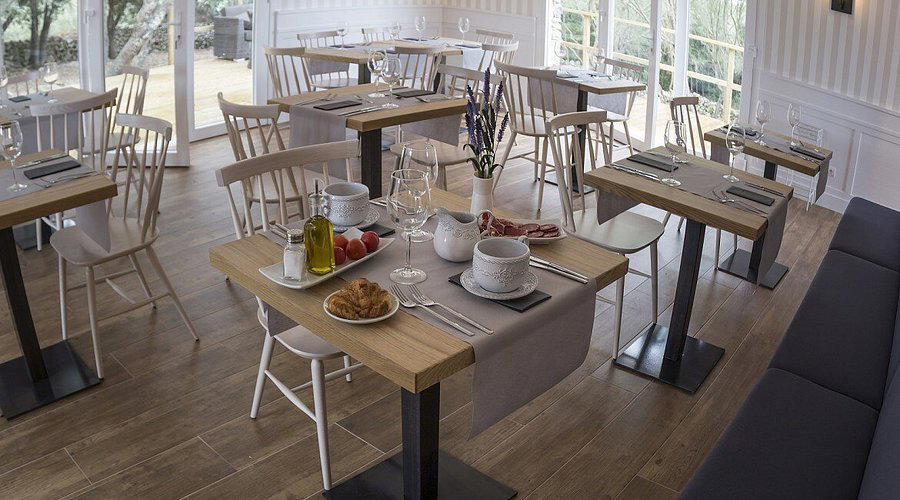
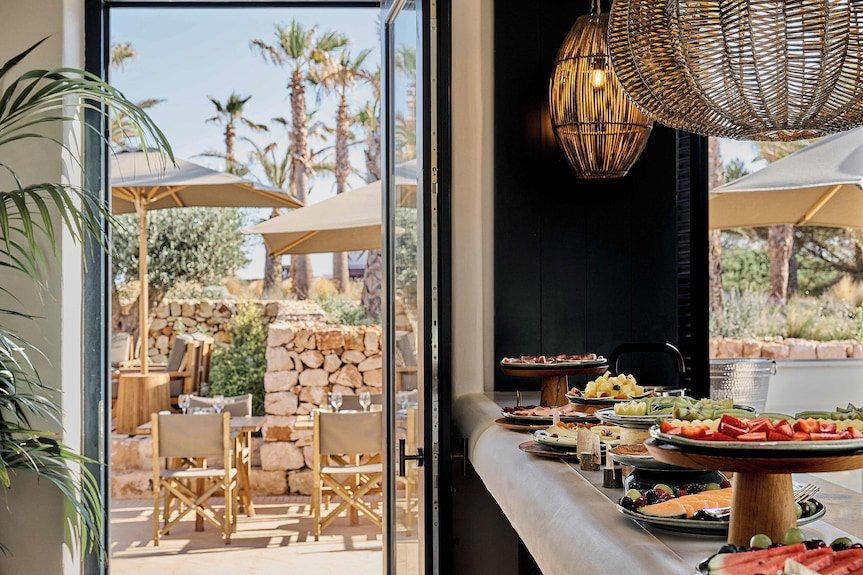
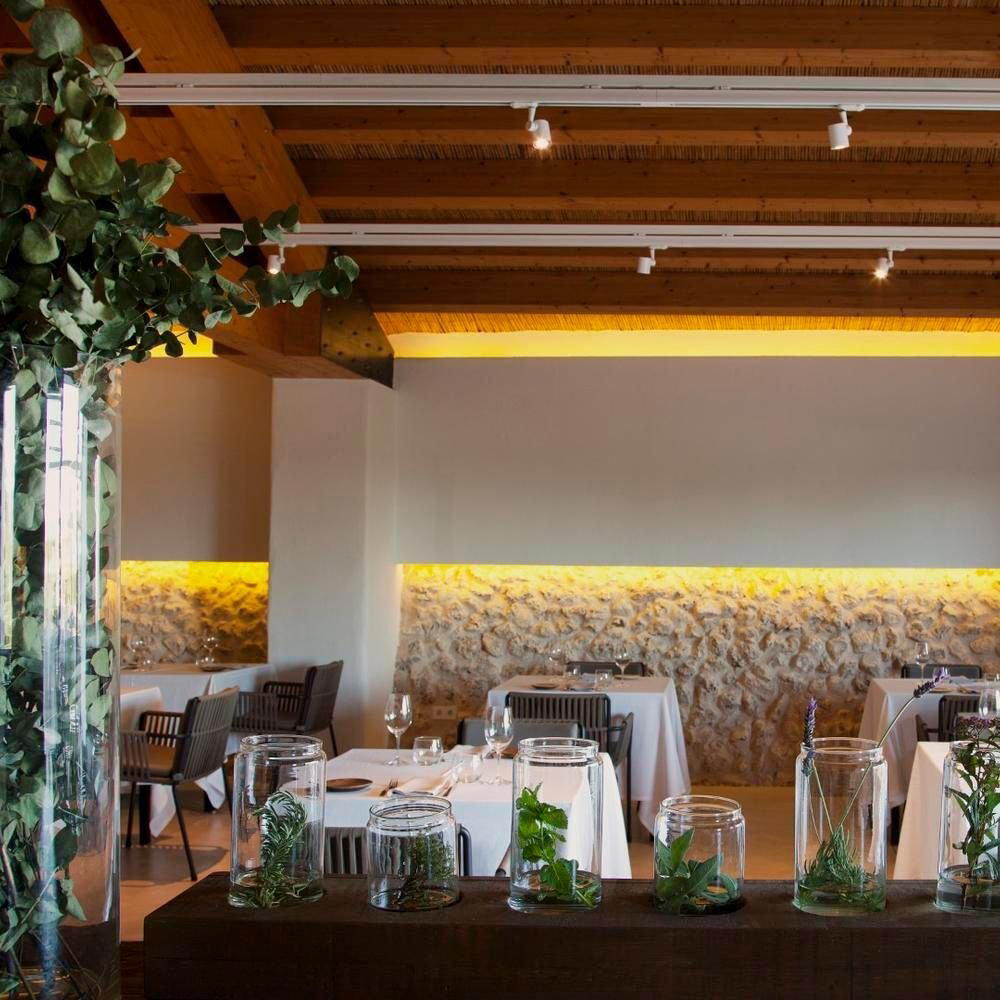
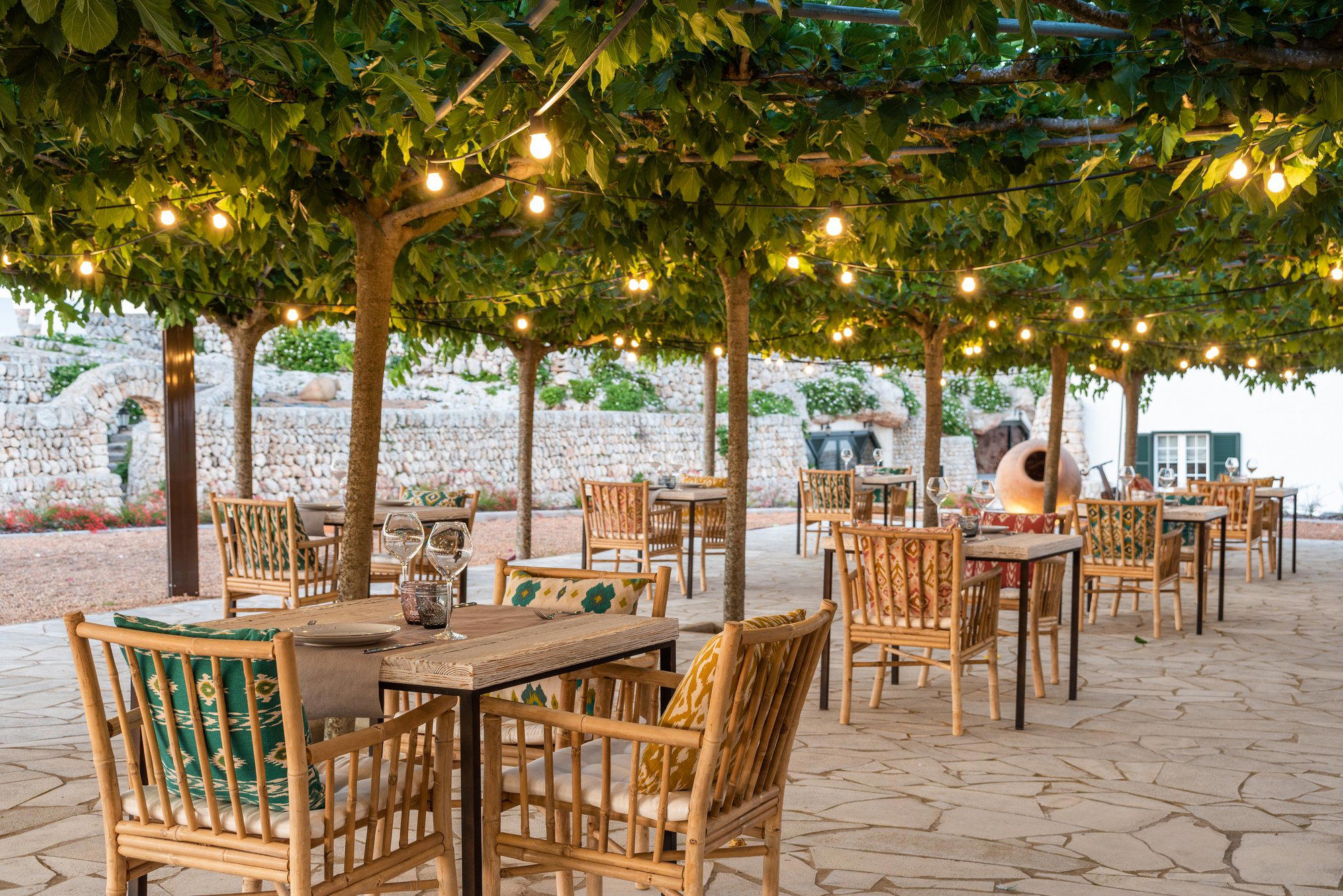
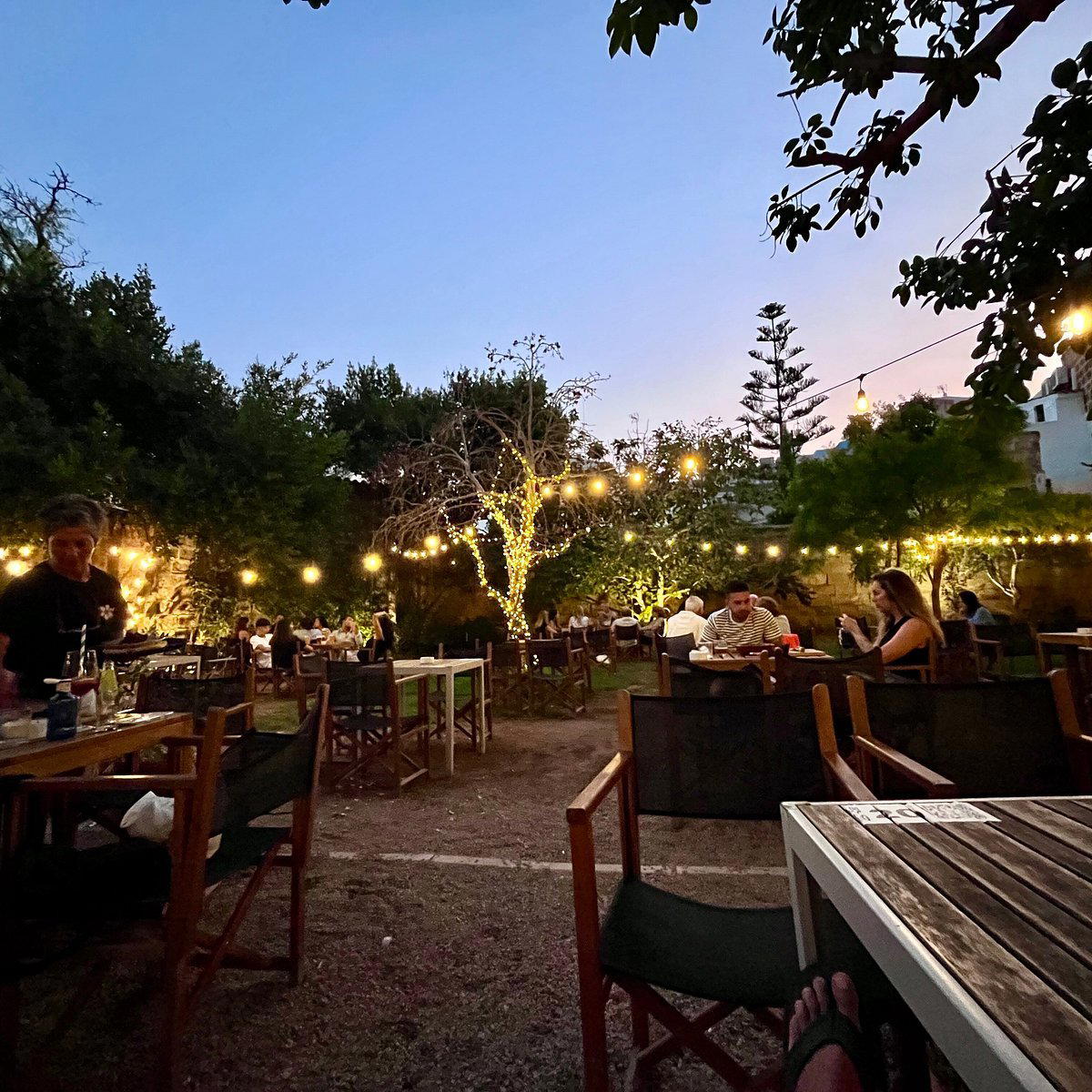
Enchanting countryside setting with tastefully decorated spaces, intimate courtyard dining with desert-like ambiance, candlelit evening atmosphere.