
Ichigen places Chinese cooking inside Akita’s evening dining rhythm rather than the high-theatre tasting-menu circuit. Its Tabelog Chinese EAST “Tabelog 100” selections in 2023 and 2026 give it a clear external credential, while the room format, private-room options and shochu listing point to a meal built for groups as much as solo counter dining.
Pearl is the En Primeur Club membership app — saves, bookings, and concierge access live there. Same editors, same standards.
- Address
- 4 Chome-2-6 Omachi, Akita, 010-0921, Japan
- Phone
- +81 18-824-5517
- Website
- instagram.com
 Saves & bookings on Pearl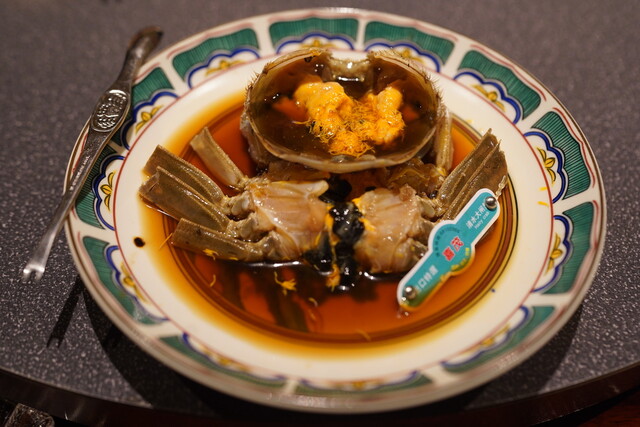
Omachi after dark has a different tempo from the station-side routes most visitors first read as Akita. The streets feel built for second-floor signs, regulars, taxis and small groups deciding where the night will settle. In that setting, Chinese cooking works less as novelty than as a social format: shared plates, rice or noodles to close, drinks held through the middle of the meal, and enough room in the ordering rhythm for conversation to lead rather than a set menu dictating every move.
That is the useful way to read Ichigen. The restaurant is not competing with Tokyo’s banquet-room grandeur or the chef-counter precision of high-end Ginza Chinese dining. Its place in Akita is more grounded: Chinese food as an evening ritual for friends, business groups and repeat local diners, with recognition strong enough to put it on the wider eastern Japan map. Selection for Tabelog Chinese EAST “Tabelog 100” in both 2023 and 2026 matters here because regional Chinese restaurants outside the capital have to earn attention against a dense field of metropolitan names.
Chinese dining in Akita, paced for shared tables rather than spectacle
Akita’s dining identity is often introduced through rice, sake, Hinai-jidori chicken and beef, but that shorthand misses how residents actually use restaurants at night. The city’s stronger dinner rooms tend to support a full evening: drinking, ordering in waves, allowing the table to stretch. Chinese restaurants fit that pattern because the cuisine’s structure is naturally collective. A meal can move from lighter starters to wok-led dishes, then into a starch finish without forcing everyone into identical pacing.
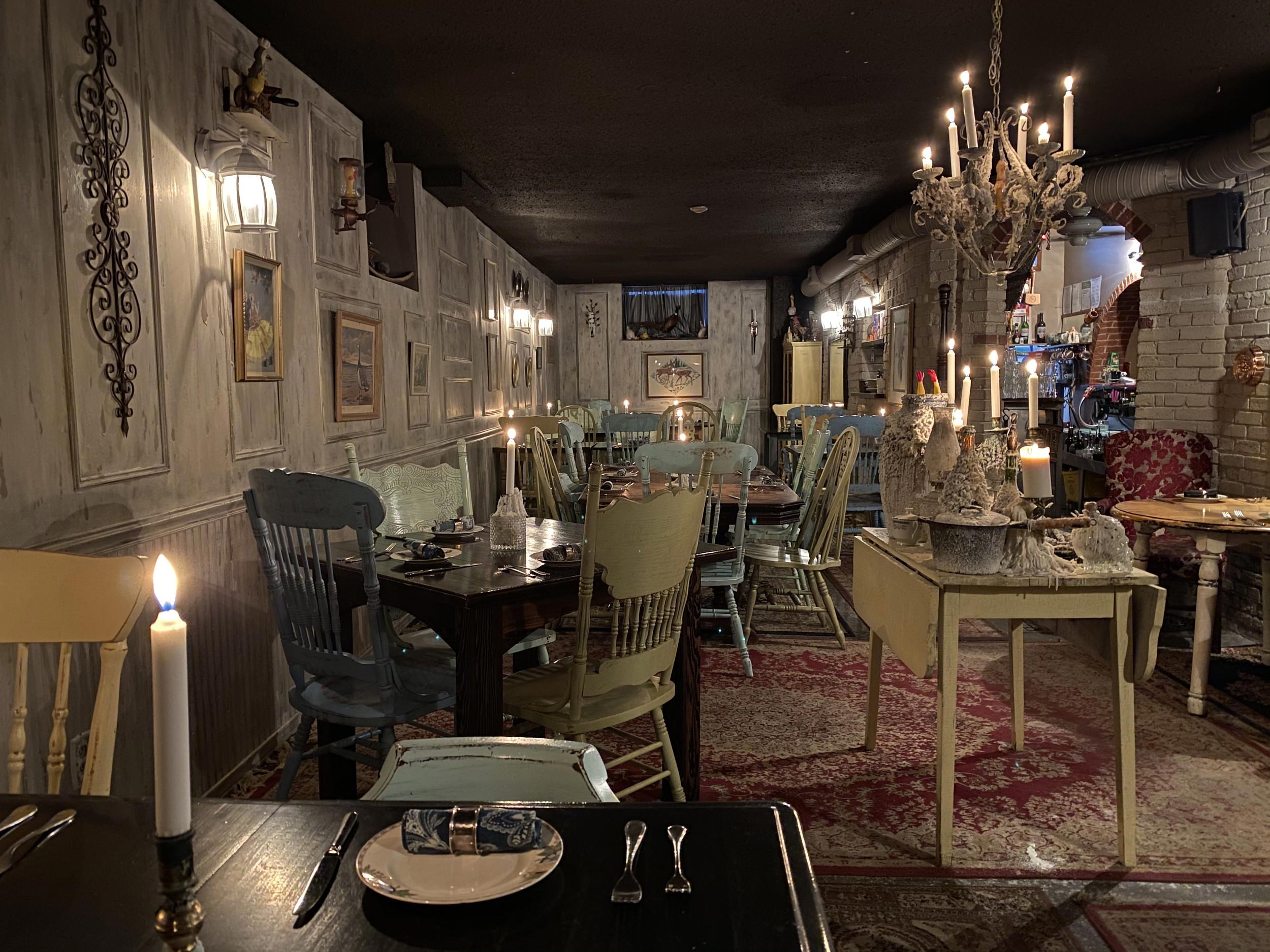
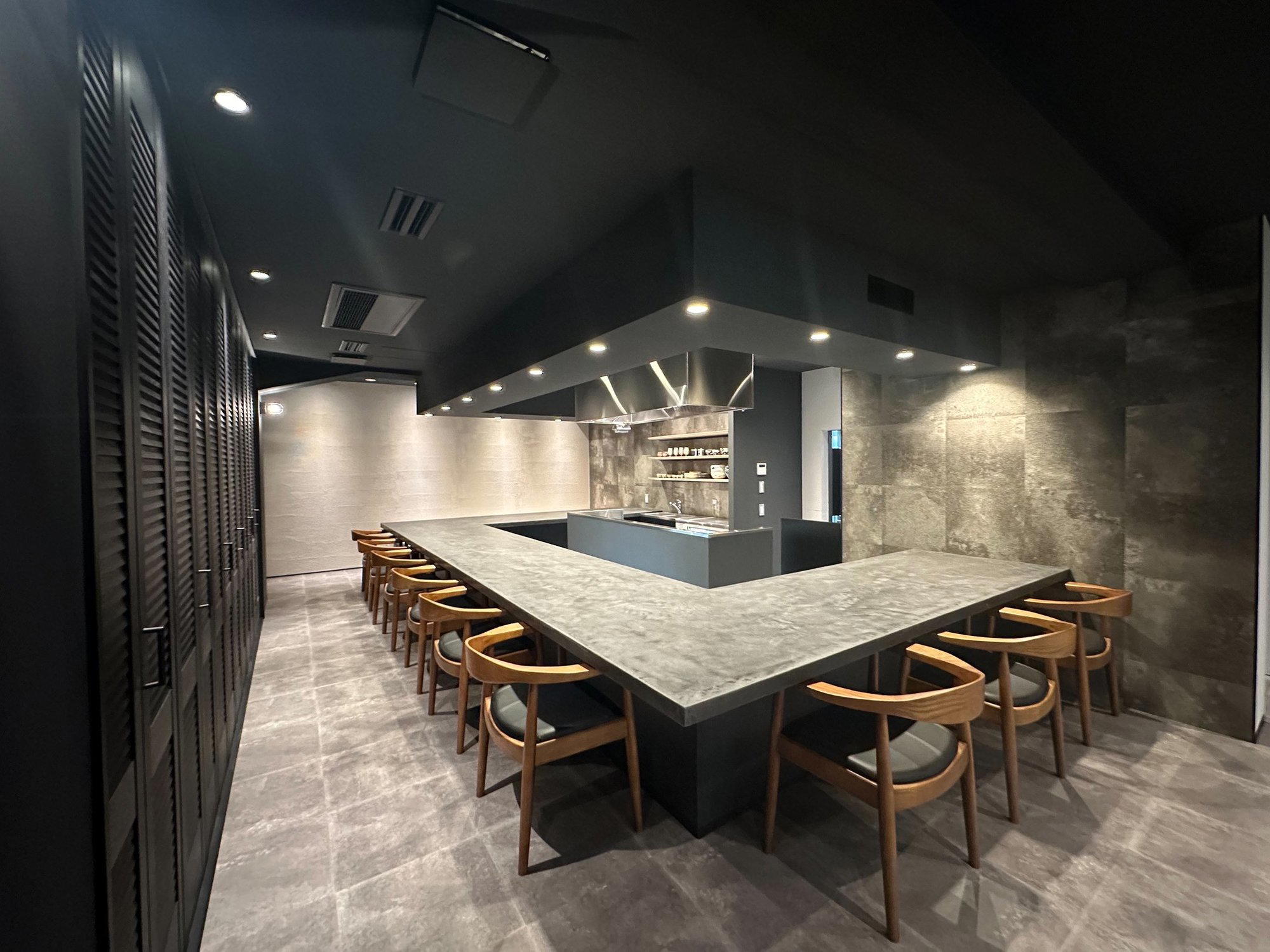
Ichigen sits inside that custom rather than outside it. Counter seating gives lone diners and pairs a way in, while tatami seating and private rooms for several group sizes place the restaurant firmly in Akita’s social-dinner category. That combination says something about the local market: even award-listed restaurants here often need to work for both focused diners and groups marking an ordinary but serious night out.
The drinking cue is also telling. Shochu appears in the drinks profile, a pairing logic that aligns with Japan’s everyday Chinese dining culture more than with wine-led luxury dining. In practice, this kind of room rewards a diner who orders across textures and heat levels, then lets the table decide when to add another plate. The ritual is flexible, but not casual in the careless sense. Good Chinese dining in Japan often depends on sequence: avoid filling the table too early, give fried and wok dishes space, and close only when the meal’s rhythm has actually slowed.
Why the Tabelog 100 signal matters outside Tokyo
Tabelog’s Hyakumeiten lists are not formal star systems, but they are powerful local-market signals because they reflect a broad restaurant culture that pays attention to consistency, category identity and repeat appeal. For a Chinese restaurant in Akita, appearing on the EAST list in 2026 places it in a competitive frame larger than the prefecture. The 2023 selection adds continuity, which is more useful than a single-year flash for travellers deciding where a regional detour should fit.
The distinction is especially relevant because Akita has a compact premium dining field. A visitor can build a strong trip around regional Japanese cooking, beef, sake bars and specialist rooms, but Chinese cuisine gives the itinerary a different register. It breaks the expectation that every serious Akita dinner needs to explain the prefecture through local ingredients alone. Instead, it shows the city as Japanese diners experience it: not as a museum of regional dishes, but as a working restaurant culture with imported cuisines absorbed into local habits.
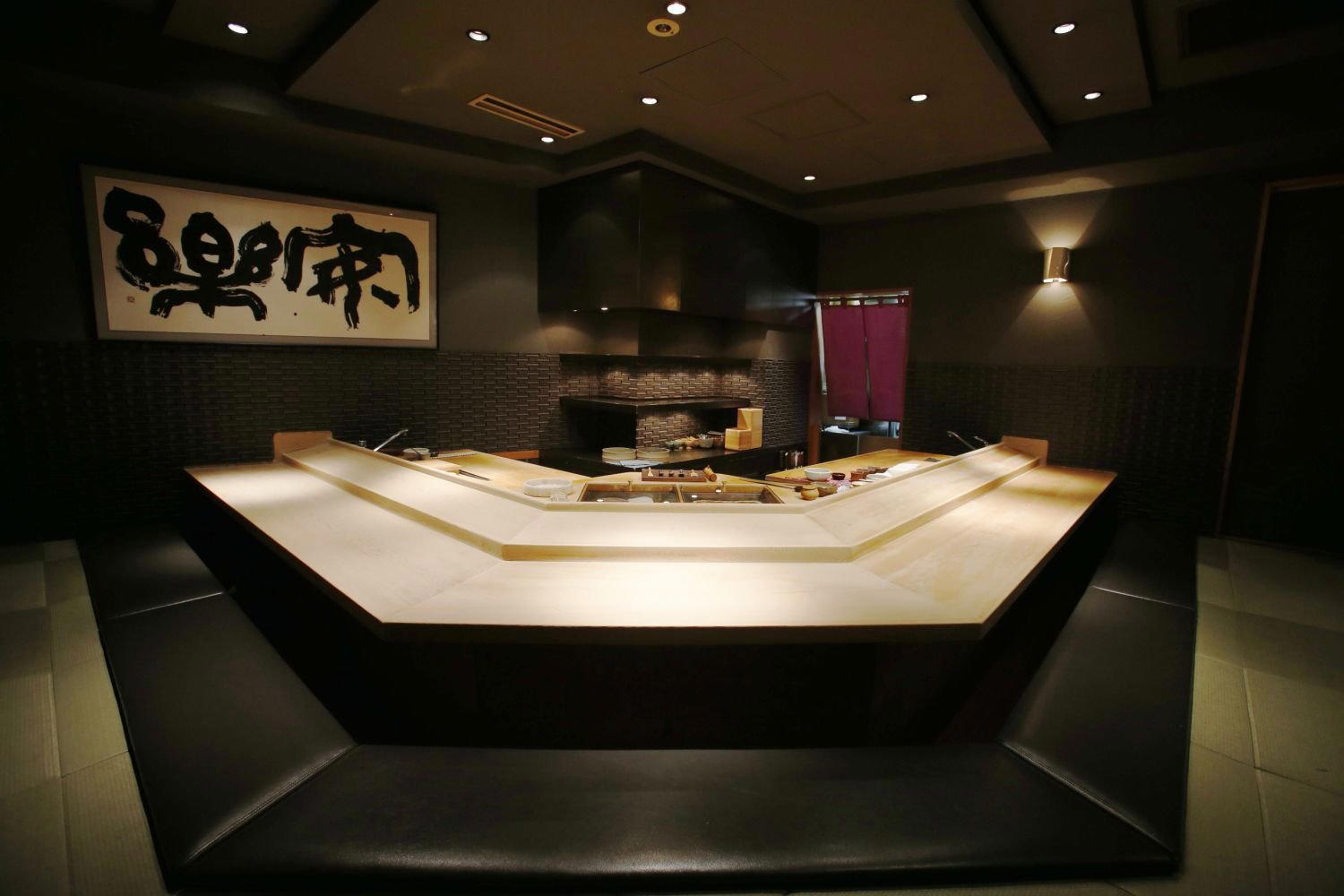
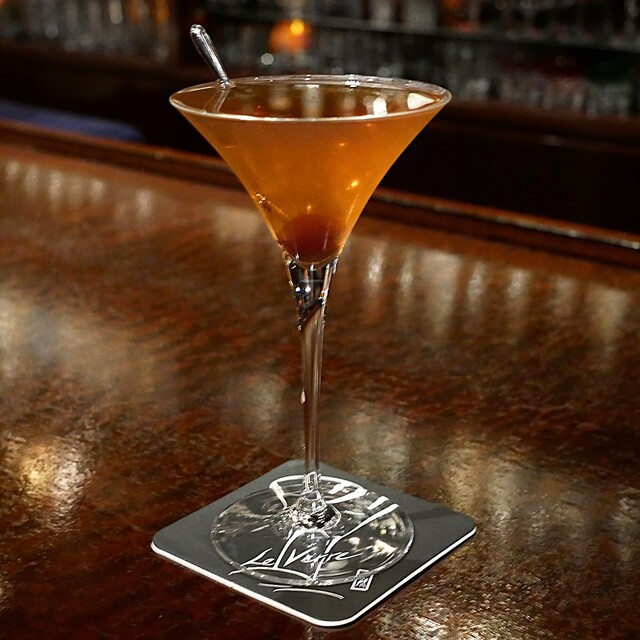
Comparison helps, but only within the city’s own scale. Akita’s bar circuit includes rooms such as The Bar 1980, BAR Le Vert, Lady and Moonshine, where the spend can overlap with a restaurant dinner depending on how the night develops. Sushisho occupies another lane entirely, tied to sushi rather than shared Chinese plates. Ichigen’s relevance is that it gives dinner its own center of gravity before or instead of that later drinking circuit.
How to fold it into an Akita itinerary
For travellers, the smarter move is to treat this as an Akita evening anchor, not a quick add-on between sightseeing stops. Omachi works well when dinner is allowed to run at local pace, especially if the night continues into the surrounding bar streets. The restaurant’s selection history gives it credibility for visitors who do not want to rely only on station-area convenience, while its format keeps it closer to lived city dining than to destination-only performance.
Reservations are the sensible default for a room of this type, particularly for groups using private rooms. The dining style is better suited to two or more people than to a checklist approach, though counter seating keeps solo dining plausible. The key is to order like a table, not like a tourist trying to compress a cuisine into one plate.
Akita rewards a mixed itinerary. For Italian-leaning dining, affetto akita gives the city another register. Beef-focused meals can be mapped through Akita Gyugentei Ekimae honten and Akita Gyugentei Sannou bekkan, while regional chicken cooking pulls attention toward Akita Hinaiya Oodate honten. For a broader local lens, Akita Kurasu is another useful reference point, and Our full Akita restaurants guide helps connect those choices into a coherent route.
The wider planning frame matters too. Akita’s appeal is not only dinner, so pair restaurant decisions with Our full Akita hotels guide, Our full Akita bars guide, Our full Akita wineries guide and Our full Akita experiences guide. Travellers extending the Japan map can compare different dining rituals through -Grilled beef Sukiyaki- KAMAKURA TANUKIAN 鎌倉 たぬき庵 in Kamakura. 鮪と炭火焼き うお炭 秋葉原店 in Tokyo.cafe in Osaka.know in Kumamoto, (Shoku) Vietnam in Kawasaki and [Curry Senmon Ten] Maruyama Kyoju. in Sapporo. For a cross-Pacific view of Japanese drinking and casual formats, Jōdo Saké Bar in Los Angeles and Onigiri Time in Pasadena show how different cities translate Japanese habits abroad.
Cuisine Context
Nearby venues at a similar price tier for orientation.
| Venue | Cuisine | Price | Notes |
|---|---|---|---|
| IchigenThis venue — the venue you are viewing | Chinese restaurant | $ | Not listed |
| 中華ダイニング 金龍酒家 | Authentic Sichuan Chinese | $$ | 秋田駅前 |
| Sumibi Yakiniku Nama Horumon Dokoro Shouchan | Yakiniku & Horumon (Japanese BBQ) | $$ | Akita |
| Horumo Saru | Japanese horumon / yakiniku | $$ | Akita |
| Tobu | Traditional Japanese chicken hot pot (mizutaki) | $$ | .null |
| Moonshine | Classic Cocktail & Whisky Bar | $$ | Akita |
Recognition history
Dated appearances from independent guides and award organizations, with the underlying list record or original source where available.
Tabelog 100 #100 · No. 100
Tabelog · Tabelog 100 - Chinese cuisine - EAST - 2026
Continue exploring
More in Akita
At a Glance
- Casual Hangout
- Family
- Group Dining
- Solo
- After Work
- Standalone
Current opening hours
- Monday
- 5–10 PM
- Tuesday
- 5–10 PM
- Wednesday
- 5–10 PM
- Thursday
- 5–10 PM
- Friday
- 5–10 PM
- Saturday
- 5–10 PM
- Sunday
- Closed
Hours can change for holidays and private events. Last verified .