Shu

On Level 8 of a Jalan Sultan Ismail annexe, Shu runs a single tasting menu that traces Chinese diaspora cooking through seasonal produce and modern European technique. Chef Wong named the restaurant after his mother, and the menu reflects that personal lineage, familiar reference points rendered with precision. For tasting-menu Kuala Lumpur, it occupies a distinct position between the city's fine-dining and heritage-cooking poles.
Pearl is the En Primeur Club membership app — saves, bookings, and concierge access live there. Same editors, same standards.
- Address
- Level 8, Annexed Block, 8, Jln Sultan Ismail, Kuala Lumpur, 50250 Kuala Lumpur, Federal Territory of Kuala Lumpur, Malaysia
- Phone
- +60 11-2769 6838
- Website
- restaurantshu.com
- Directions
- Get directions
 Saves & bookings on Pearl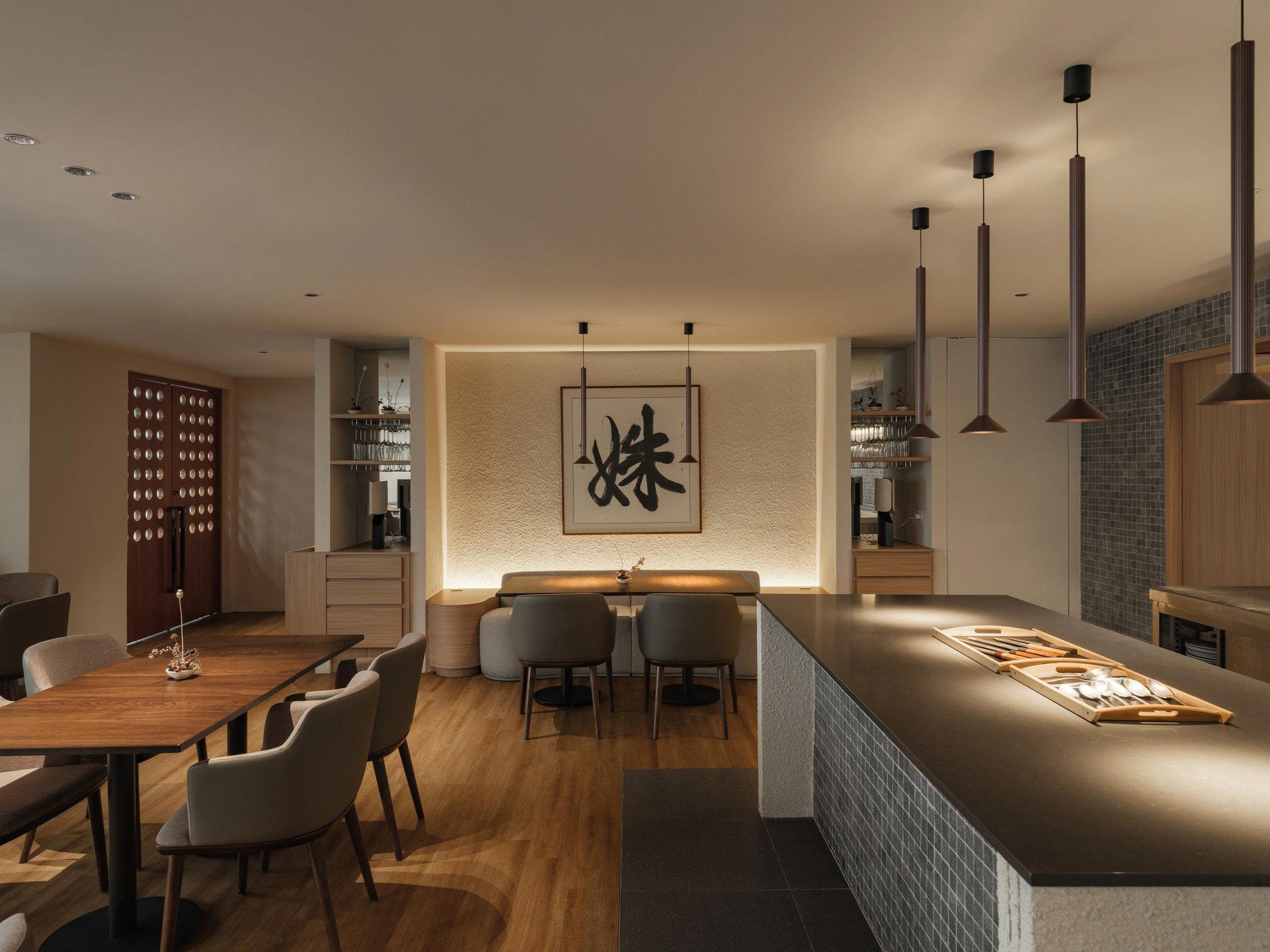
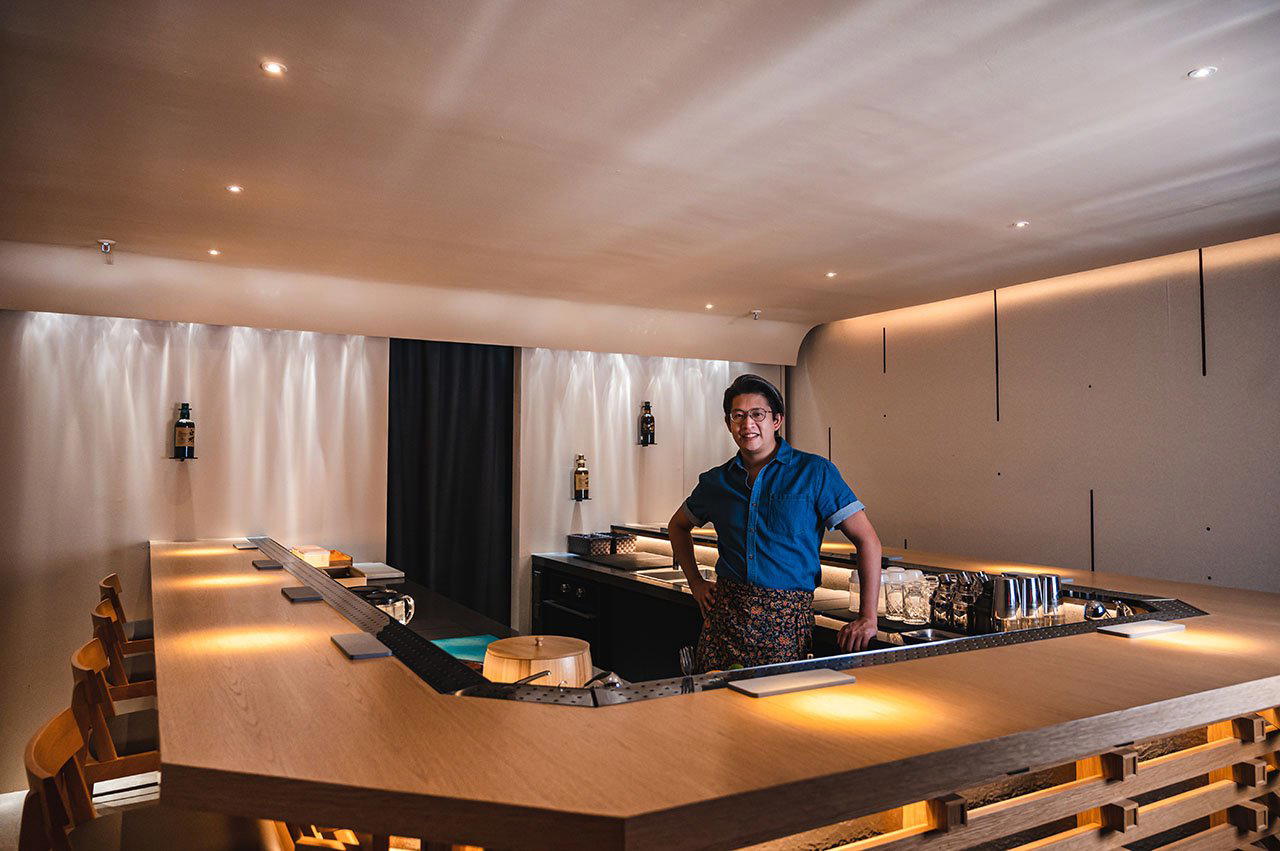
A Tasting Counter on the Eighth Floor
Kuala Lumpur's serious tasting-menu restaurants have consolidated around a recognisable geography: the upper floors and annexed blocks of the city's mid-century and post-millennium commercial towers, removed from street-level noise and positioned to signal intent before a single dish arrives. Shu is a restaurant in Kuala Lumpur serving Modern Chinese Diaspora cuisine, located on Level 8 of the Annexed Block at 8 Jalan Sultan Ismail.
That register is single-minded: one tasting menu, one editorial point of view, and a cooking framework that places Chinese diaspora food traditions in conversation with modern European technique. In a city where the tasting-menu tier has diversified considerably, from Dewakan's indigenous-ingredient programme to DC. by Darren Chin's French-contemporary rigour, Shu occupies a specific and less crowded position: Chinese heritage memory translated through French culinary grammar.
What the Menu Is Actually Doing
The tasting-menu format has become the dominant language of premium dining in Southeast Asian capitals, in part because it allows a kitchen to make an argument rather than simply offer choices. At Shu, the argument is about diaspora cooking: specifically, what happens when the flavour references of Chinese Malaysian domestic cooking, the Shaoxing wine, the slow braises, the fermented and preserved building blocks, are subjected to the disciplined sauce-making and seasonal produce logic of a European-trained kitchen.
The clearest illustration from the documented menu is the drunken prawn: raw akaebi (a Japanese sweet prawn) marinated in Shaoxing wine, dressed with a Huadiao beurre blanc, itself an act of translation, a French mother sauce reconceived with Huadiao rice wine, then topped with ikura and squid cubes for textural counterpoint. The dish works as a summary of what the kitchen does: Chinese aromatic logic, French technique, Japanese produce sourcing, layered without any single element dominating. This is not fusion in the diluted sense the word has accumulated; it is a structured conversation between culinary systems, with the Chinese diaspora frame providing the emotional and flavour centre.
Same kind of cross-referencing appears in tasting-menu formats at other addresses in the region and further afield. Atomix in New York City applies a comparable structural seriousness to Korean culinary heritage. 8½ Otto e Mezzo Bombana in Hong Kong works in the opposite direction, transplanting European fine dining into a Chinese city context. Shu's version is native to Kuala Lumpur: the city's Chinese community has been cooking a diaspora cuisine for generations, and the restaurant is making that inheritance visible at the fine-dining tier.
Where It Sits Among KL's Tasting Counters
Kuala Lumpur's premium tasting-menu cohort now spans a meaningful price and reference range. At the summit of the market, Molina and DC. by Darren Chin work at the $$$$ tier with European frameworks. Dewakan has built one of the region's most coherent indigenous-ingredient programmes at the same price tier. Beta works Malaysian heritage material at $$$. Ling Long occupies the innovative tier with its own set of cultural references.
Shu sits at the $$$$ tier, with a single tasting menu in a dedicated restaurant on a high floor of a commercial block. The closest structural parallel in how it treats Chinese heritage through European technique is Ling Long, though the two kitchens operate with distinct source material and different generational references.
For context on how Chinese diaspora cooking has been expressed differently across Malaysia, compare the formal tasting-menu approach here with the more documentary, tradition-preserving mode of Auntie Gaik Lean's Old School Eatery in George Town or the working-hawker register of Bee See Heong in Seberang Perai. The same broad diaspora tradition produces radically different dining formats depending on who is cooking, for whom, and with what resources.
Planning Your Visit: What You Need to Know
The single tasting menu format simplifies one decision and complicates another. There is no à la carte deliberation; the kitchen sets the sequence, and you follow it. What requires planning is the reservation itself. Restaurants of this format and scale in Kuala Lumpur typically operate with limited seatings and do not hold tables for walk-ins. Lead time for bookings varies, but the format, a focused counter or dining room, one menu, one service per session, means available covers fill quickly relative to demand.
Shu is located at Level 8, Annexed Block, 8 Jalan Sultan Ismail. The Jalan Sultan Ismail address places it within the city's established hospitality and commercial corridor, accessible from the KLCC and Bukit Bintang areas. Arriving by ride-share is the practical choice; the annexed block designation means you will need to confirm building entry and lift access before the evening rather than assume ground-floor visibility.
Contact via the restaurant's current online presence is recommended, and confirming reservation details directly before visiting is advisable given the single-sitting format. For a broader picture of where Shu sits within Kuala Lumpur's dining tier, see our full Kuala Lumpur restaurants guide. Supplement the evening with reference to our Kuala Lumpur bars guide for pre- or post-dinner options in the same corridor, and our Kuala Lumpur hotels guide if you are building a wider stay around the meal.
Know Before You Go
- Address: Level 8, Annexed Block, 8 Jalan Sultan Ismail, Kuala Lumpur 50250
- Format: Single tasting menu; no à la carte
- Booking: Reservation recommended; walk-ins unlikely given format
- Hours: Not confirmed, verify directly before visiting
- Access: Annexed block entry; confirm lift access in advance
- Getting there: Ride-share recommended; Jalan Sultan Ismail corridor, accessible from KLCC and Bukit Bintang
The Broader Malaysia Context
What Shu is doing with Chinese diaspora material sits inside a wider movement across Malaysian fine dining toward heritage reclamation at the tasting-menu tier. The question being asked across the city's kitchens, from Dewakan's indigenous focus to Beta's Malaysian-heritage programme, is the same: what does it mean to cook the country's actual food history with fine-dining precision, rather than defaulting to European or Japanese frameworks as the default prestige language? Shu's answer is specific: it names Chinese Malaysian domestic memory as its source material and applies French technique as the instrument for expressing rather than replacing that memory.
That is a different project from what Le Bernardin in New York City or Lazy Bear in San Francisco are doing with their own heritage frameworks, but the structural logic, personal culinary memory rendered with professional precision in a fixed tasting format, is recognisable across all of them. The restaurant's name, taken from Wong's mother, is not incidental ornamentation. It is the editorial position of the menu made visible: this cooking has a specific origin, a specific generation, and a specific set of taste memories it is trying to honour and reinterpret at once.
Those planning a wider Malaysia itinerary should also consider The Planters at The Danna in Langkawi for a contrasting register, resort dining in a completely different landscape, but with its own considered approach to Malaysian culinary context.
Booking and Cost Snapshot
Comparable venues nearby, for context on price, style, and recognition.
| Venue | Cuisine | Price | Awards | Notes |
|---|---|---|---|---|
| ShuThis venue — the venue you are viewing | Kampong Baharu, Modern Chinese Diaspora | $$$$ | Michelin Plate | Not listed |
| Jie | Not listed | $$$$ | Michelin Plate | Bukit Damansara, Modern Borderless Chinese |
| Kazu | Kampong Bukit Mati, Edomae Sushi Omakase | $$$$ | Michelin Plate | Not listed |
| Vantador | Mont Kiara, Dry-Aged Steakhouse | $$$$ | Michelin Plate | Not listed |
| Tenmasa | Not listed | $$$$ | Michelin Plate | Kampong Dollah, Japanese Tempura Kaiseki Omakase |
| Teochew Lao Er | Pudu, Authentic Teochew | $$ | Michelin Plate | Not listed |
Recognition history
Dated appearances from independent guides and award organizations, with the underlying list record or original source where available.
Michelin Plate
Michelin
Continue exploring
More in Kuala Lumpur
Restaurants in Kuala Lumpur
Browse all →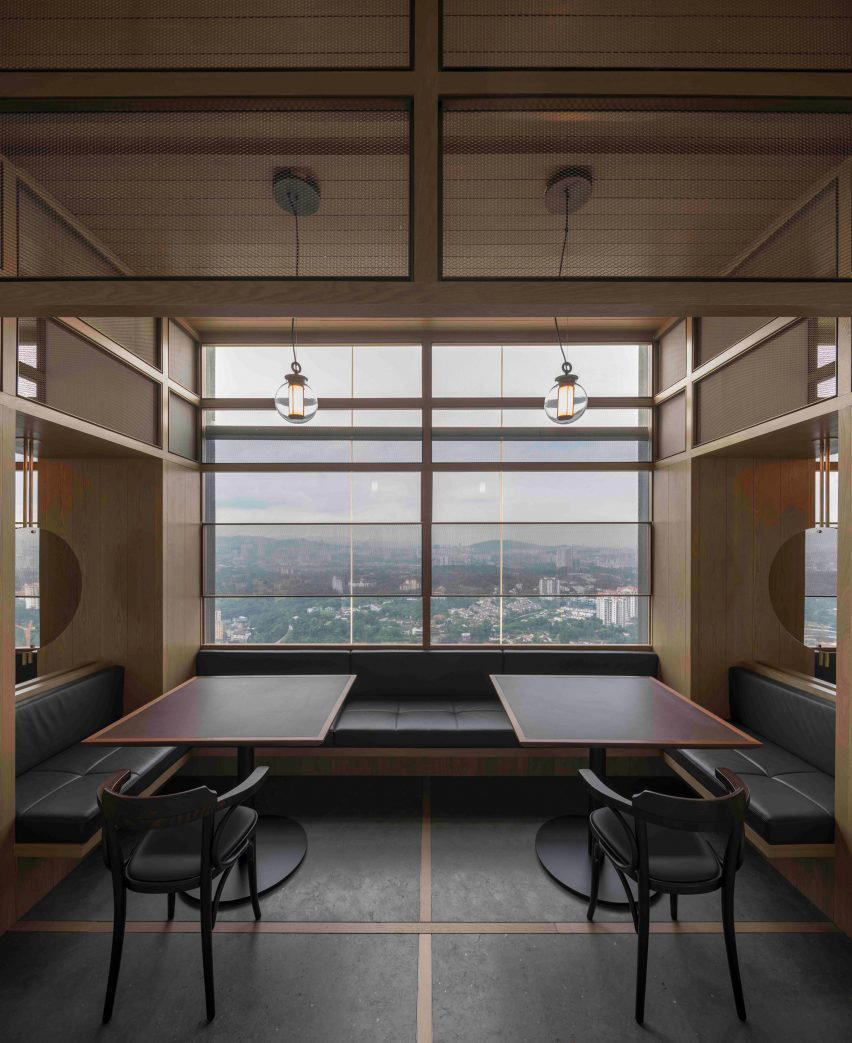
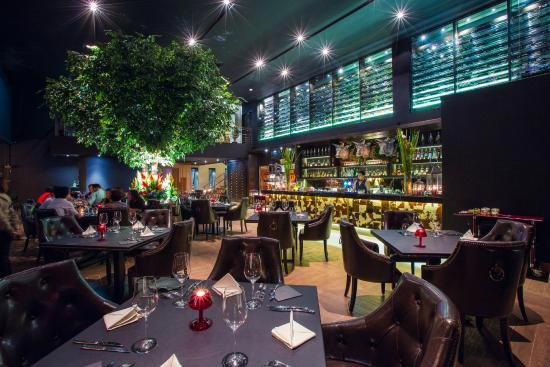
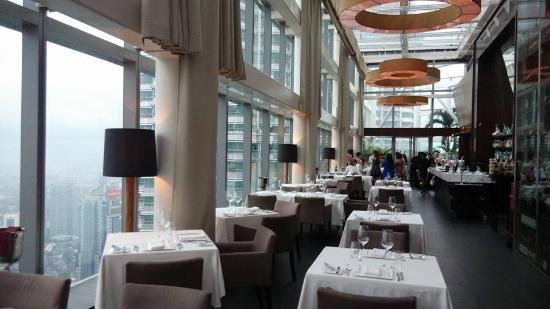
Bars in Kuala Lumpur
Browse all →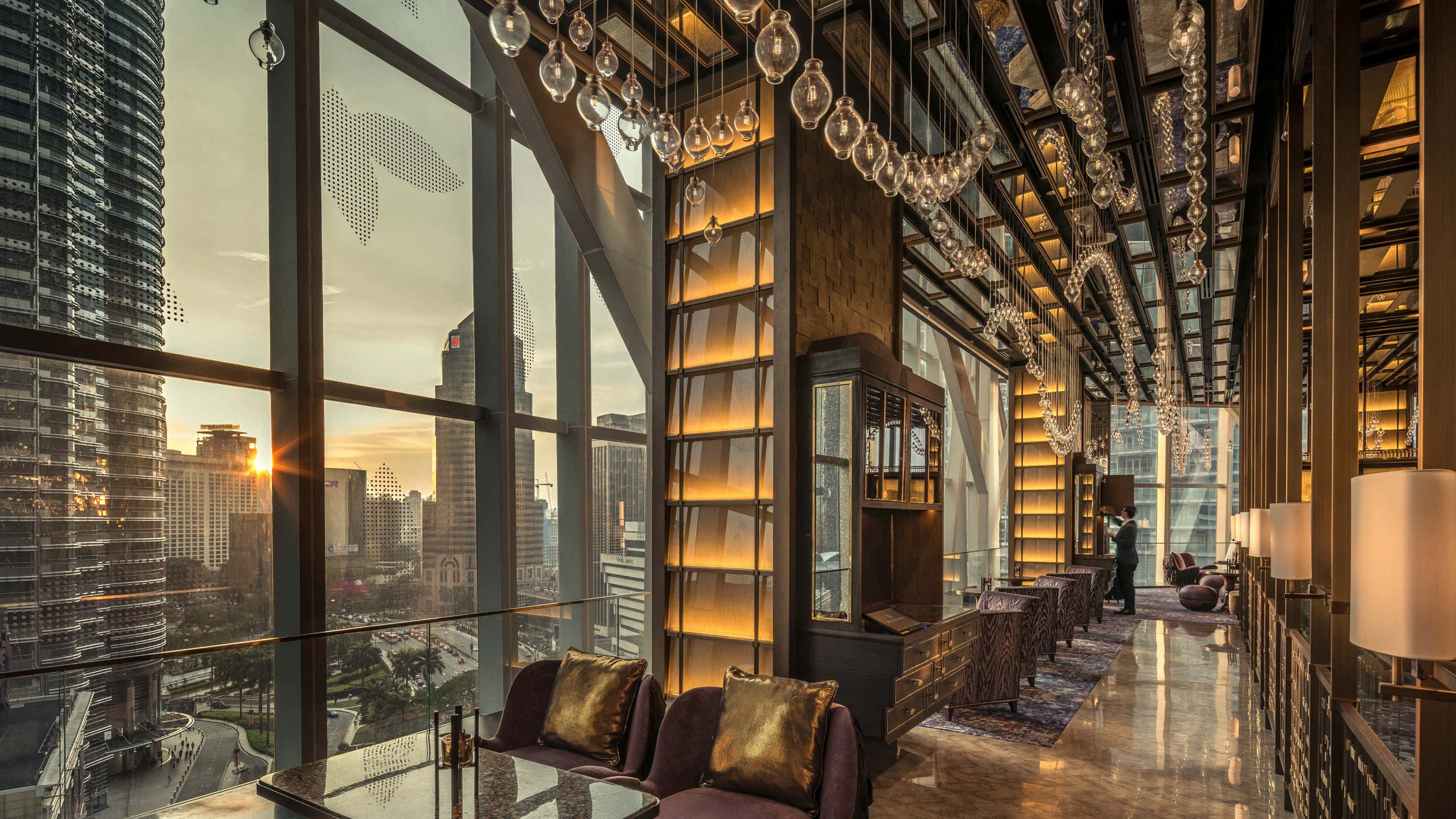
At a Glance
- Intimate
- Elegant
- Cozy
- Sophisticated
- Modern
- Special Occasion
- Date Night
- Open Kitchen
- Zero Proof
Current opening hours
- Monday
- Closed
- Tuesday
- 6–11 PM
- Wednesday
- 6–11 PM
- Thursday
- 6–11 PM
- Friday
- 6–11 PM
- Saturday
- 6–11 PM
- Sunday
- Closed
Hours can change for holidays and private events. Last verified .
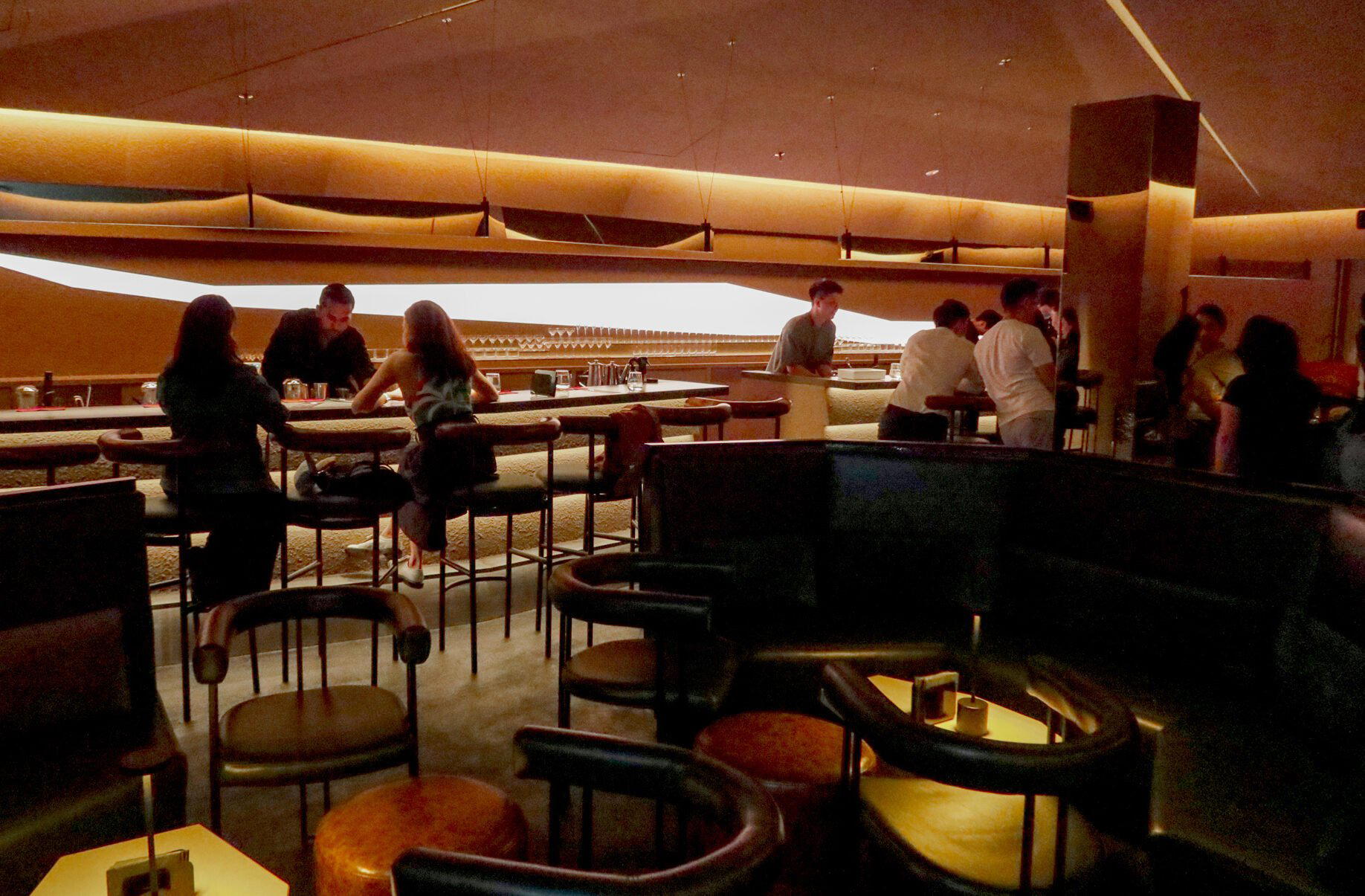
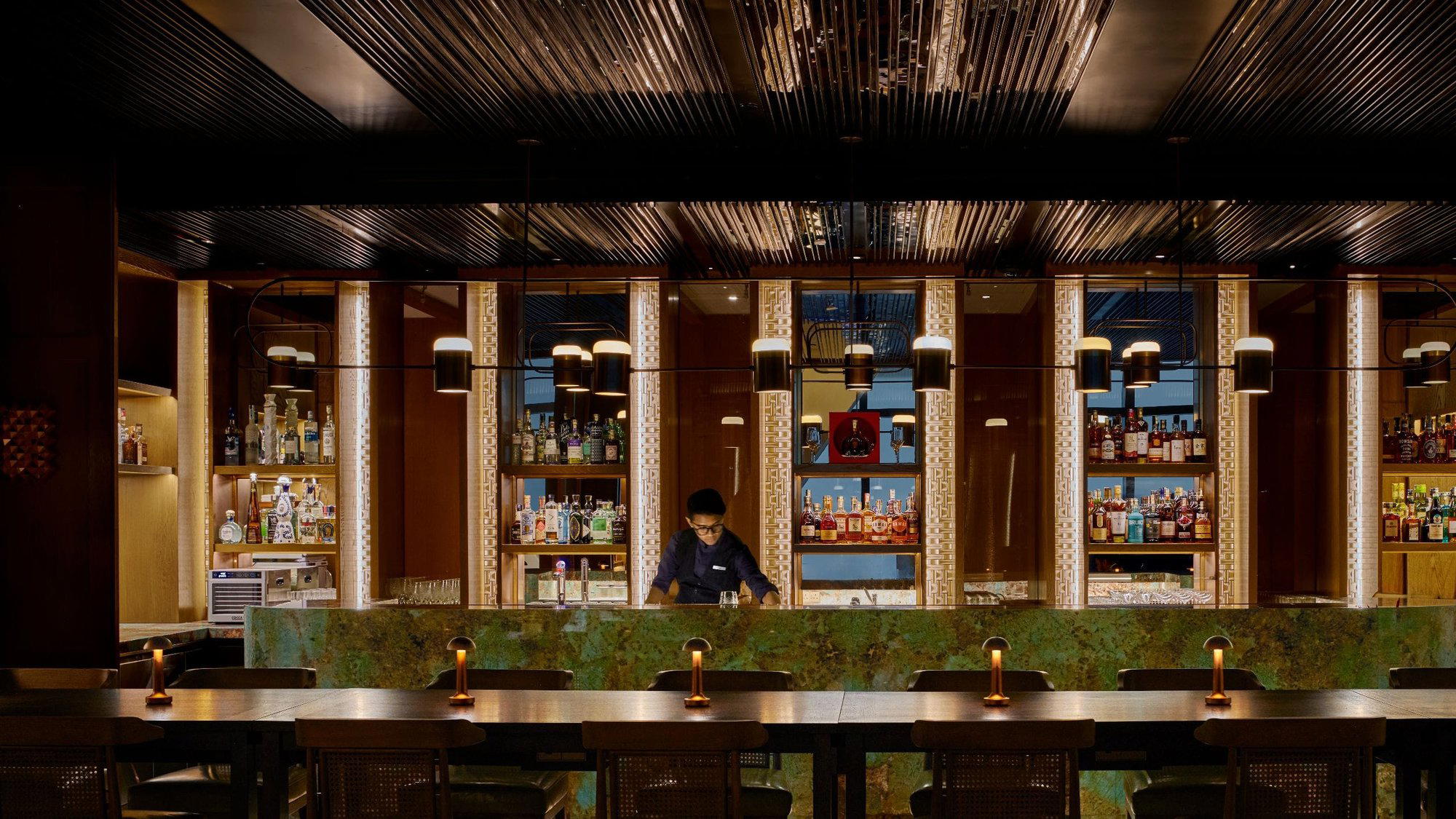
Warm gentle lighting, wood-toned interiors, white tablecloths, cosy open kitchen atmosphere.