Jie

Michelin Plate
Our verdict
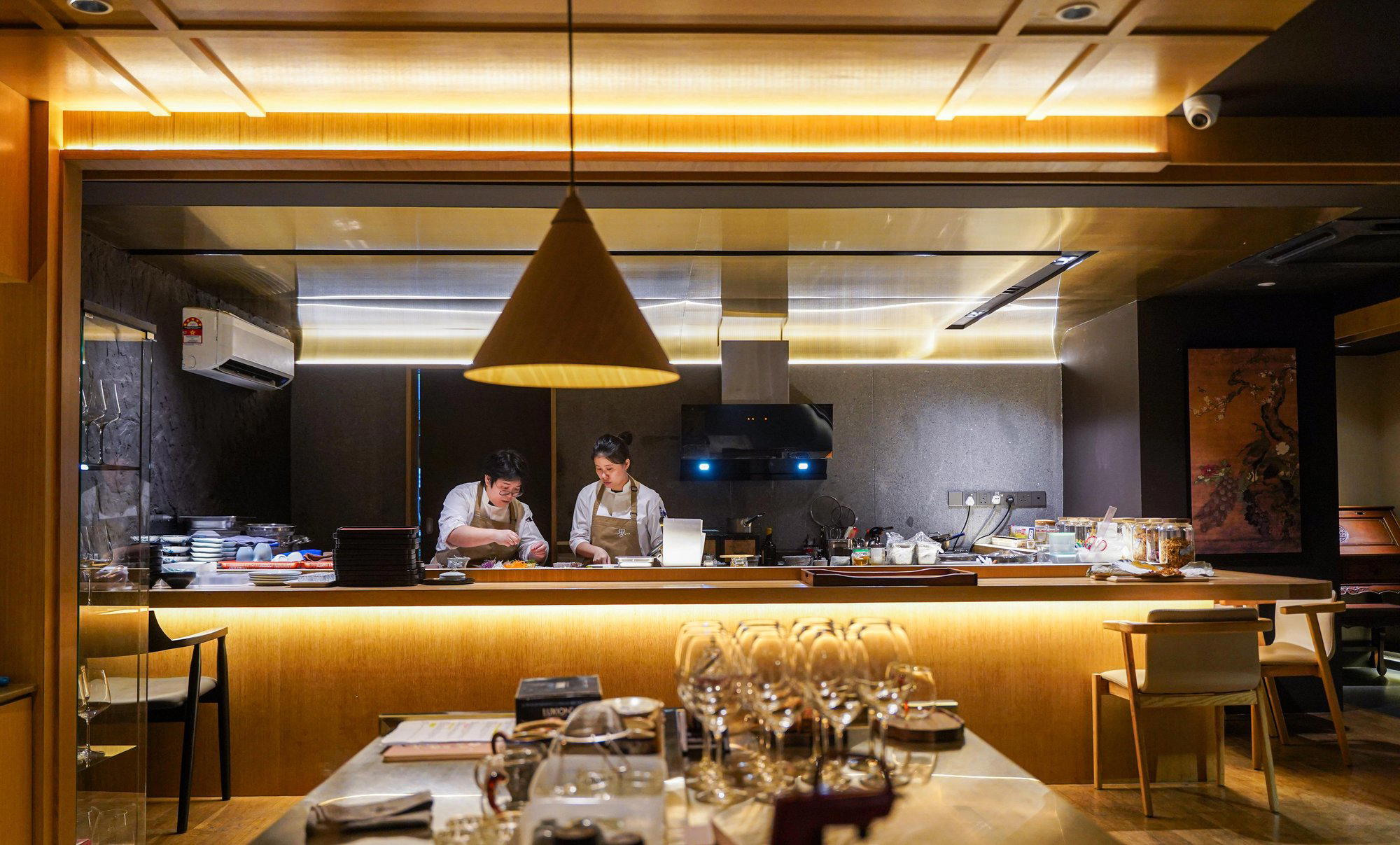
A chef of Chaozhou descent brings French and Western technique to bear on Chinese culinary tradition at this Bukit Damansara address, where two 10-course tasting menus reward advance booking and careful attention. Dishes like free-range chicken soup enriched with almond milk and serrano ham signal the kitchen's appetite for cross-cultural precision. Secure a table at least two days ahead.

Pearl is the En Primeur Club membership app — saves, bookings, and concierge access live there. Same editors, same standards.
- Address
- Jln Setia Bakti, Bukit Damansara, 50490 Kuala Lumpur, Wilayah Persekutuan Kuala Lumpur, Malaysia
- Phone
- +60 12-325 0885
- Hours
- Mon ClosedTue–Sat 6–11 PMSun Closed
- Website
- linktr.ee
- Directions
- Get directions
The menu
What to order
- Duck Beignet
- Chicken Wing with Foie Gras
- Clam Congee
- Red Snapper Nyonya Curry
Where Chaozhou Tradition Meets Cross-Cultural Technique
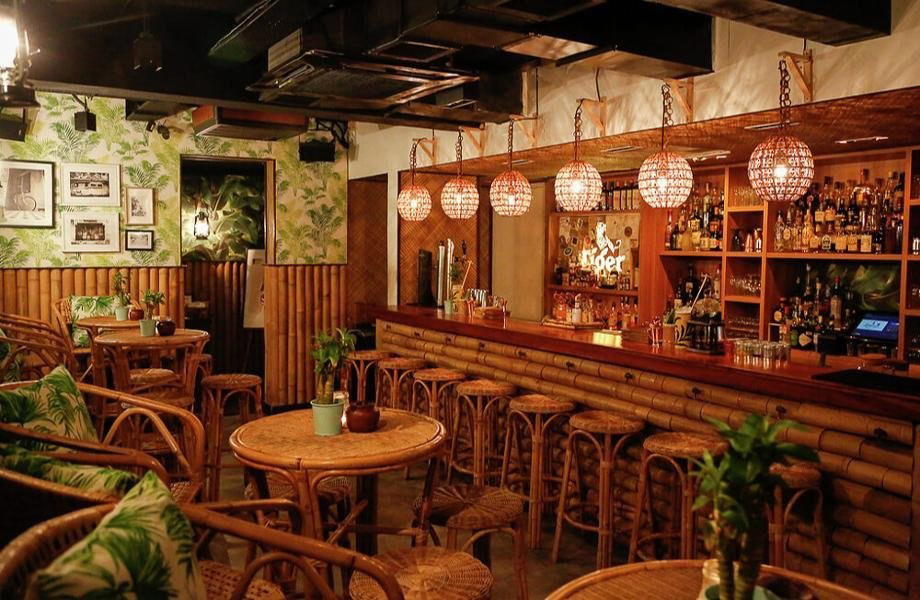
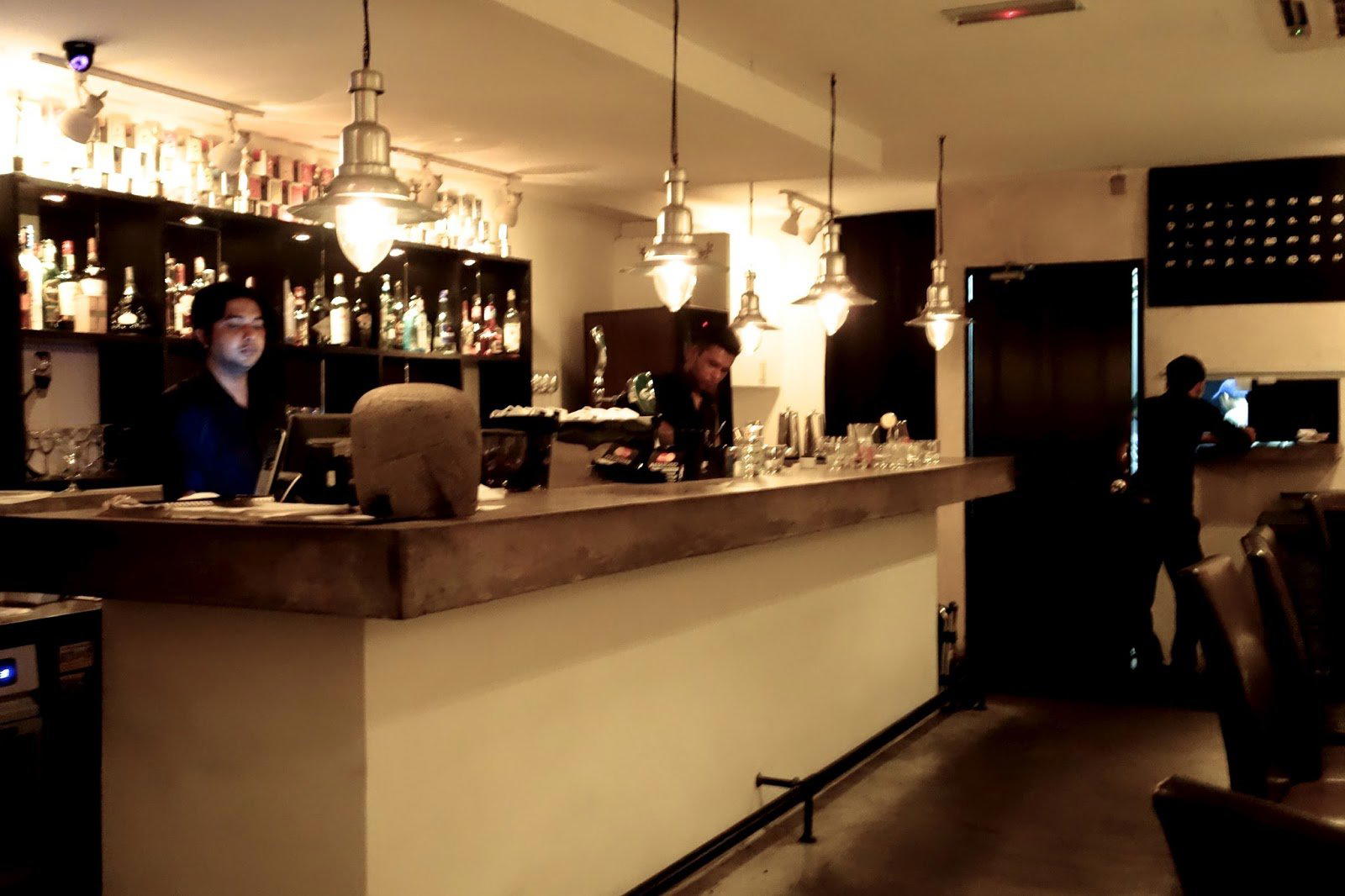
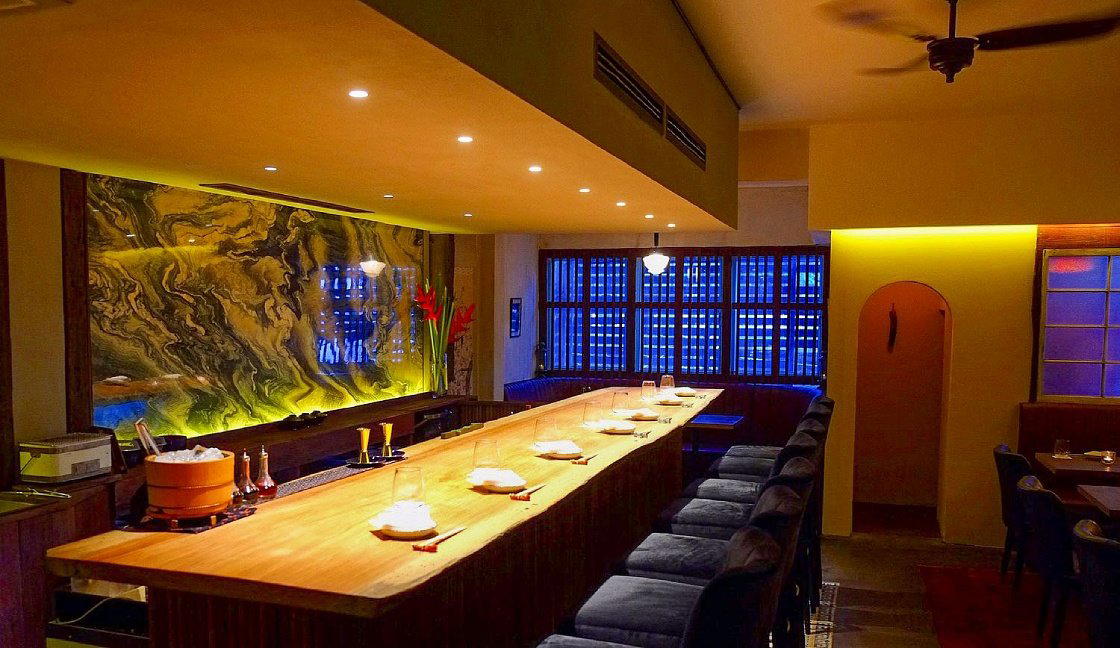
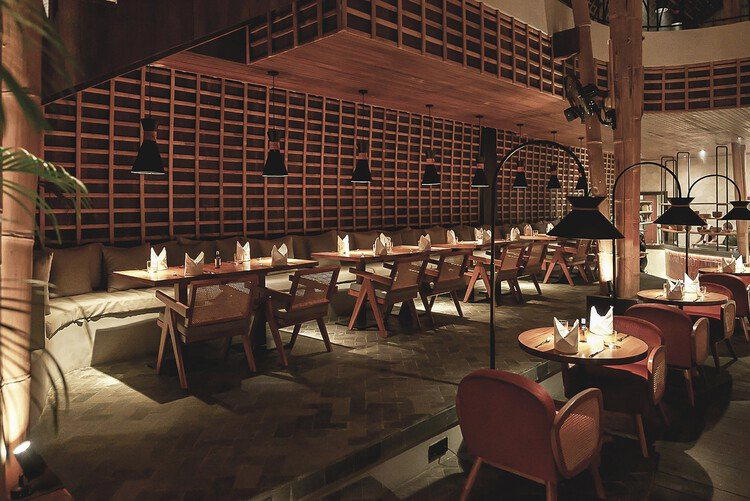
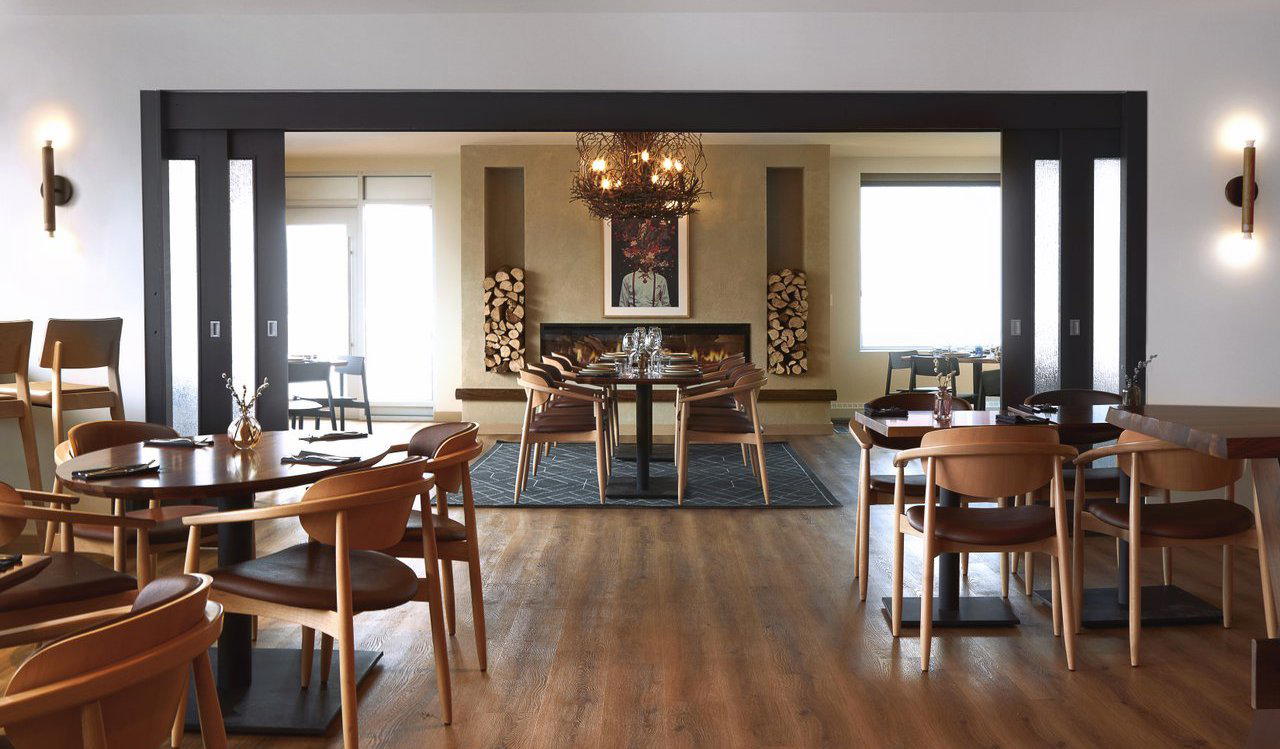
Bukit Damansara sits a few kilometres from Kuala Lumpur's city centre in one of the capital's quieter, more residential enclaves, where the dining scene operates at a lower volume than the KLCC corridor but with no less ambition. The address on Jalan Setia Bakti carries the kind of neighbourhood calm that makes the food feel like a discovery rather than a performance. Arriving at Jie, the expectation is set by understatement: this is not a room asking to be noticed.
That restraint is deliberate, and it mirrors the culinary position that Jie occupies in Kuala Lumpur's increasingly layered fine-dining tier. The city's tasting-menu scene has expanded considerably over the past decade, with Michelin recognition arriving in 2022 and anchoring a cohort of serious kitchens around formats that treat Malaysian and Chinese culinary heritage as primary material rather than decorative reference. Dewakan (Malaysian) operates at the top of that cohort with two stars and a Peninsular-ingredients focus; Beta (Malaysian) holds one star with a street-food-rerouted tasting format. Jie works in a related but distinct register, its kitchen rooted specifically in Chaozhou lineage and shaped by experience in upmarket Western contexts.
The Intersection of Indigenous Flavour and Imported Method
The logic that drives Jie's menus is one that serious kitchens across Asia have been testing for at least twenty years, but the specific Chaozhou application is rarer. Chaozhou cuisine, the southern Chinese tradition associated with the Teochew diaspora, is built on clarity of flavour, careful seasoning, and a preference for technique that serves the ingredient rather than obscures it. When that base is filtered through formal Western kitchen training, the result is not fusion in the diluted commercial sense but something more like a precision dialogue between two distinct methodological languages.
The free-range chicken soup with almond milk is a useful illustration. Slow-cooking the broth for hours to build layered depth is standard Chaozhou practice; introducing serrano ham as a secondary flavour element draws from a European charcuterie register that shares the same instinct for cured, concentrated savouriness. The technique of extracting depth through extended cooking time is the connective tissue between the two traditions. Parallels exist in ambitious tasting programs elsewhere: Atomix in New York City applies rigorous technique to Korean flavour frameworks, and Le Bernardin in New York City has long demonstrated that French classical discipline can frame non-European ingredients without overriding them. Jie occupies a comparable structural position within KL's dining field, applying the precision logic of professional Western kitchens to Chaozhou source material.
Same cross-referencing appears across the Malaysian Chinese dining spectrum beyond Jie. Auntie Gaik Lean's Old School Eatery in George Town preserves Peranakan Chinese tradition with little institutional interference, while Bee See Heong in Seberang Perai represents another distinct Chinese-Malaysian register. Jie sits at a different point on that spectrum, where the dialogue with Western kitchens is active and central rather than incidental.
The Tasting Menu Format and What It Signals
Two 10-course tasting menus anchor the experience at Jie. The plural format is telling: offering two distinct paths rather than a single set progression suggests a kitchen confident enough in its range to sustain separate creative tracks. In Kuala Lumpur's fine-dining tier, this kind of structural ambition places Jie alongside venues operating from genuine culinary conviction. Molina (Innovative) and Ling Long (Innovative) operate within similarly structured formats, each making the tasting progression central to the value proposition. DC. by Darren Chin (French Contemporary), with one Michelin star, demonstrates that the French tasting format naturalises well in KL when the kitchen has the technical grounding to support it.
The 10-course count at Jie is not unusual by regional standards, but the focus on painstaking preparation rather than spectacle sets a particular rhythm. Courses at this format tend to be smaller, calibrated to accumulate across a sitting rather than satisfy individually, which means the kitchen's capacity for textural and flavour sequencing becomes more visible with each successive course. Kitchens that function well in this format, like Lazy Bear in San Francisco, treat the full arc of a meal as the unit of measure rather than any single plate.
Kuala Lumpur's Fine-Dining Moment and Where Jie Fits
Kuala Lumpur's premium dining scene in the 2020s is characterised by a broader willingness among chefs to treat Malaysian and Chinese heritage as serious fine-dining material. Regional peers confirm the momentum: 8 1/2 Otto e Mezzo Bombana in Hong Kong shows how European classical technique can sustain long-term credibility in an Asian city, while The Planters at The Danna in Langkawi illustrates a different register of Malaysian hospitality entirely. Emeril's in New Orleans provides a long-standing Western reference point for how regional culinary identity can be formalised within a fine-dining frame without losing its character.
Jie's Chaozhou specificity distinguishes it from the broader Malaysian-ingredient-focus that defines some of KL's other decorated kitchens. Where Dewakan draws from the full breadth of Peninsular produce, Jie narrows its ancestral reference point and uses Western technical training as the instrument for interrogating it more closely. That narrower scope, paradoxically, produces more precision.
Planning Your Visit
Jie is located at Jalan Setia Bakti in Bukit Damansara, a residential neighbourhood that requires a taxi or ride-hailing service from central KL. Advance booking is necessary: the recommendation is at least two days ahead, and given the small-format nature of the experience, tables during peak evenings move faster than that window suggests. Arriving without a reservation is not a realistic option. For a broader view of where to eat, drink, and stay around your visit, the full Kuala Lumpur restaurants guide covers the city's full dining range, and the Kuala Lumpur hotels guide, bars guide, wineries guide, and experiences guide provide supporting context for planning time in the city.
Frequently asked questions
Does Jie have a Michelin star or similar recognition?
Jie has received recognition including: This local chef of Chaozhou descent, whose career boasts stints in upmarket kitchens, strives to break culinary boundaries at Jie. Her two 10-course tasting menus feature creative Chinese fare that often involves Western techniques and pain….
How do I find Jie?
Jie is located at Jln Setia Bakti, Bukit Damansara, 50490 Kuala Lumpur, Wilayah Persekutuan Kuala Lumpur, Malaysia, Kuala Lumpur.
What's the must-try dish at Jie?
The free-range chicken soup with almond milk is the dish that best illustrates what Jie is doing: slow-cooked for hours to build layered depth, then sharpened with serrano ham for a cross-cultural counterpoint. It is referenced directly in the venue's own culinary brief and anchors the broader approach of the two 10-course menus.
How hard is it to get a table at Jie?
Reservations require at least two days' notice, which is the venue's stated booking lead time. Given the intimate tasting menu format and the specificity of the two 10-course options, availability is limited by design rather than capacity, so advance planning is necessary rather than merely advisable.
What's the defining dish or idea at Jie?
The defining idea is the application of Western techniques to Chaozhou culinary logic — a heritage that is specific enough to carry real identity but flexible enough to absorb methods like extended slow-cooking and cured-meat layering. The chef, of Chaozhou descent and trained in upmarket kitchens, runs two parallel 10-course menus rather than a single set, which signals a kitchen confident enough to offer guests a genuine choice of direction.
Can Jie adjust for dietary needs?
The venue data does not specify dietary accommodation policies. Given the painstaking preparation involved in the two 10-course tasting menus — including dishes built around specific proteins and extended cooking times — contacting the restaurant directly at least two days before your booking, in line with the stated reservation lead time, is the practical approach for flagging requirements.
Quick Comparison
Comparable venues nearby, for context on price, style, and recognition.
| Venue | Cuisine | Price | Awards | Notes |
|---|---|---|---|---|
| JieThis venue — the venue you are viewing | Modern Borderless Chinese | $50–100 | Michelin Plate | Not listed |
| Li Yen | Classic Cantonese Fine Dining | $50–100 | Michelin Plate | Kampong Dollah |
| Elegant Inn | Hong Kong Cantonese | $30–50 | Michelin Plate | Kampong Baharu |
| Vantador | Dry-Aged Steakhouse | $100–150 | Michelin Plate | Mont Kiara |
| Bidou | Classic French Fine Dining | $50–100 | Michelin Plate | Bukit Kiara |
| Shu | Modern Chinese Diaspora | Not listed | Michelin Plate | Kampong Baharu |
Recognition history
Dated appearances from independent guides and award organizations, with the underlying list record or original source where available.
Michelin Plate
Michelin