Kazu

Kazu in Bukit Damansara operates two counter-seated rooms under one roof: one dedicated to edomae sushi omakase, the other to multi-course kappo sets centred on Miyazaki Wagyu. Both kitchens are led by chefs with decades of Japanese culinary experience, and a Zen garden view threads a quiet coherence through the split concept. For Kuala Lumpur's Japanese fine dining tier, few addresses match this dual focus.
Pearl is the En Primeur Club membership app — saves, bookings, and concierge access live there. Same editors, same standards.
- Address
- Jalan Gelenggang, Bukit Damansara, 50490 Kuala Lumpur, Wilayah Persekutuan Kuala Lumpur, Malaysia
- Phone
- +60 11-1687 3598
- Website
- kazu.my
- Directions
- Get directions
 Saves & bookings on Pearl
Two Rooms, Two Disciplines: The Architecture of Kazu
Bukit Damansara has accumulated a quieter, more residential character than KL's downtown dining corridors, and that setting shapes the mood at Kazu before you reach a counter seat. The exterior gives little away. Inside, the space divides into two distinct rooms, each built around a counter, each governed by its own culinary logic. One room serves edomae sushi omakase. The other operates as a kappo counter, where the central ingredient is Miyazaki Wagyu, sourced from one of Japan's most decorated beef prefectures. A Zen garden, visible from the dining spaces, provides the connective tissue between the two, a shared visual register of restraint that neither room contradicts.
This dual-room format is relatively uncommon in Kuala Lumpur's Japanese dining tier. Most specialist counters in the city commit to a single discipline: sushi-ya or kaiseki or yakiniku. Kazu's decision to house two separate culinary programs under one address reflects a different ambition, not a fusion of forms, but a parallel operation where each kitchen holds its own integrity. The chefs running both counters bring decades of experience, with an emphasis on drawing out the natural flavours of seasonal ingredients sourced from Japan.
Edomae on One Side, Kappo on the Other
Edomae sushi, as a tradition, is defined less by spectacle than by precision: the temperature of the rice, the curing or ageing of fish, the interval between preparation and service. In Tokyo, the leading omakase counters have contracted into a smaller, higher-priced tier over the past decade, with many operating eight to twelve seats and booking months in advance. Kuala Lumpur's equivalent tier is smaller still in absolute numbers, but the format has matured considerably. Kazu's sushi room participates in that maturing market, offering the counter-seat omakase structure that now defines the upper end of Japanese dining across Southeast Asian cities.
The kappo room occupies different territory. Kappo, as a format, sits between the rigidity of kaiseki and the informality of izakaya, the chef cooks in front of diners, portions arrive in sequence, and the kitchen has latitude to respond to the evening's ingredients. At Kazu, Miyazaki Wagyu anchors the multi-course kappo sets. Miyazaki Prefecture has won Japan's national wagyu competition, the Wagyu Olympics, across multiple cycles, which makes it a recognisable credential for diners who track Japanese beef provenance. Using it as the centrepiece of a kappo format rather than a standalone tasting reflects a particular editorial decision about pacing and proportion: the beef becomes one movement in a longer sequence rather than the whole argument.
Lunch, Dinner, and the Mood Between Them
Counter dining at this level tends to behave differently across the day. At dinner, omakase and kappo formats are at their most formal: longer sequences, more courses, higher prices, and a pace calibrated to an evening with nowhere else to be. Lunch, where available at specialist counters in this tier, typically compresses the format without eliminating its logic. Smaller course counts, tighter timing, and prices that bring the experience within range of a different spending threshold. In the broader Kuala Lumpur Japanese dining context, this matters. Restaurants like DC. by Darren Chin and Molina at the $$$$ tier follow the same pattern of evening-weighted prestige, with lunch acting as the more accessible entry point to a high-commitment format.
What the format implies is that the counter structure, with its theatre of preparation visible to seated diners, operates with a different energy before nightfall: fewer seats in motion simultaneously, a slightly less ceremonial pace, the Zen garden catching afternoon light rather than ambient evening stillness.
Where Kazu Sits in KL's Japanese Fine Dining Tier
Kuala Lumpur's Japanese restaurant ecosystem covers a wide range, from neighbourhood ramen shops to imported omakase brands backed by Tokyo-based operators. The upper counter tier, where Kazu operates, is distinguished by sourcing specificity, chef tenure, and format discipline. It does not overlap directly with Michelin-recognised Malaysian fine dining addresses such as Dewakan, Beta, or Ling Long, which pursue Malaysian-rooted or innovative cooking traditions. Kazu's competitive set is the smaller cohort of KL addresses operating serious Japanese counter formats, where the premium is paid for ingredient provenance, chef experience, and structural fidelity to Japanese culinary discipline.
For international context, the edomae counter model that Kazu follows has a clear lineage traceable through Tokyo's upper-tier sushi houses, and echoes are visible in celebrated counters globally, from Atomix in New York to 8½ Otto e Mezzo Bombana in Hong Kong, where the counter-as-stage format has become a standard of the premium dining tier. Within Malaysia more broadly, the regional variety of premium dining stretches from Auntie Gaik Lean's Old School Eatery in George Town to The Planters at The Danna in Langkawi, representing forms of hospitality and cuisine that share little with Kazu's format except the expectation of care and specificity.
Planning Your Visit
Kazu is located on Jalan Gelenggang in Bukit Damansara, a residential neighbourhood that sits above the commercial density of central KL. The address is not a walk-in proposition at this tier. Counter dining of this structure, with sequenced courses and chef-facing seats, requires advance reservation, and the dual-room format means seat count across both counters remains limited. Direct contact with the venue is advisable, and given the format's popularity within KL's Japanese dining circuit, leaving several weeks of lead time is a reasonable baseline for weekend sittings. Weeknight availability may be more flexible, though this should not be assumed without checking.
A Minimal comparable set
Comparable venues nearby, for context on price, style, and recognition.
| Venue | Cuisine | Price | Notes |
|---|---|---|---|
| KazuThis venue — the venue you are viewing | Kampong Bukit Mati, Edomae Sushi Omakase | $$$$ | Not listed |
| Jie | Not listed | $$$$ | Bukit Damansara, Modern Borderless Chinese |
| Kuki | Not listed | $$$ | Taman Tun Dr Ismail, Modern Vegan Japanese Shojin Ryori |
| Tenmasa | Not listed | $$$$ | Kampong Dollah, Japanese Tempura Kaiseki Omakase |
| Atelier Binchotan | Taman Desa, Modern Binchotan Grill | $$$$ | Not listed |
| Sushi Masa | Not listed | $$$$ | Kampong Baharu, Edomae-style Japanese Omakase |
Recognition history
Dated appearances from independent guides and award organizations, with the underlying list record or original source where available.
Michelin Plate
Michelin
Continue exploring
More in Kuala Lumpur
Restaurants in Kuala Lumpur
Browse all →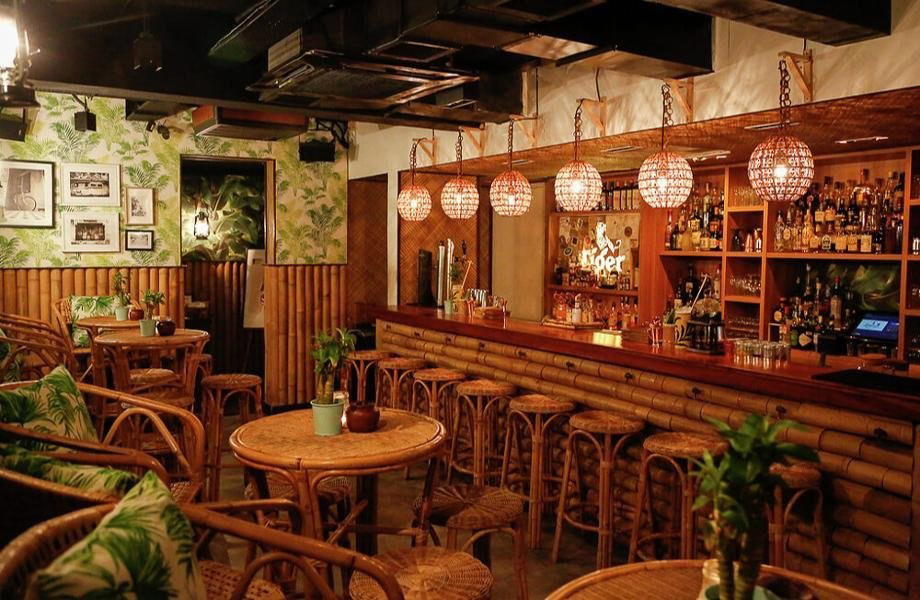
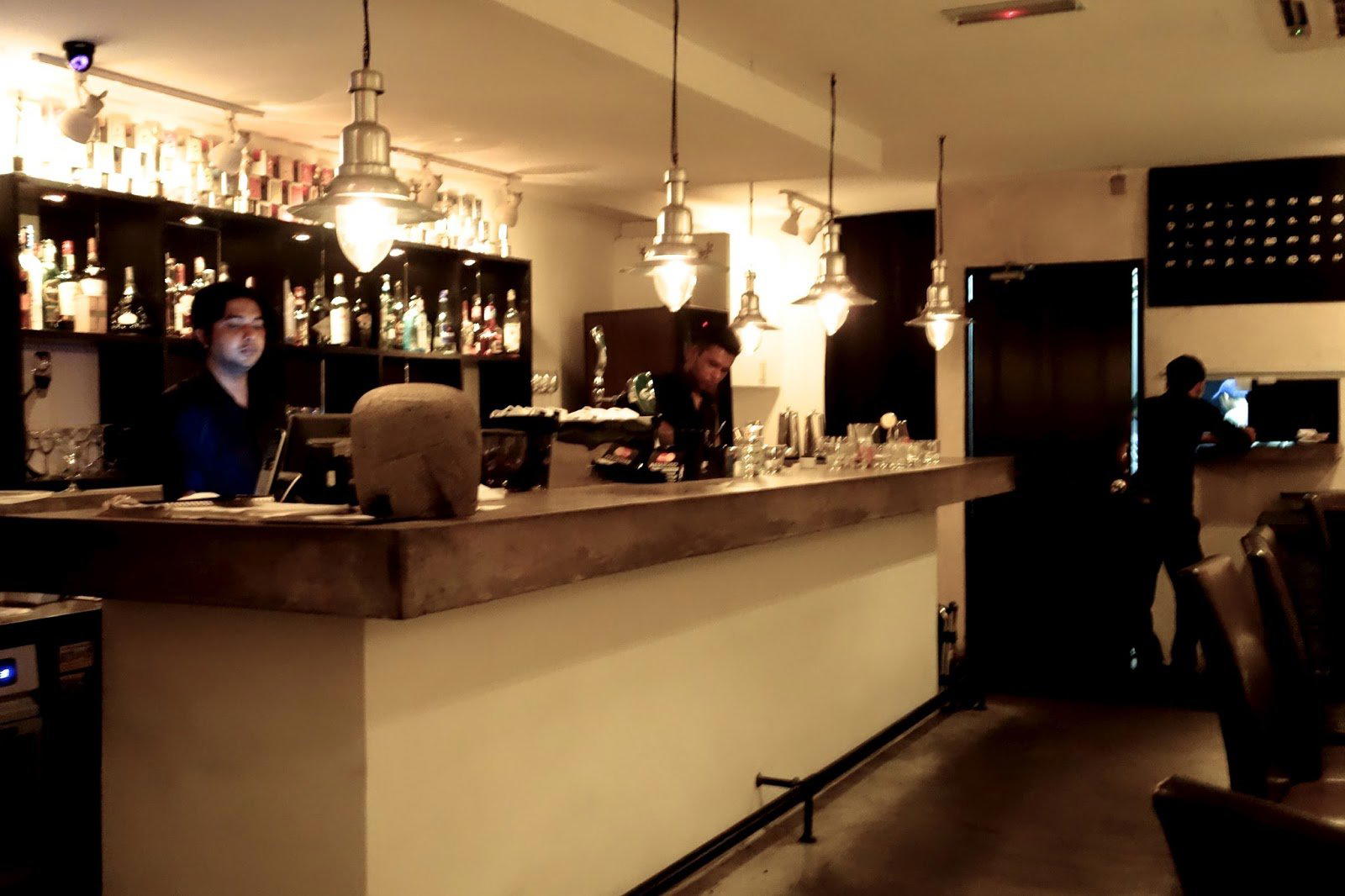
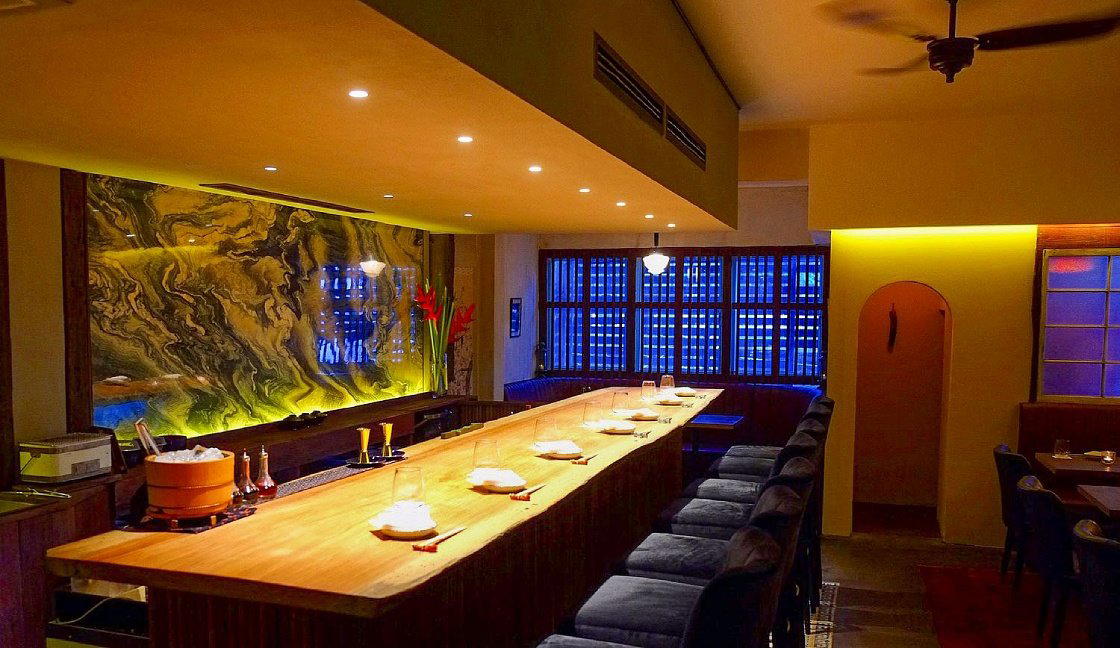
Bars in Kuala Lumpur
Browse all →
At a Glance
- Elegant
- Intimate
- Minimalist
- Serene
- Sophisticated
- Date Night
- Special Occasion
- Business Dinner
- Chefs Counter
- Open Kitchen
- Sake Program
Current opening hours
- Monday
- Closed
- Tuesday
- 12–3 PM, 7–10:30 PM
- Wednesday
- 12–3 PM, 7–10:30 PM
- Thursday
- 12–3 PM, 7–10:30 PM
- Friday
- 12–3 PM, 7–10:30 PM
- Saturday
- 12–3 PM, 7–10:30 PM
- Sunday
- 12–3 PM, 7–10:30 PM
Hours can change for holidays and private events. Last verified .
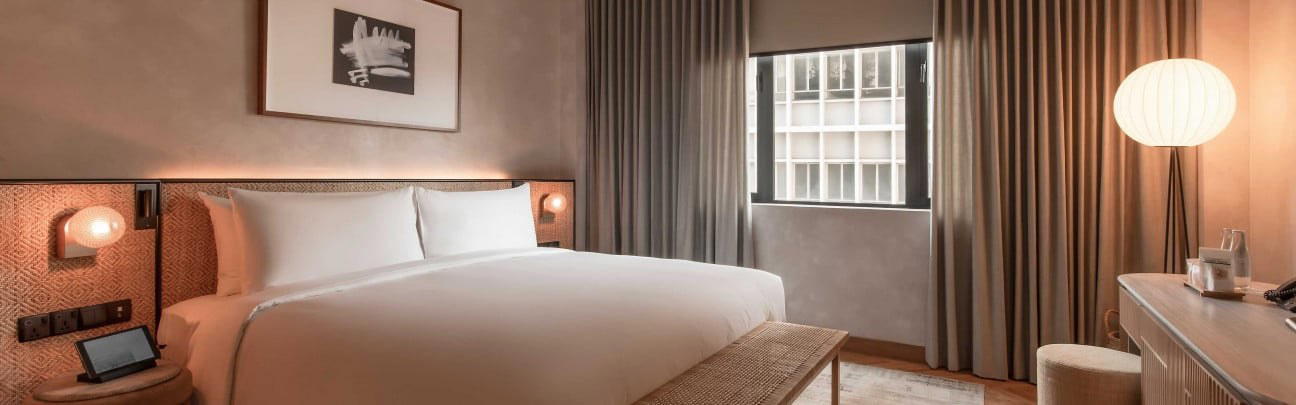
Serene and stylish with minimalist Japanese-inspired decor, cloud-like lanterns, fresh orchids, and zen elements around the curved sushi counter.