
Shima Restaurant sits along Mallorca's Formentor peninsula, holding a White Star recognition from Star Wine List for its wine program. The address places it within the island's northern reaches, where the dining scene tilts toward destination formats rather than casual neighbourhood eating. Visitors planning a table should treat this as an advance-booking property rather than a walk-in option.
Pearl is the En Primeur Club membership app — saves, bookings, and concierge access live there. Same editors, same standards.
- Address
- Carrer de Formentor, s/n, Mallorca
- Phone
- +34 971 62 66 81
- Website
- fourseasons.com
- Directions
- Get directions
 Saves & bookings on Pearl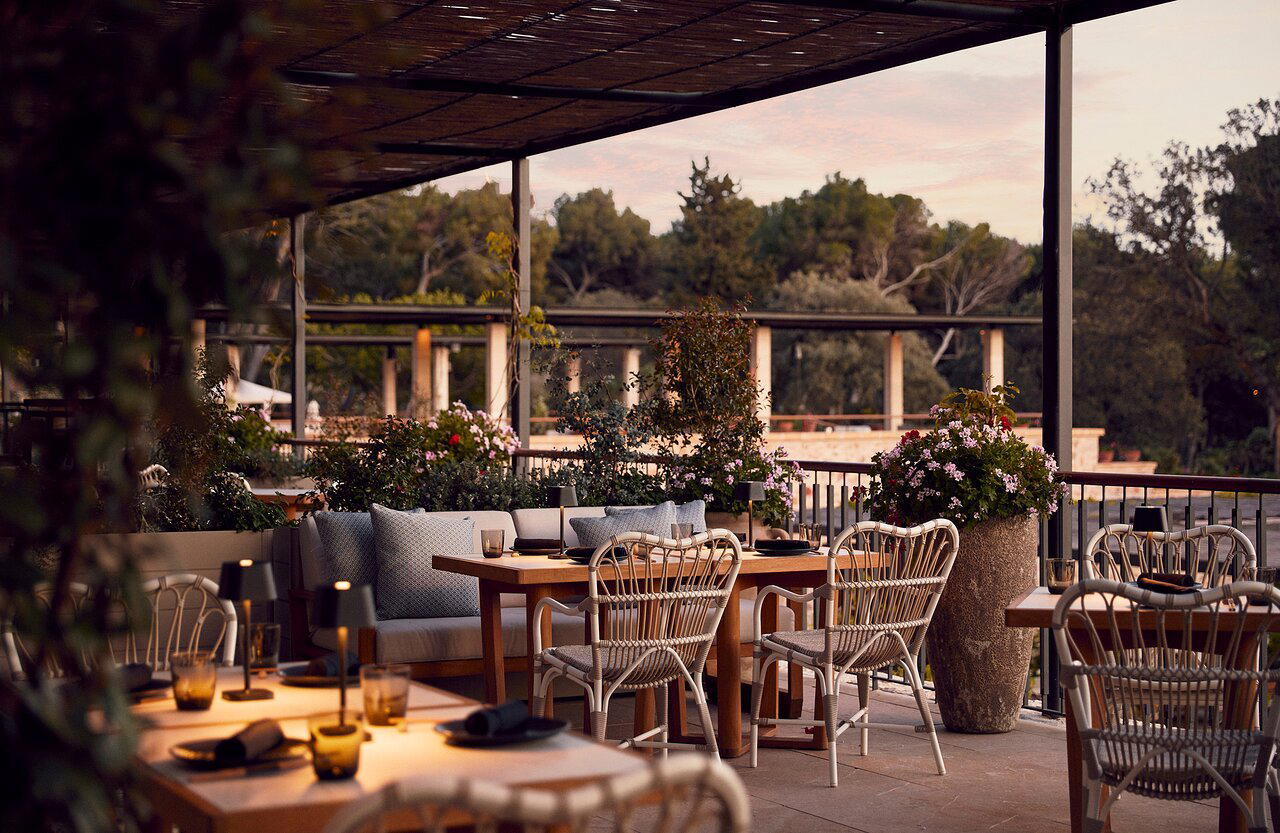
Where Mallorca's Northern Coast Sets the Dining Register
The Formentor peninsula operates at a different pitch from Palma's restaurant corridors or the tourist-facing terraces of the southwest coast. Here, the landscape is severe in the leading geological sense: limestone ridges, pine forest, and a coastline that looks outward toward Menorca rather than inward toward the mainland. Restaurants that position themselves along this stretch do so knowing their guests have already made a significant commitment of travel time and expectation. The setting does not forgive half-measures.
Shima Restaurant sits within that northern register, on Carrer de Formentor. The address alone communicates something about the format: this is not a restaurant you stumble into after a harbour walk. It is the kind of address that appears at the summit of a printed itinerary.
The Wine Recognition That Places Shima in Context
The concrete credential in Shima's current record is a White Star from Star Wine List, published in October 2025. Star Wine List operates as a specialist wine-focused recognition system, and its White Star designation signals that the wine program has passed a threshold of seriousness that most restaurants on any given island do not reach. This is a different category of distinction from a restaurant award: it speaks to list construction, depth of selection, and the overall relationship between wine service and the kitchen's output.
On Mallorca, wine culture has been quietly building its own credibility over the past two decades. The island's D.O. Binissalem and D.O. Pla i Llevant produce reds built on Manto Negro and Callet alongside international varieties, and a growing number of smaller producers have drawn serious attention from Spanish wine writers. A restaurant that earns specialist wine recognition in this context is operating in dialogue with that regional story, not simply stocking a generic hotel cellar.
Situating Shima Within Spain's Fine Dining Hierarchy
Spain's upper tier of restaurants remains among the more concentrated in Europe. The Basque Country alone accounts for a disproportionate share of the continent's Michelin stars, with operations like Arzak in San Sebastián, Azurmendi in Larrabetzu, and Mugaritz in Errenteria anchoring a tradition of technical ambition and ingredient fidelity that has shaped how younger Spanish chefs think about their craft. Catalonia contributes El Celler de Can Roca in Girona and Cocina Hermanos Torres in Barcelona. The Valencian coast has Quique Dacosta in Dénia and Ricard Camarena in València. Further south, Ángel León's Aponiente in El Puerto de Santa María has built an entire philosophy around marine ingredients. Madrid's DiverXO occupies its own aggressive category. And in the Basque heartland, Martin Berasategui in Lasarte-Oria remains among the more decorated tables in the country.
Against that national backdrop, Mallorca has historically been a supporting actor rather than a lead. The island attracts significant visitor wealth, particularly in summer, but serious culinary ambition has been slower to establish permanent roots here compared with the peninsula. That is shifting. Mel at Four Seasons Formentor is one visible example of this recalibration, but the broader effect has been to raise the ambient expectation for what a serious restaurant on this stretch of coastline should deliver.
The Cultural Roots of Mediterranean Island Cooking
Mallorcan cuisine carries a specific regional identity that gets diluted in tourist-facing formats but reasserts itself in serious kitchens. The island sits at the intersection of Catalan culinary heritage, Moorish agricultural legacy, and the practical traditions of a fishing and farming economy that had limited access to mainland supply chains. Sobrasada, the cured pork paste made with local paprika, is as much a cultural artifact as a condiment. Pa amb oli, bread rubbed with tomato and olive oil, functions as the island's answer to Catalan pa amb tomàquet but with its own textural and oil-forward character. The ensaïmada, a laminated pastry with roots traced to Arab baking traditions, is eaten at every hour and occasion.
A restaurant named Shima, a Japanese word for island, operating on an island in the western Mediterranean sets up an immediate cultural register question. Whether the name signals a Japanese culinary approach, a philosophical reference to insularity and place, or something more loosely aesthetic is a matter the available record does not resolve. What it signals to a reader is that the kitchen is not positioning itself as a direct repository of Mallorcan tradition. That positioning is neither a virtue nor a flaw in itself; it is, rather, a declaration of intent that the dining experience will carry some degree of conceptual distance from the obvious local vernacular.
Planning a Visit: Practical Framework
Shima sits on Carrer de Formentor, which places it toward the peninsula's access road rather than deep within the cape. Guests arriving from Palma face a drive of approximately one hour under normal conditions; the road narrows significantly once past Pollença, and in peak summer months, access to the Formentor area is subject to traffic restrictions that require advance planning or shuttle use. This is not incidental logistics: the journey is part of the experience, and anyone booking a dinner reservation here should account for transfer time in both directions, particularly if combining the meal with other northern Mallorca commitments.
Reservations are essential. For broader planning of a Mallorca stay,
Price and Recognition
Comparable venues nearby, for context on price, style, and recognition.
| Venue | Cuisine | Price | Notes |
|---|---|---|---|
| Shima RestaurantThis venue — the venue you are viewing | Not listed | $$$$ | Not listed |
| Mel at Four Seasons Formentor | Not listed | $$$$ | Port de Pollença, Mediterranean Farm-to-Table |
| Japan Meets Barcelona in Mandarin Oriental | Eixample, Japanese Fusion | $$$$ | Not listed |
| The View | Not listed | $$$$ | Near San Antonio, Modern Mediterranean & International Fine Dining |
| CDLC Barcelona | Not listed | $$$$ | la Barceloneta, Asian-Mediterranean Fusion |
| Mirador de Dalt Vila | Not listed | $$$$ | Dalt Vila (Old Town), Avant-Garde Mediterranean |
Recognition history
Dated appearances from independent guides and award organizations, with the underlying list record or original source where available.
Star Wine List
Star Wine List
Continue exploring
More in Mallorca
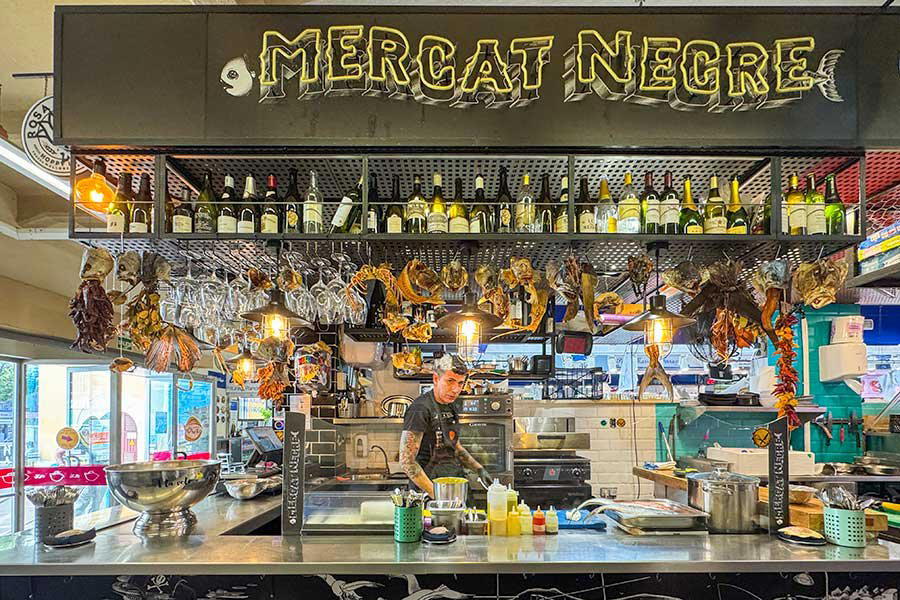
Restaurants in Mallorca
Browse all →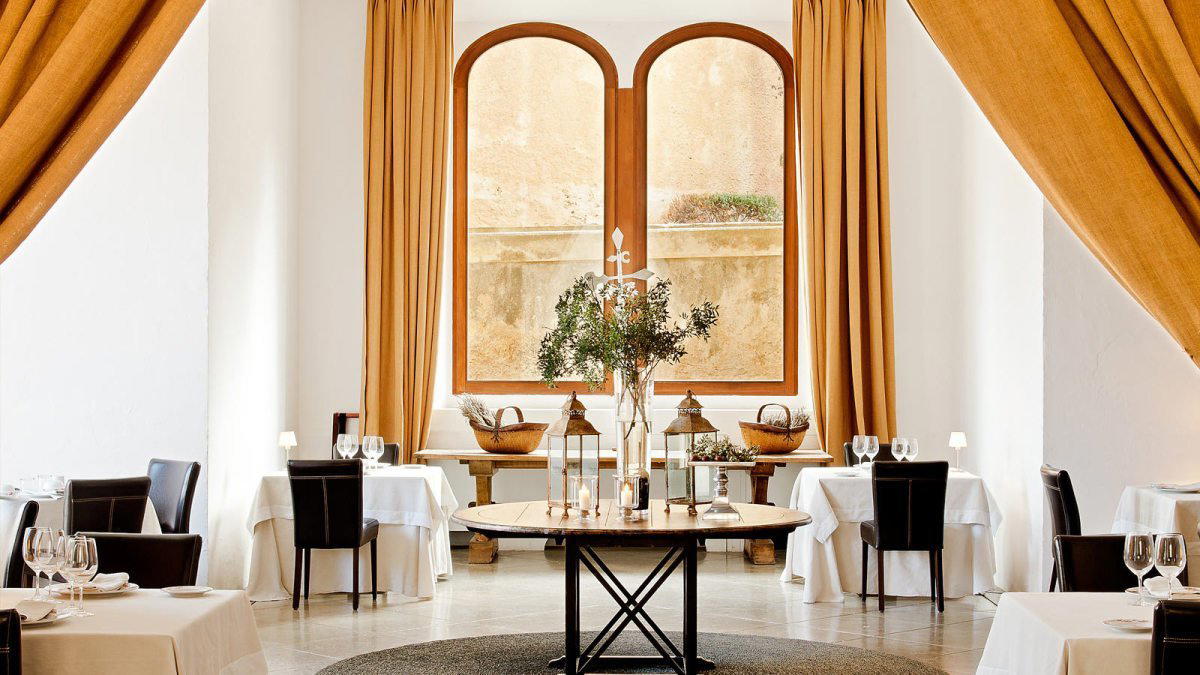
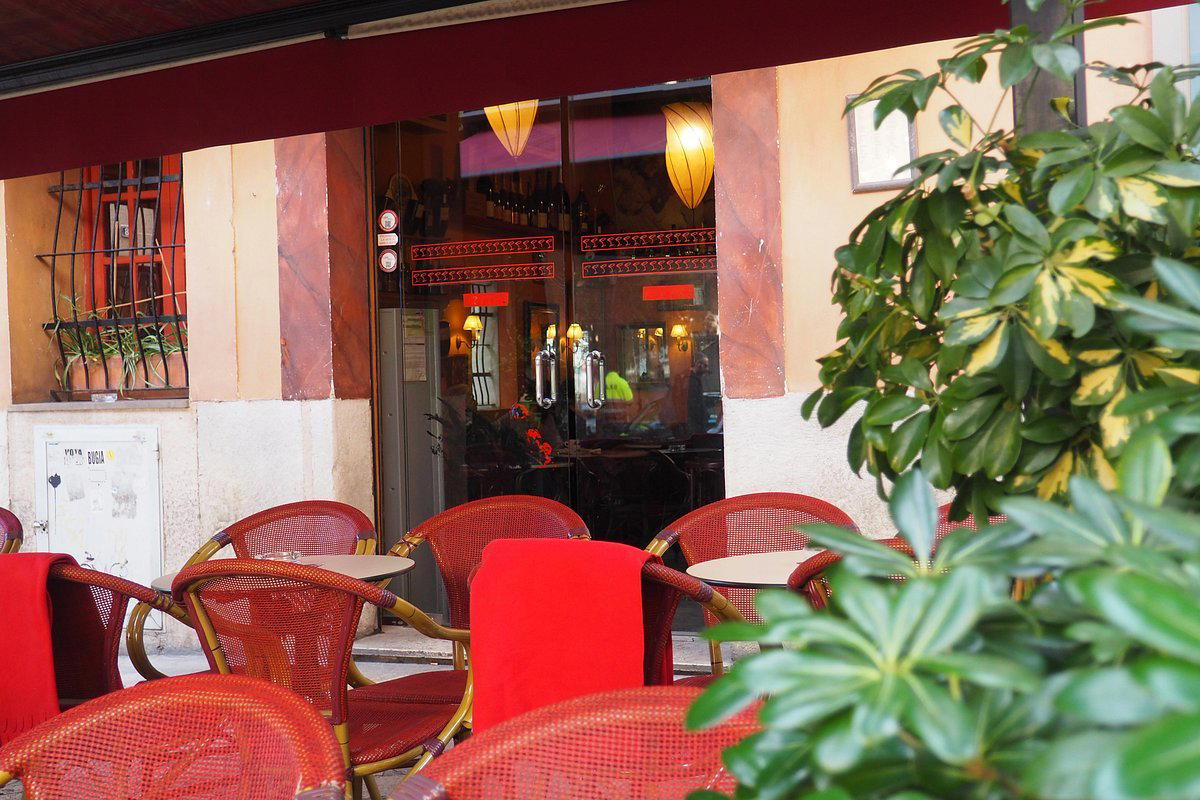
Bars in Mallorca
Browse all →

Hotels in Mallorca
Browse all →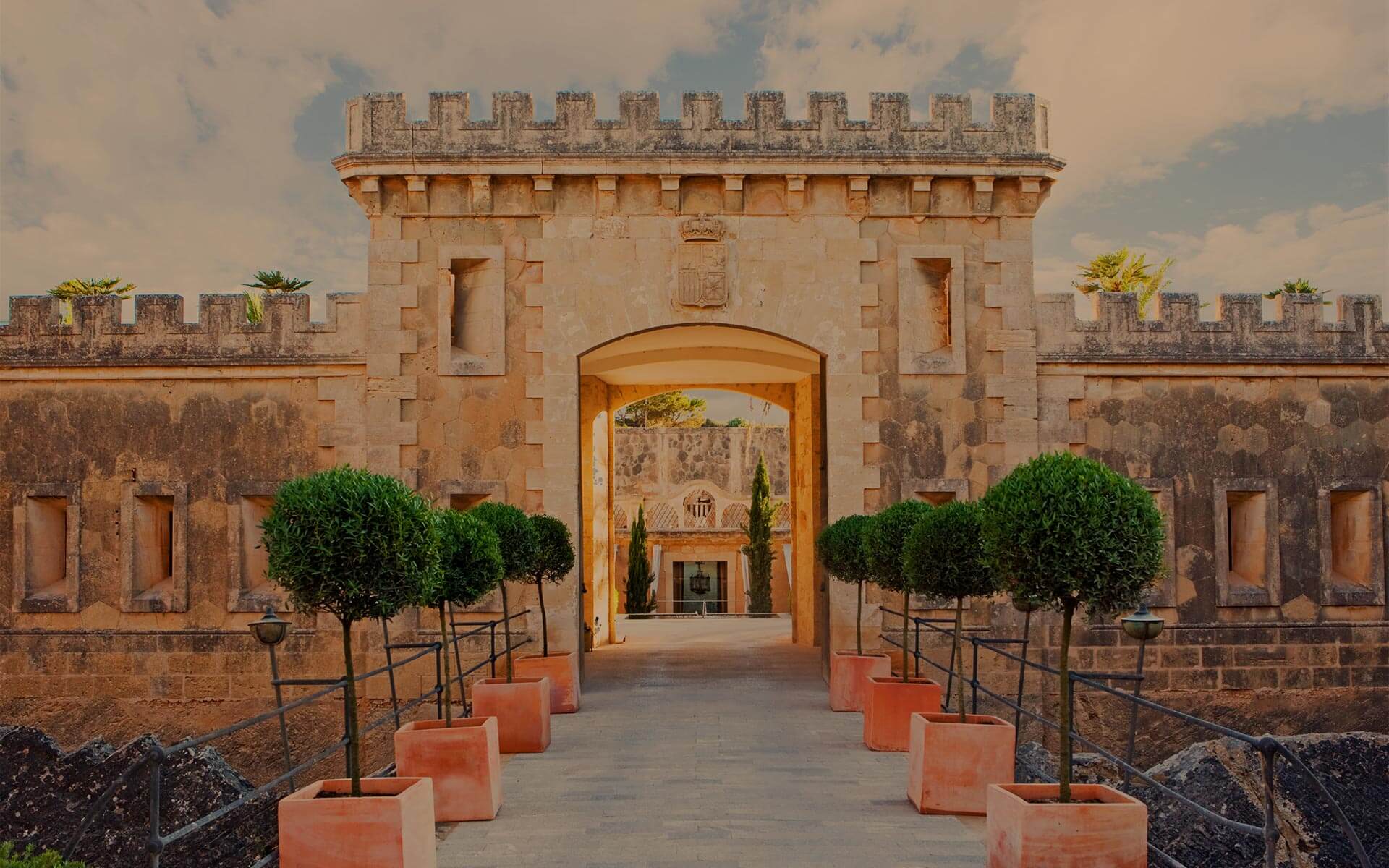
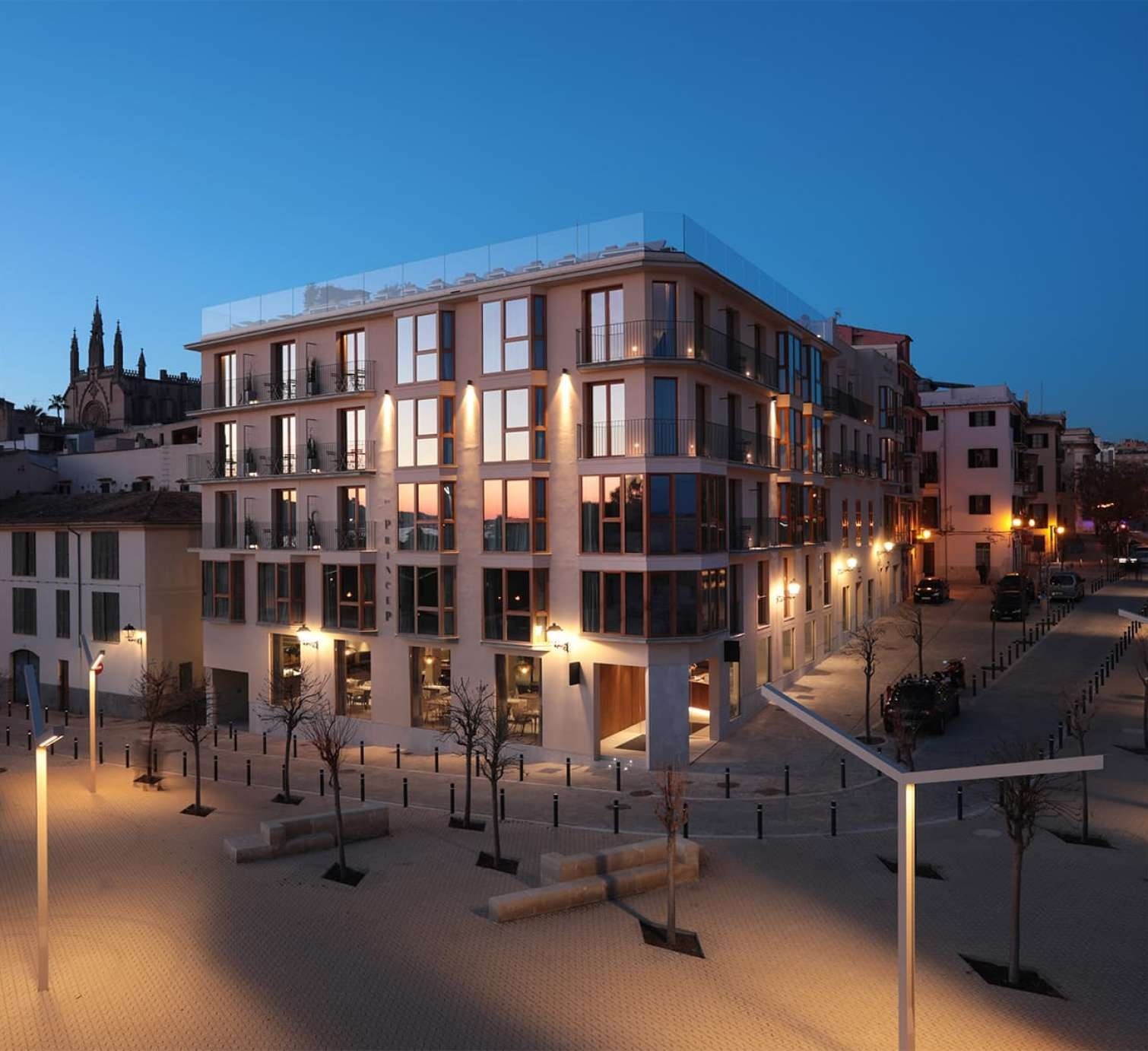
Wineries in Mallorca
Browse all →
At a Glance
- Elegant
- Romantic
- Sophisticated
- Scenic
- Date Night
- Special Occasion
- Celebration
- Terrace
- Waterfront
- Open Kitchen
- Hotel Restaurant
- Panoramic View
- Craft Cocktails
- Sommelier Led
- Waterfront
Current opening hours
- Monday
- 6:30–10 PM
- Tuesday
- 6:30–10 PM
- Wednesday
- 6:30–10 PM
- Thursday
- 6:30–10 PM
- Friday
- 6:30–10 PM
- Saturday
- 6:30–10 PM
- Sunday
- 6:30–10 PM
Hours can change for holidays and private events. Last verified .
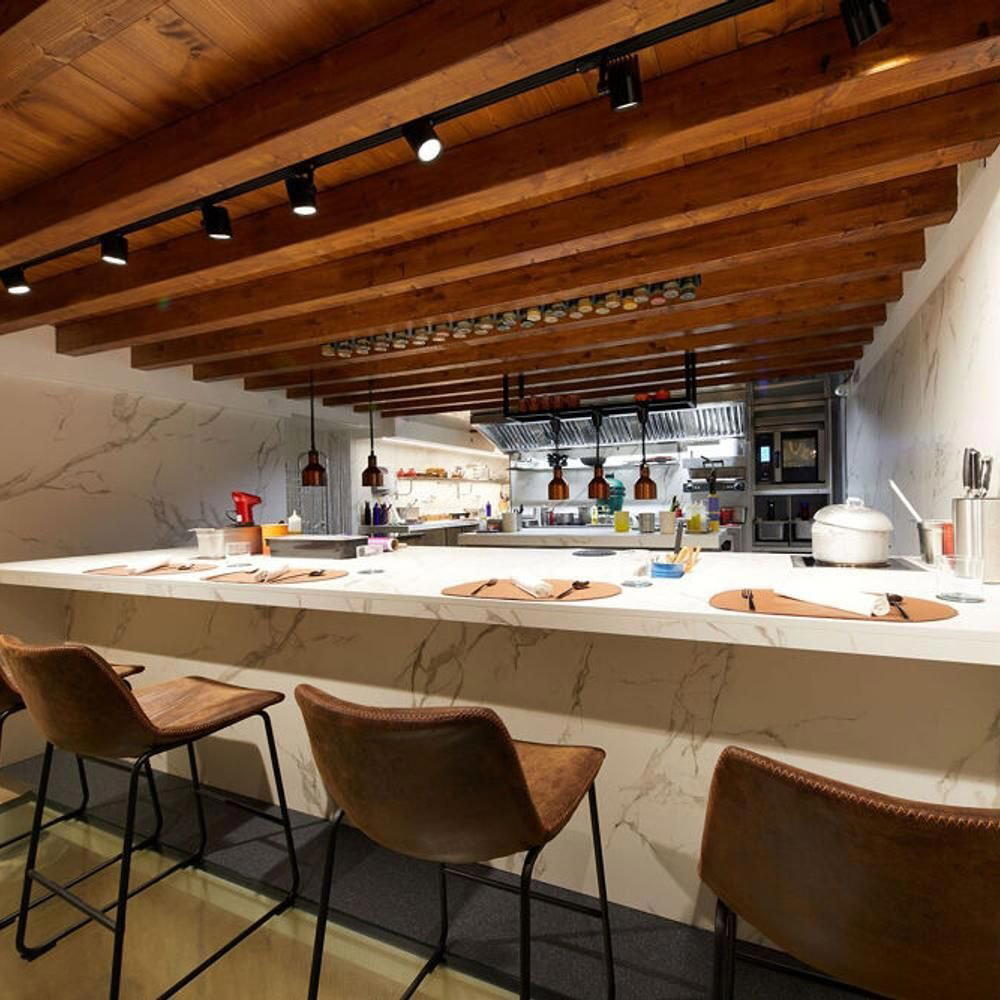
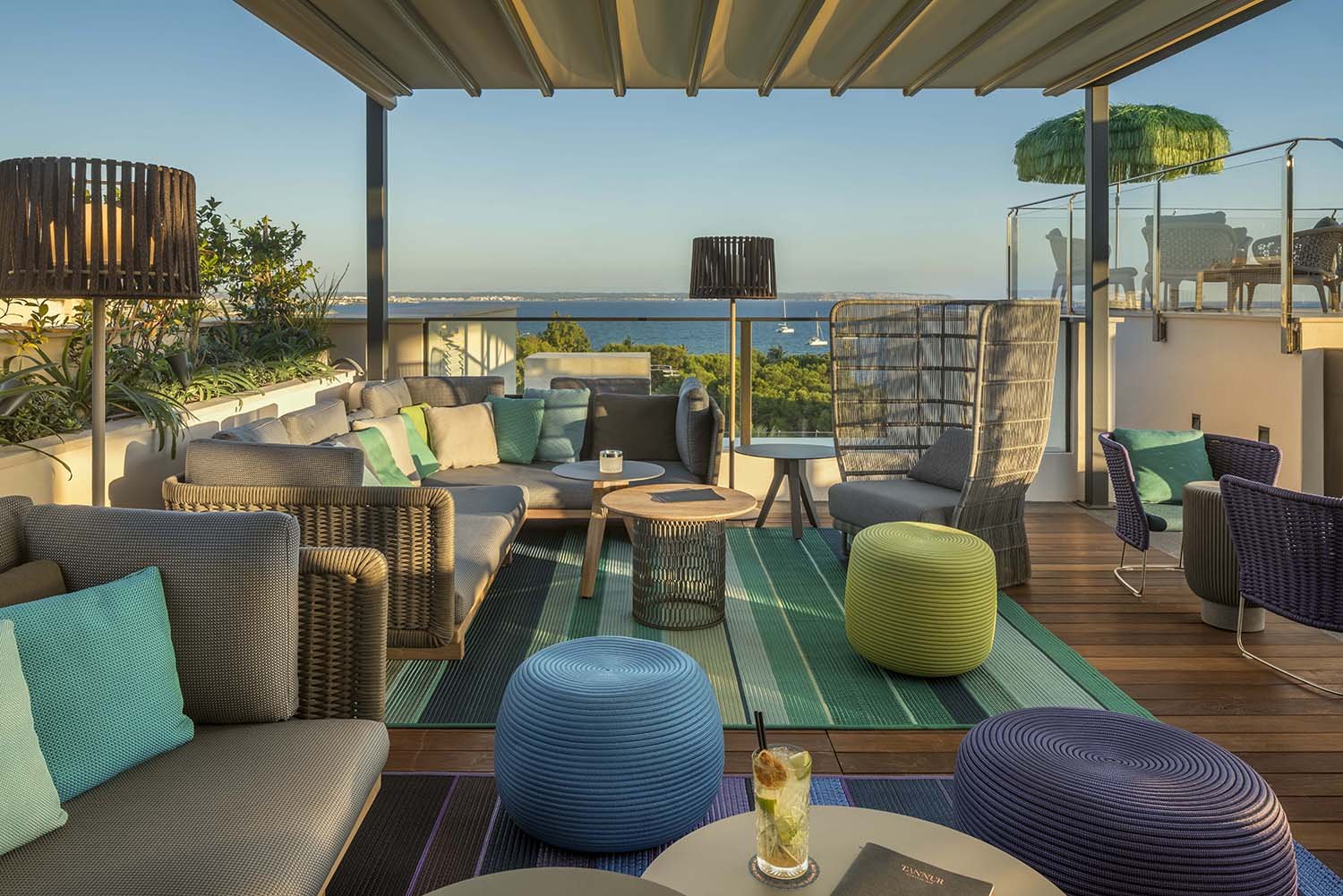
Soft lighting, curated music, and serene atmosphere creating a refined dining experience with an open kitchen concept.