
Shi Hui Yuan holds a Michelin Bib Gourmand (2024), placing it among Singapore's recognised street food addresses where price and quality align more reliably than the category average. In a city where hawker culture draws international attention alongside fine-dining accolades, this is one of the stalls earning both local queues and guidebook credibility. Rated 4.3 on Google, it represents the accessible end of Singapore's decorated food scene.
Pearl is the En Primeur Club membership app — saves, bookings, and concierge access live there. Same editors, same standards.
- Address
- Singapore
- Directions
- Get directions
 Saves & bookings on Pearl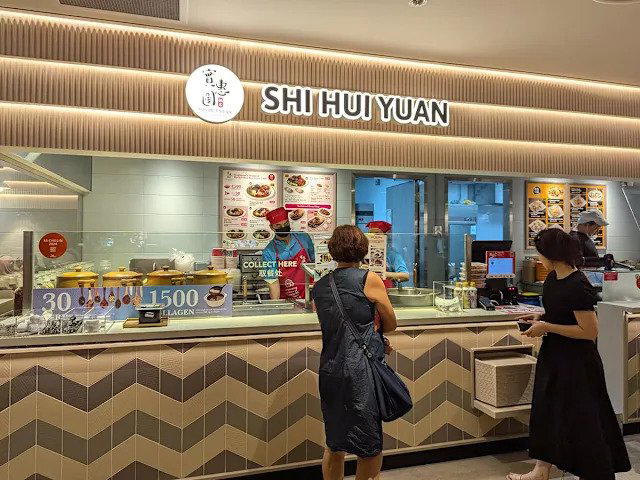
Where the Queue Tells You Something
Singapore's hawker centres operate on a logic that fine-dining rooms do not: the stall with the longest queue at 11am is rarely the one with the loudest signage. It is usually the one where someone has been doing the same thing, the same way, for long enough that the neighbourhood has quietly ratified it.
The Bib Gourmand designation is worth parsing. Michelin awards it specifically to addresses offering good cooking at a price point the guide considers reasonable. In Singapore, where the hawker tier runs from a few dollars to fifteen, the designation functions as a quality signal aimed directly at travellers who might otherwise default to the hotel restaurant. It is not a star, and it does not pretend to be. What it confirms is that inspectors returned, paid what everyone else pays, and decided the result merited a listing. That is a meaningful endorsement in a city where hundreds of stalls could plausibly compete for the same recognition.
The Hawker Tier in a Fine-Dining City
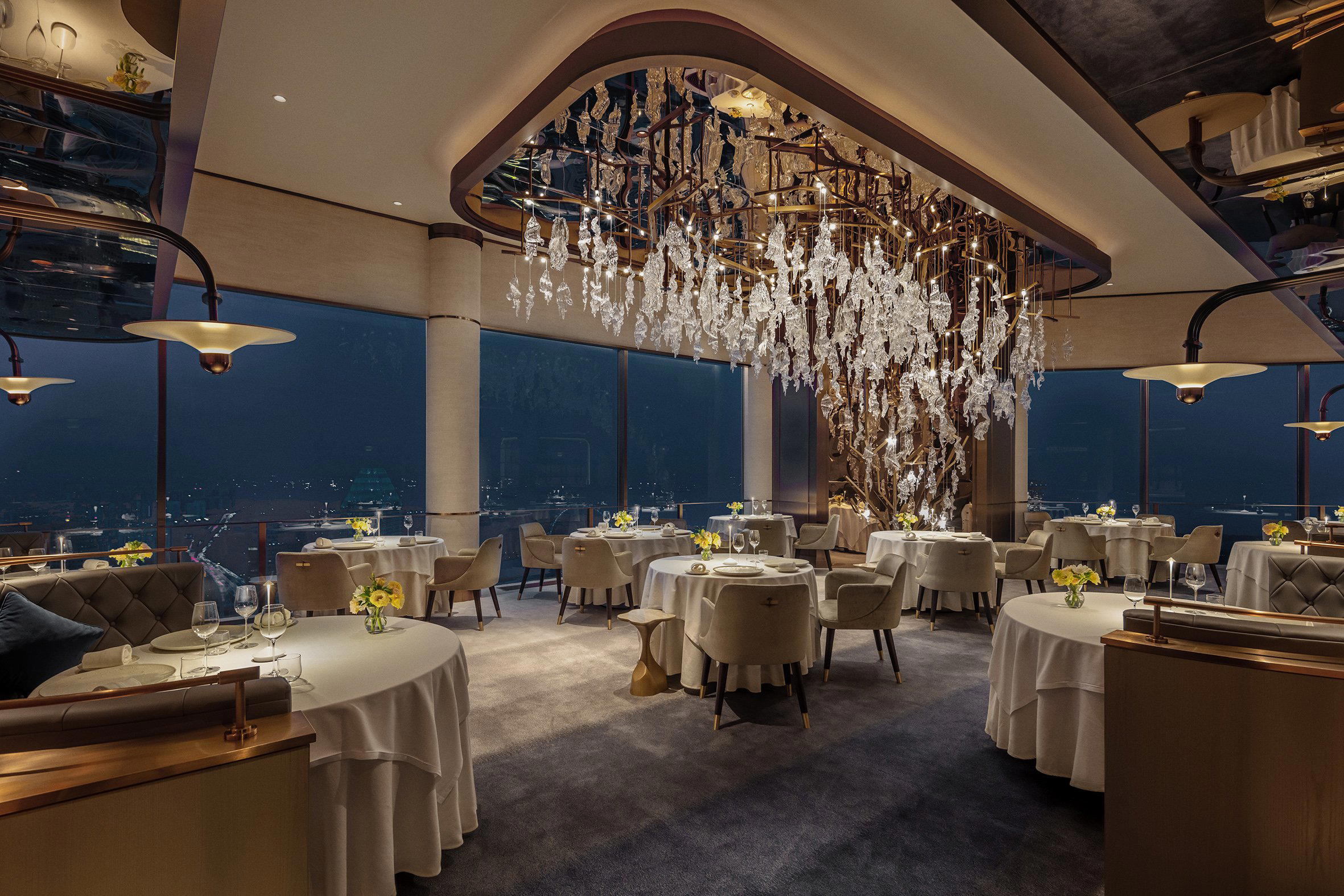
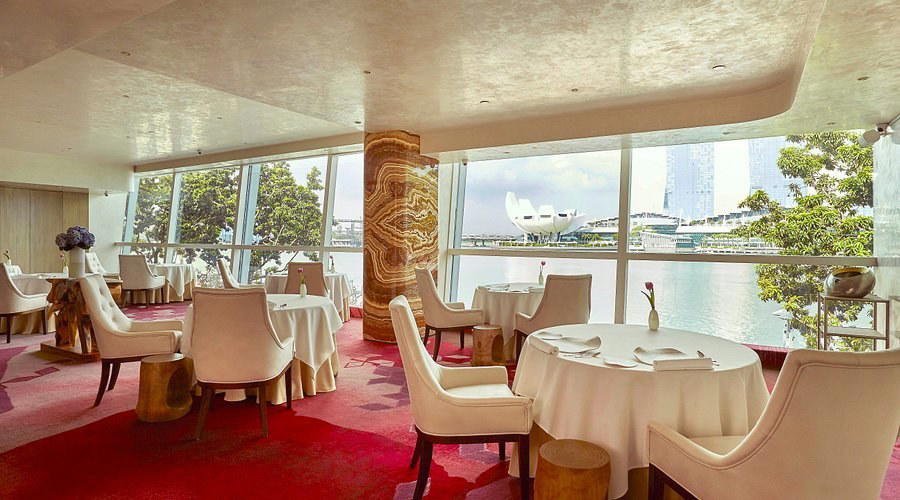
Singapore's food credentials now span a range that almost no other city of comparable size can match. At the upper end, you have European contemporary rooms like Zén at the four-dollar-sign bracket, creative tasting menus at venues like Born, and polished Cantonese cooking at Summer Pavilion. Further down the price register, the Bib Gourmand list runs parallel, a separate honours board for the hawker and casual tier where a meal rarely exceeds the cost of a single glass of wine at a starred restaurant.
Shi Hui Yuan occupies the single-dollar-sign bracket, which in Singapore street food terms means it prices against neighbouring hawker stalls rather than against the casual dining market. That positioning is not incidental. The stalls that earn Michelin recognition at this price point tend to be specialists: one dish, or a narrow range of dishes, executed with a consistency that the guides can verify across multiple anonymous visits. Compare that to the broader Singapore noodle scene, Hill Street Tai Hwa Pork Noodle, 545 Whampoa Prawn Noodles, 91 Fried Kway Teow Mee, and A Noodle Story, and the pattern becomes clear: decorated street food in Singapore is almost always the product of focused repetition rather than menu ambition.
That narrowness is, paradoxically, what makes planning around these stalls complicated. A hawker stall running on a single cook's pace has finite capacity by definition. It does not take reservations. It runs until the ingredients run out, and on a given day that might be before noon. The Michelin listing accelerates the queue without adding a single seat.
Planning Around a Hawker Stall: What the Booking Experience Actually Looks Like
The editorial angle on visiting a Bib Gourmand hawker stall is, frankly, a logistics exercise. There is no reservation system to engage with, no concierge at a partner hotel who can call ahead. The conventional tools of the premium travel experience do not apply here, and that is precisely the point. You arrive early, you read the queue, and you adjust your morning around what you find.
For context, the visited Michelin-recognised hawker stalls in Singapore, including peers like Adam Rd Noo Cheng Big Prawn Noodle, routinely see queues that extend well beyond the hawker centre itself during peak morning hours on weekends. The practical solution most regulars have arrived at is direct: arrive within the first thirty minutes of opening, go on a weekday where possible, and treat the queue as a variable rather than a barrier. The meal itself, at this price tier, takes less time than the wait.
Word of mouth, neighbourhood knowledge, and the Michelin guide's annual update are the primary information channels. Travellers accustomed to booking windows and confirmation emails will need to reframe their expectations before they arrive.
This is, in some ways, what makes the Singapore hawker circuit worth engaging with seriously. The friction is low-stakes and the reward is a meal that costs less than a taxi ride. The experience sits at a different register from the city's fine-dining circuit, but the culinary seriousness behind the cooking is the same impulse expressed through a different set of constraints.
Where Shi Hui Yuan Fits in a Broader Singapore Itinerary
A well-constructed Singapore food itinerary tends to move across price registers deliberately rather than staying in one lane. The Bib Gourmand tier handles breakfast and lunch efficiently; the mid-range and starred rooms absorb the evenings. Shi Hui Yuan slots into the morning or midday slot, where hawker culture is at its most concentrated and the city's food identity is most legible.
For travellers building across the region, the comparison set extends beyond Singapore. The same dynamic, locally revered street food earning formal Michelin recognition, plays out in George Town, where stalls like 888 Hokkien Mee (Lebuh Presgrave), Ah Boy Koay Teow Th'ng, Air Itam Duck Rice, and Air Itam Sister Curry Mee operate at similar intersections of tradition and recognition. In Thailand, the model extends to Phuket addresses like A Pong Mae Sunee and further-flung spots like Anuwat in Phang Nga. Even Hong Kong's informal tier, represented by places like Banana Boy, follows recognisable patterns: narrow focus, repeat execution, earned rather than marketed reputation.
The restaurant belongs to that regional continuum, functioning as evidence that formally recognised food in Southeast Asia does not require a reservation, a dress code, or a credit card minimum spend.
Explore More in Singapore
A Minimal comparable set
Comparable venues nearby, for context on price, style, and recognition.
| Venue | Cuisine | Price |
|---|---|---|
| Shi Hui YuanThis venue — the venue you are viewing | CITY HALL, Singapore Hor Fun | $$ |
| Jade Palace Seafood Restaurant | BOULEVARD, Traditional Cantonese Seafood | $$ |
| Adam Rd Noo Cheng Big Prawn Noodle | DUNEARN, Singaporean Big Prawn Noodles | $ |
| Hokkien Man Hokkien Mee | PEI CHUN, Hokkien Fried Noodles | $$ |
| Nam Sing Hokkien Fried Mee | ALJUNIED, Hokkien Fried Mee | $ |
| Han Kee | MAXWELL, Singaporean Fish Soup | $ |
Recognition history
Dated appearances from independent guides and award organizations, with the underlying list record or original source where available.
Michelin Bib Gourmand
Michelin
Continue exploring
More in Singapore
Restaurants in Singapore
Browse all →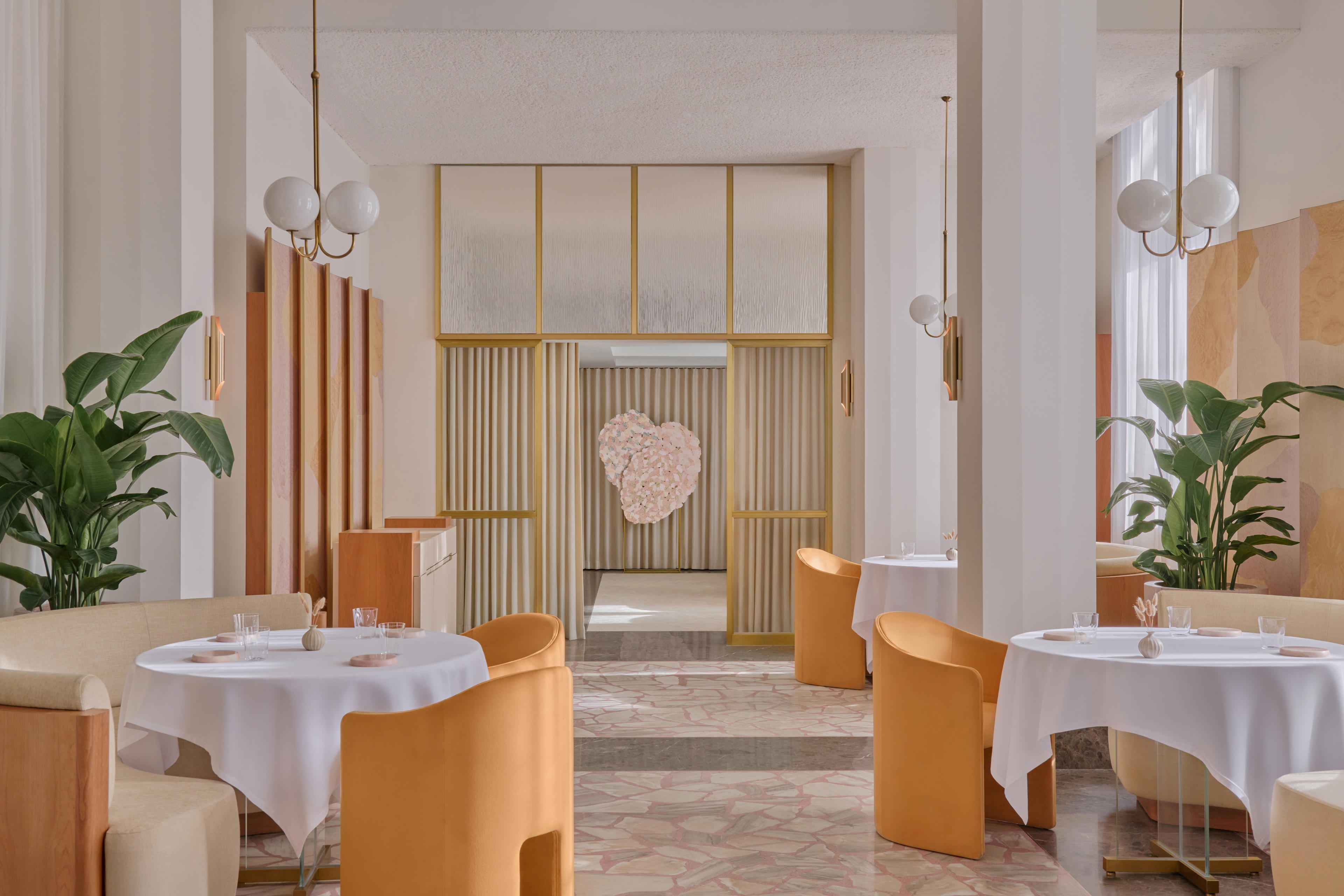
Bars in Singapore
Browse all →
At a Glance
- Lively
- Casual Hangout
Hawker centre setting that is large, airy, and spacious but crowded and lively during meal times.