Shawarma city
Shawarma City on Alexanderstraße sits inside Düsseldorf's growing Middle Eastern street-food corridor, where the production methods and spice logic of the Levant meet a German audience with increasingly calibrated expectations. The counter format and walk-in rhythm place it firmly in the city's casual-eat tradition, where speed and substance share equal billing.
Pearl is the En Primeur Club membership app — saves, bookings, and concierge access live there. Same editors, same standards.
- Address
- Alexanderstraße 36, 40210 Düsseldorf, Germany
- Phone
- +4921117839097
- Directions
- Get directions
 Saves & bookings on Pearl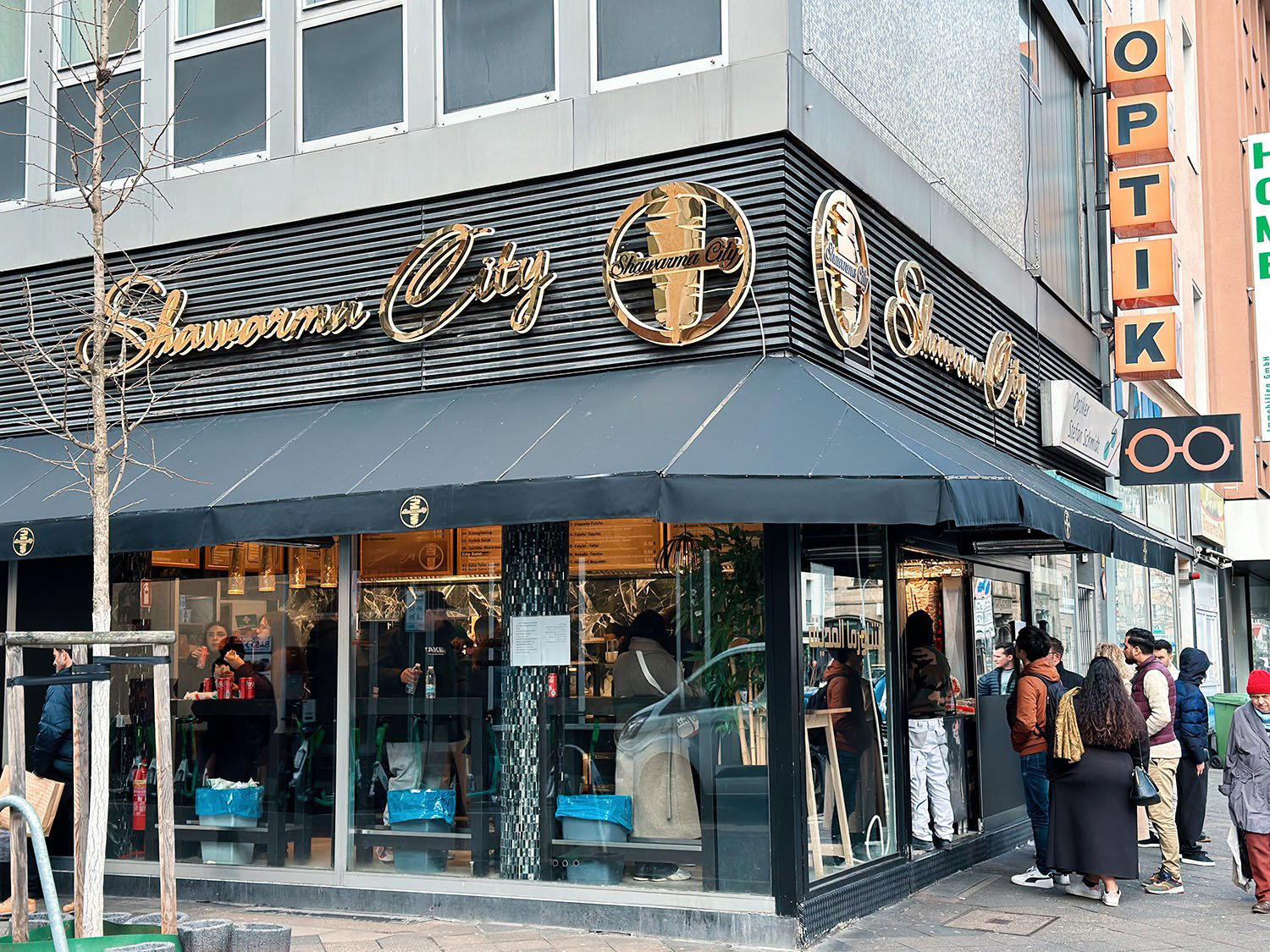
Düsseldorf's Street-Food Middle Ground
Alexanderstraße runs through one of Düsseldorf's more commercially layered districts, a stretch where Turkish and Middle Eastern food operators have been quietly building density for over two decades. The street doesn't draw the same tourist attention as the Altstadt, but for anyone tracking where the city's casual dining is actually shifting, it's a more instructive address. Shawarma City occupies a spot in that current: a counter-format operation serving a cuisine whose production logic — rotating vertical spit, spice-forward marinade, freshly baked flatbread — belongs to a tradition with deep regional roots and a now-global footprint.
Across Germany, the döner kebab industrialised that tradition into a fast-food category. What the newer wave of shawarma specialists tends to do is pull it back toward the Levantine source: tighter spice profiles, different meat preparations, and bread formats that differ from the German-adapted döner bun. Düsseldorf's version of this tension plays out across a cluster of operators, and Shawarma City is one of the addresses where those distinctions become legible.
The Levantine Method in a German Context
Shawarma as a technique is not complicated to describe, but it's technically demanding to execute well. The marinade depth, the rotation speed relative to heat, the fat content of the meat blend, the carving pressure, each variable affects the final texture and moisture retention in the wrap. In the Levant, these details are absorbed over years in family or professional kitchens. When operators transplant that method to a German city, the results vary significantly depending on whether the sourcing and preparation discipline traveled with the technique.
Düsseldorf has enough Middle Eastern communities, particularly Lebanese and Syrian, that the knowledge base for this cuisine exists locally. That matters more than it might seem: it creates a reference audience that can distinguish between an adapted product and a more faithful one. The presence of that audience tends to keep standards honest in a way that a purely tourist-facing operation rarely has to worry about. For visitors unfamiliar with the category, that social proof is worth noting. Operators on streets like Alexanderstraße are cooking for people who eat this food regularly, not just for curious passers-by.
The broader German street-food scene has been working through this kind of recalibration across multiple cuisines. The banh mi corridor that has emerged in several cities, the ramen counters operating outside the Japanese-tourist circuits, and the shawarma specialists distinguishing themselves from the döner mainstream all follow a similar pattern: a diaspora community's home cuisine gets a more technically faithful revival as the community grows and its culinary standards become commercially viable. For context on how that pattern plays out at the high end of German dining, compare the sourcing philosophy at operations like Aqua in Wolfsburg or JAN in Munich, the principle of ingredient fidelity driving outcome is the same, even if the price tier and formality differ by an order of magnitude.
Where Shawarma City Sits in the Düsseldorf Casual Tier
The casual dining map in Düsseldorf is more varied than a first pass suggests. The Altstadt concentration of tourist-facing food operations coexists with a set of neighbourhood-rooted specialists that serve a local constituency. Alanya Döner represents one strand of that: the established Turkish operation with a loyal repeat customer base. 3h's Burger & Chicken sits in the fast-casual protein-forward category that now competes for similar lunch and late-night slots. Shawarma City occupies a position that overlaps with both but draws from a distinct culinary tradition.
For visitors working through Düsseldorf's mid-range food options, the distinctions between these operators matter. The döner and the shawarma share a vertical-spit lineage, but the spice logic, bread choice, and accompaniment set differ in ways that make them genuinely different eating experiences rather than interchangeable categories. Operators like Arca Alacati and Anfora cover other parts of the Mediterranean and Turkish food register in the city, which gives Düsseldorf's casual international food scene more internal range than most comparable German cities outside Berlin and Frankfurt.
At the higher end of the city's food culture, the contrast sharpens. Michelin-level addresses like Vendôme in Bergisch Gladbach and Schwarzwaldstube in Baiersbronn operate in a different universe of investment and formality, but both reflect the same underlying principle: technique applied with discipline to sourced ingredients produces measurably different results. That principle doesn't belong to any price tier. It applies equally on Alexanderstraße.
Germany's Broader Street-Food Reference Points
Anyone tracking Germany's serious dining tier will know addresses like ES:SENZ in Grassau, Schanz in Piesport, or Victor's Fine Dining by Christian Bau in Perl. Further afield, Waldhotel Sonnora in Dreis and Restaurant Haerlin in Hamburg anchor the country's formal dining reputation internationally. Internationally, concept-driven operations like CODA Dessert Dining in Berlin, Le Bernardin in New York City, and Atomix in New York City show how far the technical conversation has traveled in fine dining. The casual street-food end of the market is running a parallel conversation, less documented but no less consequential for anyone eating in Germany's cities daily.
Düsseldorf's version of that conversation is worth following through our full Düsseldorf restaurants guide, which maps the city's food operators across tiers and neighbourhoods. For wine and small-plate options in the same city, Amuni Wein- und Käsebar covers a different register entirely but speaks to the same increasingly calibrated Düsseldorf audience.
Know Before You Go
| Address | Alexanderstraße 36, 40210 Düsseldorf, Germany |
|---|---|
| Cuisine | Middle Eastern / Shawarma |
| Format | Counter service, casual |
| Booking | Walk-in. |
| Price | Price range not confirmed; typical for casual street-food counter format in this district |
| Hours | Not confirmed; verify before visiting |
| Phone / Website |
Continue exploring
More in Düsseldorf
Restaurants in Düsseldorf
Browse all →
Bars in Düsseldorf
Browse all →
Hotels in Düsseldorf
Browse all →
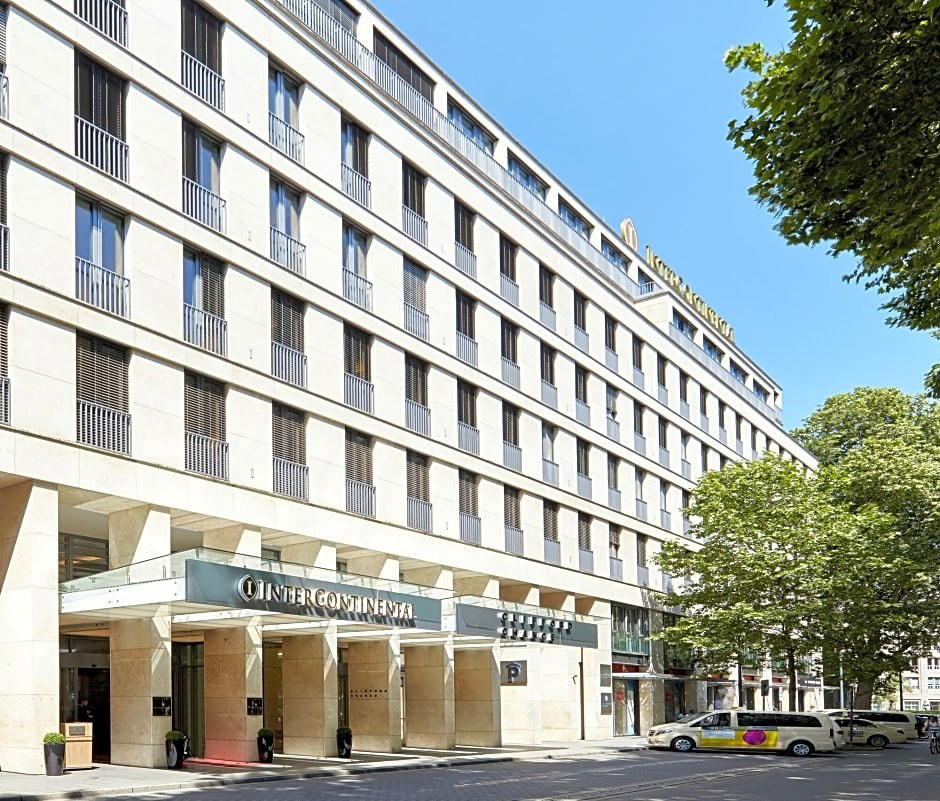
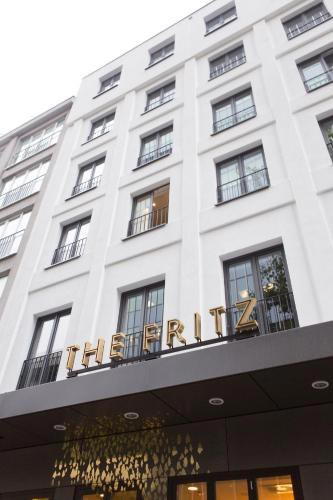
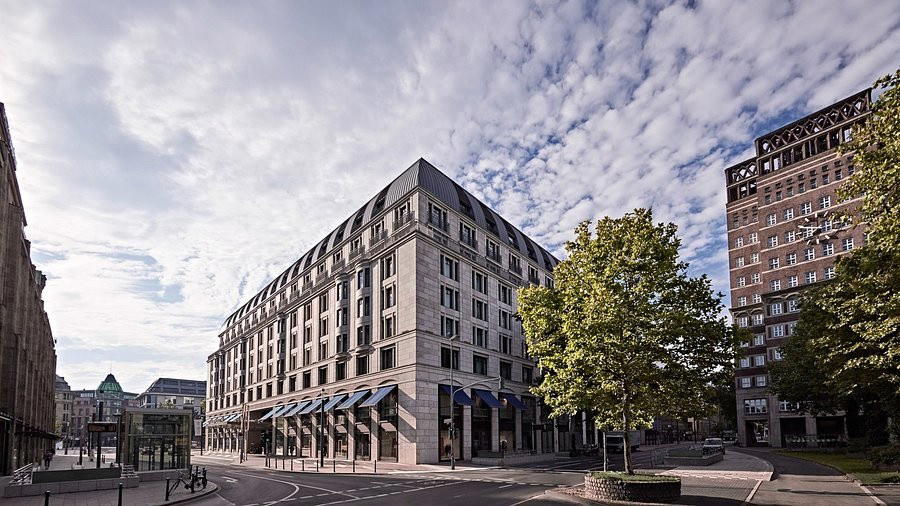
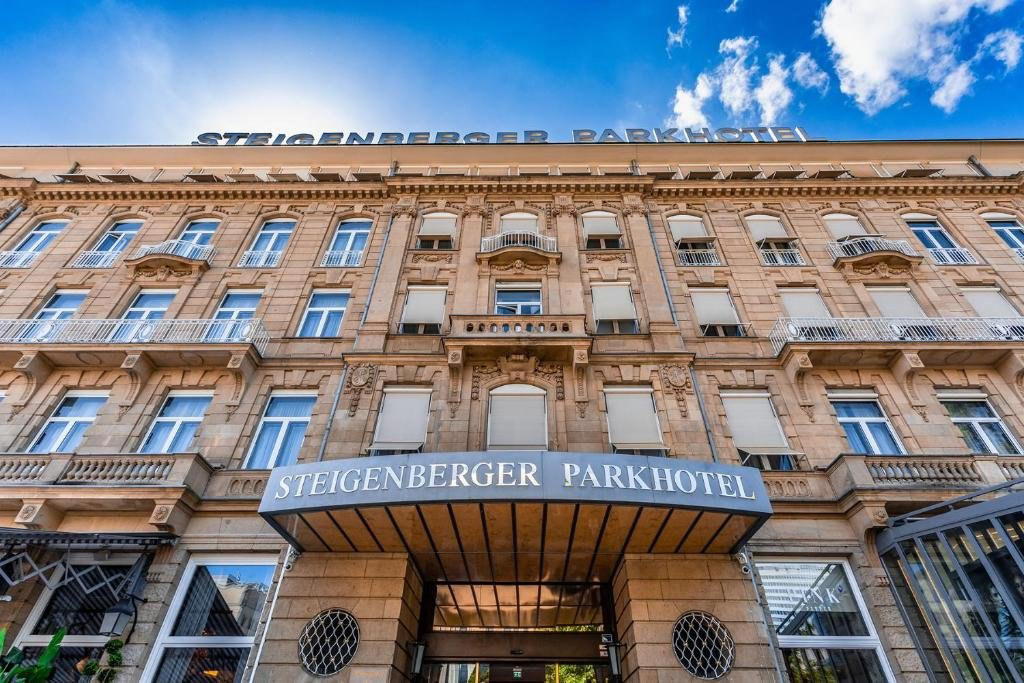
Wineries in Düsseldorf
Browse all →
At a Glance
- Cozy
- Lively
- Casual
- Casual Hangout
- Late Night
- Solo
- Family
- After Work
- Open Kitchen
Current opening hours
- Monday
- 10 AM–1 AM
- Tuesday
- 10 AM–1 AM
- Wednesday
- 10 AM–1 AM
- Thursday
- 10 AM–1 AM
- Friday
- 10 AM–2 AM
- Saturday
- 10 AM–2 AM
- Sunday
- 10 AM–1 AM
Hours can change for holidays and private events. Last verified .
Welcoming and reminiscent of home cooking; characterized by long queues typical of popular casual dining spots, with a lively street-food atmosphere.
Know Before You Go
- Getting there
- Alexanderstraße 36, 40210 Düsseldorf, Germany