Shangri-La
Our verdict
sits on Orchard Lake Road in West Bloomfield Township, placing it within the suburban dining corridor that serves North Farmington's most consistent restaurant traffic. Details on cuisine, format, and pricing are limited in the public record, making a direct comparison to credentialed peers difficult — but the address alone positions it within a market where sourcing standards and format discipline are increasingly what separate the serious operations from the casual ones.

Pearl is the En Primeur Club membership app — saves, bookings, and concierge access live there. Same editors, same standards.
The menu
What to order
- Dim sum
- Sushi
- Red curry
- Green curry
- Massaman curry
West Bloomfield's Dining Corridor and What It Demands
Orchard Lake Road through West Bloomfield Township is one of the more competitive stretches of suburban dining in metro Detroit. The road has accumulated decades of restaurant turnover — concepts that opened optimistically and closed quietly — which means the addresses that have stayed, or drawn attention, tend to have something concrete anchoring them. Proximity to affluent residential communities in North Farmington and West Bloomfield has kept the corridor's expectations relatively high: this is not a strip of convenience dining. The clientele along this stretch tends to be local, repeat, and specific about what they want, which creates a different kind of pressure than a downtown tourist corridor. A venue on Orchard Lake Road earns its regulars or it doesn't last. That context matters when reading any restaurant at this address.
For those building a picture of North Farmington's dining options more broadly, our full North Farmington restaurants guide maps the area's options with that suburban-specific editorial lens.
The Sourcing Question in Suburban Fine Dining
Across American dining at every price tier, the gap between restaurants that articulate a sourcing philosophy and those that don't has widened considerably. At the upper end of the market, that philosophy is now table stakes. Places like Blue Hill at Stone Barns in Tarrytown have made farm-to-table sourcing the structural premise of the entire operation, not an addendum to the menu. Single Thread Farm in Healdsburg goes further, integrating an on-site farm with the restaurant's omakase-style progression so that what grows that week shapes what's served that night. These are extreme cases, but they define what the credentialed end of American dining now treats as baseline transparency.
Suburban restaurants operate under different constraints. Distribution networks, kitchen size, and price-point pressure mean most suburban venues source from a mix of regional suppliers, broadline distributors, and, at leading, a handful of named local farms for headline ingredients. The question worth asking of any restaurant in the West Bloomfield corridor is not whether it sources everything locally, almost none do, but whether it knows what it's sourcing and can say so with specificity. That distinction separates the careful operators from the indifferent ones, and it's where suburban dining either closes or widens the gap with its urban counterparts.
For comparison, Bacchanalia in Atlanta has long maintained supplier relationships that are traceable and publicized, while Frasca Food and Wine in Boulder anchors its regional identity partly in Colorado-sourced product. Both operate in non-coastal cities and demonstrate that sourcing discipline is not geography-dependent. It's a choice of operational priority.
What the Record Shows, and Doesn't
's public record is sparse. That absence of credentialing data is itself information. Restaurants that have accumulated Michelin recognition, James Beard nominations, or sustained coverage in named publications tend to have that data circulate into the public record. The absence here doesn't confirm mediocrity, some genuinely capable restaurants operate with almost no public profile, but it does mean that comparison against credentialed peers requires caution.
The restaurants against which might nominally be placed in national conversation, Le Bernardin in New York City, Alinea in Chicago, The French Laundry in Napa, or Addison in San Diego, carry decades of documented credentials, published tasting menus, and verifiable sourcing partnerships. That's a different tier entirely, and placing alongside them without evidence would be misleading. What can be said is that the West Bloomfield corridor has historically supported serious dining when the concept is disciplined, and the address carries that ambient possibility.
Nearby, The Stage Deli represents the more casual, long-established end of North Farmington's dining mix, a useful anchor for understanding the range that exists in this particular suburban market.
The Broader American Suburban Dining Pattern
What's happened to American suburban dining over the past decade is a compression of the quality gap between urban and suburban restaurants, driven partly by chef migration away from high-rent city markets and partly by suburban clientele that has become more traveled and more specific in its demands. Places like Lazy Bear in San Francisco and Atomix in New York City have demonstrated that format discipline and sourcing rigor can coexist with relatively intimate operations. That model has begun to filter outward. Michigan specifically has a food-production base that gives local restaurants genuine sourcing options, Great Lakes fish, Michigan-grown produce, regional dairy, that a thoughtful kitchen can put to use without the logistical overhead that Pacific or Atlantic coastal sourcing implies.
Restaurants that have absorbed that lesson in other Midwestern and regional markets include Brutø in Denver, which operates with a tightly curated sourcing philosophy in a non-coastal city, and Causa in Washington, D.C., which frames its regional identity around a specific culinary tradition. The point is that serious sourcing is now possible, and expected, across a much wider geography than it was fifteen years ago.
Planning a Visit
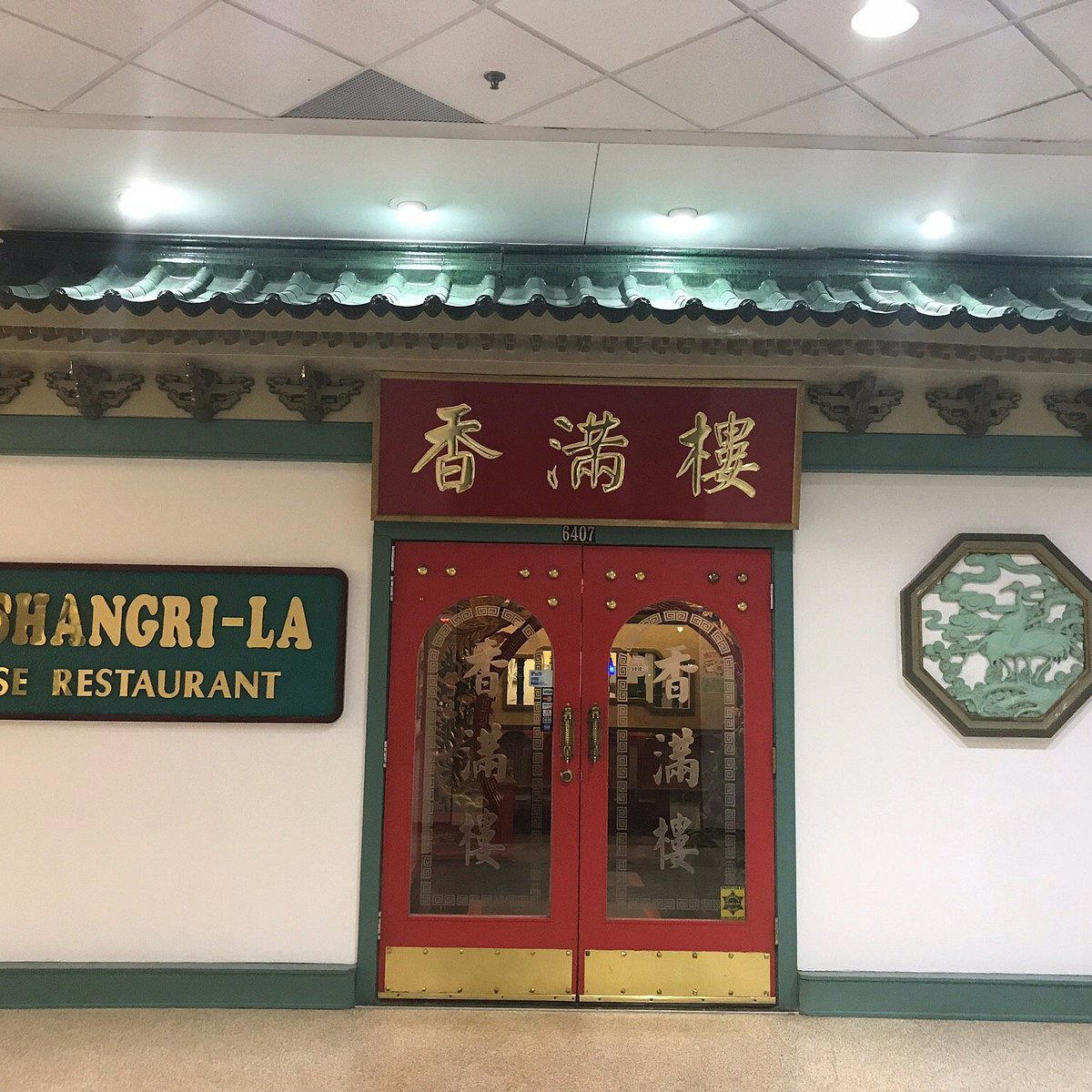
is located at 6407 Orchard Lake Road in West Bloomfield Township, accessible from the major suburban arteries connecting North Farmington and the broader Oakland County area. Given the absence of verified hours, booking methods, or pricing in the public record, contacting the venue directly before visiting is the practical approach. For context on how this address fits within the wider dining options across North Farmington, the North Farmington restaurant guide provides a fuller picture of what the area offers across formats and price points.
For travelers using this stop as part of a broader American dining itinerary, the contrast with nationally credentialed venues, Providence in Los Angeles, The Inn at Little Washington, or Emeril's in New Orleans, is worth holding in mind as a calibration point, not a dismissal. Suburban dining at its disciplined end can deliver on what matters most: sourcing that reflects the region, a format that fits the occasion, and kitchen execution that earns the return visit.
Frequently asked questions
Would Shangri-La be comfortable with kids?
The venue's public record doesn't specify a family policy, and no menu or format details are documented. Given its location on Orchard Lake Road in West Bloomfield Township, a corridor that runs from casual to upscale, it's worth calling ahead to confirm whether the setting suits younger diners before making the trip.
What is the atmosphere like at Shangri-La?
No interior descriptions, seating format, or service style are documented in the public record for Shangri-La at 6407 Orchard Lake Road. Orchard Lake Road through West Bloomfield Township hosts everything from neighbourhood bistros to white-tablecloth rooms, so atmosphere here is best confirmed directly with the venue before visiting.
Is Shangri-La on Orchard Lake Road the same as a hotel chain, and what makes it distinct in West Bloomfield Township?
Shangri-La at 6407 Orchard Lake Road in West Bloomfield Township is a standalone venue with no documented affiliation to the international hotel brand of the same name. It occupies one of metro Detroit's more competitive suburban dining corridors, where differentiation by cuisine type and sourcing philosophy has become the dividing line between venues that build a following and those that don't.
What should I order at Shangri-La?
Until the kitchen's focus is documented, the most reliable approach is checking the venue's current menu directly before visiting.
Where is Shangri-La in North Farmington?
Shangri-La is located at 6407 Orchard Lake Rd, West Bloomfield Township, MI 48322, North Farmington.
Should I book Shangri-La in advance?
No reservation policy or booking platform is listed for Shangri-La at 6407 Orchard Lake Road. Orchard Lake Road restaurants in West Bloomfield Township that draw consistently tend to fill on weekends, so contacting the venue to check table availability before you go is the practical move.
Comparison Snapshot
Comparable venues nearby, for context on price, style, and recognition.
| Venue | Cuisine | Price | Notes |
|---|---|---|---|
| Shangri-LaThis venue — the venue you are viewing | Cantonese Chinese Dim Sum | Not listed | Not listed |
| The Stage Deli | Jewish Deli | $20–30 | West Bloomfield Township |
| Tacos Wuey | Modern Mexican Taqueria | $20–30 | Mexicantown |
| Omelette & Waffle Cafe | American Breakfast & Brunch | $10–20 | Plymouth |
| Mojave Cantina - Clawson | Tex-Mex | $20–30 | Clawson |
| Mexican Village Restaurant | Classic Mexican | $20–30 | Hubbard-Richard |
Continue exploring
More in North Farmington
Restaurants in North Farmington
All restaurants in North Farmington →
Bars in North Farmington
Browse all →
Details
- Classic
- Cozy
- Casual Hangout
- Family
- Group Dining
- Standalone
- A La Carte
- Vegetarian Friendly
Current opening hours
- Monday
- 11:30 AM–9 PM
- Tuesday
- Closed
- Wednesday
- 11:30 AM–9 PM
- Thursday
- 11:30 AM–9 PM
- Friday
- 11:30 AM–9:30 PM
- Saturday
- 11:30 AM–9:30 PM
- Sunday
- 11:30 AM–9 PM
Hours can change for holidays and private events. Last verified .
Serene, inviting, and spacious, with a conversational dining-room atmosphere.