Shalimar
On a block of the Tenderloin that San Francisco's dining press rarely covers, Shalimar at 532 Jones Street occupies a different tier from the city's Michelin-decorated rooms. The food is South Asian, the room is utilitarian, and the draw is consistency in a neighbourhood where consistency is rarer than awards. For anyone tracking the city's full dining range, it sits at the opposite end of the spectrum from the tasting-menu circuit.
Pearl is the En Primeur Club membership app — saves, bookings, and concierge access live there. Same editors, same standards.
- Address
- 532 Jones St, San Francisco, CA 94102
- Phone
- +14159280333
- Website
- shalimarrestaurants.us
- Directions
- Get directions
 Saves & bookings on Pearl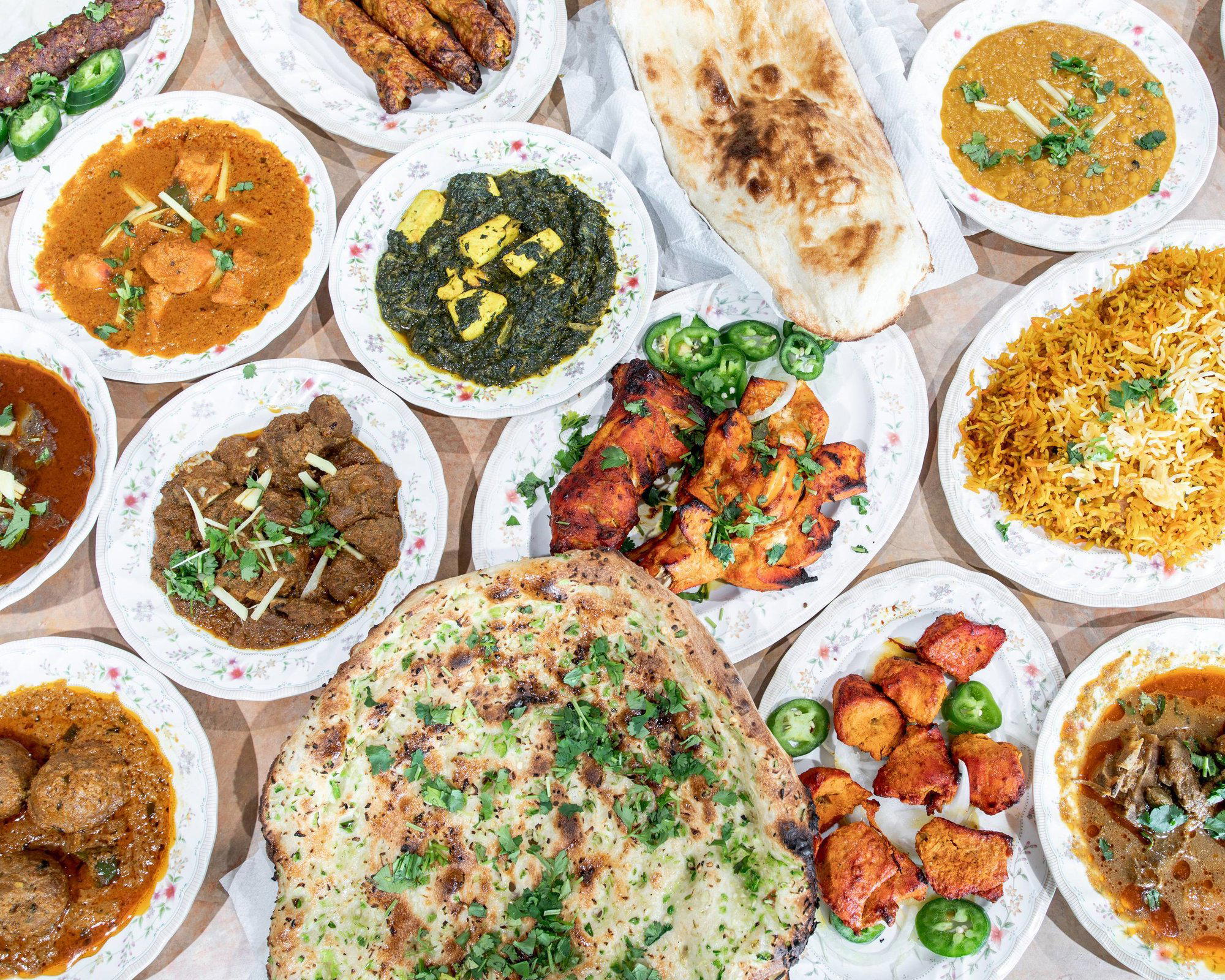
The Tenderloin Table That the Tasting-Menu Crowd Walks Past
San Francisco's dining conversation has long been dominated by its upper tier: the Michelin-starred counters, the reservation queues measured in months, the $300-per-head tasting menus at places like Benu and Atelier Crenn. That concentration of critical attention creates a gap. The restaurants that hold neighbourhoods together, that serve the same customers week after week without a publicist or a James Beard nomination, rarely get the editorial column inches. Shalimar, at 532 Jones Street in the Tenderloin, is one of those restaurants in San Francisco's accessible dining tier.
The Tenderloin is a neighbourhood that the city's food media has historically undercovered. It sits between the Theater District and the base of Nob Hill, dense with residential hotels, corner stores, and a population that is working-class, immigrant, and largely invisible to the glossy-magazine version of San Francisco dining. That context matters when you are reading about Shalimar, a casual Indian and Pakistani restaurant. It serves a different function in the city's food system.
South Asian Cooking in a City That Underserves the Category
California's South Asian population is large and geographically dispersed, but San Francisco proper has never developed a dense, concentrated South Asian restaurant corridor the way that parts of the East Bay or the South Bay have. The Tenderloin is one of the few San Francisco neighbourhoods where that cooking has any real footprint, owing partly to its immigrant residential character. Shalimar fits into that neighbourhood pattern rather than existing as an outlier within it.
South Asian cooking at the accessible end of the price spectrum tends to split between two operational modes in American cities: the assimilated Indian-American restaurant that softens spice levels and leans on the tikka masala canon, and the more direct version that is cooking for a community rather than explaining itself to one. The latter format is harder to sustain commercially in expensive cities, which is part of what makes the Tenderloin's small cluster of South Asian spots worth tracking. They operate under economic conditions that the high-end dining economy rarely has to deal with.
For comparison, the contrast with the city's tasting-menu tier is stark. Saison and Lazy Bear operate at price points and with booking infrastructure that place them in a national conversation alongside The French Laundry in Napa, Alinea in Chicago, and Le Bernardin in New York City. Shalimar operates in a register so different that the comparison is almost categorical rather than qualitative.
What Team Coordination Looks Like Without a Front-of-House Script
Team dynamics operate differently at a restaurant like Shalimar. In the high-end tier, team coordination is a designed system: sommelier pairings timed to courses, front-of-house narration of dishes, the choreography of a meal as a managed experience. At a neighbourhood South Asian spot in the Tenderloin, the coordination is less architectural and more functional. The kitchen turns food quickly; the floor manages a room that is typically busy; the interaction between the two is about throughput and accuracy rather than theatre.
That functional coordination is its own form of discipline. The restaurants that hold up over time in high-rent, high-pressure cities like San Francisco are not always the ones with particularly elaborate service scripts. Consistency in a high-volume, modest-margin operation requires a kind of kitchen-floor relationship that is different from but not lesser than the one you find at Providence in Los Angeles or Addison in San Diego. The pressures are different; so is the execution model.
Where Shalimar Sits in the Broader San Francisco Picture
San Francisco's restaurant ecology is more stratified than it appears on the surface. The Michelin tier, which includes Benu, Atelier Crenn, and Quince, sits at the leading. Below that is a mid-tier of chef-driven neighbourhood restaurants with prices in the $60 to $120 per person range. Below that is the accessible tier, which includes many of the city's immigrant-community restaurants, neighbourhood staples, and places that have never been reviewed by a national publication. Shalimar sits in that third category.
That is not a criticism. It is a structural observation about how the city's dining range actually works. The accessible tier includes particularly consistent cooking in any American city, and it is the tier that feeds many people on a daily basis. For visitors coming to San Francisco primarily for its upper-end dining, the full San Francisco restaurants guide maps the city across all price points. Internationally, the premium end of the city's dining is comparable in ambition to places like Atomix in New York City or 8 1/2 Otto e Mezzo Bombana in Hong Kong. Shalimar is not a point of comparison to those rooms. It is a point of comparison to the neighbourhood restaurants that have quietly outlasted more celebrated peers.
The city's dining scene has also seen significant attrition in its accessible tier over the past decade, as commercial rents in many neighbourhoods have forced out exactly the kind of low-margin, high-frequency operation that Shalimar represents. The Tenderloin's relative affordability has made it a more viable location for this type of restaurant than, say, the Mission or Hayes Valley, where the same cost pressures that affect operators also affect the economics of everyday dining. The comparison with Bacchanalia in Atlanta or Blue Hill at Stone Barns in Tarrytown is instructive only in the negative: those restaurants have found sustainable models at the premium end; Shalimar's model is a test of whether the accessible end can hold its ground in a city that has been economically hostile to it.
Planning a Visit
Shalimar is located at 532 Jones Street in the Tenderloin, a neighbourhood that requires some familiarity for first-time visitors. The block is busy and urban in character, without the residential calm of other San Francisco dining streets.
Quick reference: 532 Jones St, San Francisco, CA 94102. Open daily from 11:30 AM to 11 PM.
Quick Comparison
Comparable venues nearby, for context on price, style, and recognition.
| Venue | Cuisine | Price | Notes |
|---|---|---|---|
| ShalimarThis venue — the venue you are viewing | Authentic Indian & Pakistani Cuisine | $ | Not listed |
| India Clay Oven | Authentic Northern Indian Tandoori | $$ | Outer Richmond |
| Tilak | Authentic Indian | $$ | Bernal Heights |
| Homeskillet | American Diner Breakfast | $ | Mid-Market |
| Ramen Underground | Traditional Japanese Ramen | $ | Financial District |
| Cà Phê Việt | Vietnamese Coffee & Bánh Mì Cafe | $ | Financial District |
Continue exploring
More in San Francisco
Restaurants in San Francisco
Browse all →
Bars in San Francisco
Browse all →
Hotels in San Francisco
Browse all →


At a Glance
- Casual
- Rustic
- Casual Hangout
- Solo
- Late Night
- Open Kitchen
- Byob
Current opening hours
- Monday
- 11:30 AM–11 PM
- Tuesday
- 11:30 AM–11 PM
- Wednesday
- 11:30 AM–11 PM
- Thursday
- 11:30 AM–11 PM
- Friday
- 11:30 AM–11 PM
- Saturday
- 11:30 AM–11 PM
- Sunday
- 11:30 AM–11 PM
Hours can change for holidays and private events. Last verified .
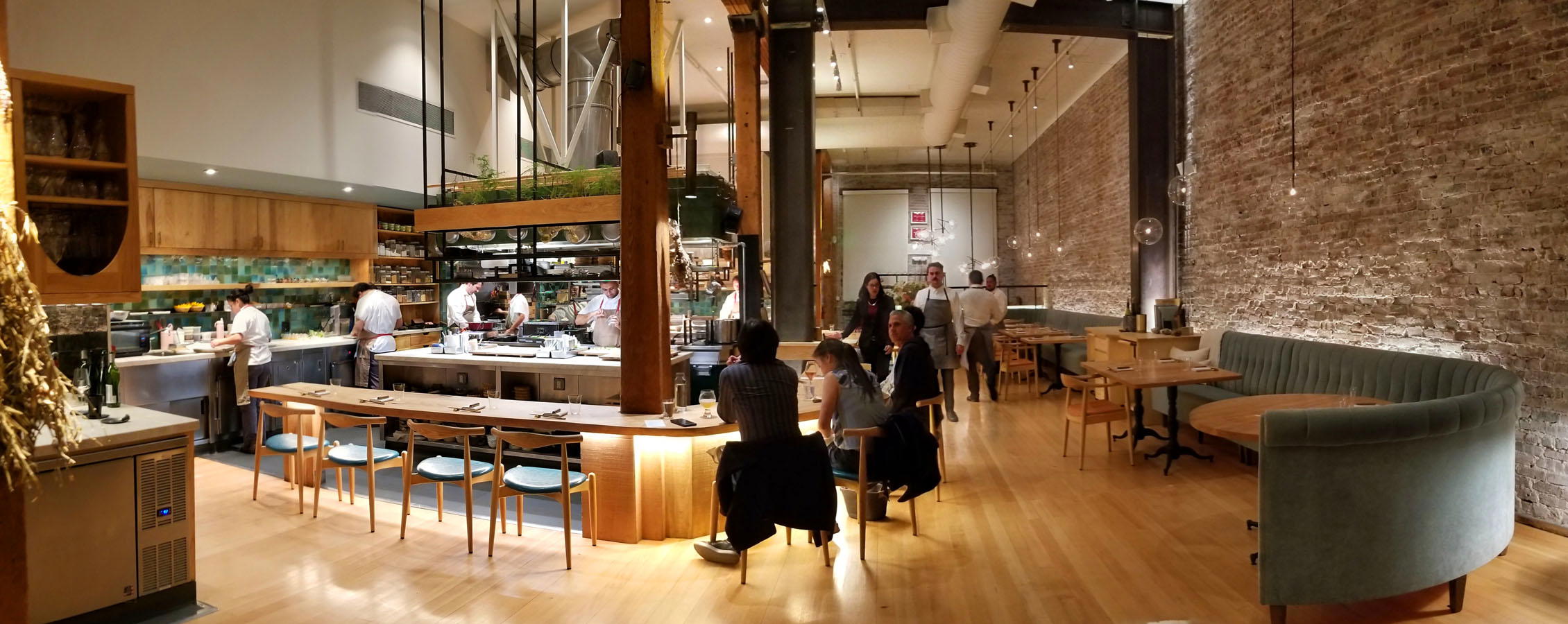
Casual and utilitarian with minimal decor, featuring just a few tables and an open kitchen visible to diners, creating an unpretentious, no-frills atmosphere focused on food quality over ambiance.