ShabaShabu
Our verdict
ShabaShabu brings the communal, broth-centered tradition of Japanese shabu-shabu to Raleigh's Wake Forest Road corridor, a stretch that has become one of the city's more reliable addresses for Asian dining. The format centers the table rather than the kitchen: thin-sliced proteins and seasonal vegetables cooked in simmering broth, at the diner's own pace. It occupies a distinct niche in a market where hot-pot and interactive dining formats have grown steadily over the past decade.

Pearl is the En Primeur Club membership app — saves, bookings, and concierge access live there. Same editors, same standards.
The Ritual of the Simmering Pot
There is a particular kind of restaurant that asks something of you before the food arrives. The tabletop burner is already on when you sit down. The broth is beginning its low, steady simmer. The mise en place, arranged in neat rows of thinly sliced protein and bundled greens, sits waiting. ShabaShabu, on Wake Forest Road in Raleigh, operates inside this tradition: the Japanese shabu-shabu format, where cooking is communal, pacing is entirely the diner's own, and the meal unfolds across the full length of the table rather than arriving from a kitchen in timed courses.
Wake Forest Road has become one of Raleigh's more consistent corridors for Asian dining. The stretch north of downtown supports a range of formats, from casual ramen shops to Korean barbecue houses, and ShabaShabu sits within that broader pattern of interactive, broth-forward dining that has grown steadily in American mid-sized cities over the past decade. Raleigh's Research Triangle population, with its large proportion of international residents and returning travelers, has made it more receptive to these formats than comparable Southern cities, and the hot-pot and shabu-shabu category has found a durable foothold here as a result.
What the Format Demands and Delivers
Shabu-shabu is, at its core, a study in restraint and sequence. The name itself is onomatopoeic, describing the swishing sound of thin beef or pork slices moved through hot broth. Unlike Chinese hot-pot, which tends toward aggressive spicing and multiple dipping sauces built for intensity, Japanese shabu-shabu traditionally centers a delicate kombu-based dashi, and the flavor accumulation happens gradually as proteins, tofu, and vegetables contribute to the broth over the course of a meal. By the last round, the liquid in the pot has become something considerably more complex than what it started as, and many tables finish by adding noodles or rice to absorb what remains.
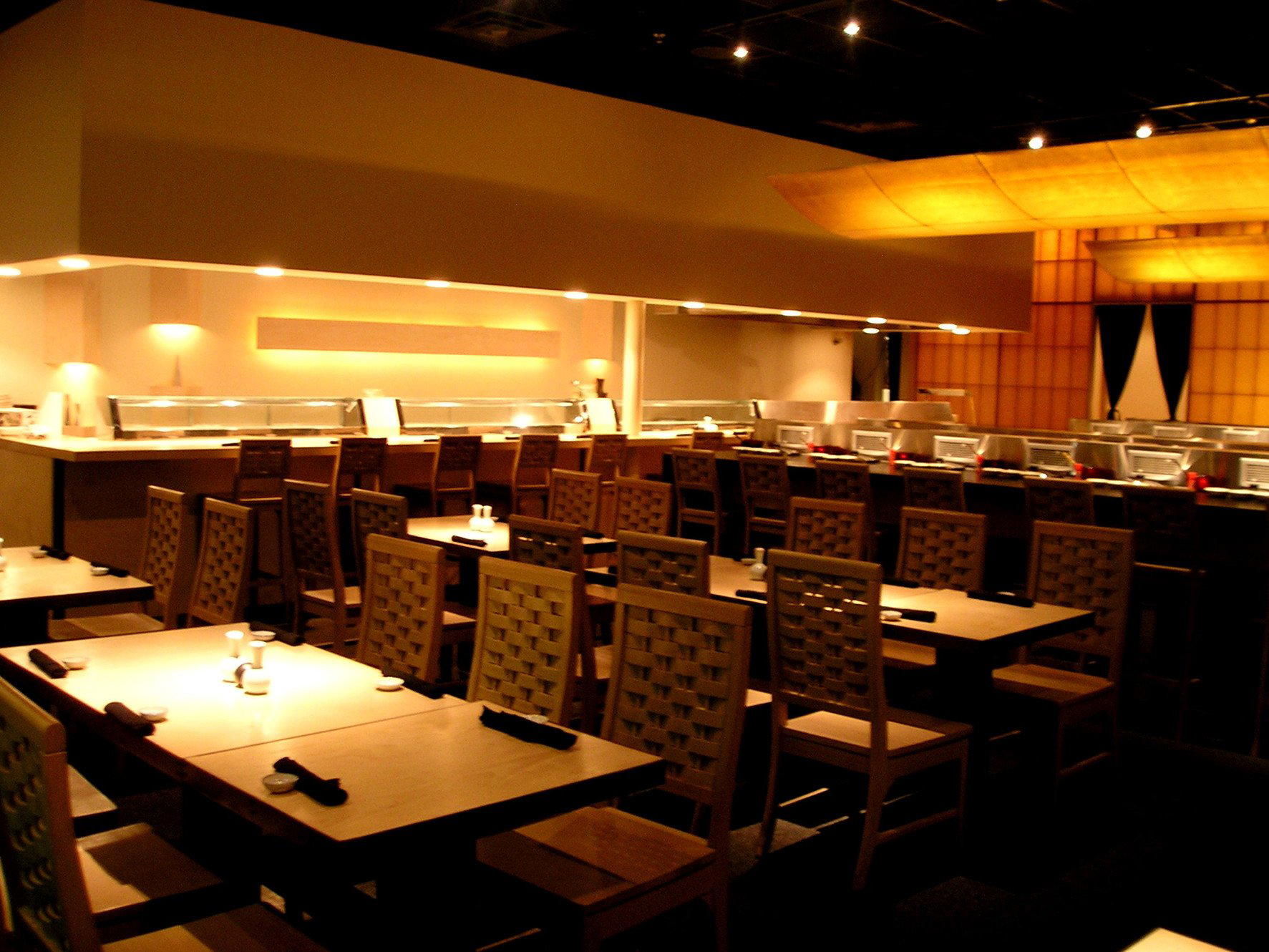
The interactive format places a different kind of demand on the dining room than a conventional table-service restaurant. Sightlines matter more: the steam rising from a dozen tabletop burners creates a shared atmosphere that is partly visual, partly olfactory, in a way that a plated-course restaurant never quite replicates. The smell of simmering dashi and the low hiss of the induction burners are as much part of the experience as anything on the plate. For diners accustomed to à la carte or tasting-menu formats, it requires a recalibration. The kitchen's role shifts to sourcing and preparation; the diner's role expands.
Raleigh's dining scene, for context, has developed considerable range over the past decade. At the higher end of the market, Raleigh-area restaurants like Ajja (Mediterranean-Indian Fusion), Azitra, and the two Anthony's La Piazza concepts (including Anthony's La Piazza Prime) represent a more conventional fine-dining tier. Venues like Barcelona Wine Bar Raleigh occupy the convivial, wine-centered middle ground. ShabaShabu belongs to a different tier altogether: casual-to-mid in price positioning, experiential in format, and defined less by chef-driven plating than by the quality of the base ingredients and broth.
Interactive Dining in an American Context
The growth of interactive dining formats in American cities reflects a broader shift in how restaurant visits are understood. Venues built around tabletop cooking, from Korean barbecue to Chinese hot-pot to Japanese shabu-shabu, have expanded from coastal Asian-food-dense markets into mid-sized inland cities at an accelerating rate since roughly 2015. The Raleigh-Durham area, with its university-driven demographic diversity, was an earlier adopter than many comparable Southern metros. Brewery Bhavana, to take one Raleigh example, built part of its reputation on communal-format hospitality. Crawford and Sons and Death and Taxes represent a different axis of Raleigh dining entirely, oriented toward New American plating and local sourcing, but they illustrate the range of formats the city now sustains.
Against this backdrop, a dedicated shabu-shabu restaurant on Wake Forest Road is neither surprising nor incidental. It reflects a customer base that knows what it wants from the format, that has likely encountered it in larger markets or abroad, and that has enough critical mass in Raleigh to support a venue built specifically around it rather than as a menu add-on to a broader pan-Asian concept.
For comparison, the most ambitious interactive-format dining in the United States is a different category entirely. Places like Alinea in Chicago, Lazy Bear in San Francisco, or Atomix in New York City use interactivity as part of a high-concept tasting program. Shabu-shabu sits at the opposite end of that spectrum: the format is ancient, the interactivity is functional rather than theatrical, and the pleasure is in the ingredients and the pace rather than in any element of surprise or performance.
At the highest register of restaurant culture, venues like The French Laundry in Napa, Le Bernardin in New York City, or Blue Hill at Stone Barns in Tarrytown represent the tasting-menu tier where the kitchen controls every variable. Shabu-shabu inverts this entirely. It is useful to hold both ends of the spectrum in mind, because it clarifies what ShabaShabu is actually offering: an experience where the diner's own judgment and pace determine the result.
Planning Your Visit
ShabaShabu is located at 3080 Wake Forest Road, Raleigh, NC 27609, in a section of the corridor that clusters several Asian dining options within a short radius, making it a reasonable anchor for a broader evening in that part of the city. For current hours, reservation policy, and menu pricing, the most reliable approach is to contact the restaurant directly or check its current online presence, as these details are subject to change. Shabu-shabu as a format typically runs at a moderate price point compared to tasting-menu or fine-dining formats, and the meal tends to run longer than a conventional dinner service, so allow time accordingly.
Those building a broader picture of Raleigh's dining options can consult our full Raleigh restaurants guide, which covers the city's range from Southern-rooted institutions to the newer Asian dining corridor ShabaShabu belongs to. For reference points further afield, the interactive and chef-driven ends of American dining are well represented at venues like Single Thread Farm in Healdsburg, Providence in Los Angeles, Addison in San Diego, The Inn at Little Washington, Emeril's in New Orleans, and 8 1/2 Otto e Mezzo Bombana in Hong Kong.
Frequently asked questions
Where exactly is ShabaShabu?
ShabaShabu is located at 3080 Wake Forest Rd, Raleigh, NC 27609, Raleigh.
Is ShabaShabu in Raleigh good for group dining and special occasions?
The shabu-shabu format is structurally built for groups: a shared simmering pot at the center of the table means the meal unfolds as a collective activity rather than parallel individual plates. Located on Wake Forest Rd in Raleigh, a corridor with several Asian dining options nearby, ShabaShabu sits in a part of the city where group dining is a common draw. For celebrations or gatherings where the meal itself is the event, the interactive format delivers a structure that most conventional restaurants do not.
What's the best thing to order at ShabaShabu?
Shabu-shabu format centers on thinly sliced proteins — typically beef or pork — cooked briefly in a simmering tabletop broth. The quality of the protein cut is where the format lives or dies, so prioritize whatever the menu presents as the primary beef option. Dipping sauces, often a sesame-based goma dare and a citrus ponzu, are the flavor variables worth paying attention to.
How far ahead should I plan for ShabaShabu?
No booking data is currently listed for ShabaShabu at 3080 Wake Forest Rd, Raleigh. For interactive hot pot venues in mid-sized American cities, weekend evenings tend to fill quickly given the group-dining appeal of the format — contacting the restaurant directly before a Friday or Saturday visit is a reasonable precaution.
What do critics highlight about ShabaShabu?
What the shabu-shabu format consistently draws attention to in American contexts is the participatory structure: the diner controls cook time, which shifts the experience away from passive consumption toward something closer to a ritual. Whether ShabaShabu executes that format with precision is worth verifying on arrival.
Can ShabaShabu accommodate dietary restrictions?
Shabu-shabu as a format has inherent flexibility: broths can be meat-free, and the cook-it-yourself structure allows each diner at the table to manage their own protein and vegetables. That said, no specific dietary accommodation policies are documented for ShabaShabu at its Raleigh location — confirming with the restaurant directly before visiting is advisable for any strict dietary requirement.
Should I splurge on ShabaShabu?
No pricing data is currently published for ShabaShabu on Wake Forest Rd in Raleigh. Shabu-shabu restaurants in the United States generally tier by protein quality — wagyu-grade beef runs significantly higher than standard cuts — so the decision to spend more depends on what grade of beef the menu offers and whether you're eating with a group that can share a broth setup efficiently.
Accolades, Compared
Comparable venues nearby, for context on price, style, and recognition.
| Venue | Cuisine | Price | Notes |
|---|---|---|---|
| ShabaShabuThis venue — the venue you are viewing | Thai and Japanese with Shabushabu | $20–30 | Not listed |
| Trophy Brewing & Pizza | Craft Pizza and Brewery | $20–30 | Downtown |
| Waraji Japanese Restaurant | Authentic Japanese Sushi & Sake Bar | $30–50 | Sendero |
| Soul Flavorscape of India | Modern North Indian | $20–30 | North Boylan |
| Kanki Crabtree | Japanese Hibachi Steakhouse & Sushi | $30–50 | Royal Hills |
| Bida Manda | Authentic Laotian | $30–50 | Fayetteville Street |