Kanki Crabtree
Our verdict
Kanki Crabtree occupies a familiar place in Raleigh's mid-tier dining circuit: a Japanese steakhouse format on Glenwood Avenue that draws on the teppanyaki tradition long established in American suburban dining. For visitors planning around the Crabtree area, it represents a reliable, entertainment-forward option within a corridor that includes both national chains and locally rooted independents.

Pearl is the En Primeur Club membership app — saves, bookings, and concierge access live there. Same editors, same standards.
- Address
- 4325 Glenwood Ave Suite 1070, Raleigh, NC 27612
- Phone
- (919) 782-9708
- Hours
- Mon–Thu 11:30 AM–9 PMFri–Sat 11:30 AM–9:30 PMSun 12–9 PM
- Website
- kanki.com
- Directions
- Get directions
- Booking
- Book on OpenTable
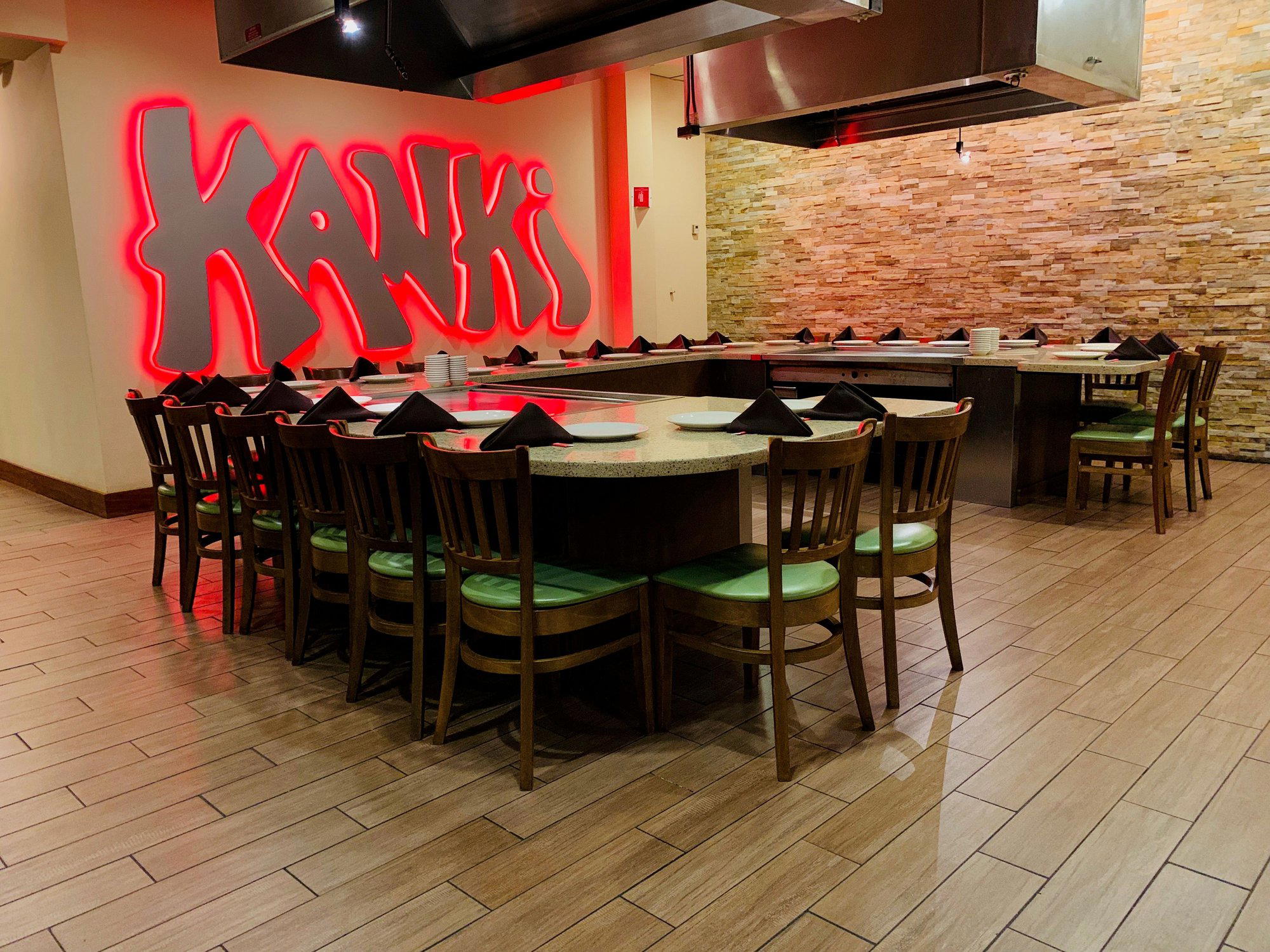
Glenwood Avenue and the Teppanyaki Tradition in Raleigh
The stretch of Glenwood Avenue running through North Raleigh has functioned for decades as one of the city's primary dining corridors, sitting between the Crabtree Valley Mall complex and the broader retail infrastructure of the 27612 zip code. The format that anchors venues like Kanki Crabtree, the Japanese steakhouse combining teppanyaki tableside cooking with a broader Japanese menu, has a specific history in American dining that differs substantially from what you find at chef-driven Japanese restaurants in coastal cities. Where counter omakase or izakaya-style programming defines the premium Japanese dining conversation at places like Atomix in New York City, the American teppanyaki format is a distinct category built around performance, communal seating, and accessible price points. Kanki, as a regional brand operating in the Triangle, occupies that category with some of the longest name recognition in the Raleigh market.
The physical setup of a teppanyaki restaurant shapes the experience before any food arrives. Large iron griddles surrounded by communal seating mean you are sharing a cooking surface, and usually a table, with strangers. The theatrical element, knife work, flame, the choreography of rice and protein moving across a hot surface, is the through-line of the format regardless of which city you are in. It is the kind of dining that works well for groups marking occasions, less so for a quiet dinner for two with a preference for privacy. Understanding that format logic is more useful than any specific dish recommendation when deciding whether the venue fits your trip.
Planning Around Kanki: What the Booking Experience Looks Like
Teppanyaki format creates specific logistical dynamics that differ from a standard restaurant booking. Because tables are organized around shared cooking stations, the restaurant has to fill those stations to run efficiently, which means party size and timing matter more than at most restaurants. Walk-in access is possible during off-peak hours, particularly on weekday evenings early in the service window, but weekend evenings at a venue with Kanki's volume of local recognition are a different calculation. The Glenwood Avenue location at Suite 1070 draws from a wide catchment that includes families, corporate groups, and out-of-town visitors staying near the mall corridor, all of which concentrates demand on Friday and Saturday nights.
For travelers arriving in Raleigh without advance reservations, the practical approach is to target a weekday evening or an early weekend seating, typically before 6:30 p.m. when station fill-up has not yet peaked. Groups of six or more will almost always benefit from a reservation, both to secure a full station and to avoid the longer waits that accumulate as the evening progresses. The format rewards planning in a way that a solo-friendly bar counter or à la carte restaurant does not.
Compared to the advance booking discipline required at the tier of restaurants where reservations open months out, such as The French Laundry in Napa or Lazy Bear in San Francisco, Kanki operates with considerably more flexibility. The demand is real but the planning horizon is shorter, measured in days rather than months for most visits.
Where Kanki Crabtree Sits in Raleigh's Dining Mix
Raleigh's restaurant scene has matured considerably over the past decade. The city now has chef-driven restaurants with genuine national profiles, a craft beverage infrastructure, and a range of cuisines reflecting the Research Triangle's demographic complexity. Venues like Ajja (Mediterranean-Indian Fusion), Azitra, and Barcelona Wine Bar Raleigh represent a more ingredient-focused, atmosphere-forward tier of the market. Italian specialists like Anthony's La Piazza and Anthony's La Piazza Prime anchor a different corner of the scene. The full range of what Raleigh offers is covered in our full Raleigh restaurants guide.
Kanki sits apart from all of those in format and intent. It is not competing with the kind of program you find at a destination restaurant elsewhere in the country. It operates in the entertainment-dining category, where the experience of the meal, the fire, the shared table, the performative cooking, carries as much weight as the food itself. That is a legitimate and well-attended category, particularly in suburban corridor locations that serve large families and group occasions. The comparison set is not Blue Hill at Stone Barns in Tarrytown or Providence in Los Angeles. It is the regional Japanese steakhouse format as it exists across American mid-market dining.
That positioning has its own value for a certain kind of traveler. If you are visiting Raleigh with children, a multigenerational group, or colleagues who want a lively, low-friction dinner that does not require any fluency in current dining trends, the teppanyaki format delivers reliably. The format's theatrical nature means even guests with no particular interest in food have something to watch and respond to.
The Glenwood Corridor in Context
Suite 1070 at 4325 Glenwood Ave places Kanki Crabtree within the Crabtree Valley Mall commercial complex, a retail and dining cluster that has served as a primary suburban hub for the city's north side for multiple decades. The area is car-dependent and oriented toward convenience rather than neighborhood character in the way that downtown Raleigh or the Warehouse District operates. For visitors staying near the airport or in hotels along the Glenwood corridor, it is geographically accessible without requiring a drive into the city center. For visitors based downtown who are specifically seeking the teppanyaki format, it requires a deliberate trip north rather than a walk-out decision.
The broader dining context along this stretch includes a mix of national chains and regional brands, which makes the Kanki name one of the more locally rooted anchors in the corridor. In a section of the city dominated by familiar national formats, a regional brand with long-standing Raleigh presence carries a different weight than a newly arrived chain concept.
Planning Your Visit
Kanki Crabtree is located at 4325 Glenwood Avenue, Suite 1070, in Raleigh's Crabtree Valley commercial area. For travelers without a reservation, a weekday evening or an early-window weekend seating gives the leading chance of walk-in access. Groups should plan ahead, as communal teppanyaki stations require coordinated seating and fill quickly on high-demand evenings. Visitors who want a broader view of what Raleigh's dining scene offers across categories and price tiers should consult our full Raleigh restaurants guide before building their itinerary.
8½ Otto e Mezzo Bombana in Hong Kong provides a further international benchmark for those planning beyond North America.
Frequently asked questions
What's the address for Kanki Crabtree?
Kanki Crabtree is located at î4325 Glenwood Ave Suite 1070, Raleigh, NC 27612, Raleigh.
Is Kanki Crabtree a good option for group dining in Raleigh?
The teppanyaki format at Kanki Crabtree — situated within the Crabtree Valley commercial corridor on Glenwood Avenue in Raleigh — lends itself directly to group bookings. Shared grill tables accommodate larger parties around a single cooking surface, which makes the format structurally different from conventional restaurant seating where groups are often split. For larger parties, contacting the restaurant in advance to confirm table configuration is the practical first step.
What's the signature dish at Kanki Crabtree?
Kanki operates in the teppanyaki tradition, where the tableside cooking format is itself the draw as much as any single dish. Grilled proteins — steak, seafood, chicken — prepared on the iron griddle in front of diners define the menu structure.
Can I walk in to Kanki Crabtree?
Walk-ins are possible at Kanki Crabtree, but the teppanyaki format creates a particular logistical dynamic worth understanding before you arrive. Shared grill tables seat multiple parties together, so availability depends on how tables are filling rather than simply how many seats remain open. For weekend evenings at the 4325 Glenwood Ave location, calling ahead is the more reliable approach.
In Context: Similar Options
Comparable venues nearby, for context on price, style, and recognition.
| Venue | Cuisine | Price | Notes |
|---|---|---|---|
| Kanki CrabtreeThis venue — the venue you are viewing | Japanese Hibachi Steakhouse & Sushi | $30–50 | Not listed |
| Sushi O | Japanese Sushi Bar with Asian Fusion | $20–30 | Glenwood South |
| Waraji Japanese Restaurant | Authentic Japanese Sushi & Sake Bar | $30–50 | Sendero |
| Tomi Sushi at GEM | Modern Japanese Sushi | Not listed | Northside |
| Il Falò Wood-Fired Kitchen | Wood-Fired Italian | $30–50 | Leesville Hollow |
| Zayka Indian Cuisine | Authentic Punjabi Northern Indian | $20–30 | North Raleigh |

Details
- Lively
- Energetic
- Celebration
- Family
- Group Dining
- Open Kitchen
- A La Carte
Current opening hours
- Monday
- 11:30 AM–9 PM
- Tuesday
- 11:30 AM–9 PM
- Wednesday
- 11:30 AM–9 PM
- Thursday
- 11:30 AM–9 PM
- Friday
- 11:30 AM–9:30 PM
- Saturday
- 11:30 AM–9:30 PM
- Sunday
- 12–9 PM
Hours can change for holidays and private events. Last verified .
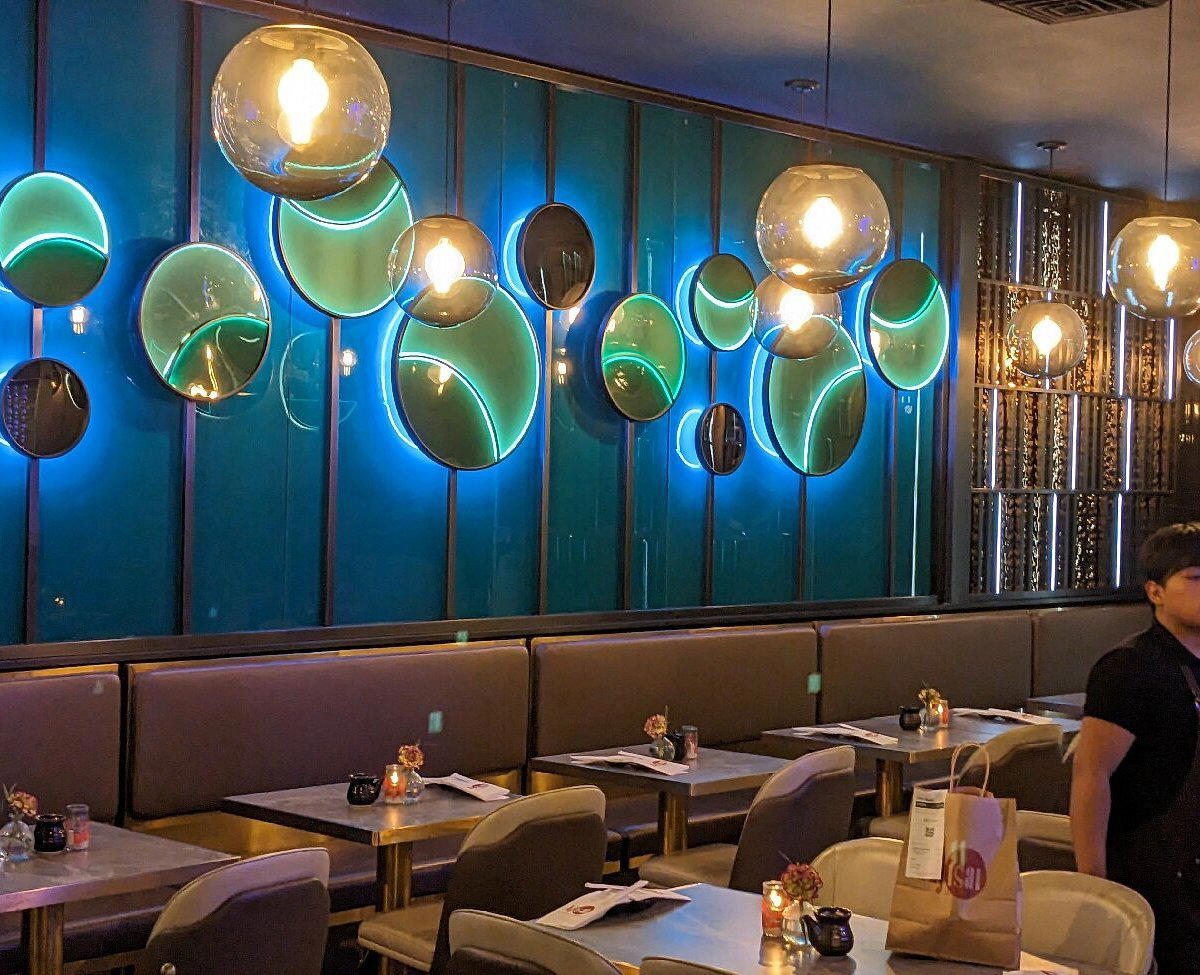
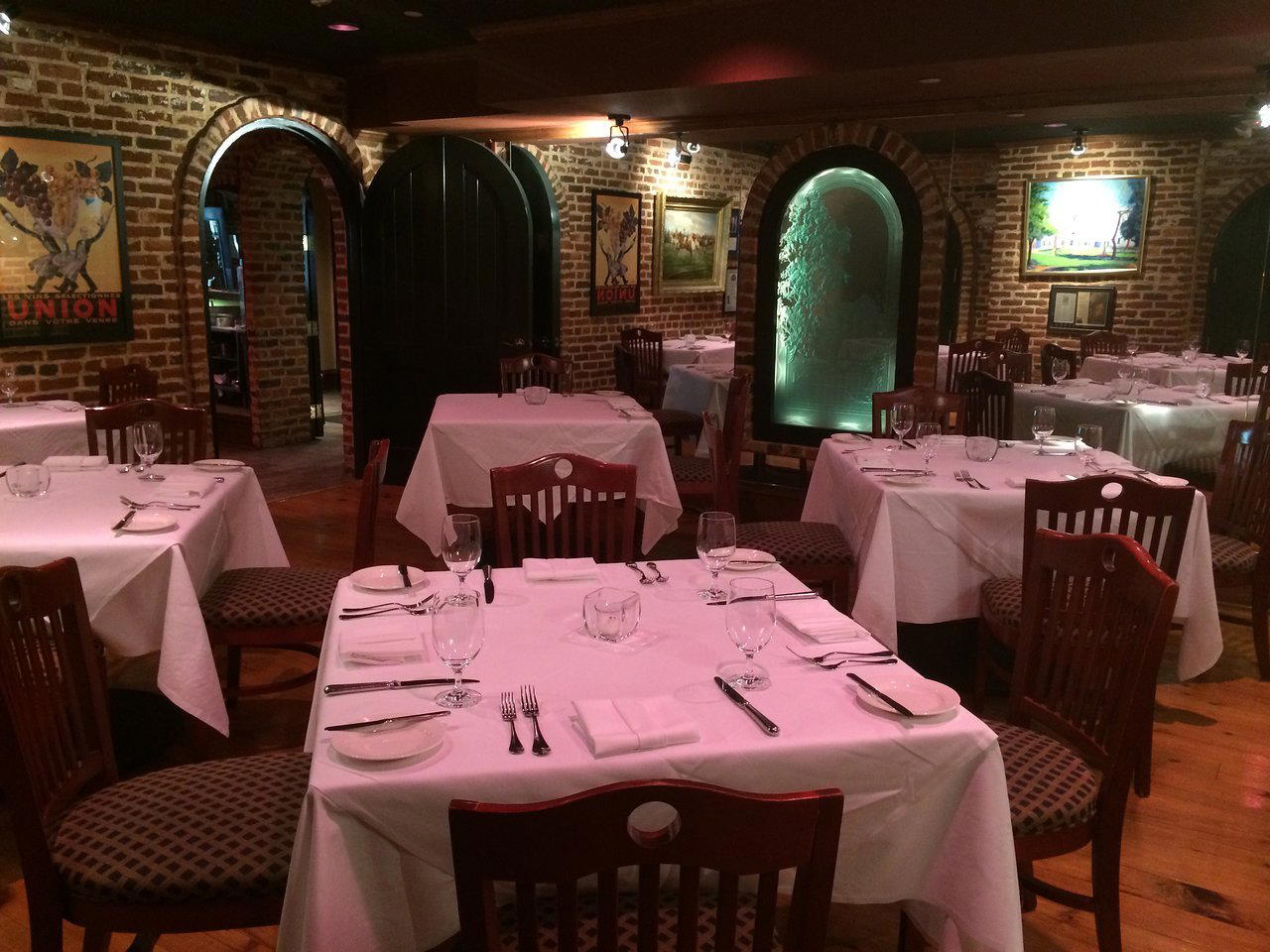
Cozy dining room with lively hibachi grill atmosphere and beautiful decor elements like stained glass.