Hive House
Treat it as a place to verify directly before planning around specific rooms, rates, dining, or service details.
Pearl is the En Primeur Club membership app — saves, bookings, and concierge access live there. Same editors, same standards.
- Address
- 1121 Ledsome Ln, Cary, NC 27511, USA
- Website
- hivehousecary.com
- Directions
- Get directions
 Saves & bookings on Pearl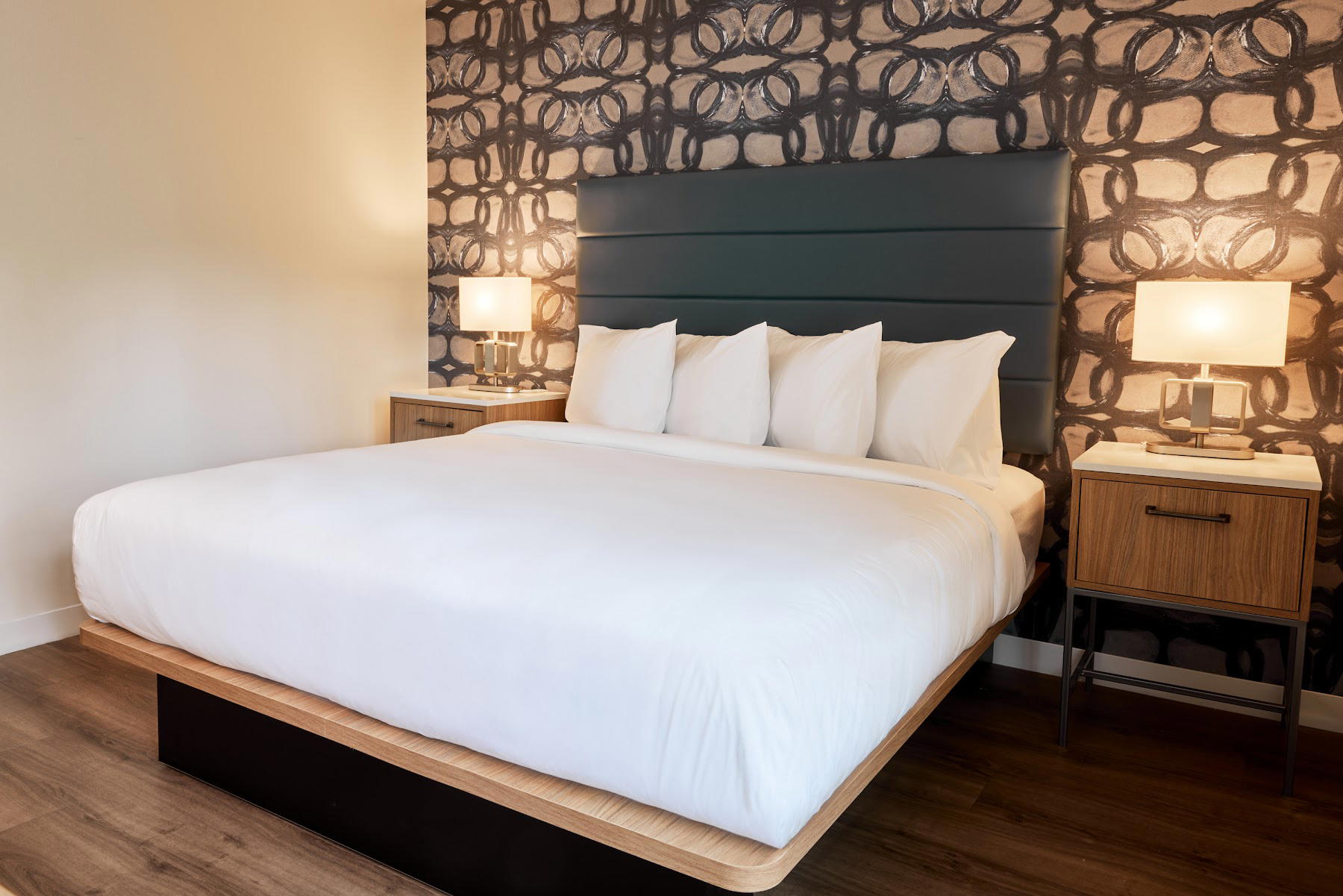
Approach the stay through Cary's quieter design language
Cary does not announce itself with hotel drama. The town’s hospitality character is shaped by planned streets, leafy residential edges, research-corridor travel, and a Triangle audience that often values calm over spectacle. That matters when reading a property with limited public-facing data. Hive House enters the Cary conversation less as a grand urban address than as part of a lower-volume accommodation culture, where architecture, domestic scale, and the feeling of arrival can matter as much as a lobby bar or a branded spa. In a market between Raleigh’s business hotels, Durham’s university-driven stays, and the wider Research Triangle’s corporate demand, a Cary address tends to reward guests who want a controlled base rather than a theatrical overnight.
The physical expectation should be set accordingly. Without verified room count, architect, amenities, public spaces, or service format in the available record, the responsible read is to focus on category and context rather than invented detail. Cary’s design-led stays often draw their force from restraint: quiet entries, residential proportions, and interiors that feel closer to a lived-in house than a convention hotel. That is the lens through which Hive House should be assessed. The name itself suggests a domestic rather than tower-hotel grammar, but no specific design claim should be made without confirmation from the property. For travelers comparing it with large-service American luxury hotels, the better question is not scale. It is whether a smaller Cary base suits the trip.
That distinction is useful across the EP Club map. A stay such as The Fifth Avenue Hotel in New York City participates in an urban design conversation about restoration, ornament, and density. The Beverly Hills Hotel in Los Angeles carries a social-history charge tied to celebrity culture and old Los Angeles. Amangiri in Canyon Point uses desert isolation and architecture as the central travel proposition. Cary operates at a different register: quieter, more practical, and closer to the rhythms of a regional stay than a destination spectacle. That does not make the category less serious. It changes the criteria.
What Cary changes about the hotel decision
The Triangle’s accommodation map is unusually fragmented. Raleigh pulls state-capital traffic, Durham draws university, medical, and restaurant interest, and Cary often catches guests who want access without staying in the middle of either city. The town’s appeal is logistical and temperamental: it suits visitors who are attending events, seeing family, working nearby, or using the area as a clean base for a few days. That creates a different kind of premium expectation. Guests are not always looking for maximal programming. They may be looking for privacy, space, parking simplicity, and a room that does not turn every evening into a production.
In that context, Hive House belongs in the conversation only after the essentials are verified. Those absences are not minor. They affect how a traveler should plan. A hotel with no verified public booking channel in the record requires direct confirmation before flights, event tickets, or dinner reservations are built around it. A property with no verified room categories cannot be assessed against suite-led inns, extended-stay formats, or full-service hotels. A property with no verified price range cannot be positioned responsibly against luxury, boutique, or mid-market peers.
That makes the editorial stance fairly clear: treat the property as a Cary-specific possibility, not as a fully evidenced anchor stay. The Cary setting is the trustable part of the record. The details that usually distinguish a hotel, from room type to service model, remain unconfirmed here. Travelers who need high-certainty planning may want to cross-check the broader city lists first: Our full Cary hotels guide for accommodation context, Our full Cary restaurants guide for dining around the stay, Our full Cary bars guide for evening plans, Our full Cary wineries guide for wine-related stops, and Our full Cary experiences guide for cultural and local programming.
Architecture as the right editorial frame
Design-led hospitality in the United States has split into several recognizable camps. There are historic urban restorations, such as Chicago Athletic Association in Chicago, where the building’s public memory is a central part of the stay. There are landscape-first retreats, including Post Ranch Inn in Big Sur, Dunton Hot Springs in Dunton, and Sage Lodge in Pray, where the built environment defers to terrain. There are urban wellness and sustainability properties, represented by 1 Hotel San Francisco in San Francisco, where material choices and environmental messaging are part of the brand language. Cary’s smaller stay formats often sit outside those grand categories. Their success depends on proportion, maintenance, light, quiet, and whether the space supports actual use.
That is why an architecture-and-design read is more helpful than a vague luxury read. With no verified awards or hotel group attached to Hive House, there is no basis for placing it beside trophy resorts by status. The more honest comparison is functional: does the property offer a residential sense of ease in a town where many visitors are avoiding the friction of larger hotel districts? That is the kind of design question that matters in Cary. It is less about a signature staircase or a lobby photographed from ten angles, more about how a stay absorbs daily routines.
American luxury references can clarify the difference. Raffles Boston in Boston works through vertical city-hotel polish and brand ceremony. Four Seasons at The Surf Club in Surfside draws on club history and coastal leisure. Kona Village, A Rosewood Resort in Kailua Kona depends on resort geography and a stay pattern measured in days rather than quick overnights. A Cary property must earn attention through a narrower promise: convenience, quiet, and a design rhythm suited to the surrounding community. Those are not lesser standards. They are more exacting because they leave little room for theatrics.
Dining, drinking, and the limits of the record
Many hotel pages lean on the restaurant as proof of ambition, but that is not possible here. Any menu description would be invented. Cary itself, however, gives useful context. The town sits inside a Triangle food region that has become increasingly serious over the past two decades, with strong South Asian, East Asian, Southern, coffee, and brewery cultures distributed across suburban centers rather than concentrated in a single dining quarter. Guests should think beyond the property when planning meals.
That can be an advantage. In smaller U.S. cities and affluent suburbs, the sharper dining choice is often outside the hotel, especially when the property’s food and beverage program is unverified. A stay in Cary can be paired with town-center dining, Raleigh restaurants, or Durham tables depending on the itinerary. The practical move is to decide where dinner will happen before choosing the final lodging base. If the evening is centered in downtown Raleigh, a Cary stay adds transit time. If the trip is focused on Cary, Apex, Morrisville, or Research Triangle Park, the town becomes more efficient. That is the kind of logistical intelligence that prevents a polished-looking stay from becoming inconvenient.
Use the Cary restaurant guide to build the meal plan, then judge the lodging by its location and room confidence. That sequencing is especially important when a record lacks website and phone details. Dining can be researched externally with current menus and reservation platforms; hotel logistics require confirmation from the property or a verified booking channel.
Not every premium hotel belongs in the same competitive set. The United States now has several parallel versions of high-end hospitality. Wine-country inns such as Auberge du Soleil in Napa, Meadowood Napa Valley in St. Helena, and SingleThread Farm Inn in Healdsburg build the stay around landscape, food culture, and cellar proximity. Wellness resorts such as Canyon Ranch Tucson in Tucson organize the day through programming. Island escapes such as Little Palm Island Resort & Spa in Little Torch Key justify the trip through separation from ordinary life. Cary’s hotel logic is different. It is about access, not withdrawal.
That distinction should guide expectations for Hive House. A guest looking for a resort ecosystem, multiple dining venues, a published spa program, and a named design pedigree needs evidence before assuming any of those elements exist. A guest looking for a quieter Cary stay may find the category more relevant, provided the practical details check out. The absence of awards in the record should not be treated as a flaw by itself; many smaller properties operate outside major award systems. With no Michelin, Forbes Travel Guide
International palace hotels clarify how different the standard becomes when documentation is abundant. Hôtel de Paris Monte-Carlo in Monte Carlo, Badrutt's Palace Hotel in St. Moritz, and Aman Venice in Venice sit inside established luxury narratives shaped by architecture, service, location, and public reputation. A Cary property with sparse verified data must be judged more modestly and more carefully. The question is not whether it competes with European grand hotels. The question is whether its scale, setting, and confirmed details match the traveler’s purpose in Cary.
How to plan a stay without overreading the listing
The planning approach should be disciplined. Second, verify the booking method, since no website or phone number is listed here. Third, ask for the room categories, rate structure, cancellation terms, parking arrangement, and any house rules before committing. Fourth, check whether food, coffee, workspace, or common areas are part of the stay, rather than assuming hotel-style services. These steps are not fussy; they are the difference between a smooth Cary base and a stay built on incomplete information.
Timing also matters in the Triangle. Weekday demand can be shaped by corporate, university, medical, and event travel, while weekends may shift toward family visits, weddings, youth sports, and regional leisure. Because no capacity or rate data is verified for Hive House, advance planning is sensible if dates are fixed. For flexible trips, compare Cary with Raleigh and Durham before deciding. The area is drivable, but hotel choice affects restaurant access, late-night returns, morning meetings, and airport timing. Without a verified address, even neighborhood assumptions should be avoided.
Design-minded travelers should request current photos rather than relying on mood language. Ask to see the specific room type being booked, not only general interiors. Confirm bed size, bathroom arrangement, stairs or elevator access, heating and cooling, noise exposure, and any shared-space policies. In a smaller property, these details can define the stay more than brand amenities. If the property operates with a house-style format, the right fit may be excellent for travelers who value quiet and autonomy. If the trip requires desk support, luggage assistance, daily housekeeping, late arrival handling, or full hotel services, those points need written confirmation.
Editorial verdict
That may sound severe, but it is the honest position. The city context is strong enough to explain why a quieter, design-aware stay could make sense here: Cary rewards calm, access, and residential ease. The property record, however, does not provide the hard markers that usually support a confident hotel assessment, such as address, price, awards, rooms, service format, or booking channel.
The editorial value lies in matching the stay to the right traveler. For a guest who wants a lower-key Cary base and is willing to verify particulars, the property belongs on the research list. For a guest who needs confirmed luxury infrastructure, published rates, or award-backed assurance, the broader hotel guide should come first. In a travel culture that often confuses sparse information with mystique, the better standard is clarity. Cary can reward understatement, but understatement is not a substitute for confirmed details.
Comparable venues nearby, for context on price, style, and recognition.
| Venue | Cuisine | Price | Awards | Notes |
|---|---|---|---|---|
| Hive HouseThis venue — the venue you are viewing | Boutique extended-stay suites blending residential comfort with hotel convenience near central Cary. | $$$ | 3-Star | Not listed |
| Guest House Raleigh | Historic Folk Victorian house restored as intimate boutique inn | $$$ | 3-Star | Downtown Raleigh |
| Kimpton Cardinal Hotel | Historic Art Deco landmark reimagined as a modern boutique hotel. | $$$ | 4-Star | Downtown |
| Outpost Inn | rustic refined mountain inn | $$$ | 3-Star | Highlands |
| Foundry Hotel Asheville | Historic industrial restoration with modern luxury sensibility; a repurposed steel foundry celebrating Appalachian heritage and local culture. | $$$ | 4-Star | The Block |
| The Durham Hotel | Mid-century modern landmark converted from a historic bank. | $$$ | 4-Star | downtown |

At a Glance
- Modern
- Trendy
- Cozy
- Whimsical
- Intimate
- Weekend Escape
- Business Trip
- Family Vacation
- Group Retreat
- Romantic Getaway
- Celebration
- Design Destination
- Wi Fi
- Fitness Center
- Business Center
- Wi Fi
- Fitness Center
- Business Center
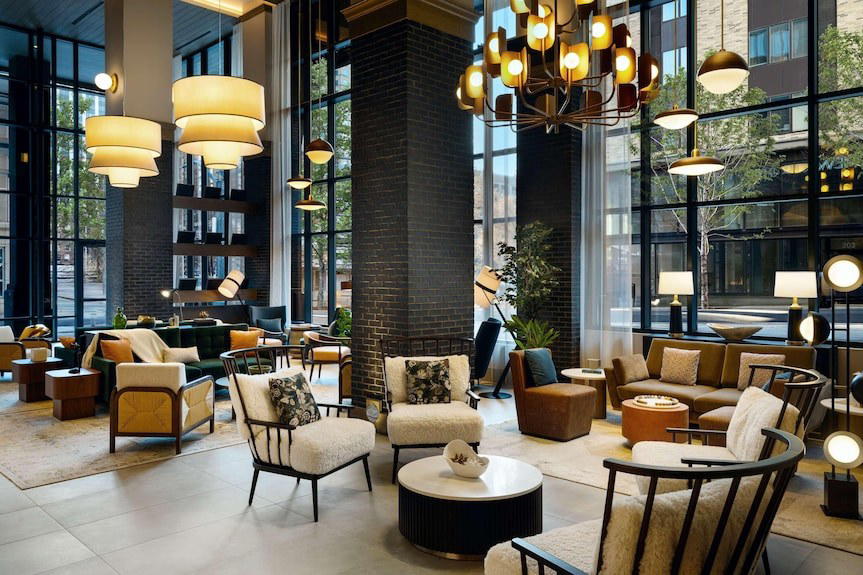
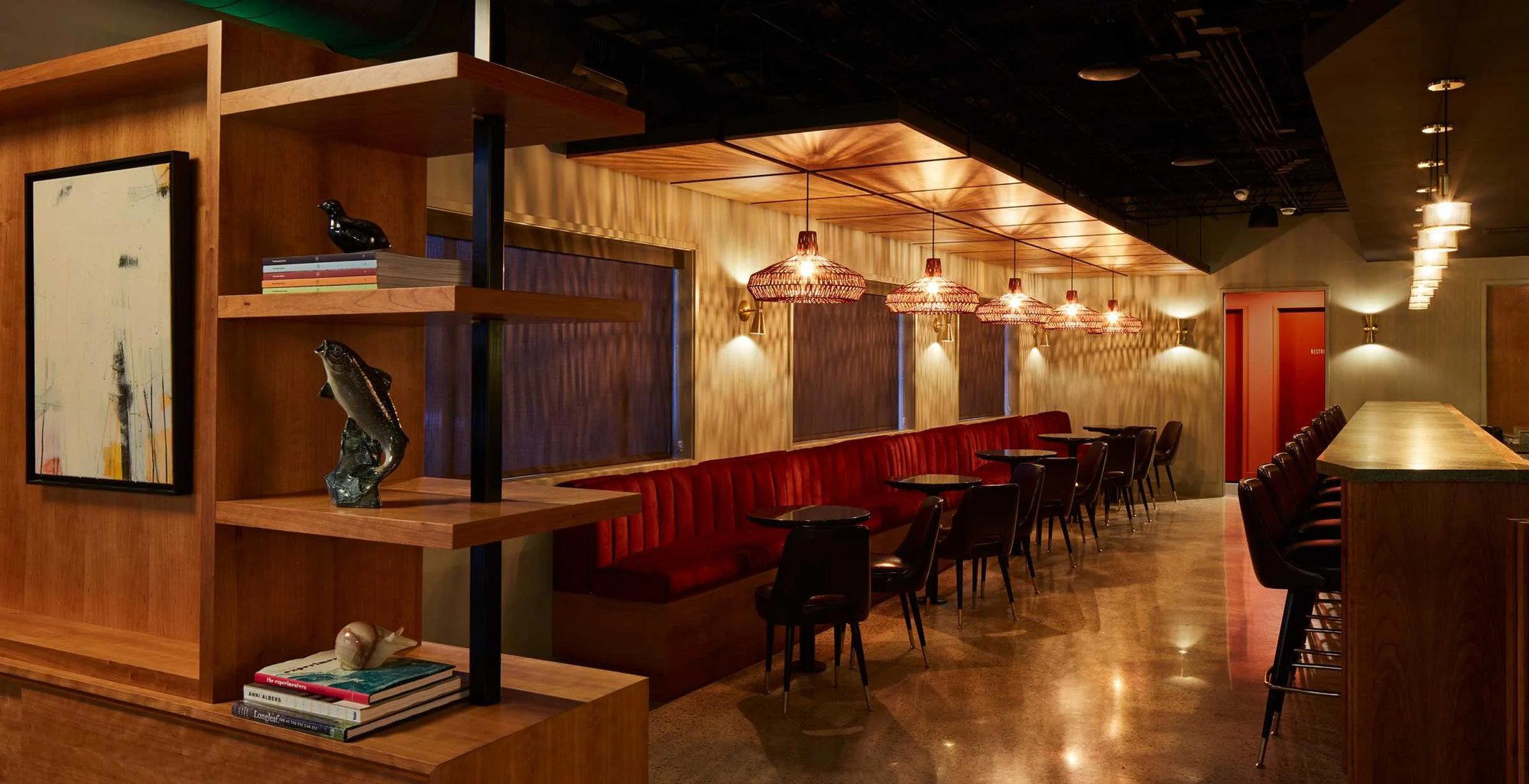
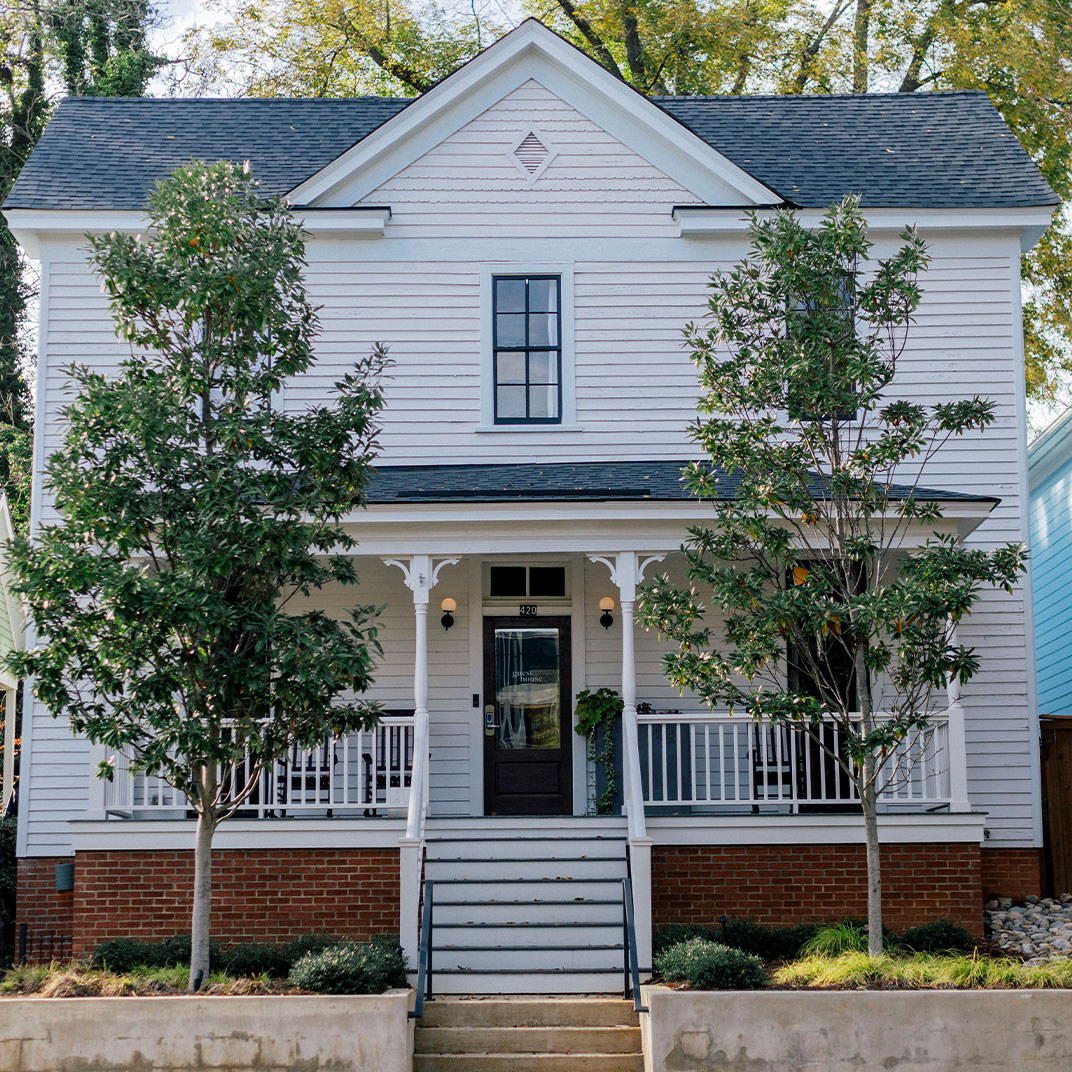
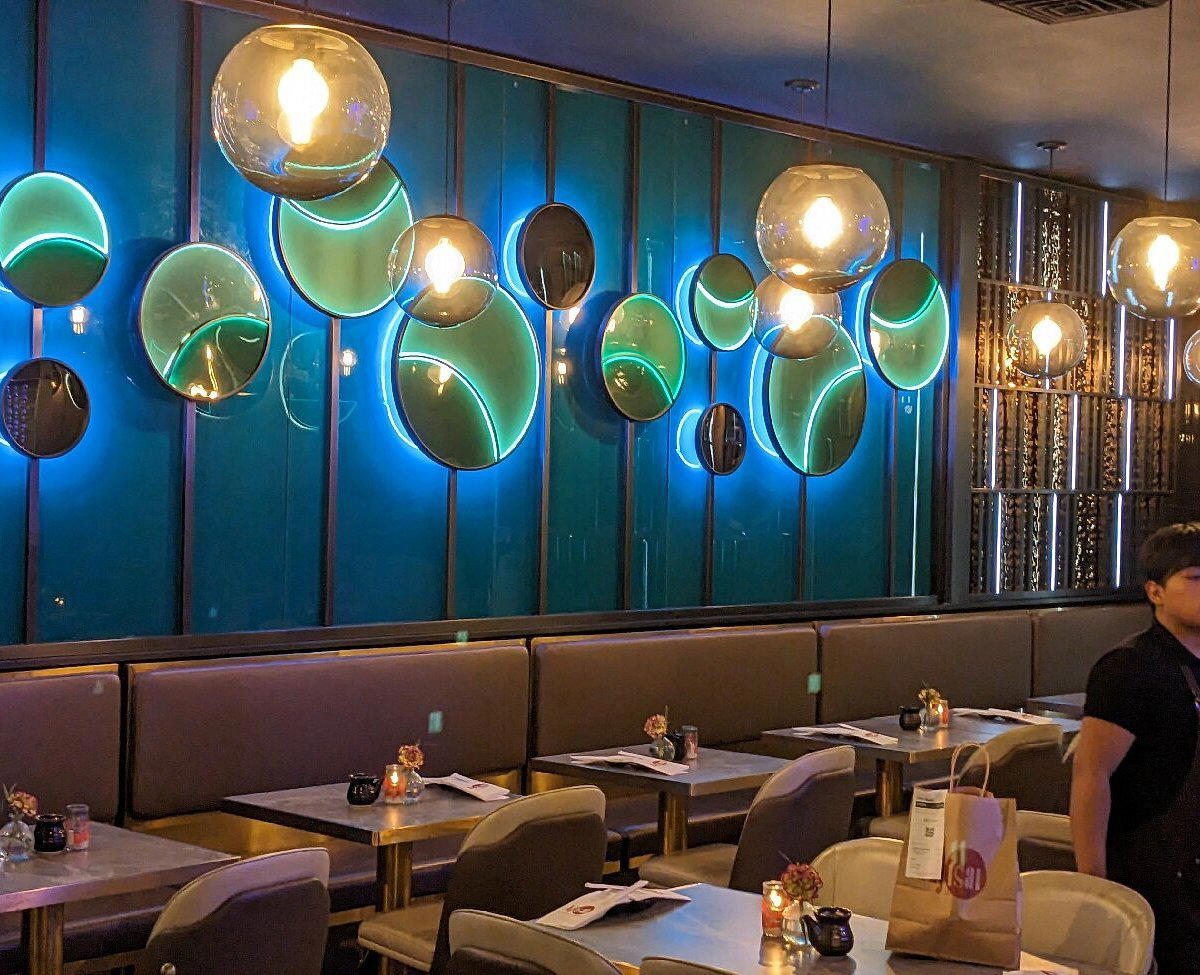
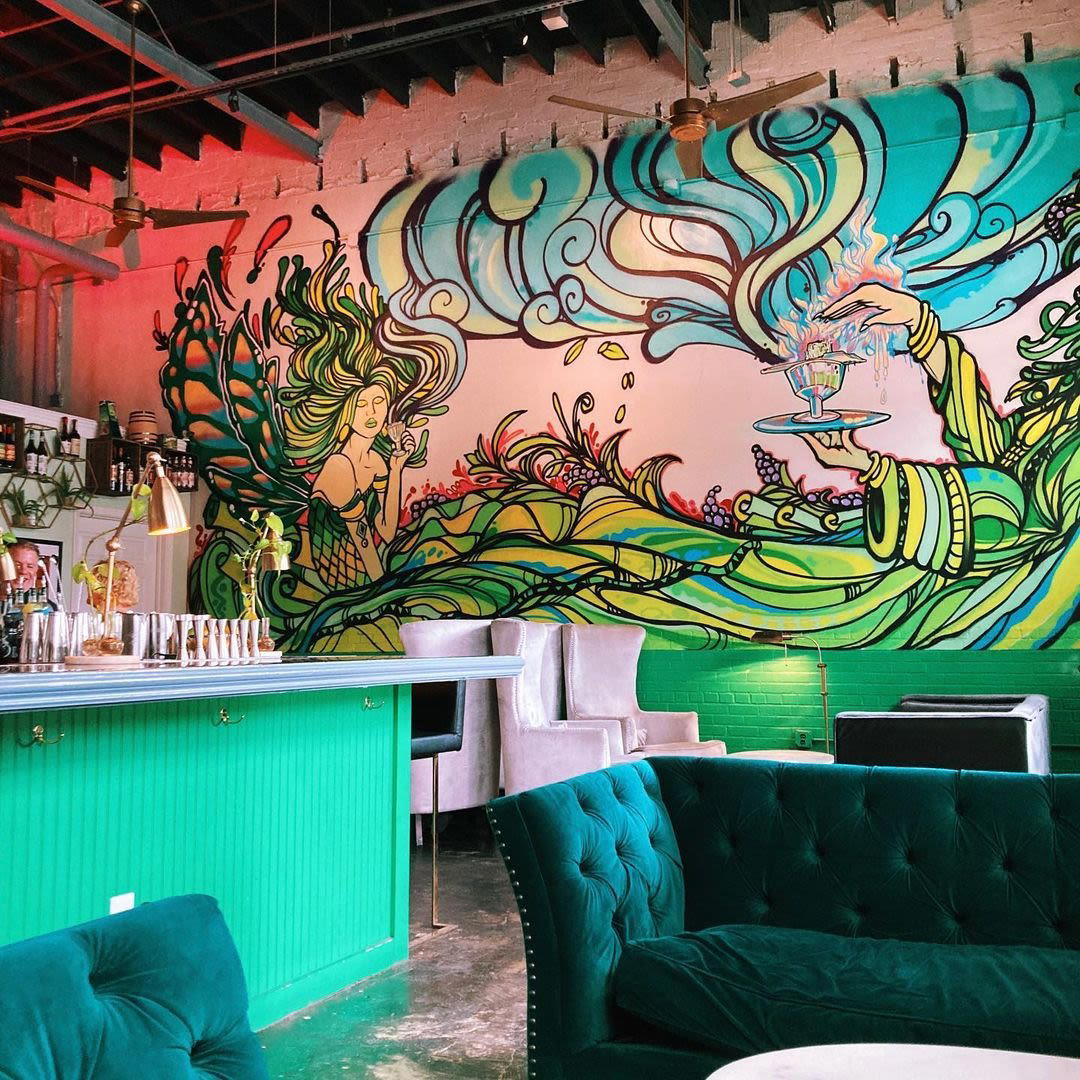
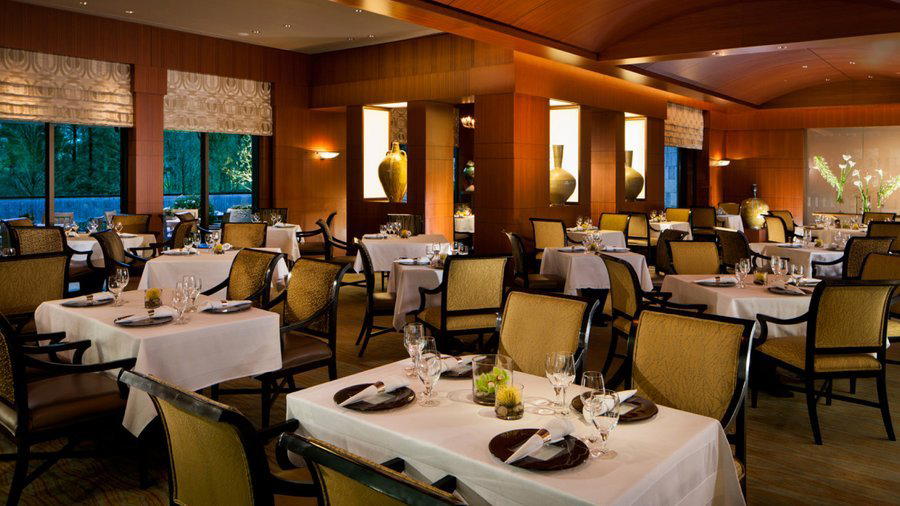
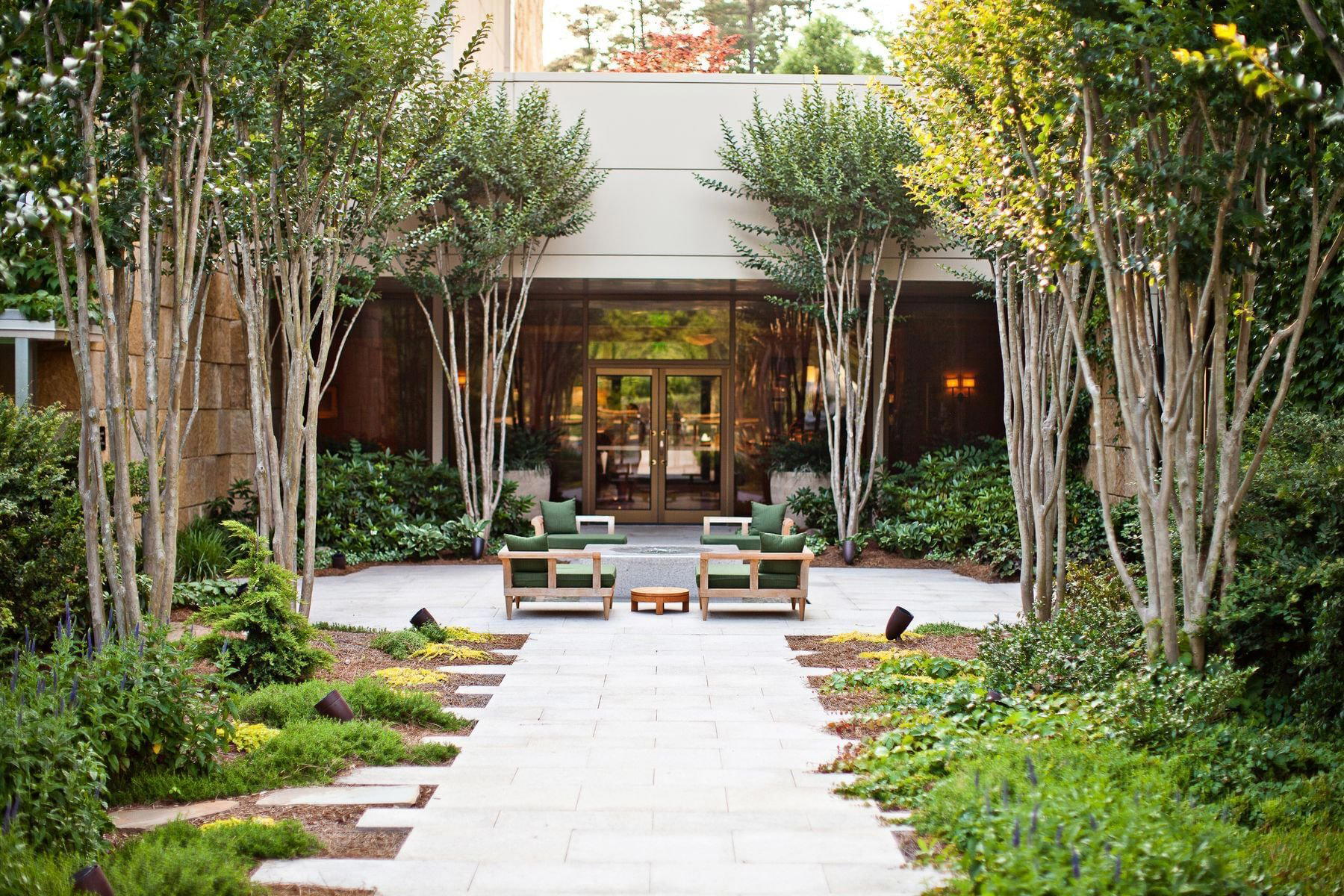
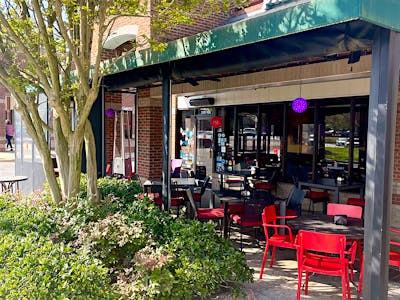
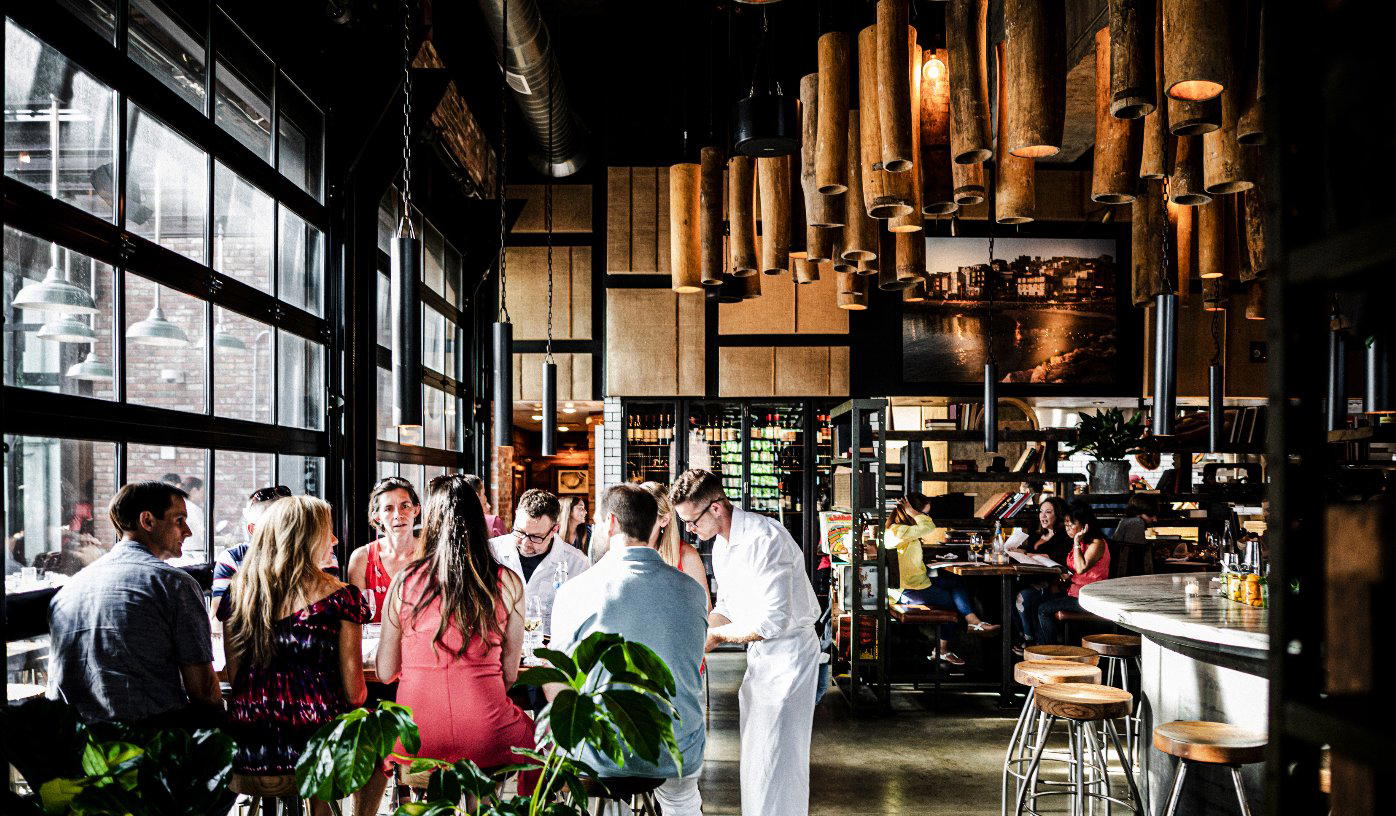
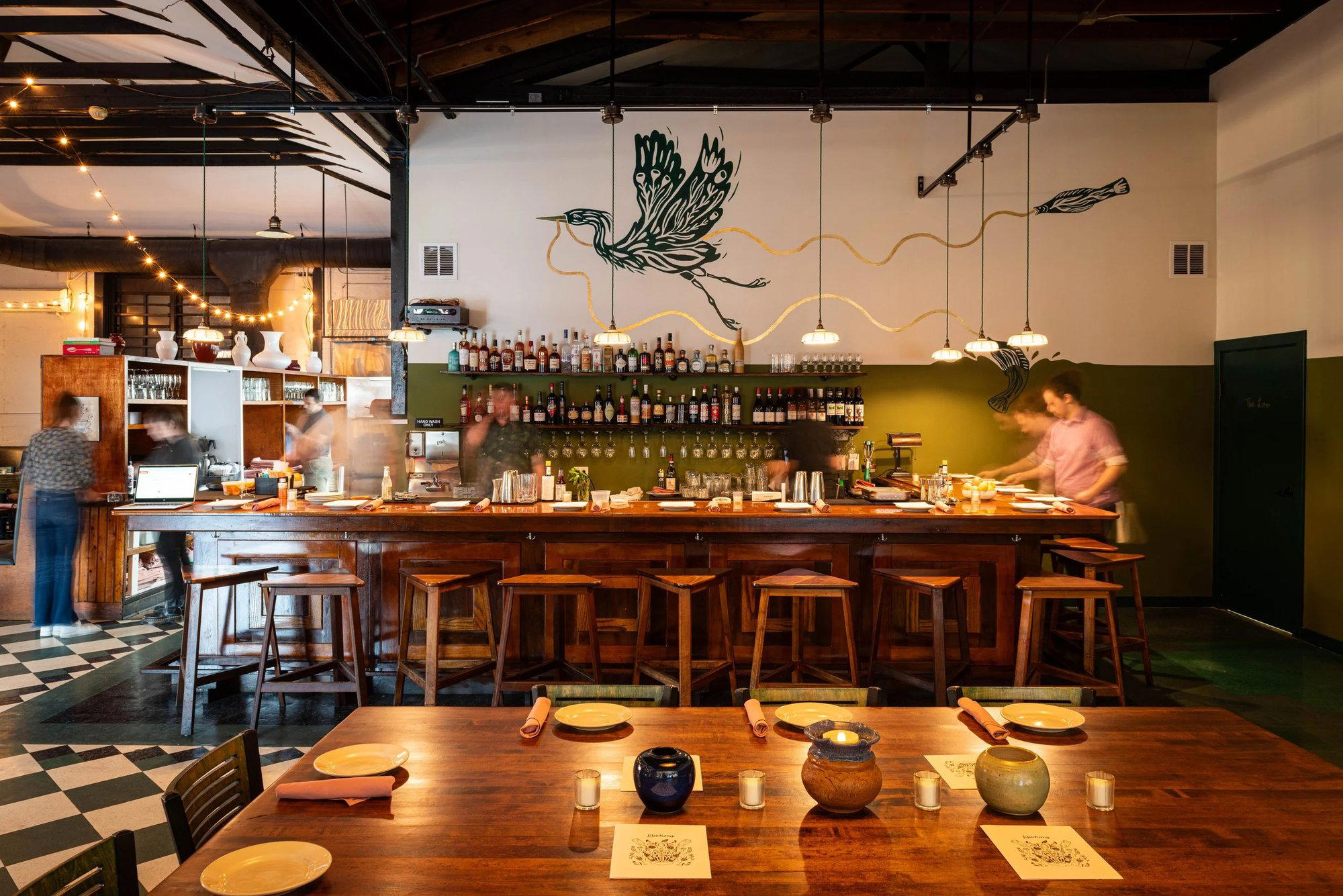
Eclectic and lively boutique atmosphere with art-filled walls, funky lounge areas, and a warm, home-like feel that is quiet and relaxed rather than bustling.
Know Before You Go
- Getting there
- 1121 Ledsome Ln, Cary, NC 27511, USA