On Ringstraße in central Wels, Osteria da Nonna Nena brings the rhythms of Italian home cooking to Upper Austria's second-largest city. The kitchen works in the tradition of cucina della nonna, where recipes pass through generations rather than culinary schools. For Wels diners looking beyond the city's Austrian-leaning restaurant circuit, it offers a grounding in ingredient-driven Italian simplicity.
Pearl is the En Primeur Club membership app — saves, bookings, and concierge access live there. Same editors, same standards.
- Address
- Ringstraße 15, 4600 Wels, Austria
- Phone
- +436601021020
- Directions
- Get directions
 Saves & bookings on Pearl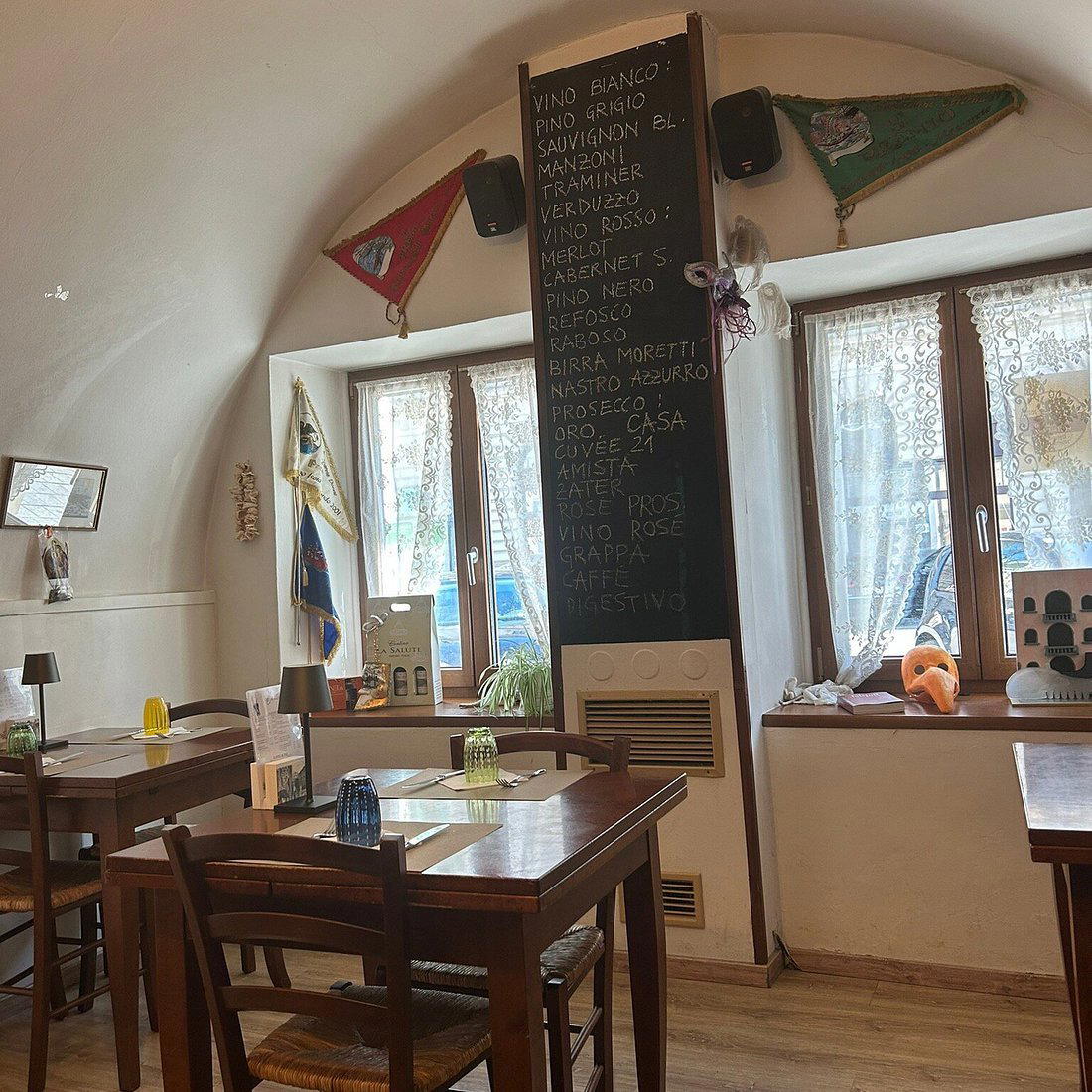
Where Italian Home Cooking Lands in Upper Austria
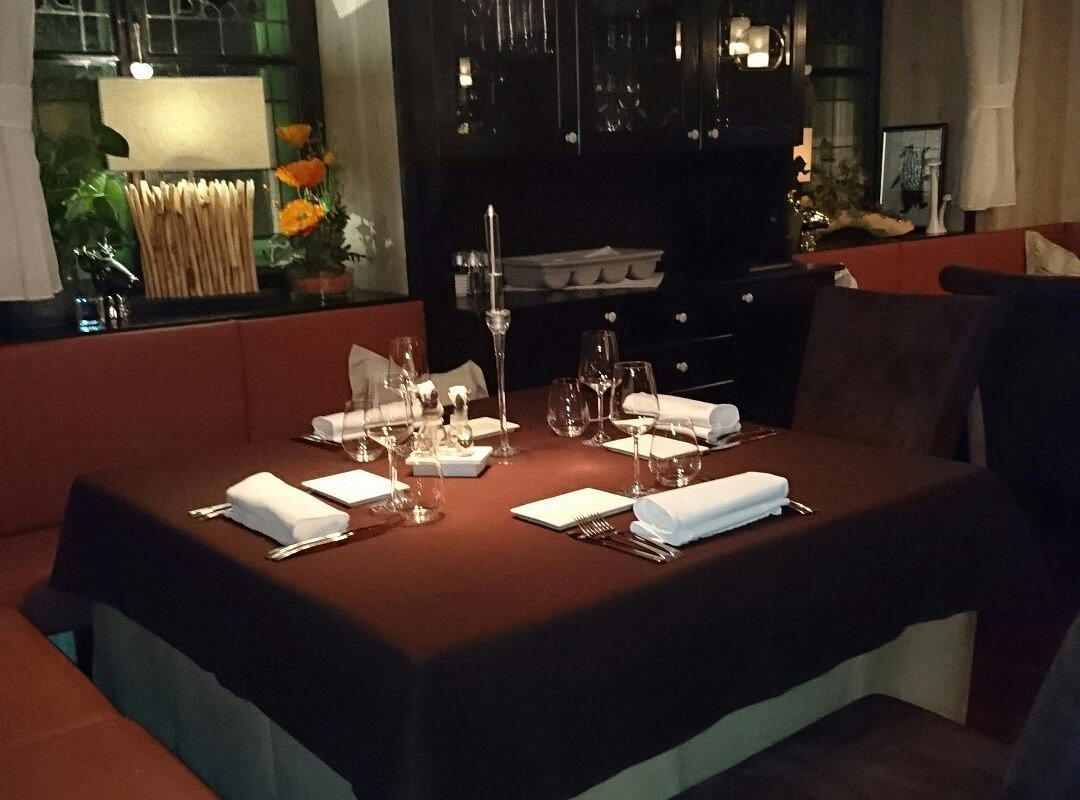
Ringstraße is one of Wels's main civic arteries, a broad street that connects the old town core to the city's commercial districts. It is not the kind of address associated with destination dining, and that is largely the point. Along this stretch, the restaurants that endure tend to serve a neighbourhood rather than a tourist circuit, drawing the same regulars across years rather than chasing seasonal visitors. Osteria da Nonna Nena sits at number 15, in a setting that reads as domestic rather than theatrical, the kind of room where the smell of slow-cooked tomato reaches you before the door fully opens.
The name signals the kitchen's orientation immediately. Nonna is grandmother, and the osteria format is the least formal tier of Italian restaurant tradition: no tasting menus, no architectural plating, no premium for theatre. What the format promises instead is food tied to a domestic logic, recipes that exist because they work, passed down through households rather than through brigade kitchens. In Austria's restaurant scene, which leans heavily toward either Austrian tavern cooking or internationally credentialed fine dining, that positioning is a deliberate choice.
The Sourcing Argument Behind Italian Regional Cooking
The intellectual case for cucina della nonna rests almost entirely on ingredients. Classic Italian home cooking, the braised meats, the handmade pasta, the long-simmered ragù, was not designed around technique for its own sake. It was designed to take full advantage of what was locally available and seasonally appropriate. A ragù that takes four hours does so because tough, flavourful cuts need time, not because complexity is the goal. That logic travels surprisingly well to Upper Austria, a region with its own tradition of slow-cooked, ingredient-respecting cookery.
Wels sits in a productive agricultural zone. Upper Austria produces dairy, pork, freshwater fish from the region's rivers, and seasonal vegetables across a long growing calendar. Restaurants in the city that cook with regional sourcing in mind, whether Italian-inflected or Austrian, have access to ingredients that hold their own against anything imported. The question any Italian kitchen operating outside Italy must answer is whether it sources its Italian pantry staples with enough care to maintain credibility. Imported San Marzano tomatoes, aged Parmigiano-Reggiano, and properly cured charcuterie are not interchangeable with supermarket substitutes, and the gap shows in the finished dish.
The discipline required at that level filters down: even mid-market restaurants in Upper Austria operate in a food culture that takes provenance seriously. An osteria working in that environment is held to a higher standard than one operating in a city with less developed sourcing infrastructure.
Wels's Restaurant Scene and Where the Osteria Fits
Wels does not have the restaurant density of Salzburg or Vienna, but it has a functional and varied dining circuit for a city of its size. The scene covers Austrian tavern cooking, fish-focused rooms like Adria Fischrestaurant, more contemporary European formats such as Agape Cuisine & Wine and GansFein, and international options including Indiya.
Within that set, an osteria occupies a specific and relatively underserved niche. In's Haas and the broader Wels circuit lean toward Austrian or broader European registers. Dedicated Italian home-cooking formats, as distinct from pizzerias or Italian-influenced brasseries, are rarer. The osteria model, shared tables or close-set seating, a short menu that changes with what's good, and a wine list that supports rather than competes with the food, creates a social temperature different from the region's more formal dining rooms.
That contrast matters to diners who value informality as a feature. An osteria asks for the opposite: ease, repetition, the comfort of a menu you already half-know. Ois in Neufelden offers another point of comparison within Upper Austria, a smaller-format address where intimacy is the operating principle.
How It Stacks Up
Comparable venues nearby, for context on price, style, and recognition.
| Venue | Cuisine | Price | Awards | Notes |
|---|---|---|---|---|
| Osteria da Nonna NenaThis venue — the venue you are viewing | Authentic Italian Osteria | $$ | Not listed | Not listed |
| Marlon | Bar/Café | Not listed | Not listed | Stadtplatz |
| Agape Cuisine & Wine | Mediterranean Seafood & Wine | $$$ | Not listed | Stadtplatz |
| In's Haas | Austrian Bistro with International Specialties | $$ | Not listed | Stadtplatz |
| GansFein | Contemporary Mediterranean-Japanese Fusion | $$$ | Michelin Plate | Stadtplatz |
| sGerstl | Austrian Brew Pub | $$ | Not listed | Wels city center |
Continue exploring
More in Wels
Restaurants in Wels
Browse all →
Bars in Wels
Browse all →
Hotels in Wels
Browse all →

At a Glance
- Cozy
- Rustic
- Intimate
- Date Night
- Casual Hangout
- Garden
- Garden
Current opening hours
- Monday
- 6–10 PM
- Tuesday
- 12–2 PM, 6–10 PM
- Wednesday
- 12–2 PM, 6–10 PM
- Thursday
- 12–2 PM, 6–10 PM
- Friday
- 12–2 PM, 6–10 PM
- Saturday
- Closed
- Sunday
- Closed
Hours can change for holidays and private events. Last verified .
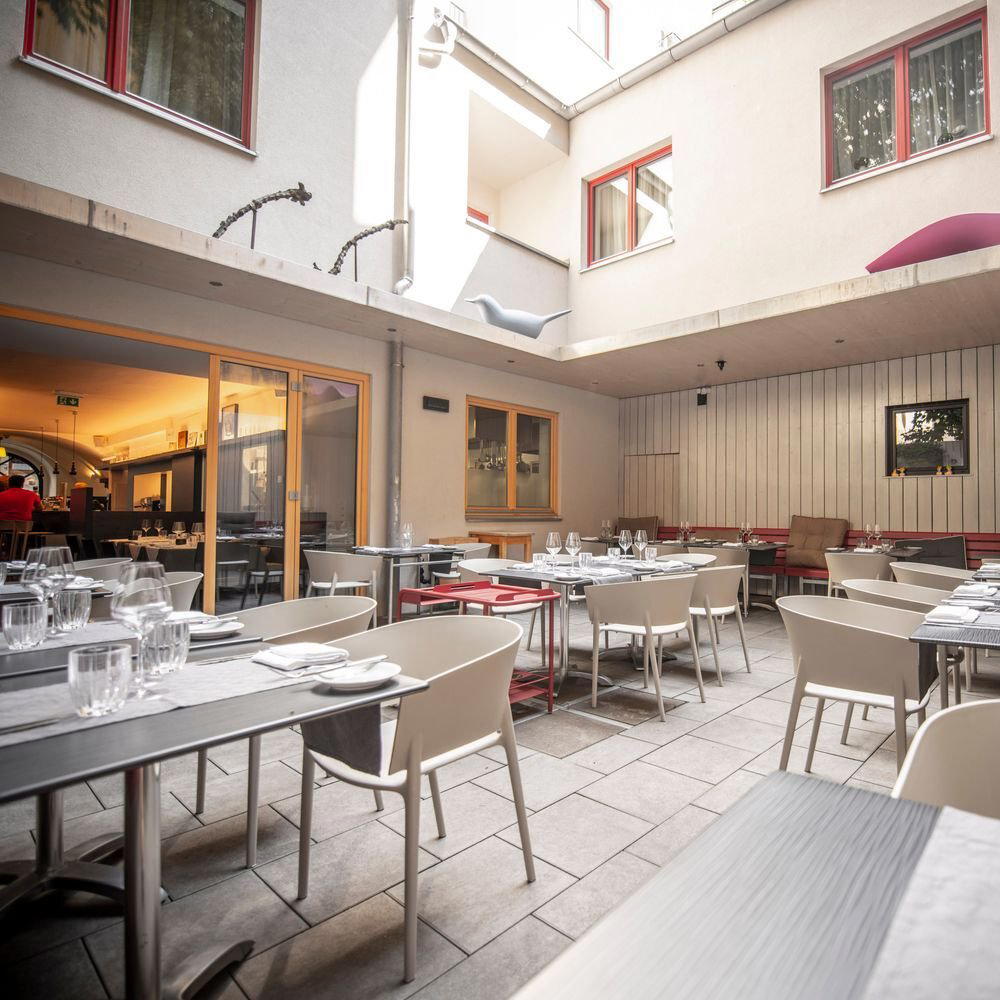
Warm, inviting, and authentic Italian with a family-like feel, featuring a peaceful garden setting between buildings.